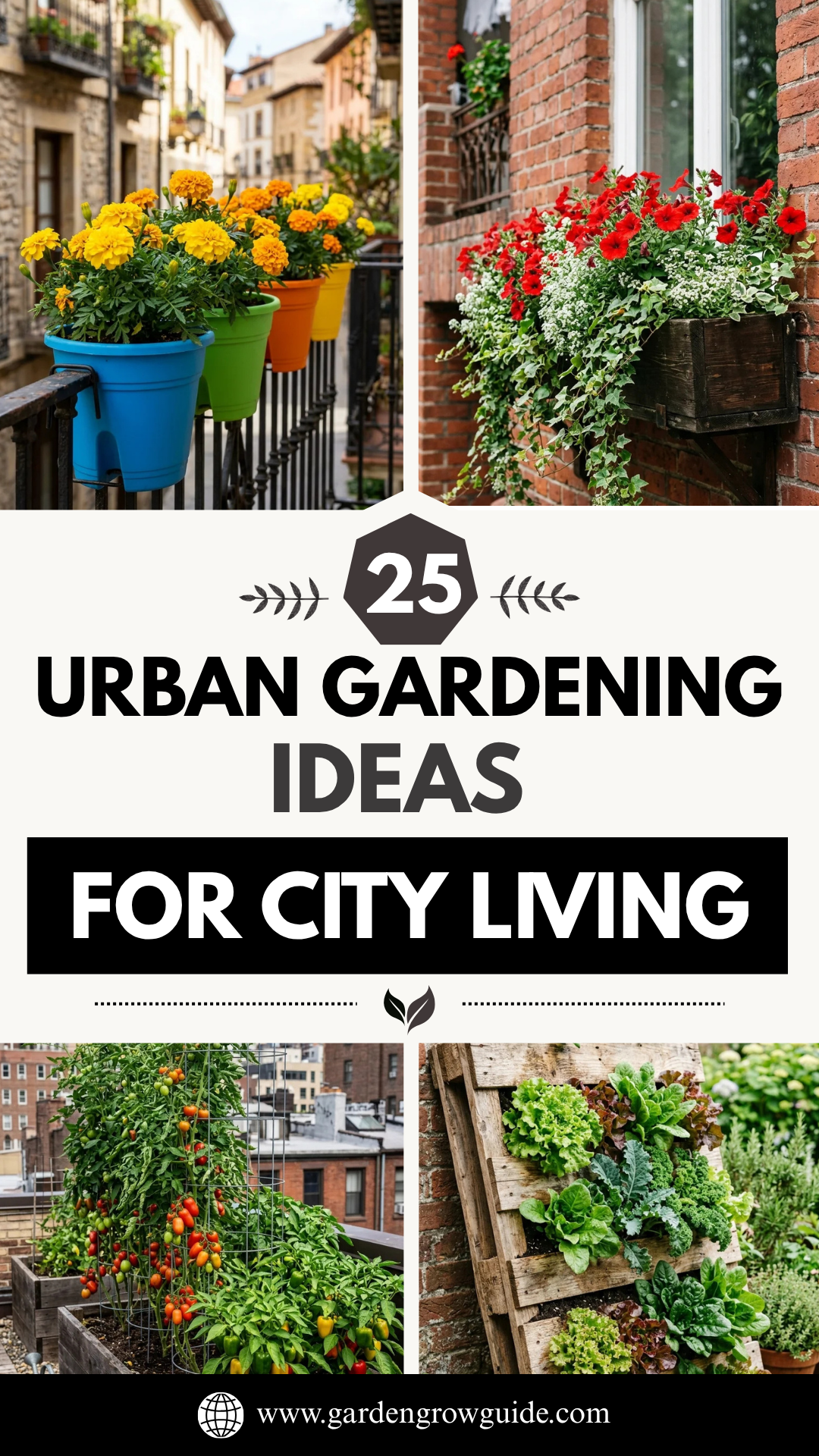
Urban living often comes with the challenge of limited space, yet the human desire to connect with nature remains steadfast. Urban gardening is more than just a hobby; it is a way to purify indoor air, grow your own organic produce, and create a sanctuary amidst the concrete jungle. Whether you have a tiny balcony, a sunny windowsill, or just a spare corner in your living room, there is a gardening solution tailored for you.
1. Window Boxes
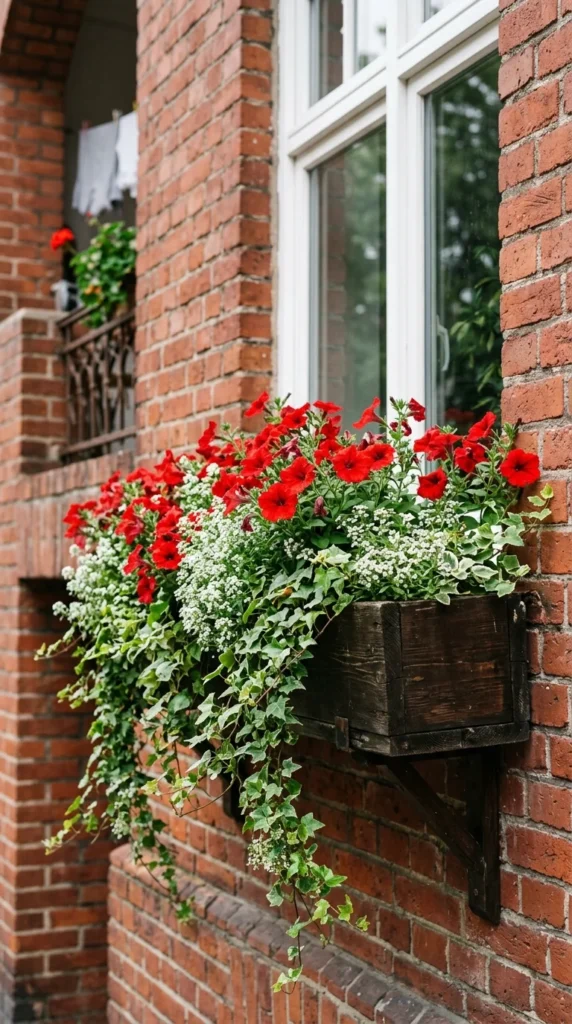
Window boxes are the quintessential urban gardening tool. They maximize exterior space that would otherwise go unused. These boxes are ideal for flowers, trailing vines, and even small salad greens. When installing them, ensure they are securely fastened to the sill and check local building regulations regarding exterior attachments.
2. Vertical Pallets
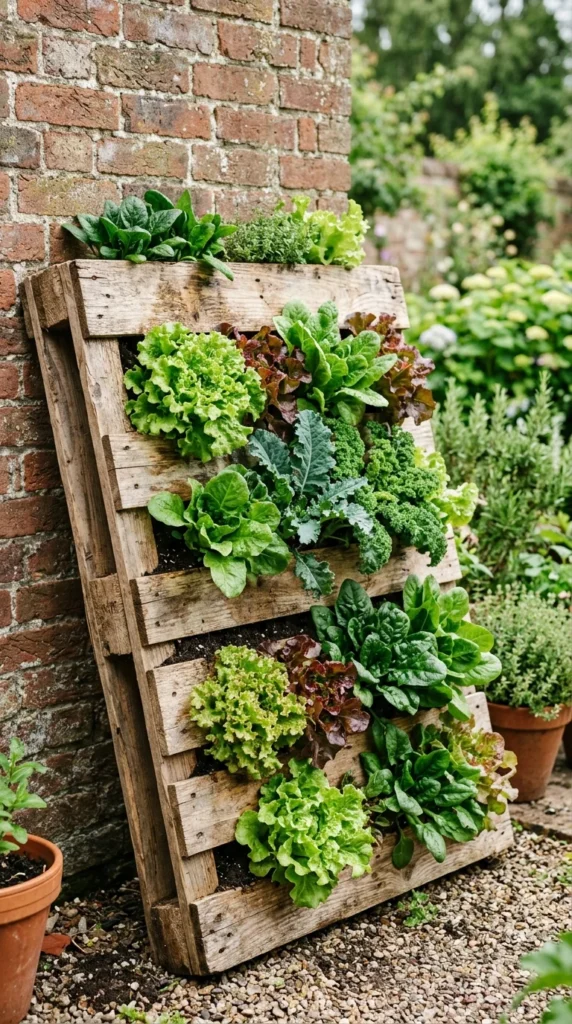
Vertical gardening is the golden rule of small-space design. By repurposing a wooden pallet, you create multiple rows of planting space using minimal floor area. Simply staple landscape fabric to the back and bottom of the pallet, fill it with high-quality potting soil, and tuck your plants into the slats. It’s an eco-friendly and stylish way to grow a full salad bar.
3. Hanging Planters
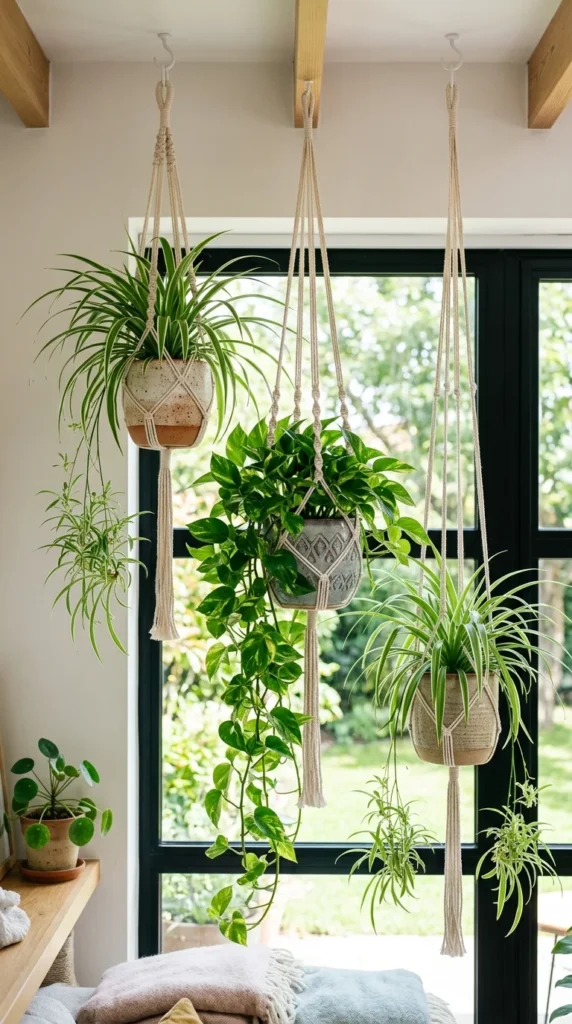
When floor space is at a premium, look up. Hanging planters utilize the vertical volume of a room or balcony. They are perfect for “spiller” plants—species that naturally trail downward. This method keeps plants away from pets and curious toddlers while adding a layer of greenery to your interior design.
4. Tiered Stands
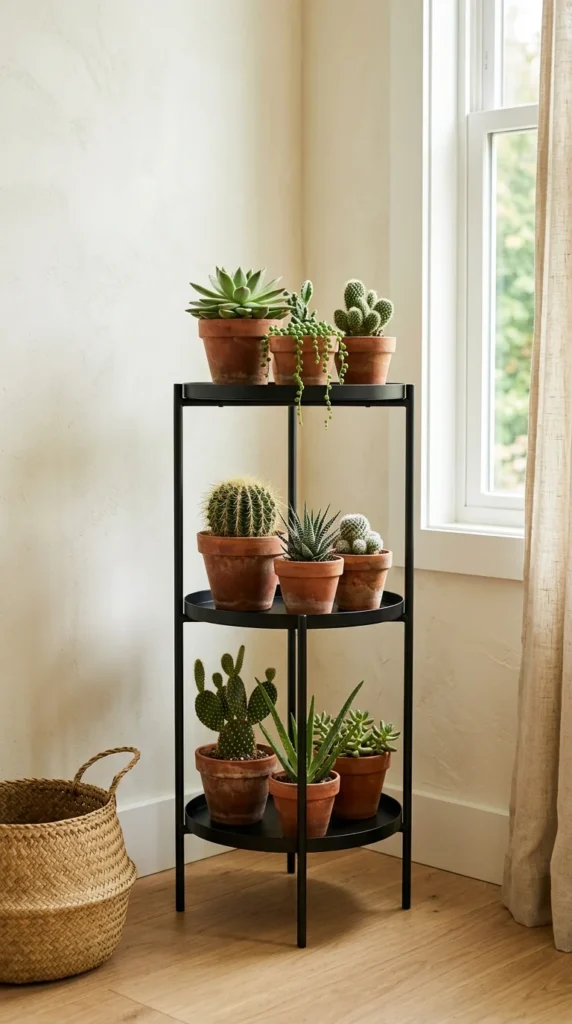
Tiered stands act like a bookshelf for your plants. By stacking pots vertically, you can accommodate five or six plants in the footprint of one. This is particularly effective for sun-loving plants, as you can place the tallest ones at the top to ensure everyone gets their fair share of light.
5. Railing Pots
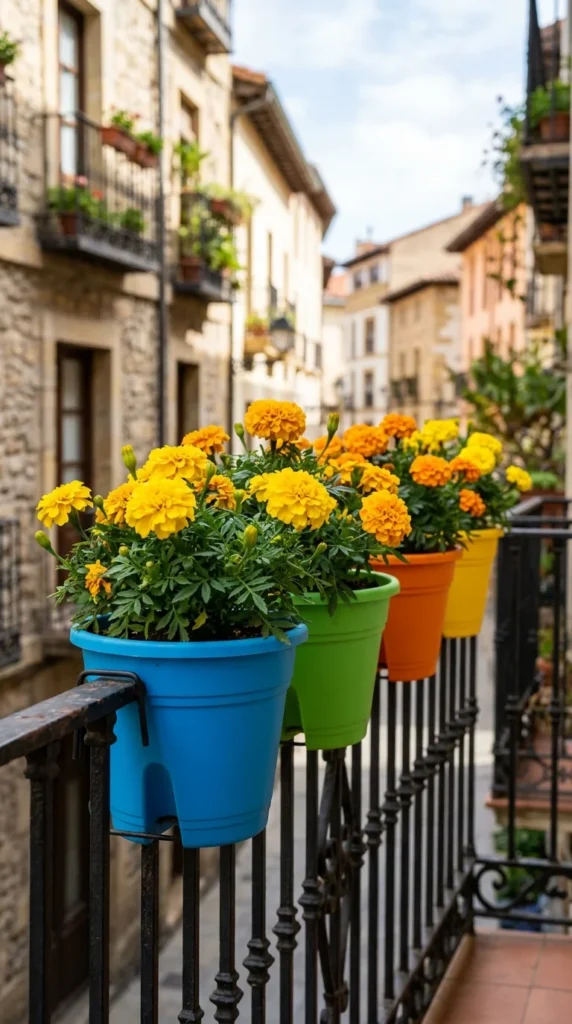
Railing pots are designed with a deep indentation in the bottom, allowing them to straddle a standard balcony railing. This keeps your balcony floor clear for furniture while surrounding your outdoor space with a perimeter of blooms or herbs. They are excellent for those with narrow balconies where every inch of floor space counts.
6. Hydroponic Systems
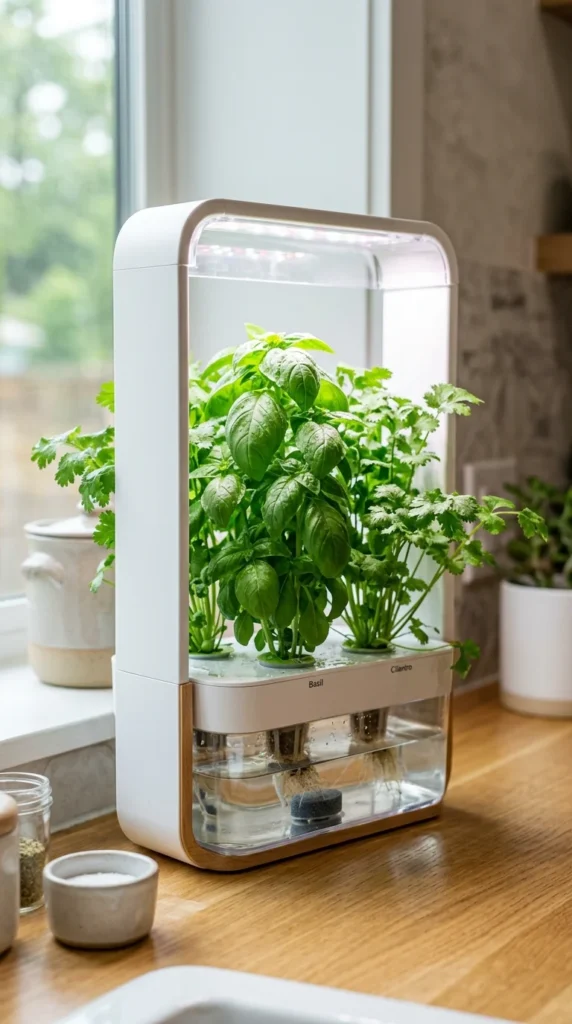
For the tech-savvy urbanite, hydroponics offers a soil-free way to garden. These systems use nutrient-rich water to feed plants directly. Many modern indoor units come with built-in timers and LED lights, making it possible to grow gourmet herbs and greens in a dark kitchen or a basement apartment year-round.
7. Windowsill Herbs
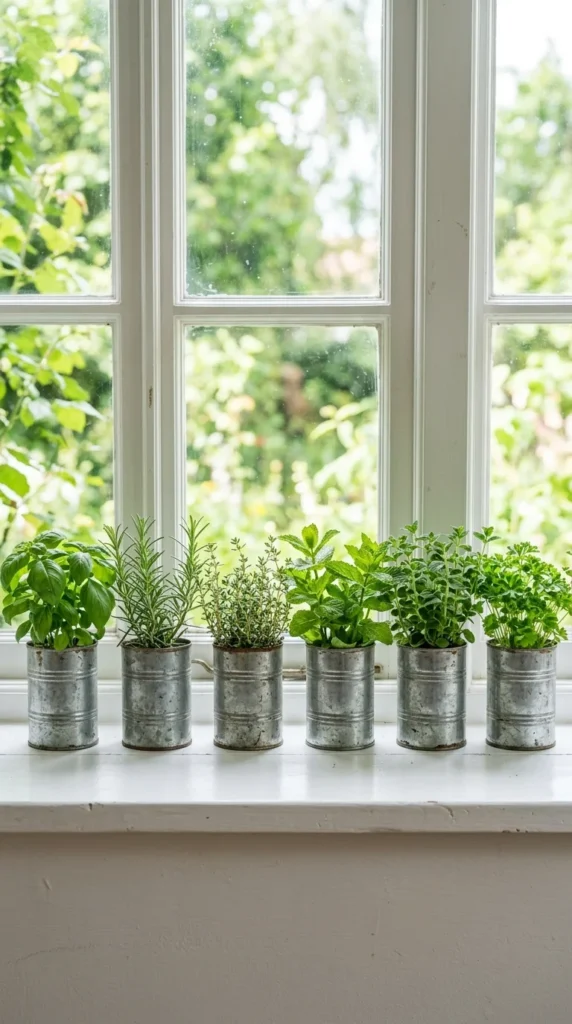
The kitchen windowsill is prime real estate for a mini-garden. Herbs like basil, mint, parsley, and chives thrive in the concentrated sunlight of a window and are incredibly convenient for cooking. Using uniform containers creates a clean, organized look that complements modern kitchen aesthetics.
8. Community Plots
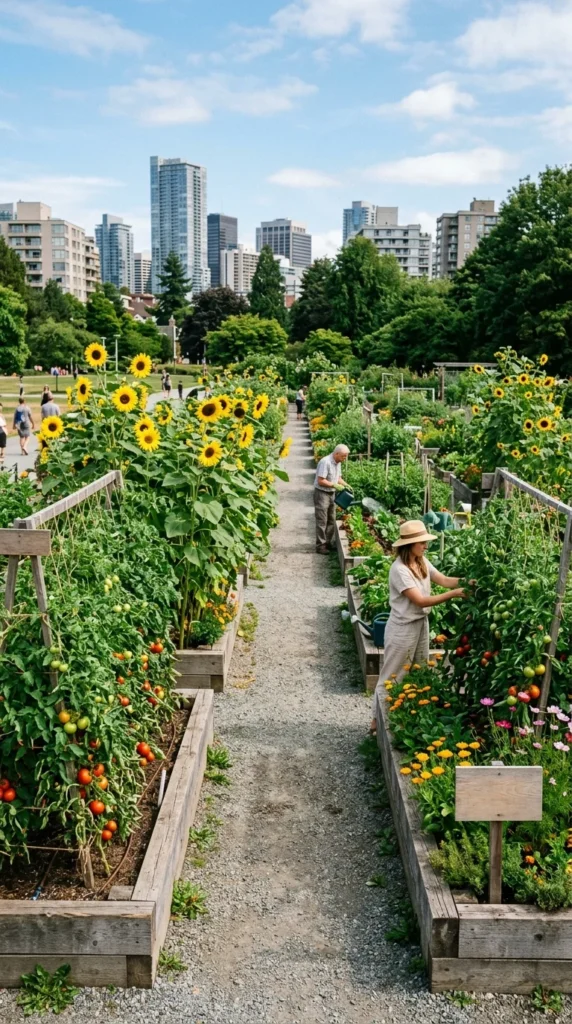
If you lack any private outdoor space, look for a community garden. Many cities offer small plots of land for rent. This not only gives you more room to grow larger crops like corn or squash but also fosters a sense of community with fellow urban gardeners.
9. Rooftop Beds
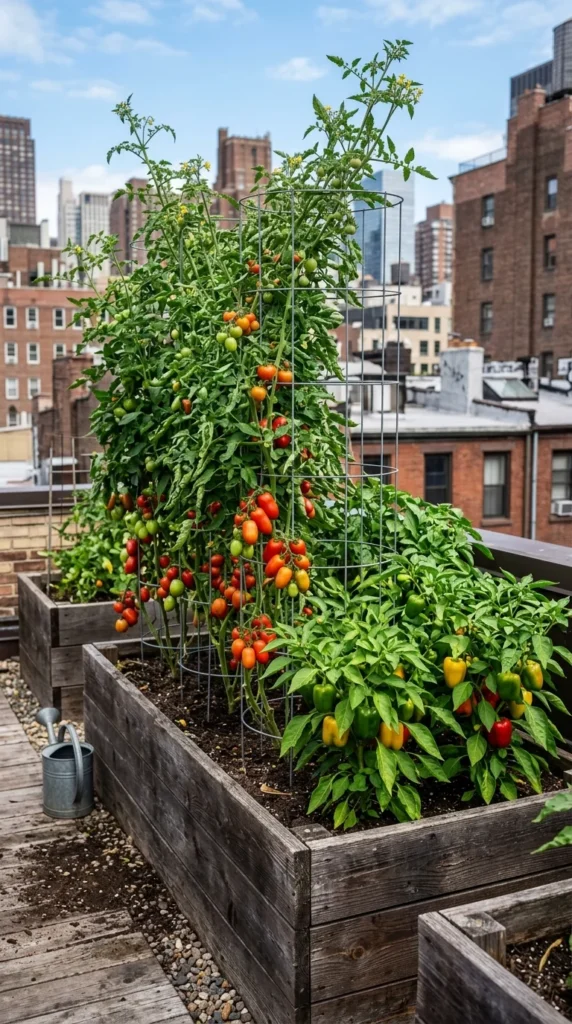
Rooftops often provide the best sun exposure in a city. If you have access to a flat roof, raised beds can turn it into a high-yield farm. Ensure the roof can handle the weight of wet soil and use lightweight potting mixes to reduce the structural load.
10. Shoe Organizers
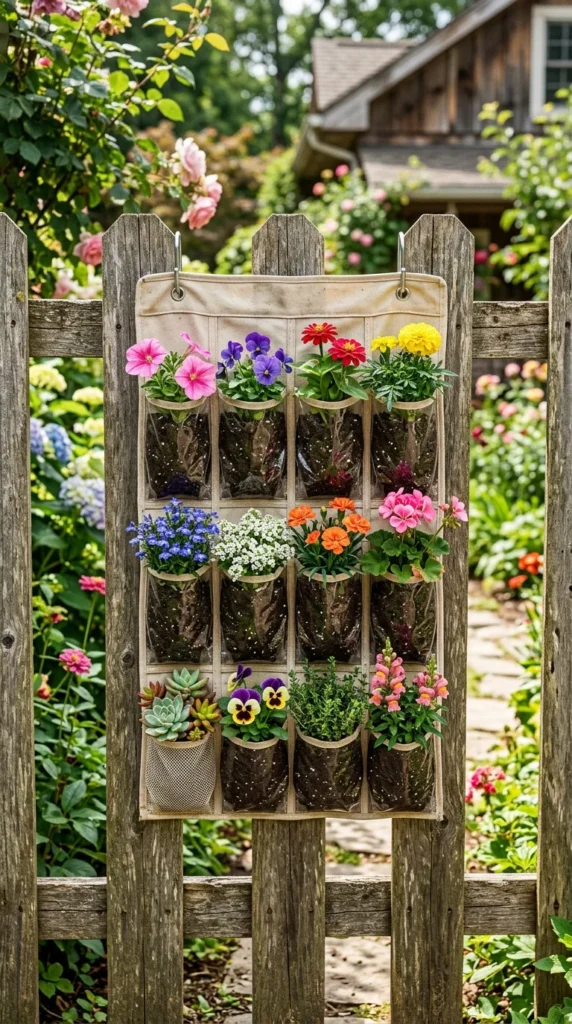
An inexpensive fabric shoe organizer can be transformed into a vertical herb wall. The pockets are the perfect size for individual herb plants or small flowers. Because the fabric is breathable, it allows for excellent drainage, which prevents root rot.
11. Self-Watering Containers
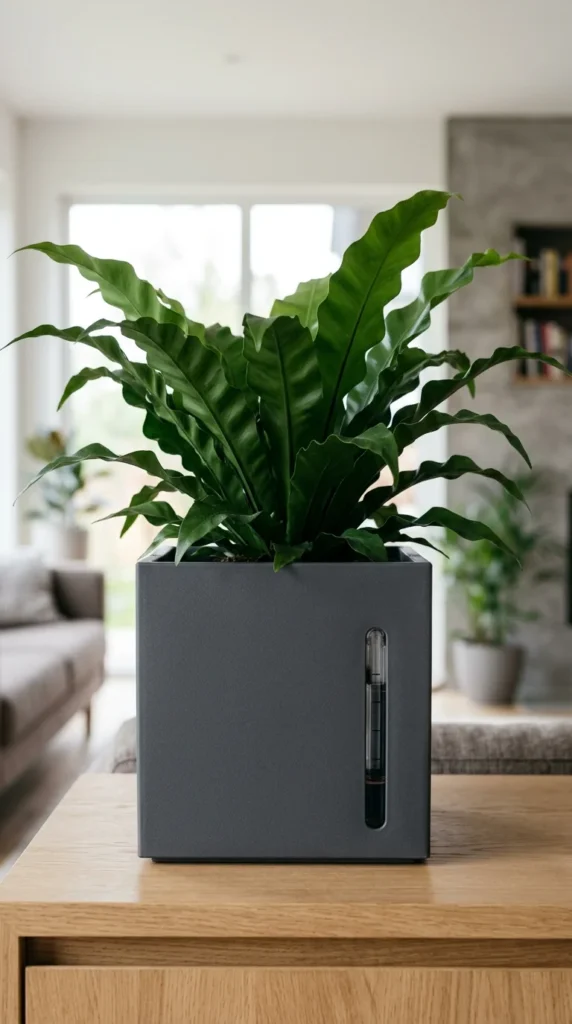
City life is busy, and it’s easy to forget to water your plants. Self-watering containers feature a reservoir at the bottom that provides a consistent moisture level to the roots via capillary action. This is a game-changer for thirsty plants like tomatoes or ferns during hot summer months.
12. Ladder Shelving
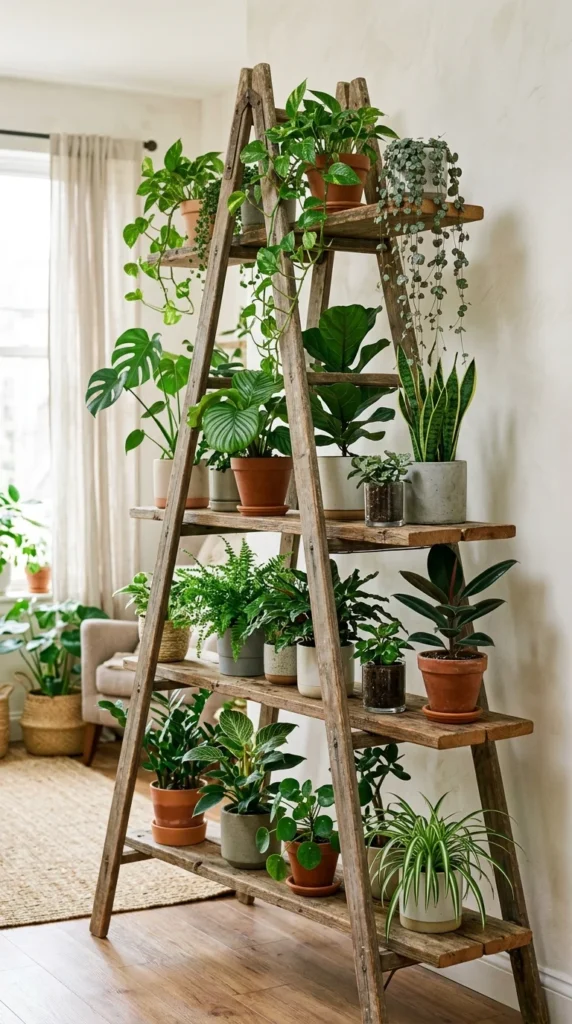
A decorative ladder provides a rustic, tiered display for a variety of plant sizes. Use the wider bottom steps for heavy pots and the narrower top steps for smaller succulents or trailing vines. This setup is easily movable, allowing you to chase the sun as the seasons change.
13. Trellis Vines
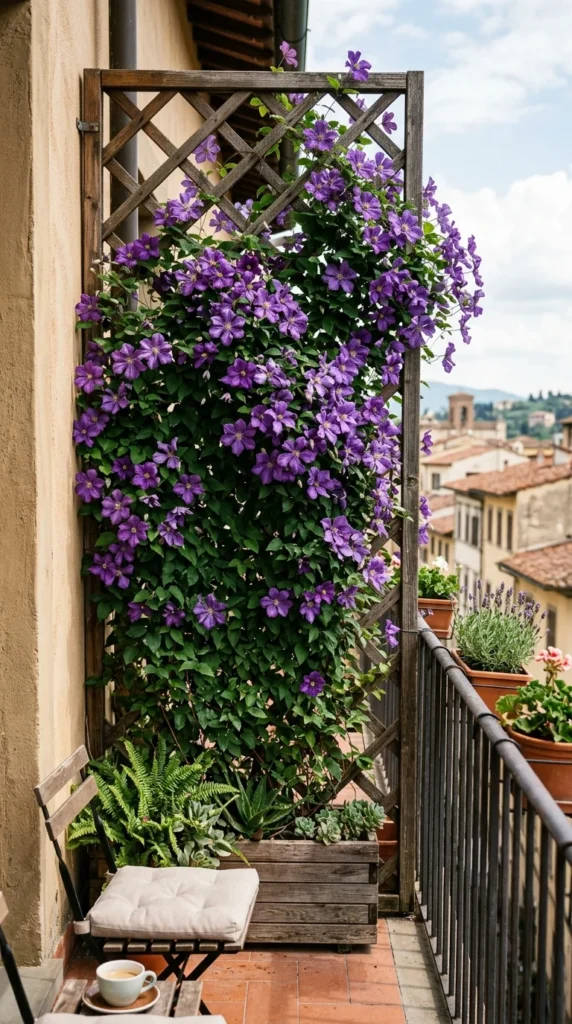
Vines are the ultimate urban privacy solution. By installing a trellis, you can encourage climbing plants like jasmine, ivy, or clematis to grow upward, creating a living wall that blocks the view from neighbors and reduces street noise.
14. Grow Lights
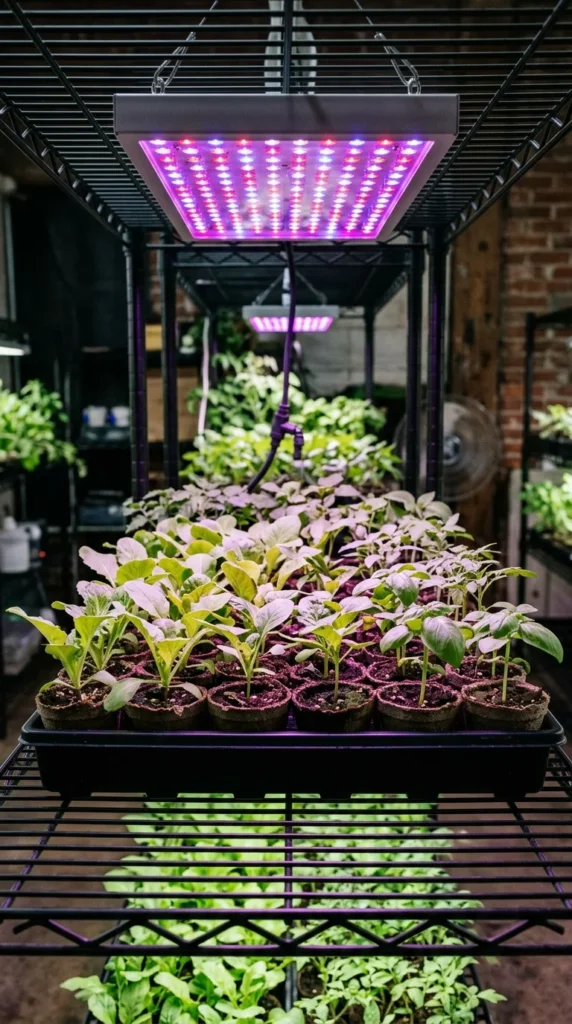
Don’t let a lack of windows stop you. Modern LED grow lights mimic the sun’s spectrum, allowing you to grow almost anything in a windowless room. They are energy-efficient and can be set on timers to automate your garden’s daylight cycle.
15. Terrariums
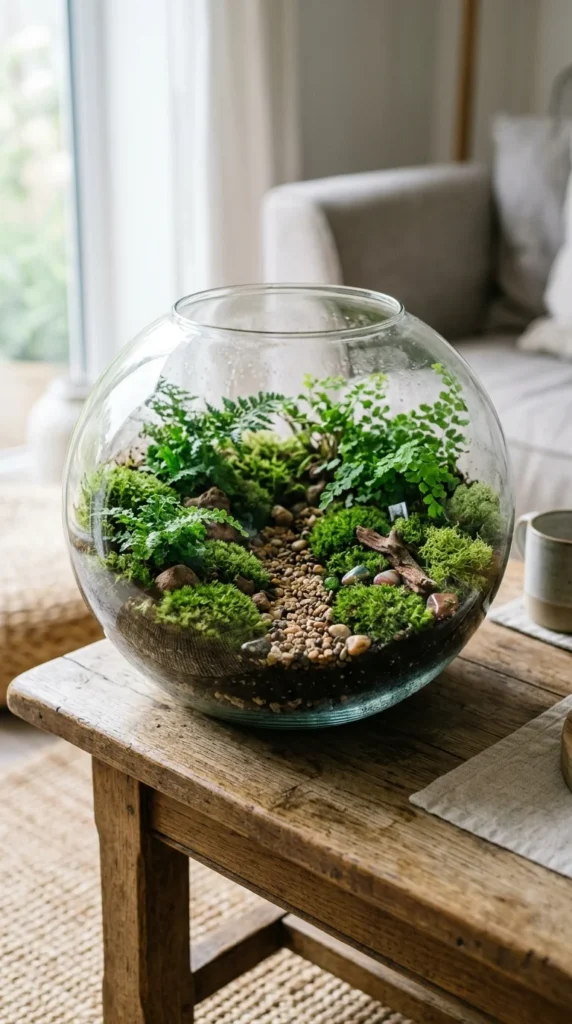
Terrariums are self-contained ecosystems. They are perfect for high-humidity plants like ferns and mosses. Because they recycle their own moisture through evaporation and condensation, they require very little maintenance and serve as a beautiful piece of “living art.”
16. Magnetic Tins
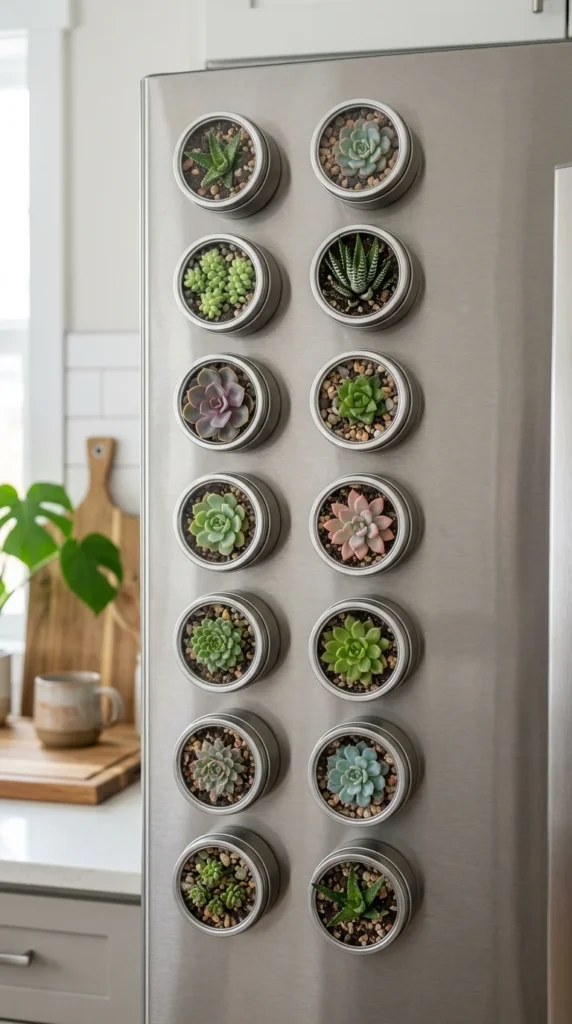
If you have zero counter space, use your refrigerator. Magnetic tins filled with pebbles and small succulents or air plants can turn your appliance into a vertical garden. Just ensure the plants you choose don’t require much soil or water.
17. Colander Baskets
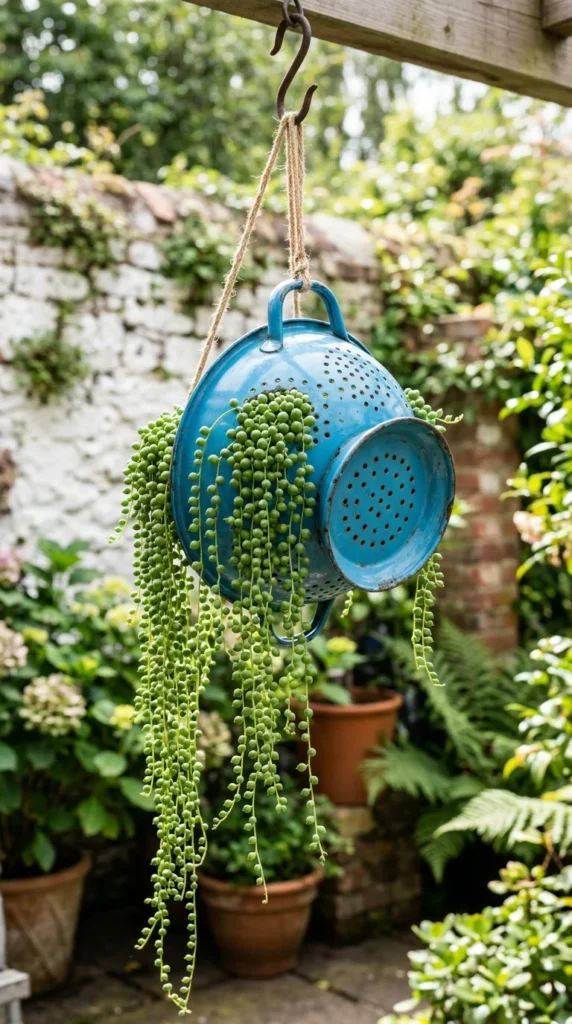
Upcycling kitchen items like colanders provides instant drainage. Their built-in holes make them ideal for plants that hate “wet feet,” such as succulents or cacti. Simply add a layer of moss or landscape fabric to keep the soil in, and hang them from your balcony or ceiling.
18. Gutter Gardens
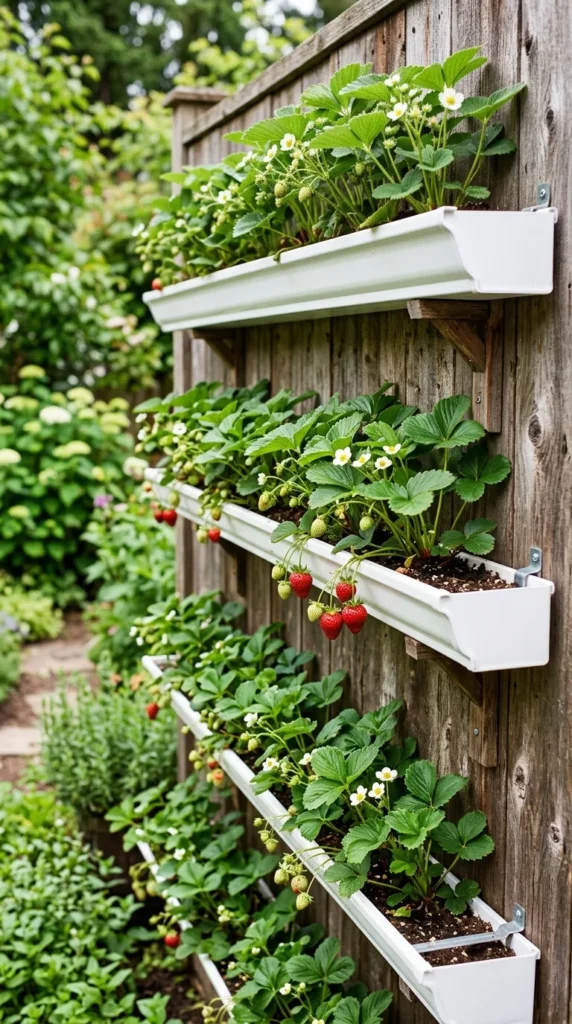
Rain gutters are narrow and lightweight, making them perfect for mounting on fences or balcony railings. They are the ideal depth for shallow-rooted crops like strawberries, spinach, and radishes. Mounting several in a row creates a high-density “growing wall.”
19. Mason Jar Herbs
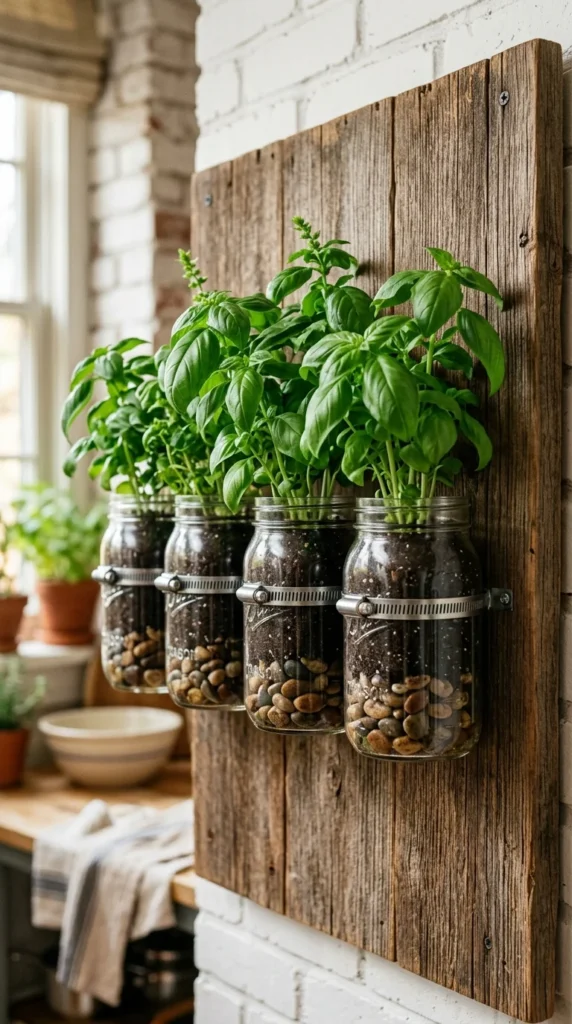
Mason jars offer a clean, farmhouse-chic look. While they lack drainage holes, you can create a drainage layer using charcoal and pebbles at the bottom. These are perfect for starting seeds or growing small quantities of herbs on a kitchen backsplash.
20. Greenhouse Cabinets
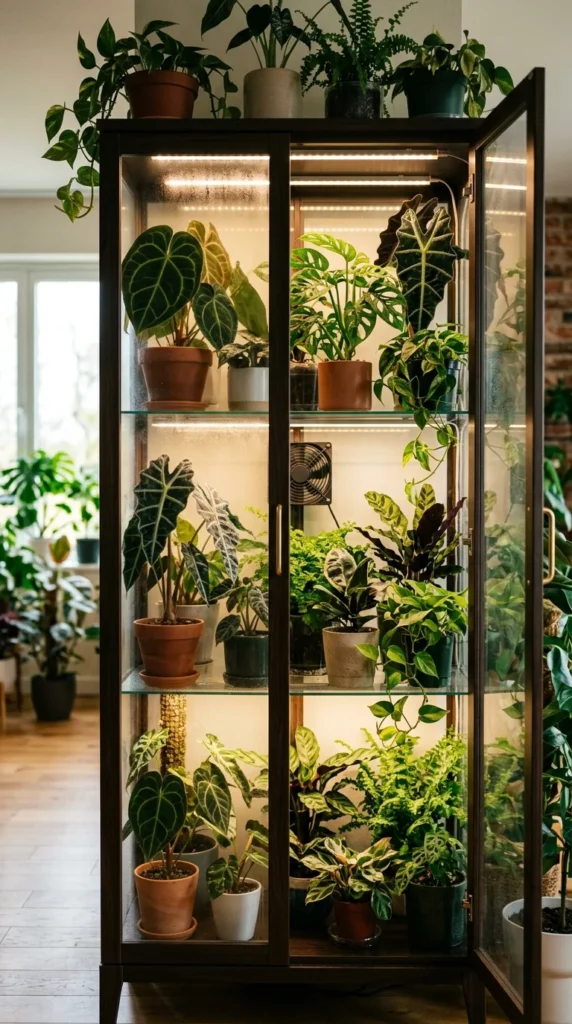
Taking a glass cabinet and adding weather stripping, lights, and fans creates a controlled environment for exotic plants. This is a popular trend for collectors of rare aroids and orchids who need to maintain high humidity levels within a dry, air-conditioned apartment.
21. Wine Box Planters
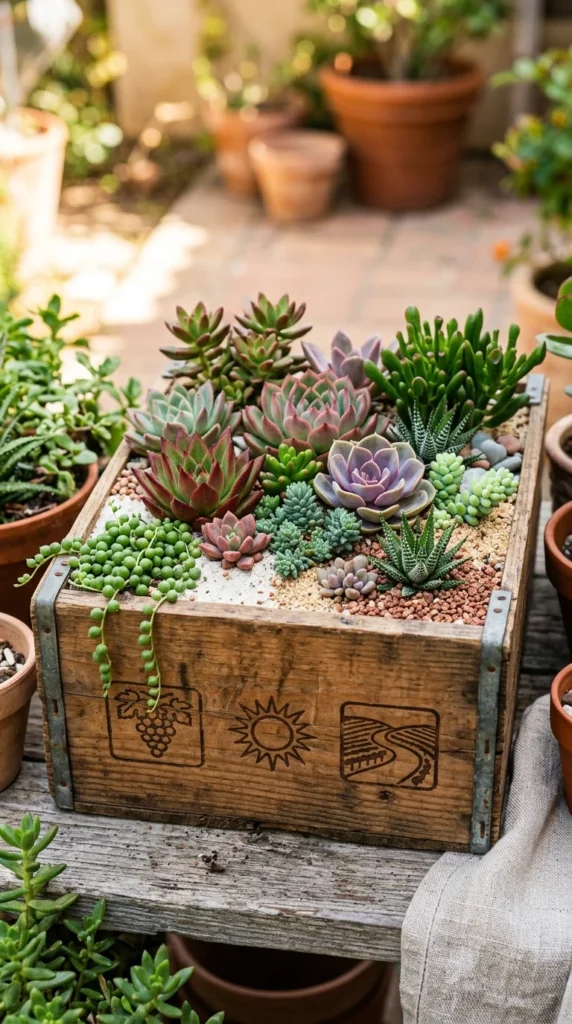
Wooden wine crates are sturdy, aesthetic, and deep enough for a variety of plants. They are excellent for creating a “mini-garden” on a patio floor. Because they are wood, they breathe better than plastic, promoting healthier root systems.
22. Hanging Kokedama
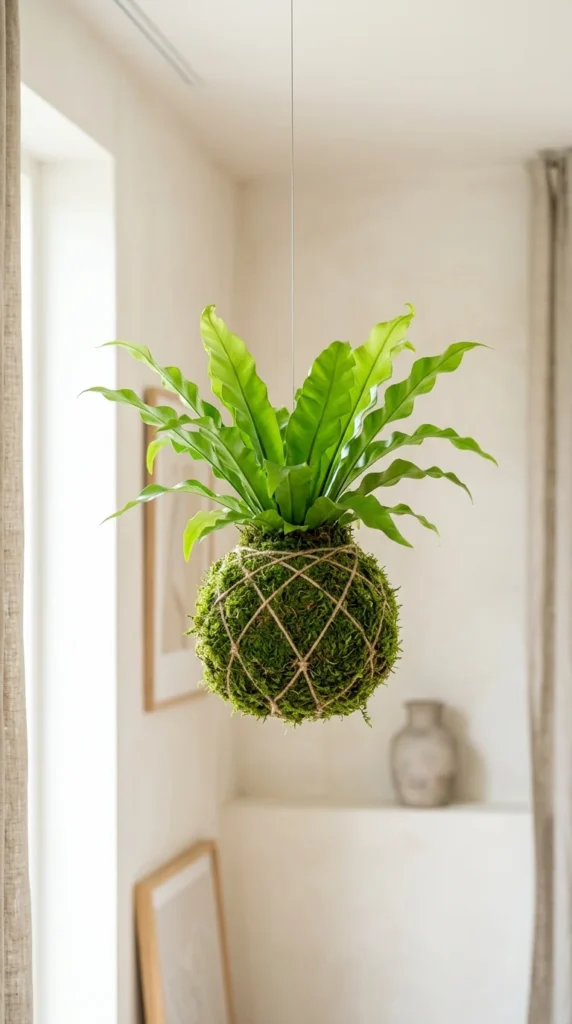
Kokedama is a Japanese gardening art form where a plant’s root ball is wrapped in moss and bound with string. These “string gardens” can be suspended from the ceiling or placed on a decorative tray. They are sculptural, space-saving, and a unique conversation piece.
23. Dwarf Fruit Trees
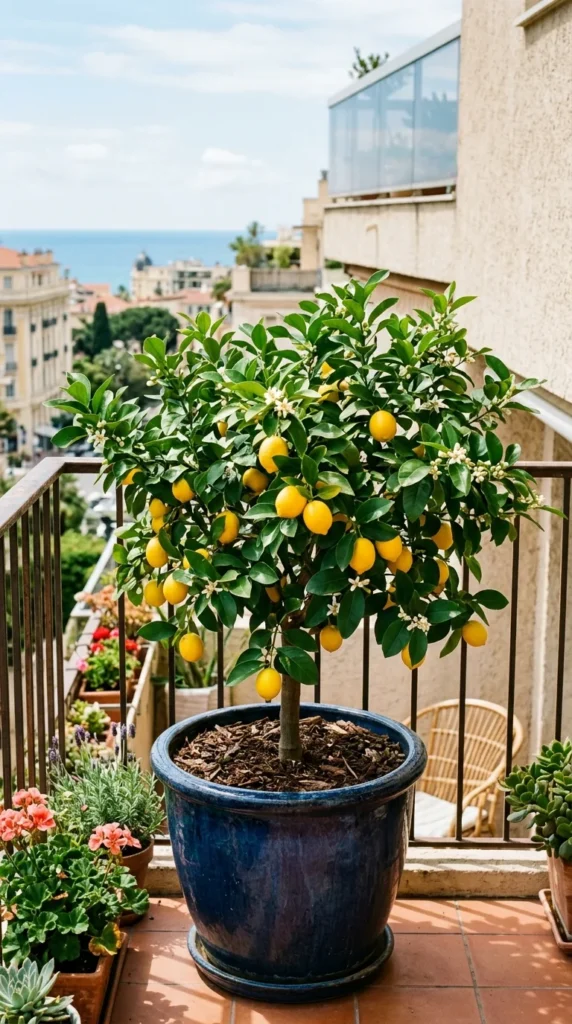
You don’t need an orchard to grow fruit. Dwarf varieties of citrus, figs, and even apples are bred to stay small and thrive in containers. As long as you have a very sunny spot (at least 6-8 hours of light), you can harvest fresh fruit right from your balcony.
24. Mushroom Grow Kits
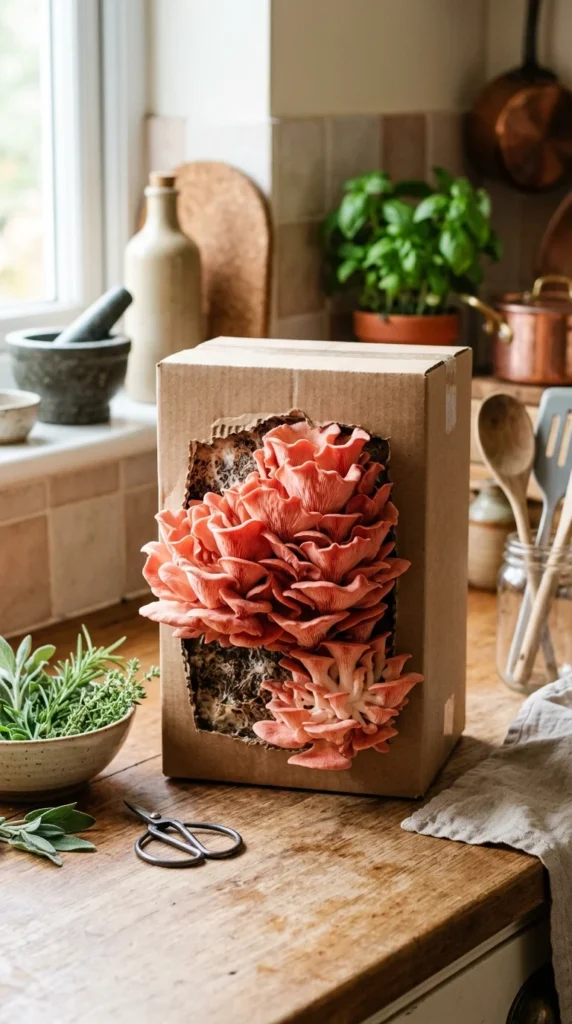
Mushrooms don’t need light, making them perfect for the darkest corners of an urban home. Modern grow kits make the process simple: just mist the substrate with water and watch the fungi sprout. It’s a fascinating project that yields delicious, gourmet results in just weeks.
25. Succulent Wall Art
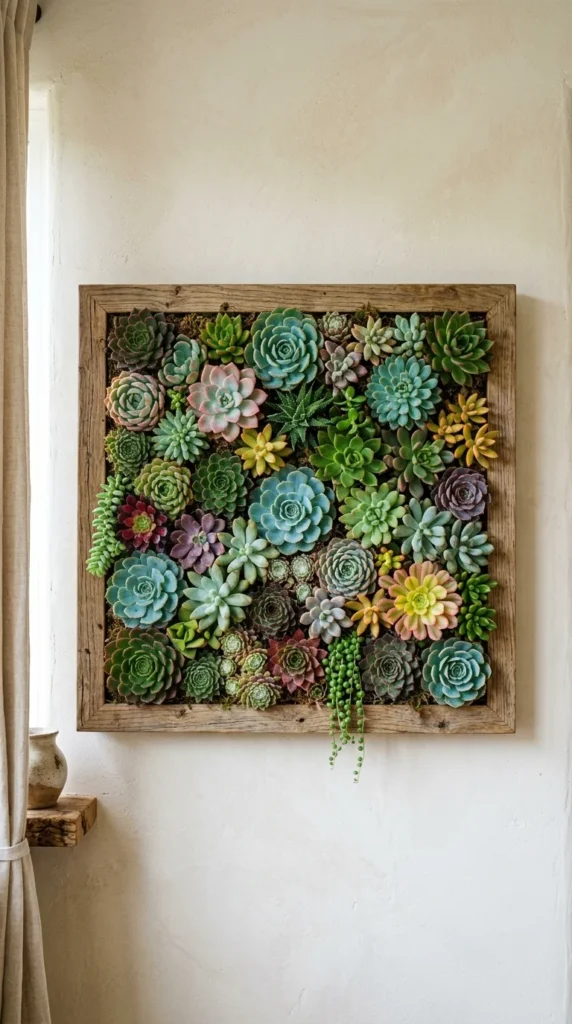
Living frames allow you to “paint” with plants. Using a shallow box with a wire mesh front, you can plant a variety of succulents into a tight mosaic. Once the roots take hold, the frame can be hung vertically on a wall, providing a stunning, low-maintenance focal point for any room.