The dream of harvesting fresh basil for a homemade pesto or plucking a sun-warmed tomato from the vine is no longer reserved for those with sprawling suburban backyards. Urban gardening has transformed the concrete jungle into a patchwork of green sanctuaries. Whether you have a tiny balcony, a sunny windowsill, or access to a flat rooftop, you can cultivate a thriving garden. This guide explores every facet of starting your urban agricultural journey, from the initial assessment of your space to the final, rewarding harvest.
1. Assessing Space
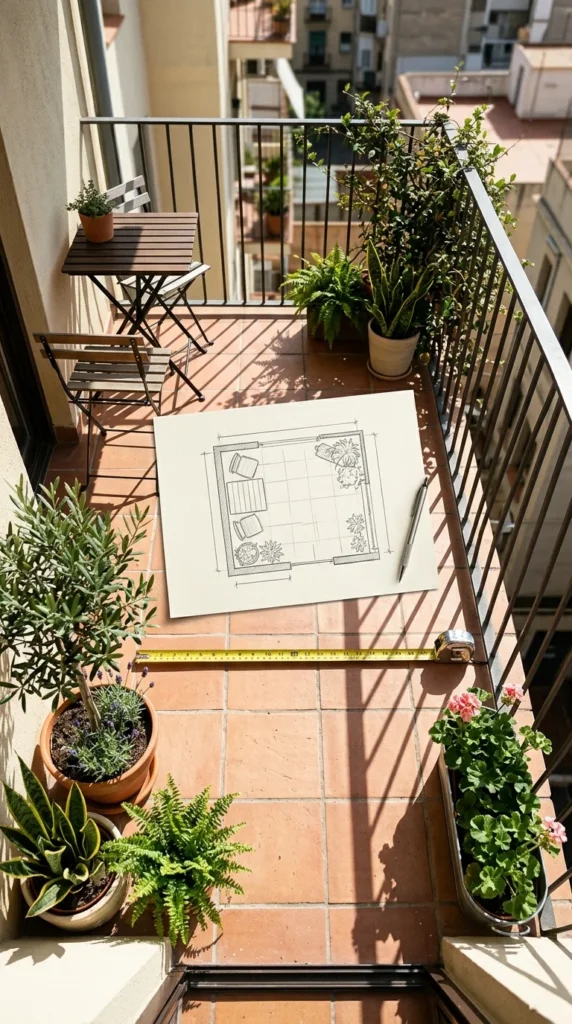
Before you buy a single seed, you must understand the microclimate of your urban environment. Unlike traditional gardens, urban spaces are influenced by surrounding buildings, reflective glass, and wind tunnels. Start by measuring your available square footage. Even a few square feet can host a surprisingly high volume of produce if managed correctly.
Sunlight is the most critical factor. Most “fruiting” plants (tomatoes, peppers, cucumbers) require at least six to eight hours of direct sunlight. Leafy greens and herbs can often tolerate “partial shade,” meaning four hours of sun. Spend a full day tracking how the sun moves across your space. Note any obstructions like neighboring buildings or overhanging trees that might cast shadows during peak hours. Additionally, consider weight restrictions if you are gardening on a balcony or rooftop. Wet soil is heavy, so ensure your structure can support the load of multiple large containers.
2. Container Selection
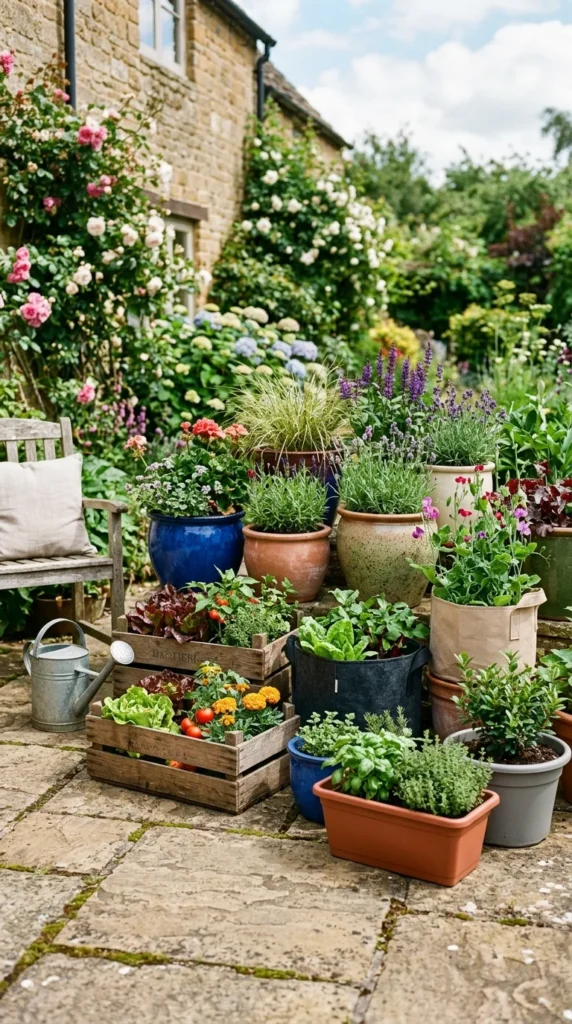
In the city, the container is your plant’s entire world. Choosing the right vessel is about more than just aesthetics; it’s about drainage and temperature regulation. Plastic pots are lightweight and retain moisture well, making them ideal for thirsty plants, though they can overheat in direct sun. Terracotta is breathable but dries out quickly, which is perfect for Mediterranean herbs like rosemary and thyme.
Fabric “grow bags” have become a favorite for urbanites because they allow for “air pruning” of the roots, preventing the plant from becoming root-bound. They are also incredibly easy to fold up and store during the winter. Regardless of the material, drainage is non-negotiable. Ensure every container has holes at the bottom to prevent root rot. If you find a beautiful pot without holes, use it as a “cachepot”—keep the plant in a plain plastic nursery pot inside the decorative one.
3. Vertical Solutions
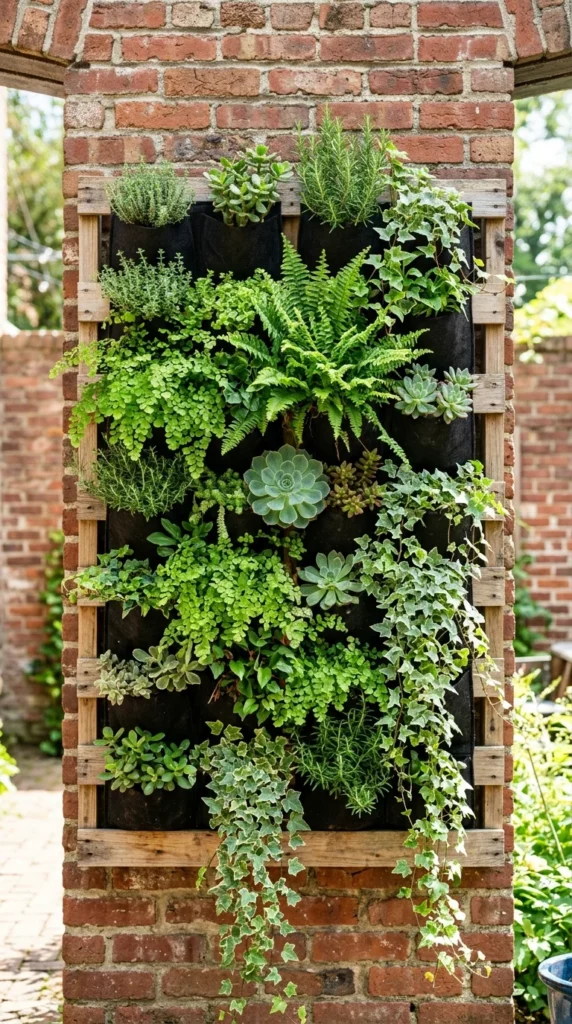
When floor space is at a premium, the only way to go is up. Vertical gardening is the secret weapon of the urban farmer. This can be as simple as leaning a wooden trellis against a wall for climbing peas and beans, or as complex as a hydroponic tower.
Wall-mounted planters and hanging baskets utilize the “airspace” of your balcony or patio. Consider using “living wall” pockets made of felt, which allow you to create a tapestry of herbs and small greens. Vining plants like Malabar spinach, cucumbers, and even certain types of small squash can be trained to grow vertically, saving your precious floor space for heavy pots. Not only does this maximize your yield, but it also creates a natural privacy screen against neighbors.
4. Soil Quality
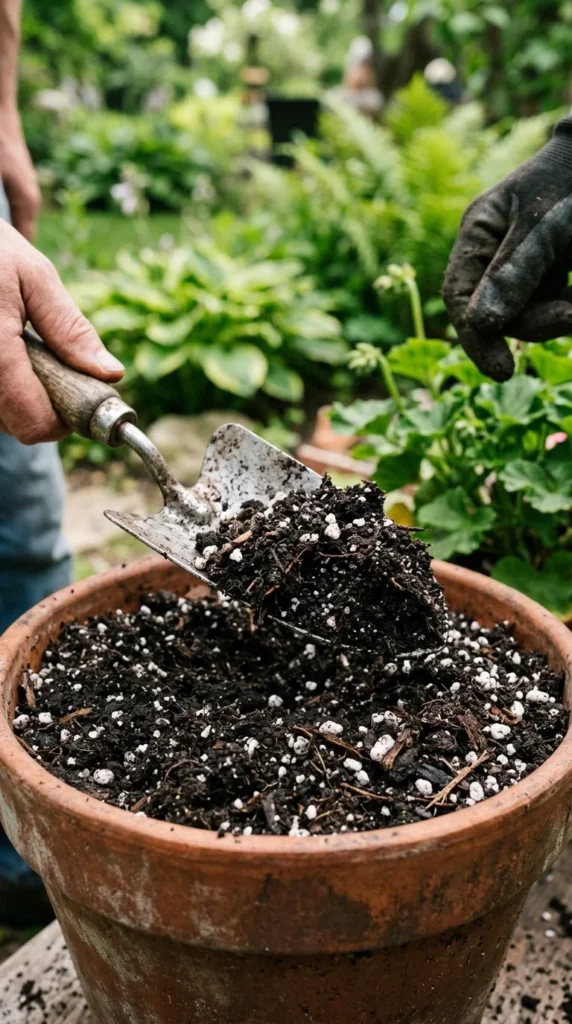
Never use “garden soil” from the ground in your containers. It is too dense, lacks aeration, and may contain pathogens or pests. For urban container gardening, you need a high-quality potting mix. These mixes are typically “soilless,” consisting of peat moss or coconut coir, perlite or vermiculite for drainage, and compost for nutrients.
A good potting mix provides the perfect balance of water retention and air pockets, allowing roots to breathe. Because containers have a limited amount of soil, the nutrients are depleted quickly. Look for mixes that include “slow-release” organic fertilizers. As you become more experienced, you can mix your own soil to tailor the drainage and nutrient levels to specific plants, such as adding more sand for succulents or more compost for heavy-feeding tomatoes.
5. Sunlight Needs
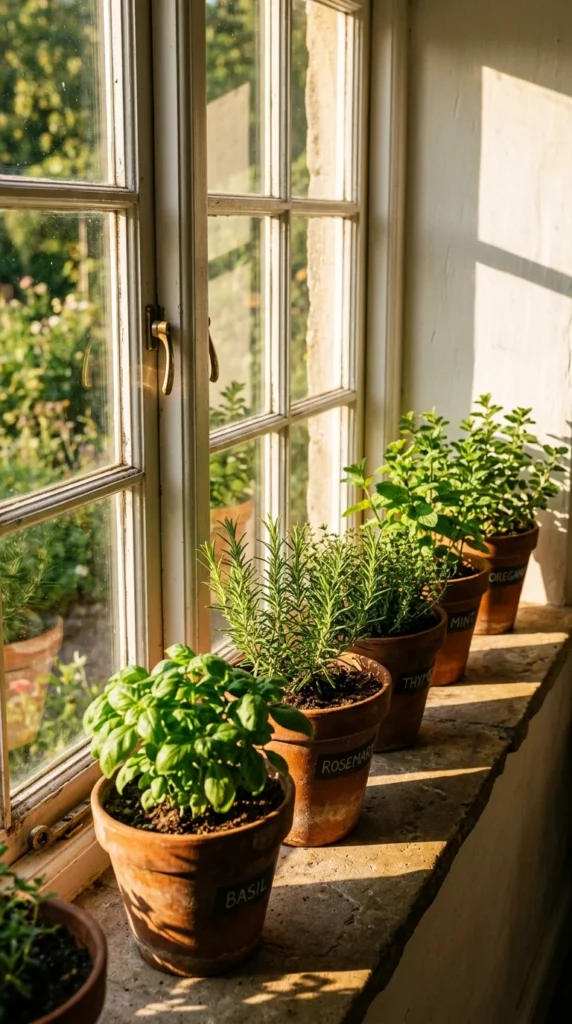
In the urban landscape, light is often a scarce commodity. If you are gardening indoors on a windowsill, remember that glass filters out some of the sun’s intensity. South-facing windows provide the most consistent light in the Northern Hemisphere. If your apartment is “light-challenged,” do not despair.
Modern LED grow lights have revolutionized indoor urban gardening. These lights are energy-efficient and can provide the specific spectrum of light plants need to photosynthesize. You can set them on timers to ensure your plants get a consistent 12-16 hours of “sunlight” regardless of the weather outside or the height of the skyscraper next door. Understanding the difference between full sun, partial shade, and full shade will save you from the frustration of leggy, unproductive plants.
6. Choosing Plants
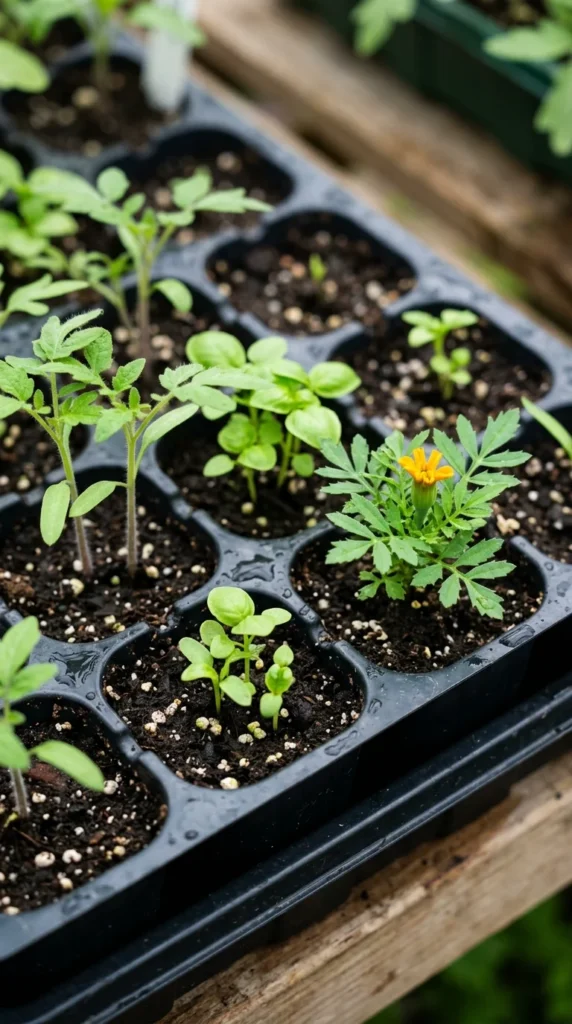
For beginners, “easy wins” are essential to build confidence. Herbs like mint (keep it in its own pot!), chives, and parsley are remarkably hardy. Leafy greens like lettuce, arugula, and kale grow quickly and can be harvested “cut and come again,” meaning you snip a few leaves and the plant keeps growing.
When choosing vegetables, look for “dwarf” or “patio” varieties. Plant breeders have developed specific cultivars of tomatoes (like ‘Tiny Tim’), eggplants, and cucumbers designed to thrive in small containers. These plants stay compact but still produce a significant amount of fruit. If you’re interested in flowers, marigolds and nasturtiums are not only beautiful but also edible and help deter certain pests.
7. Watering Systems
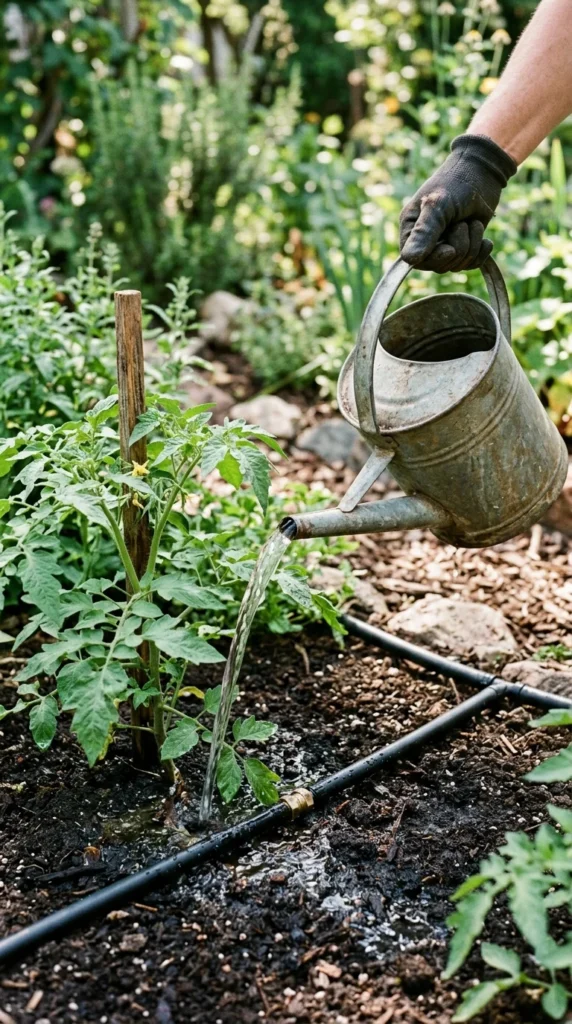
Watering is the most frequent task in an urban garden. Containers dry out much faster than the ground, especially on windy balconies or under the intense heat of a rooftop. In the height of summer, you may need to water your plants twice a day.
Consistency is key. Fluctuating moisture levels can cause tomatoes to crack or develop blossom end rot. If you have a busy schedule, consider self-watering pots which have a reservoir at the bottom. For larger setups, a simple drip irrigation system attached to an outdoor faucet with a timer can automate the process. Always water the soil directly, rather than the leaves, to reduce the risk of fungal diseases. The best time to water is early morning, allowing the plants to hydrate before the sun reaches its peak.
8. Natural Fertilizers
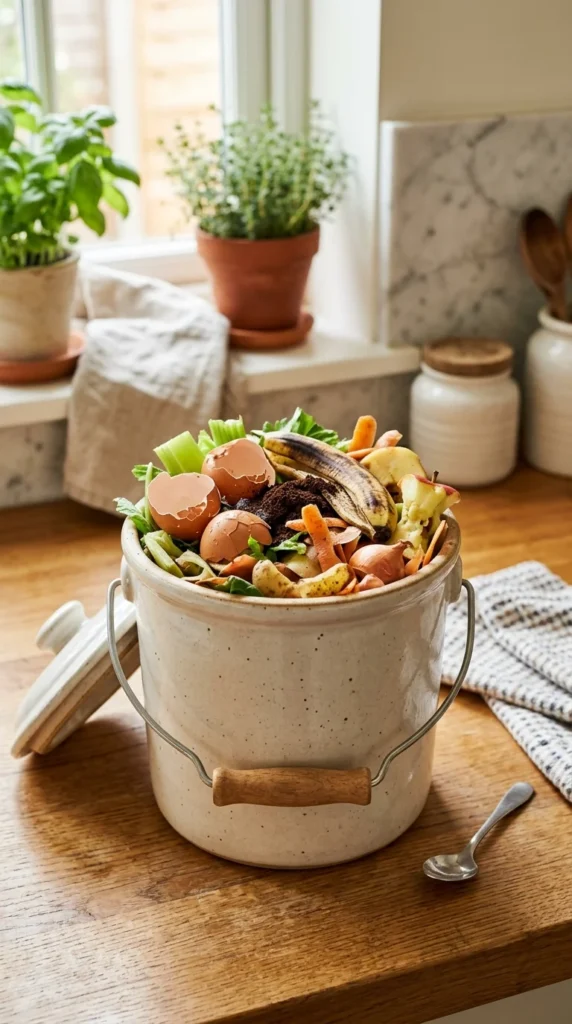
Because the root system is confined, container plants rely entirely on you for their nutrition. While the potting mix provides an initial boost, you will need to supplement with fertilizer throughout the growing season. For an urban gardener, organic liquid fertilizers like fish emulsion or seaweed extract are excellent choices because they are easily absorbed.
If you want to be even more sustainable, consider “bokashi” composting or vermicomposting (using worms). These methods are odorless and can be done in small apartments under the sink. They turn your kitchen scraps into “liquid gold” (compost tea) and nutrient-rich castings that can be top-dressed onto your pots. Feeding your plants every two weeks during the growing season ensures they have the energy to produce flowers and fruit.
9. Pest Control
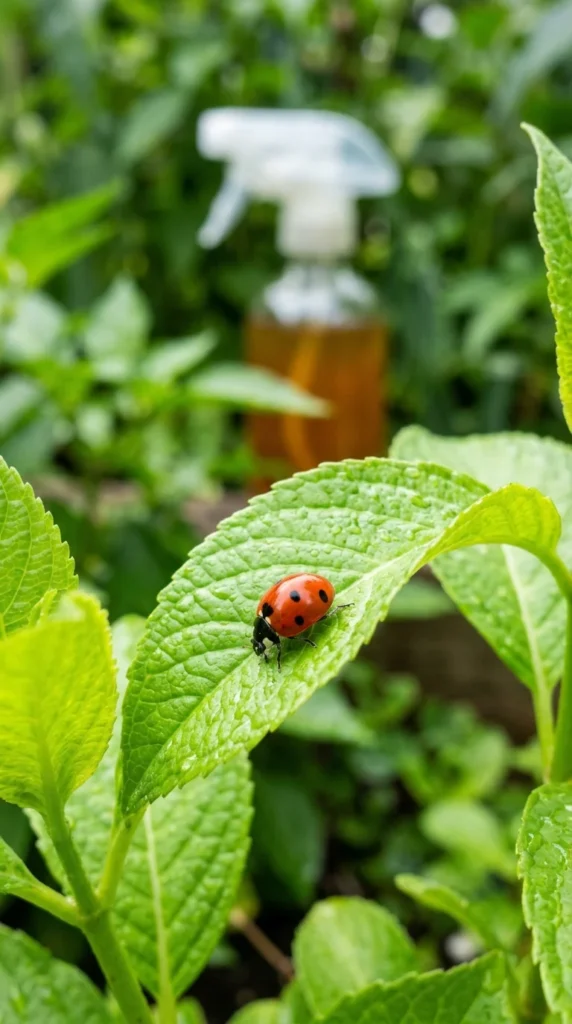
Pests can find your garden even on the 20th floor. Aphids, spider mites, and fungus gnats are common urban intruders. The first line of defense is observation. Check the undersides of leaves regularly for any signs of unwanted guests.
In an urban setting, you want to avoid harsh chemical pesticides, especially if you are growing food. Neem oil, insecticidal soaps, and even a strong blast of water from a spray bottle can manage most infestations. Encouraging biodiversity also helps; planting flowers that attract beneficial insects like ladybugs or lacewings can provide a natural balance. Remember, a healthy plant is more resilient to pests, so maintaining proper watering and nutrition is your best preventative measure.
10. Seasonal Harvesting
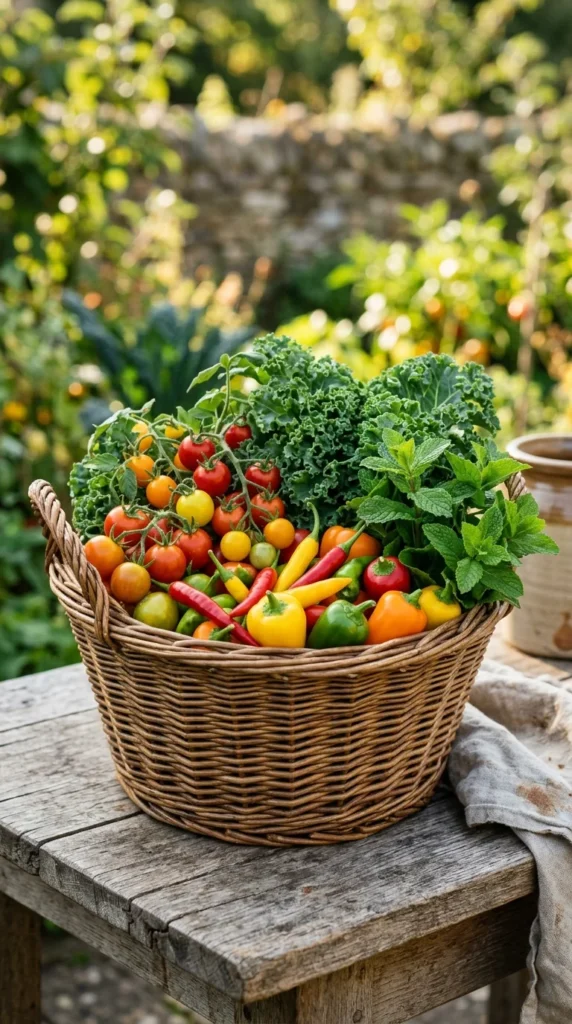
The harvest is the culmination of all your hard work. For many urban crops, frequent harvesting actually encourages the plant to produce more. Pinching off the tops of basil plants prevents them from flowering and makes them bushier. Picking beans and peas regularly signals the plant to keep producing new pods.
Learn the signs of ripeness for each specific plant. Tomatoes should be fully colored and slightly soft to the touch, while zucchinis are best harvested when they are small and tender. Even if your harvest is small—perhaps just enough for one salad or a garnish—the flavor of home-grown, urban produce is incomparably superior to anything bought at a grocery store. As the season ends, reflect on what worked and what didn’t, and start planning for your next urban growing cycle.