Vertical gardening is the ultimate solution for urban dwellers, balcony enthusiasts, and anyone looking to breathe life into a confined area. By shifting your focus from floor space to wall space, you can transform a sterile environment into a thriving ecosystem. Whether you are interested in growing your own organic herbs or creating a living tapestry of succulents, these 25 ideas offer creative and functional ways to maximize every inch of your home.
1. Pocket Planters
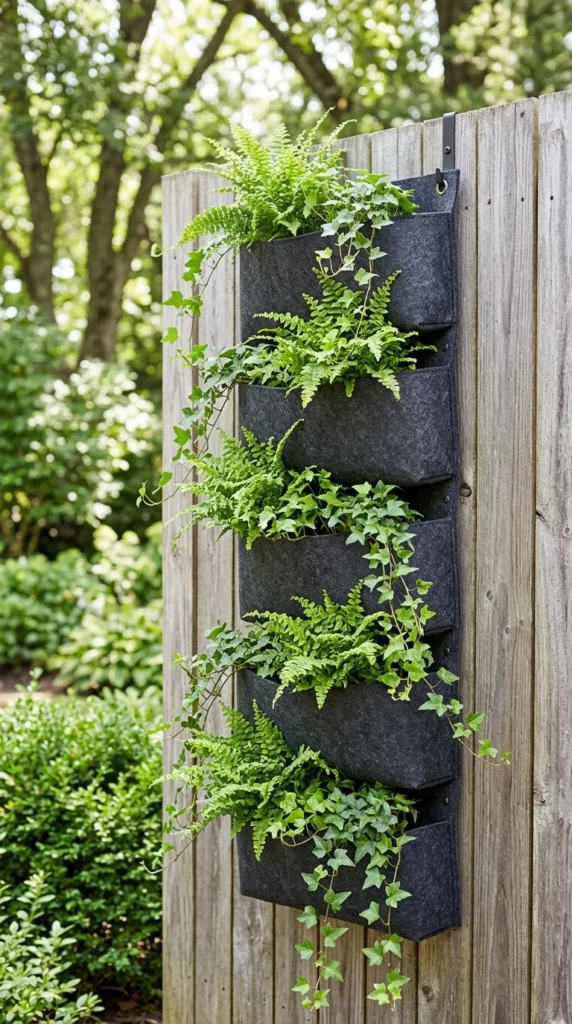
Pocket planters are typically made from breathable felt or heavy-duty fabric. These modular systems allow air to reach the roots while retaining enough moisture to keep plants hydrated. They are perfect for creating a “living wall” effect because the fabric eventually disappears behind the foliage, leaving only a sea of green. They are lightweight and can be easily screwed into fences or interior walls.
2. Trellis Walls
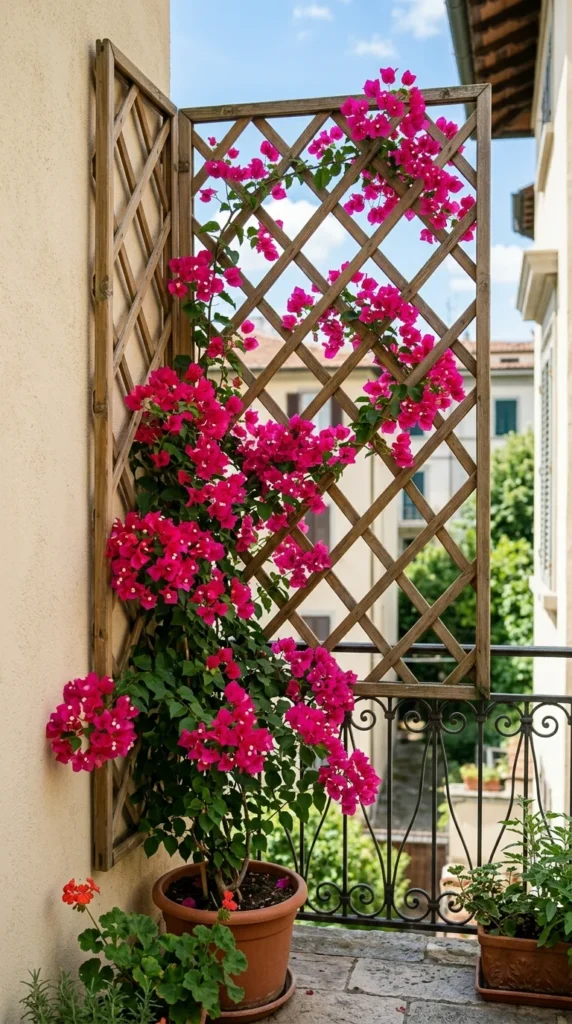
A trellis provides a sturdy skeleton for climbing plants like jasmine, clematis, or even runner beans. By training your plants to grow upward rather than outward, you maintain a clear walking path in your garden. Trellises can be freestanding or attached to a wall, and they serve as an excellent privacy screen for those living in high-density apartments.
3. Hanging Pots
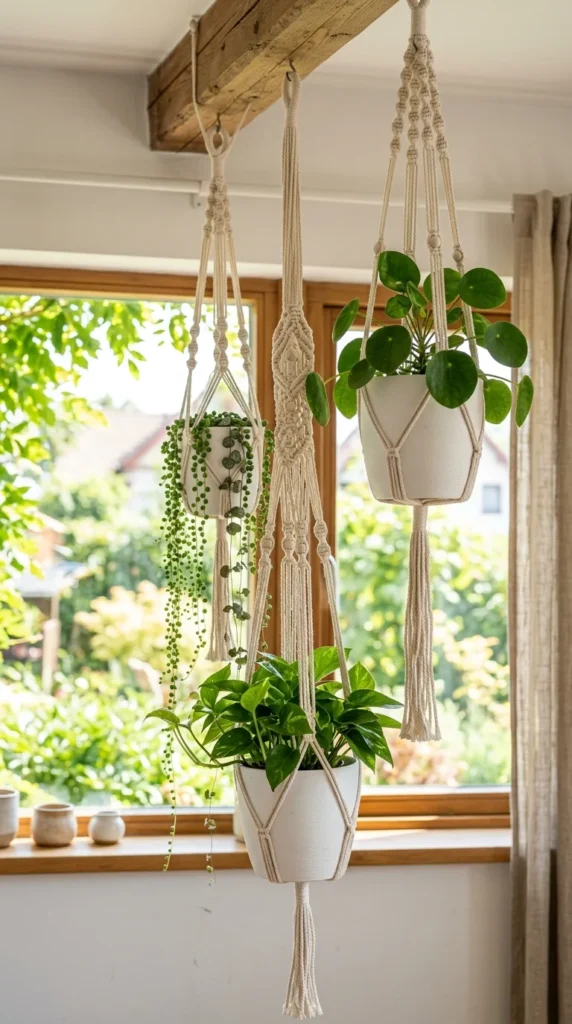
Hanging pots utilize the “dead space” near your ceiling or balcony roof. Using macrame, chains, or sturdy rope, you can layer plants at different heights to create a three-dimensional jungle. This is particularly effective for trailing plants like Pothos or String of Pearls, which naturally drape downward, adding movement and texture to your vertical space.
4. Pallet Gardens
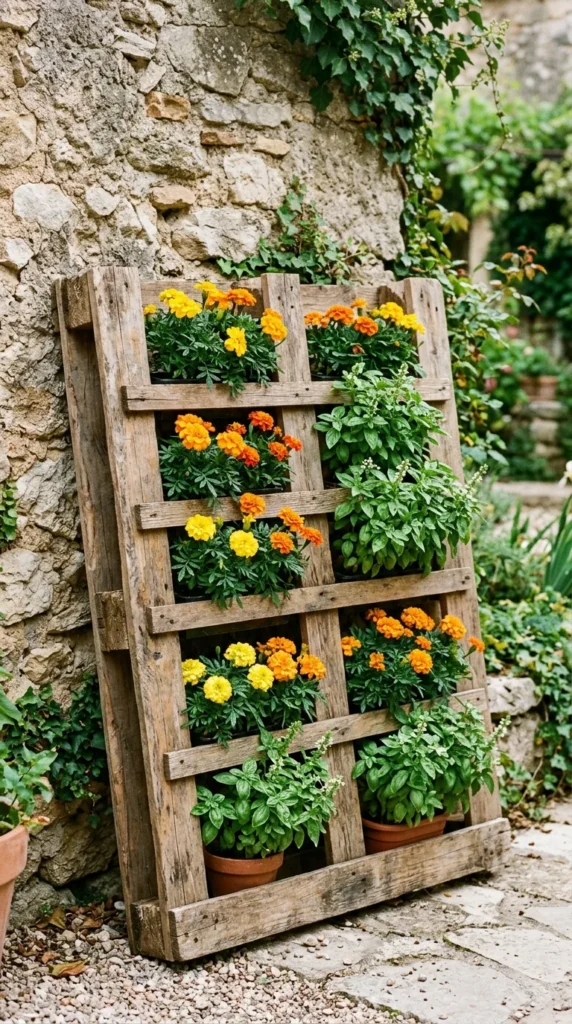
Upcycling a wooden pallet is a cost-effective way to start a vertical garden. By adding landscape fabric to the back and bottom of the slats, you create narrow troughs for soil. Pallets are ideal for succulents or shallow-rooted herbs. Their rustic aesthetic fits perfectly with farmhouse or industrial decor styles.
5. Tiered Shelving
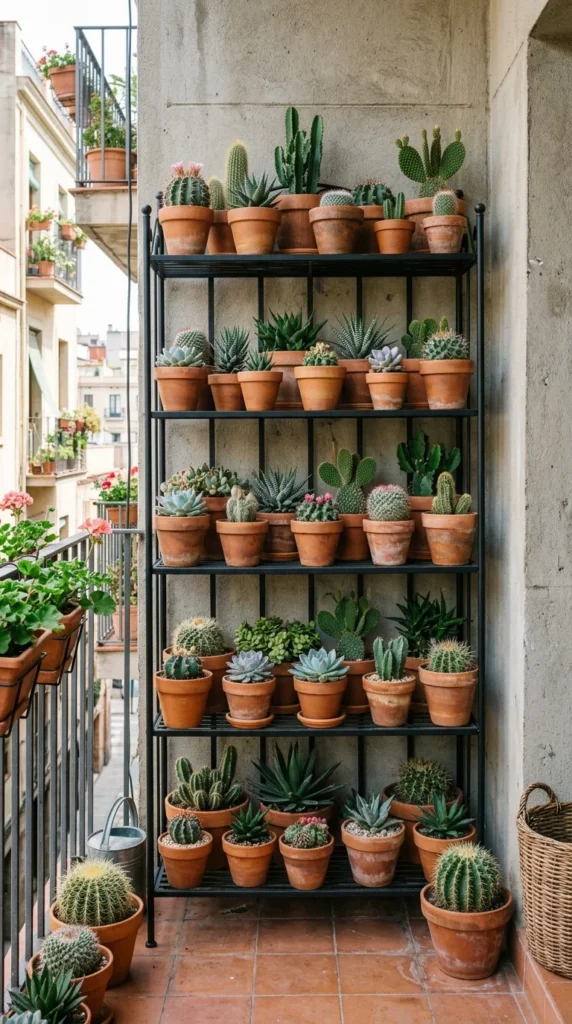
Tiered shelving allows you to organize dozens of plants in the footprint of a single large pot. This method is highly flexible; you can move the shelves to catch the sun or bring them indoors during the winter. A-frame shelves or ladder-style units provide a “waterfall” look that makes a small corner feel much more expansive.
6. Magnetic Tins
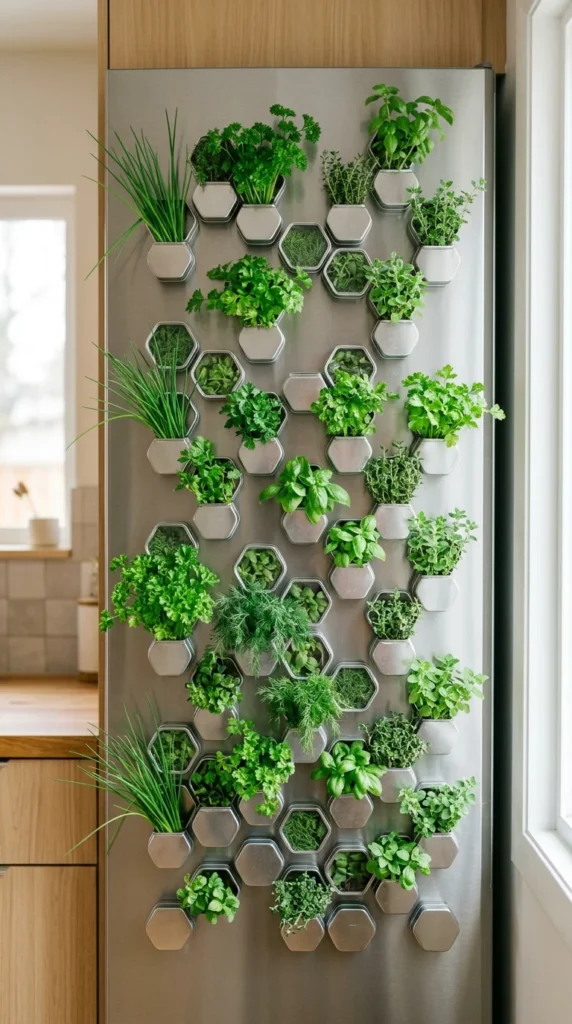
If you have zero floor space, use your appliances. Magnetic tins are perfect for a kitchen herb garden. These small containers stick directly to the side of a fridge or a magnetic board. They are ideal for microgreens and small culinary herbs, ensuring that fresh ingredients are always within arm’s reach while you cook.
7. PVC Pipes
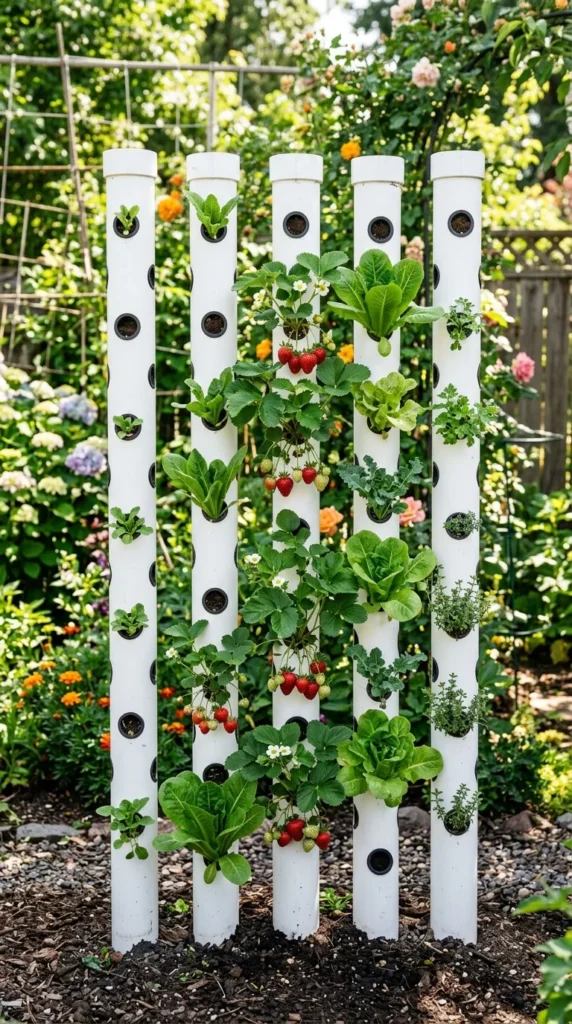
PVC pipes can be converted into high-efficiency vertical planters. By drilling large holes at intervals and filling the pipe with a nutrient-rich growing medium, you can grow a significant amount of food in a very slim profile. This is a favorite method for hydroponic enthusiasts, as water can be circulated from the top to the bottom through a single tube.
8. Shoe Organizers
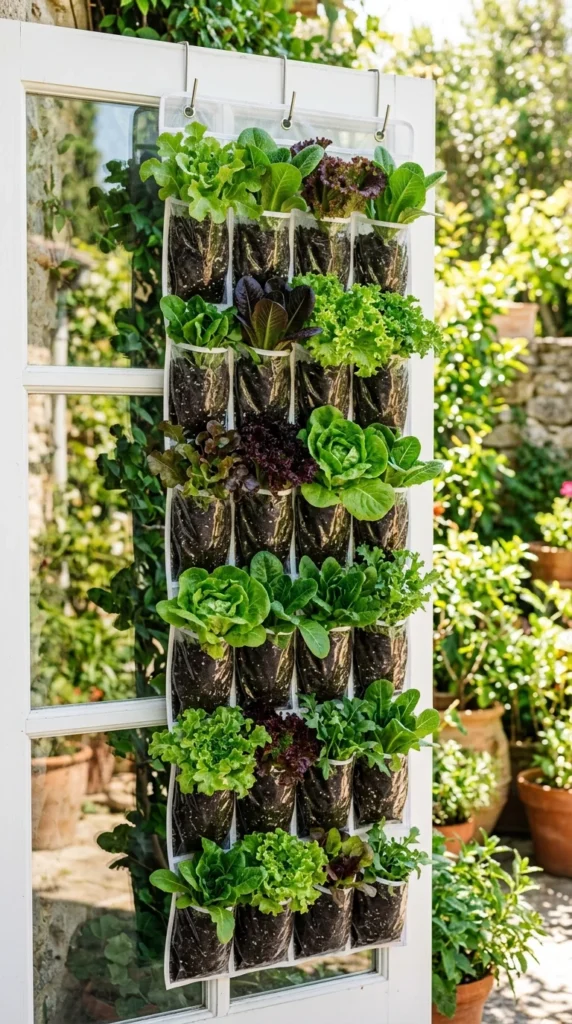
One of the most famous garden hacks involves using a canvas or plastic shoe organizer. The individual pockets are the perfect size for individual plants. Because these organizers are designed to hang over doors, they require no drilling or permanent installation, making them the ultimate vertical garden for renters.
9. Picture Frames
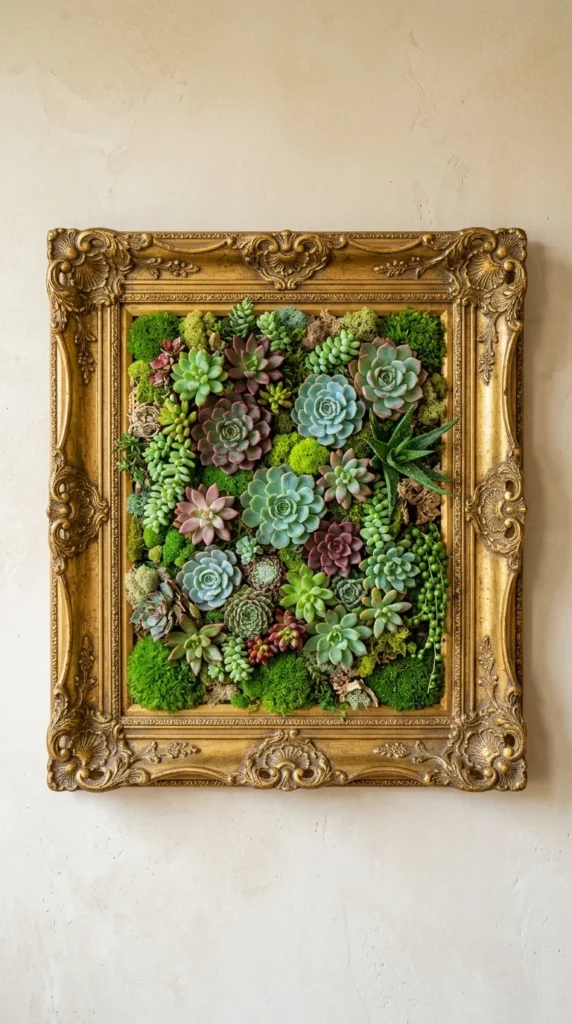
Living art is a stunning way to incorporate greenery into your interior design. By using a shallow box behind a picture frame and securing a wire mesh over the soil, you can “plant” succulents into the frame. Once the roots take hold, the frame can be hung vertically. These frames require minimal watering and serve as a living conversation piece.
10. Gutter Gardens
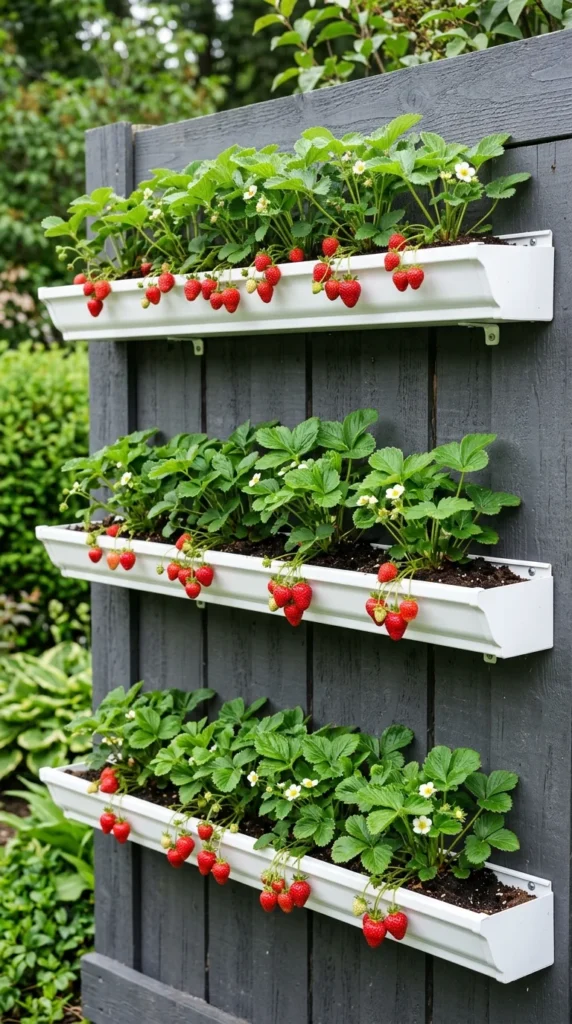
Rain gutters are naturally designed to hold and move water, making them excellent long-form planters. By mounting several rows of gutters horizontally on a wall or fence, you create a sleek, modern garden. They are particularly well-suited for shallow-rooted crops like spinach, lettuce, and herbs.
11. Ladder Stands
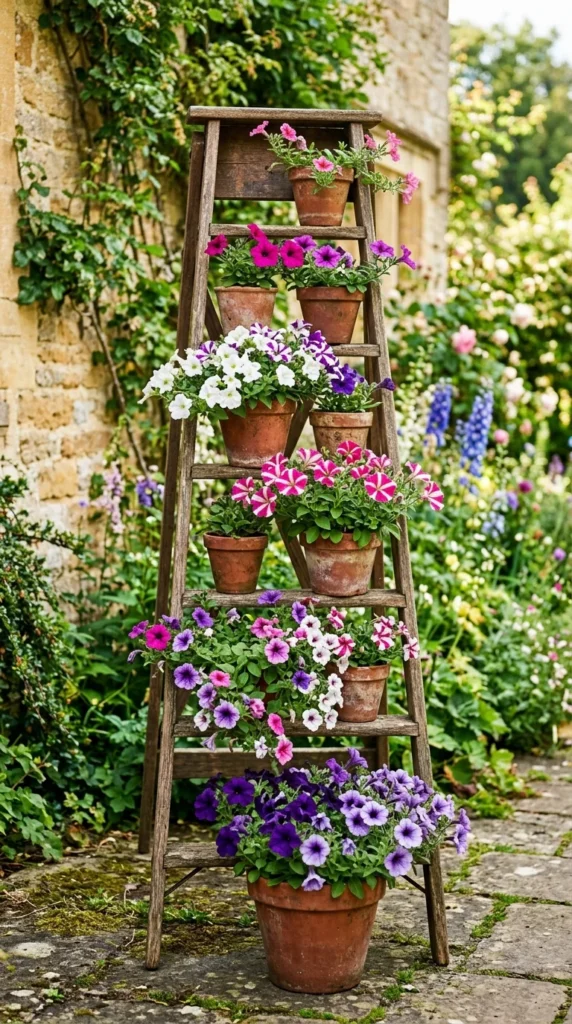
A leaning ladder is a stylish and mobile way to gain vertical height. You can use a vintage wooden ladder for a cottage feel or a minimalist metal ladder for a modern look. The steps provide different levels of light exposure, allowing you to place sun-loving plants at the top and shade-loving varieties at the bottom.
12. Mason Jars
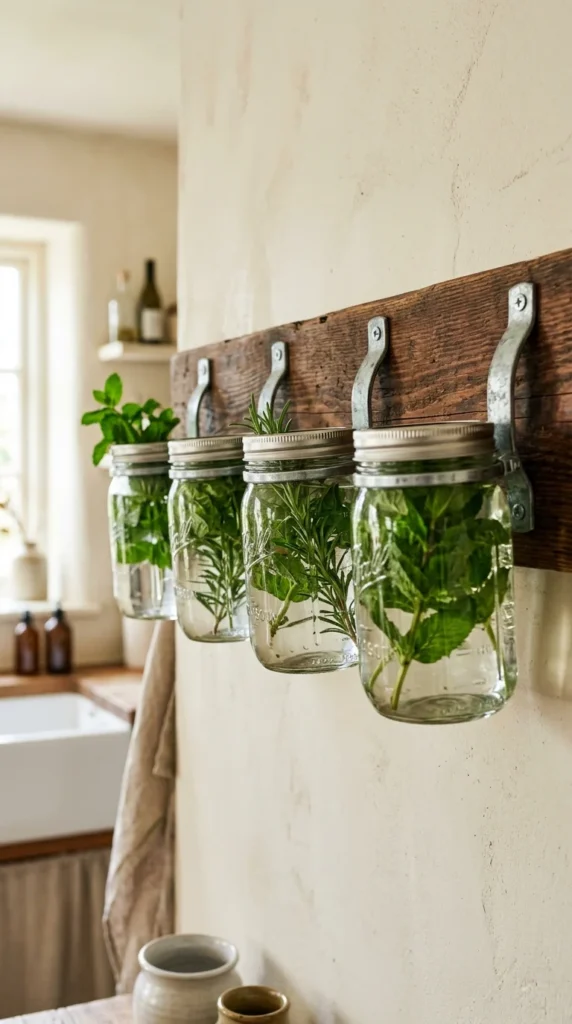
Mason jar gardens are perfect for small indoor spaces like kitchens or bathrooms. By mounting the jars to a wooden board using pipe clamps, you create a clean, organized herb station. These are often used for “wicking” systems or simple water propagation, adding a touch of rustic charm to any wall.
13. Wire Grids
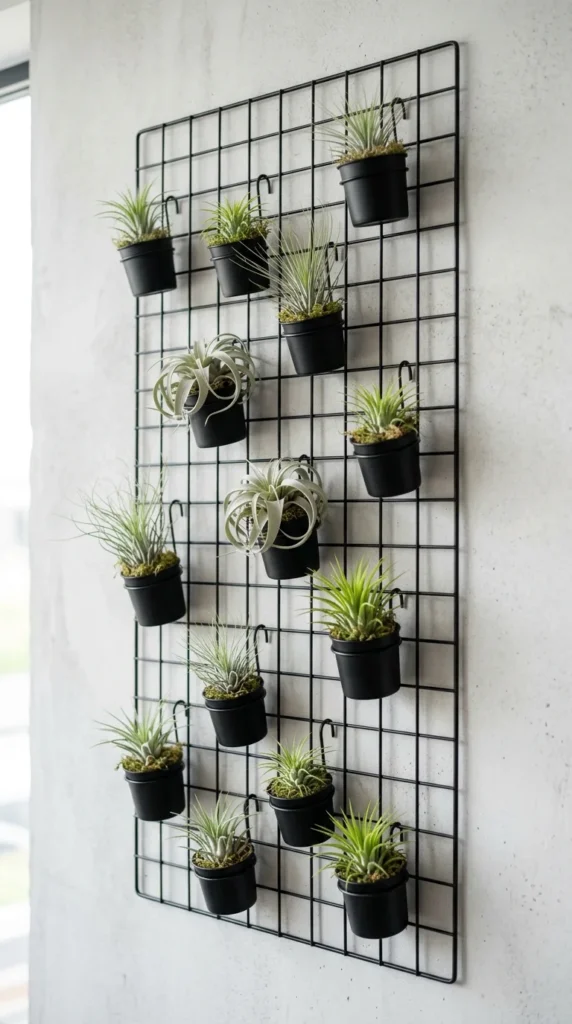
Wire grids offer maximum flexibility. You can use “S” hooks to hang pots, tools, and even decorative lights. The grid itself is thin and takes up almost no physical space, making it perfect for narrow hallways or small balconies. It’s an ideal setup for air plants (Tillandsia) which don’t even require soil.
14. Stackable Planters
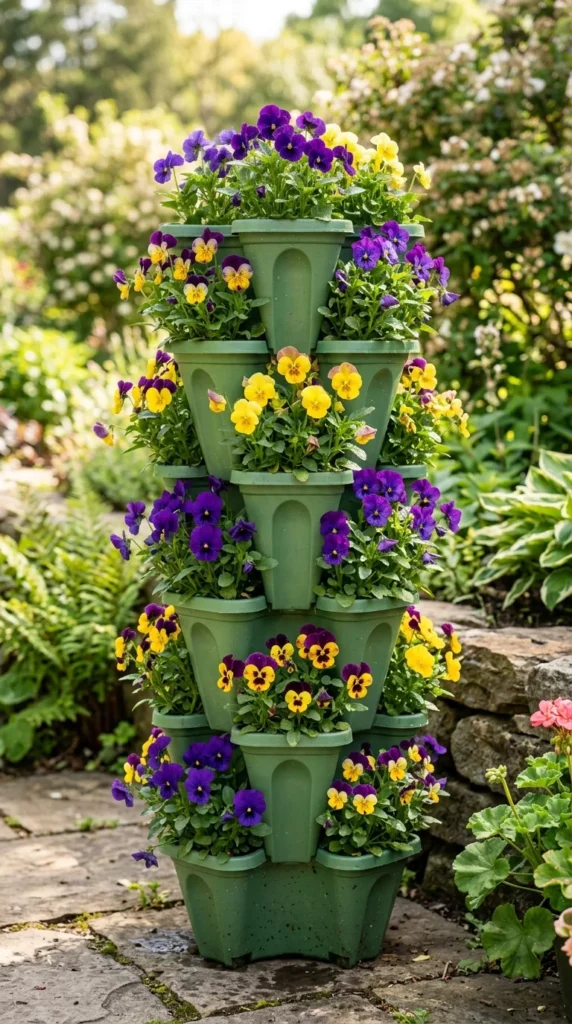
Stackable planters are designed to lock into one another, creating a stable tower. This design allows water to flow from the top level down through the lower levels, ensuring efficient hydration. These towers are highly productive for their size and are frequently used for growing “strawberry towers” or dense flower displays.
15. Window Boxes
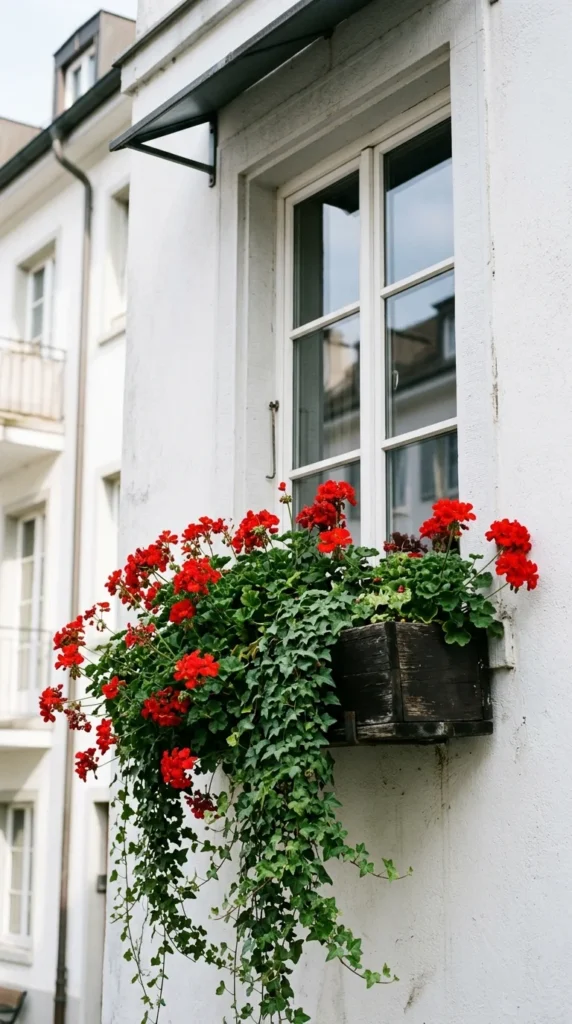
Window boxes extend your gardening space beyond the interior of your home. They utilize the ledge and the exterior wall, providing plants with direct sunlight that they might not get inside. In a small apartment, a window box can be the difference between having a garden and having none at all.
16. Pergola Vines
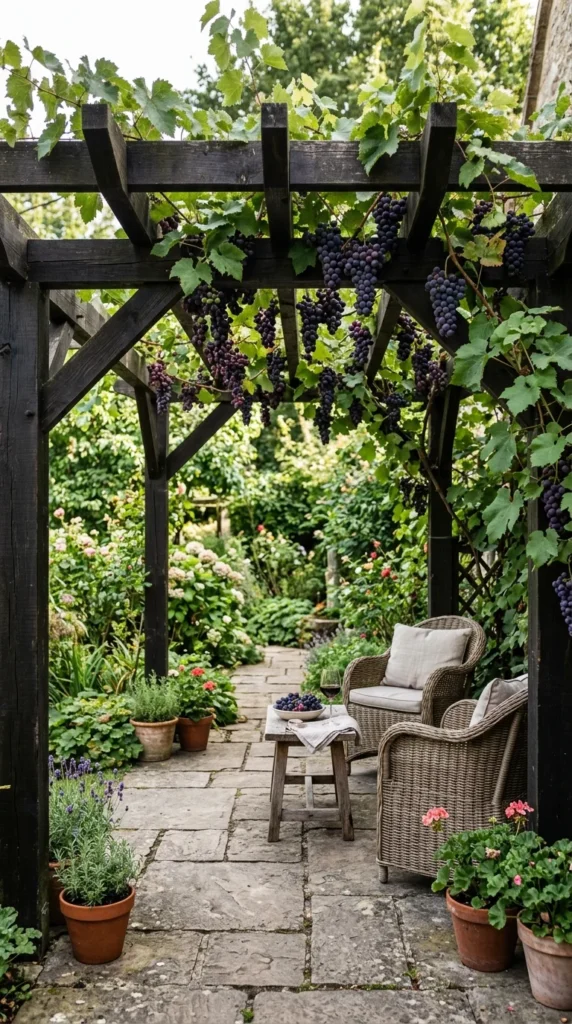
If you have a small patio or deck, a pergola allows you to garden above your head. By planting climbing vines at the base of the posts, the foliage eventually covers the roof, providing natural shade and a lush, overhead canopy. This maximizes the vertical volume of the outdoor space without encroaching on the seating area.
17. Skateboard Decks
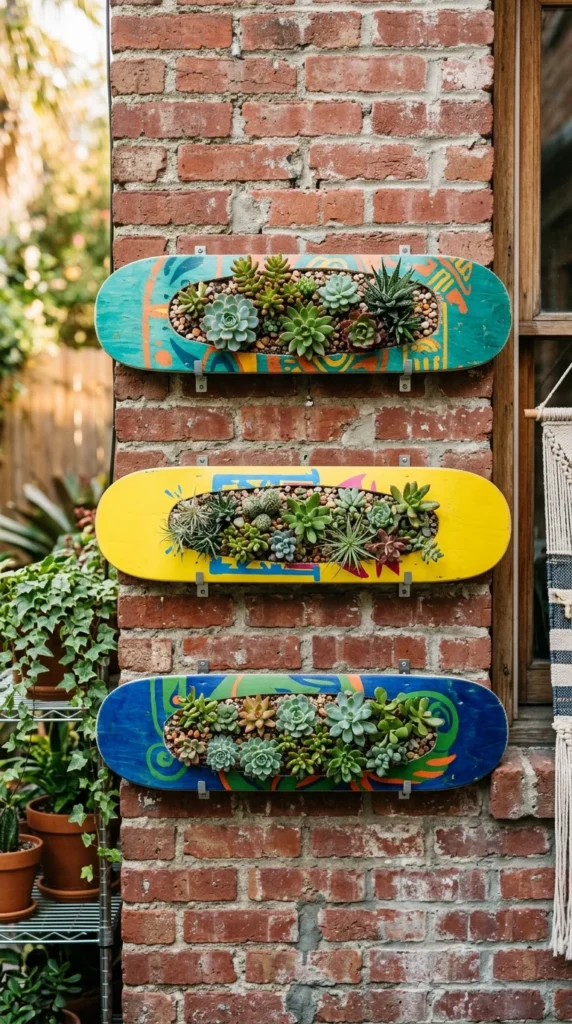
For a modern, urban aesthetic, old skateboard decks can be repurposed as floating shelves or planters. By removing the trucks and wheels and attaching small containers or cutting holes for pots, you create a unique vertical garden. This is a perfect example of how creative recycling can lead to functional garden art.
18. Wine Crates
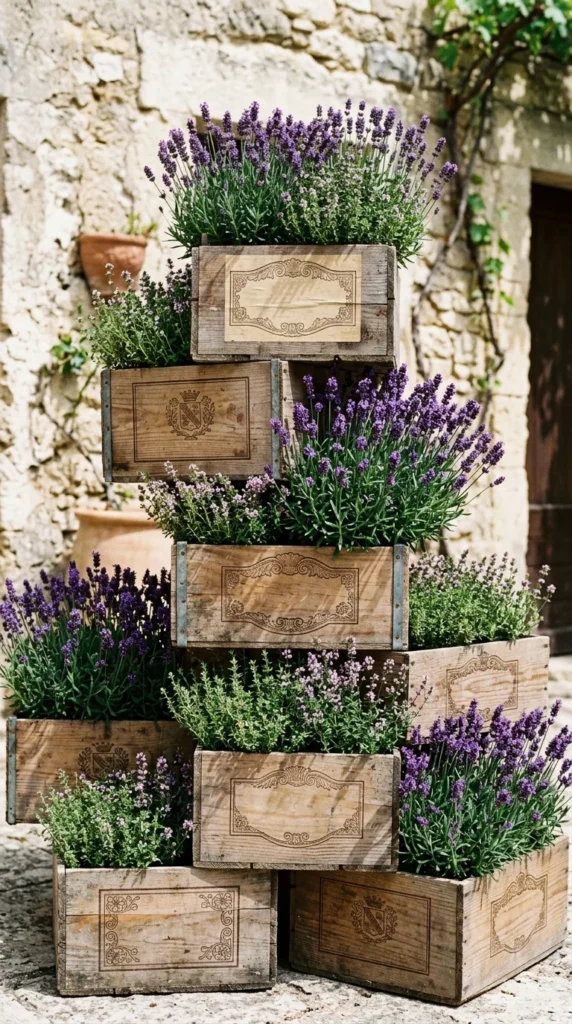
Wine crates are sturdy, aesthetically pleasing, and easy to stack. By stacking them vertically in a staggered pattern, you create deep “pockets” for larger plants that might not fit in a standard vertical planter. The wood is usually treated to resist some moisture, but adding a plastic liner will extend the life of the crates.
19. Birdcage Gardens
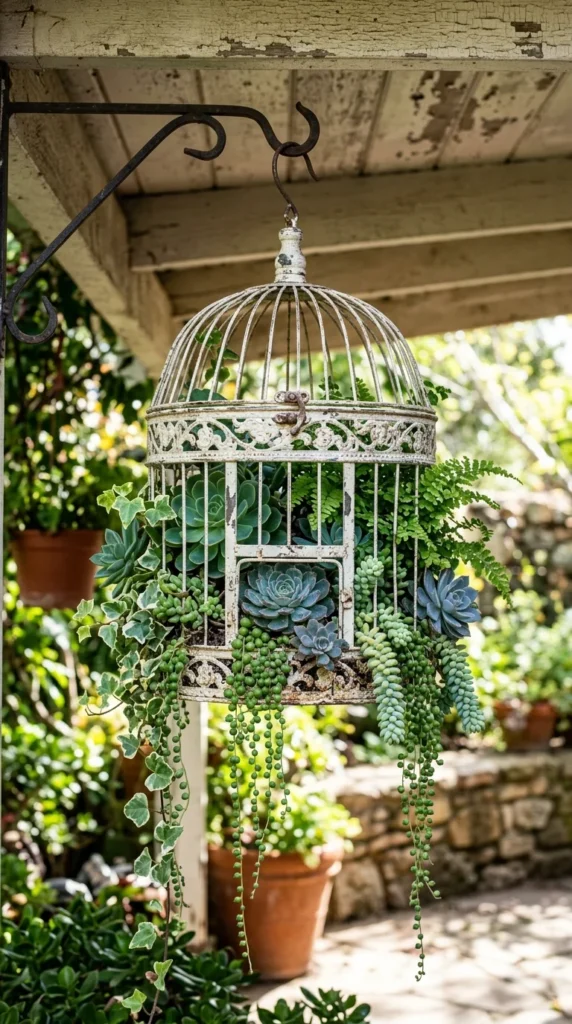
Repurposing a vintage birdcage creates a whimsical, fairy-tale garden. By filling the base with moss and soil, you can plant trailers that will eventually weave through the bars and hang down from the bottom. It’s a self-contained vertical ecosystem that adds a touch of vintage elegance to a small balcony.
20. Herb Towers
Herb towers are specialized containers designed to grow many plants in a single vertical column. They often feature a central “compost tube” where you can add kitchen scraps to fertilize the plants naturally. These are highly efficient for those who want a high yield of edible greens in a footprint no larger than a dinner plate.
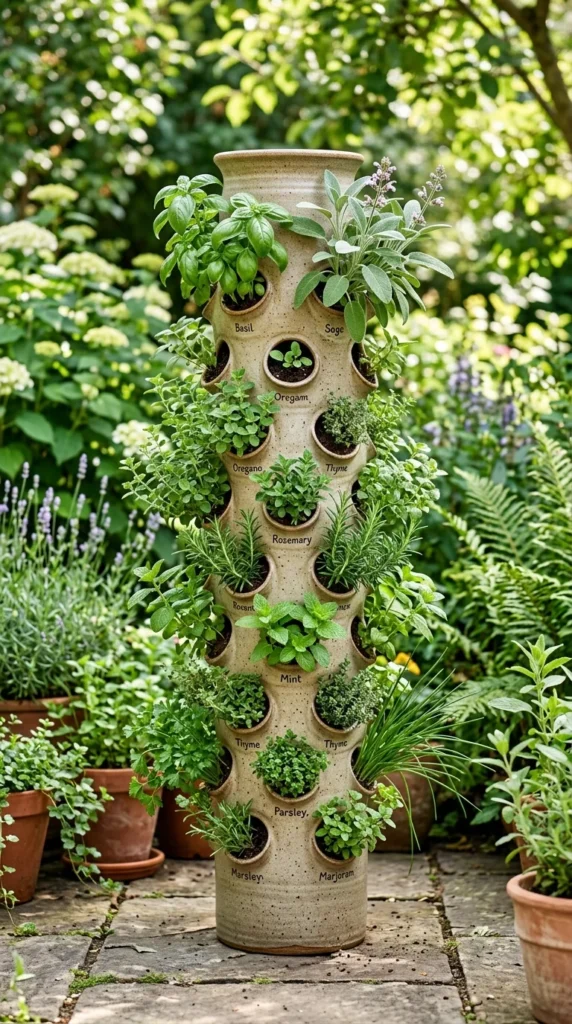
21. Copper Pipe Systems
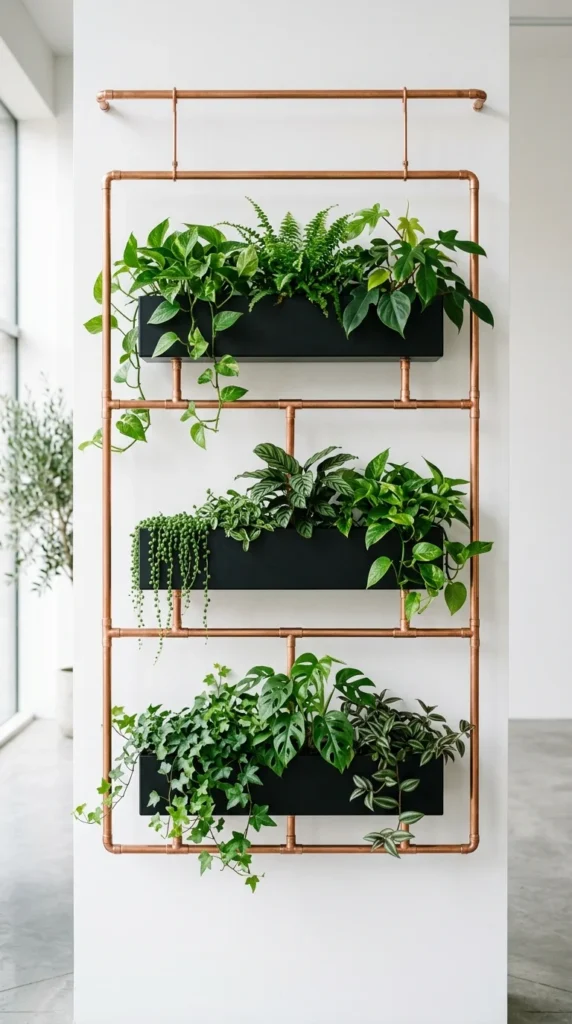
For those who love the industrial or mid-century modern look, copper pipe systems are a beautiful choice. The copper develops a lovely patina over time, and the structure itself is incredibly strong. These systems are often custom-built to fit specific wall dimensions, making them a perfect bespoke solution for tight corners.
22. Fabric Bags
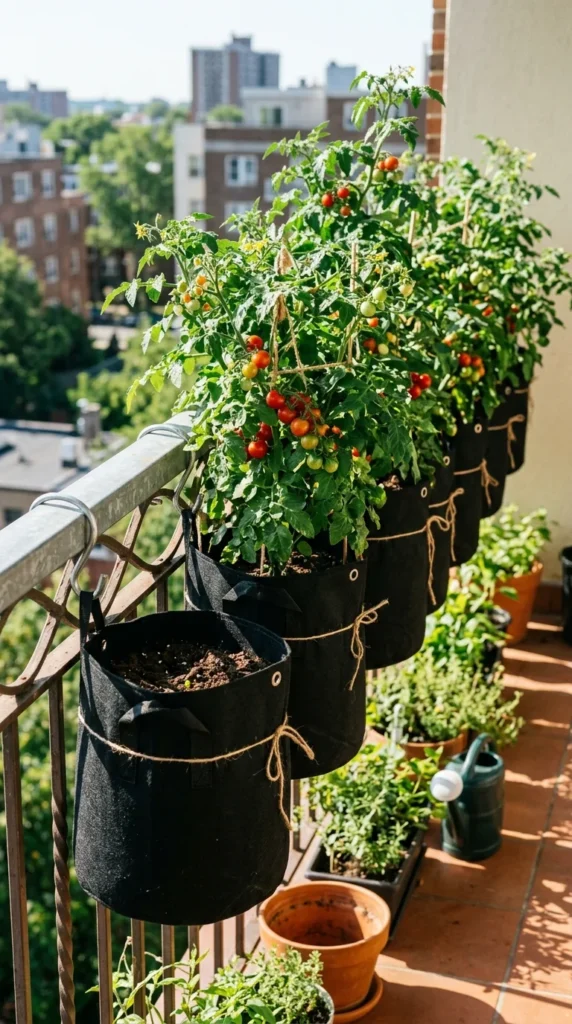
Fabric grow bags are an excellent vertical option because they are breathable and promote “air pruning” of the roots, which leads to healthier plants. Many grow bags come with sturdy handles, allowing them to be hung from hooks or railings. When the season is over, they can be washed, folded, and stored away, taking up almost no space.
23. Concrete Blocks
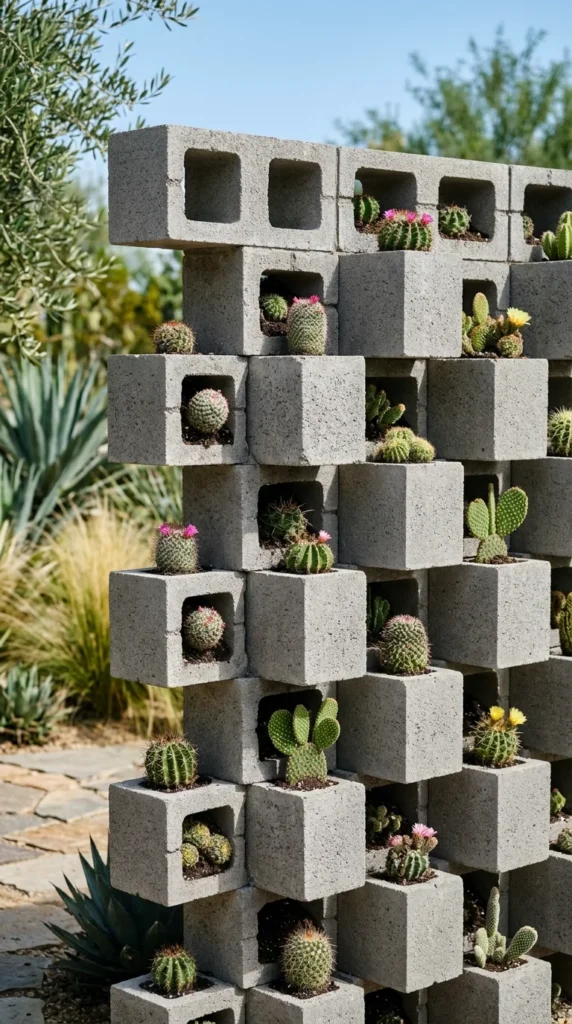
Cinder blocks or concrete blocks can be stacked into various configurations to create a brutalist, modular garden. The “holes” in the blocks serve as ready-made planters. Because concrete is heavy, this is a very stable option for windy balconies or rooftop gardens where lighter planters might blow over.
24. Ceiling Hooks
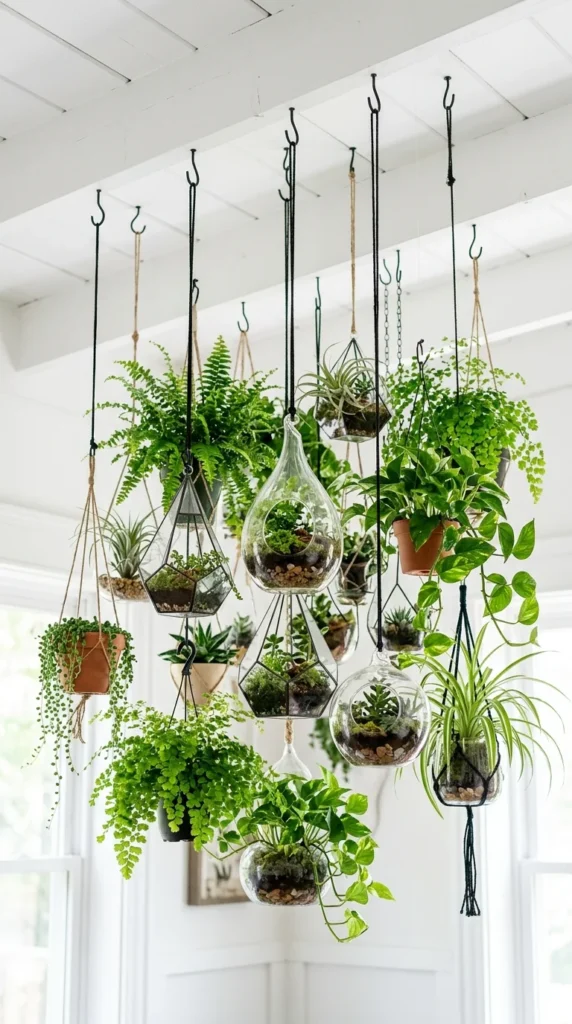
When wall and floor space are both at a premium, look to the ceiling. By installing heavy-duty hooks, you can hang a variety of plants to create a floating canopy. This is a great way to display “air plants” or light-weight ferns. It keeps the floor completely clear and draws the eye upward, making the room feel taller.
25. Privacy Screens
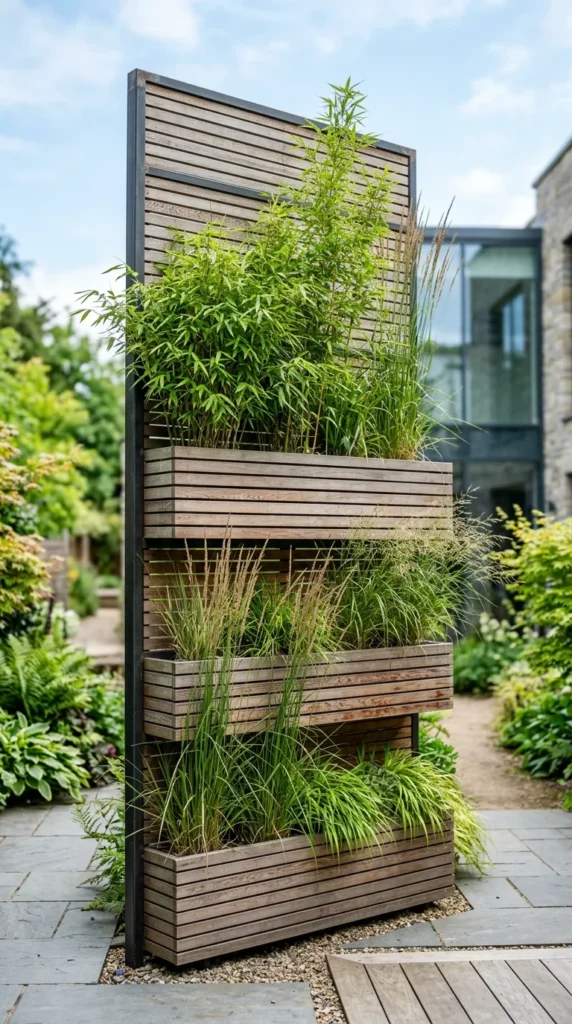
A privacy screen that doubles as a garden is the ultimate multi-tasker. By integrating planter boxes into a tall, slatted screen, you can block the view from neighbors while growing a lush wall of greenery. This is particularly effective for balconies where you want to create a private sanctuary without building a solid, claustrophobic wall.