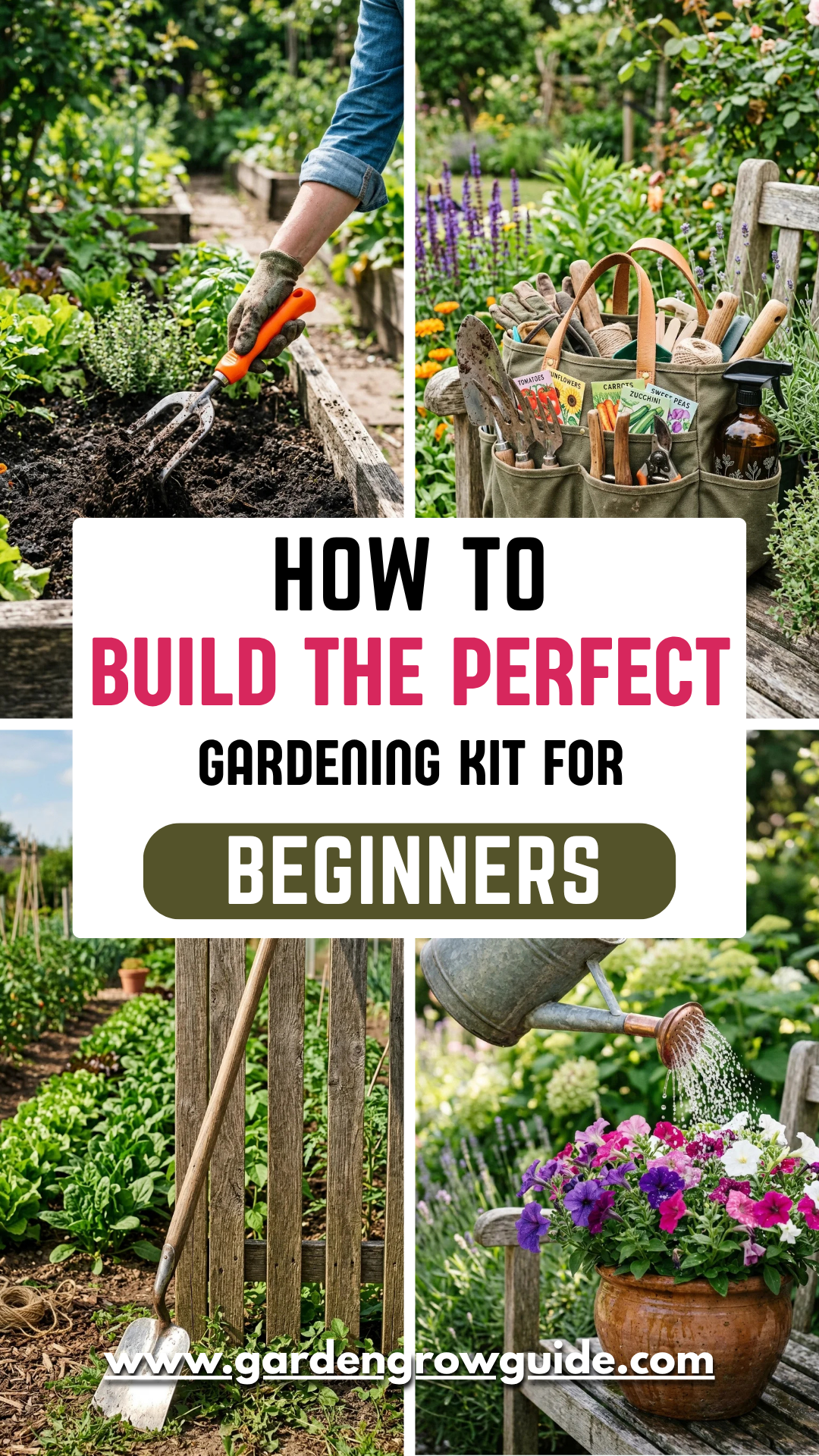
Starting a garden is one of the most rewarding journeys a person can undertake. Whether you are aiming to grow your own organic vegetables, create a sanctuary of vibrant flowers, or simply find a peaceful hobby that connects you with nature, having the right equipment is the foundation of success. For a beginner, the sheer volume of tools available at a hardware store can be overwhelming. However, building the perfect gardening kit isn’t about buying every gadget on the shelf; it is about selecting high-quality, essential items that make the work easier and more enjoyable.
The Essential Beginner’s Gardening Kit
1. Hand Trowel
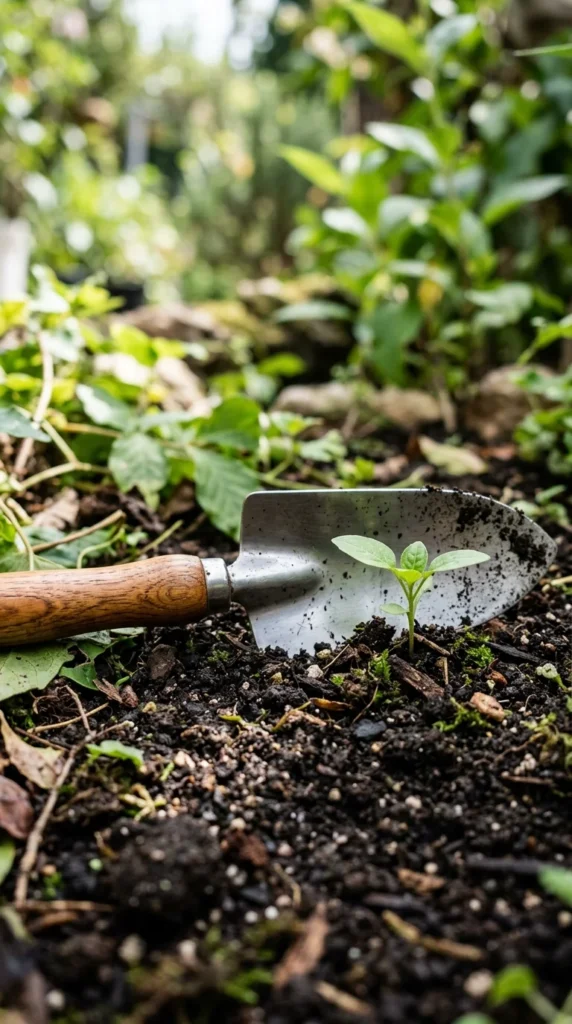
The hand trowel is perhaps the most frequently used tool in any gardener’s arsenal. Think of it as a specialized, handheld shovel. It is indispensable for digging small holes, transplanting seedlings from nursery pots into the ground, and digging up stubborn weeds.
When selecting a trowel, look for one with a seamless blade-to-handle connection. Many cheap trowels tend to bend or snap at this joint when they hit a rock or heavy clay soil. A forged steel blade will offer the best longevity. Additionally, prioritize an ergonomic handle—typically made of rubberized plastic or smooth wood—to prevent hand fatigue during long planting sessions.
2. Gardening Gloves
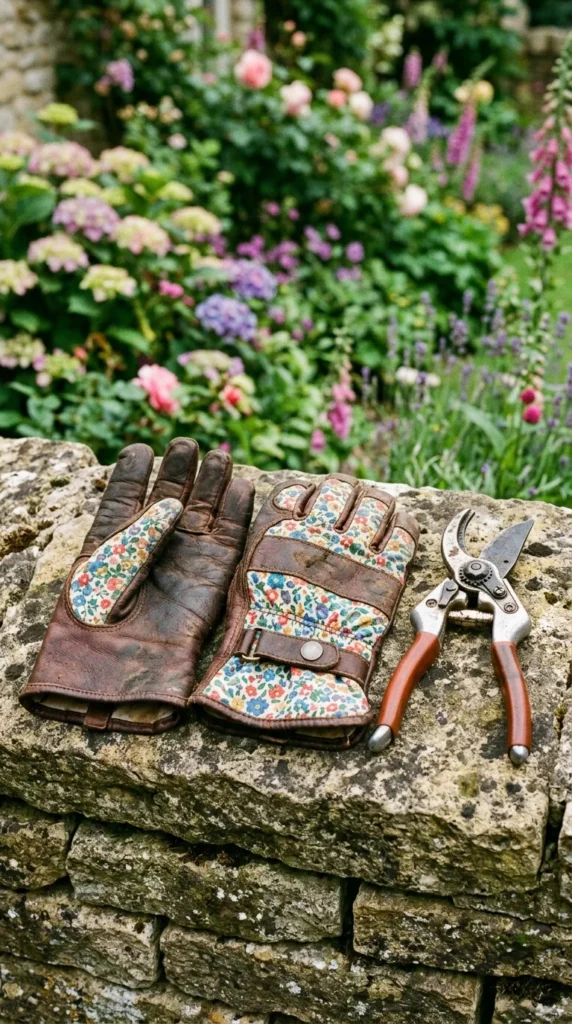
Gardening is a tactile experience, but it can be tough on the hands. A good pair of gloves protects you from thorns, stinging nettles, blisters, and skin irritation caused by certain fertilizers or fungi in the soil.
For beginners, a “hybrid” glove is often best—one that features a breathable fabric back to keep hands cool and a nitrile or leather coating on the palms and fingers for protection and grip. If you plan on working with roses or berry bushes, consider a pair of gauntlet-style gloves that extend up the forearm to prevent scratches.
3. Pruning Shears
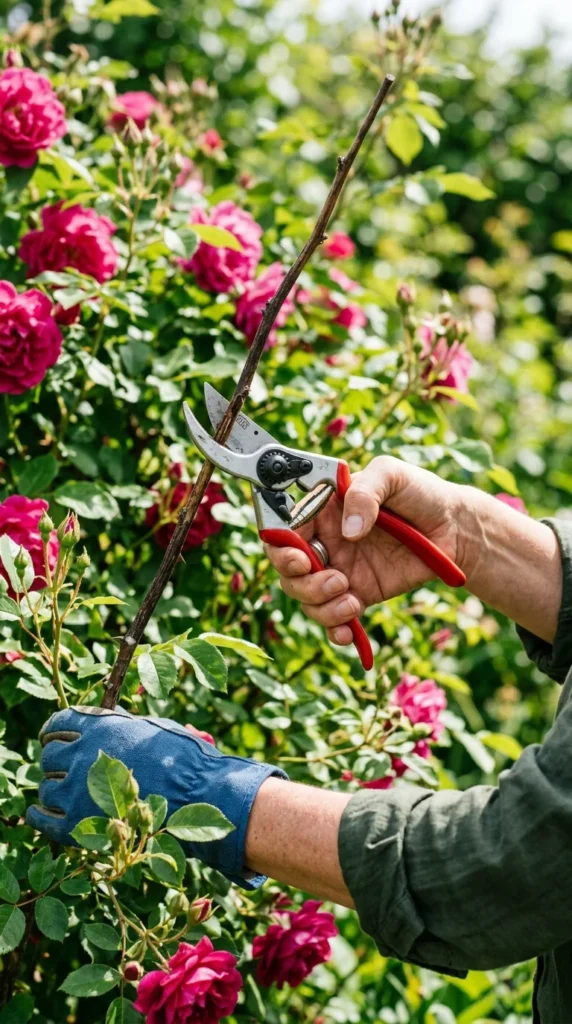
Often called secateurs, pruning shears are the “scissors” of the garden. They are essential for deadheading flowers (removing spent blooms to encourage new growth), harvesting small vegetables, and trimming back overgrown stems.
There are two main types: bypass and anvil. For a beginner’s kit, bypass pruners are superior. They work like scissors, where two blades pass by each other, making a clean, sharp cut that allows the plant to heal quickly. Anvil pruners crush the stem, which is fine for dead wood but can damage living plants. Look for a pair that fits comfortably in your palm and has a locking mechanism for safety.
4. Garden Hoe
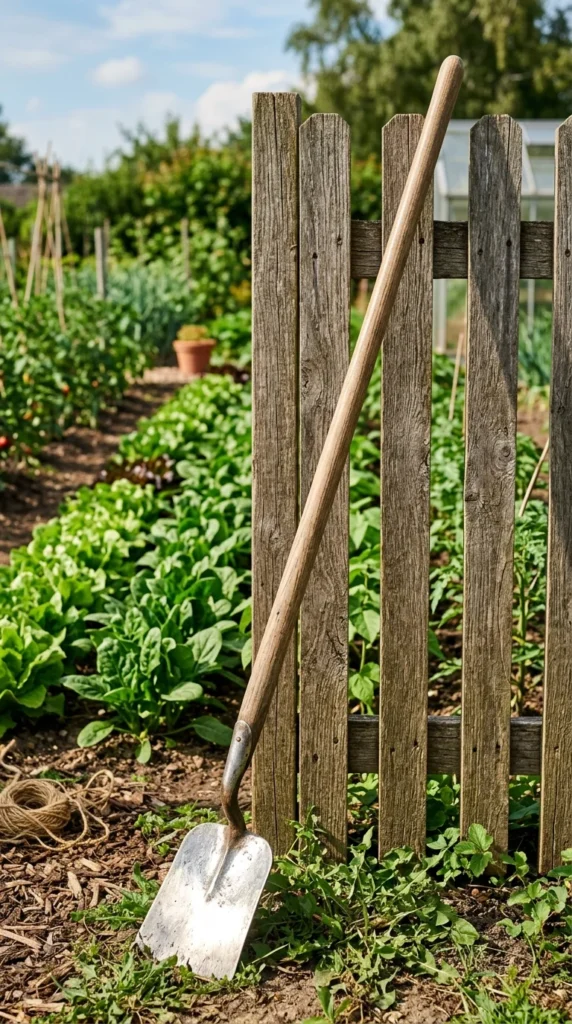
If you are planting in a traditional garden bed or a vegetable patch, a garden hoe is your best defense against weeds. This long-handled tool allows you to clear large areas of soil surface without bending over, saving your back from unnecessary strain.
A standard “draw hoe” features a flat blade that you pull toward you to chop at weed roots and move soil. For beginners, a “hula” or “stirrup” hoe is also a fantastic option; it has a loop-shaped blade that moves back and forth just beneath the soil surface, slicing weeds efficiently in both directions.
5. Watering Can
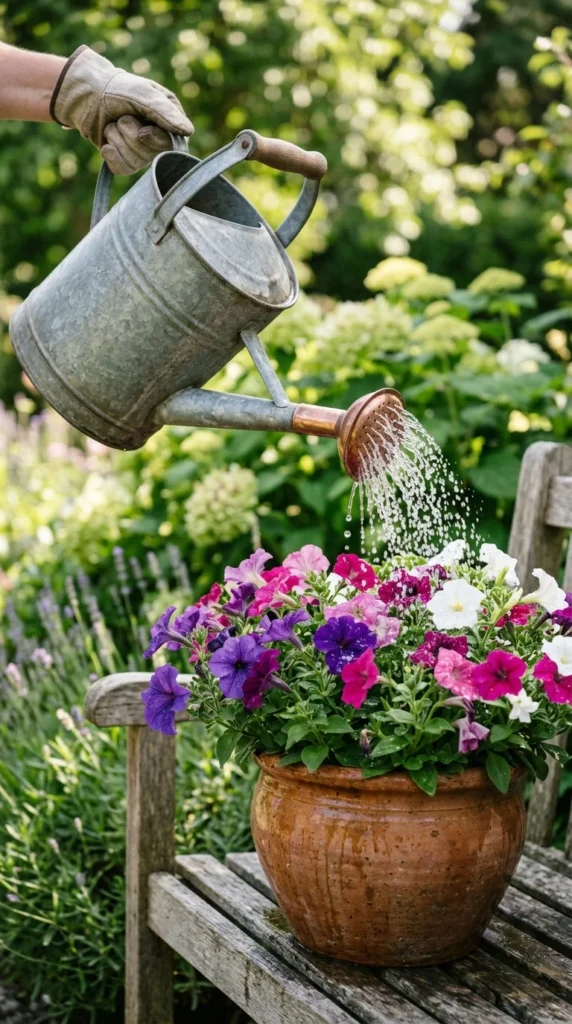
While a hose is great for large areas, a watering can is essential for precision and for tending to container gardens or delicate seedlings. The most important feature of a watering can is the “rose”—the perforated nozzle head that breaks the stream into a gentle rain-like spray.
For a beginner, a 1.5 to 2-gallon plastic or galvanized steel can is ideal. Plastic is lighter and easier to carry, while steel is more durable and aesthetically pleasing. Ensure the handle is positioned in a way that allows you to balance the weight as the water level changes while you pour.
6. Hand Rake
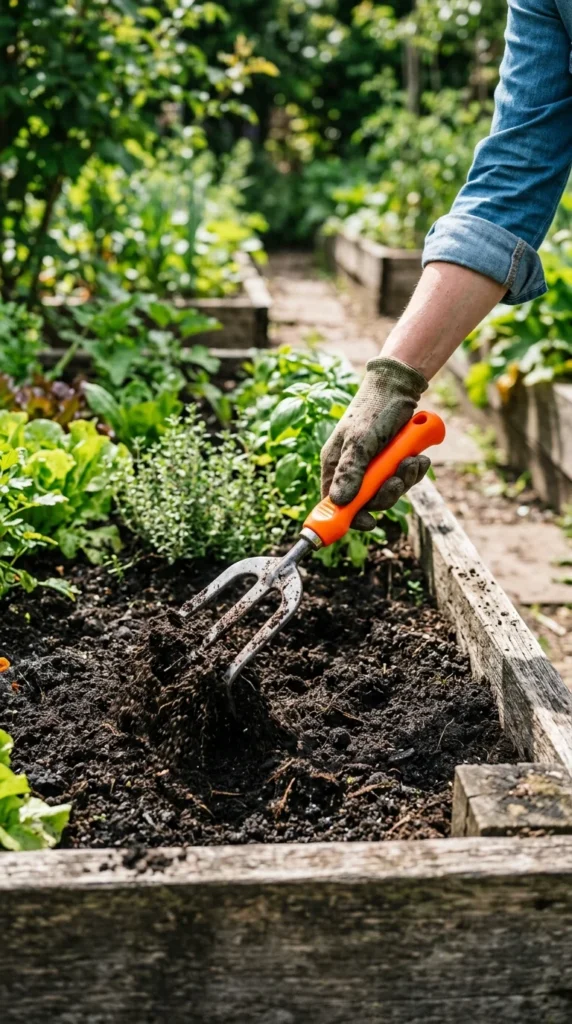
A hand rake, or cultivator, is designed to break up crusted soil and clear away debris around plants. It usually features three or five sturdy metal tines. This tool is vital for aerating the soil surface, which allows water and nutrients to reach the roots of your plants more effectively.
When building your kit, choose a hand rake with a solid tang (the metal part that goes into the handle) to ensure it doesn’t wiggle loose over time. It is also excellent for mixing compost or granular fertilizer into the top few inches of your garden beds.
7. Garden Spade
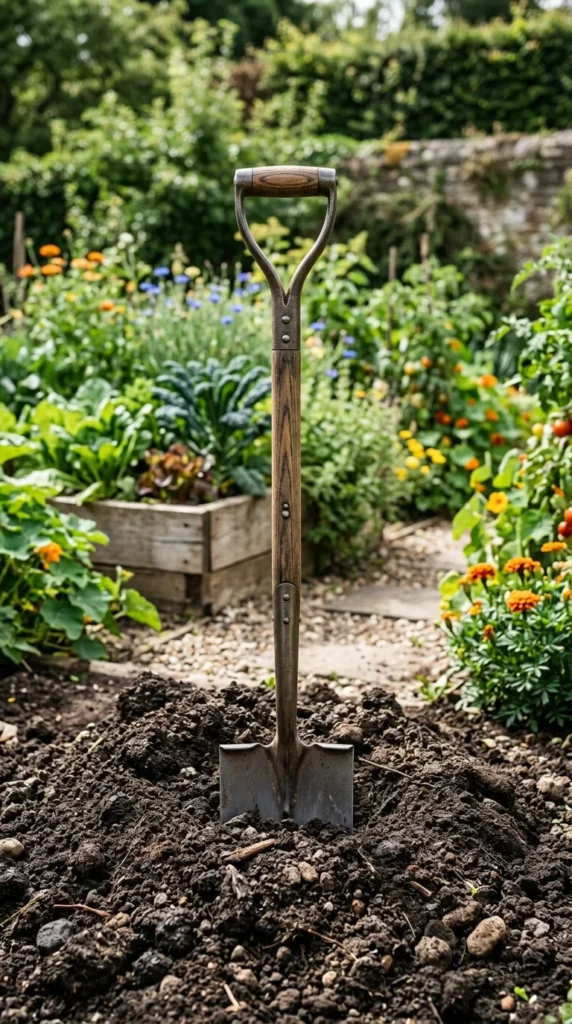
While the trowel handles the small jobs, the garden spade is for the heavy lifting. This tool features a square-shaped, flat blade and a relatively short handle. It is designed for digging straight-sided holes, edging garden beds, and slicing through sod.
A spade is different from a shovel (which has a pointed, scooped blade for moving loose material). A spade is a precision digging tool. Look for a “D-handle” design, which provides the most control and power when you need to push the blade into the ground with your foot.
8. Kneeling Pad
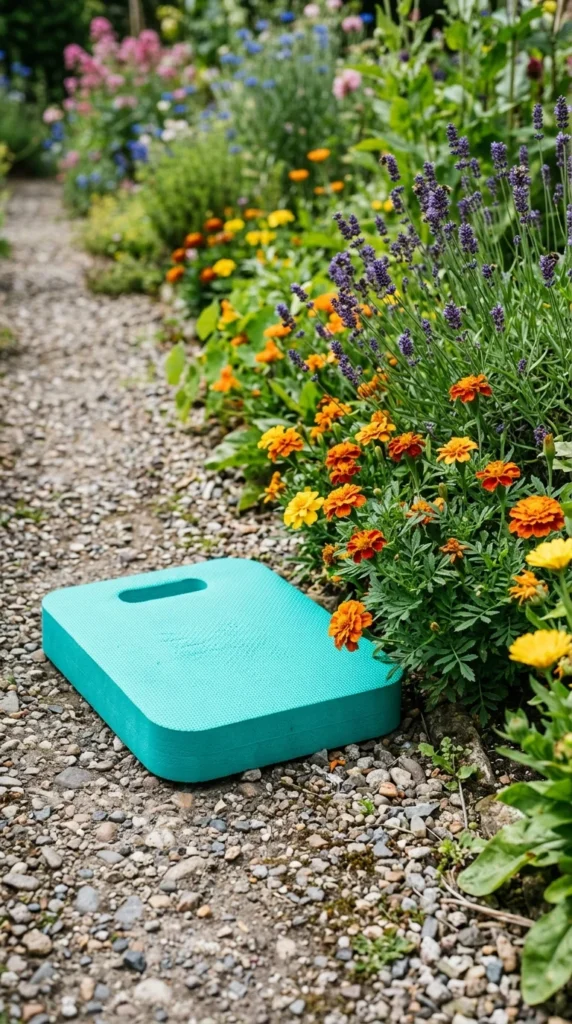
Gardening involves a lot of time spent close to the ground. Even if you are in peak physical condition, kneeling on cold, damp earth or hard stones can quickly lead to discomfort. A high-density foam kneeling pad is a simple, inexpensive addition to your kit that will significantly extend your stamina in the garden.
Alternatively, you can opt for wearable knee pads, but many beginners find a portable pad more convenient as it can also serve as a dry seat during a garden break. Look for one with a handle hole so you can easily carry it around as you move from task to task.
9. Garden Hose
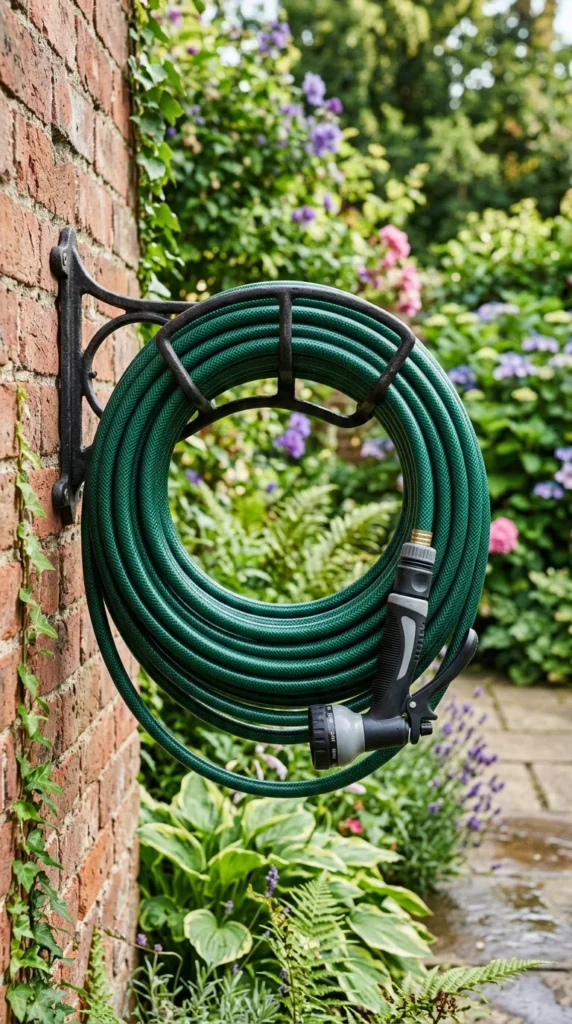
Unless you have a very small balcony garden, a hose is a necessity. It is the most efficient way to deliver large volumes of water to your plants during the heat of summer. For beginners, the most important factor is the length; measure your garden to ensure the hose reaches the furthest corner with a few feet to spare.
Invest in a quality spray nozzle with multiple settings (such as “mist,” “shower,” and “soaker”). This allows you to gently water seedlings or power-wash mud off your garden path with the same tool. Anti-kink hoses are worth the extra investment, as they prevent the frustrating mid-water flow stoppage.
10. Tool Bag
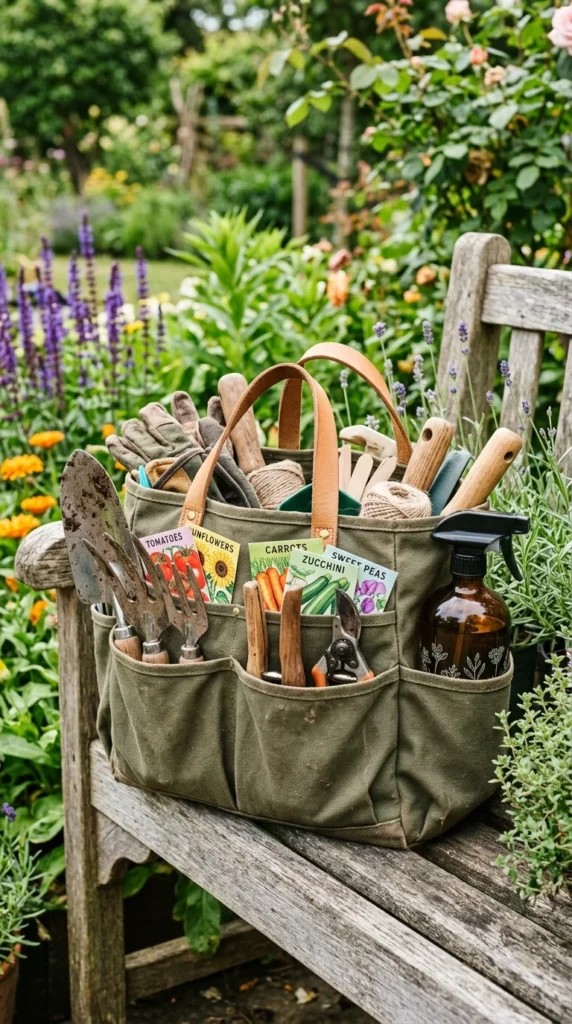
Once you have gathered your tools, you need a way to organize and transport them. A dedicated garden tool bag or caddy prevents you from losing your trowel in the middle of a shrub or leaving your shears out in the rain.
The best garden bags are made of heavy-duty canvas or polyester with reinforced bottoms. Look for a design with plenty of exterior pockets; this allows you to keep your small hand tools upright and easy to grab, while the large interior space can hold your gloves, twine, seed packets, and a water bottle.
Maintaining Your Gardening Kit
Building the kit is only the first step. To ensure these tools last for years, a small amount of maintenance is required:
- Cleaning: After every use, wipe the dirt off your metal tools. If the soil is wet or clay-heavy, use a stiff brush or a hose to clean them, then dry them thoroughly to prevent rust.
- Oiling: Once a season, rub a light coat of linseed oil or even vegetable oil onto wooden handles to prevent cracking. You can also wipe the metal blades with an oily rag to protect them from moisture.
- Sharpening: Dull pruners and spades make work harder and can harm your plants. Use a simple sharpening stone or a diamond file to keep the edges of your shears and trowels sharp.
- Storage: Always store your tools in a dry place, such as a shed or garage. Hanging them on a pegboard is an excellent way to keep them organized and off the ground.
Conclusion
Building the perfect gardening kit for beginners doesn’t require a massive investment, but it does require intentionality. By starting with these ten essential items, you provide yourself with the versatility to handle almost any task—from planting a row of carrots to pruning a heritage rose bush. As your skills grow and your garden expands, you can add more specialized tools, but these fundamentals will remain the backbone of your gardening journey for a lifetime. Now, grab your trowel, put on your gloves, and get growing!