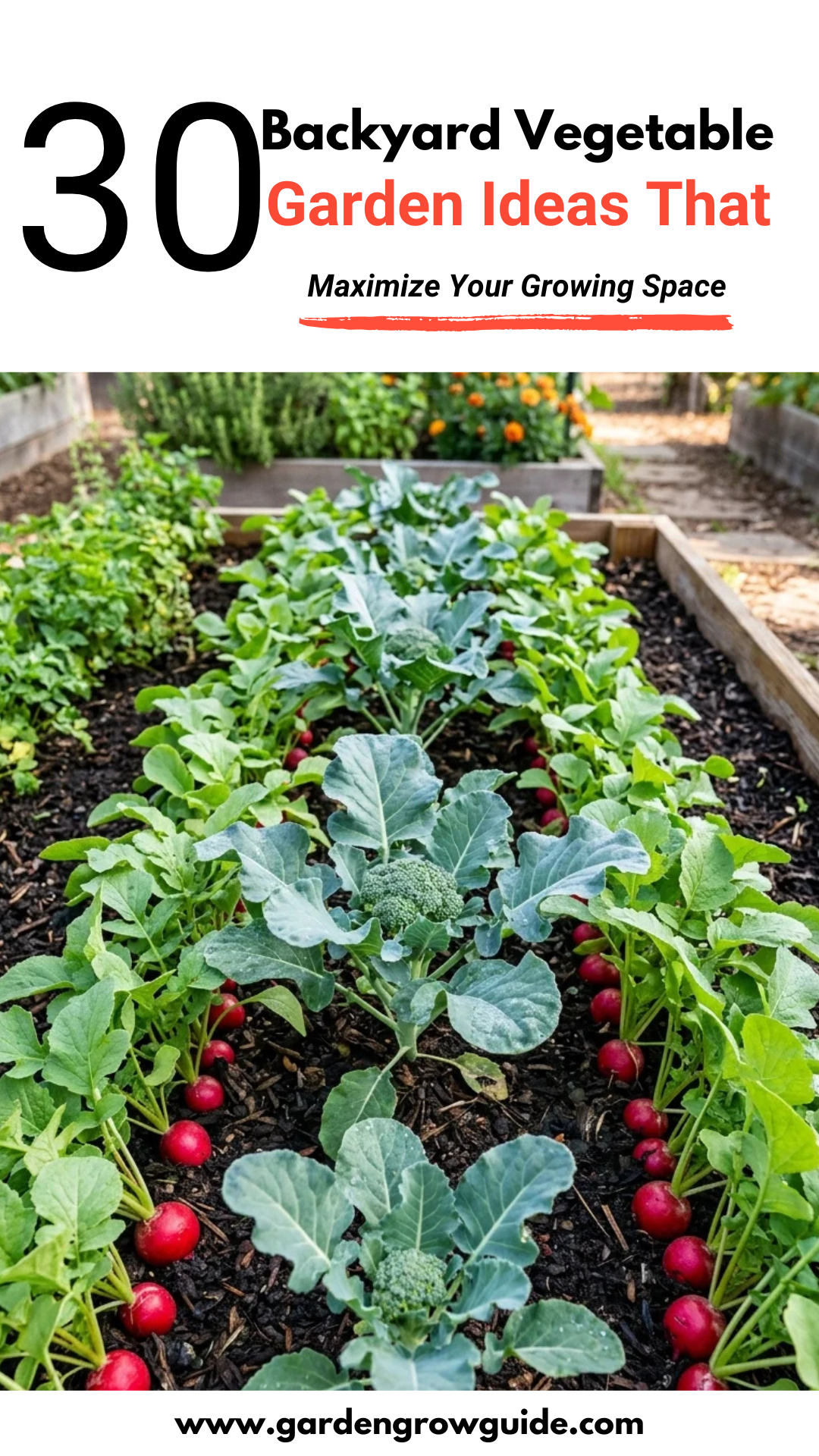
Transforming a backyard into a high-yielding vegetable garden requires more than just seeds and soil; it requires a strategic approach to spatial design. Whether you are working with a sprawling lawn or a compact urban patio, maximizing every square inch allows you to enjoy a diverse harvest throughout the growing season. By utilizing verticality, intensive planting techniques, and innovative containers, any outdoor space can become a productive oasis.
1. Vertical Trellises
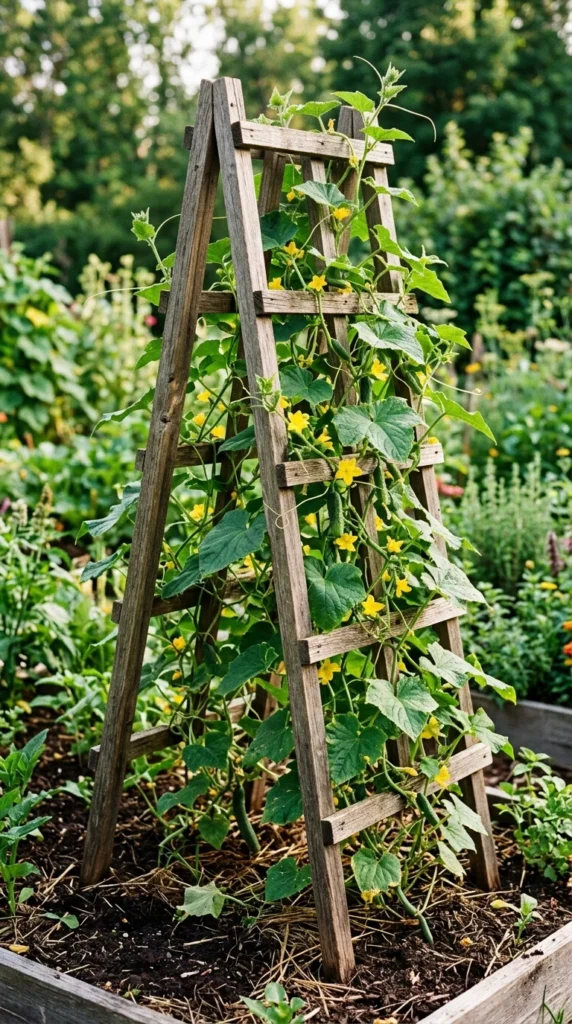
One of the most effective ways to save ground space is to grow “up.” Vertical trellises allow climbing plants like cucumbers, pole beans, and peas to occupy vertical real estate rather than sprawling across the garden floor. This not only increases your yield per square foot but also improves air circulation around the plants, reducing the risk of fungal diseases.
2. Raised Beds
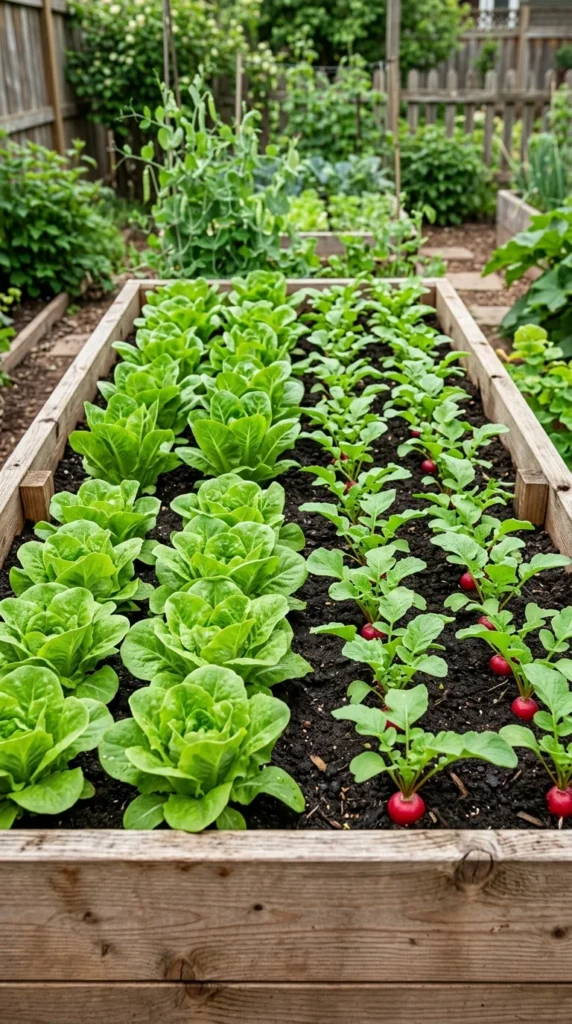
Raised beds are the cornerstone of intensive gardening. By containing the soil, you prevent compaction from foot traffic, allowing for a looser, more nutrient-rich environment where roots can grow deeper rather than wider. This enables you to plant vegetables closer together than traditional row gardening allows.
3. Square Foot Gardening
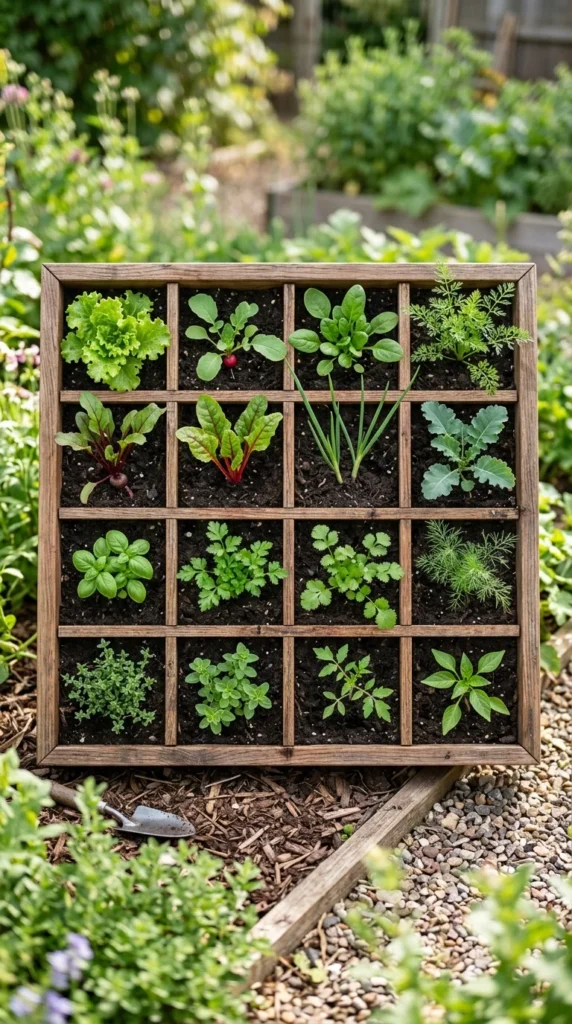
This method involves dividing a planting area into small, manageable sections—typically one-foot squares. Each square is planted with a specific number of plants based on their size. It eliminates wasted space between rows and ensures that every inch of the bed is utilized for food production.
4. Keyhole Gardens
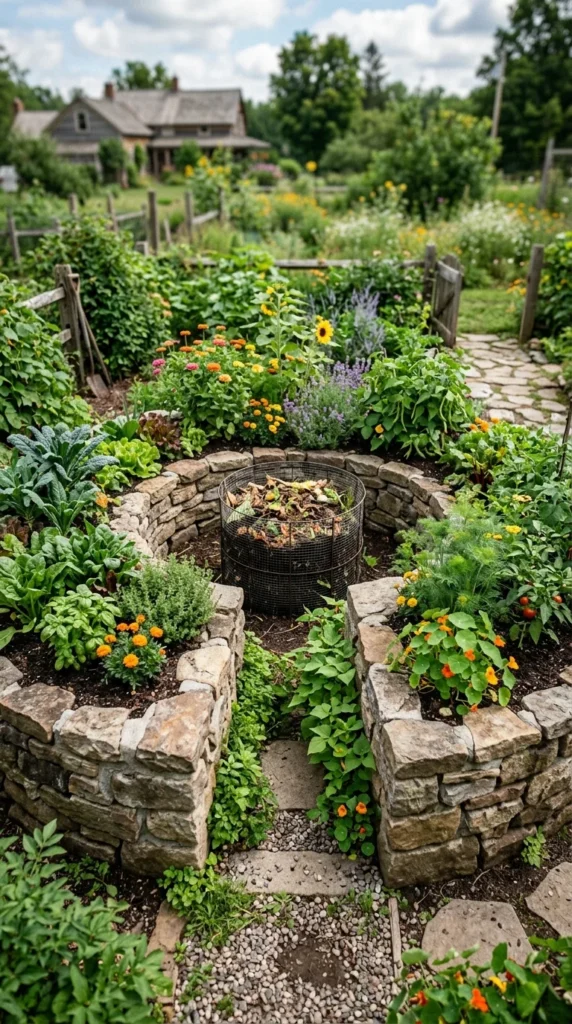
Keyhole gardens are circular raised beds with a central composting basket and a small walkway cut into the circle. This design allows you to reach every part of the garden without stepping on the soil. The central compost basket provides a continuous supply of nutrients and moisture directly to the root zones of the surrounding plants.
5. Tiered Planters
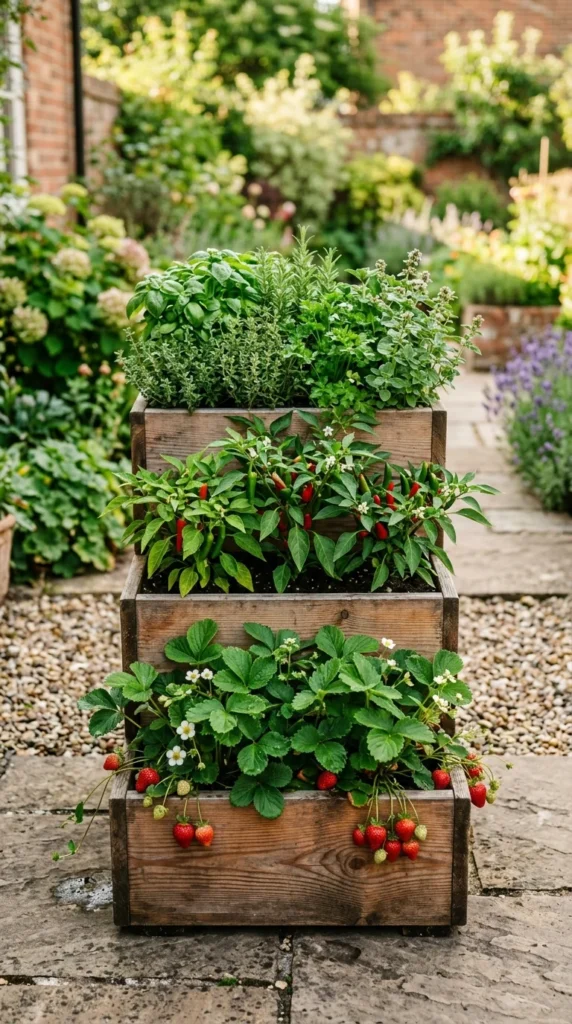
Tiered planters utilize vertical height while providing varying depths of soil. Deep-rooted vegetables like carrots can go in the bottom tiers, while shallow-rooted herbs or strawberries occupy the higher, narrower sections. This is an excellent solution for patios and balconies.
6. Tower Gardens
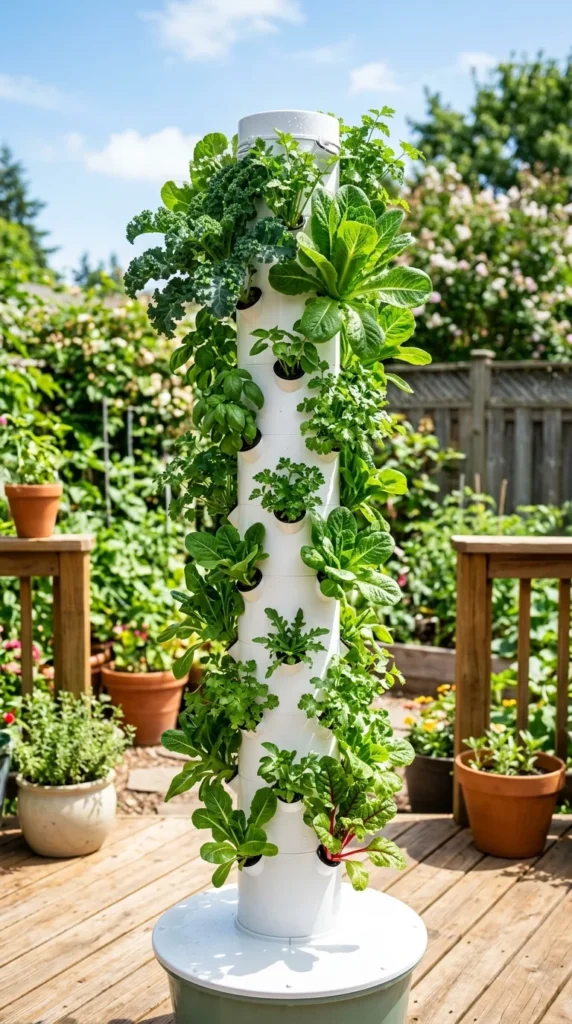
Vertical tower gardens, often using hydroponic or aeroponic systems, allow you to grow dozens of plants in a footprint of just a few square feet. These systems circulate water and nutrients efficiently, making them ideal for high-density herb and leafy green production.
7. Hanging Baskets
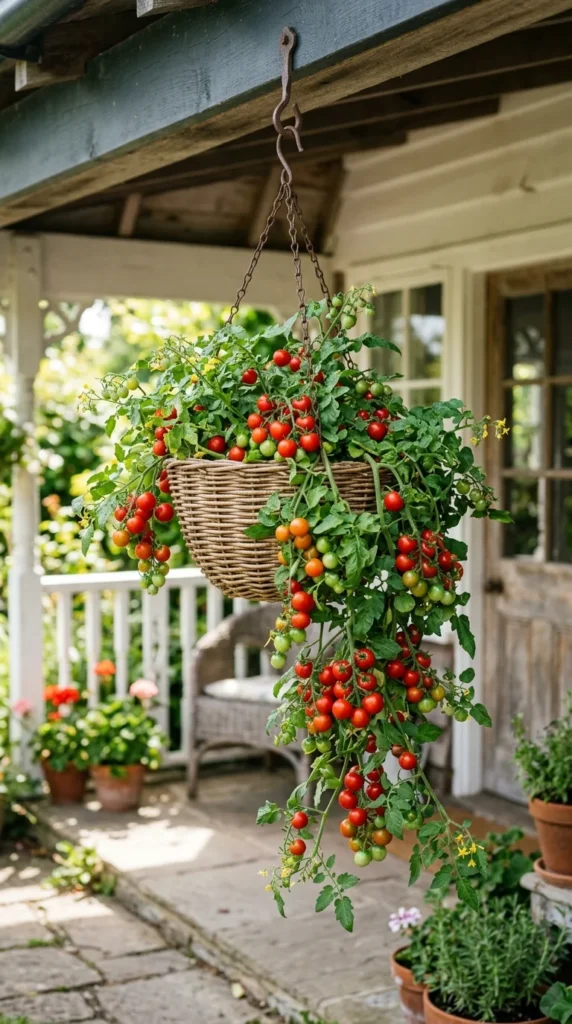
Don’t overlook the air space above your garden. Hanging baskets are perfect for trailing varieties of vegetables, such as “tumbling” tomatoes, strawberries, and even certain types of peppers. This keeps the fruit off the ground and away from many common garden pests.
8. Companion Planting
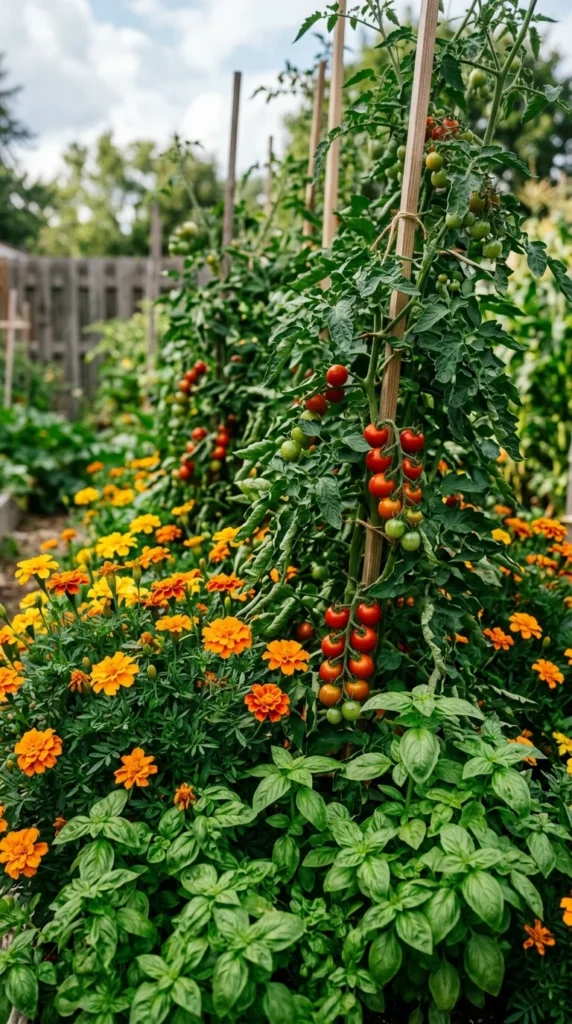
Maximize space by planting mutually beneficial crops together. For example, tall corn can act as a trellis for beans, while squash grows at the base to shade the soil and prevent weeds. This “Three Sisters” approach is a classic example of using the same space for three different crops.
9. Gutter Gardens
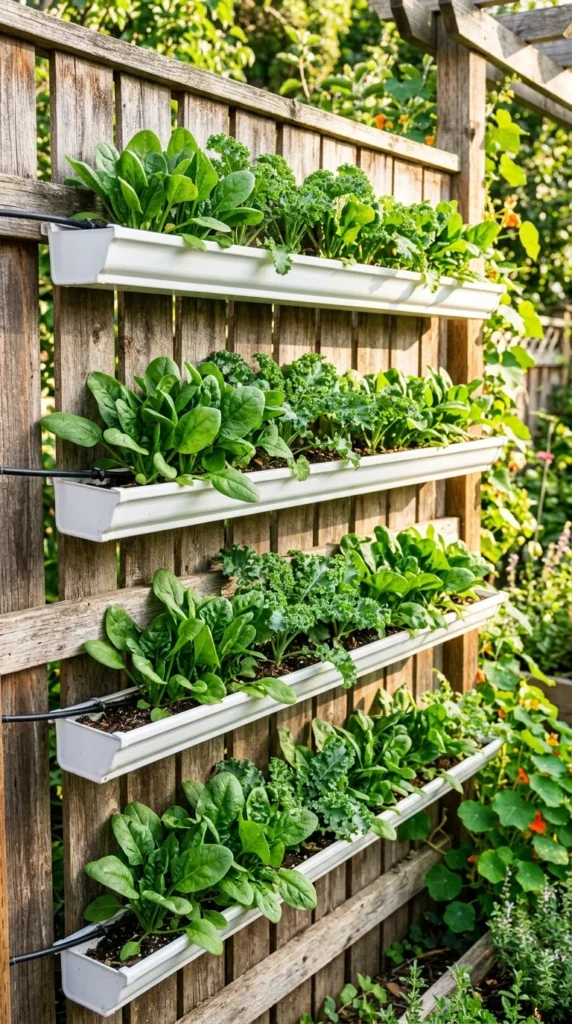
Old rain gutters can be repurposed into shallow planting troughs. Mounted on a fence or the side of a shed, they provide the perfect environment for shallow-rooted crops like lettuce, spinach, and arugula, turning a vertical wall into a productive food source.
10. Potato Towers
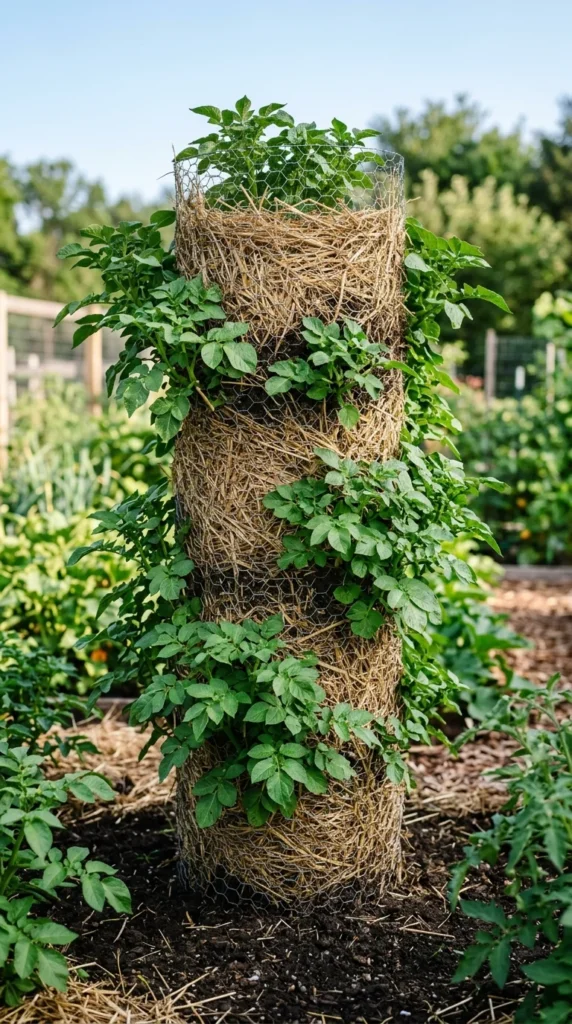
Growing potatoes traditionally requires significant space for hilling. A potato tower allows you to grow upwards. As the plants grow, you add more soil or straw, encouraging the plant to produce tubers all the way up the column rather than just in the ground.
11. Pallet Gardens
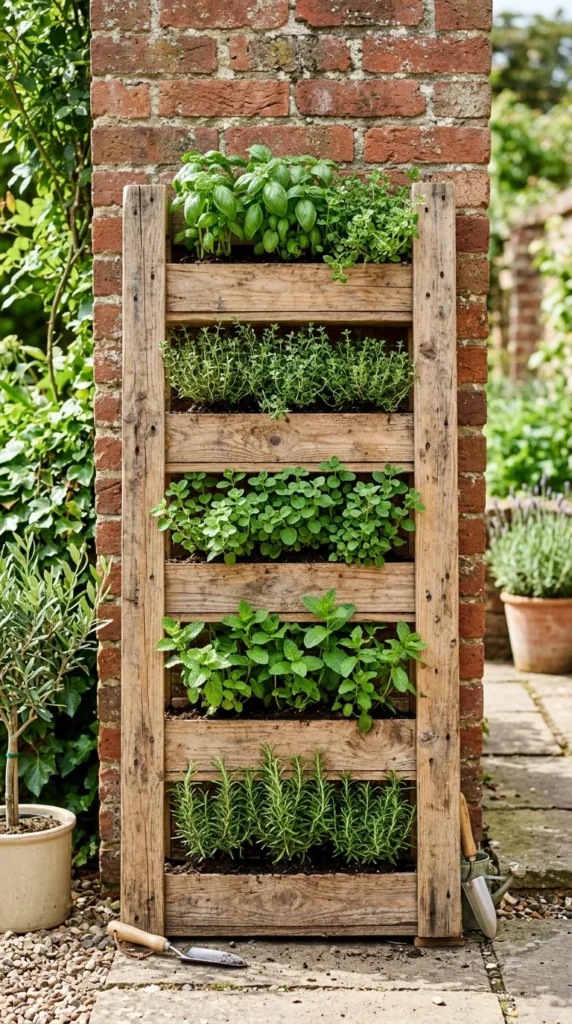
Recycled wooden pallets can be easily converted into vertical gardens. By sealing the back and bottom, you can fill the slats with soil and plant a wall of herbs or salad greens. It’s an inexpensive way to utilize vertical surfaces in a small backyard.
12. Intercropping
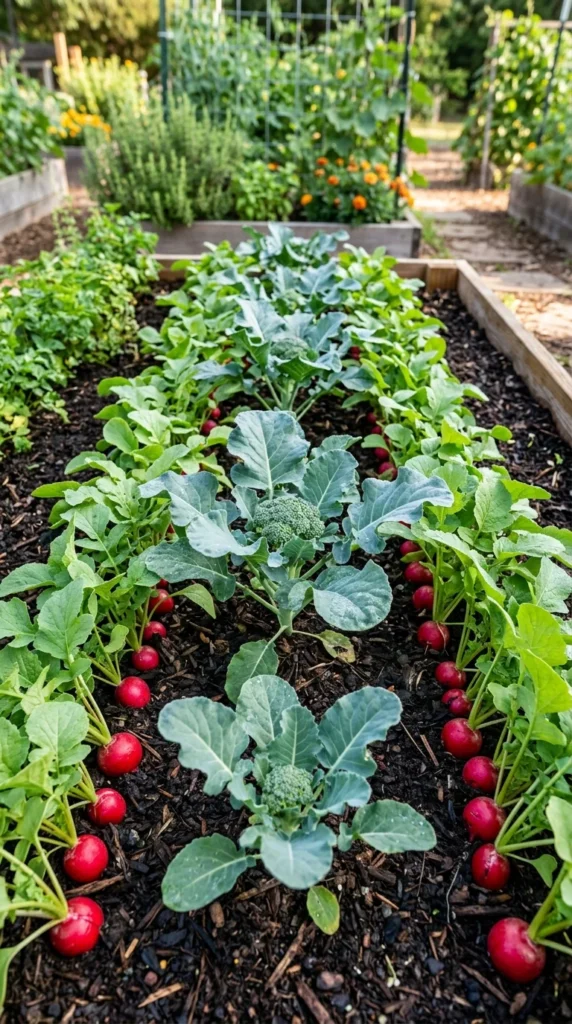
Intercropping involves planting fast-growing crops in the spaces between slow-growing ones. By the time the slow-growing plants (like cabbage or peppers) need the extra room, the fast-growing crops (like radishes or lettuce) have already been harvested.
13. Cattle Panel Arches
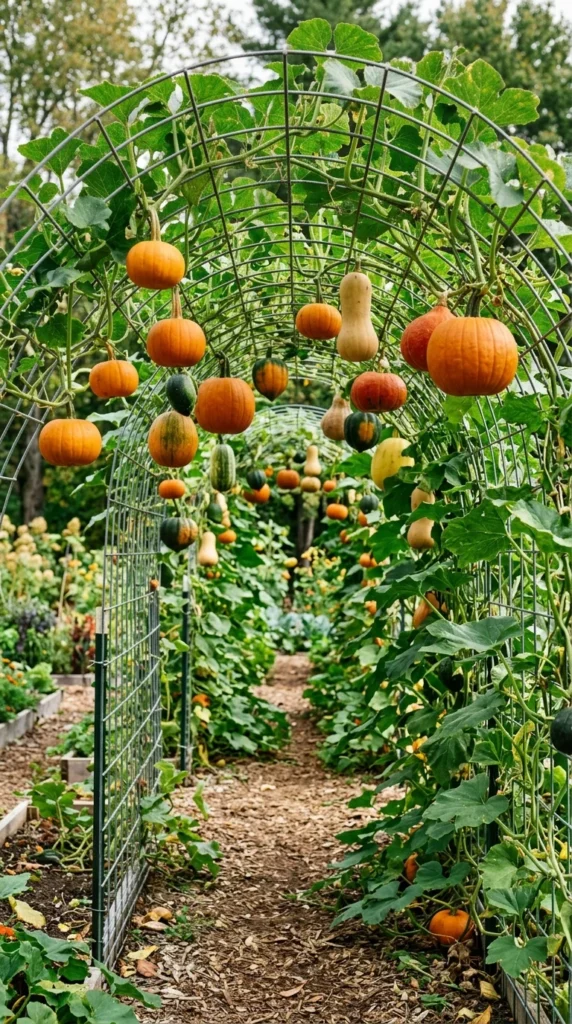
A cattle panel arch creates a dramatic and functional vertical space. By anchoring two ends of a wire panel in separate raised beds and arching it over a pathway, you create a “ceiling” for climbing plants, allowing you to walk beneath your harvest.
14. Spiral Herb Gardens
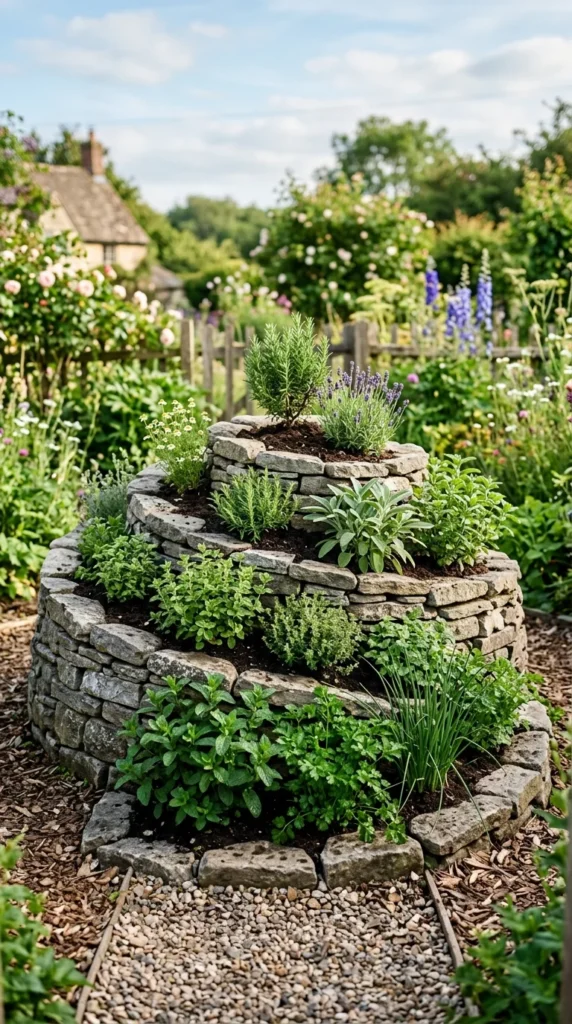
A herb spiral uses verticality and gravity to create different microclimates in a small footprint. The top is dry and sunny (perfect for rosemary and thyme), while the bottom remains moist and cool (ideal for parsley and mint), allowing a high diversity of plants in one spot.
15. Wall-Mounted Pockets
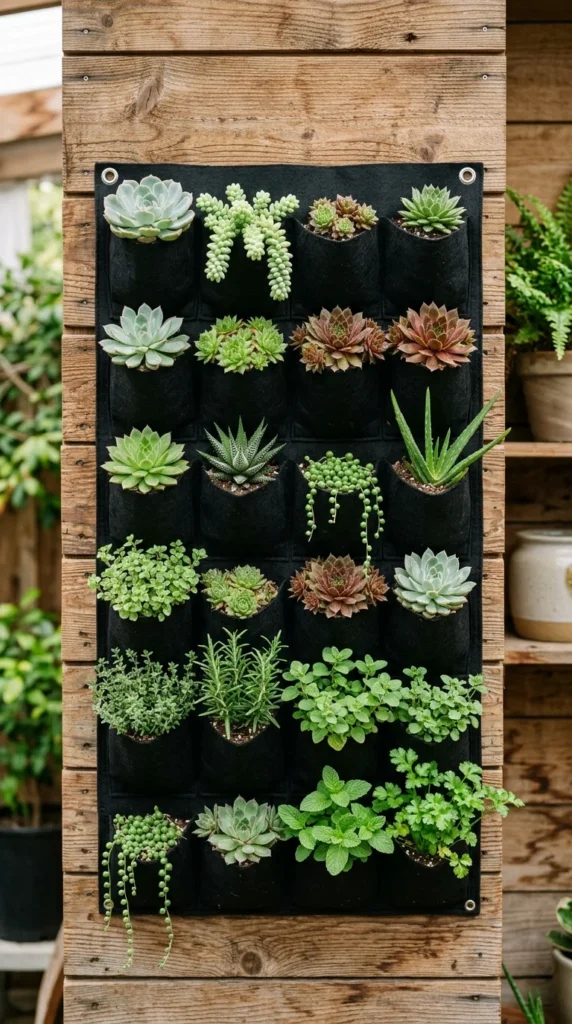
Felt or canvas pocket organizers can be mounted to any vertical surface. These breathable pockets are excellent for herbs and small greens, providing excellent drainage and turning a blank wall into a living tapestry of edible plants.
16. Window Boxes
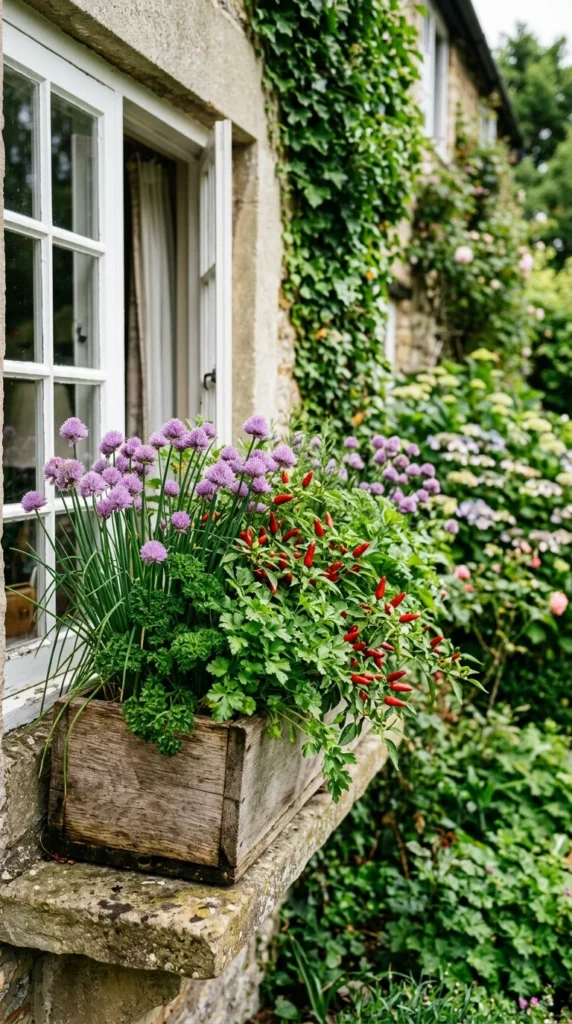
Even if you lack a yard, window boxes can provide a steady supply of fresh ingredients. They are perfect for “cut and come again” greens and kitchen herbs, keeping your most-used plants within arm’s reach of the kitchen.
17. Grow Bags
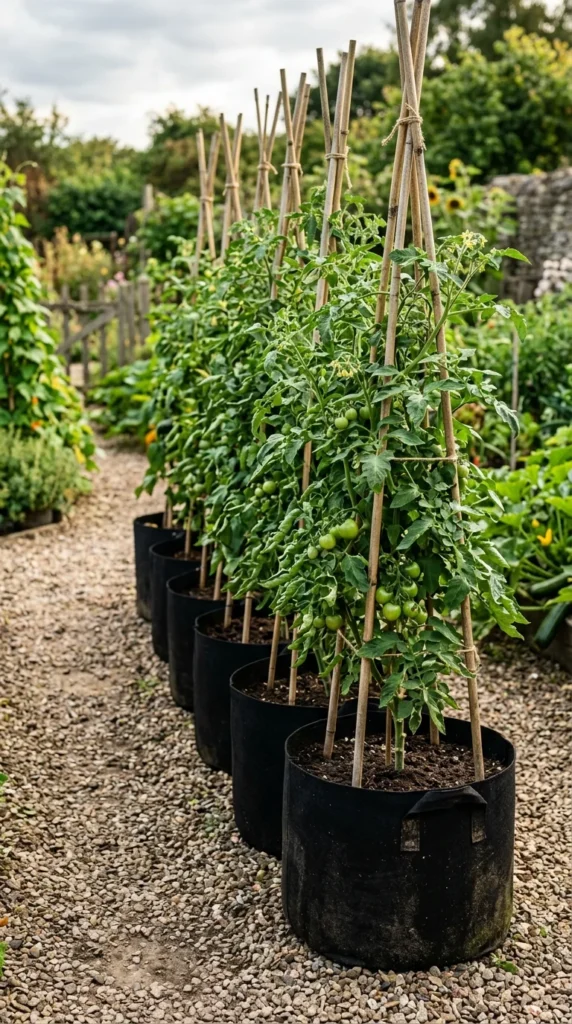
Grow bags offer a flexible alternative to permanent beds. They can be placed on concrete, gravel, or even tiered shelving. Because the fabric is breathable, it prevents root circling and promotes “air pruning,” leading to healthier plants in a smaller volume of soil.
18. Under-Planting
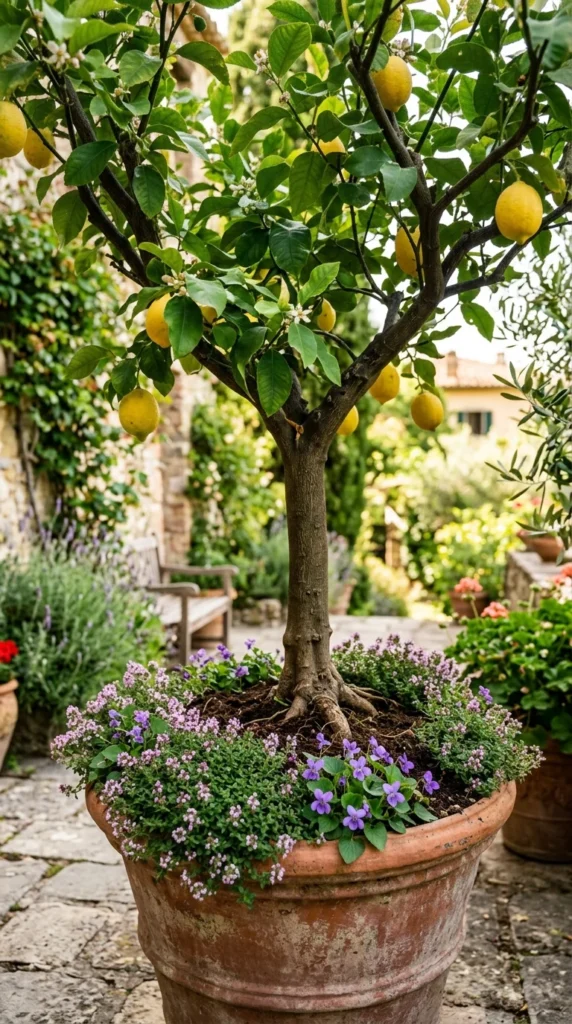
Utilize the shaded area beneath tall, sun-loving plants. Crops like spinach, lettuce, and cilantro often bolt (go to seed) in the heat of summer. Planting them in the shadow of sunflowers or trellised tomatoes keeps them cool and productive for longer.
19. Successional Sowing
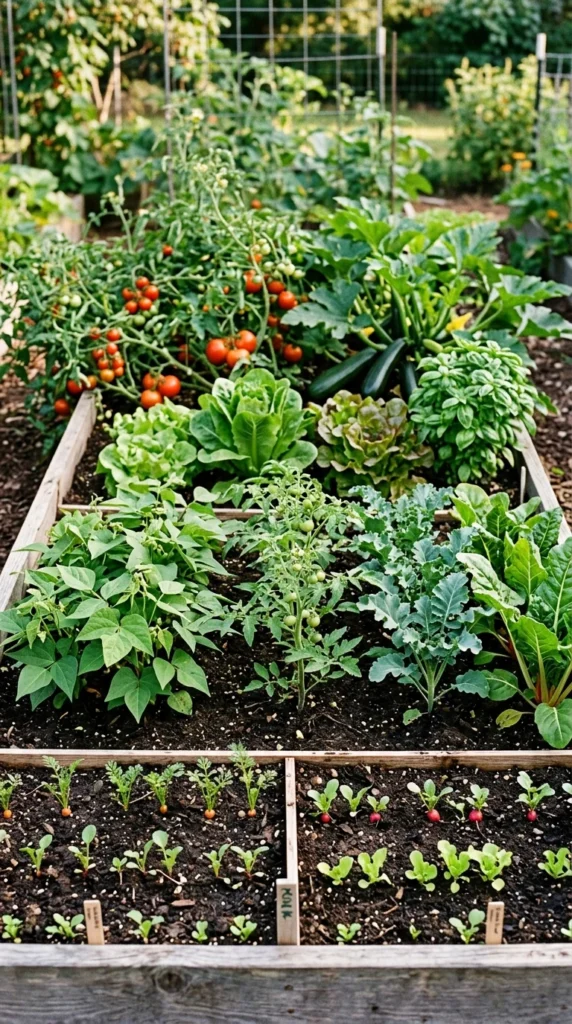
This technique is about time management rather than just layout. By planting small batches of seeds every two weeks, you ensure that as soon as one crop is harvested, another is ready to take its place, keeping your limited space productive all year.
20. Cold Frames
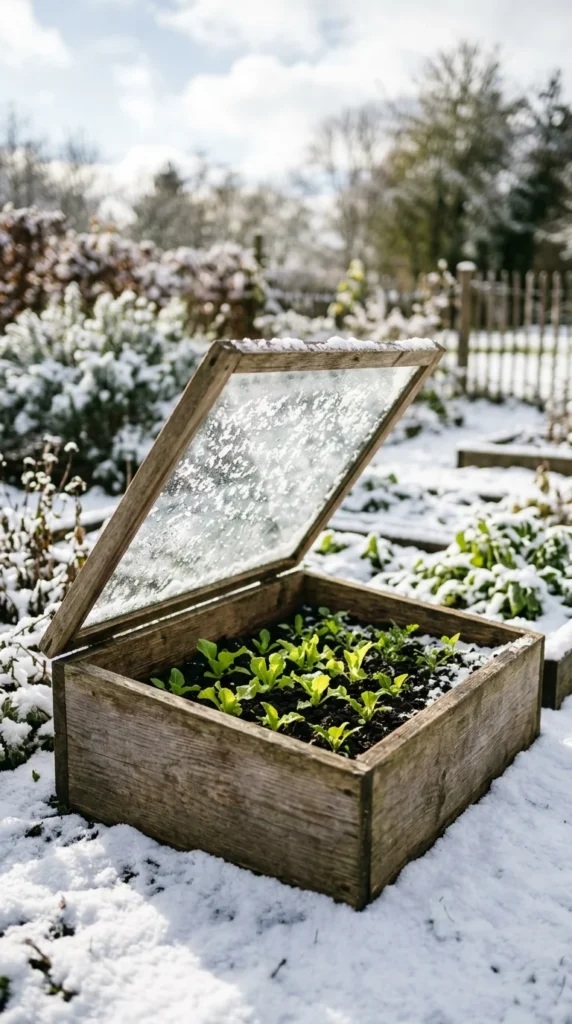
A cold frame is essentially a miniature greenhouse that sits on the ground. It allows you to start seeds earlier in the spring and keep hardy greens growing later into the autumn, effectively maximizing the “time” your space is in use.
21. Corner Planters
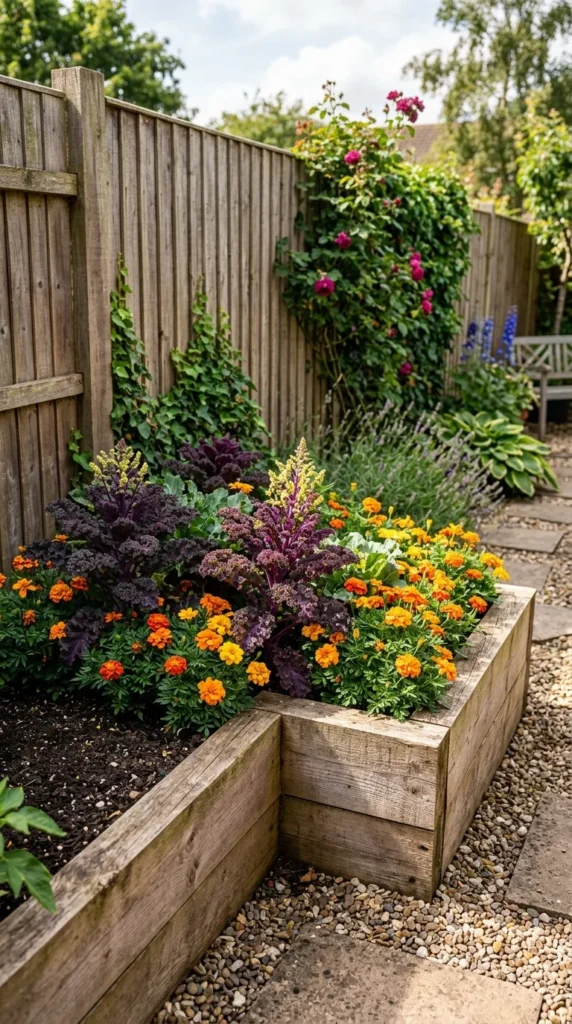
Corners are often wasted space in a backyard. Custom-built L-shaped planters fit snugly into these areas, turning “dead zones” into high-production areas for peppers, bush beans, or decorative edible flowers.
22. Straw Bale Gardening
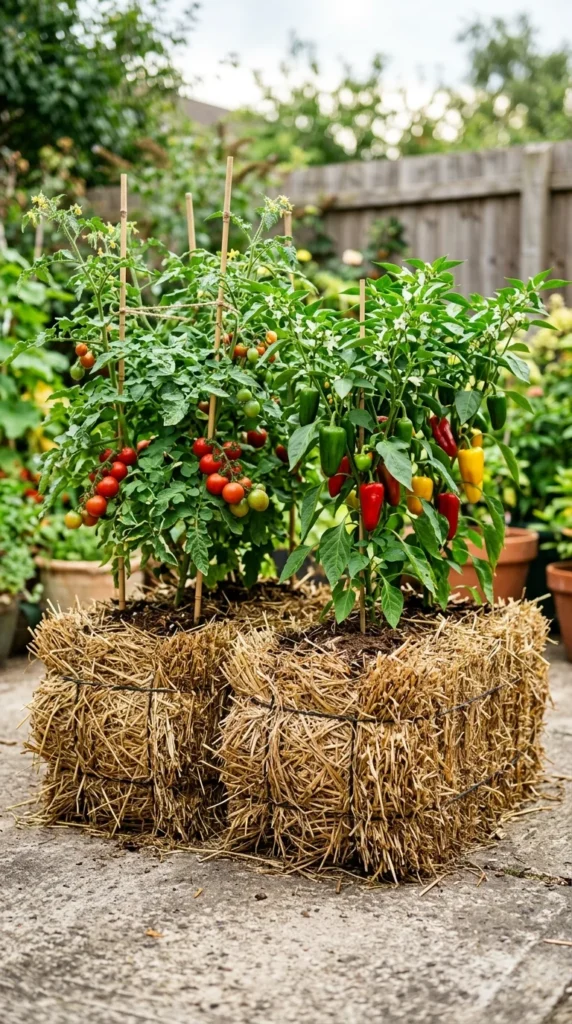
If you have poor soil or a paved backyard, straw bales act as both the container and the growing medium. They can be placed anywhere and, as the straw decomposes, it provides nutrients to the plants. At the end of the season, the spent straw becomes compost for next year.
23. Step-Ladder Shelving
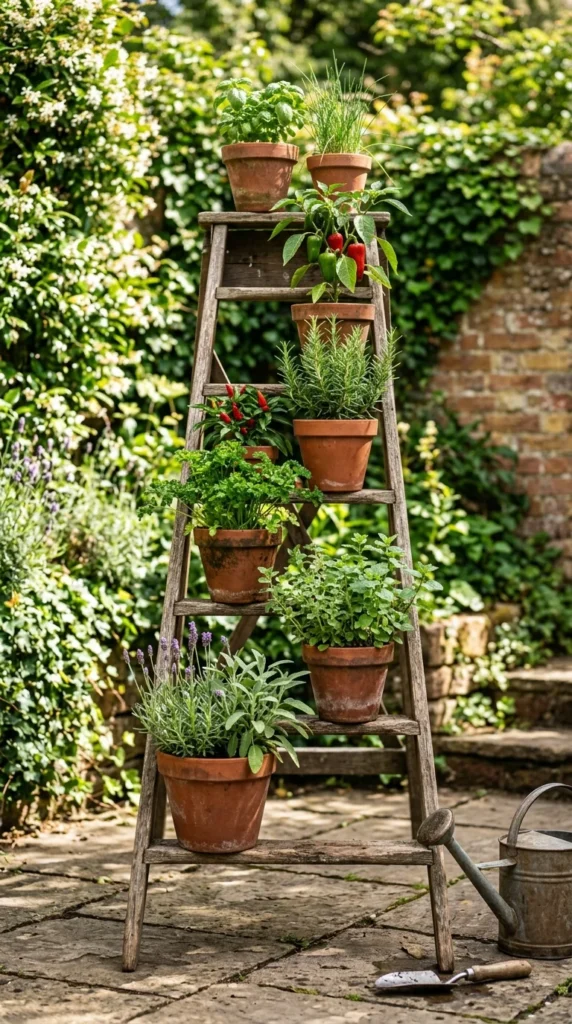
Using a ladder or specialized A-frame shelving allows you to stack pots vertically. This is particularly useful for sun-loving herbs that need to be lifted above the shadows cast by fences or larger plants.
24. Floating Shelves
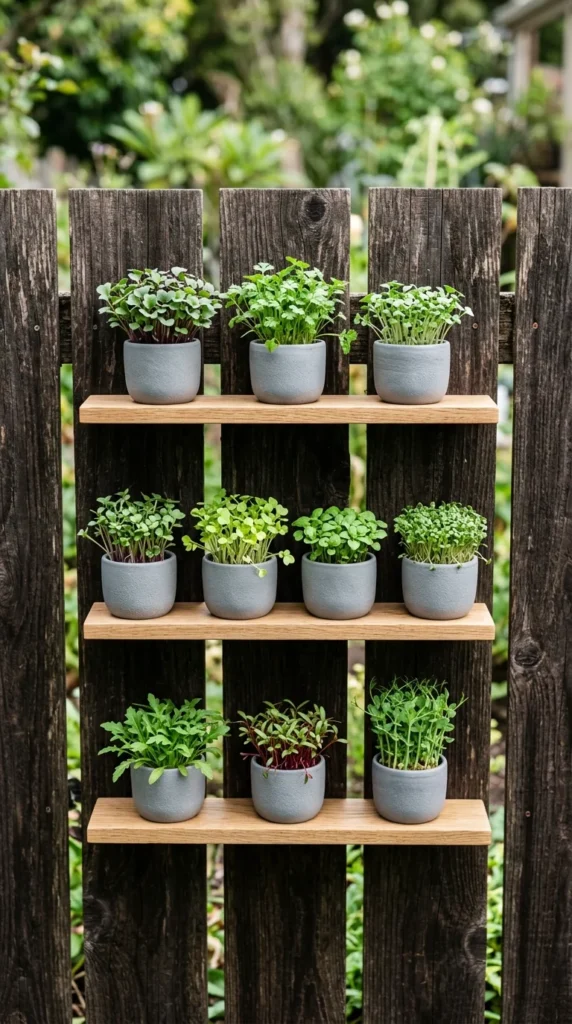
Fences are often overlooked as growing surfaces. Sturdy floating shelves can hold lightweight containers of microgreens or herbs, utilizing the “air rights” of your backyard without taking up any floor space.
25. Wine Barrel Planters
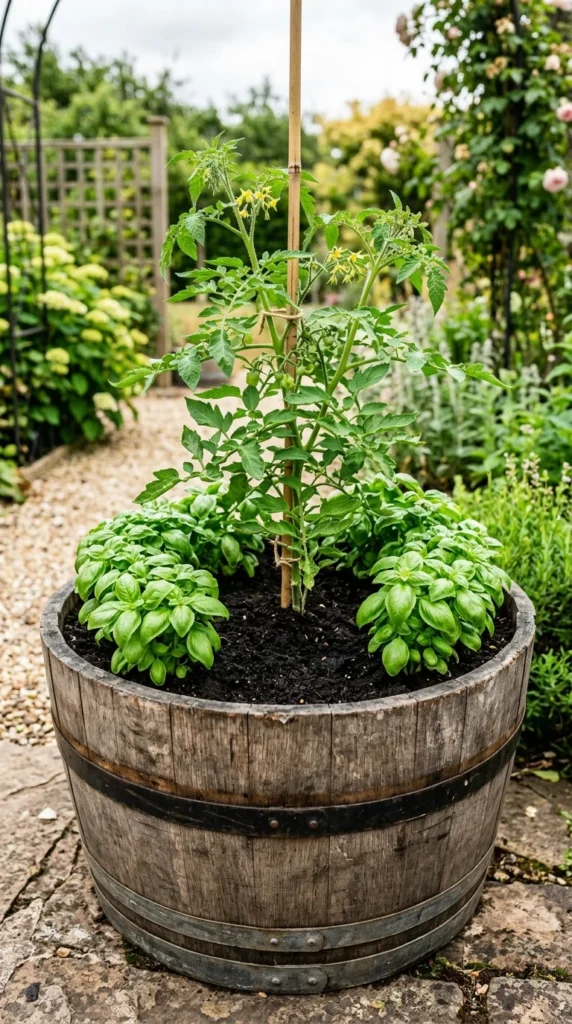
Half wine barrels offer a large volume of soil in a circular footprint. They are deep enough for root vegetables like potatoes or large perennials like rhubarb and artichokes, which might struggle in shallower containers.
26. PVC Pipe Hydroponics
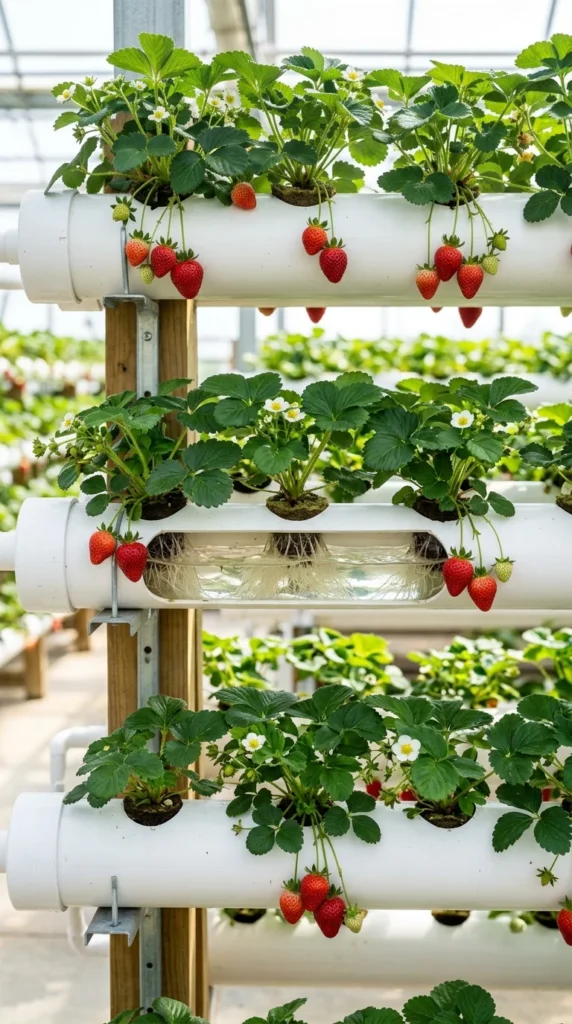
For a high-tech space saver, a PVC pipe system can be mounted to a wall or a frame. Water enriched with nutrients flows through the pipes, feeding the plants’ roots directly. This setup is incredibly space-efficient for strawberries and lettuce.
27. Edible Landscaping
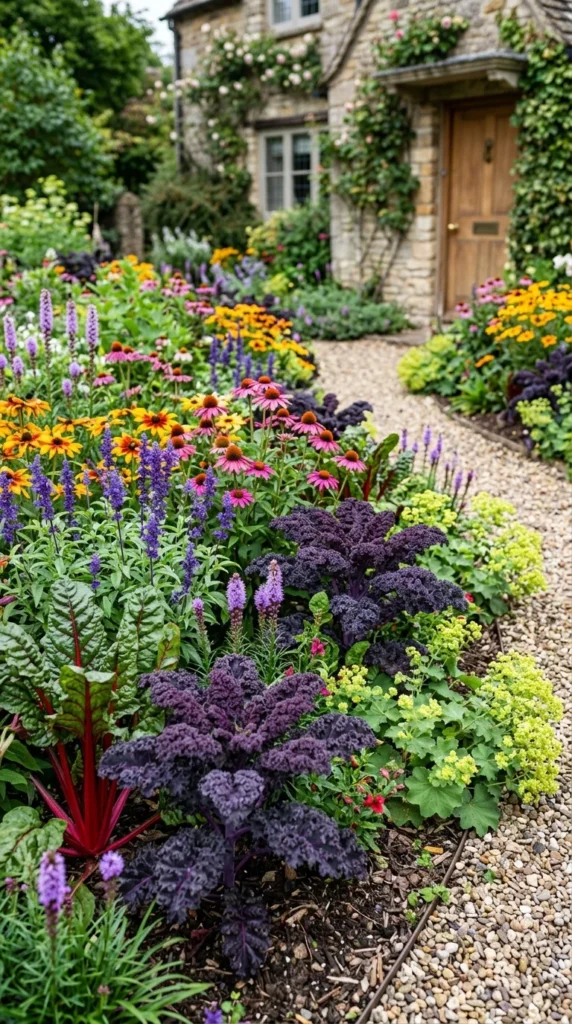
Stop thinking of your vegetable garden as separate from your ornamental garden. Mixing “pretty” vegetables like rainbow chard, purple kale, and scarlet runner beans into your existing flower beds maximizes the use of all available fertile soil in your yard.
28. Cordon Fruit Trees
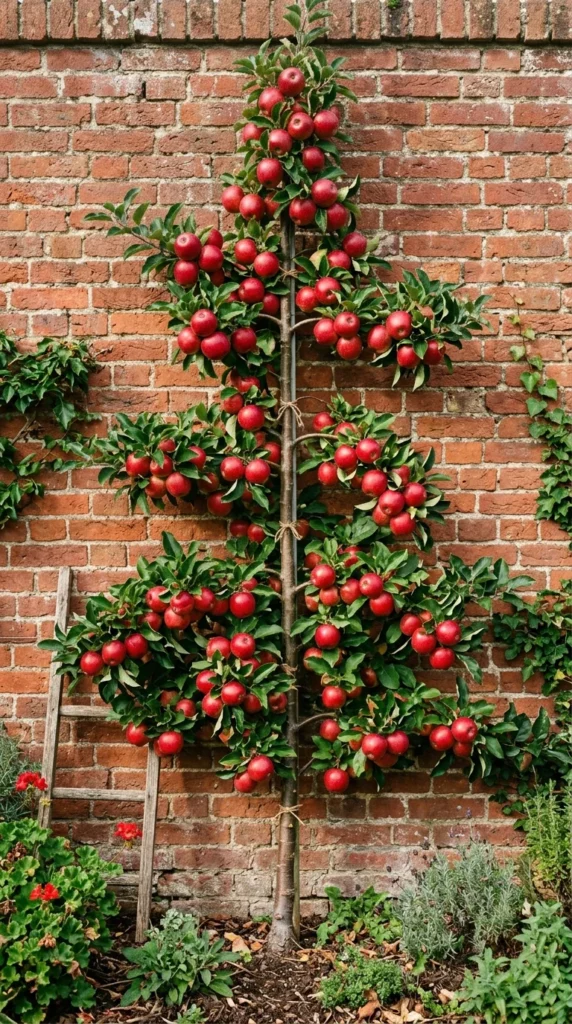
If you want fruit but don’t have room for a wide canopy, cordon-trained trees are the answer. They are pruned to grow as a single vertical or angled stem, allowing you to grow several varieties of apples or pears against a fence or wall.
29. Fence-Mounted Troughs
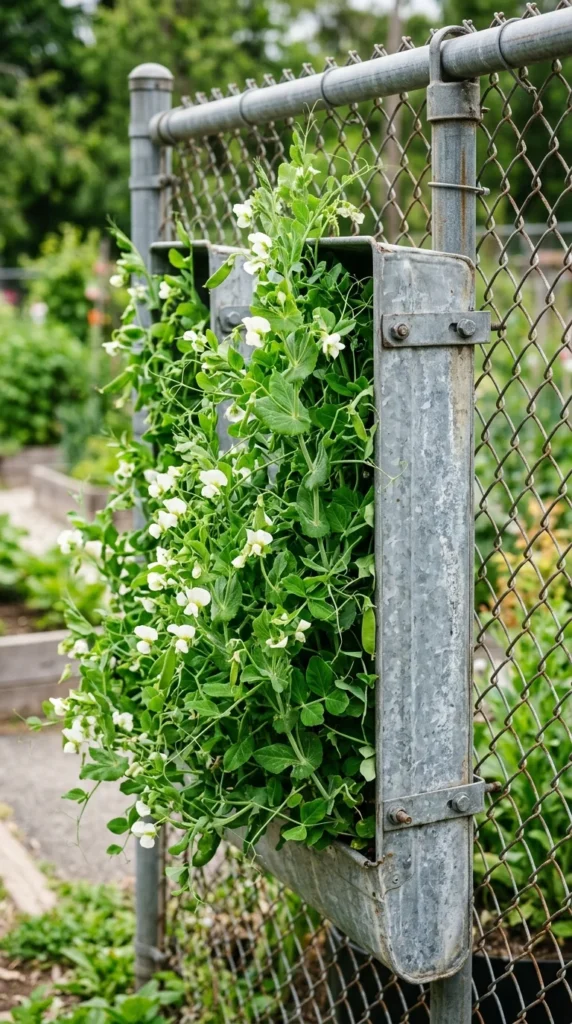
Troughs mounted directly to the mid-rail of a fence keep your plants at waist height. This makes harvesting easier and keeps the crops away from ground-dwelling pests like rabbits and slugs.
30. Greenhouse Shelving
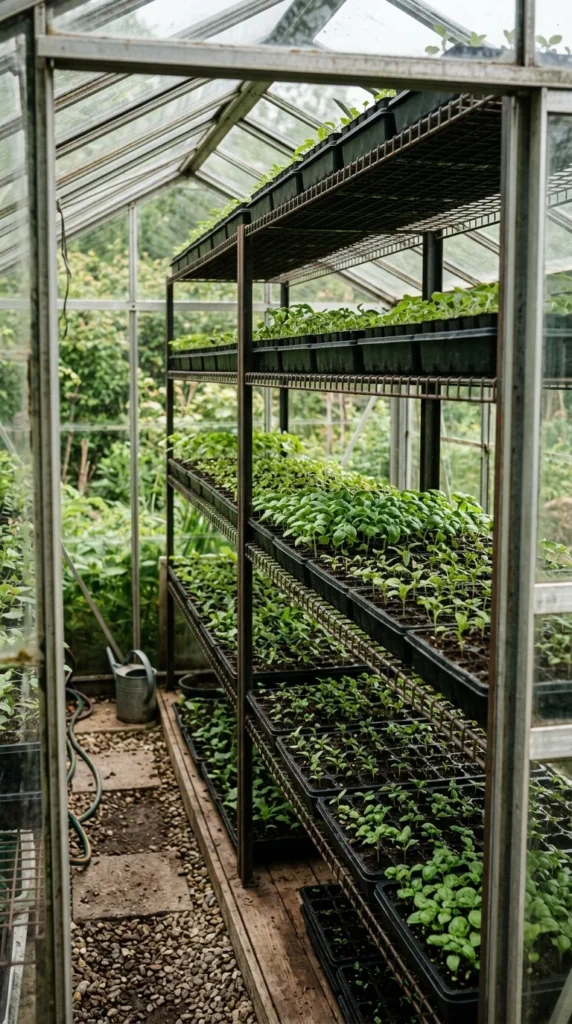
Even within a greenhouse, space can be wasted. Using multi-tiered wire shelving allows you to start thousands of seedlings in a tiny footprint. The vertical stack ensures that every bit of trapped heat and light is used to jumpstart your garden season.