
Gardening in the shade is often perceived as a challenge, yet it offers a unique opportunity to create a serene, cool, and lush sanctuary that full-sun gardens cannot replicate. While sun-drenched borders are known for their riotous colors, shade gardens excel in texture, subtle color transitions, and a sense of tranquility. Transforming a dim corner of your yard into a thriving floral masterpiece requires a shift in perspective—moving away from high-octane sun-seekers toward plants that have evolved to flourish in the filtered light of the forest floor.
Success in shade gardening hinges on understanding the specific microclimates of your landscape, preparing the soil to meet the demands of woodland species, and selecting a diverse palette of plants that provide interest across all seasons.
Shade Types
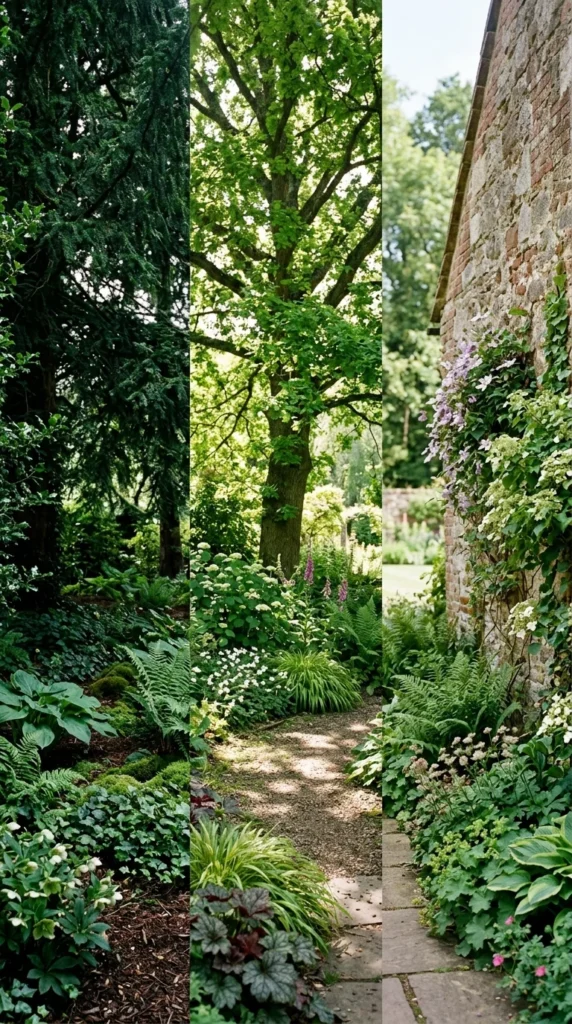
Before digging a single hole, you must identify the “quality” of shade in your garden. Not all shade is created equal, and placing a plant that requires dappled light into deep shade is a recipe for failure.
- Deep or Full Shade: This occurs under dense evergreen trees or between tall buildings where no direct sunlight reaches the ground. Only the most shade-tolerant species, such as mosses and certain ferns, thrive here.
- Dappled Shade: This is the “gold standard” for many shade perennials. It occurs under the canopy of deciduous trees where sunlight filters through the leaves, creating a moving pattern of light and shadow throughout the day.
- Partial Shade: These areas receive between three to six hours of direct sun, usually in the morning or late afternoon. The morning sun is cooler and less stressful for plants than the harsh midday or afternoon rays.
- Dry Shade: Often found under large trees with shallow root systems (like maples), this is the most difficult environment. The trees soak up most of the moisture and nutrients, leaving little for smaller plants.
Soil Health
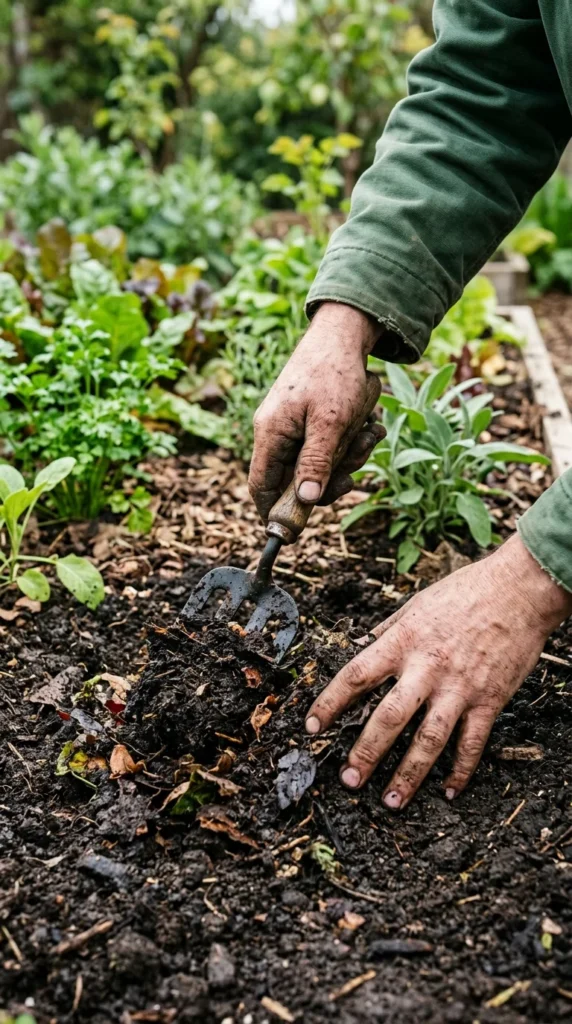
In a natural woodland setting, the soil is constantly replenished by falling leaves and decaying organic matter. To mimic this in a home garden, soil preparation is paramount. Most shade plants prefer soil that is rich in organic material, well-draining, and slightly acidic.
Start by incorporating several inches of well-rotted compost or leaf mold into your planting beds. Leaf mold, in particular, is the “black gold” of the shade garden; it improves soil structure and mimics the natural forest floor. If you are dealing with dry shade under trees, avoid tilling deeply, as this can damage the tree’s feeder roots. Instead, “layer” your amendments on top or use a “pocket planting” technique, where you only amend the specific hole where the plant will go.
Plant Selection
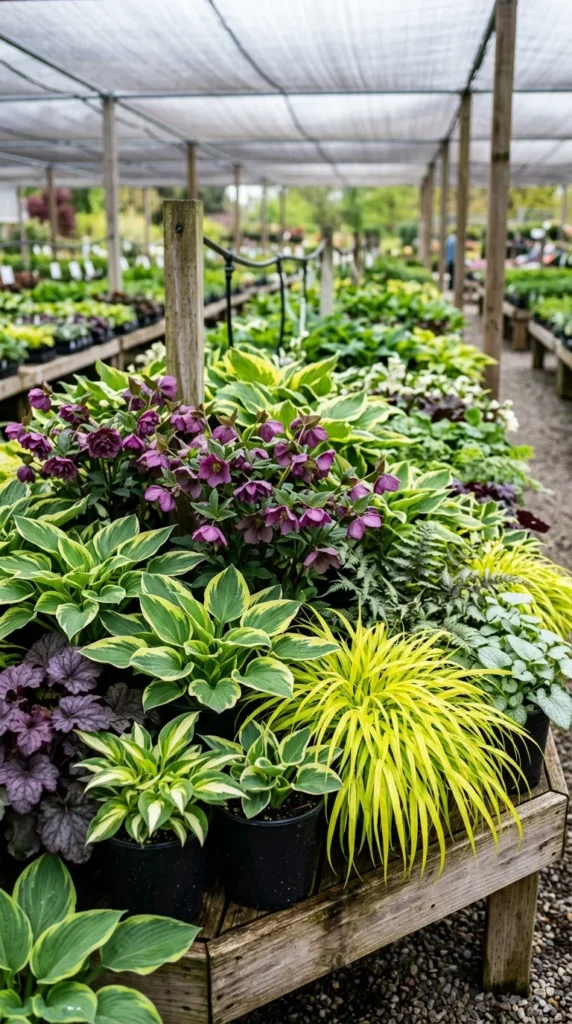
Choosing the right plants is the most exciting part of the process. For a successful shade garden, you should aim for a mix of perennials for longevity and annuals for continuous seasonal color.
- Hostas: The kings of the shade garden. They come in thousands of varieties, from tiny miniatures to giant blue-leafed specimens.
- Hellebores (Lenten Roses): These are essential for early spring interest, often blooming while there is still snow on the ground.
- Astilbe: Known for their fern-like foliage and tall, feathery plumes of flowers in shades of white, pink, and red. They love moisture.
- Bleeding Hearts (Lamprocapnos spectabilis): A classic woodland plant with heart-shaped flowers that dangle from arching stems.
- Ferns: Use ferns like the Japanese Painted Fern or Ostrich Fern to add delicate texture and verticality.
- Annuals: For pops of color that last all summer, rely on Impatiens, Begonias, and Coleus. Coleus is particularly valued for its neon-colored foliage which “glows” in dark corners.
Design Layout
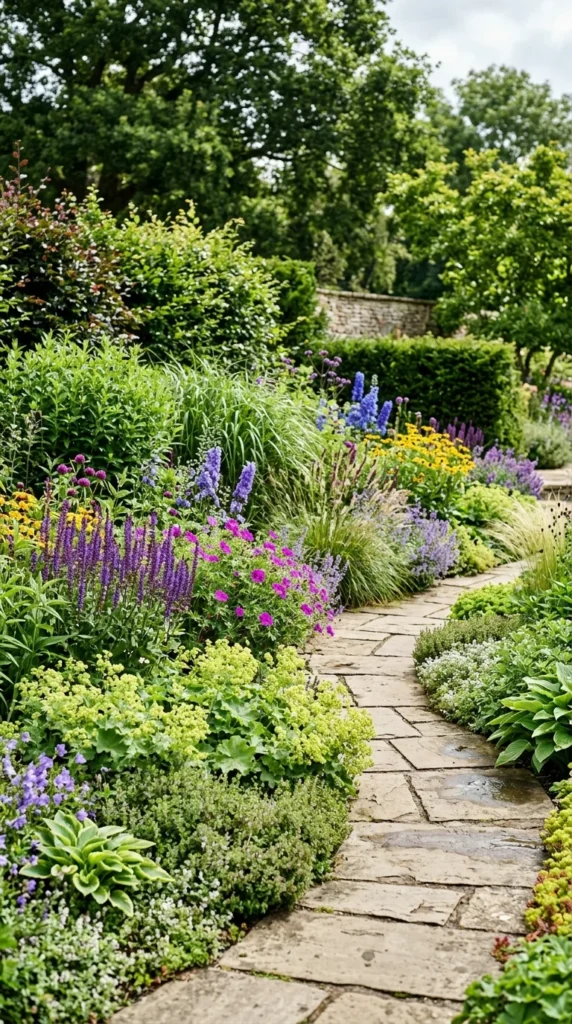
Design in the shade focuses more on form and foliage than on bloom count. Because flowers in the shade tend to be more delicate, the “bones” of the garden must be strong.
- Texture is Key: Contrast is created by placing different leaf shapes next to each other. Pair the broad, waxy leaves of a Hosta with the fine, airy fronds of a Maidenhair fern.
- The Power of White: In dark areas, white and light variegated foliage acts as a natural light source. White flowers and silver leaves (like those of ‘Jack Frost’ Brunnera) will “pop” out of the shadows, making the space feel brighter and larger.
- Layering: Follow the “thriller, filler, spiller” rule but on a landscape scale. Use tall shrubs like Hydrangeas or Camellias as a backdrop, fill the middle with mid-sized perennials, and use groundcovers like Vinca or Sweet Woodruff to soften the edges of paths.
Moisture Management
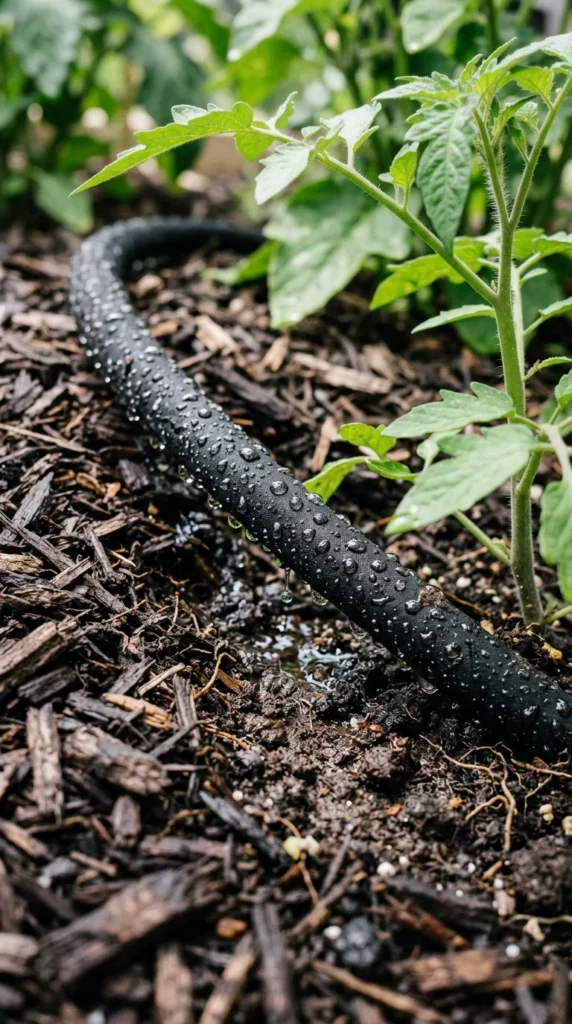
Shade gardens often have deceptive water needs. While the lack of sun means less evaporation, the presence of large trees can create a “rain shadow” effect, where the tree canopy prevents light rain from reaching the ground. Furthermore, tree roots are aggressive competitors for water.
Check the soil moisture regularly by sticking your finger two inches deep. If it feels dry, it’s time to water. Drip irrigation or soaker hoses are the most efficient ways to water shade gardens, as they deliver moisture directly to the roots and keep the foliage dry, which helps prevent fungal diseases like powdery mildew. Early morning is the ideal time to water, allowing any accidental leaf moisture to dry before evening.
Mulching Techniques
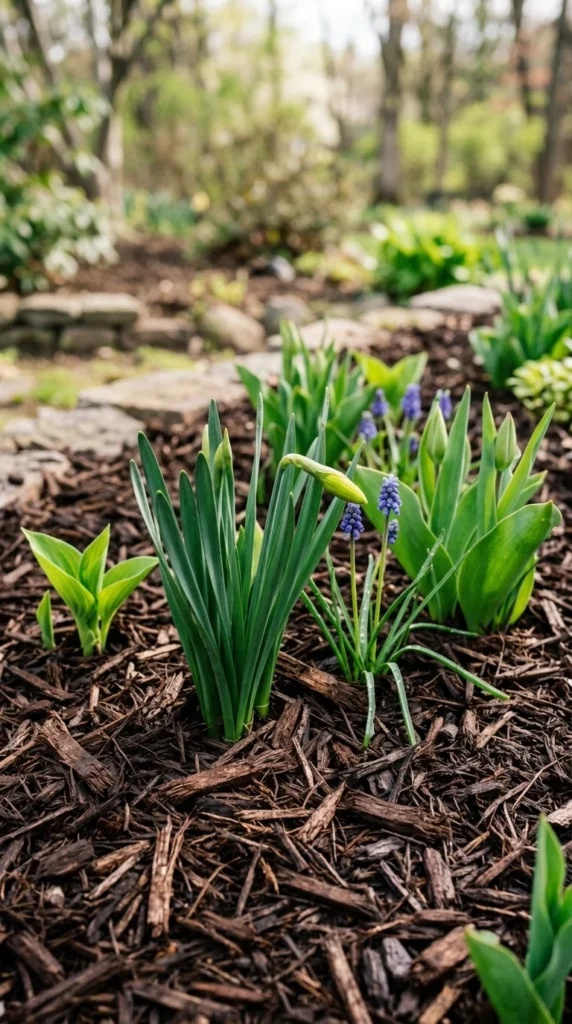
Mulching is non-negotiable in a shade garden. A 2-to-3-inch layer of organic mulch serves several purposes: it suppresses weeds, retains soil moisture, and regulates soil temperature. As it breaks down, it further enriches the soil with nutrients.
Shredded bark, pine needles, or leaf mold are excellent choices for shade gardens. Be careful not to pile mulch against the stems or trunks of your plants, as this can encourage rot and provide a hiding spot for pests. Aim for a “donut” shape rather than a “volcano” shape around the base of your plants.
Seasonal Maintenance
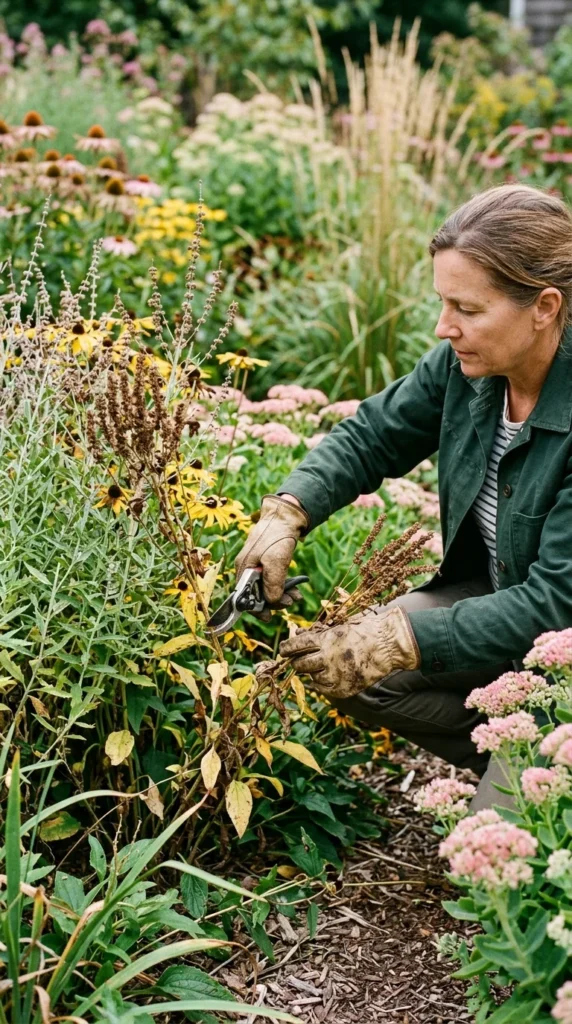
A successful shade garden requires ongoing care to remain beautiful throughout the year.
- Spring: Clean up winter debris, but be careful not to disturb emerging bulbs or “sleeping” perennials. This is the best time to divide Hostas or other clumping plants.
- Summer: Deadhead spent blooms to encourage more flowering in annuals. Keep a sharp eye out for slugs and snails, which thrive in the cool, damp conditions of the shade. Using organic slug bait or copper tape can help protect vulnerable Hosta leaves.
- Autumn: Leave some fallen leaves on the beds to act as natural winter protection, but remove any diseased foliage.
- Winter: Avoid heavy foot traffic in the garden beds, as shade soil can become easily compacted when wet and cold. This is the time to plan for next year and appreciate the structural beauty of evergreen ferns and shrubs.