The dream of walking into your backyard and snipping a fresh, professional-quality bouquet is within reach for any gardener, regardless of space. A cutting garden is a dedicated space designed specifically for the production of flowers intended for indoor display. Unlike a traditional landscape garden, where aesthetics and curb appeal are the primary goals, a cutting garden functions more like a vegetable patch—it is a “production” garden where the ultimate goal is the harvest. By focusing on high-yield varieties and staggered planting, you can enjoy a continuous supply of color from early spring until the first frost of autumn.
1. Site Selection
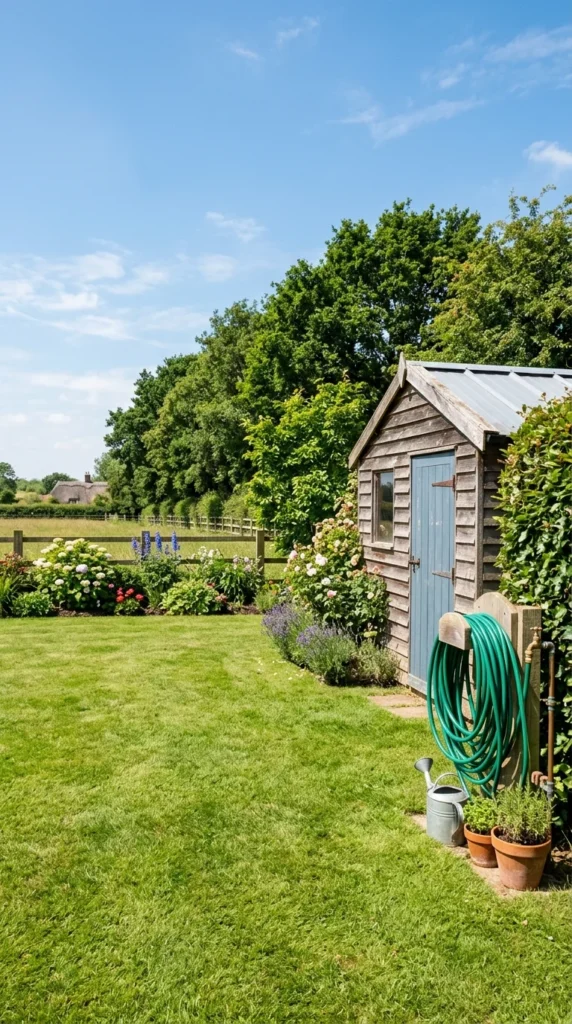
The foundation of a successful cutting garden is light. Most flowering plants used for arrangements—such as sunflowers, zinnias, and dahlias—require “full sun,” which translates to at least six to eight hours of direct sunlight per day. Without sufficient light, stems will become “leggy” and weak as they stretch toward the sun, making them unsuitable for vases. Additionally, you must choose a location with excellent drainage. Flowers sitting in “wet feet” are prone to root rot and fungal diseases. If your yard has heavy clay or low spots that collect water, consider building raised beds to control the soil environment and ensure proper aeration for the roots.
2. Soil Quality
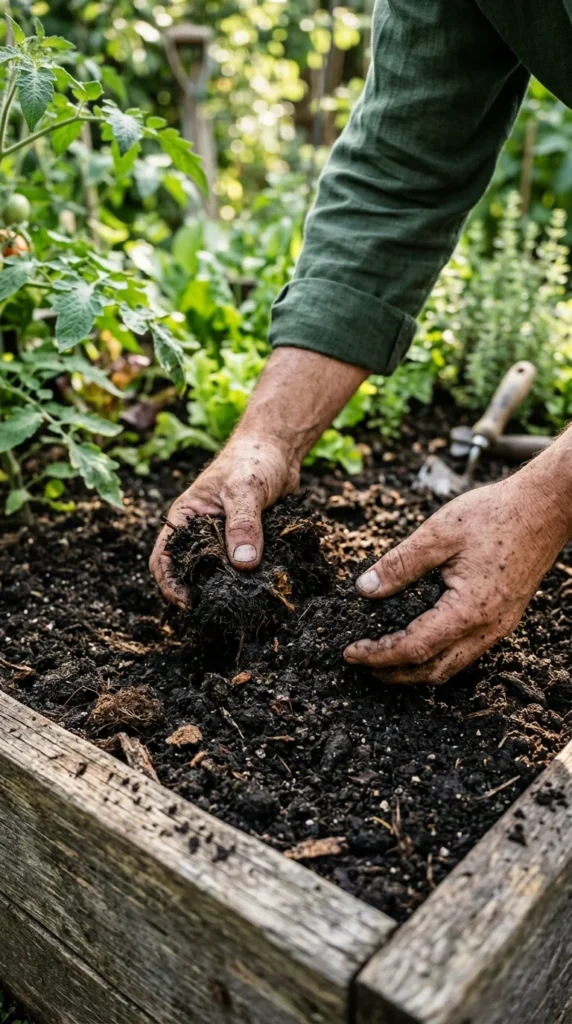
Before a single seed is sown, the soil must be prepared to provide the nutrients necessary for rapid growth and prolific blooming. Cutting gardens are heavy feeders because you are constantly removing plant material (the flowers). Start by testing your soil pH; most flowers thrive in a slightly acidic to neutral range (6.0 to 7.0). Incorporate several inches of well-rotted compost or aged manure to improve soil structure and fertility. If you are working with heavy soil, adding perlite or coarse sand can help with drainage. A slow-release organic fertilizer balanced for flowering (look for a slightly higher phosphorus count, the middle number on the bag) will provide the steady nutrition needed for those long, sturdy stems.
3. Garden Layout
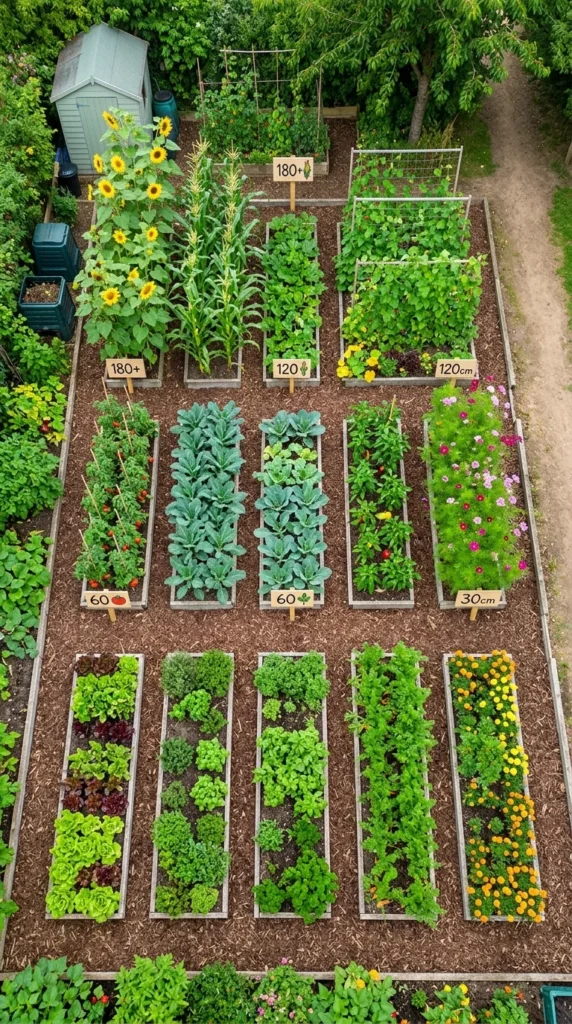
Efficiency is the priority when laying out a cutting garden. The most effective design involves long, narrow beds—typically three feet wide. This width allows you to reach the center of the bed from either side without stepping on the soil, which prevents compaction. Leave wide enough paths between beds for a wheelbarrow or a harvest bucket. Group plants by their height to ensure that taller varieties, like amaranth or giant sunflowers, do not shade out smaller plants like sweet peas or nigella. Many gardeners also utilize “support netting” or horizontal trellising, which is suspended a foot or two above the ground to keep stems growing perfectly straight as they mature.
4. Flower Varieties
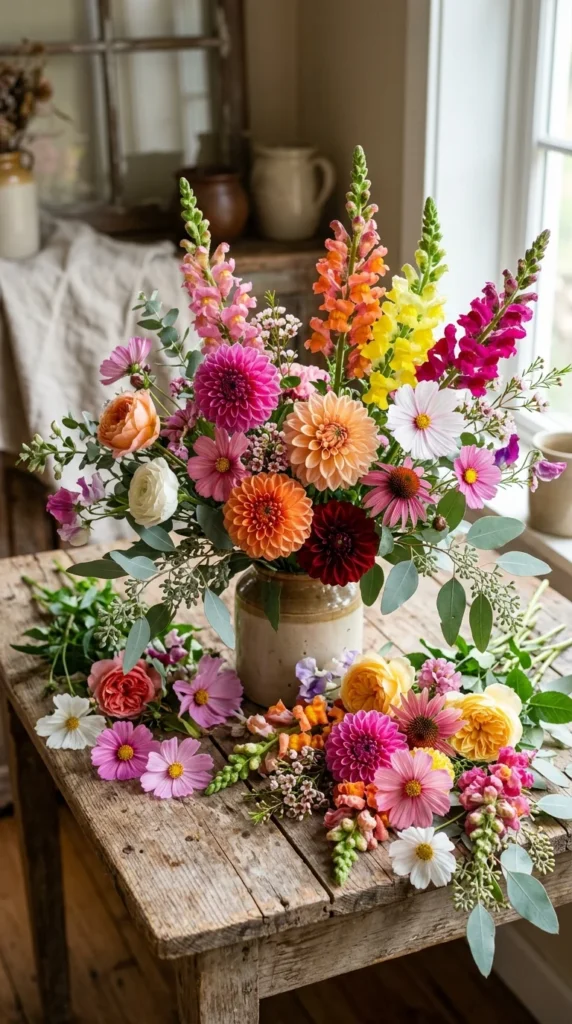
To create professional-looking arrangements, you need a mix of three specific types of plants: focal flowers, fillers, and foliage.
- Focal Flowers: These are the “stars” of the bouquet. Think large, show-making blooms like Dahlias, Peonies, Zinnias, and Roses.
- Fillers and Airy Accents: These provide texture and volume. Popular choices include Baby’s Breath, Queen Anne’s Lace, Ammi, and Snapdragons.
- Foliage: Often overlooked, green elements are crucial for a balanced look. Eucalyptus, Bells of Ireland, and even the leaves of herbs like Mint or Basil add scent and structure.
- Succession Planning: Choose a mix of “cool season” flowers (Sweet Peas, Ranunculus) for spring and “warm season” flowers (Celosia, Sunflowers) for the heat of summer.
5. Planting Methods
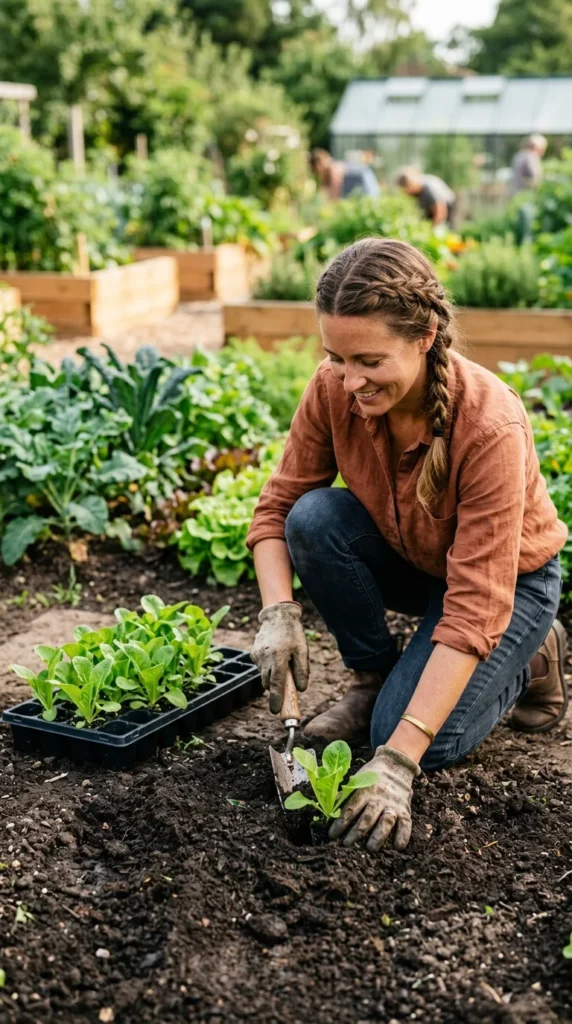
You can start a cutting garden from seeds or transplants. Starting seeds indoors in late winter gives you a head start on the season, especially for slow growers like Lisianthus. However, many of the most productive cutting flowers, like Zinnias and Cosmos, can be “direct sown” into the soil once the danger of frost has passed. When planting, pay close attention to spacing. While it is tempting to crowd plants for a fuller look, cutting gardens need air circulation to prevent powdery mildew and other diseases. Follow the spacing recommendations on seed packets strictly, usually 6 to 12 inches apart depending on the variety.
6. Irrigation Systems
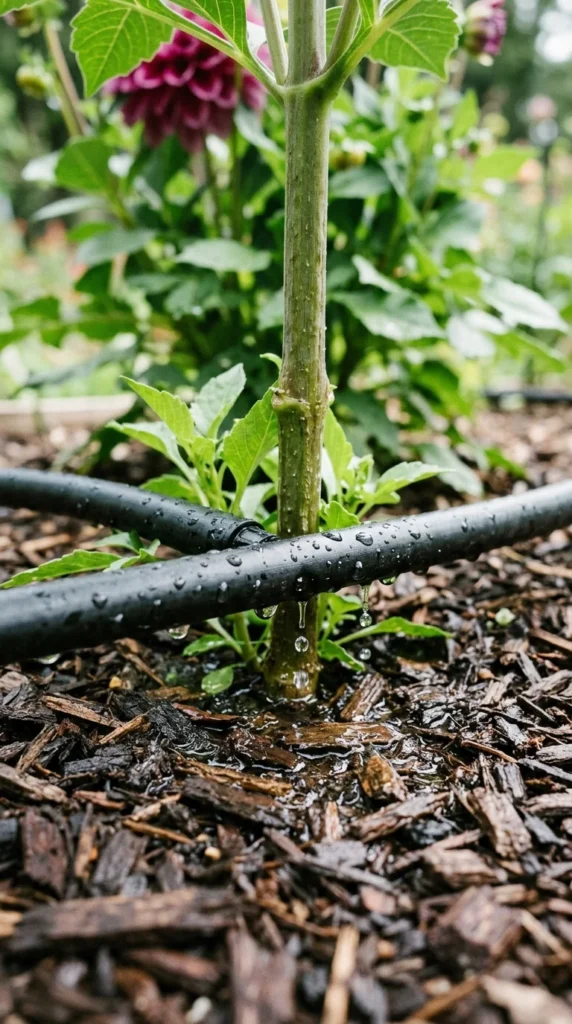
Consistent moisture is the key to long stems. Fluctuations in water can stress the plants, leading to shorter blooms or “bottlenecking” in the stems. The best way to water a cutting garden is at the base of the plants using drip irrigation or a soaker hose. Overhead watering with a sprinkler should be avoided, as getting the foliage and blooms wet can encourage fungal diseases and can physically damage delicate petals. Aim for deep watering a few times a week rather than light daily sprinkling; this encourages the roots to grow deep into the soil, making the plants more resilient during summer heatwaves.
7. Harvesting Techniques
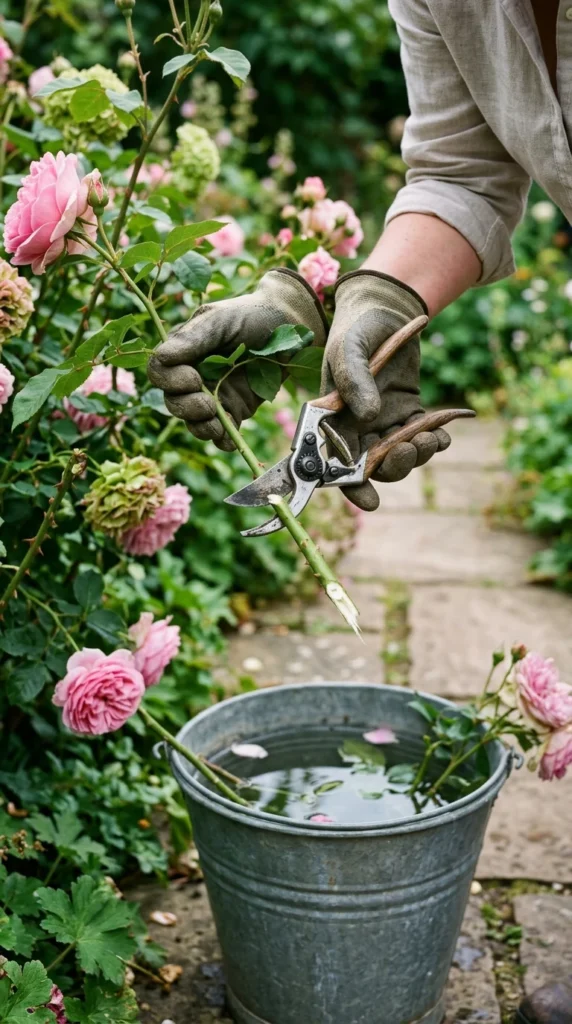
The more you cut, the more the plant produces. This is the golden rule of the cutting garden. Regular harvesting prevents the plant from going to seed, which signals the end of its life cycle. The best time to harvest is in the early morning when the plants are fully hydrated and the temperatures are cool. Use sharp, clean snips to make a clean cut, ideally just above a leaf node to encourage new branches to form. For most flowers, the “stage of harvest” is critical. For example, Sunflowers should be cut just as the first petals begin to lift, while Zinnias should pass the “wiggle test” (if the stem is stiff when shaken, it’s ready).
8. Post-Harvest Care
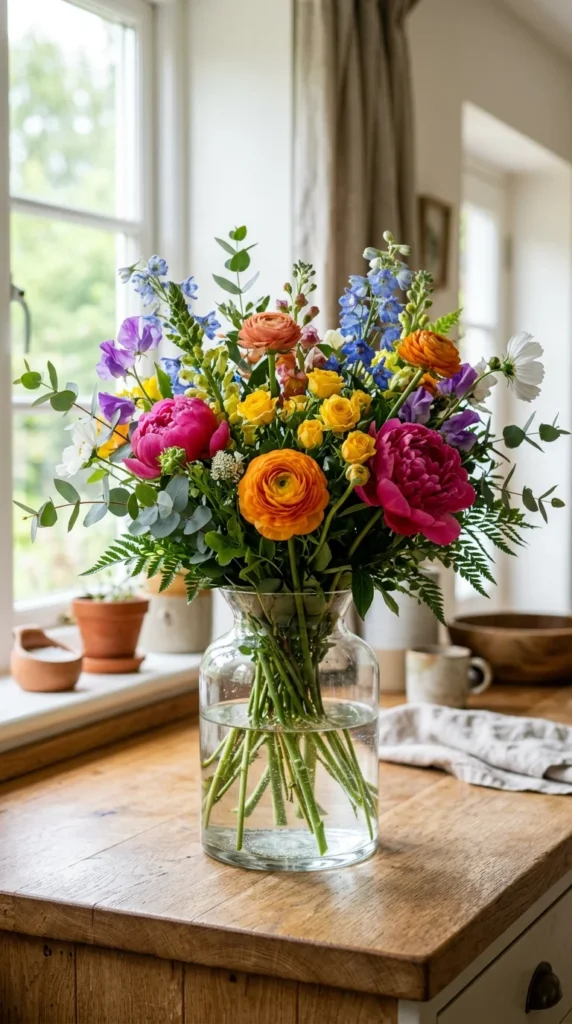
To ensure your blooms last as long as possible in the vase, immediate “conditioning” is required. Carry a bucket of clean, lukewarm water into the garden with you and place stems into the water immediately after cutting. Once inside, strip any foliage that would sit below the water line in the vase, as submerged leaves rot and create bacteria that kill flowers. Re-cut the stems at a 45-degree angle under water or under a running tap to prevent air bubbles from blocking the stem’s “veins.” Using a floral preservative (a mix of sugar for food, acid to balance pH, and bleach to kill bacteria) can double the vase life of your backyard bouquet. Change the water every two days to keep the arrangement fresh and vibrant.