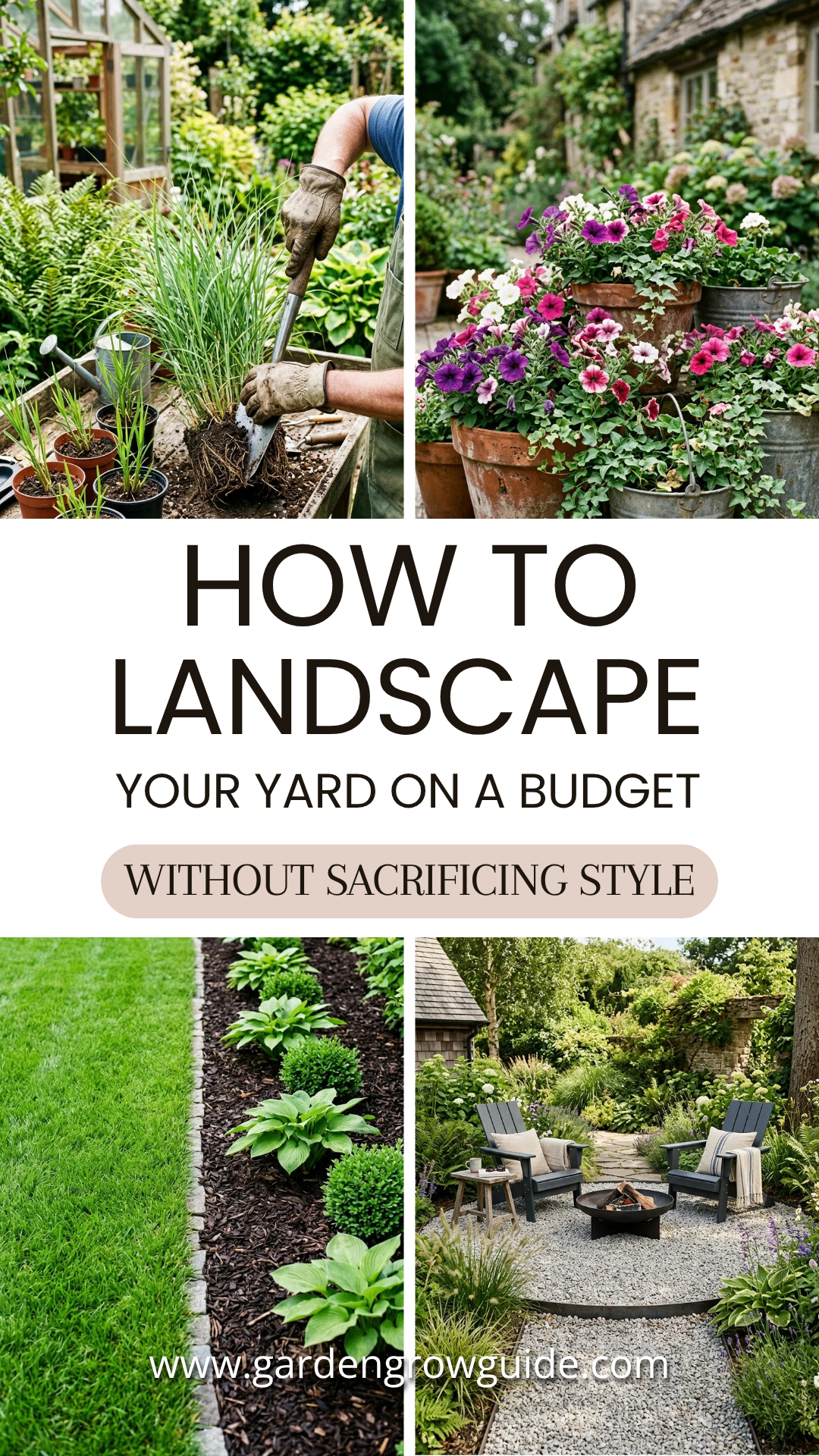
Creating a stunning outdoor oasis is often associated with high-end designers and five-figure budgets. However, the secret to a beautiful yard lies more in thoughtful planning and creative resourcefulness than in the size of your bank account. High-style landscaping is about texture, layers, and intentionality. By focusing on high-impact, low-cost strategies, you can transform a drab patch of grass into a sophisticated retreat that rivals professional designs.
The key to budget landscaping is a shift in perspective. Instead of seeing constraints, see opportunities to innovate. Whether you are dealing with a sprawling acreage or a tiny urban plot, the principles of design—balance, focal points, and rhythm—remain the same. Here is a comprehensive guide to elevating your outdoor space while keeping your finances firmly in check.
1. Native Plants
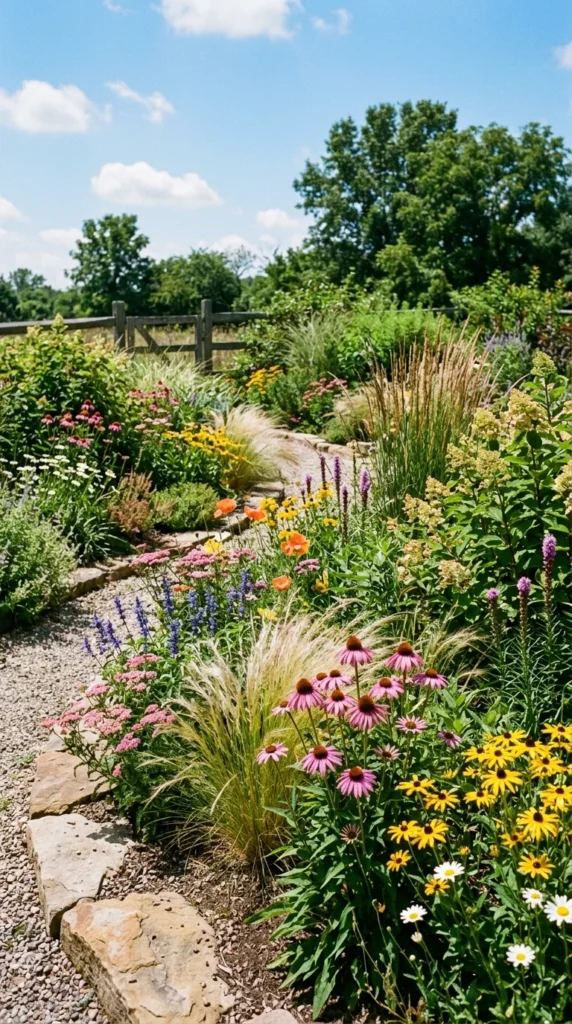
One of the most effective ways to save money is to work with nature rather than against it. Native plants are adapted to your specific climate, soil, and rainfall patterns. This means they require significantly less water, fewer fertilizers, and less maintenance once established.
When you buy exotic species, you are often fighting a losing battle against the local environment, leading to high replacement costs when the plants inevitably fail. To find the best natives, visit local university extension offices or specialized nurseries. These plants often provide the added benefit of attracting local pollinators like butterflies and hummingbirds, adding life and movement to your yard.
2. Mulch Beds
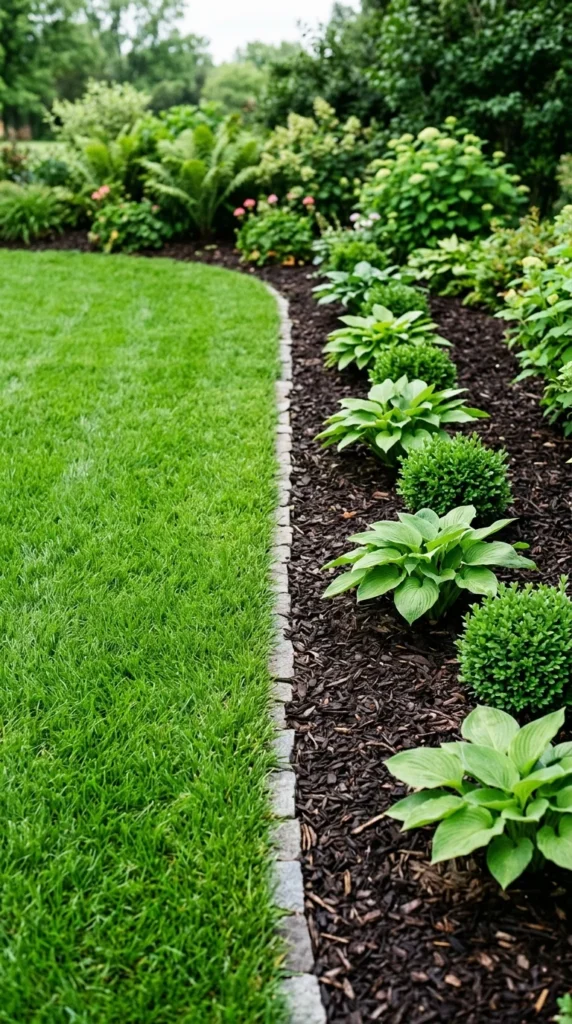
Mulch is the “lipstick” of the landscaping world. It provides an immediate, polished look to any garden bed for a very low cost. Beyond aesthetics, mulch serves a vital functional purpose: it retains soil moisture, suppresses weeds, and regulates soil temperature.
To keep costs down, look for bulk delivery rather than buying individual bags at a hardware store. Some municipalities even offer free mulch made from city-pruned trees. For a modern, high-style look, stick to dark brown or black mulch, which makes the green foliage of your plants pop. Avoid “gorilla hair” or unnaturally colored red mulches, which can look dated and artificial.
3. Solar Lighting
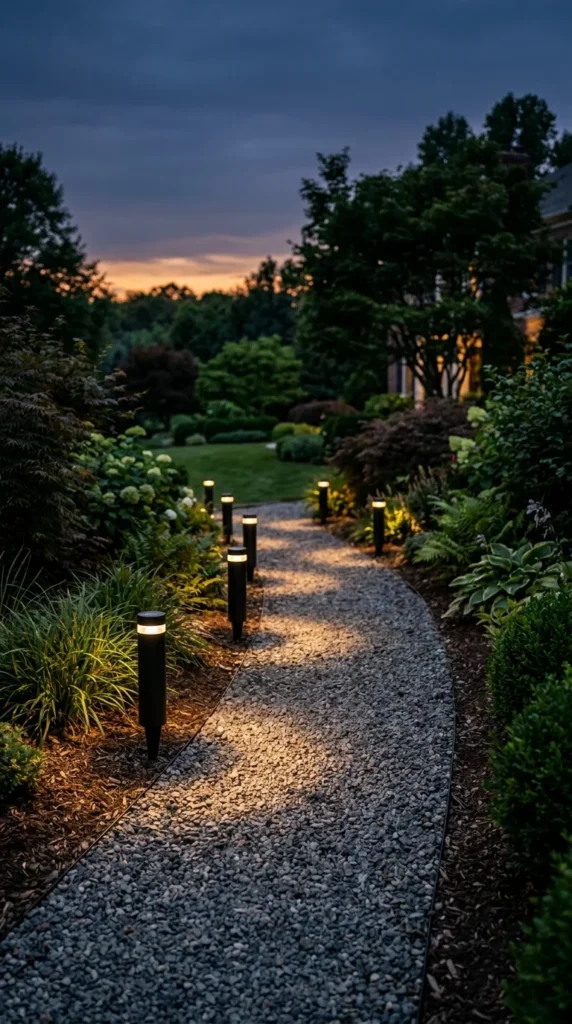
Lighting is what separates a basic yard from a professional landscape. In the past, landscape lighting required expensive transformers and underground wiring. Today, high-quality solar lighting has revolutionized DIY landscaping.
For a sophisticated look, focus on “layered” lighting. Use path lights to define walkways, but also incorporate solar spotlights to uplight a beautiful tree or a stone wall. This creates depth and drama after the sun goes down. Choose fixtures with a “warm white” LED output to mimic the high-end look of professional halogen systems, avoiding the harsh blue-ish tint of cheaper solar models.
4. Pea Gravel
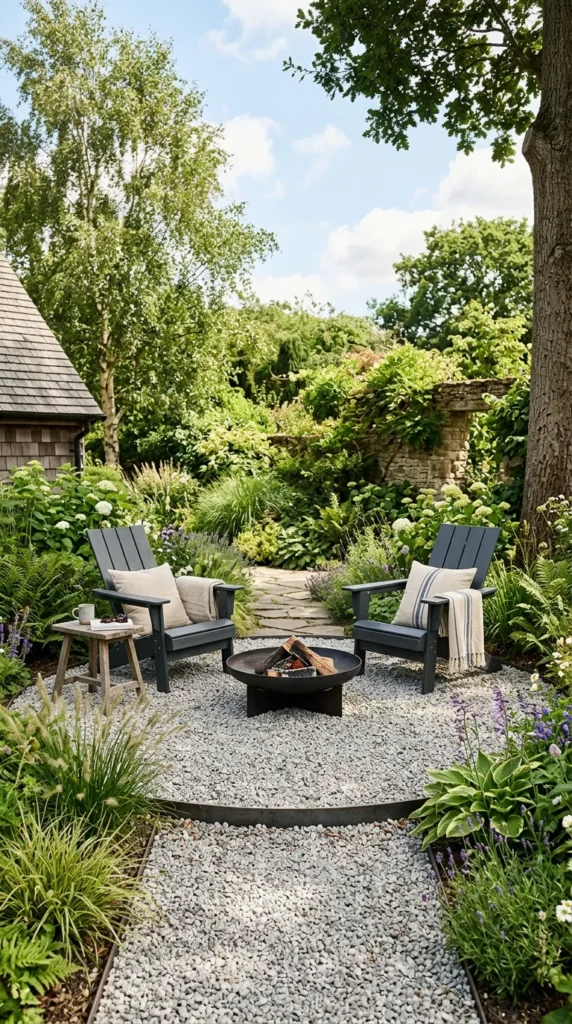
Hardscaping—patios, paths, and retaining walls—is typically the most expensive part of landscaping. You can bypass the high cost of pavers or poured concrete by using pea gravel or decomposed granite. These materials are “permeable,” meaning they allow rainwater to soak into the ground, which is better for the environment.
Pea gravel provides a soft, crunching sound underfoot that is often associated with high-end European estates. To make a gravel area look intentional and “expensive,” use a sturdy edging material like steel or pressure-treated timber to keep the stones in place. This creates a clean silhouette that defines the space and prevents the gravel from migrating into your lawn.
5. Perennial Divisions
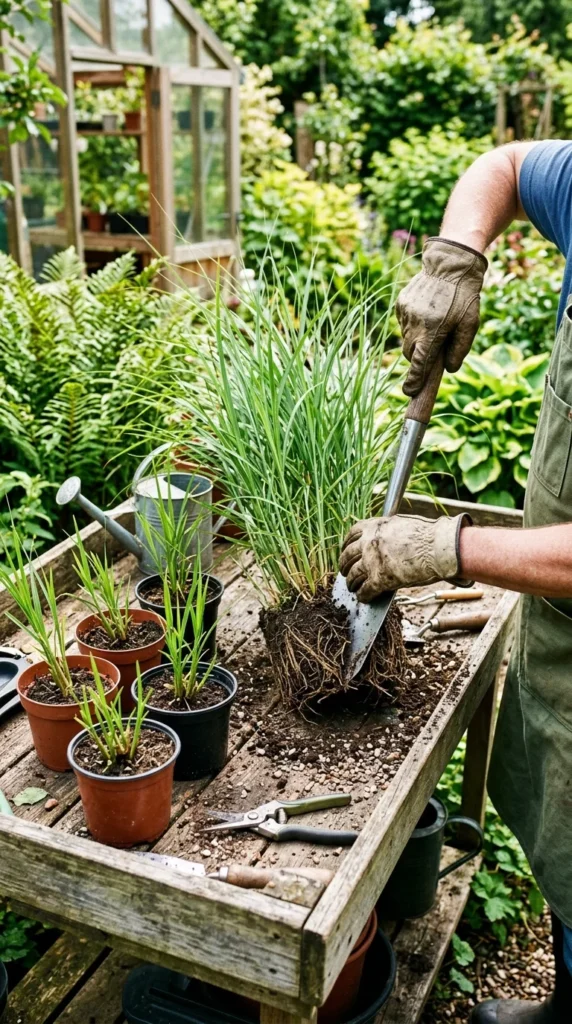
Why buy ten plants when you can buy three and turn them into twelve? Many perennials, such as hostas, daylilies, ornamental grasses, and irises, grow in clumps that can be easily divided every few years.
This is the ultimate budget hack for filling large garden beds. By “splitting” your plants, you not only get free greenery, but you also improve the health of the original plant by giving it more room to breathe. If you have neighbors who garden, consider a “plant swap.” Trading your extra hostas for their extra lavender is a zero-cost way to increase the biodiversity of your yard.
6. Upcycled Containers
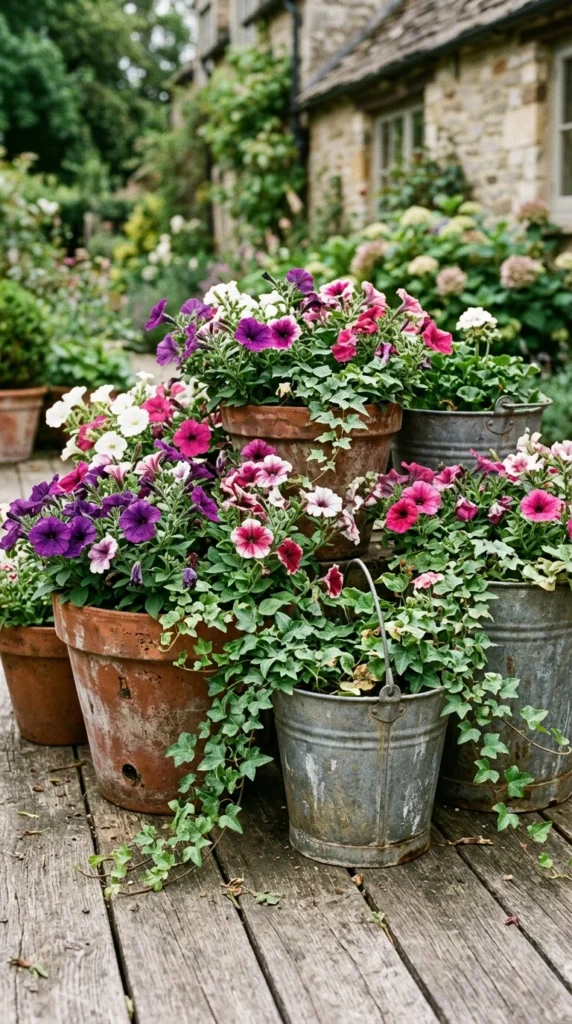
Container gardening allows you to add height and color to areas where you can’t plant directly into the ground, like patios or balconies. High-end glazed pots can be incredibly expensive, but you can achieve a similar look by upcycling found items or refreshing old ones.
Old wooden crates, galvanized steel troughs, or even large food-grade buckets can be transformed into stylish planters. A cohesive look is achieved through color; if you have a mismatched collection of pots, spray-paint them all in a matte black or a deep charcoal gray. This uniformity creates a “designer collection” feel regardless of the original material of the containers.
7. Defined Edging
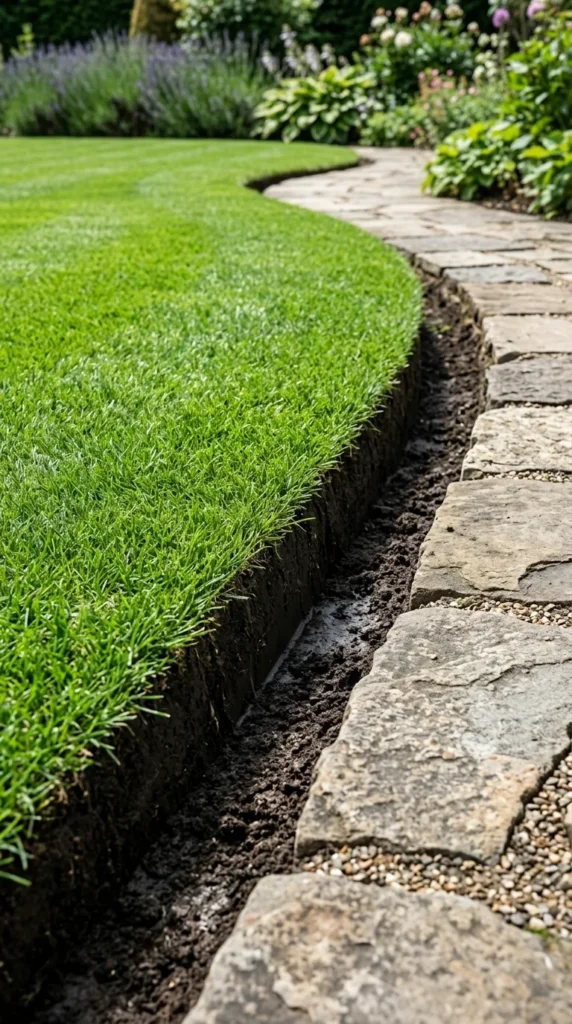
Professional landscapers know that the secret to a “clean” look is the edge. Even a yard full of weeds can look somewhat intentional if the borders are sharp and defined. You don’t need to buy expensive plastic or brick edging to achieve this.
A “Victorian edge” or “trench edge” is a free technique where you use a sharp spade to cut a 3-to-4-inch deep V-shaped trench between your lawn and your garden beds. This creates a shadow line that makes the landscape look manicured and professional. It requires a bit of manual labor once or twice a season, but the visual impact is significant and costs nothing.
8. Focal Points
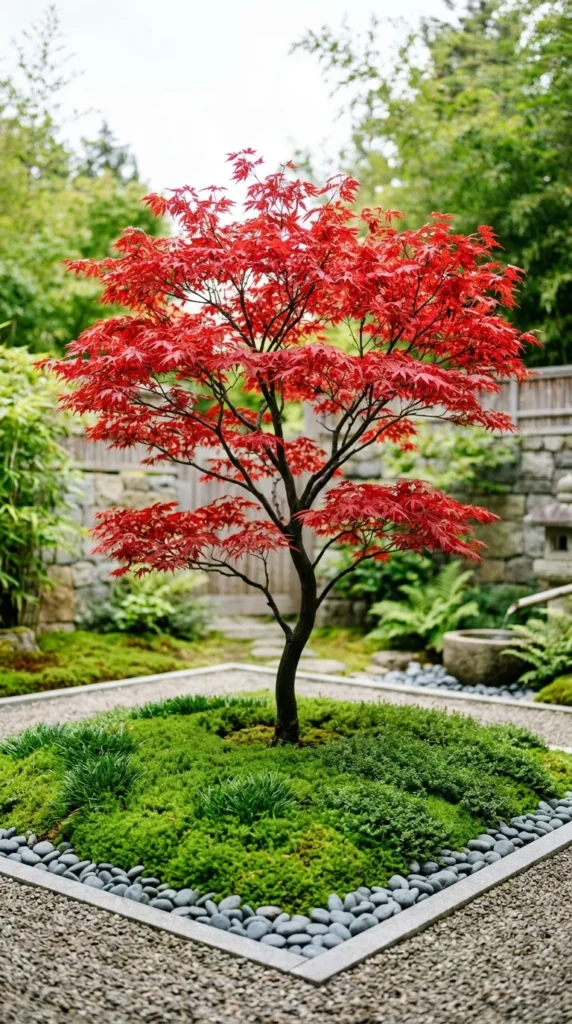
When you are on a budget, you cannot afford to fill every square inch with expensive features. Instead, use the “focal point” strategy. Invest a larger portion of your budget into one “hero” item—a specimen tree, a high-quality bench, or a large decorative urn—and keep the surrounding elements simple and inexpensive.
The human eye tends to settle on the most interesting object in the field of vision. By providing a high-quality focal point, you draw attention away from simpler areas of the yard. A single, beautifully placed Japanese Maple or a well-crafted birdbath can elevate the perceived value of the entire landscape.
9. Seed and Sod
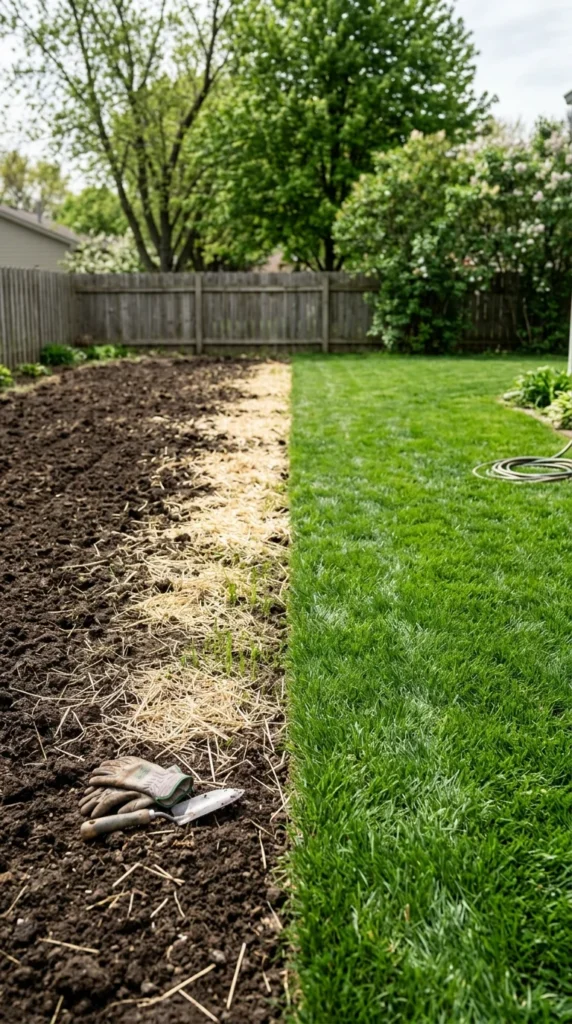
If you need to cover a large area with grass, skip the sod. While sod provides an instant lawn, it is significantly more expensive and labor-intensive to install. High-quality grass seed, combined with a bit of patience and consistent watering, will result in a lawn that is just as beautiful for a fraction of the cost.
The trick to a successful seeded lawn is soil preparation. Renting a tiller for a day and adding some organic compost will ensure the seeds have the best possible start. If you choose the right seed mix for your sun exposure (shade vs. sun), your seeded lawn will often be hardier and more drought-resistant than sod grown in a different environment.
10. Vertical Interest
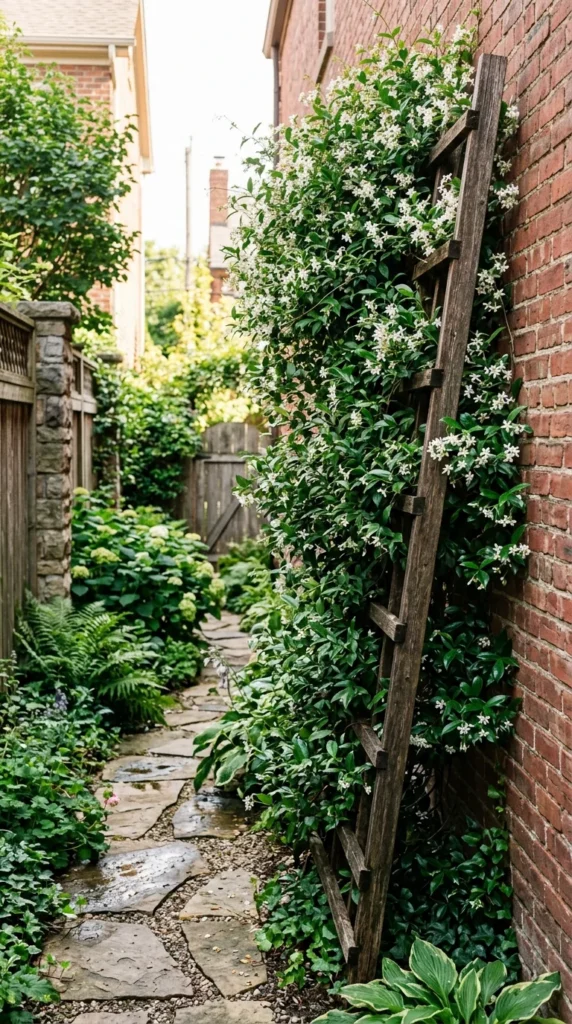
When horizontal space is limited or your budget doesn’t allow for many large shrubs, go vertical. Climbing plants like clematis, ivy, or climbing roses can cover a lot of surface area for the price of a single small plant.
You can build your own trellises or obelisks using inexpensive pressure-treated lath or even gathered branches for a rustic, “cottage core” look. Vertical gardening hides ugly fences, provides privacy from neighbors, and adds a layer of lushness that makes a yard feel mature and established. It utilizes the “air space” of your yard, making even small gardens feel much larger and more immersive.