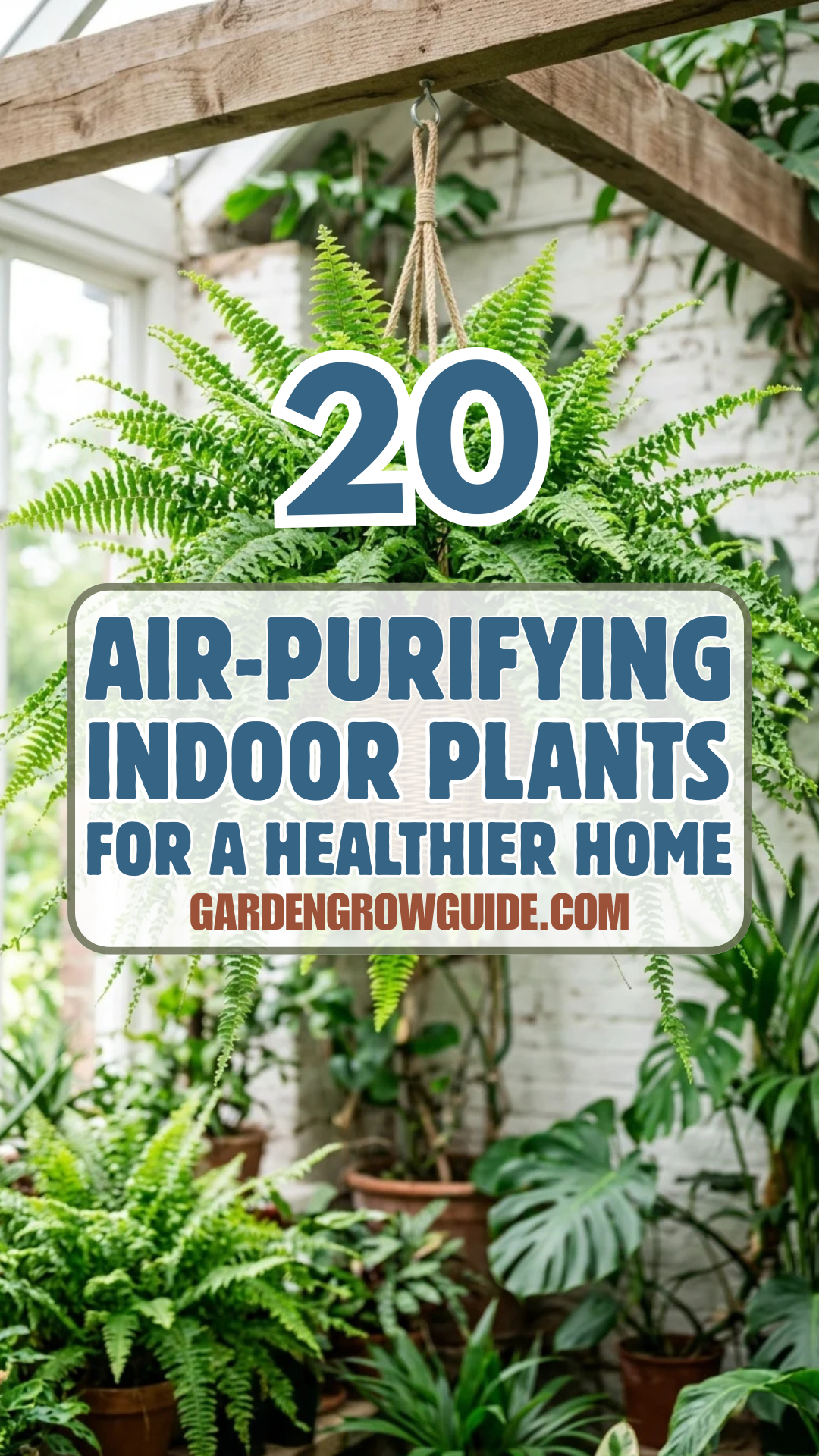
In the modern era, most people spend nearly 90% of their time indoors. While we often worry about outdoor smog, the air inside our homes can be significantly more polluted due to Volatile Organic Compounds (VOCs) emitted by paints, furniture, cleaning products, and even synthetic carpets. In 1989, NASA conducted a landmark “Clean Air Study” which discovered that certain indoor plants act as natural filters, absorbing toxins through their leaves and roots while simultaneously pumping out fresh oxygen.
Integrating greenery into your decor is more than an aesthetic choice; it is a functional upgrade to your respiratory health and mental well-being. Below are 20 of the most effective air-purifying plants to transform your home into a living sanctuary.
1. Snake Plant
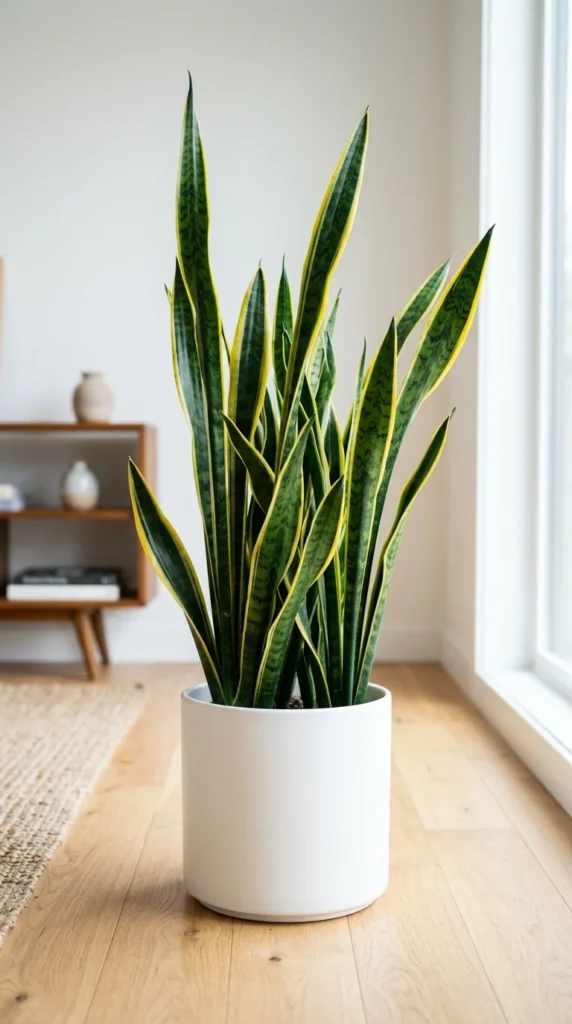
Commonly known as “Mother-in-Law’s Tongue,” the Snake Plant is a powerhouse of air purification. Unlike most plants that release carbon dioxide at night, the Snake Plant continues to produce oxygen even after the sun goes down. This makes it an ideal companion for the bedroom. It is incredibly resilient, thriving on neglect and low light levels. It is particularly adept at filtering formaldehyde, xylene, benzene, and trichloroethylene from the air.
2. Spider Plant
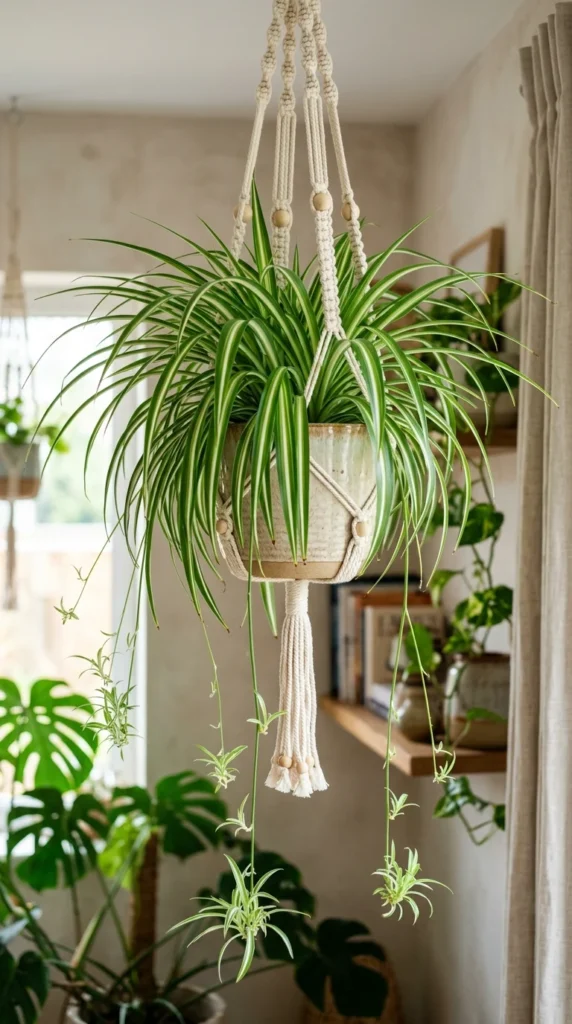
The Spider Plant is a favorite for beginners because it is nearly impossible to kill. It is famous for its ability to battle toxins like carbon monoxide and xylene, which are often found in printing and rubber industries but can seep into homes through various household products. These plants are also non-toxic to pets, making them a safe choice for households with curious cats and dogs.
3. Peace Lily
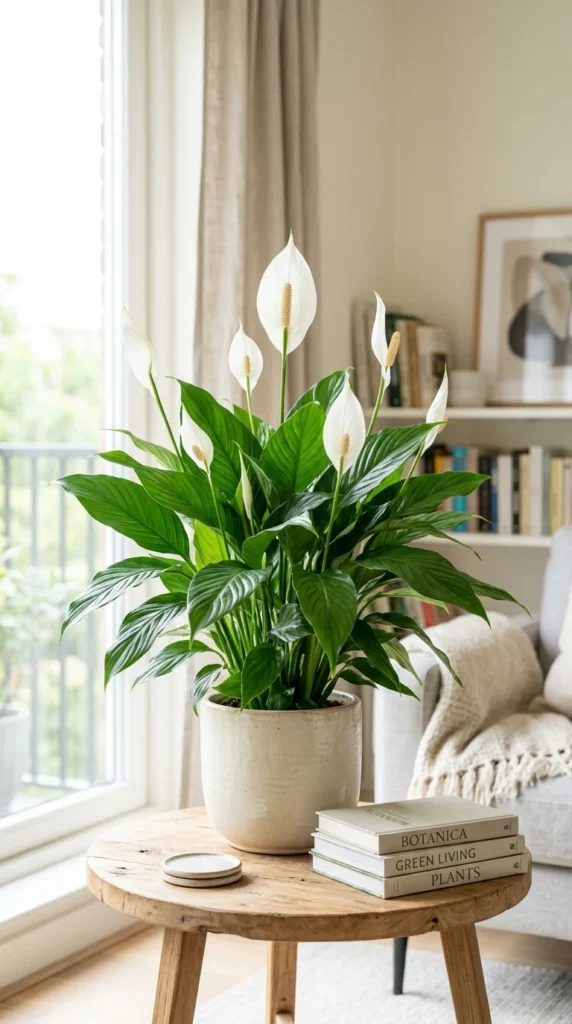
The Peace Lily is as functional as it is beautiful. It is one of the few air purifiers that also produces flowers. According to NASA, it is highly effective at removing all five of the most common indoor air toxins, including ammonia (often found in glass cleaners). Peace Lilies prefer high-humidity environments and indirect light, making them perfect for bathrooms with a window.
4. Aloe Vera
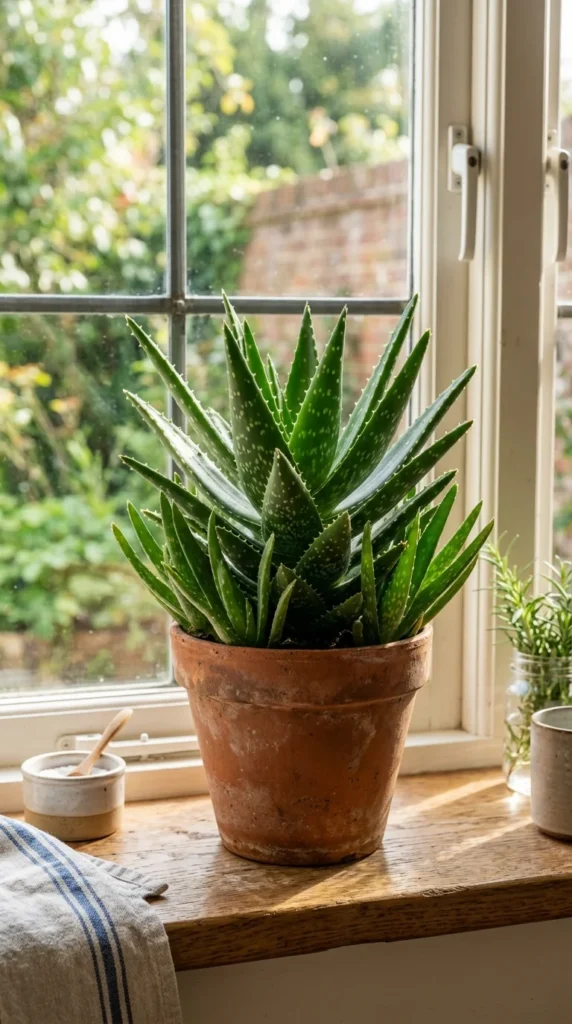
While widely known for the soothing gel inside its leaves used for burns, Aloe Vera is also a fantastic air scrubber. It helps clear the air of benzene and formaldehyde, which are common byproducts of chemical-based cleaners and paints. Interestingly, the plant acts as a bio-indicator; if high amounts of harmful chemicals are present, the leaves may develop brown spots, signaling that your air quality is compromised.
5. English Ivy

Research has shown that English Ivy is particularly effective at reducing airborne fecal-matter particles and mold. This makes it a stellar choice for bathrooms or areas prone to dampness. While it is a vigorous climber that can be invasive outdoors, it is easily contained in a hanging basket indoors. It prefers consistent moisture and moderate sunlight.
6. Boston Fern
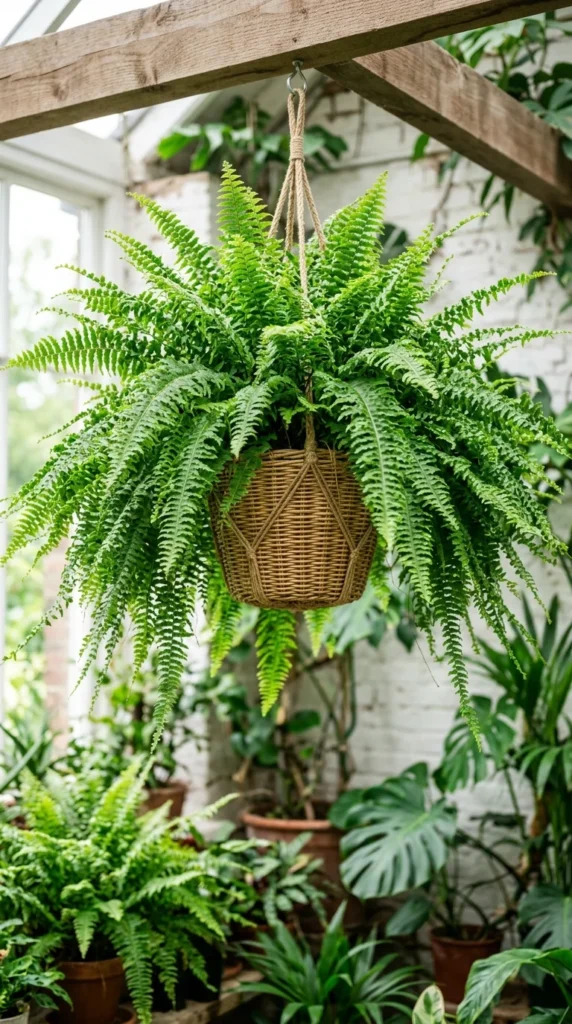
The Boston Fern acts as a natural humidifier by releasing moisture into the air, which can be a lifesaver during dry winter months. It excels at removing formaldehyde—a chemical found in many wood products and glues. These plants require a bit more maintenance than others, as they crave high humidity and moist soil, but their lush appearance is well worth the effort.
7. Golden Pothos
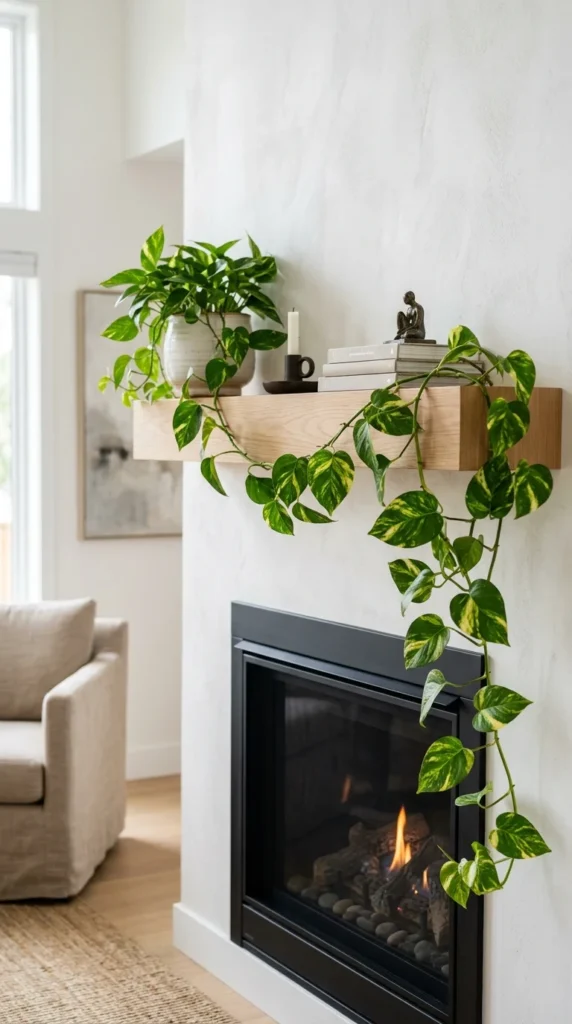
Often called “Devil’s Ivy” because it remains green even when kept in near darkness, the Golden Pothos is a versatile vine. It is excellent at tackling carbon monoxide and benzene. Because it grows quickly and trails beautifully, it is often used on high shelves where it can hang down, keeping it away from pets (as it is toxic if ingested).
8. Rubber Tree
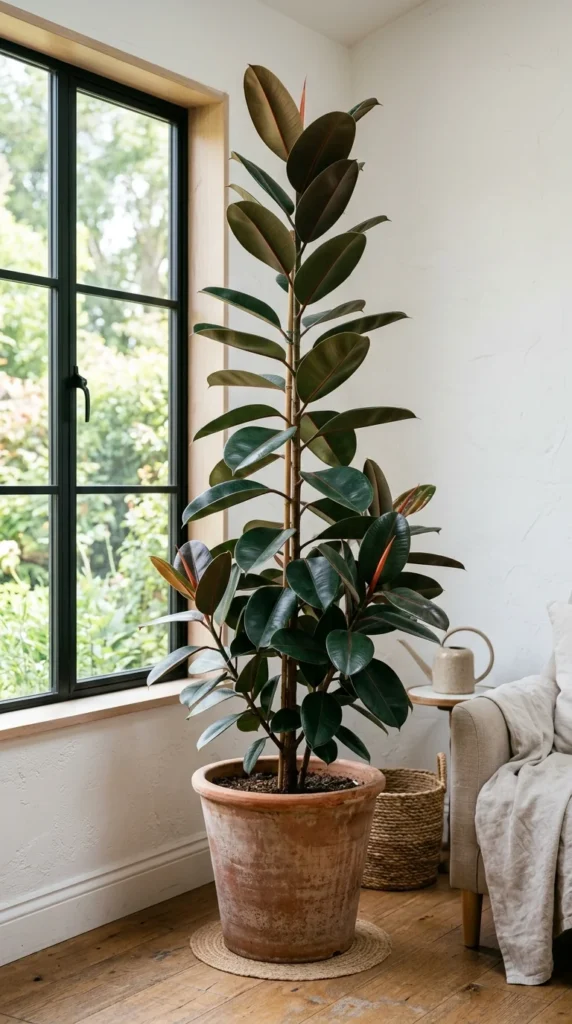
The Rubber Tree (Ficus elastica) is a structural plant that can grow into a small indoor tree. Its large surface area of leaves allows it to absorb significant amounts of chemicals from the air. It is especially efficient at removing formaldehyde. It prefers bright, indirect light and should be allowed to dry out slightly between waterings.
9. ZZ Plant
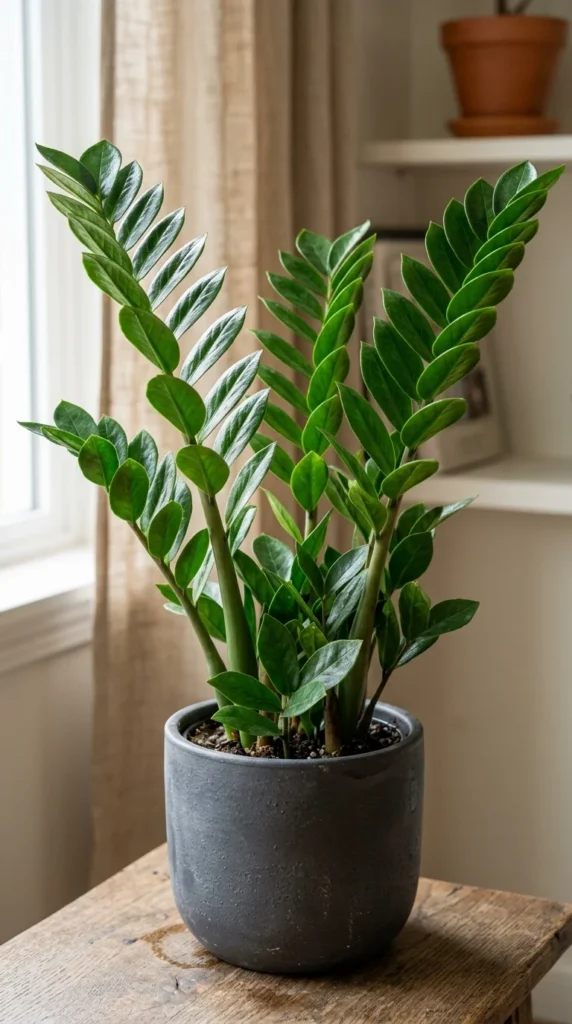
The ZZ Plant (Zamioculcas zamiifolia) is the ultimate “set it and forget it” plant. It can survive in very low light and requires infrequent watering. Beyond its hardiness, it is effective at removing xylene, toluene, and benzene. Its unique, sculptural look makes it a favorite for modern office spaces and apartments with limited natural light.
10. Bamboo Palm
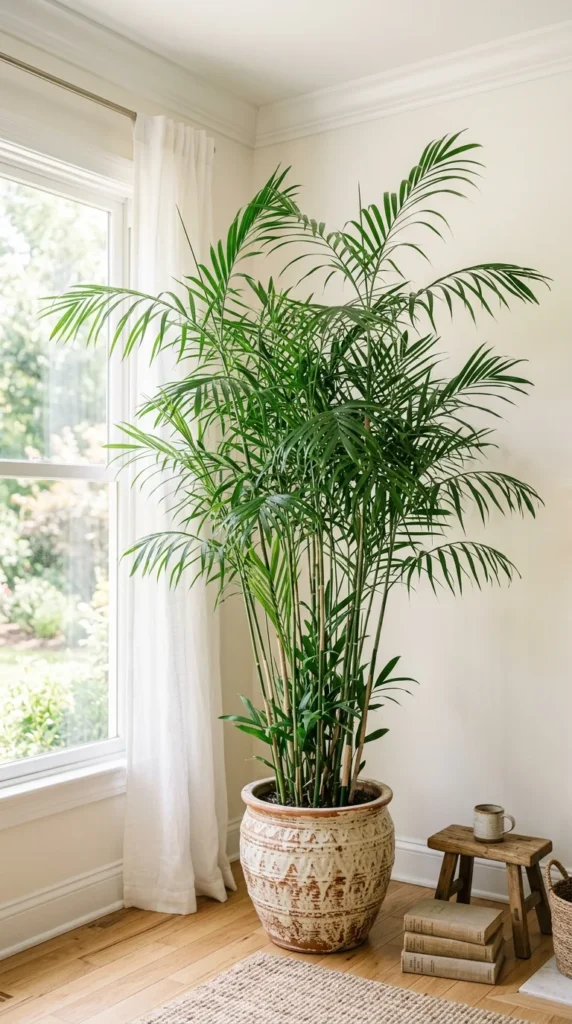
If you want to bring a tropical feel to your home while cleaning the air, the Bamboo Palm is an excellent choice. It is a powerhouse for filtering benzene and trichloroethylene. It also acts as a natural humidifier. These palms can grow quite tall (up to 12 feet), making them perfect for filling empty corners and creating a “green wall” effect.
11. Dracaena
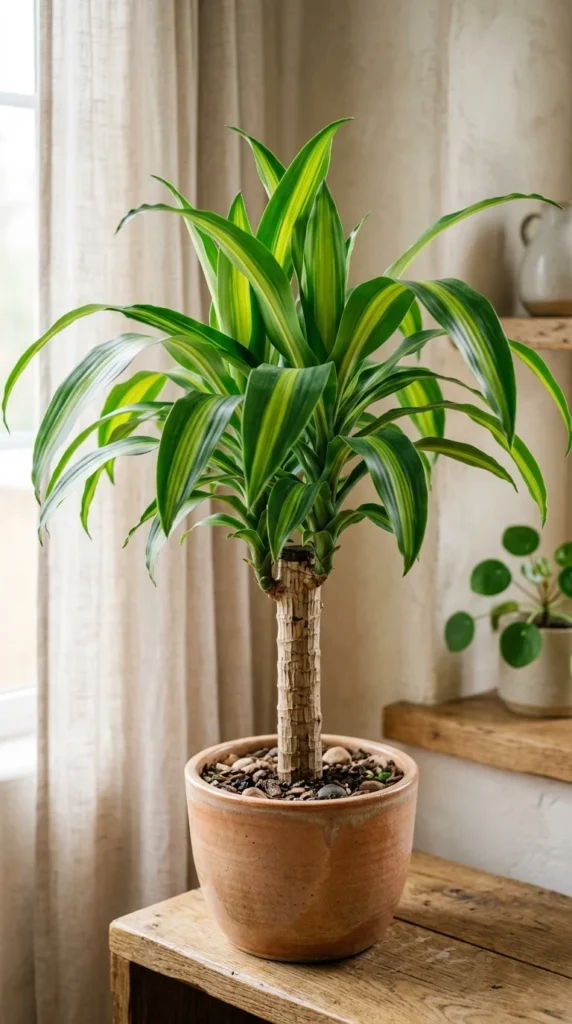
There are many varieties of Dracaena, but almost all are noted for their ability to remove gases like formaldehyde, xylene, and trichloroethylene. They come in various shapes and sizes, with some featuring striped leaves and others sporting solid colors. Note that Dracaena can be toxic to cats and dogs if chewed, so place them on elevated surfaces if you have pets.
12. Weeping Fig
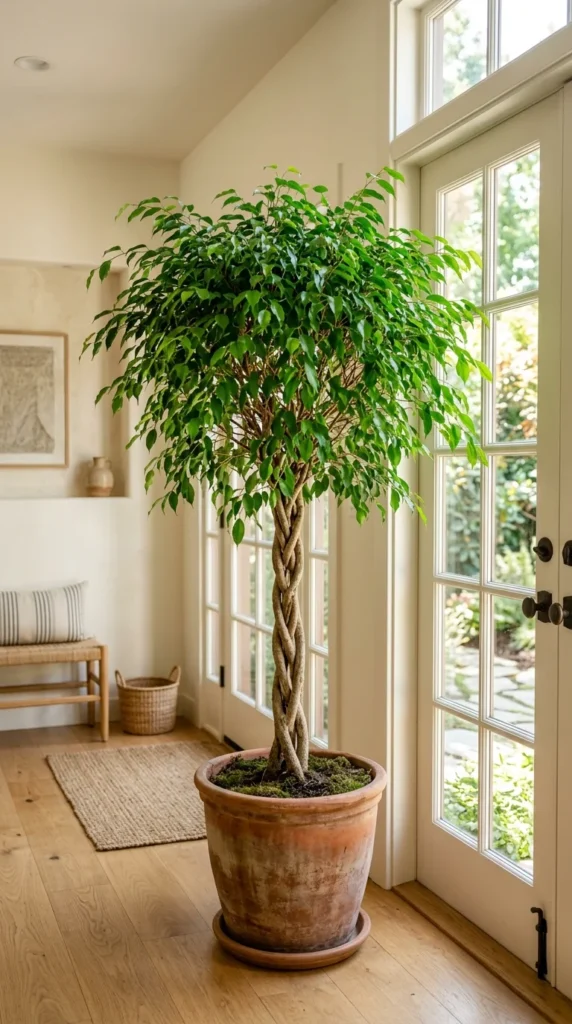
The Weeping Fig (Ficus benjamina) is a classic indoor tree. It is highly effective at filtering formaldehyde, xylene, and toluene. While it can be a bit finicky—sometimes dropping its leaves if moved to a new location or subjected to a draft—it is a long-lived and rewarding plant once it acclimates to its environment.
13. Chrysanthemum
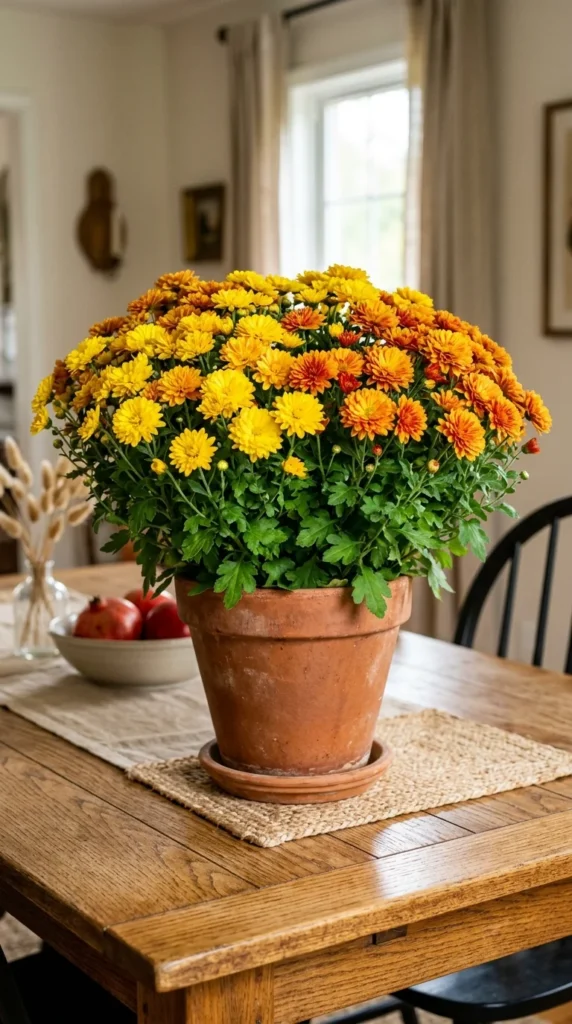
While often treated as a temporary floral decoration, the “Mum” is actually one of the top-performing air purifiers identified by NASA. It removes ammonia, benzene, formaldehyde, and xylene. To keep it working as an air purifier, it needs bright sunlight to encourage blooming. Once the blooms fade, the plant’s air-cleaning efficiency drops, so many people rotate these seasonally.
14. Areca Palm
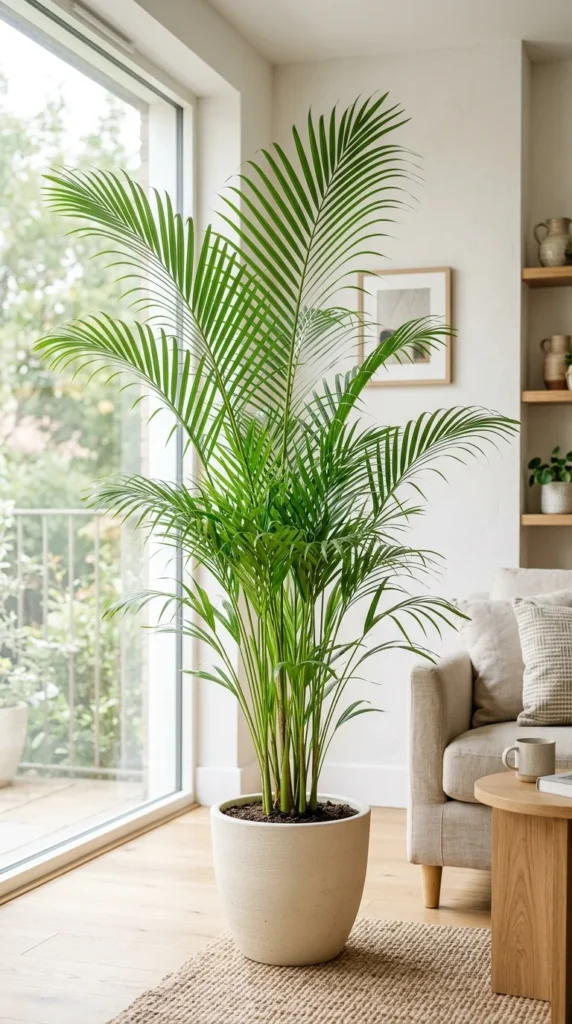
The Areca Palm is frequently cited as one of the best plants for general air purification. It is particularly gifted at removing common toxins while also transpiring a significant amount of water into the air, making it a great natural humidifier for those with dry skin or respiratory issues. It thrives in bright, indirect light and adds an elegant, airy feel to any room.
15. Gerbera Daisy
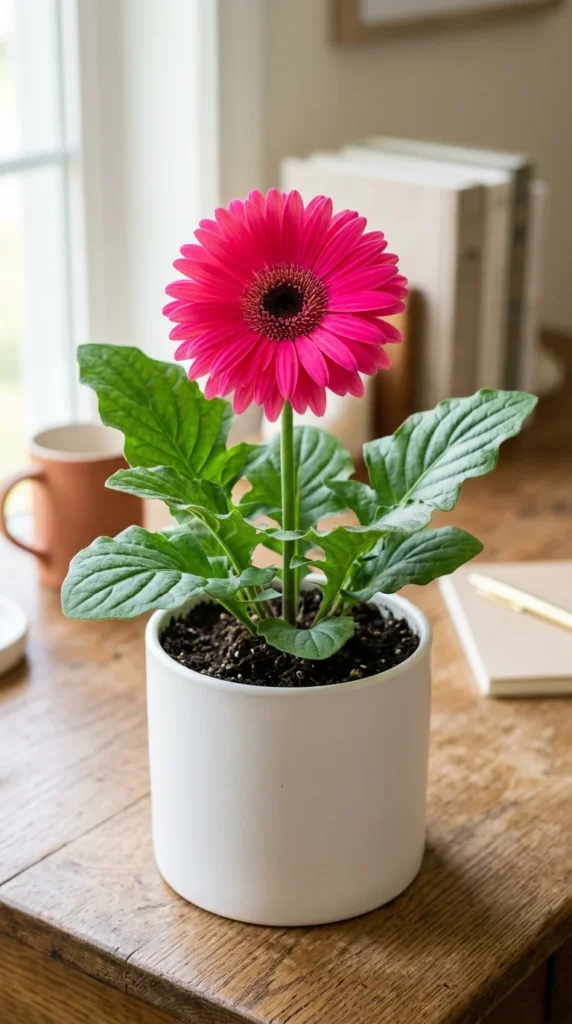
Like the Chrysanthemum, the Gerbera Daisy is a flowering plant that works hard to clean the air. It is specifically effective at removing trichloroethylene (found in dry cleaning) and benzene (found in inks). Because it requires plenty of direct sunlight, it is best placed on a south-facing windowsill or in a sunroom.
16. Chinese Evergreen
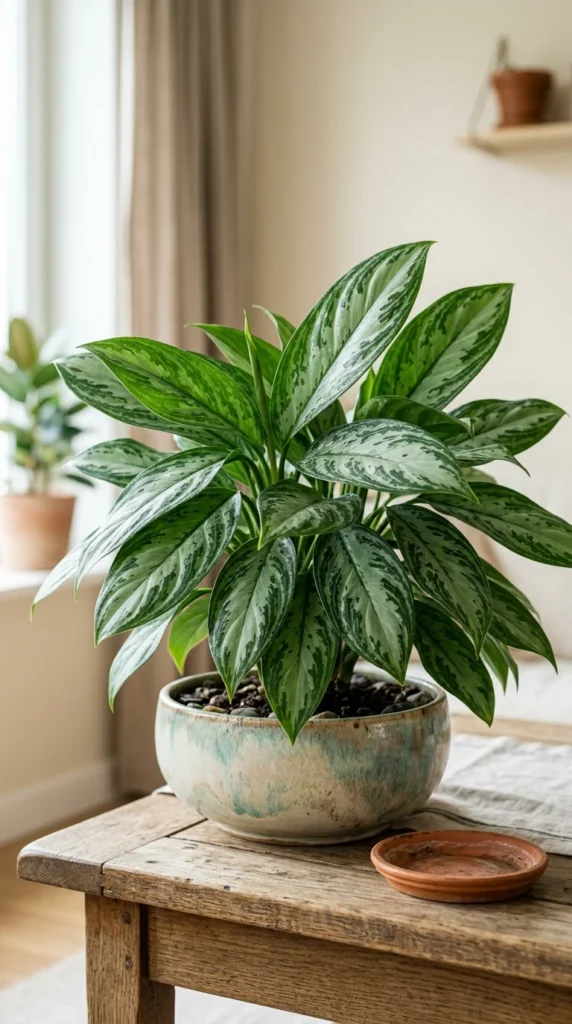
The Chinese Evergreen (Aglaonema) is a sturdy plant that tolerates low light and dry air. It is excellent at filtering out a variety of toxins and becomes more efficient at air purification as it grows older and larger. Its variegated leaves provide a beautiful splash of color in darker corners where other plants might struggle.
17. Red-Edged Dracaena
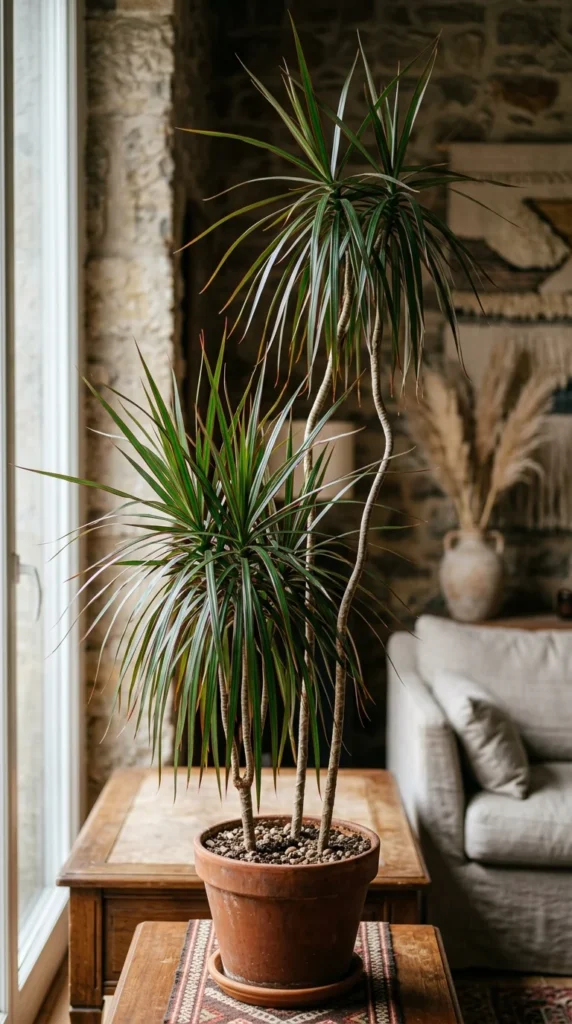
Also known as the Dragon Tree, this specific variety of Dracaena is known for its height and its striking red-bordered leaves. It is a slow grower but can eventually reach the ceiling. It is one of the best plants for removing trichloroethylene and xylene, which can be emitted by varnishes and lacquers.
18. Broadleaf Lady Palm
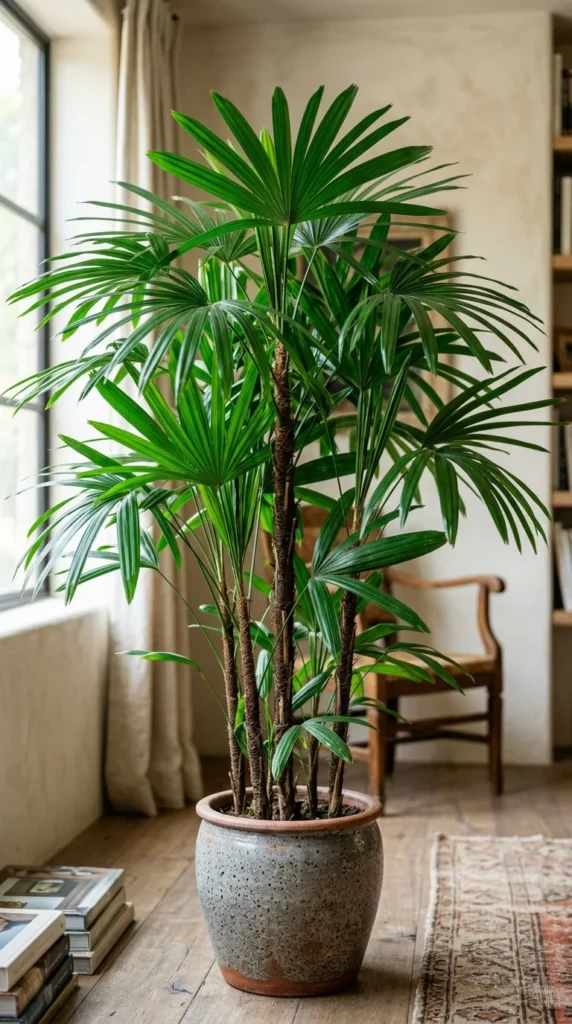
The Lady Palm is one of the few plants that can effectively remove ammonia from the air. Because ammonia is a common ingredient in many household cleaners, placing a Lady Palm in a kitchen or laundry room is a smart health move. It is a slow-growing palm that is very resistant to pests and adapts well to various light conditions.
19. Kimberly Queen Fern
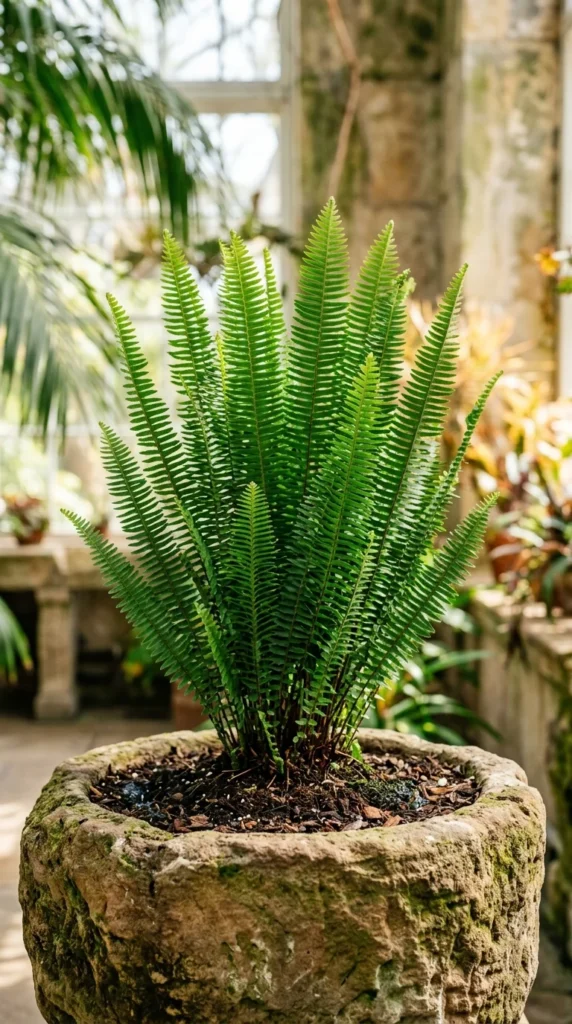
Unlike the Boston Fern which arches downward, the Kimberly Queen Fern grows upright, giving it a tidier appearance. It is an exceptional air purifier, specifically targeting formaldehyde and alcohols. It is slightly more sun-tolerant than other ferns and is an excellent choice for a brightly lit patio or a sunny indoor spot.
20. Parlor Palm
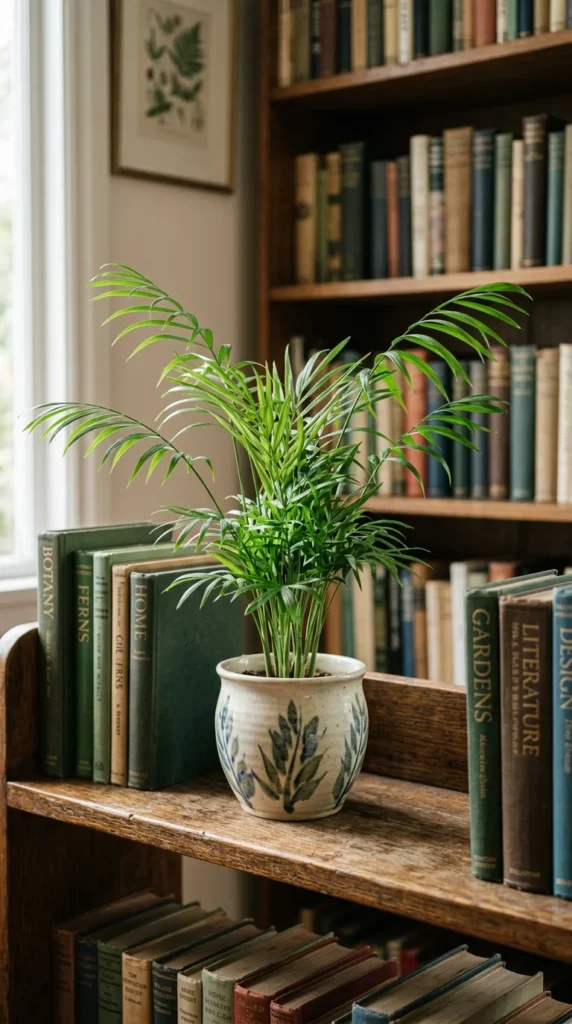
The Parlor Palm has been a popular indoor plant since the Victorian era. It earned its name because it was one of the few plants that could survive in the dimly lit “parlors” of the time. It is a gentle air purifier that removes several common household toxins and is completely non-toxic to pets, making it a perfect all-around choice for any home.
Tips for Maximum Air Purification
To get the most out of your indoor garden, consider these expert tips:
- Quantity Matters: For effective air purification, aim for at least two “good-sized” plants (in 10-12 inch pots) for every 100 square feet of living space.
- Keep Leaves Dust-Free: Plants breathe through their leaves. Use a damp cloth to gently wipe away dust so the plant can continue to absorb toxins and release oxygen efficiently.
- Don’t Overwater: Many air-purifying plants are more likely to die from root rot than from neglect. Always check the soil moisture before adding more water.
- Safety First: Many effective air purifiers (like the Peace Lily and Dracaena) are toxic to pets and children if ingested. Always research the safety of a plant before placing it within reach of curious mouths.