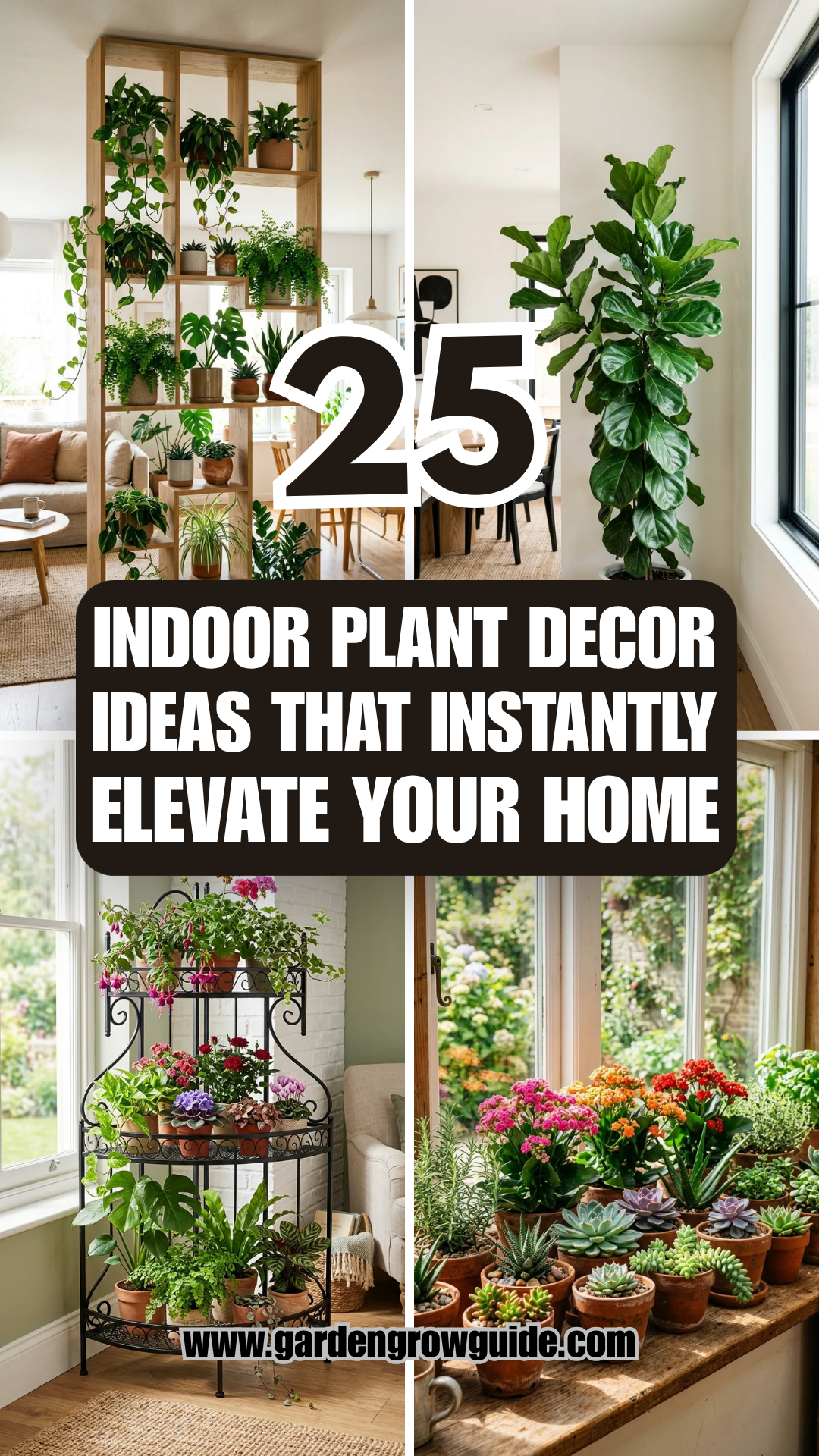
Integrating plants into home decor is more than just a passing trend; it is a lifestyle choice that bridges the gap between the built environment and the natural world. Known as biophilic design, this approach focuses on the innate human connection to nature. Beyond their aesthetic appeal, indoor plants serve as living sculptures, adding texture, color, and depth to any room. They soften the harsh lines of modern furniture, purify the air, and have been scientifically proven to reduce stress and boost creativity.
Whether you are living in a compact urban apartment or a sprawling suburban house, the strategic placement of greenery can transform a sterile space into a vibrant sanctuary. The following 25 ideas offer diverse ways to incorporate plants into your home, ranging from minimalist accents to lush, jungle-like installations.
1. Macramé Hangers
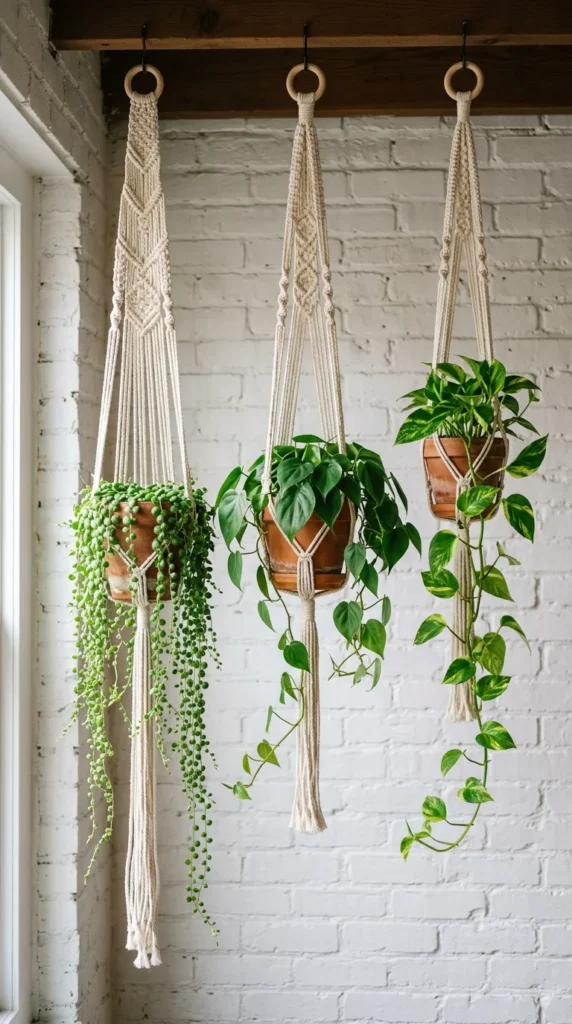
Macramé hangers are a staple of bohemian decor, offering a tactile, textured way to display trailing plants. These woven rope structures allow you to utilize vertical space, which is especially beneficial in smaller rooms. By suspending plants like Pothos, String of Pearls, or Heartleaf Philodendron, you create a sense of movement and height. Hanging them at different levels near a window creates a “curtain” of greenery that filters light and adds privacy without the need for heavy drapes.
2. Statement Trees
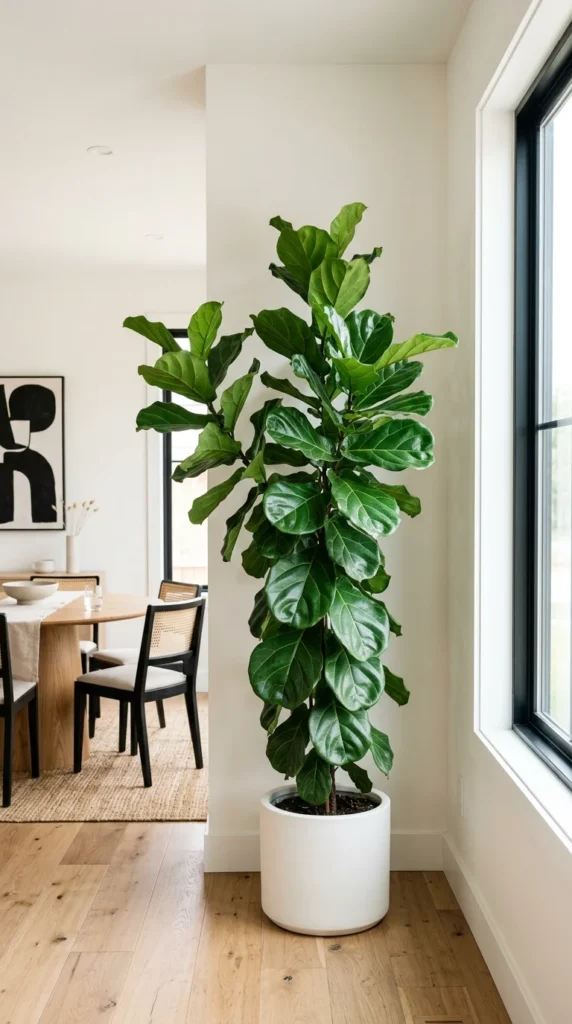
A single, large-scale plant can act as a focal point just as effectively as a piece of fine art. Varieties like the Fiddle Leaf Fig, Bird of Paradise, or a tall Rubber Tree command attention and provide architectural structure to a room. Placing a statement tree in an empty corner or next to a large piece of furniture helps to anchor the space and provides a sense of grandeur. The key is to choose a pot that complements your interior style—be it a sleek mid-century modern planter or a rustic stone urn.
3. Living Walls
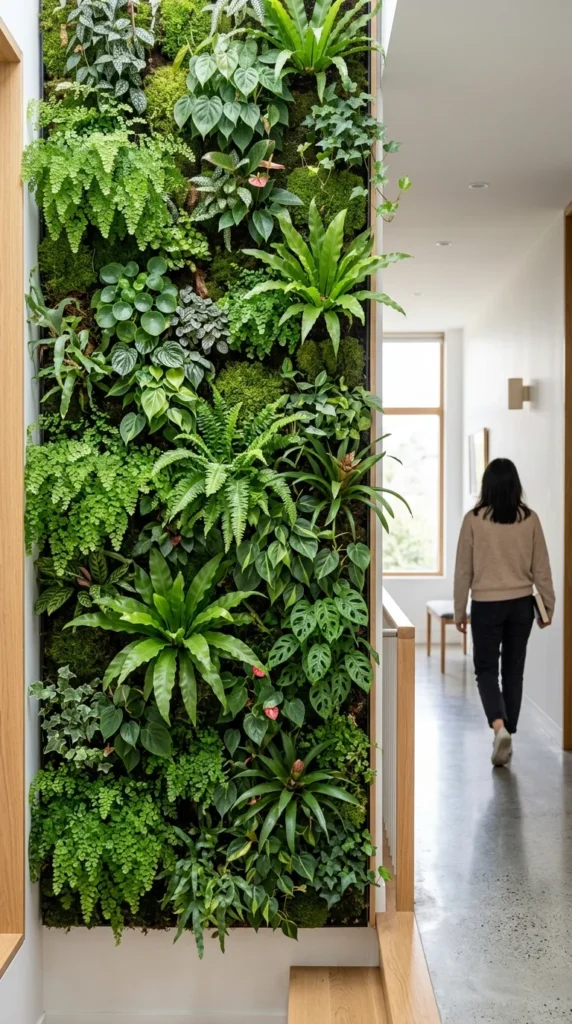
Vertical gardens, or living walls, are the ultimate expression of biophilic design. These installations use a specialized framing system to grow plants directly on the wall. While professional installations can include built-in irrigation, DIY versions can be created using modular wall pockets or tiered planters. Living walls work exceptionally well in hallways, dining areas, or home offices, providing a stunning backdrop that doubles as a natural air purifier.
4. Shelf Clusters
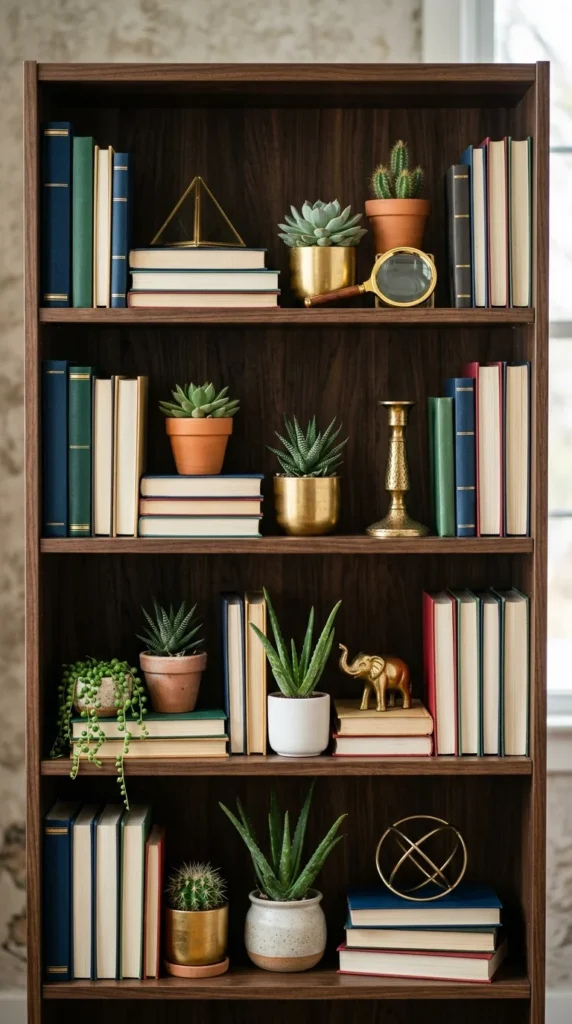
Plants are the perfect styling accessories for bookshelves. Instead of just lining up books, intersperse them with small-to-medium-sized plants to break up the visual weight. Mixing textures is essential here; pair the spiky leaves of a Snake Plant with the soft, rounded leaves of a Peperomia. Using pots in a cohesive color palette helps maintain a sophisticated look, while varying the heights of the plants ensures the display feels organic rather than stiff.
5. Bathroom Jungles
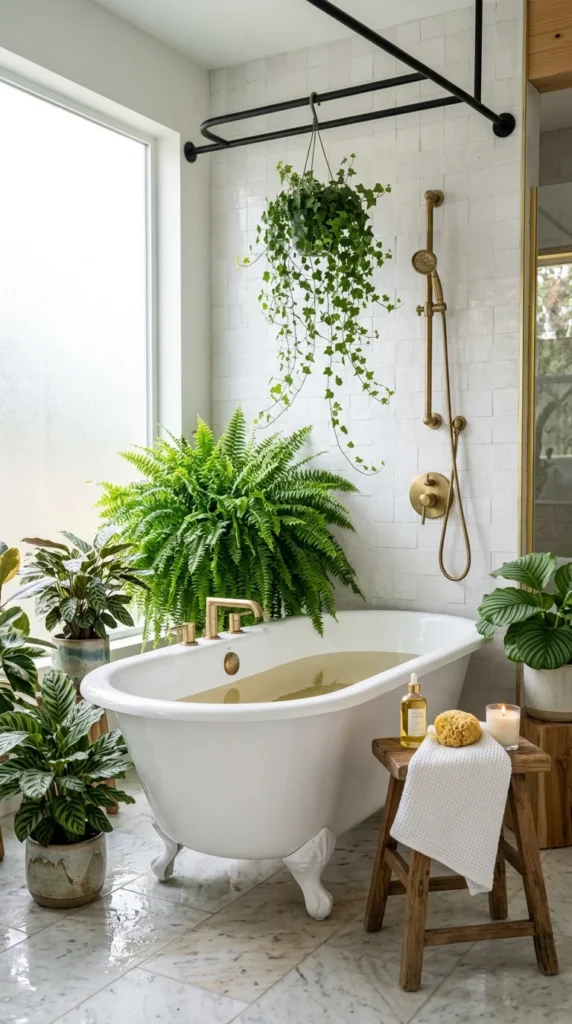
The bathroom is often an overlooked space for decor, yet it provides the perfect humid environment for many tropical plants. Creating a “bathroom jungle” involves placing high-humidity plants like Ferns, Orchids, and Peace Lilies on countertops, windowsills, or even hanging from the shower rod. The contrast between the cold surfaces of tile and porcelain and the lush, vibrant green of the foliage creates a spa-like atmosphere that turns a daily routine into a sensory experience.
6. Glass Terrariums
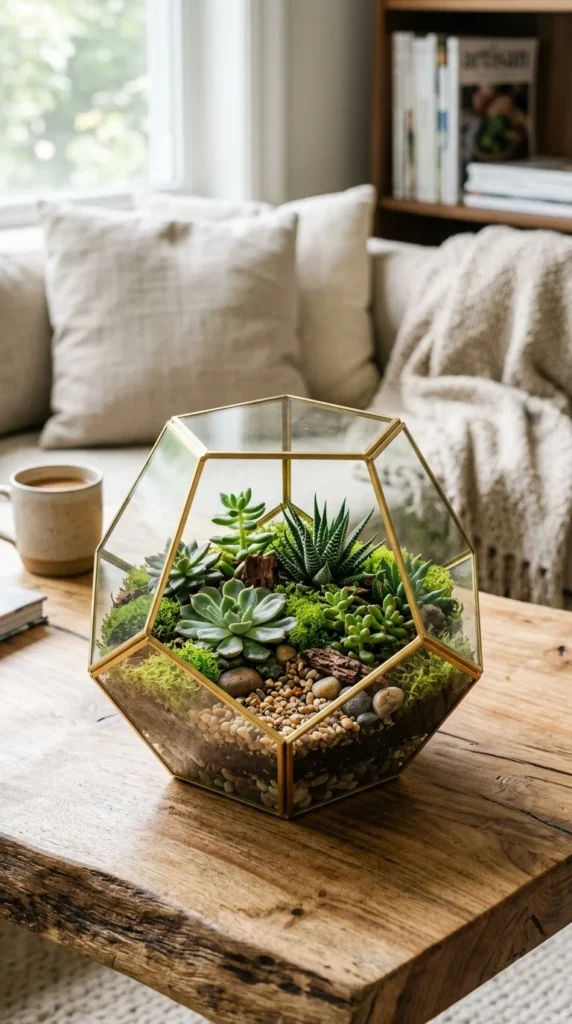
Terrariums are miniature ecosystems housed in glass containers, perfect for adding a touch of whimsy to coffee tables or desks. You can opt for open terrariums for succulents and cacti, which require dry air, or closed terrariums for moisture-loving mosses and ferns. These glass vessels act like jewelry for your home, catching the light and offering a fascinating, close-up view of nature’s intricate details.
7. Window Sills
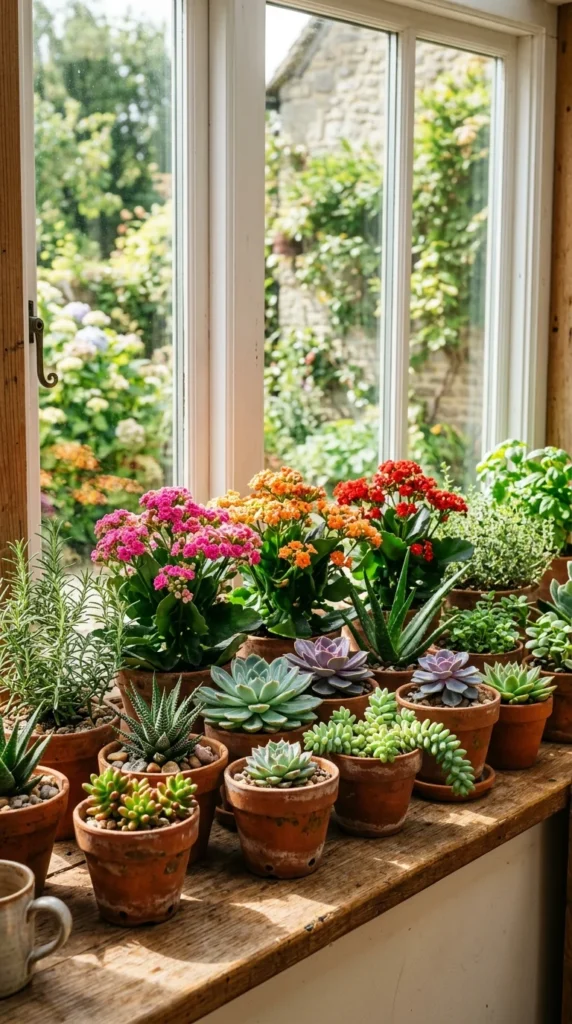
The windowsill is the most traditional spot for indoor plants for a reason: it provides the essential light many species crave. To elevate this look, avoid a cluttered appearance by using a uniform set of pots or a long, rectangular trough planter. A windowsill herb garden in the kitchen is both functional and beautiful, providing fresh basil, mint, and rosemary at your fingertips while adding a splash of green to your cooking space.
8. Trailing Bookshelves
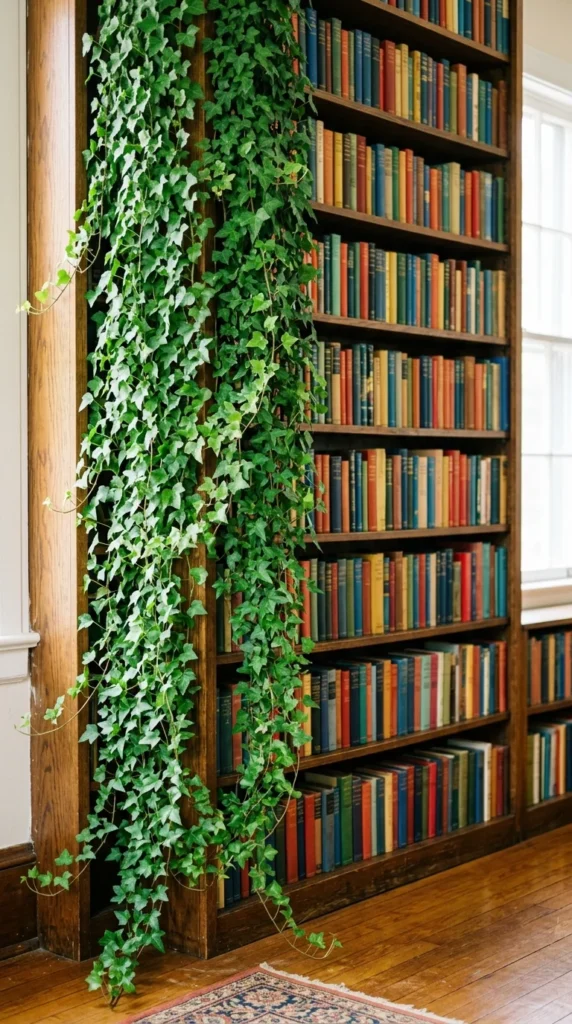
Trailing plants like Ivy, Creeping Fig, or Tradescantia are excellent for adding a sense of flow to high surfaces. When placed on the top shelf of a bookcase or a kitchen cabinet, the “waterfall” effect of the foliage draws the eye upward, making the ceilings feel higher. This technique is particularly effective for softening the sharp corners of cabinetry and furniture.
9. Propagation Stations
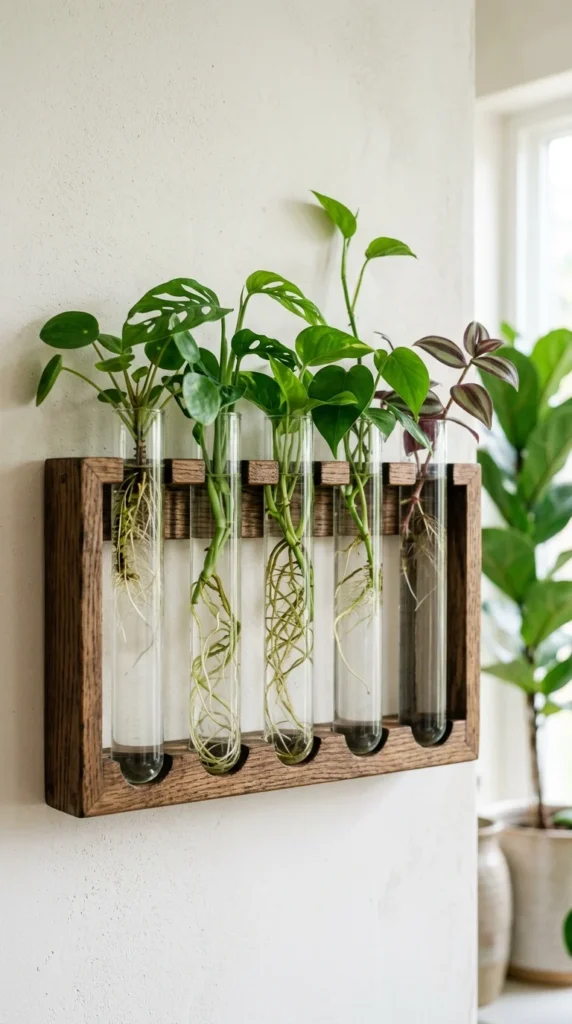
Propagation is the process of growing new plants from cuttings, and it can be a decorative feature in itself. Glass propagation stations—whether wall-mounted or tabletop—allow you to see the fascinating development of root systems. These clear vessels look modern and scientific, adding a unique educational and aesthetic element to a home office or kitchen.
10. Floor Clusters
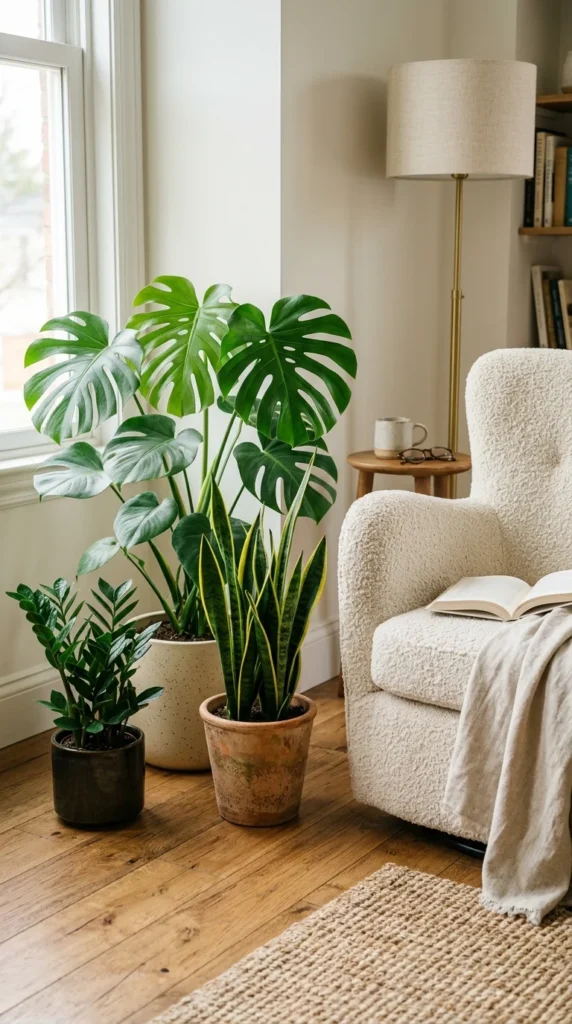
Instead of scattering single plants around a room, try grouping them in clusters of three or five. This creates a more significant visual impact and mimics the way plants grow in nature. When clustering, use the “rule of three”: choose one tall plant, one medium-sized plant, and one shorter or trailing plant. Varying the textures of the leaves and the materials of the pots adds depth and interest to the arrangement.
11. Bar Carts
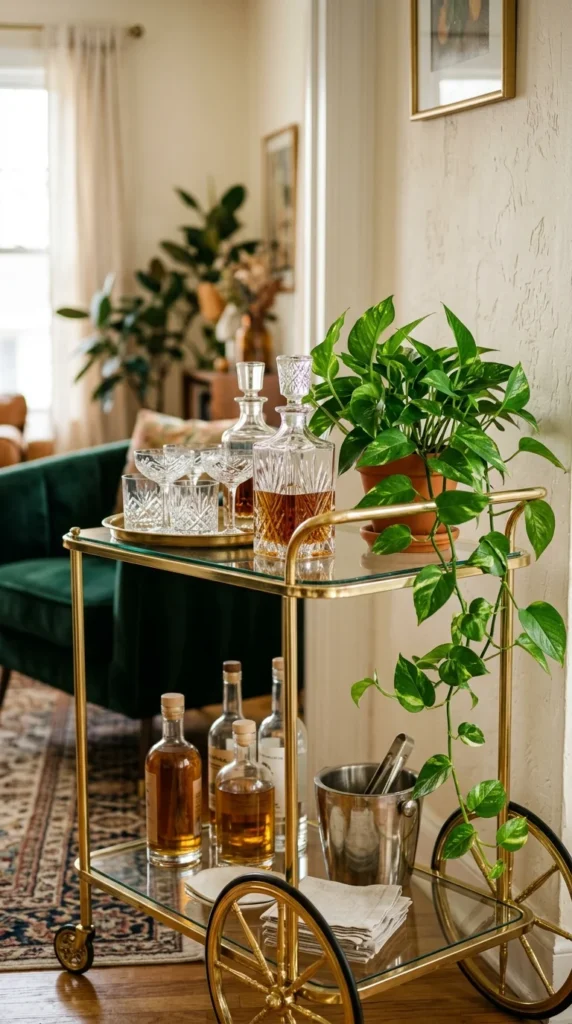
Bar carts aren’t just for spirits; they are excellent mobile plant stands. A trailing plant on the top tier adds a lush, organic contrast to the hard surfaces of glass and metal. Small succulents can be used as “garnish” among the bottles and glassware. This setup is perfect for entertaining, as it brings a fresh, lively energy to your cocktail station.
12. Bench Seating
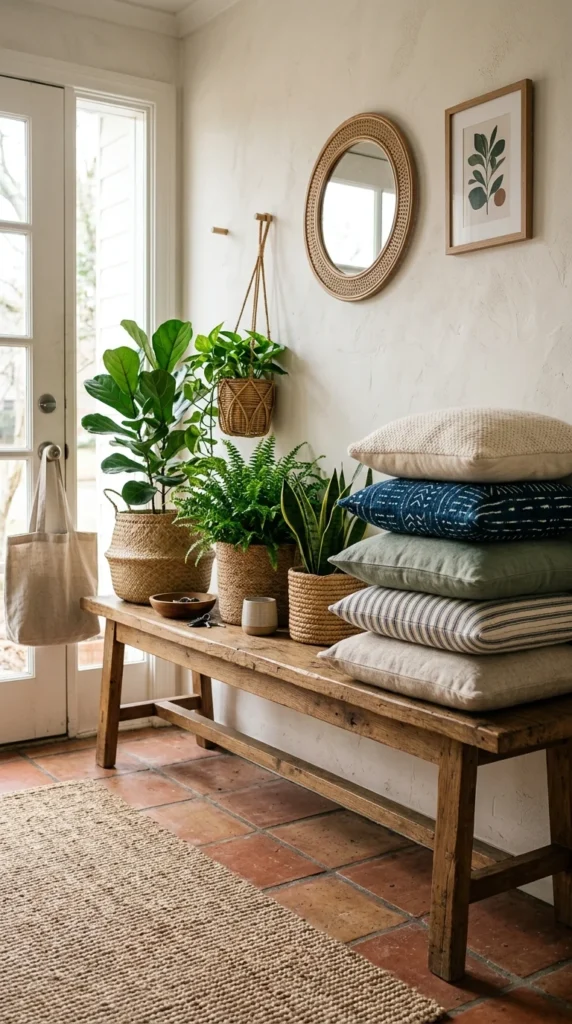
If you have a long bench in an entryway or at the foot of a bed, consider using half of it for plant display. This creates a layered, lived-in look that feels cozy and welcoming. Placing plants in woven baskets adds a rustic, earthy texture that complements wooden furniture and fabric upholstery.
13. Bedside Tables
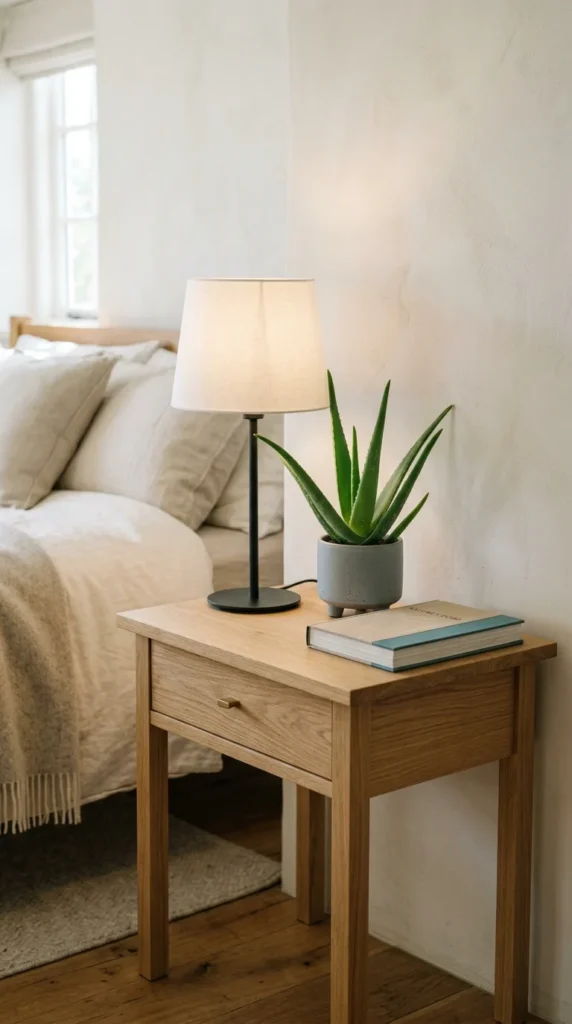
Incorporating a plant into your nightstand decor can improve your sleep environment. Plants like Lavender or Sansevieria (Snake Plant) are known for their air-purifying qualities and can help create a calming atmosphere. Keep the arrangement simple to avoid clutter; a single, well-chosen plant in a stylish pot is often enough to elevate the entire bedroom aesthetic.
14. Kitchen Herbs
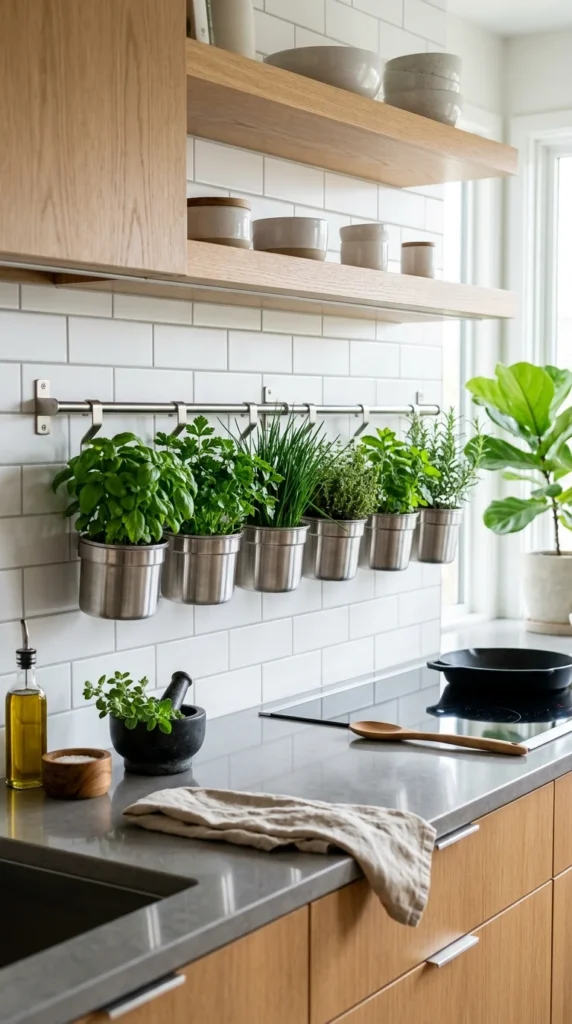
Functional decor is at its best with a kitchen herb garden. Utilizing wall-mounted rails or magnetic pots on the side of the refrigerator saves precious counter space while keeping fresh flavors within reach. The vibrant green of the herbs adds a “chef’s kitchen” feel and provides a natural fragrance that masks cooking odors.
15. Tiered Stands
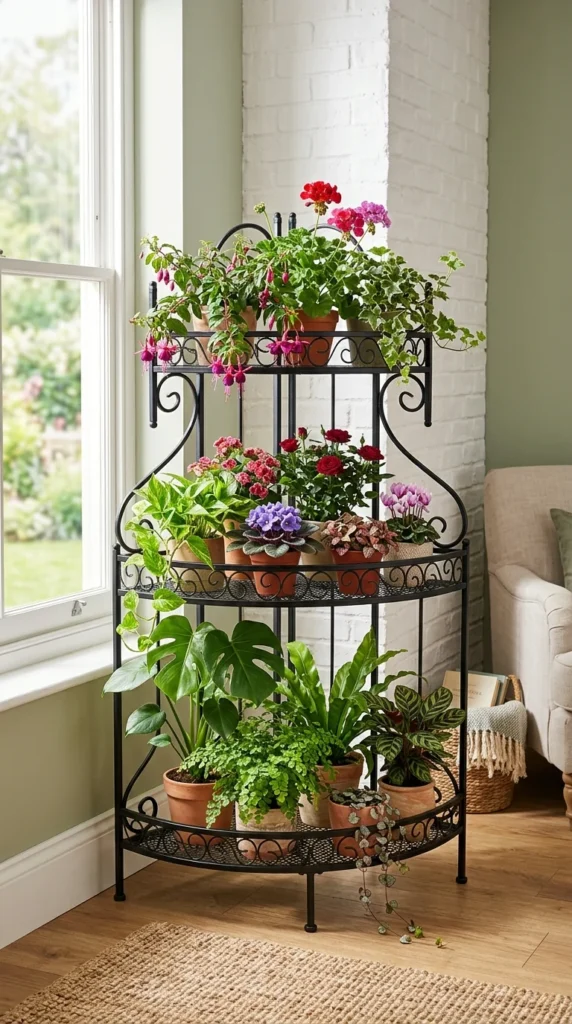
Tiered plant stands are ideal for collectors who want to display many plants in a small footprint. They allow you to create a “plant tower” that brings greenery to eye level. These stands come in various styles, from mid-century modern wood to industrial metal, making it easy to find one that fits your home’s aesthetic.
16. Woven Baskets
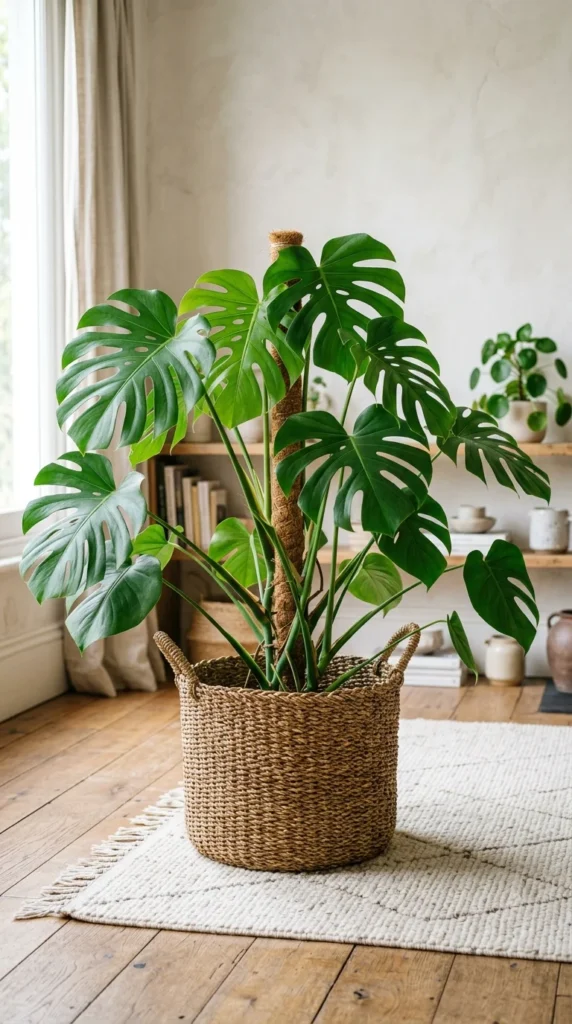
Standard plastic nursery pots are rarely attractive. A quick and stylish fix is to drop the nursery pot directly into a woven basket. This adds warmth and texture to your decor. Baskets are particularly effective for larger floor plants, as they soften the look of the base and help the plant blend into a cozy, upholstered room.
17. Hydroponic Vases
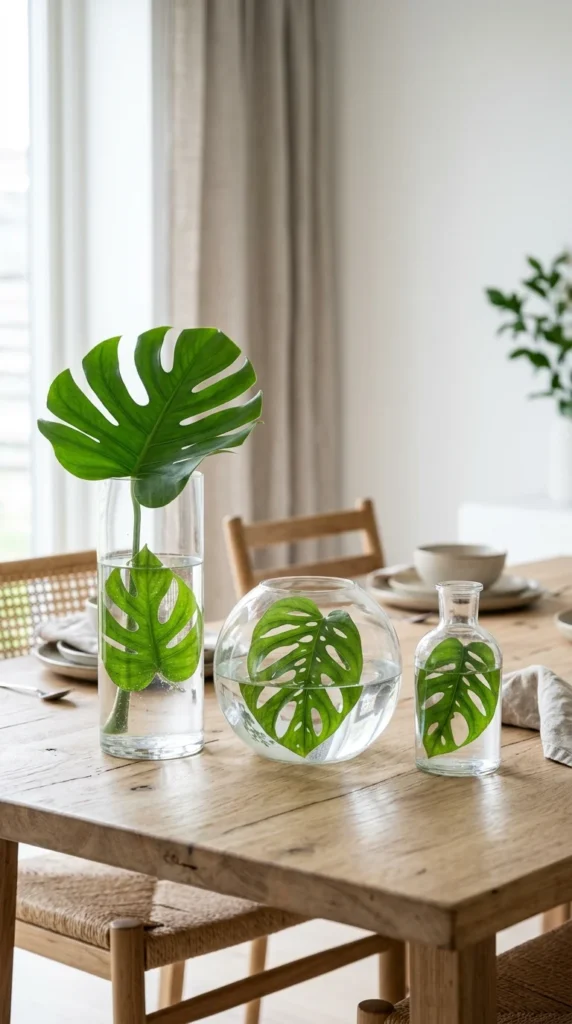
Growing plants in water—hydroponics—offers a clean, minimalist look. This method works well for many common houseplants like Pothos, Philodendron, and even some varieties of Begonias. Using clear glass vases allows you to see the water and the roots, creating a light, airy feel that is perfect for centerpieces or modern mantels.
18. Fireplace Mantels
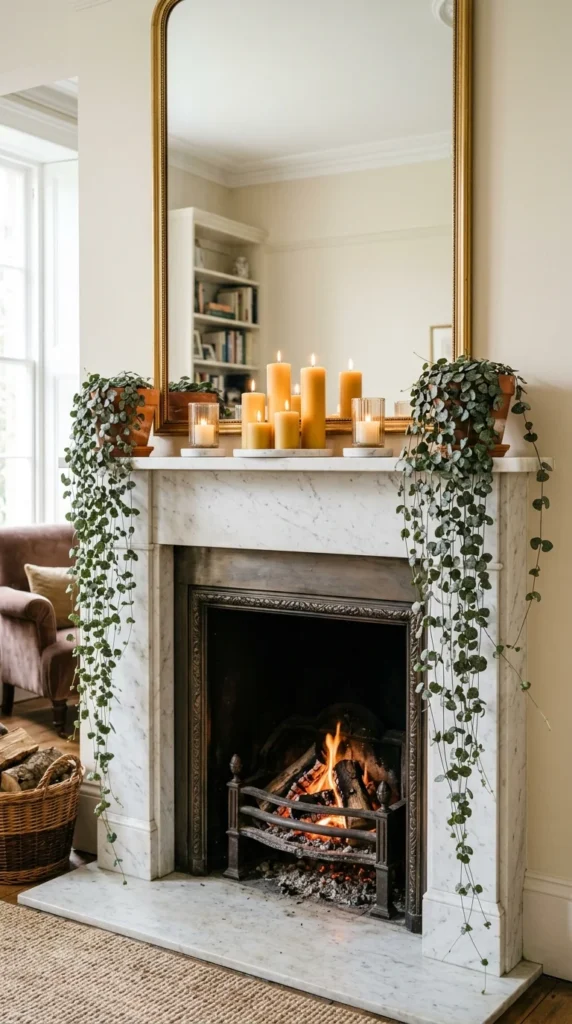
The mantel is a natural focal point in a living room. Symmetrical plant placements can create a formal, classic look, while an asymmetrical arrangement feels more modern and relaxed. Trailing plants are particularly effective here, as they can “drape” over the edge of the mantel, softening the architecture of the fireplace.
19. Corner Fillers
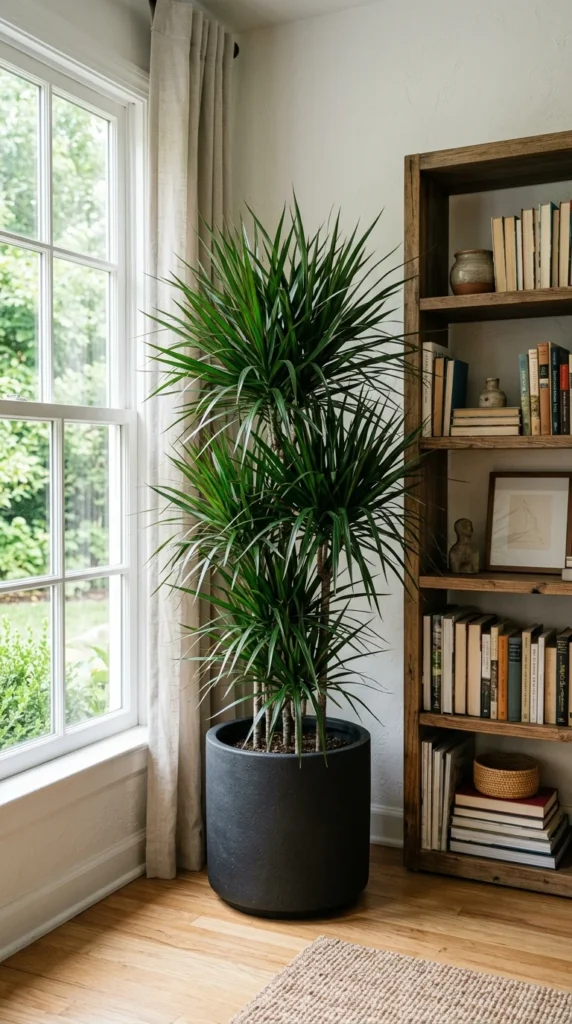
Every home has that “awkward corner” that feels empty or unfinished. A tall, architectural plant is the perfect solution. It fills the vertical space and adds a pop of color without requiring extra furniture. Using a tall, slender planter can help the plant reach higher, making it a more significant part of the room’s design.
20. Entryway Welcomes
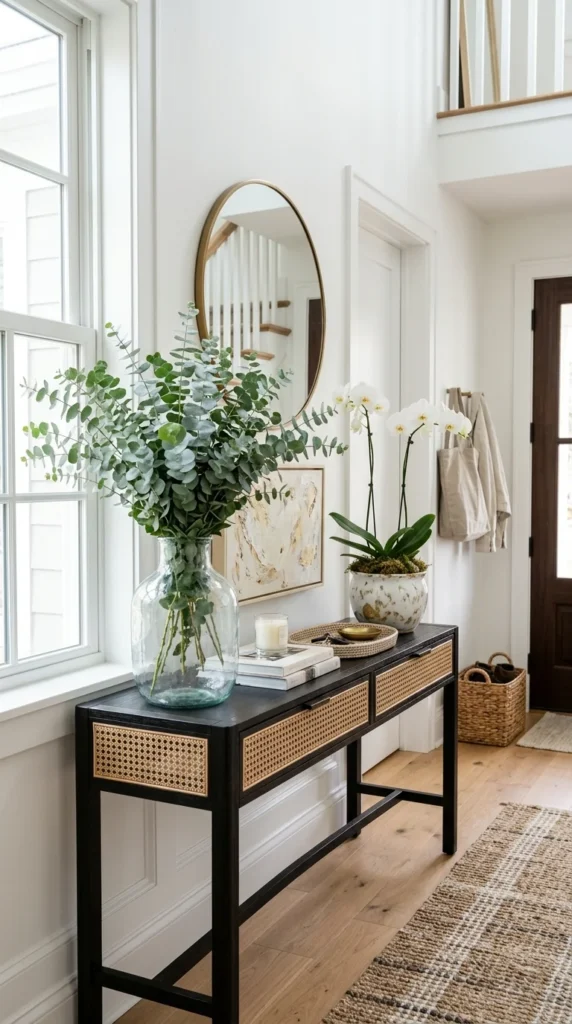
First impressions matter, and the entryway sets the tone for the rest of the house. A healthy, vibrant plant on a console table or a large floor plant near the front door signals a home that is cared for and full of life. It provides a transition from the outdoors to the indoors, making the entrance feel more integrated with nature.
21. Zen Pots
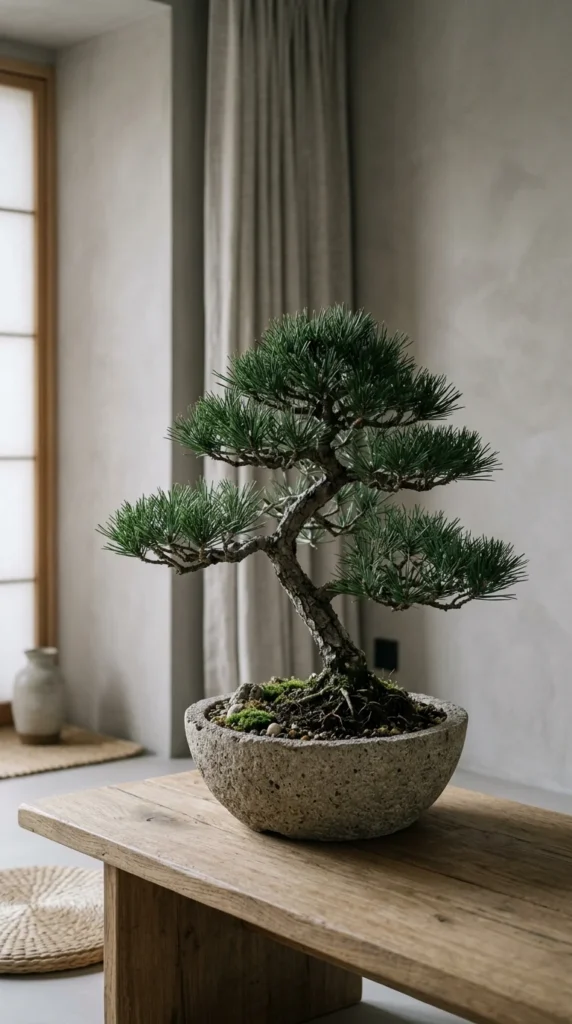
For a more meditative and minimalist approach, focus on “Zen” style arrangements. This involves choosing plants with clean lines, such as a Bonsai tree, a single Bamboo stalk, or a perfectly round succulent. The emphasis is on the shape of the plant and the quality of the container, usually made of natural stone or unglazed clay.
22. Vintage Containers
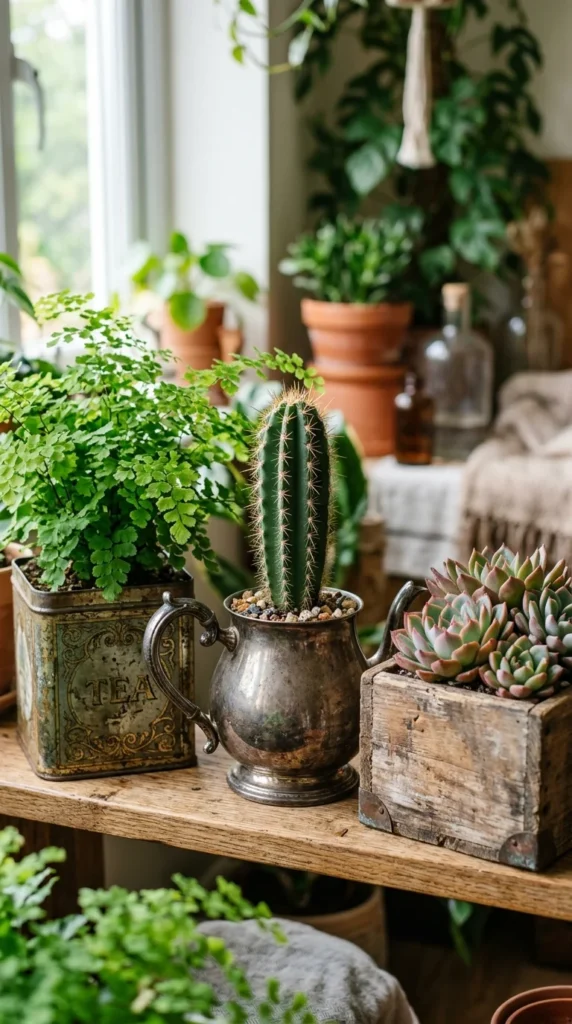
Upcycling vintage items into planters adds character and a sense of history to your home. Old tea tins, copper pots, wooden crates, and even vintage ceramic bowls can be given a second life. This approach is perfect for those who enjoy a “collected” or eclectic interior style, as each piece tells a unique story.
23. Desk Companions
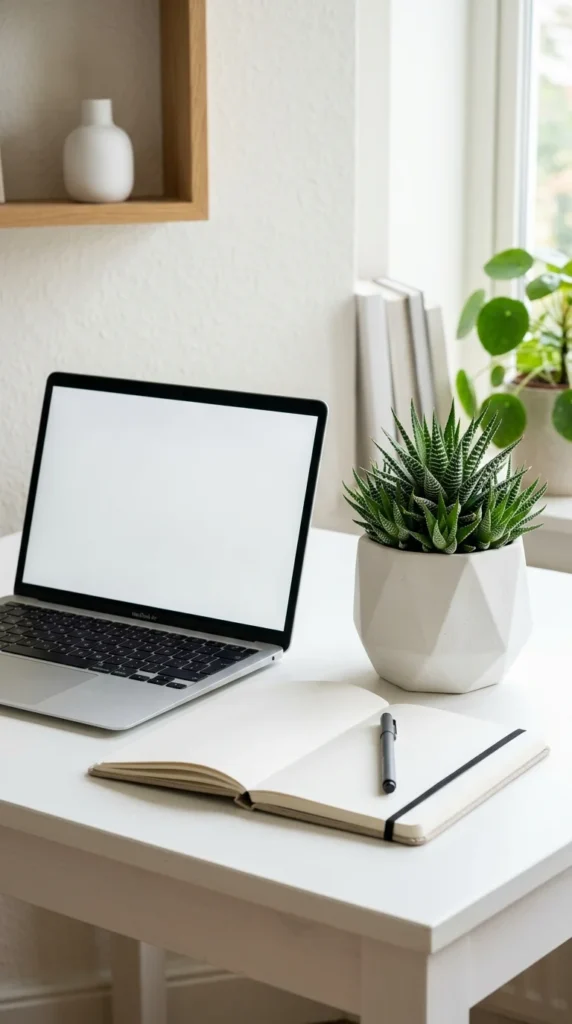
Adding a plant to your workspace can improve focus and air quality. Since desk space is often limited, small succulents or “desk buddies” like the Air Plant (Tillandsia) are ideal. They require minimal maintenance and provide a much-needed visual break from digital screens.
24. Room Dividers
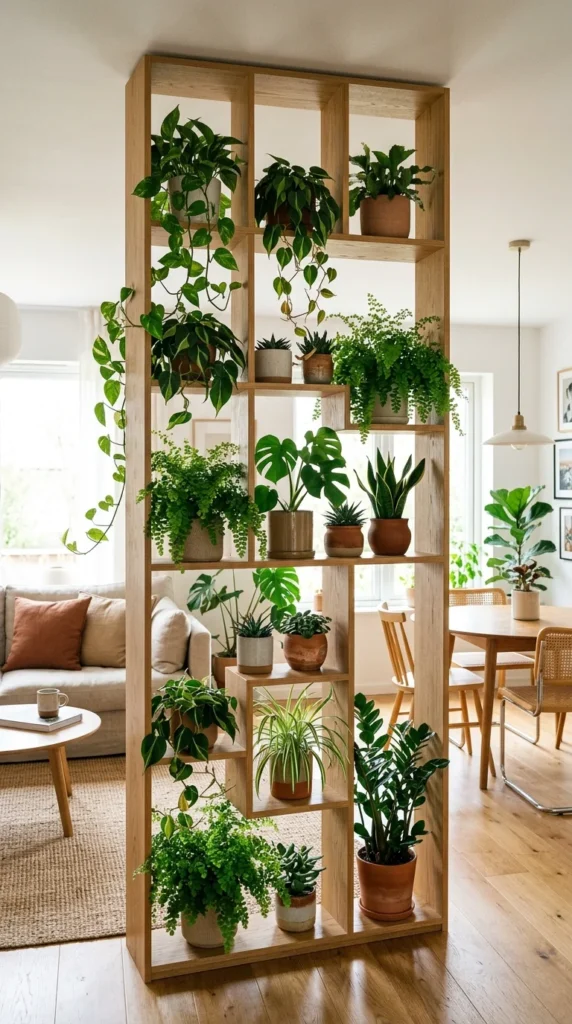
If you have an open-concept living space, you can use a large, open-backed bookshelf filled with plants as a room divider. This creates a “living screen” that defines separate areas without blocking light or making the space feel closed off. It offers a sense of privacy while maintaining an airy, organic feel.
25. Ceiling Suspensions
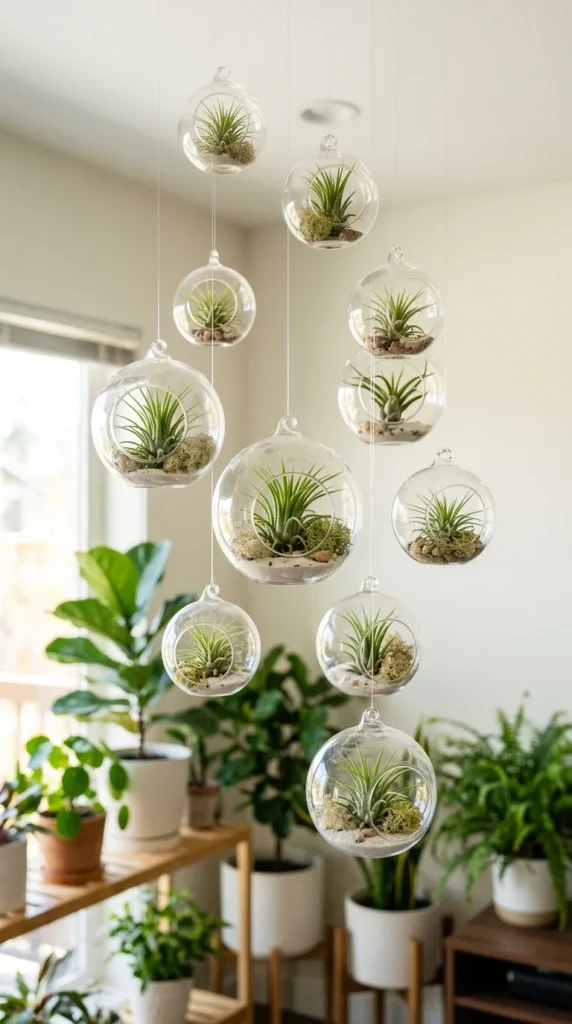
For a truly dramatic and modern look, consider suspending plants directly from the ceiling without visible hangers. Using clear fishing line to hang Air Plants or light-weight globes creates a “floating garden” effect. This is a great way to utilize high-ceiling spaces and adds a sense of magic and lightness to the room.
Curating Your Indoor Oasis
The key to successfully decorating with plants lies in the balance between the needs of the plant and the aesthetic of the room. Always consider the light levels and humidity of a space before choosing a plant to ensure it thrives. By mixing different heights, textures, and container styles, you can create a layered, professional-looking interior that feels vibrant and alive. Whether you start with a single statement tree or go all-in with a vertical garden, adding greenery is the fastest way to elevate your home’s design and improve your overall well-being.