The dream of harvesting fresh, organic produce is no longer reserved for those with sprawling backyards and rolling acres. As urban living becomes the norm, a new generation of “sky farmers” is proving that even the smallest concrete slab can be transformed into a productive Eden. Starting a balcony vegetable garden is an exercise in efficiency, creativity, and patience. Whether you have a tiny Juliet balcony or a spacious terrace, the principles of container gardening allow you to grow everything from spicy radishes to sun-ripened cherry tomatoes right outside your sliding glass door.
1. Sunlight Evaluation
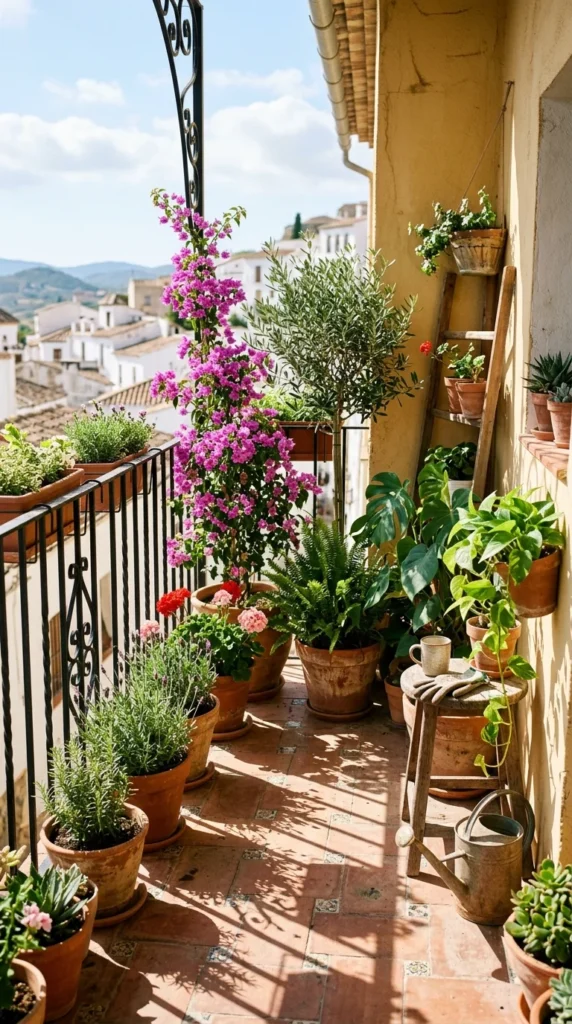
Sunlight is the primary fuel for your garden. Before buying a single seed, you must track the “solar path” of your balcony. Most fruiting vegetables, such as tomatoes, peppers, and cucumbers, require at least six to eight hours of direct sunlight. If your balcony is north-facing or shaded by neighboring buildings, you aren’t excluded from gardening; you simply need to pivot toward shade-tolerant crops like kale, spinach, lettuce, and certain herbs like mint or chives. Use a sun calculator app or simply set a timer to check the balcony every hour for one full day to see exactly where the light hits and for how long.
2. Weight Limits
Safety is the most overlooked aspect of balcony gardening. Wet soil is incredibly heavy. A large terracotta pot filled with saturated soil can weigh fifty pounds or more. Before building a massive raised bed on your balcony, check your building’s structural guidelines or lease agreement. To minimize weight, opt for lightweight containers made of resin, plastic, or fabric. Furthermore, use a high-quality potting mix rather than heavy garden soil, and consider placing larger, heavier pots near the load-bearing walls or over structural beams rather than at the very edge of the balcony railing.
3. Container Selection
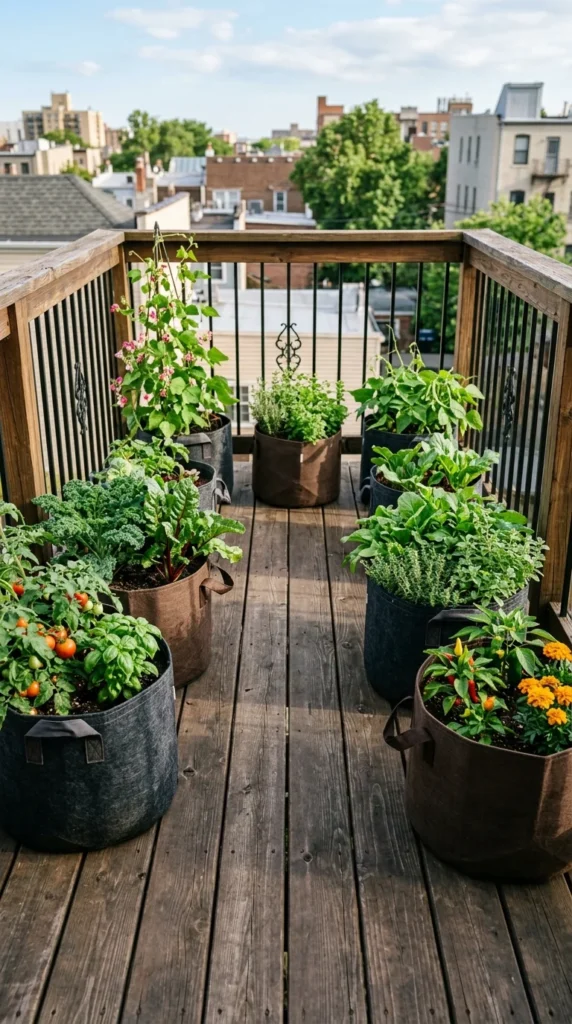
In a balcony garden, the container is the plant’s entire world. Drainage is the non-negotiable factor; any pot you choose must have holes at the bottom to prevent root rot. Fabric grow bags are an excellent choice for balconies because they are lightweight, breathable, and promote “air-pruning” of roots, which prevents the plant from becoming root-bound. For those with limited floor space, railing planters that hook over the edge are invaluable for growing herbs and strawberries. Ensure your pots are sized correctly for the crop; a tomato plant needs at least a 5-gallon container, while salad greens can thrive in shallow troughs only six inches deep.
4. Potting Mix
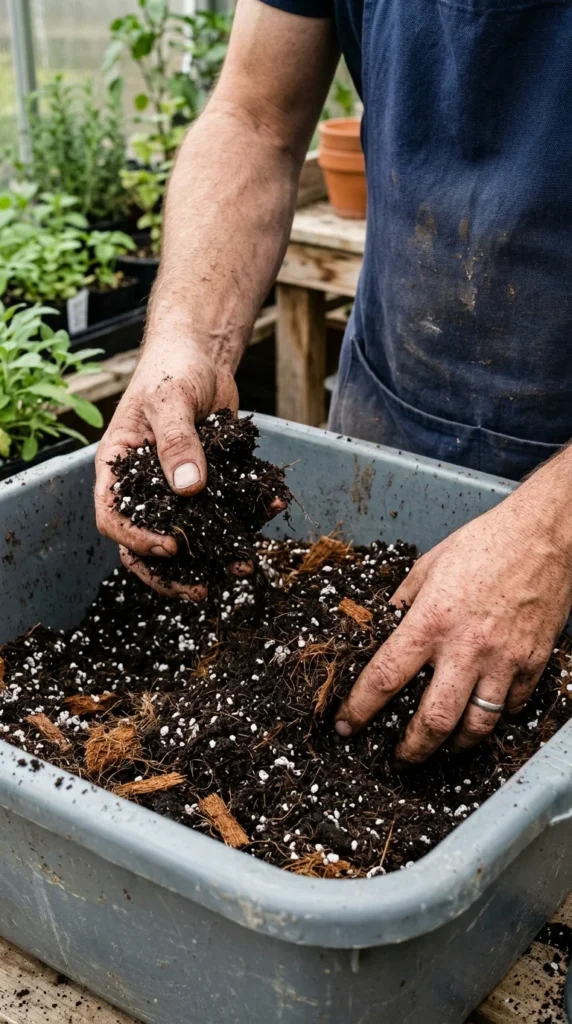
Never use “topsoil” or “garden soil” from the ground in a balcony garden. It is too dense, lacks aeration, and may harbor pests or pathogens. Instead, invest in a high-quality “soilless” potting mix. These mixes are typically composed of peat moss or coconut coir (for moisture retention), perlite or vermiculite (for aeration), and compost (for nutrients). Because containers leach nutrients every time you water, look for a mix that includes a slow-release organic fertilizer to give your seedlings a strong start. The goal is a medium that is fluffy enough to allow roots to penetrate easily but substantial enough to hold moisture.
5. Crop Selection
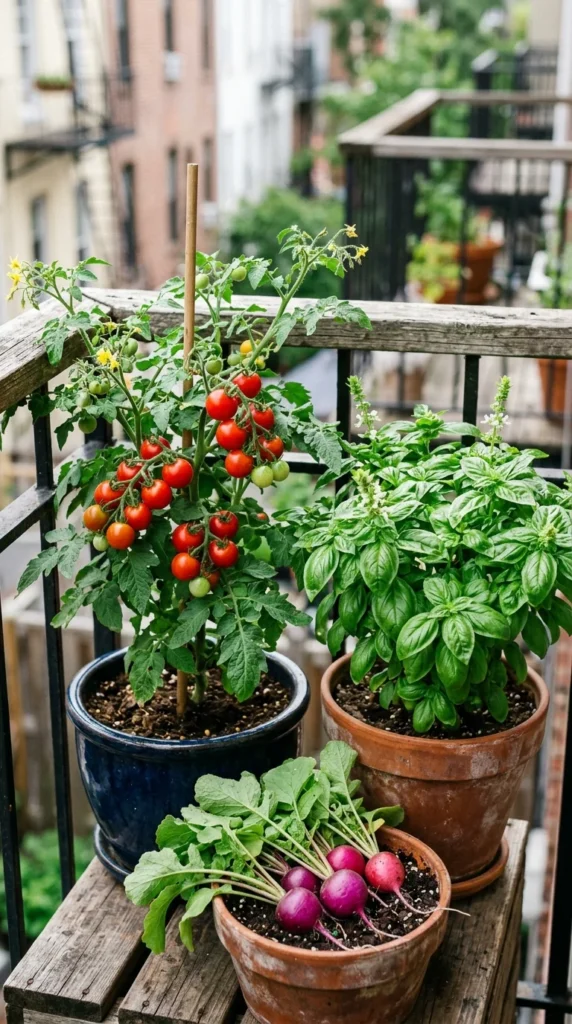
Success in a small space depends on choosing the right varieties. Look for “dwarf,” “patio,” or “determinate” varieties of your favorite vegetables. These are specifically bred to stay compact while still producing high yields.
- Leafy Greens: Lettuce, arugula, and spinach are perfect for beginners because they grow fast and handle partial shade.
- Herbs: Basil, rosemary, thyme, and parsley are high-value crops that take up very little space.
- Root Vegetables: Radishes and carrots (look for “thumb-sized” varieties) grow well in deep pots.
- Fruiting Vegetables: Cherry tomatoes and snack peppers are more successful in pots than large beefsteak varieties.
6. Vertical Systems
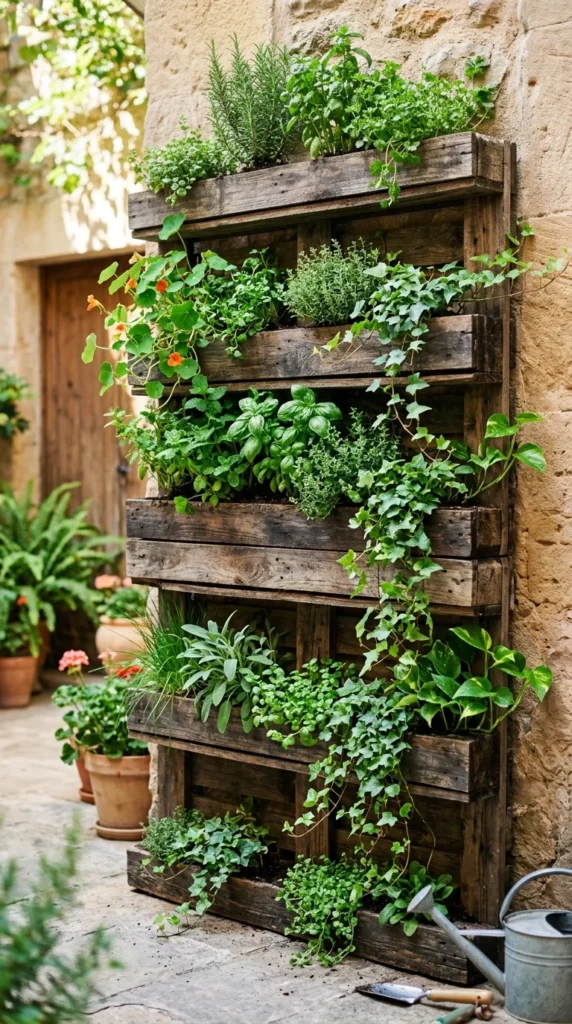
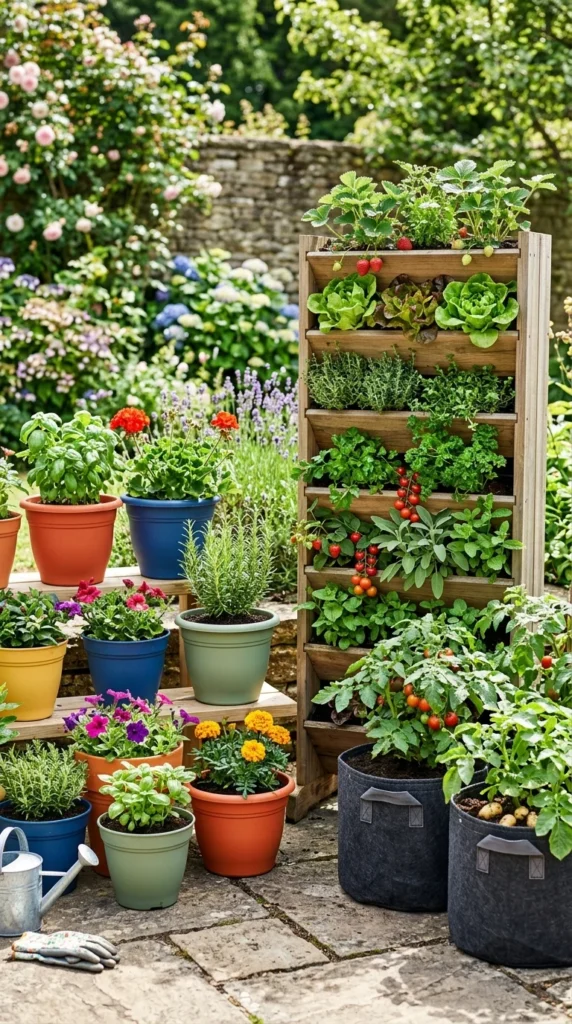
When you run out of floor space, look up. Vertical gardening is the secret weapon of the urban farmer. Utilize trellises for climbing plants like snap peas, pole beans, or even small cucumbers. Hanging baskets can house trailing cherry tomatoes or strawberries, keeping the floor clear for larger pots. Wall-mounted planters or “living wall” felt pockets turn a boring brick wall into a lush tapestry of salad greens. By growing upward, you multiply your harvestable square footage without increasing the footprint of your garden.
7. Watering Routine
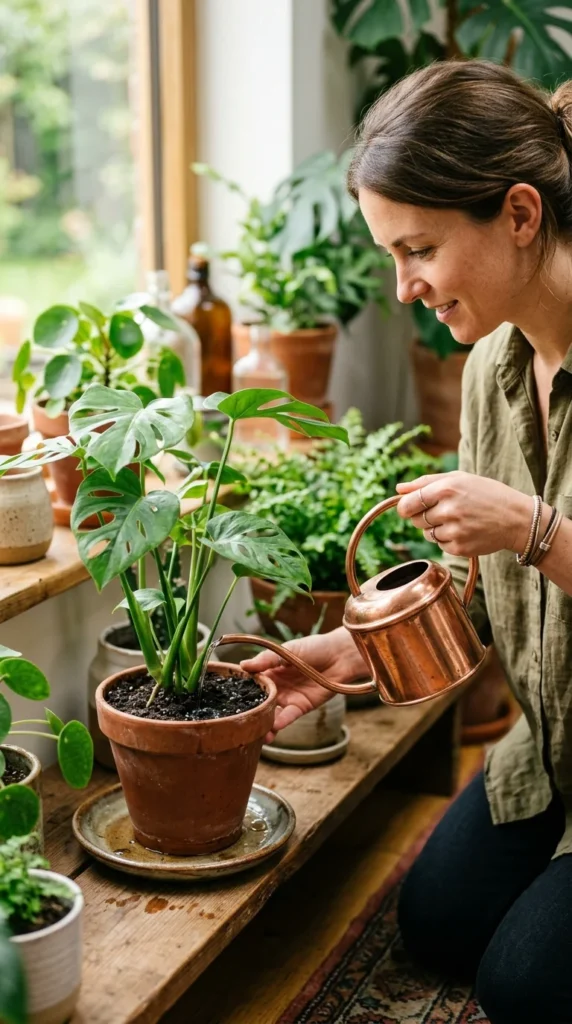
Container plants dry out much faster than those in the ground. On a hot, windy balcony, you may need to water your plants twice a day. The “finger test” is your best tool: stick your finger an inch into the soil; if it feels dry, it’s time to water. However, be mindful of your neighbors below. Use saucers under every pot to catch excess water and prevent it from dripping onto someone else’s balcony. For a more hands-off approach, consider self-watering containers which have a reservoir at the bottom, or a simple gravity-fed drip irrigation system connected to a small rain barrel or outdoor tap.
8. Wind Protection
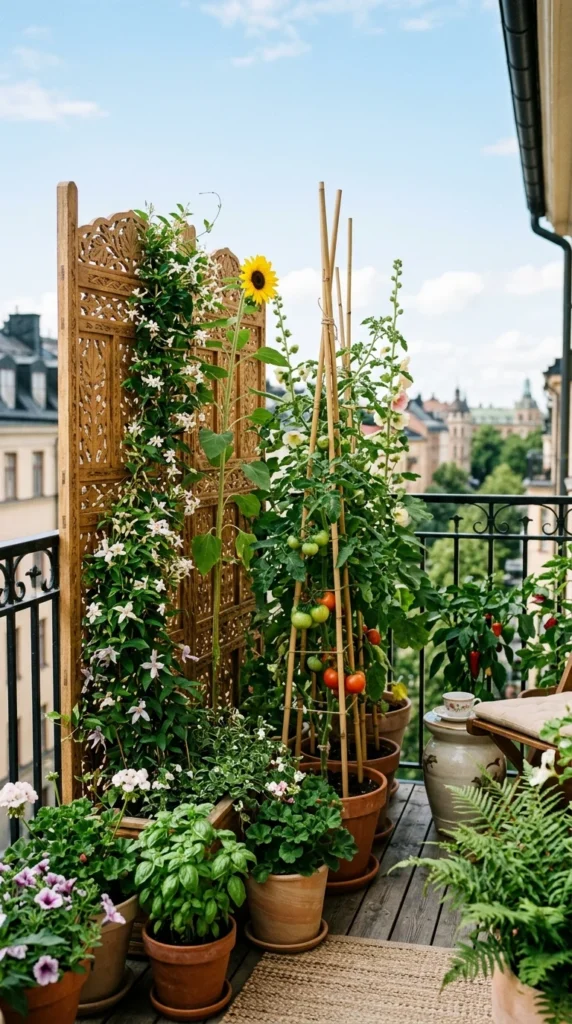
Wind is the silent enemy of the balcony gardener. High-rise balconies can experience intense gusts that dry out foliage and topple top-heavy plants. To combat this, secure your pots to the railing using heavy-duty zip ties or brackets. Use stakes and cages for any plant taller than a foot to provide structural support. If your balcony is particularly windy, you can create a windbreak using a mesh screen or by placing hardier, wind-resistant plants (like ornamental grasses) on the windward side to protect your delicate vegetables.
9. Nutrient Management
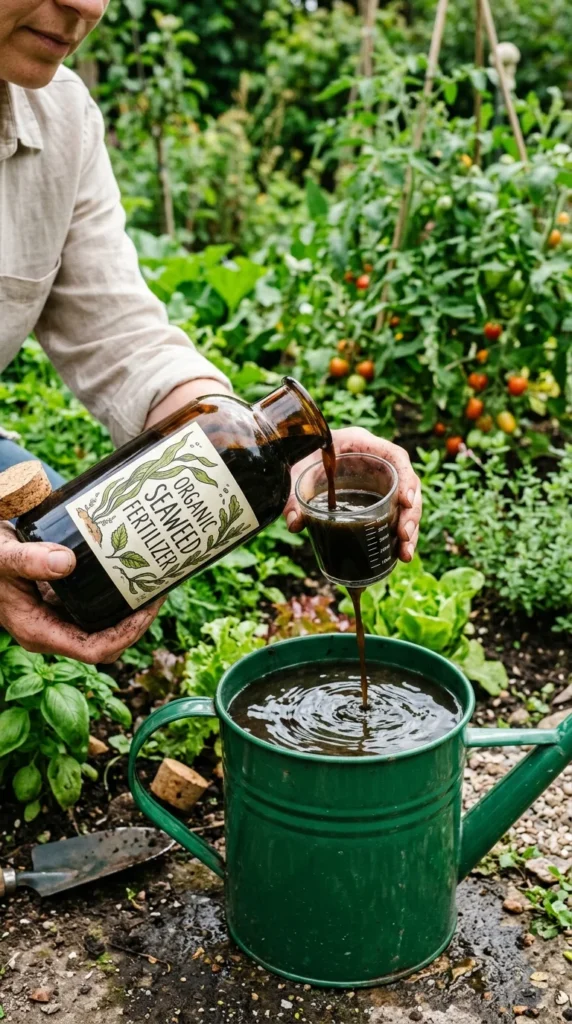
Because the root system of a container plant is confined, it quickly exhausts the nutrients in the potting mix. To keep your garden productive throughout the season, you must supplement with fertilizer. Organic liquid fertilizers, such as fish emulsion or seaweed extract, are excellent for a quick boost and are easy to apply during your regular watering routine. For leafy greens, look for a nitrogen-rich fertilizer. For flowering and fruiting plants like tomatoes, use a formula higher in phosphorus and potassium to encourage bloom and fruit development.
10. Pest Management
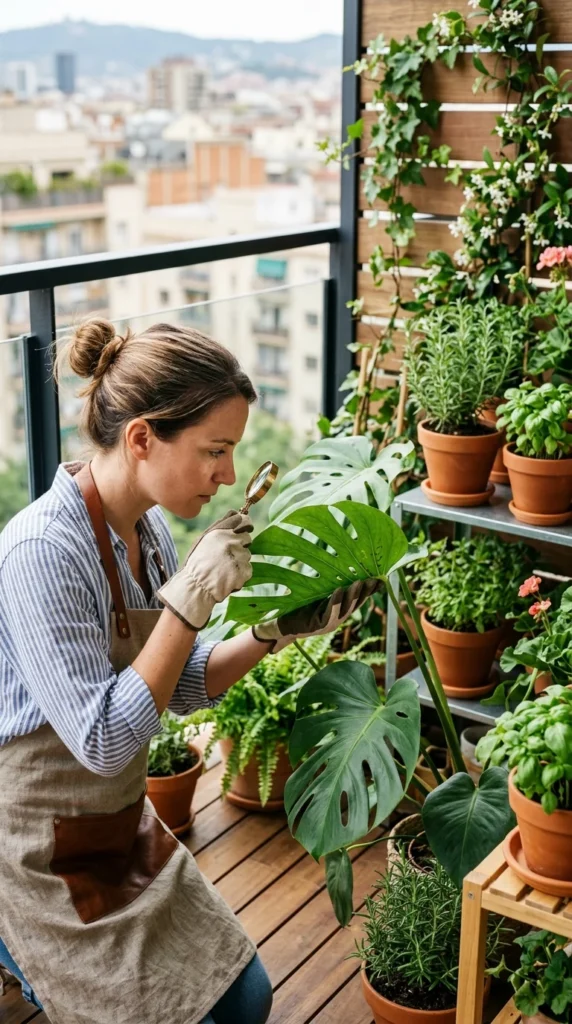
Even on the tenth floor, pests will find your garden. Aphids, spider mites, and whiteflies can hitch a ride on the wind or come home on a new nursery plant. Inspect your plants daily for signs of yellowing leaves or sticky residue. Because you are growing food in a small, often enclosed space, avoid harsh chemical pesticides. A simple solution of water and organic castile soap or neem oil is usually enough to handle most infestations. Encourage “good bugs” like ladybugs by planting flowers like marigolds or alyssum alongside your vegetables, creating a mini-ecosystem that manages pests naturally.