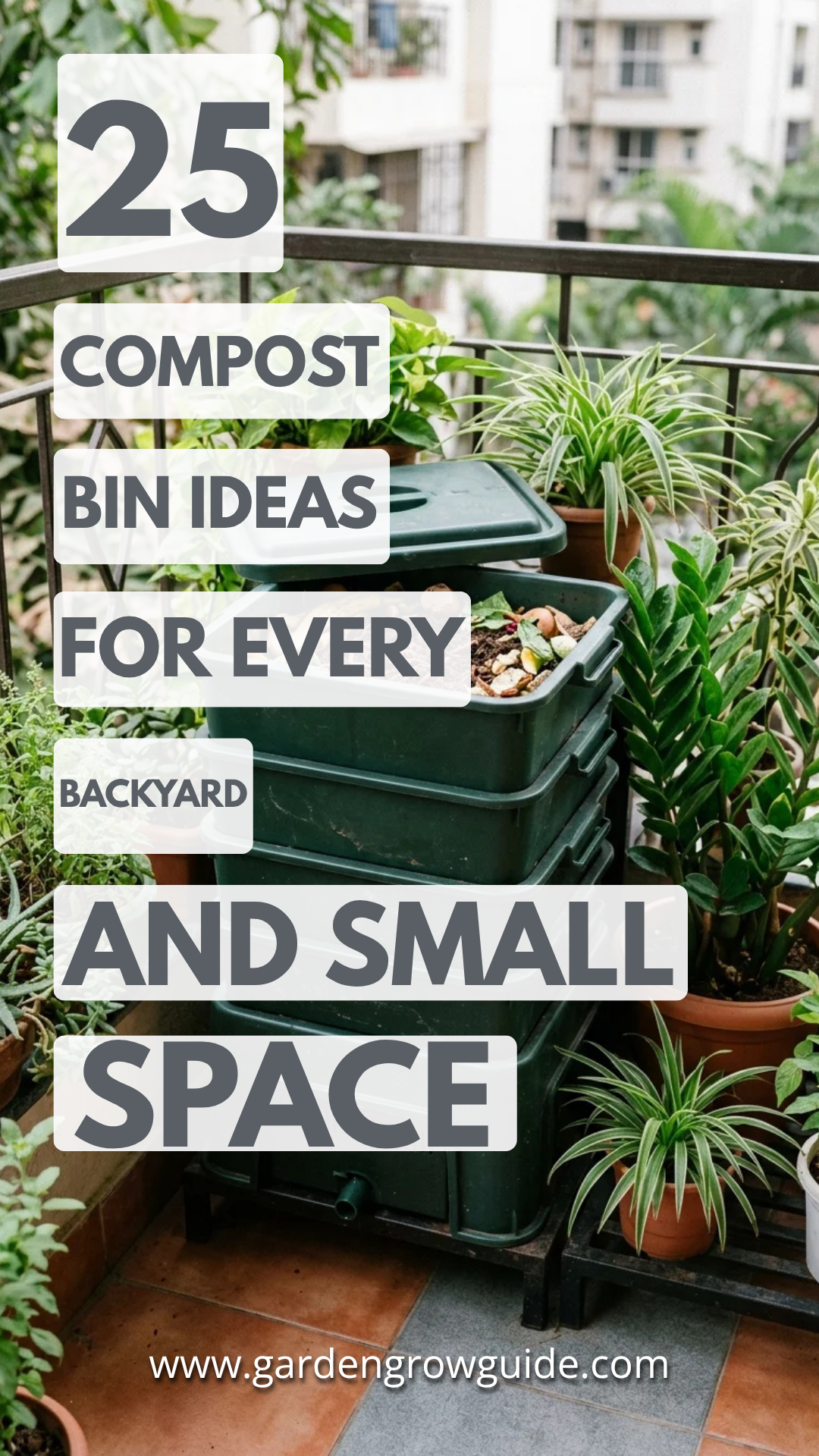
Composting is the cornerstone of sustainable gardening, transforming kitchen scraps and yard waste into “black gold.” Whether you live on a sprawling rural estate or in a compact city apartment, there is a composting solution tailored to your space, budget, and lifestyle. By diverting organic waste from landfills, you not only reduce your carbon footprint but also create a nutrient-dense amendment that revitalizes your soil and promotes healthy plant growth.
The following 25 ideas cover the spectrum from rustic DIY projects to high-tech indoor appliances, ensuring that everyone can participate in the cycle of regeneration.
1. Wooden Pallets
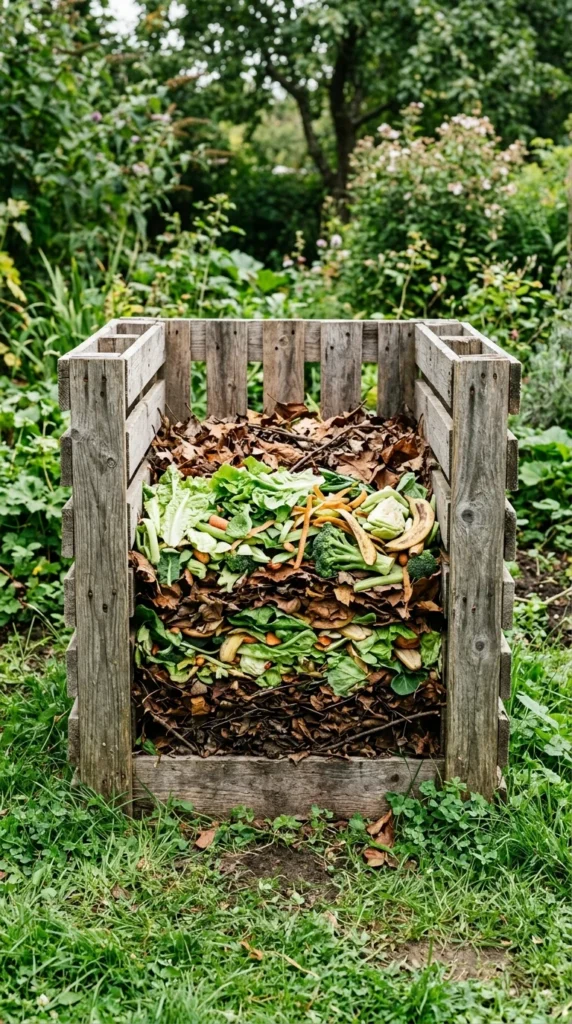
Wooden pallets are perhaps the most popular DIY composting solution. They are often free to acquire and provide excellent ventilation due to the natural gaps between the slats. By securing three or four pallets together with heavy-duty zip ties or screws, you can create a large-capacity bin that is perfect for heavy yard waste and kitchen scraps.
2. Plastic Tumblers
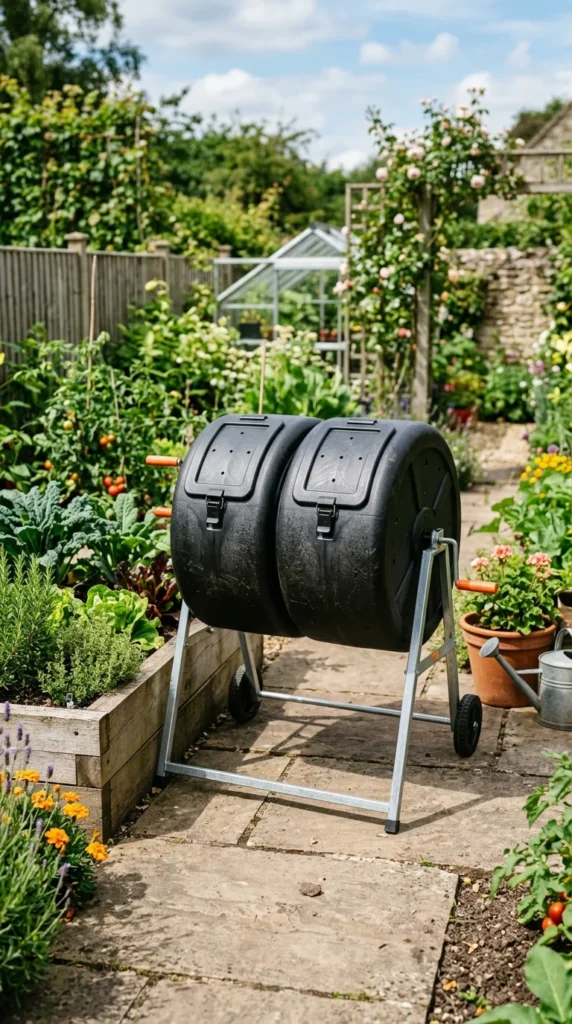
Tumblers are ideal for those who want fast results without the physical labor of manual turning. These elevated bins allow you to rotate the contents easily, which aerates the pile and speeds up the decomposition process. Many models feature dual chambers, allowing you to fill one side while the other cures.
3. Wire Mesh
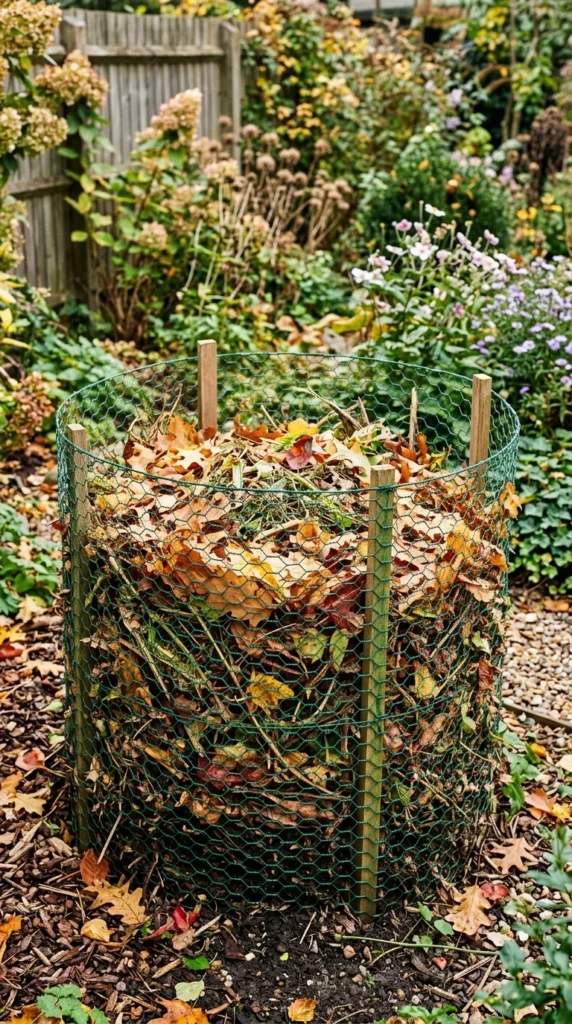
Wire mesh bins are incredibly simple and cost-effective. By forming a cylinder out of hardware cloth or chicken wire, you create a lightweight structure that maximizes airflow. This is particularly effective for “cold composting” leaves and grass clippings over a long period.
4. Concrete Blocks
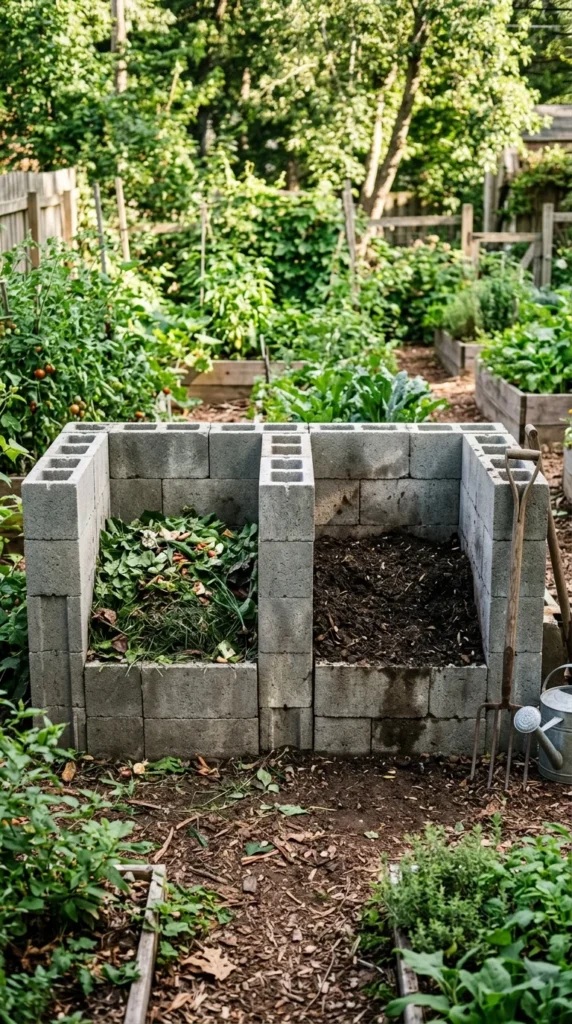
For a permanent and incredibly durable solution, concrete blocks are an excellent choice. They retain heat well, which can help speed up the breakdown of organic matter during cooler months. The gaps in the blocks can also be used to plant small herbs or flowers, integrating the bin into the garden landscape.
5. Worm Bins
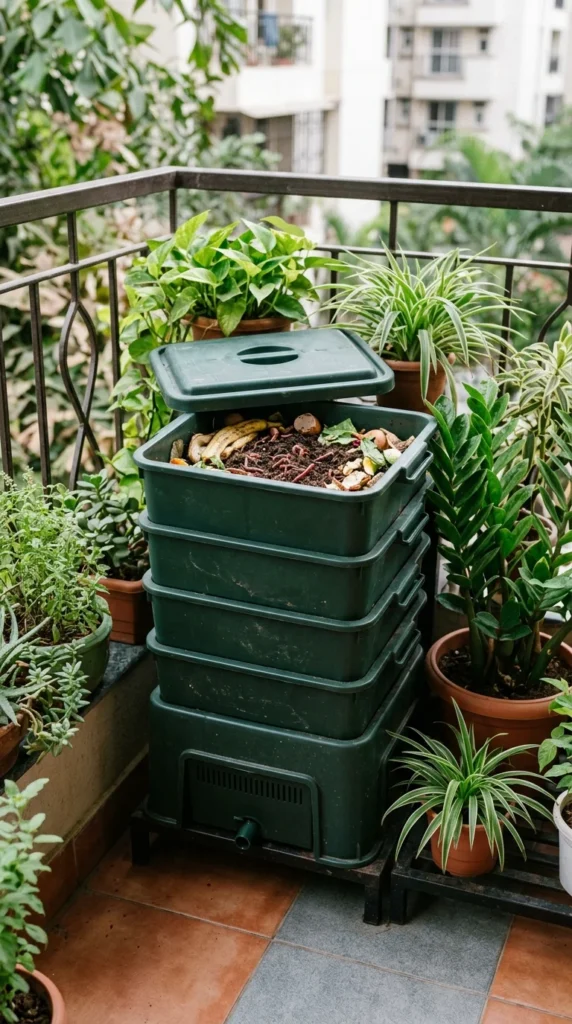
Also known as vermicomposting, worm bins are the gold standard for small spaces and apartments. Using specialized Red Wiggler worms, these bins process kitchen scraps quickly and produce high-quality worm castings and “compost tea,” both of which are potent fertilizers for houseplants and container gardens.
6. Bokashi Bins
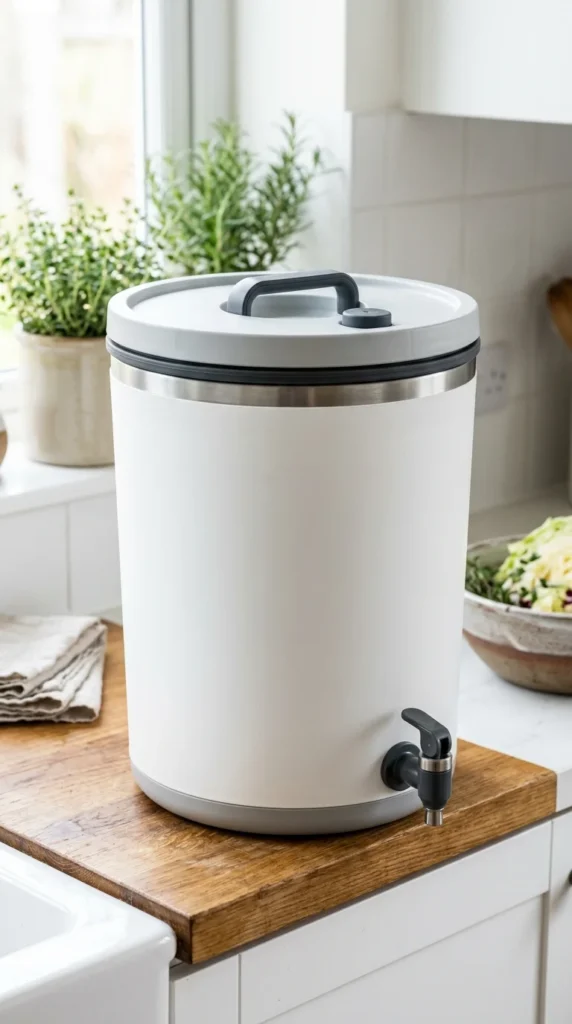
Bokashi is a Japanese method that uses an inoculant (usually bran) to ferment organic waste, including meat and dairy, which are typically excluded from traditional piles. Because the process is anaerobic and takes place in a sealed bucket, it is odorless and perfect for indoor use.
7. Trench Composting
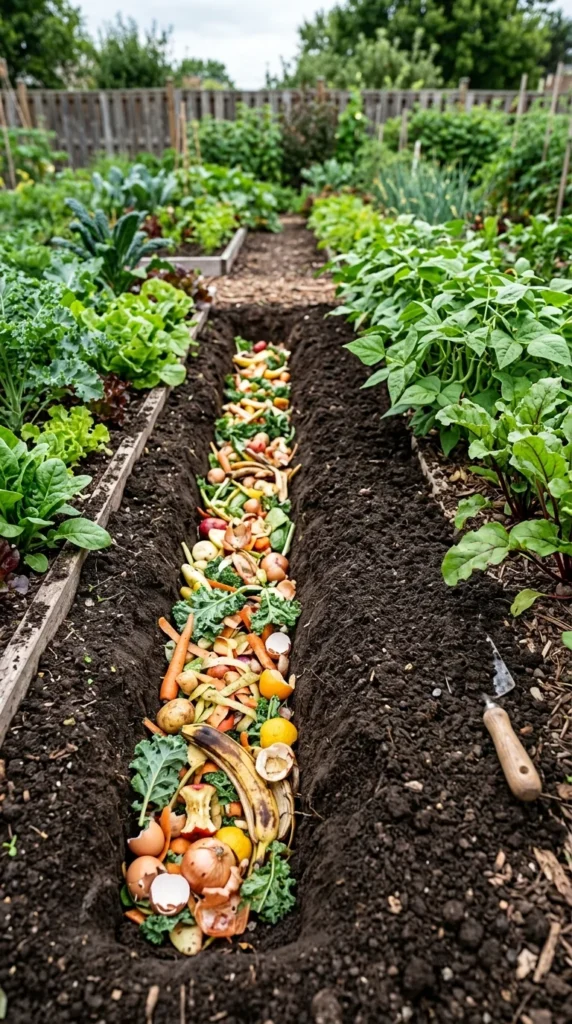
If you prefer an “out of sight, out of mind” approach, trench composting is the way to go. You simply dig a hole or trench in your garden, bury your scraps, and let the soil microbes do the work. This method requires no bin at all and delivers nutrients directly to the root zones of your plants.
8. Cedar Bins
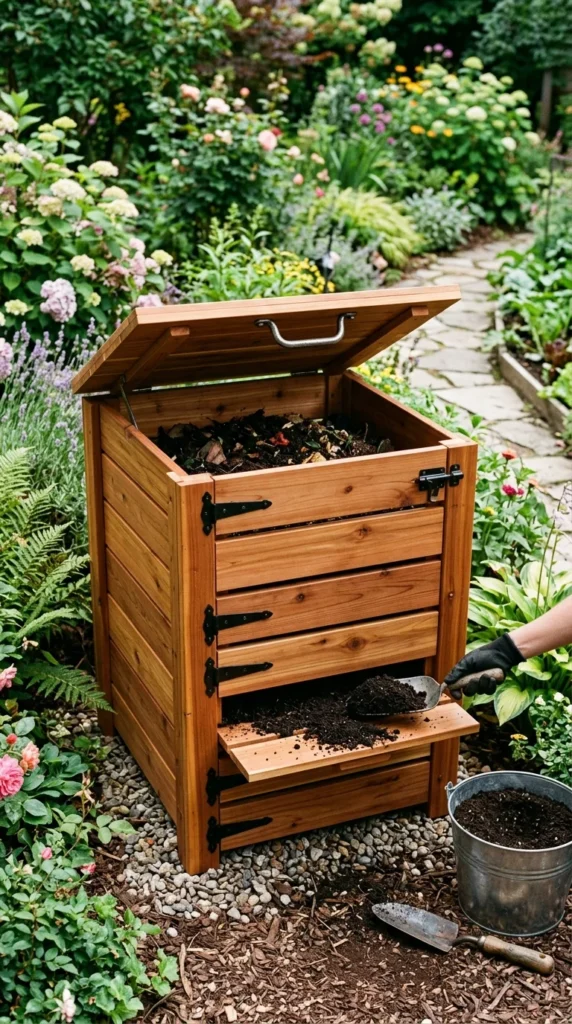
Cedar is naturally rot-resistant and aesthetically pleasing, making it a favorite for homeowners who want their compost bin to look like a piece of high-quality garden furniture. While more expensive than pallets, cedar bins can last for decades and age beautifully to a silvery-grey patina.
9. Trash Can Conversion
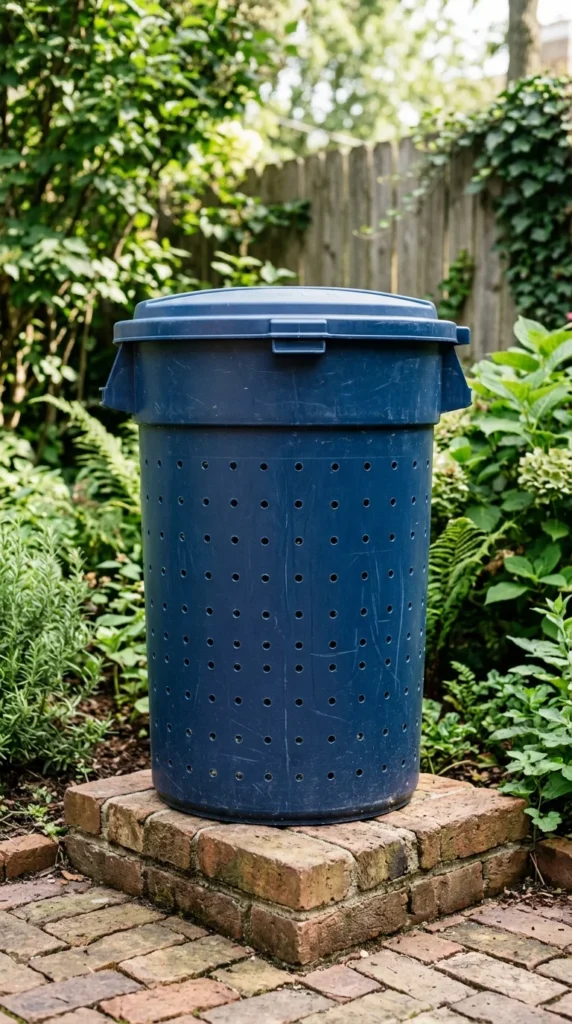
A standard plastic trash can can be easily converted into a functional compost bin. By drilling aeration holes throughout the body and lid, you create a portable, pest-proof container. Adding wheels to the bottom makes it easy to move the compost to wherever it is needed in the yard.
10. Countertop Bins
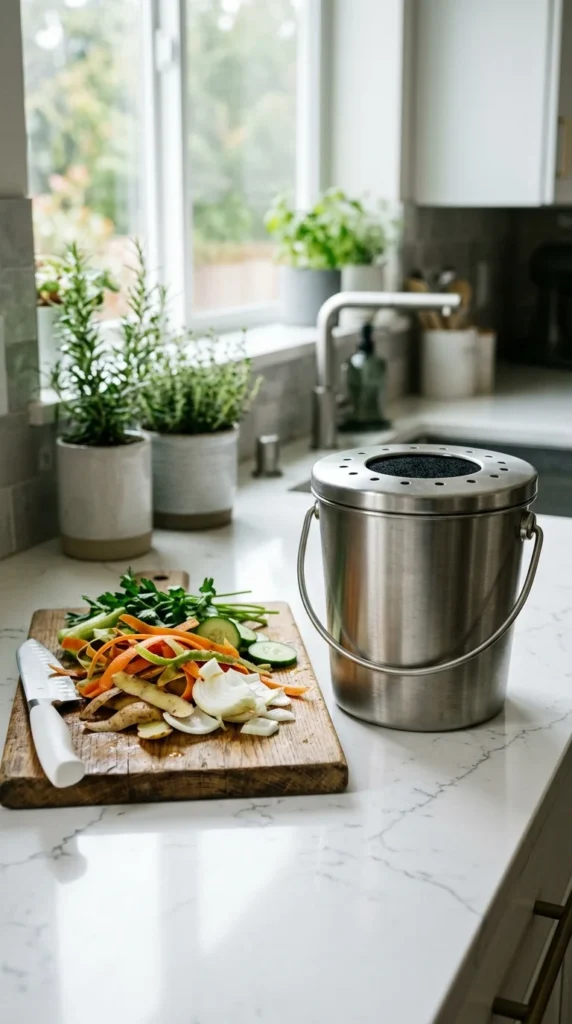
A countertop bin serves as a convenient collection point for daily kitchen scraps. These are designed to be attractive and odor-free, usually featuring carbon filters. Once full, the contents are transferred to a larger outdoor bin or a community composting site.
11. Three-Bin System
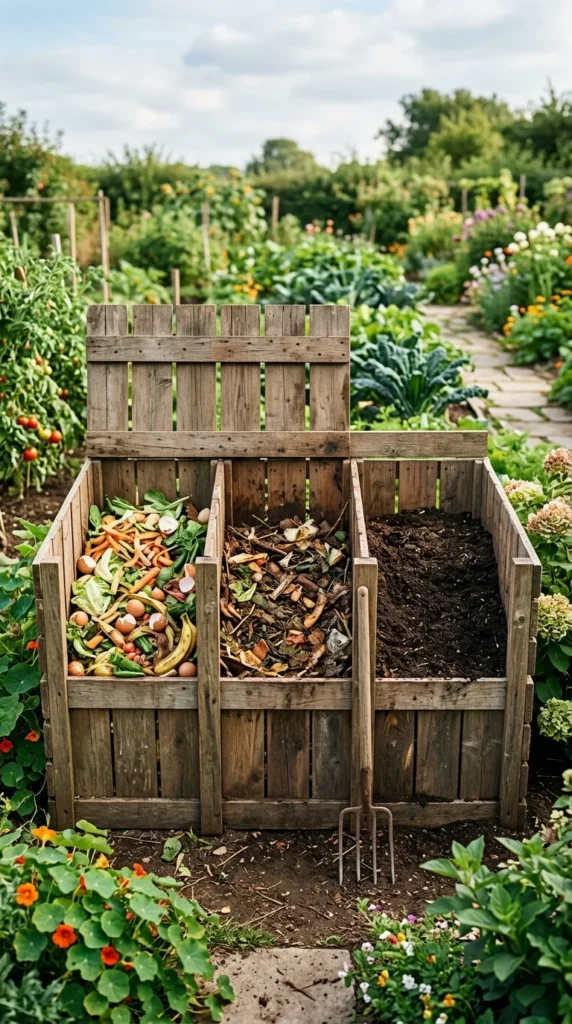
The three-bin system is the ultimate setup for serious gardeners. It allows for a continuous cycle: one bin is for “receiving” fresh waste, the middle bin is for “active” composting, and the third bin is for “curing” finished compost. This ensures you always have a fresh supply of fertilizer ready.
12. Woven Wattle Bins
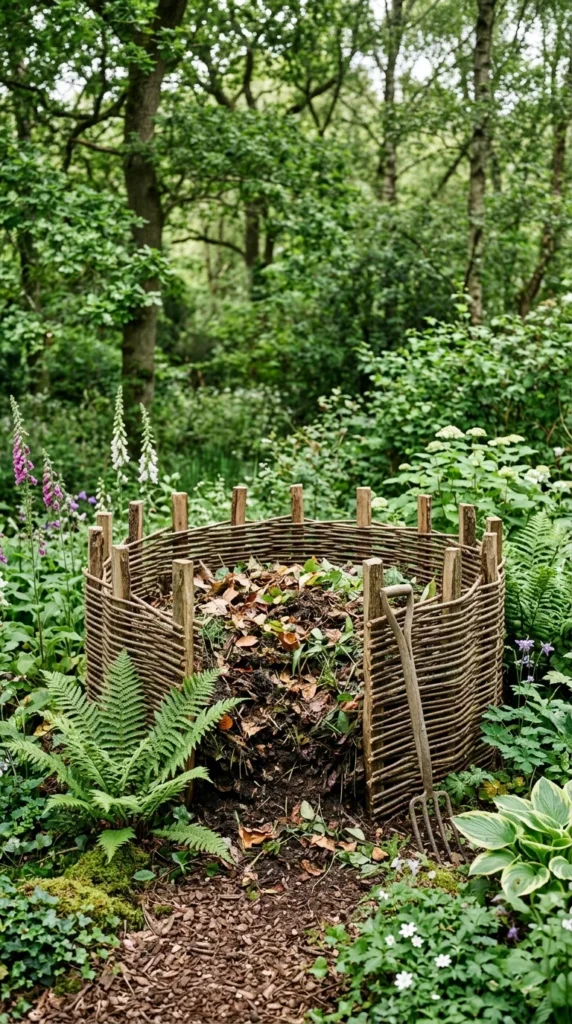
Wattle bins use ancient technology to create a beautiful, organic structure. By weaving flexible branches (like willow or hazel) around upright stakes, you create a breathable wall that keeps the pile tidy while adding a fairy-tale aesthetic to the garden.
13. Recycled Tire Stacks
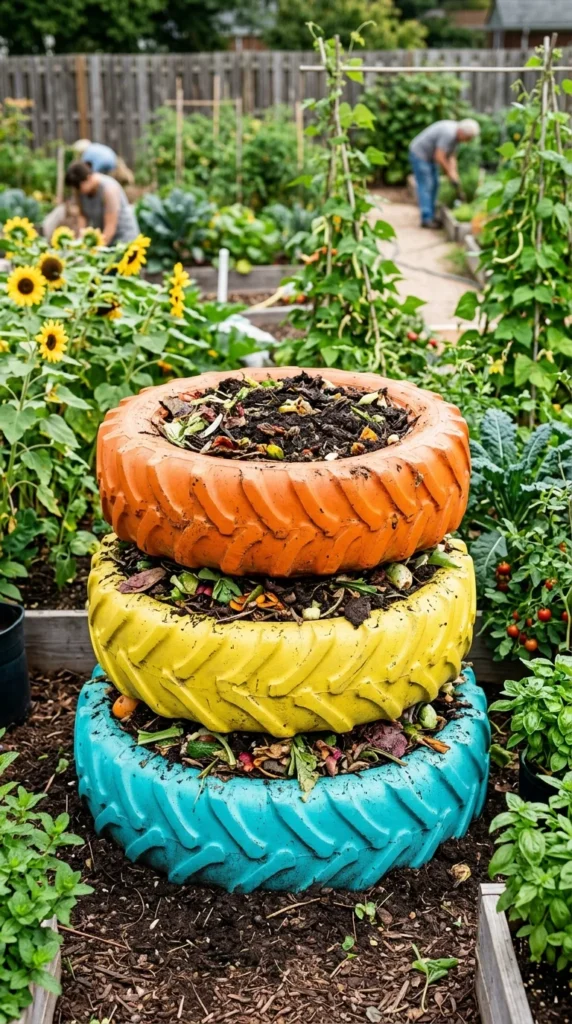
Old tires can be repurposed into modular compost bins. As the pile grows, you simply add another tire to the stack. The black rubber absorbs heat from the sun, which accelerates the breakdown of the contents inside.
14. Electric Composters
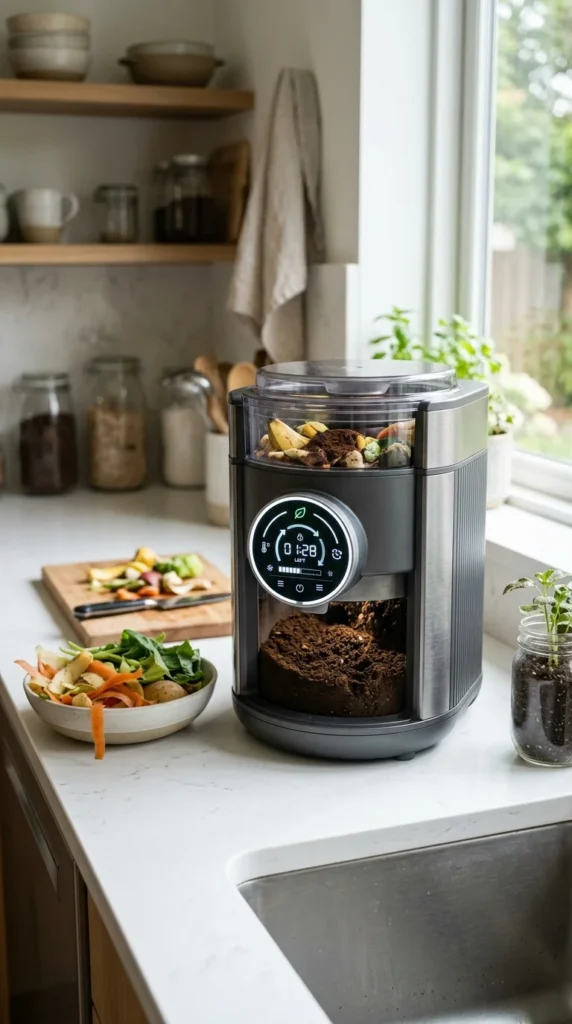
Electric composters are the fastest solution available, often turning food scraps into a dry, nutrient-rich “pre-compost” in just a few hours. While they require electricity, they are perfect for urban dwellers with zero outdoor space who want to eliminate food waste instantly.
15. Laundry Basket Bins
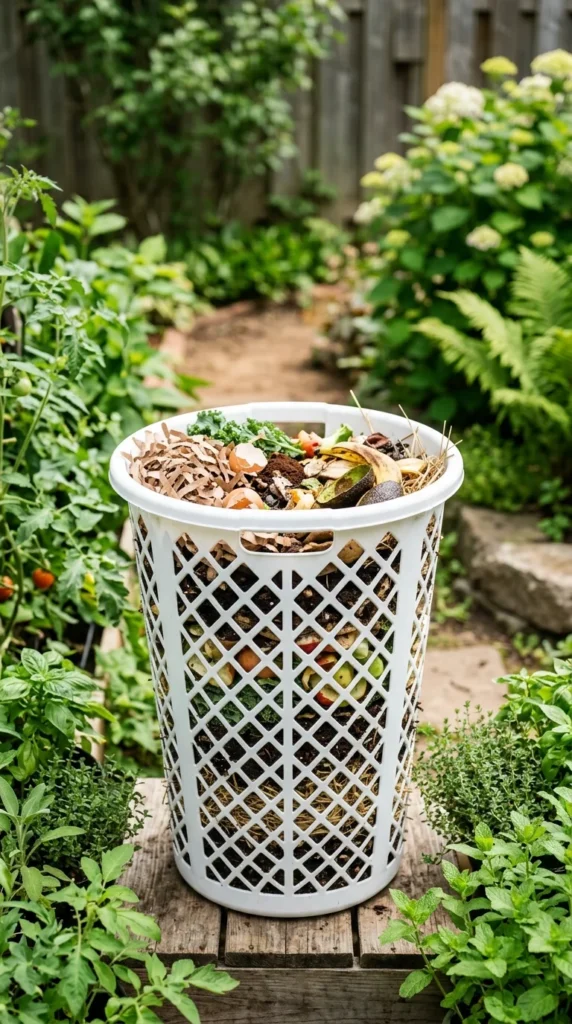
For a temporary or very low-budget small-space solution, a plastic laundry basket provides built-in aeration. Because of the many holes, the organic matter stays well-oxygenated, though it may require a cover to prevent the pile from drying out too quickly.
16. Burlap Sacks
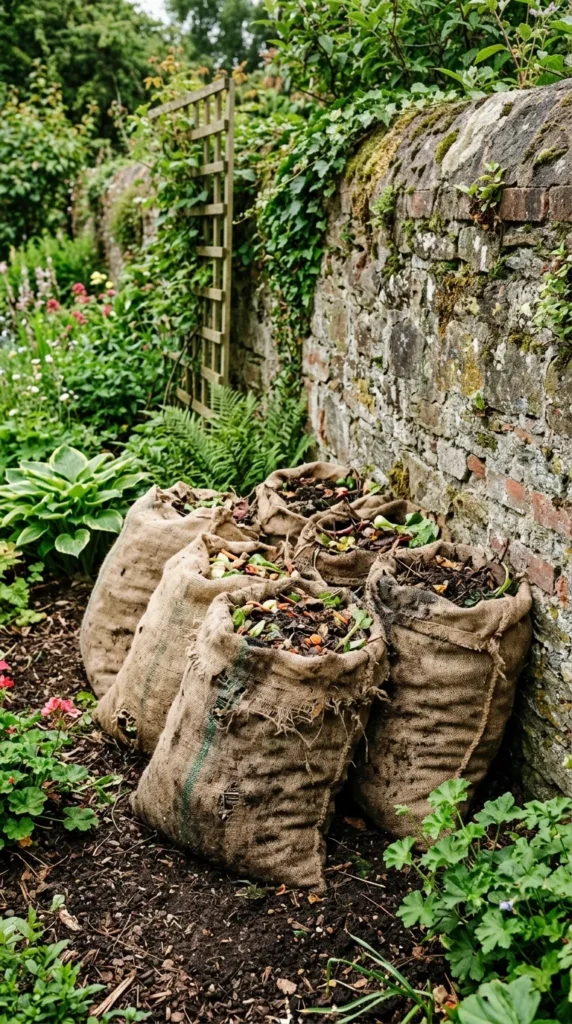
Burlap sacks are excellent for “bag composting.” You fill them with a mix of greens and browns, dampen them, and let them sit. The fabric allows for airflow while retaining moisture. Once the material inside has broken down, the bag itself can often be composted as well.
17. Galvanized Metal Bins
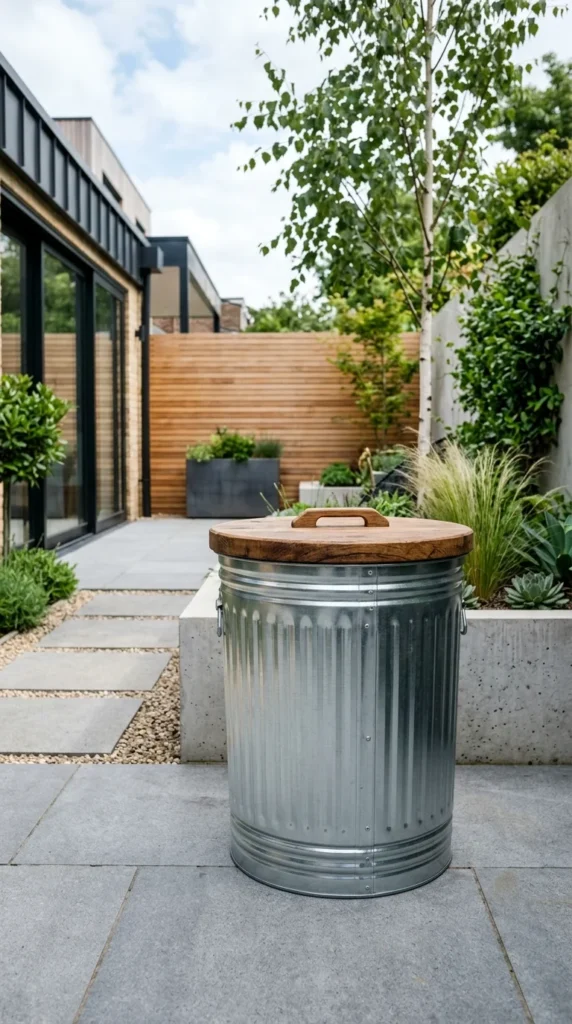
Metal bins provide a sleek, industrial look and are virtually indestructible. They are excellent at keeping out rodents and other pests. If used in full sun, the metal can heat up significantly, which helps kill weed seeds and pathogens in the compost.
18. Subpod
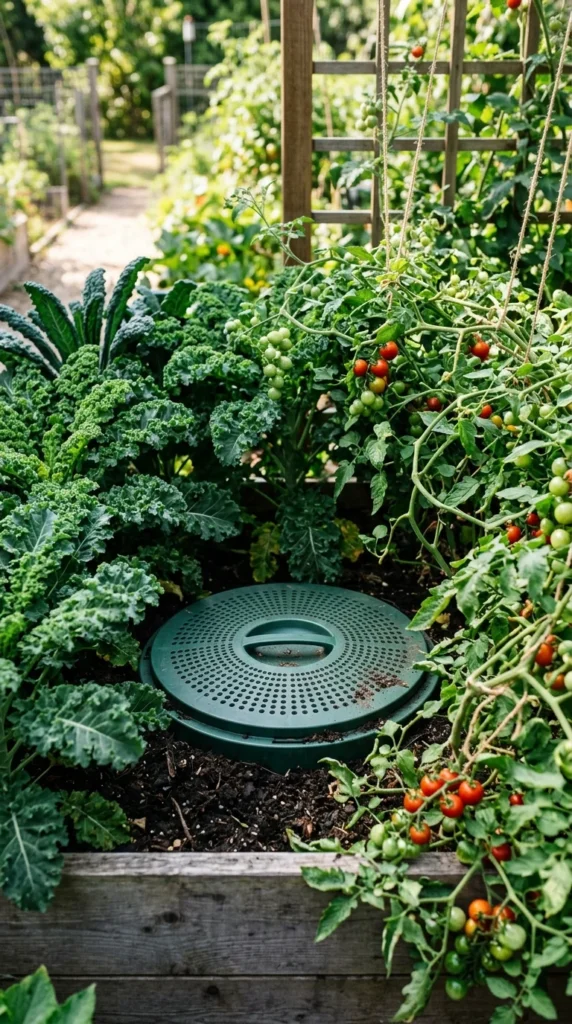
The Subpod is a unique hybrid that combines vermicomposting with a raised bed. The bin is buried in the soil, allowing worms to move freely between the compost and the surrounding garden. This keeps the worms insulated from temperature extremes and fertilizes the plants directly.
19. Straw Bale Enclosures
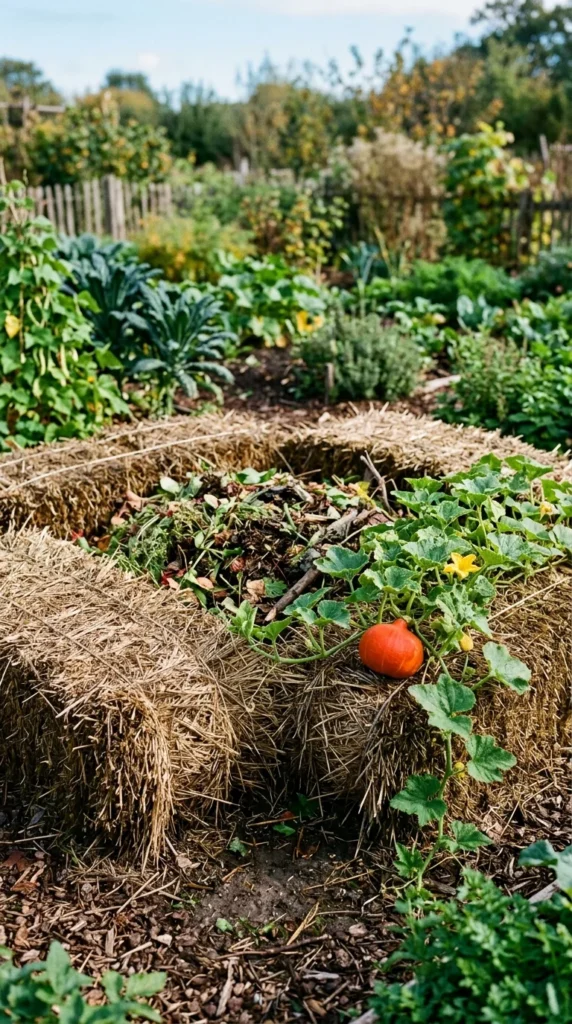
Straw bales can be used to create the walls of a temporary compost bin. Over the course of a year, the straw itself will begin to decompose, contributing “brown” material to the pile. At the end of the season, the entire structure can be turned into the garden.
20. Milk Crate Towers
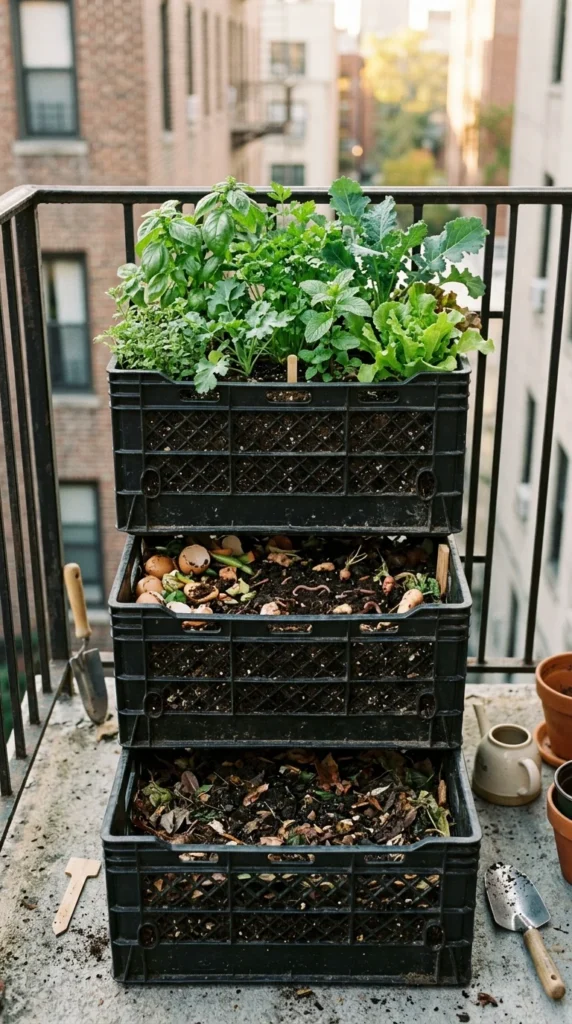
For vertical composting in tight quarters, milk crates can be stacked to create a modular system. The mesh sides provide excellent airflow, and the crates are easy to unstack when it’s time to harvest the finished compost from the bottom layer.
21. Wine Barrel Bins
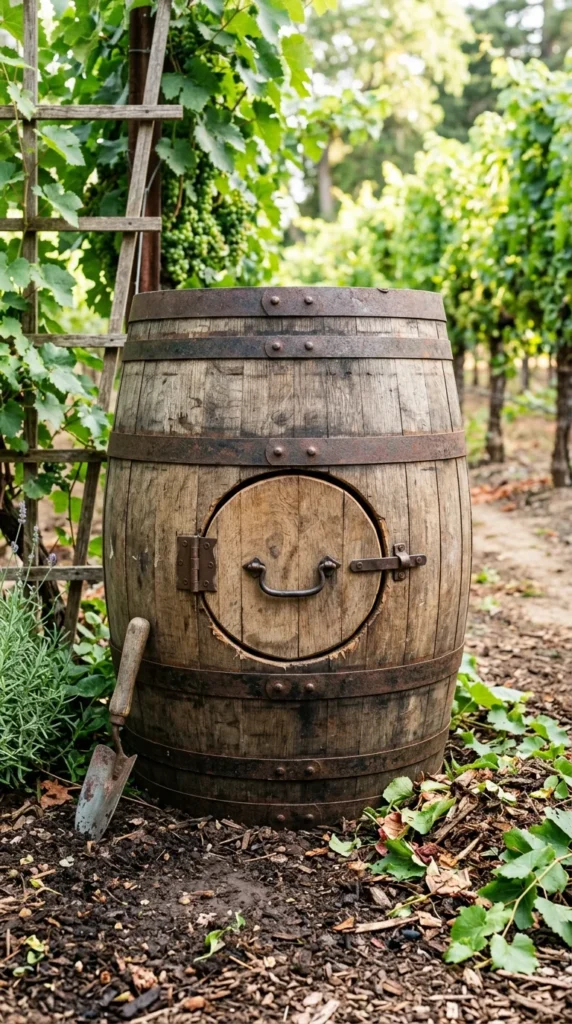
Repurposed wine or whiskey barrels make for incredibly sturdy and attractive composters. They hold heat well and have a large capacity. They are particularly popular in suburban gardens where aesthetics are a high priority.
22. Plastic Totes
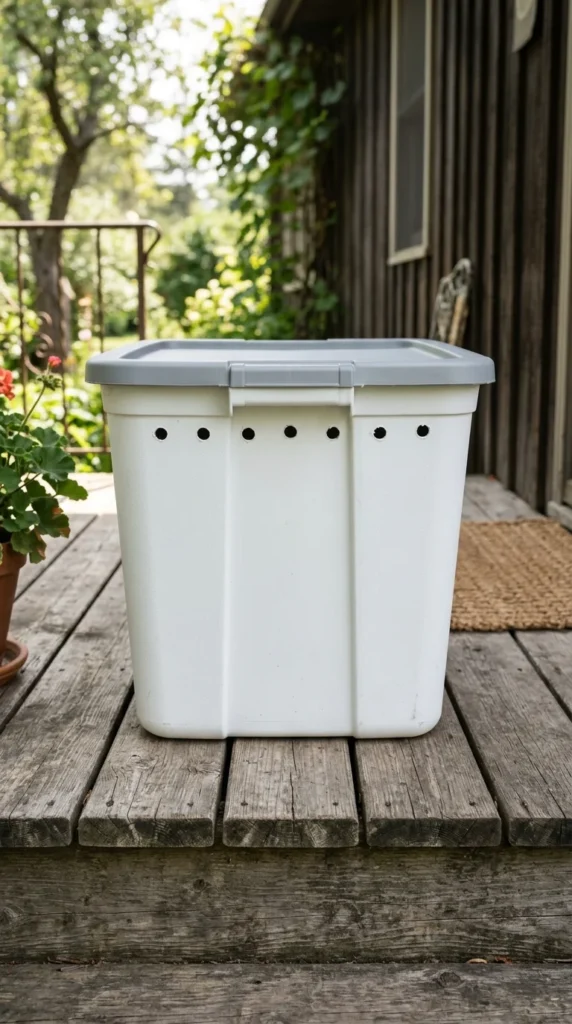
Standard storage totes are the “bread and butter” of DIY composting. They are inexpensive and easy to find. By drilling holes for aeration and drainage, you can create a functional bin that fits in a closet, under a sink, or on a small patio.
23. Brick Composter
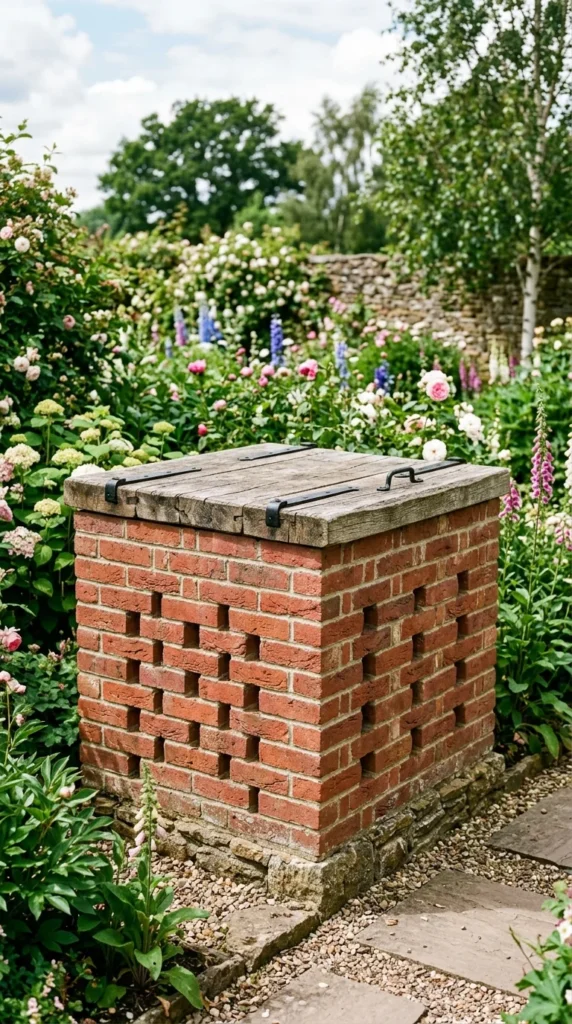
If you have leftover bricks from a home project, you can stack them to create a custom compost bin that matches your home’s architecture. A brick bin is a permanent fixture that provides excellent insulation for the microbial activity inside.
24. Geobin
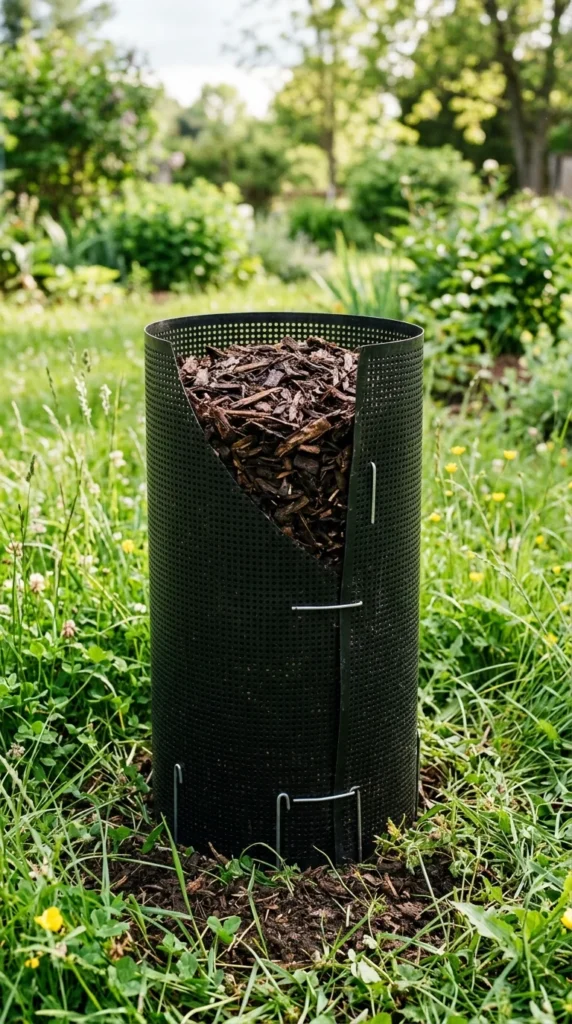
The Geobin is a commercial product that consists of a long, perforated plastic sheet that you roll into a cylinder of varying diameters. It is one of the most affordable ways to start a large-scale composting operation and is very easy to disassemble and move.
25. Leaf Mold Cages
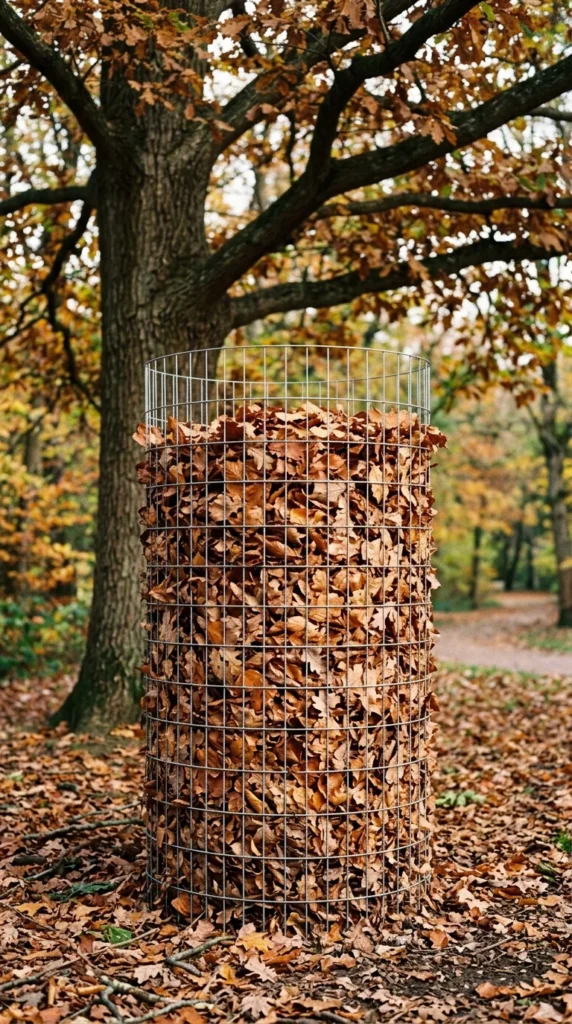
Leaf mold is a specific type of compost made entirely from leaves. Because leaves take longer to break down than food scraps, a simple wire cage is the best way to contain them while they decompose over a year or two. The resulting material is the perfect soil conditioner for woodland plants and ferns.