Maintaining a thriving garden often feels like a constant battle against nature’s hungriest inhabitants. While chemical pesticides offer a quick fix, they often come with hidden costs, including the destruction of beneficial pollinators, soil degradation, and potential health risks to humans and pets. Transitioning to natural pest control methods allows you to work with the ecosystem rather than against it. By fostering a balanced environment, you can protect your harvest while ensuring your backyard remains a safe, vibrant sanctuary.
1. Companion Planting
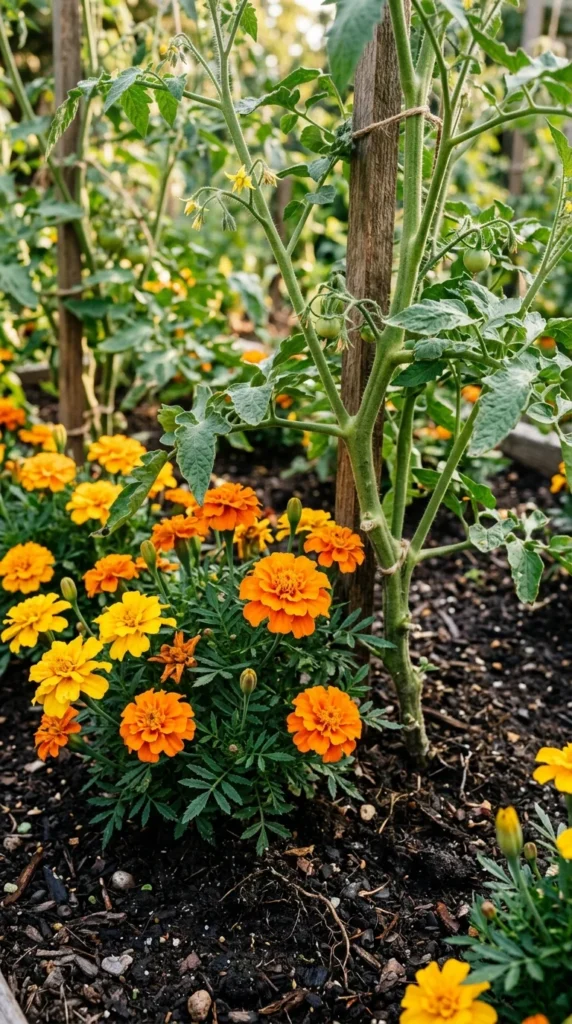
Companion planting is the strategic placement of different plant species next to each other to enhance growth and repel pests. Certain plants, like marigolds, release chemicals from their roots and blooms that deter nematodes and aphids. Similarly, planting onions or garlic near carrots can confuse carrot rust flies with their strong scent. This method creates a “polyculture” that mimics nature, making it much harder for pests to find their favorite host plants.
2. Neem Oil
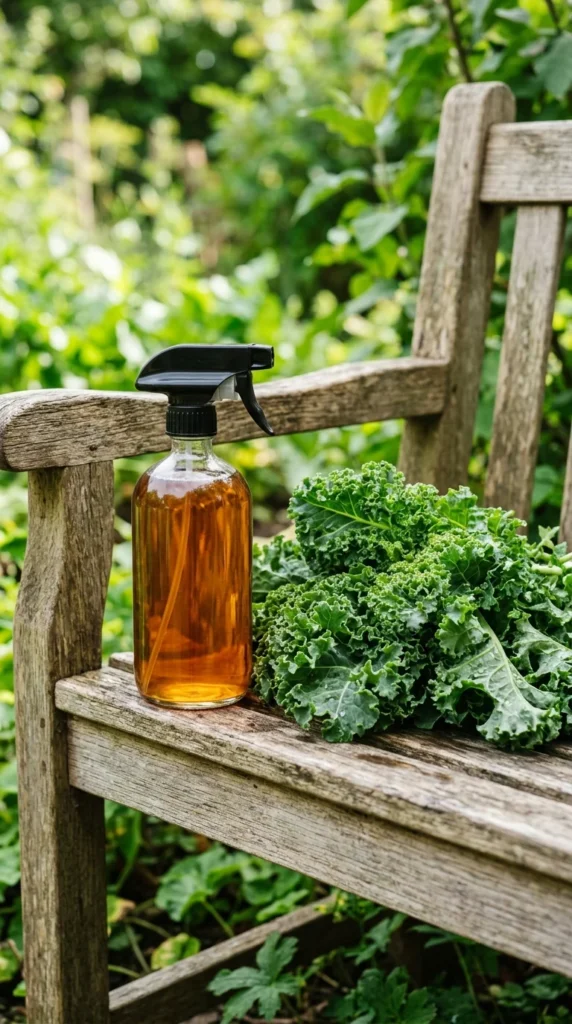
Derived from the seeds of the neem tree, neem oil is a powerful organic insecticide and fungicide. It works by disrupting the hormonal systems of insects, preventing them from feeding, molting, or laying eggs. It is particularly effective against soft-bodied insects like aphids, whiteflies, and spider mites. Because it must be ingested to be effective against most chewing insects, it is relatively safe for beneficial pollinators like bees and butterflies that do not eat the foliage.
3. Beneficial Insects
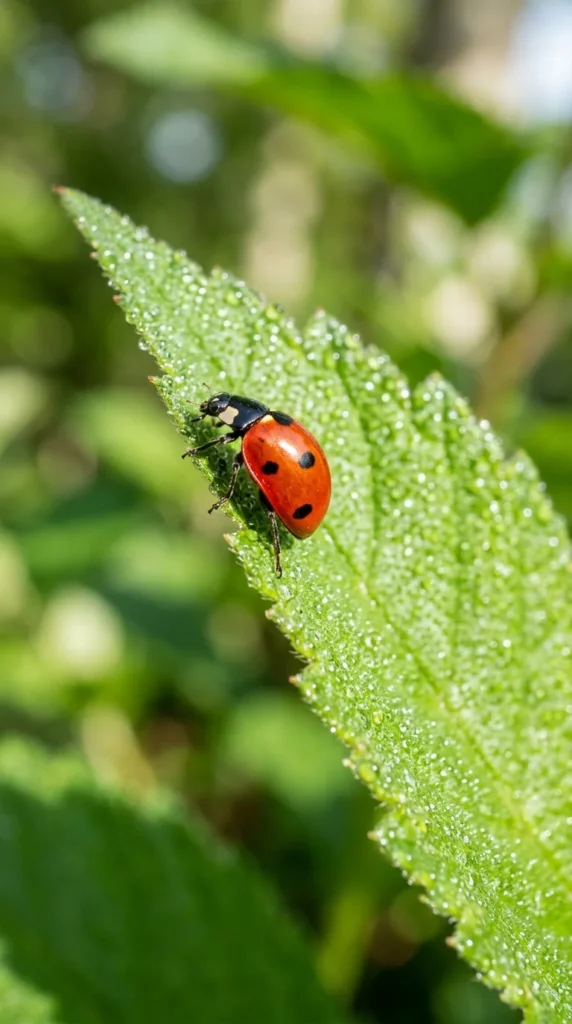
One of the most effective ways to manage pests is to recruit their natural enemies. Ladybugs, lacewings, and hoverflies are voracious predators of aphids and mites. You can attract these “garden guardians” by planting pollen-rich flowers like dill, fennel, and yarrow. By maintaining a chemical-free environment, you encourage these predators to take up residence and do the heavy lifting of pest management for you.
4. Diatomaceous Earth
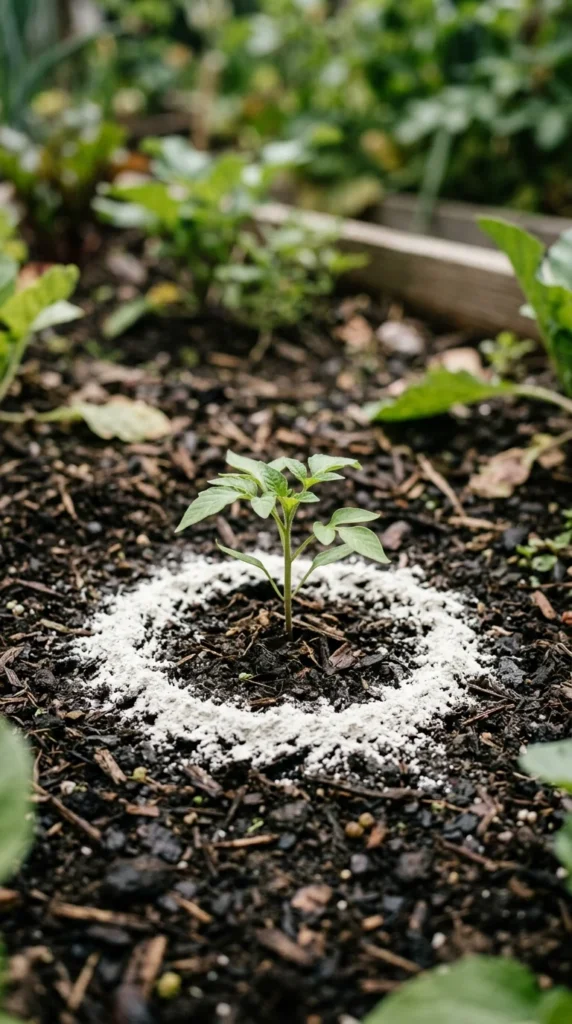
Diatomaceous earth (DE) is a naturally occurring powder made from the fossilized remains of tiny aquatic organisms called diatoms. To humans, it feels like soft flour, but to insects with exoskeletons, it is incredibly abrasive. When crawling insects like ants, slugs, or beetles move across DE, it causes microscopic cuts that lead to dehydration. It is an excellent non-toxic barrier, though it must be reapplied after rain or heavy watering.
5. Garlic Spray
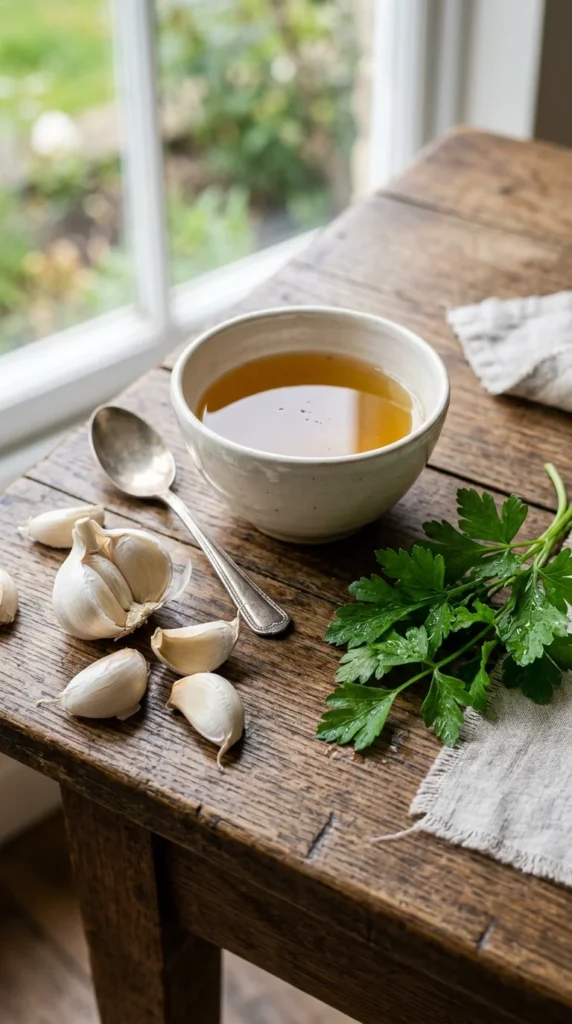
Garlic is a potent natural repellent due to its high sulfur content. A homemade garlic spray can be created by blending garlic cloves with water and a small amount of liquid soap to help it stick to leaves. This pungent mixture deters a wide variety of pests, including cabbage loopers and aphids, without harming the plant. It is best applied in the evening to avoid leaf scorch during the heat of the day.
6. Epsom Salt
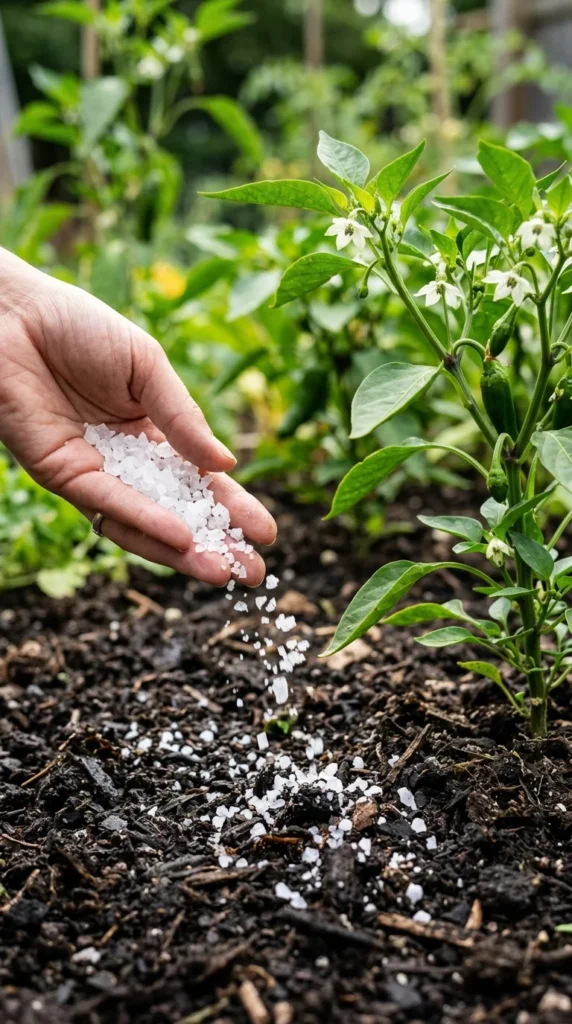
While primarily known as a soil supplement to boost magnesium levels, Epsom salt also serves as a deterrent for slugs and snails. When sprinkled around the base of plants, the gritty texture is unpleasant for soft-bodied pests to crawl over. Additionally, healthy plants with optimal nutrient levels are naturally more resistant to pest infestations and diseases, making this a dual-purpose solution for the garden.
7. Beer Traps
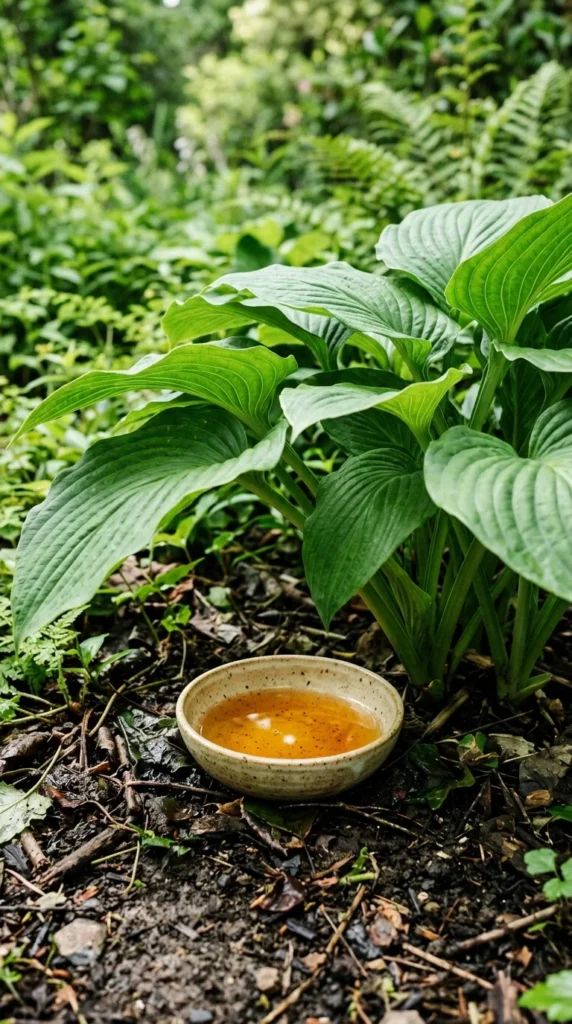
Slugs and snails are notoriously difficult to manage in damp environments. A classic organic remedy is the beer trap. By burying a shallow container so the rim is level with the soil and filling it with beer, you capitalize on the pests’ attraction to the yeast and sugar. The slugs crawl into the container and drown. This method is highly localized and effective for protecting specific prize plants.
8. Physical Barriers
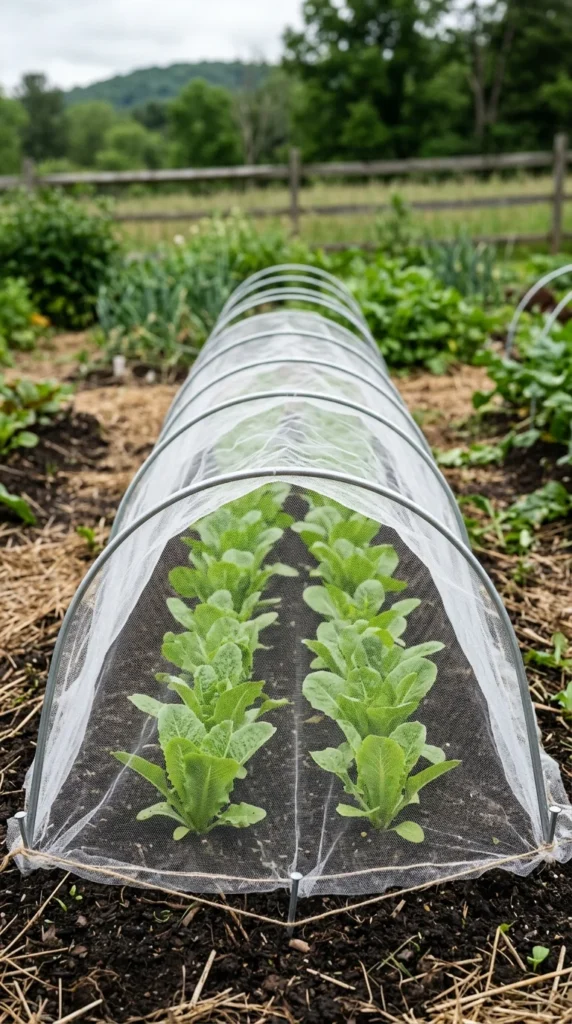
Sometimes the best defense is a physical one. Floating row covers, fine mesh, and bird netting can prevent pests from ever reaching your crops. Row covers are especially useful for protecting brassicas from cabbage white butterflies, which lay eggs that turn into hungry caterpillars. These barriers allow sunlight and water to reach the plants while creating an impenetrable wall for larger pests and many insects.
9. Essential Oils
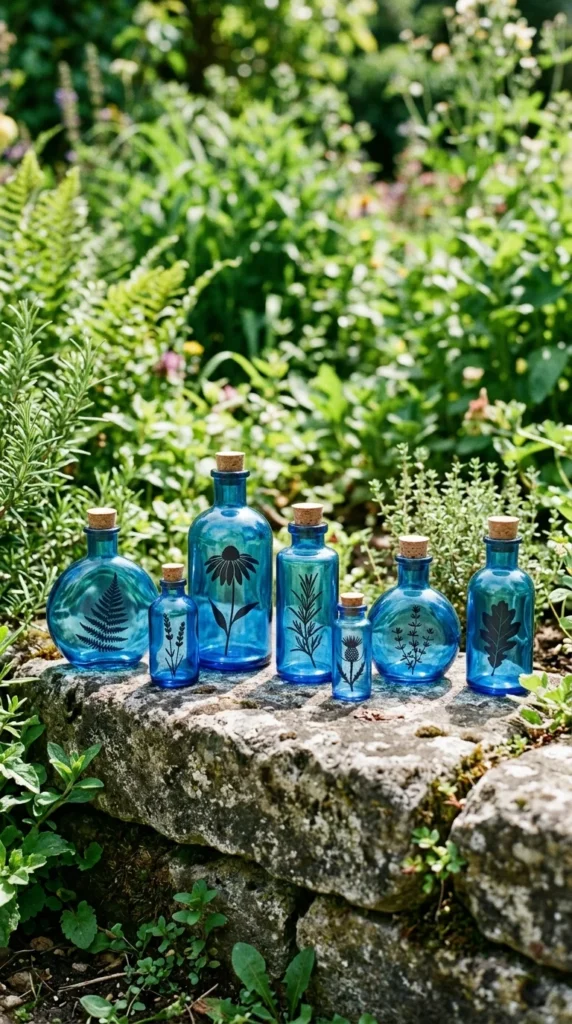
Certain essential oils are highly effective at repelling garden pests. Peppermint oil is known to deter ants and spiders, while rosemary and thyme oils can repel flies and beetles. By mixing a few drops of these concentrated oils with water and a carrier like witch hazel or mild soap, you can create a fragrant spray that keeps your garden smelling wonderful while discouraging unwanted visitors.
10. Hot Pepper Spray
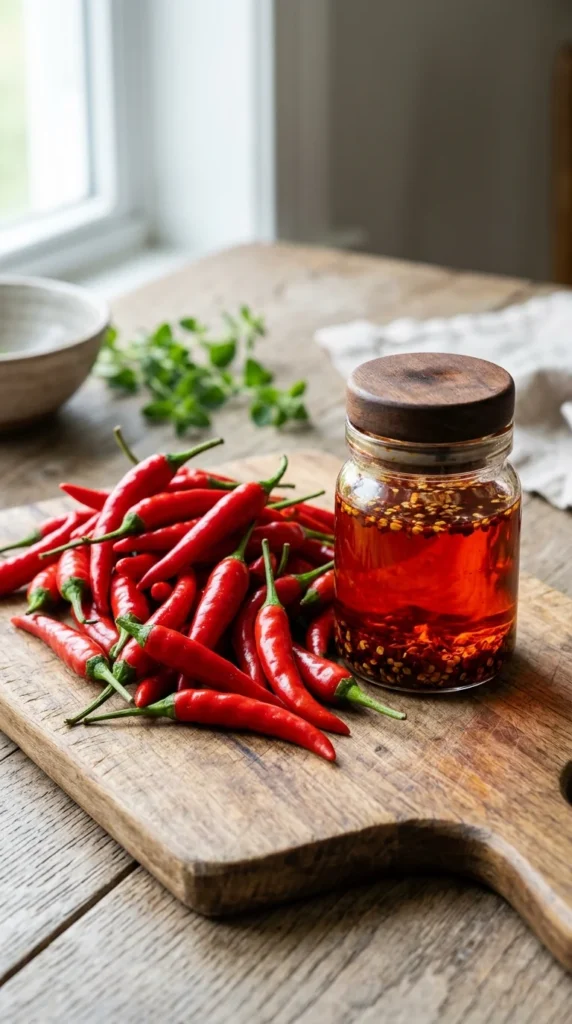
Capsaicin, the compound that makes peppers hot, is an irritant to many garden pests and even larger animals like rabbits or squirrels. A spray made from boiled cayenne or habanero peppers can be applied to the foliage of ornamental plants or vegetables. Most insects will avoid the treated area due to the intense “heat,” and mammals will quickly learn to stay away after a single spicy taste.
11. Crop Rotation
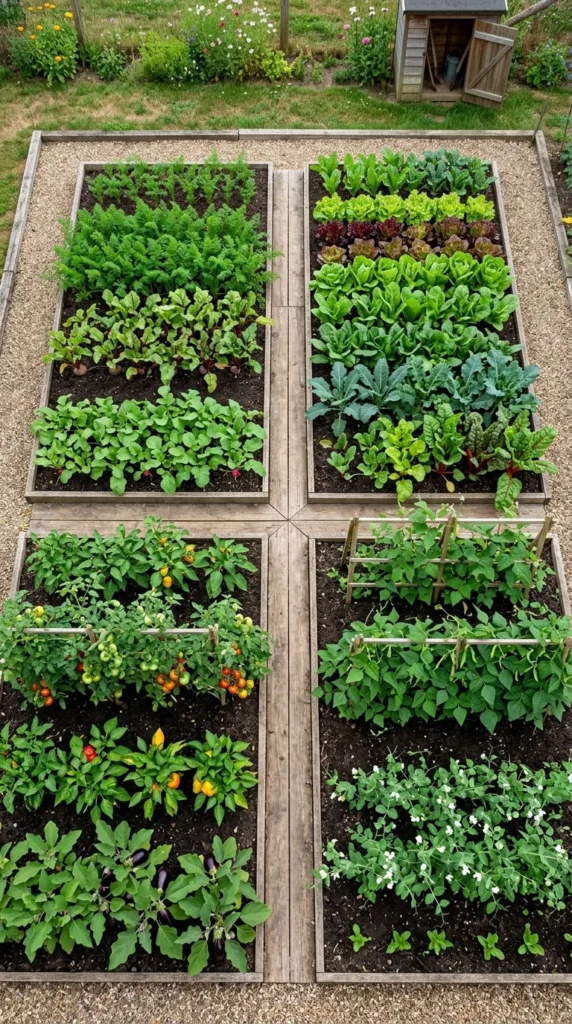
Many pests and diseases are soil-borne and specific to certain plant families. If you plant the same crop in the same spot every year, you provide a consistent food source for these pests. By rotating your crops—moving tomatoes to a different bed each season, for example—you break the life cycle of the pests. This forces them to travel or starve, significantly reducing infestation levels over time.
12. Handpicking
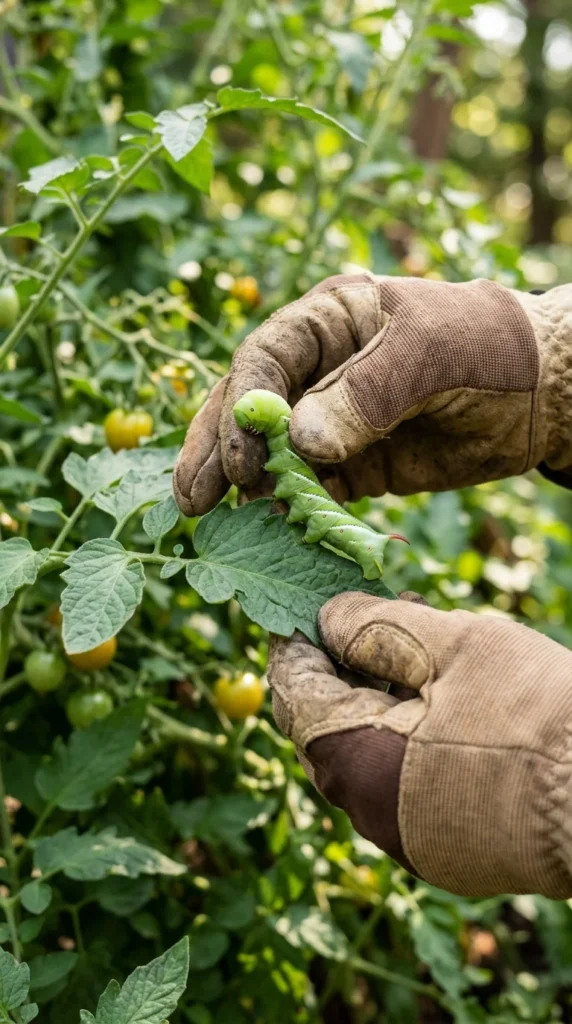
For larger pests like tomato hornworms, Japanese beetles, or squash bugs, handpicking is the most direct and effective method. While it can be time-consuming, it ensures that no chemicals are used and allows you to inspect your plants closely for signs of early stress. Dropping the captured pests into a bucket of soapy water is a quick way to dispose of them.
13. Trap Crops
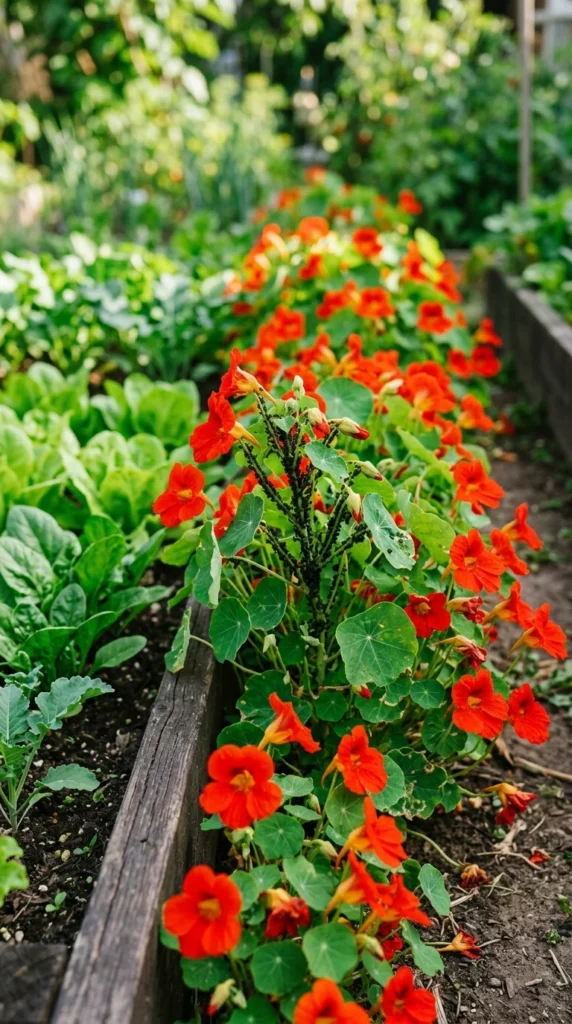
A trap crop is a plant specifically grown to attract pests away from your main harvest. For example, nasturtiums are highly attractive to aphids. By planting a perimeter of nasturtiums, the aphids will congregate there, leaving your peppers and beans alone. Once the trap crop is heavily infested, it can be removed and disposed of, or treated separately, keeping the rest of your garden clean.
14. Mulching
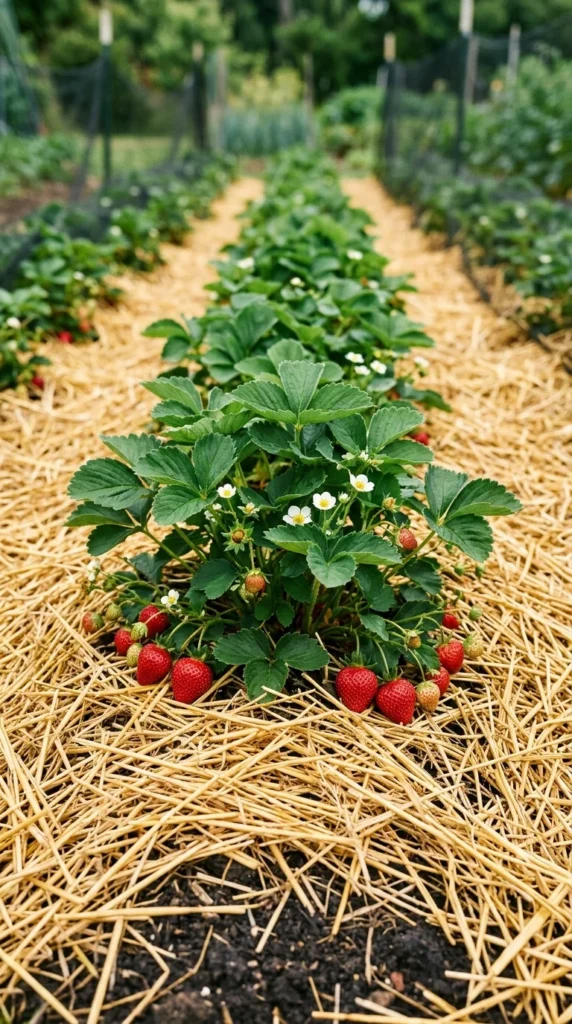
Mulching provides numerous benefits, including moisture retention and weed suppression, but it also plays a role in pest control. A thick layer of organic mulch like straw or wood chips can prevent soil-borne fungal spores from splashing onto plant leaves during rain. Additionally, certain mulches, like cedar chips, contain natural oils that repel insects such as termites and ants.
15. Bird Houses
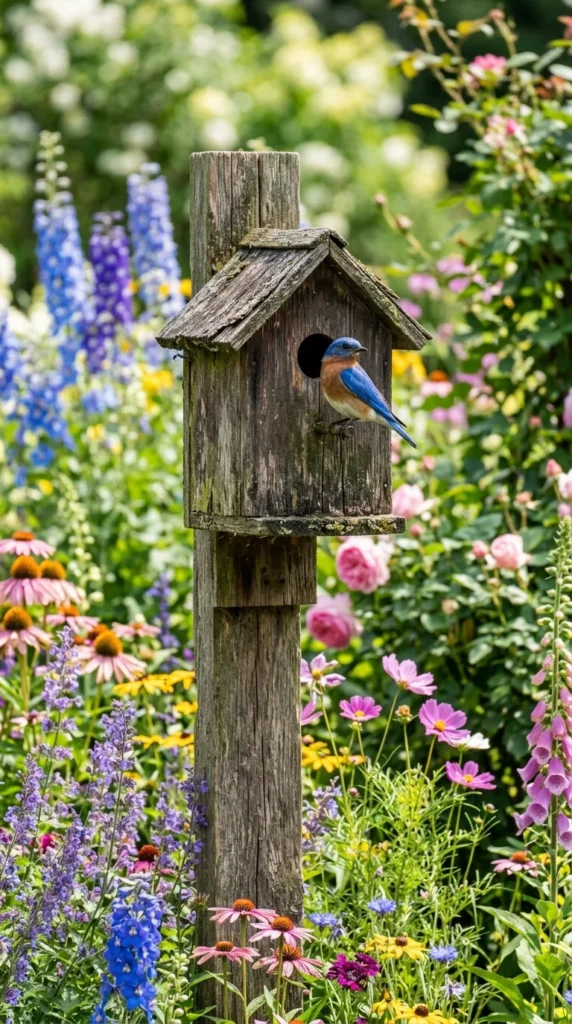
Birds are incredible allies in the garden. Species like bluebirds, wrens, and chickadees consume thousands of insects every day to feed themselves and their young. By installing birdhouses and providing a clean water source, you encourage these natural predators to patrol your garden. They are particularly effective at controlling populations of caterpillars, beetles, and grasshoppers.
16. Sticky Traps
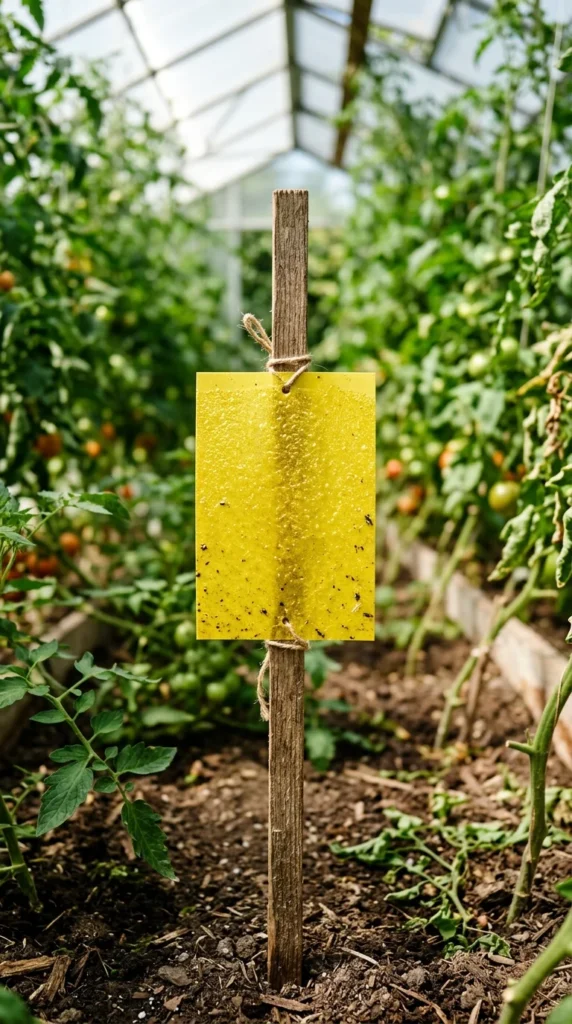
Yellow and blue sticky traps are used to monitor and reduce populations of flying insects like fungus gnats, whiteflies, and thrips. The bright colors attract the insects, and the sticky surface ensures they cannot leave. While they shouldn’t be the only method used, they are excellent for identifying which pests are present so you can adjust your strategy accordingly.
17. Castile Soap
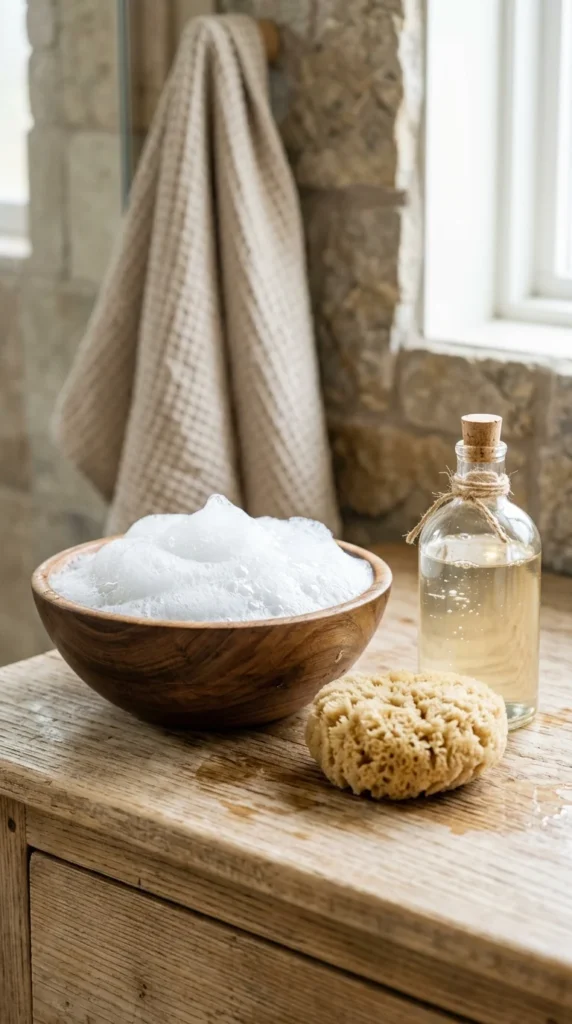
A simple solution of water and mild Castile soap can be a gardener’s best friend. The soap works by breaking down the protective outer layer of soft-bodied insects, leading to their demise. It is vital to use a natural, biodegradable soap without harsh detergents or perfumes. This spray is effective against aphids, mealybugs, and scale, but should be tested on a single leaf first to ensure the plant isn’t sensitive.
18. Eggshells
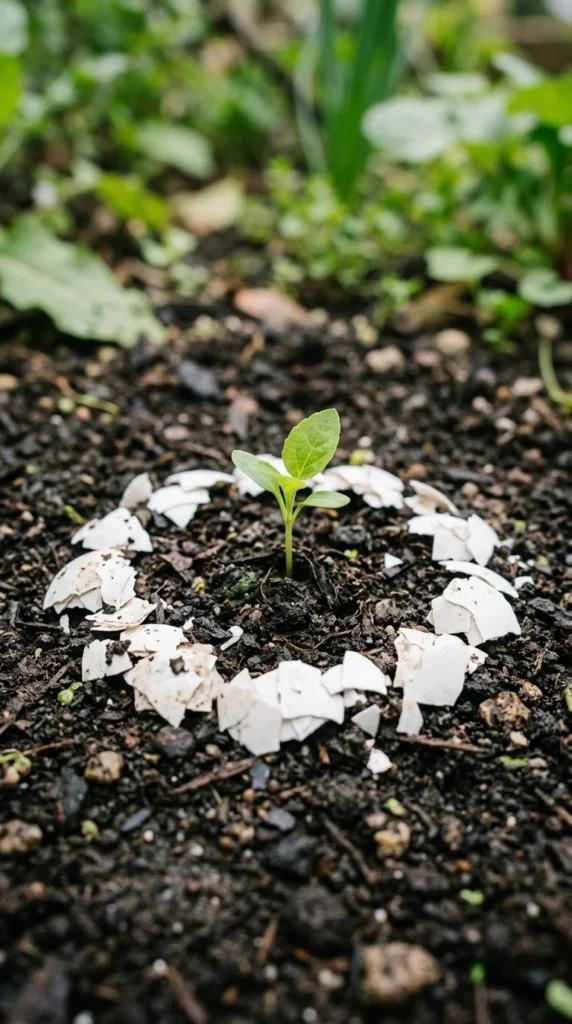
Crushed eggshells serve a dual purpose: they add calcium to the soil as they decompose and create a sharp, uncomfortable barrier for soft-bodied pests. Slugs and snails find the jagged edges of the shells difficult to traverse, protecting vulnerable seedlings. For the best results, wash and dry the shells before crushing them into small, sharp fragments.
19. Coffee Grounds
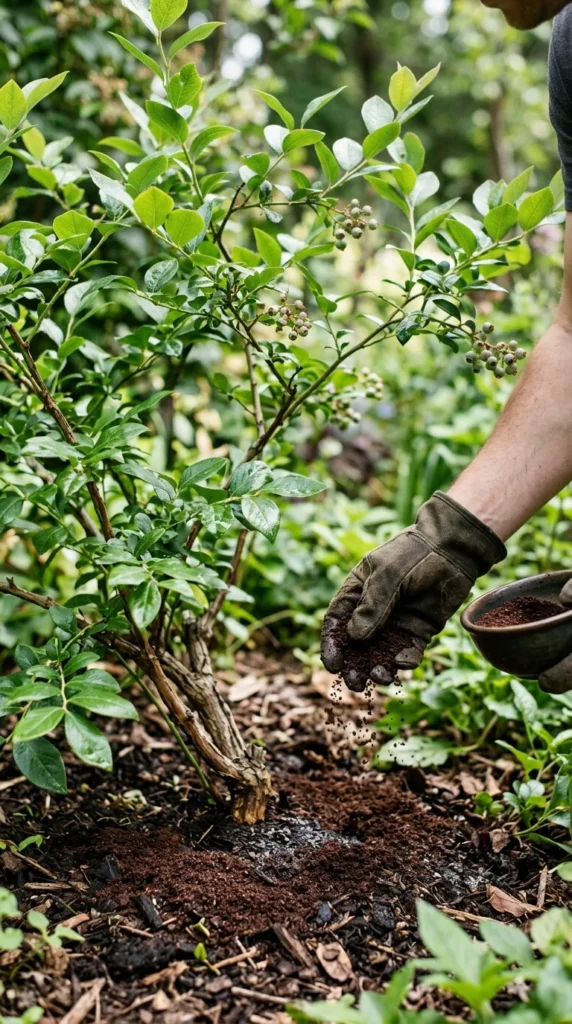
Used coffee grounds are a fantastic resource for the garden. Many pests, including ants, slugs, and even some cats, find the strong scent and texture of coffee grounds offensive. Furthermore, coffee grounds add nitrogen and organic matter to the soil. They are slightly acidic, so they are particularly well-suited for acid-loving plants like blueberries, azaleas, and roses.
20. Bacillus Thuringiensis (Bt)
Bacillus thuringiensis, commonly known as Bt, is a naturally occurring soil bacterium that acts as a targeted biological pesticide. There are different strains of Bt designed to control specific pests; for instance, Bt kurstaki targets caterpillars without harming other insects. When the larvae ingest the bacteria, it produces a protein that stops them from feeding. It is a staple in organic gardening for managing cabbage loopers and gypsy moths.
21. Milk Spray
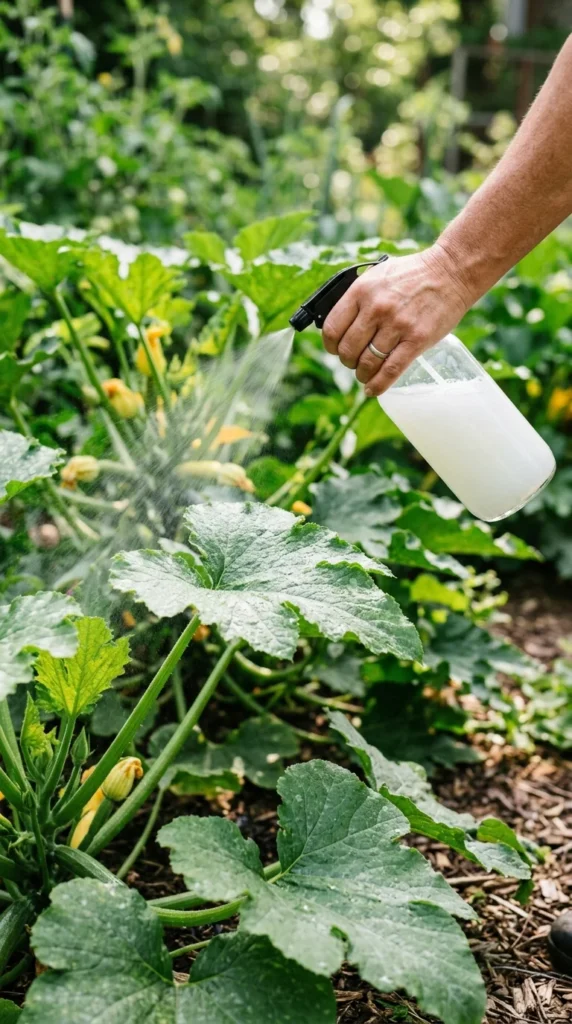
While it sounds unusual, a mixture of milk and water (typically a 40/60 ratio) is a highly effective treatment for powdery mildew. The proteins in the milk, when exposed to sunlight, create an antiseptic effect that kills the fungi. Additionally, milk can boost the plant’s immune system. This is a great preventative measure for squash, cucumbers, and roses which are prone to fungal issues.
22. Bat Boxes
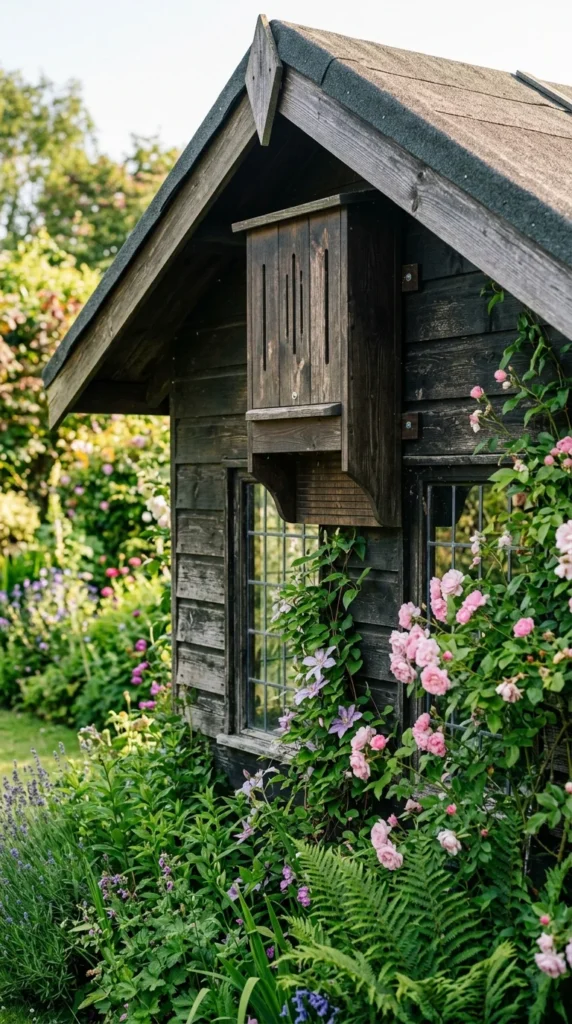
If your garden is plagued by night-flying insects like moths (the parents of many garden caterpillars) or mosquitoes, attracting bats is a brilliant solution. A single bat can eat hundreds of insects in an hour. By providing a bat box in a high, sun-warmed location, you provide a home for these nocturnal hunters who will keep your garden’s insect population in check while you sleep.
23. Copper Tape
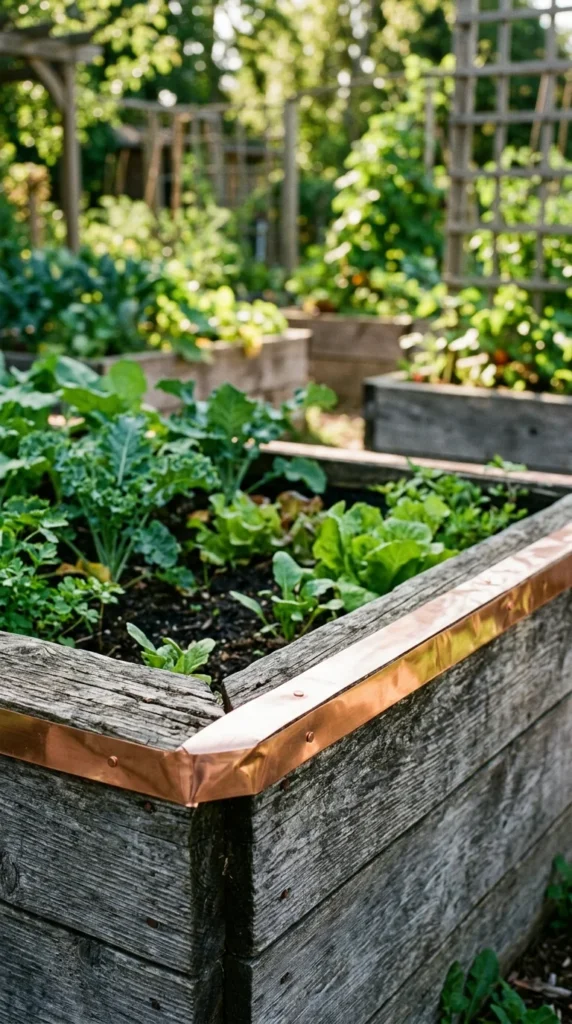
Copper tape is a clever mechanical deterrent for slugs and snails. When the slime of these pests comes into contact with the copper, it creates a tiny, unpleasant electric-like reaction. This encourages them to turn back rather than crossing the barrier. It is a long-lasting solution for raised beds and potted plants, requiring very little maintenance once installed.
24. Horticultural Oil
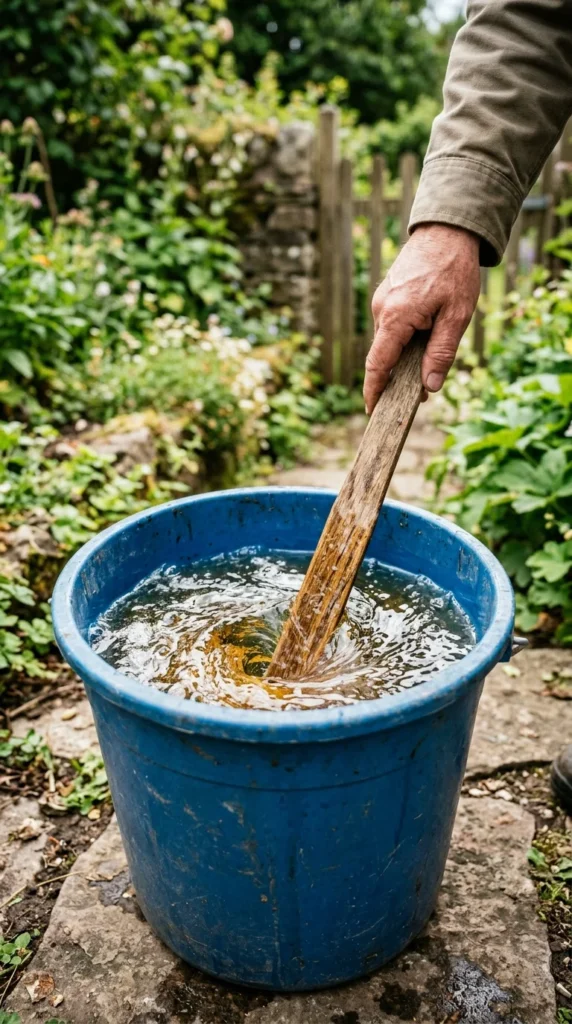
Horticultural oils are lightweight, petroleum- or vegetable-based oils used to suffocate overwintering pests and their eggs. Often applied as a “dormant spray” in late winter or early spring, these oils coat the surface of branches and trunks, cutting off the oxygen supply to scales, mites, and aphids hidden in the bark. It is a proactive way to prevent an infestation before the growing season even begins.
25. Intercropping Herbs
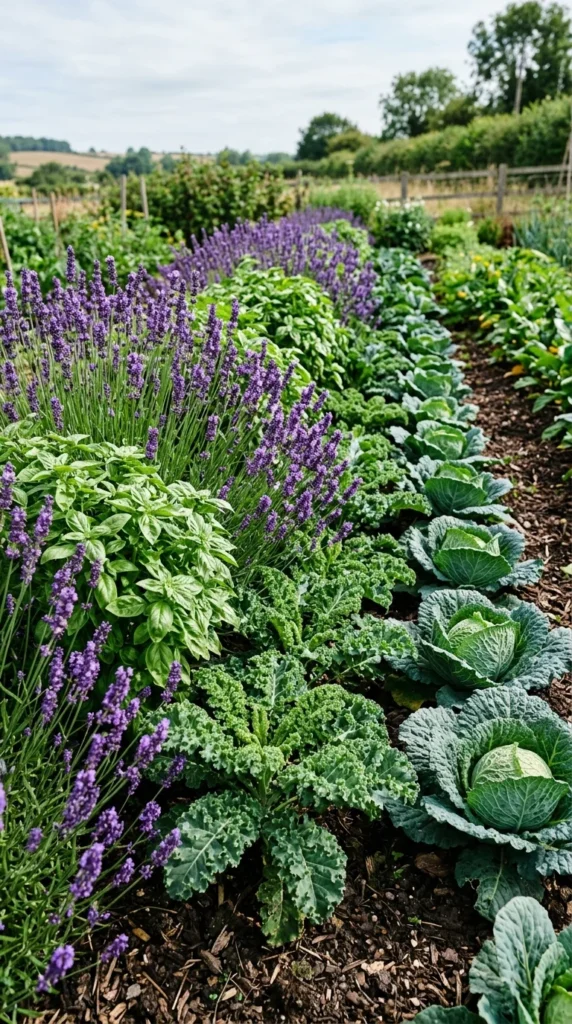
Strongly scented herbs are natural confusion agents for pests. By intercropping herbs like rosemary, basil, lavender, and mint throughout your vegetable garden, you create a sensory overload for insects that rely on smell to find their host plants. Not only does this protect your vegetables, but it also provides you with a secondary harvest of fresh culinary and medicinal herbs.