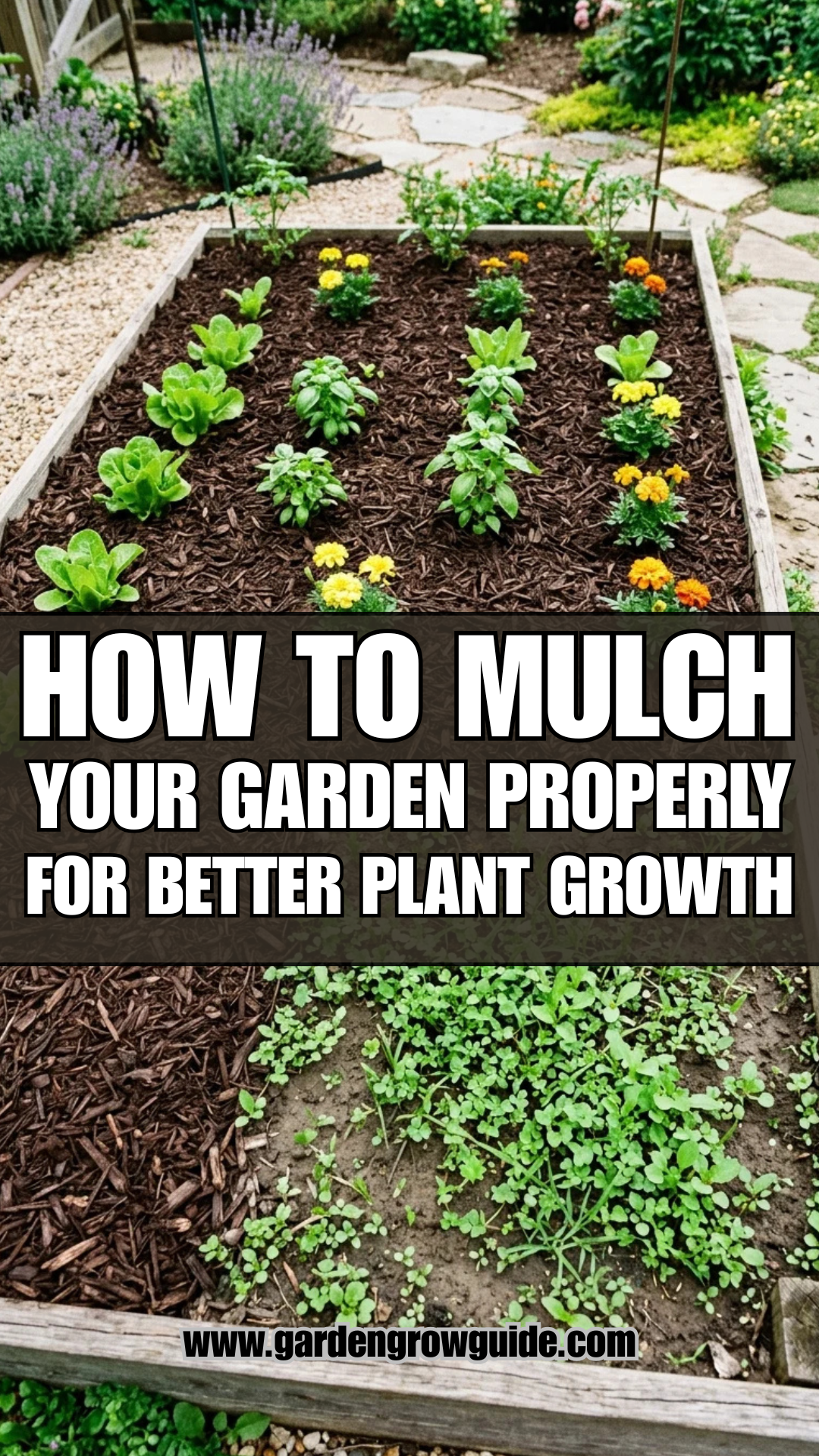
Mulching is often described as the “secret sauce” of successful gardening. It is one of the most effective techniques for maintaining a healthy landscape, yet it is frequently misunderstood or applied incorrectly. At its core, mulching involves placing a protective layer of material on top of the soil surface. This simple act serves a multitude of purposes, from conserving water and suppressing weeds to improving soil fertility and enhancing the aesthetic appeal of your outdoor space.
To achieve the best results, gardeners must understand the nuances of material selection, timing, and application depth. When done correctly, mulching transforms the soil into a nutrient-rich, moisture-stable environment where plants can thrive with minimal intervention.
1. Organic Mulch
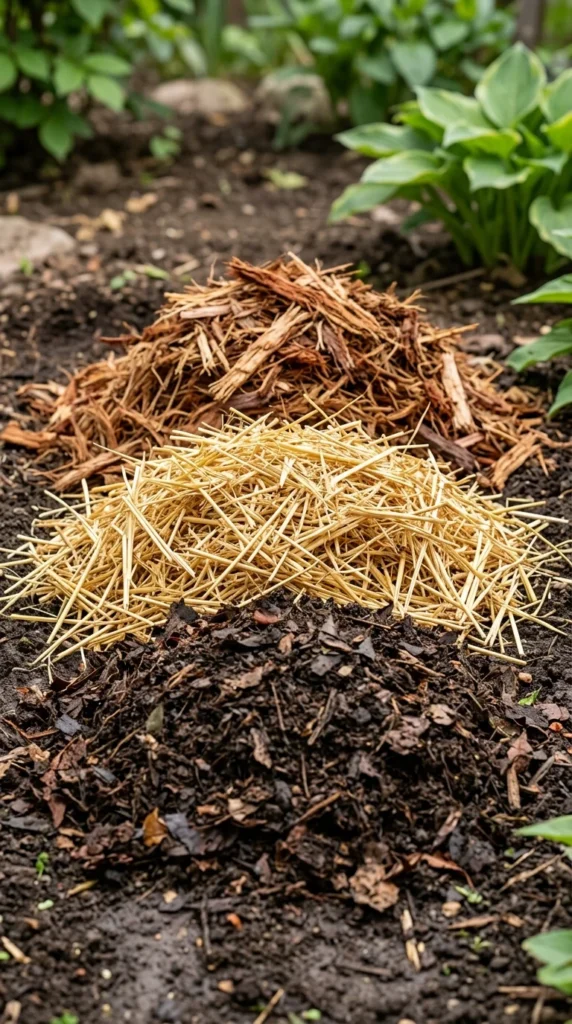
Organic mulches are derived from once-living materials that decompose over time. This decomposition process is a significant advantage, as it returns vital nutrients and organic matter to the soil, improving its structure and supporting beneficial microbial life.
- Wood Chips and Bark: These are among the most common organic mulches. They are durable, excellent at suppressing weeds, and provide a clean, polished look to flower beds and shrubberies.
- Straw and Hay: Ideal for vegetable gardens, straw reflects sunlight and keeps the soil cool. It is easy to move and decomposes relatively quickly, enriching the soil for the next planting season.
- Grass Clippings: If they are free of herbicides, nitrogen-rich grass clippings make an excellent mulch for short-term use around leafy greens.
- Pine Needles: Also known as pine straw, these are excellent for acid-loving plants like blueberries and azaleas. They stay in place well on slopes and don’t mat down easily.
- Compost: While it decomposes the fastest, compost acts as both a mulch and a fertilizer, providing an immediate boost to soil health.
2. Inorganic Mulch
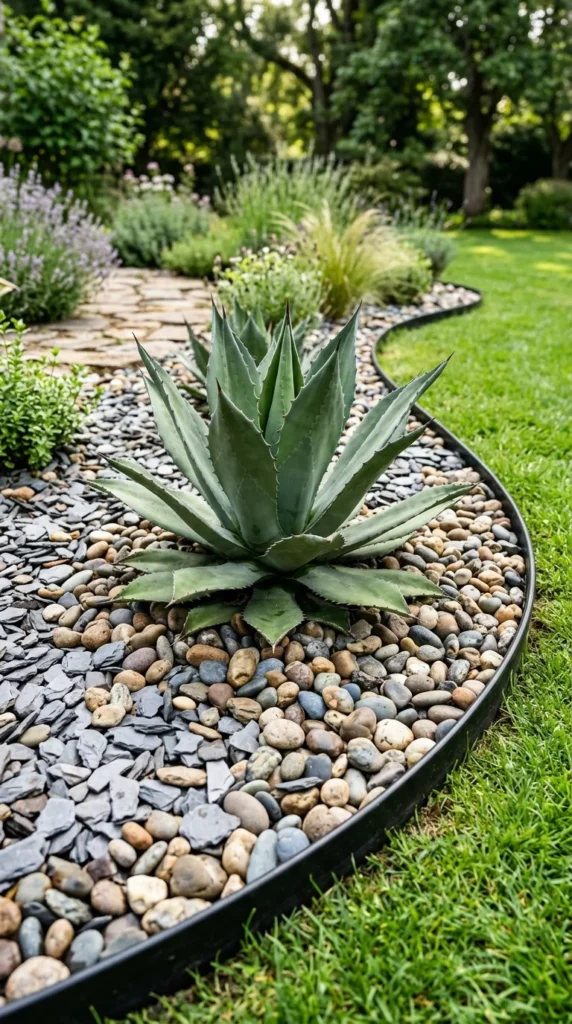
Inorganic mulches consist of materials that do not break down. While they do not improve soil fertility, they offer long-term durability and specific functional benefits that organic options cannot match.
- Stone and Gravel: Perfect for rock gardens or areas where drainage is a priority. Stones retain heat, which can be beneficial for heat-loving succulents but detrimental to cool-weather plants.
- Landscape Fabric: Often used beneath stone, this porous fabric allows water and air to reach the soil while preventing weeds from poking through.
- Plastic Sheeting: Frequently used in commercial vegetable production, black plastic warms the soil early in the season, though it requires a dedicated irrigation system underneath since it is non-porous.
- Rubber Mulch: Made from recycled tires, this is a permanent solution often used in playgrounds or permanent landscapes where no plant growth is desired.
3. Moisture Retention
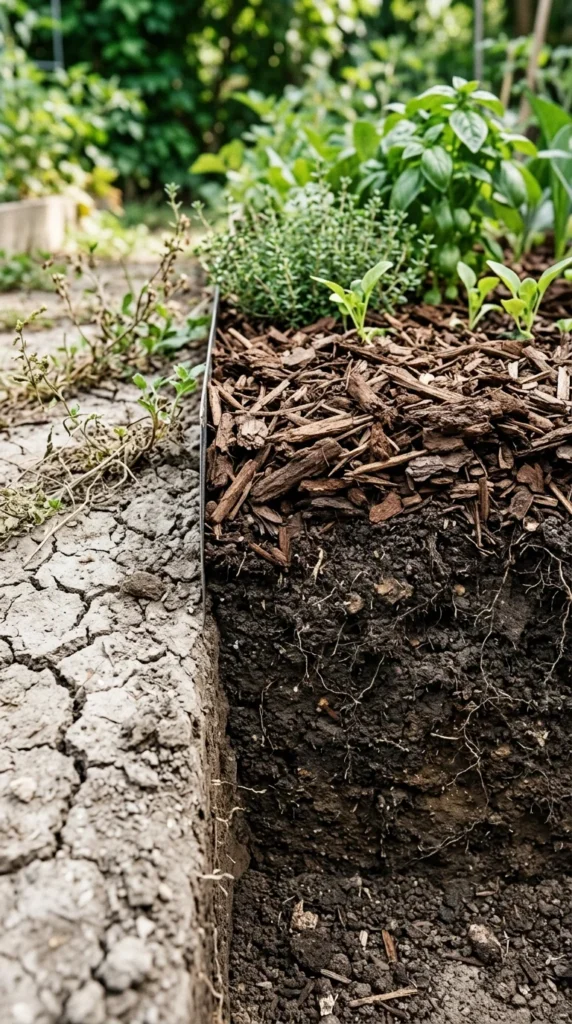
One of the primary reasons to mulch is to manage soil hydration. Without a protective layer, the sun and wind strip moisture directly from the soil surface through evaporation. This forces gardeners to water more frequently and subjects plants to cycles of extreme moisture and drought.
Mulch acts as a physical barrier that traps moisture in the earth. By keeping the soil consistently damp, mulch ensures that plant roots have a steady supply of water. This is particularly critical during the peak of summer or in arid climates. Furthermore, mulch prevents “crusting” of the soil surface, which allows rainwater to soak in more effectively rather than running off the top.
4. Weed Suppression
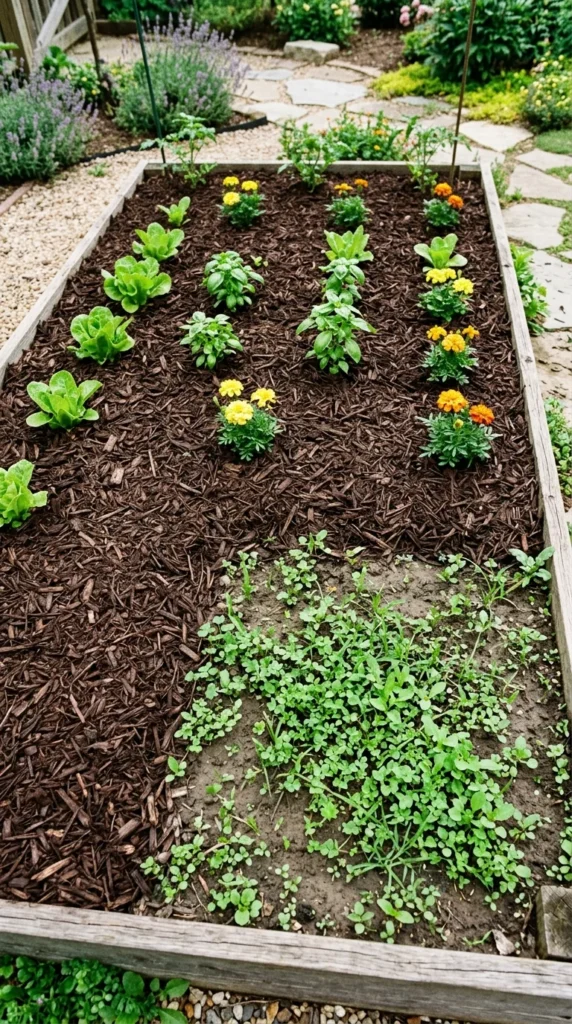
Weeds are the bane of every gardener’s existence. They compete with desirable plants for nutrients, water, and sunlight. Mulching provides a highly effective, non-chemical way to control weed growth.
A layer of mulch between two and four inches thick creates a “dark zone” that prevents sunlight from reaching weed seeds stored in the soil. Without light, these seeds cannot germinate. For the few stubborn weeds that do manage to poke through, the mulch keeps the soil beneath it soft and friable, making it significantly easier to pull the weeds out by the root.
5. Temperature Regulation
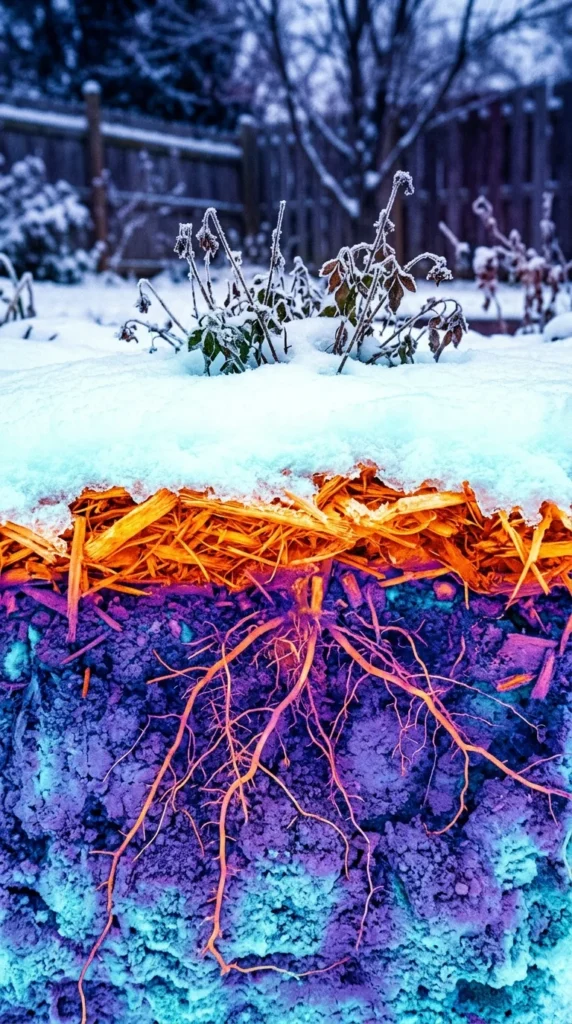
Soil temperature fluctuations can be incredibly stressful for plants. In the heat of summer, bare soil can reach temperatures high enough to “cook” delicate surface roots. Conversely, in winter, the cycle of freezing and thawing can cause “frost heaving,” where the ground expands and contracts so much that it literally pushes plants out of the earth.
Mulch serves as an insulation layer, much like the insulation in the walls of a house. It keeps the soil cooler in the summer and warmer in the winter. This stability allows roots to continue growing longer into the autumn and protects them from the sudden temperature spikes of early spring.
6. Application Depth
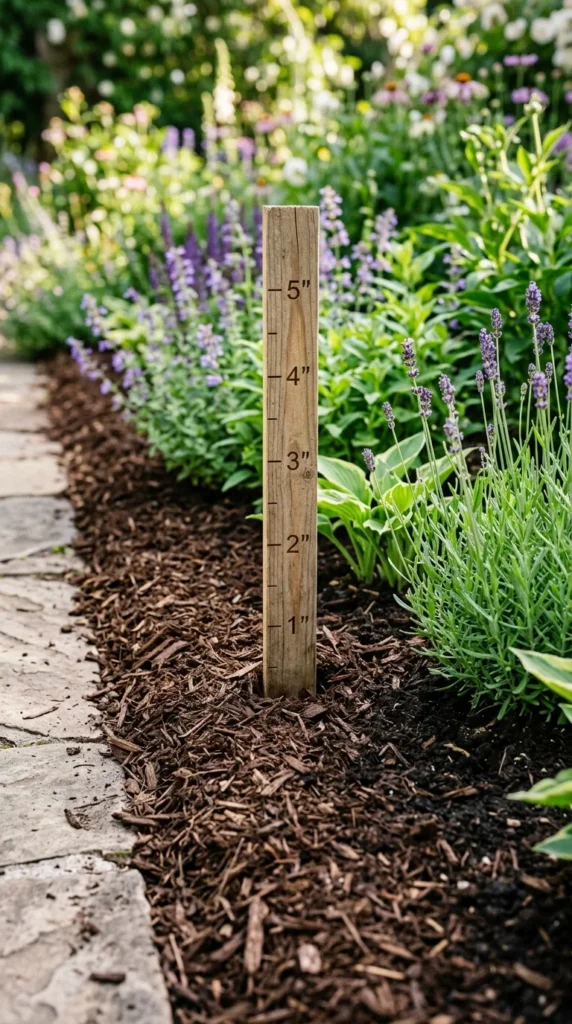
The effectiveness of mulch depends largely on its depth. If the layer is too thin, it won’t suppress weeds or retain moisture. If it is too thick, it can prevent oxygen from reaching the soil and may even cause water to run off the surface of the mulch rather than soaking through to the roots.
- Fine Materials: For finely shredded bark or compost, a depth of 2 to 3 inches is usually sufficient.
- Coarse Materials: For larger wood nuggets or straw, a depth of 4 inches is appropriate because there is more air space between the particles.
- Refreshment: Organic mulch should be topped off annually or bi-annually as it settles and decomposes to maintain the target depth.
7. Proper Spacing
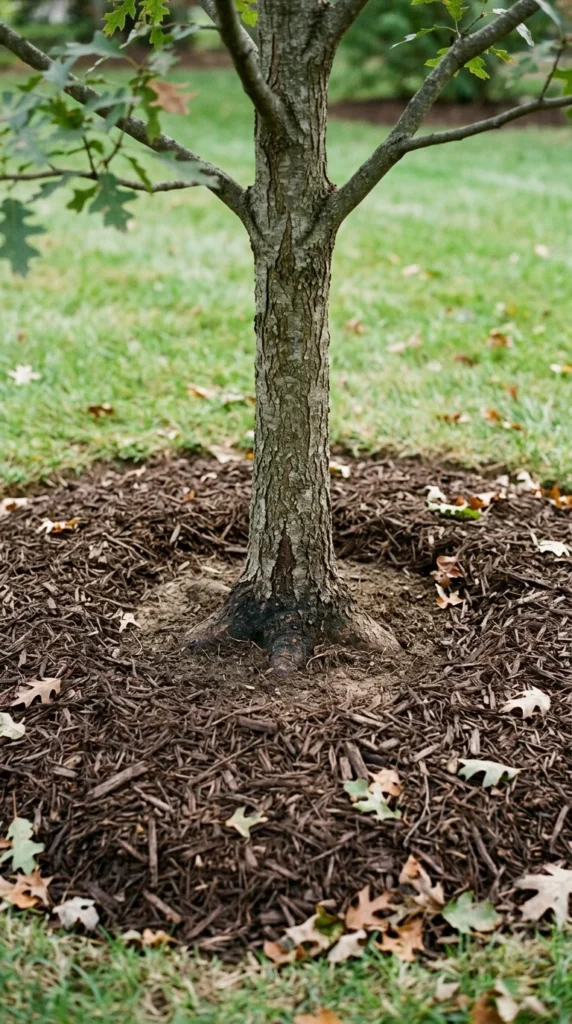
The most common mistake in mulching is the creation of “mulch volcanoes.” This happens when mulch is piled high against the trunks of trees or the stems of plants. This practice is extremely harmful for several reasons:
- Rot: Bark needs air to stay dry. Constant contact with wet mulch can cause the bark to rot, inviting disease and pests.
- Suffocation: Piling mulch against the stem can cut off oxygen exchange to the lower part of the plant.
- Rodent Damage: Thick mulch against a trunk provides a perfect hiding spot for voles and mice, who may chew on the bark during winter.
Always leave a gap of 3 to 5 inches between the mulch and the base of the plant. This “donut” shape ensures the roots are protected while the stem remains dry and healthy.
8. Timing
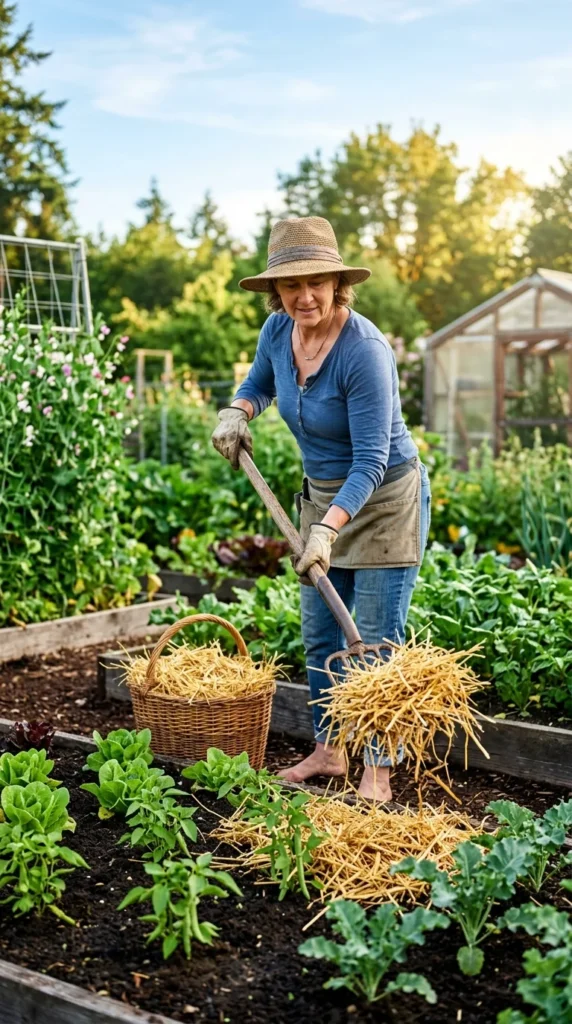
When you apply mulch is just as important as how you apply it.
- Spring Mulching: Wait until the soil has warmed up. Applying mulch too early in a cold spring can trap the cold in the ground and delay the growth of your plants. Usually, late spring—after the first flush of weeds has been cleared—is the ideal time.
- Autumn Mulching: This is done to protect plants from the coming winter. Apply mulch after the first hard frost has occurred. This ensures the ground stays frozen, preventing the damaging freeze-thaw cycles that can heave plants out of the soil.
- New Plantings: Always mulch immediately after planting new trees, shrubs, or perennials to help them establish their root systems without competition from weeds.
9. Soil Improvement
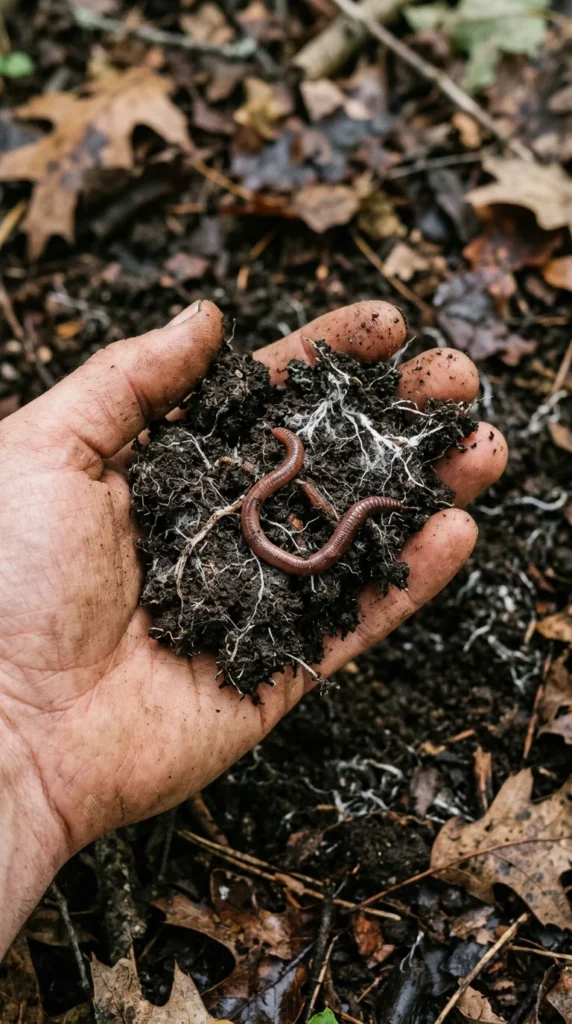
Beyond the physical protection it provides, organic mulch is a long-term investment in soil health. As microorganisms and earthworms break down the organic matter, they incorporate it into the soil profile. This increases the soil’s “cation exchange capacity” (its ability to hold nutrients) and improves “tilth” (the physical condition of the soil).
Over several years, a consistently mulched garden will develop a crumbly, sponge-like soil structure that is easy to dig and rich in life. This biological activity creates a self-sustaining ecosystem where the mulch feeds the soil, and the soil feeds the plants.