Companion planting is an age-old agricultural strategy that mimics the diversity of natural ecosystems to create a self-sustaining garden environment. Rather than relying on synthetic pesticides that can harm beneficial pollinators and degrade soil health, companion planting utilizes the biological relationships between different plant species to deter pests, attract predators, and improve overall crop yields.
By strategically placing specific plants next to each other, gardeners can leverage chemical signals, physical structures, and biological traps to keep harmful insects at bay. This holistic approach focuses on the “Integrated Pest Management” (IPM) philosophy, where the goal is not to eliminate every bug, but to maintain a balance where no single pest population can cause significant damage.
1. Marigolds
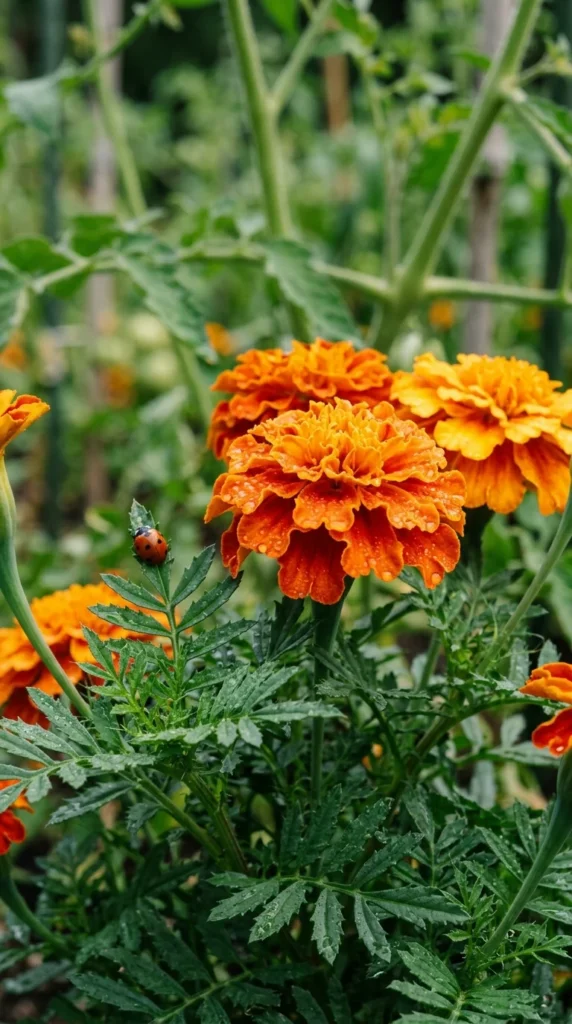
Marigolds are perhaps the most famous companion plants in the gardening world, specifically prized for their ability to protect the root systems of neighboring crops. These flowers produce a chemical compound called alpha-terthienyl, which is highly toxic to root-knot nematodes—microscopic worms that attack the roots of tomatoes, peppers, and strawberries.
Beyond their underground benefits, the strong, pungent scent of marigolds acts as a mask, confusing flying pests like whiteflies and cabbage moths that navigate by smell. By planting marigolds as a border around your vegetable beds, you create a chemical “no-fly zone” that shields your edible crops from detection.
2. Nasturtiums
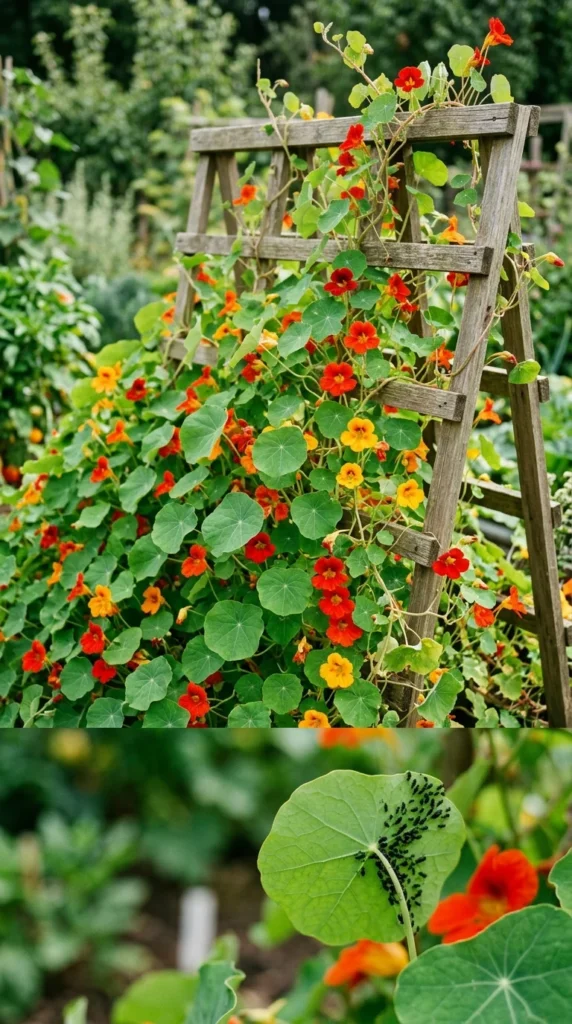
Nasturtiums serve a unique role in the garden known as “trap cropping.” Instead of repelling pests, nasturtiums are so attractive to certain insects—particularly aphids and cabbage white butterflies—that the pests choose to congregate on them rather than on your prized broccoli or kale.
By sacrificing the nasturtiums, gardeners can easily identify where the pests are located and remove the infested leaves or simply allow predatory insects like lacewings to find the concentrated food source. Additionally, nasturtiums release a scent that deters cucumber beetles and squash bugs, making them an essential companion for vining cucurbits.
3. Basil
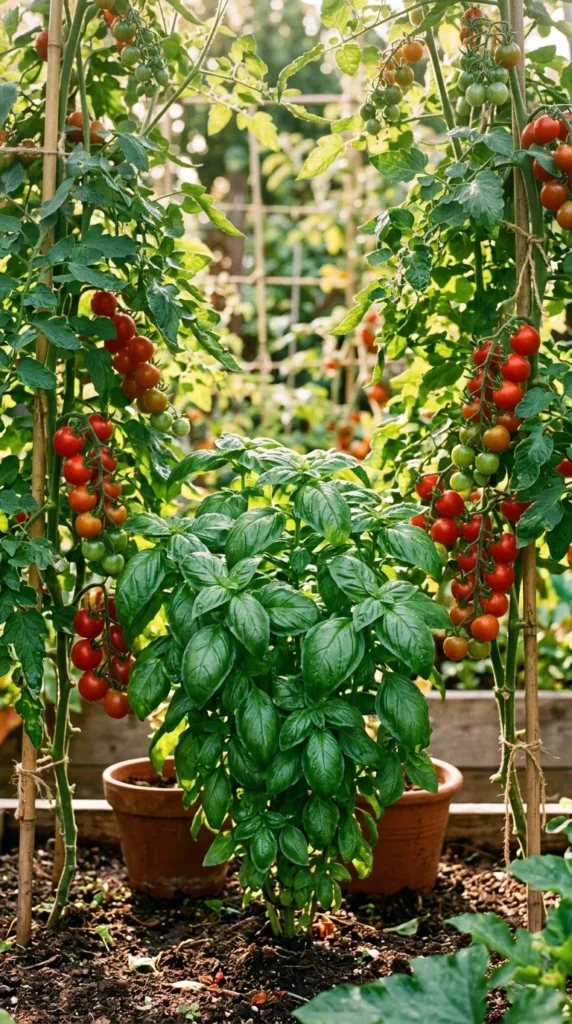
The relationship between basil and tomatoes is one of the most celebrated in companion planting, both in the garden and in the kitchen. Basil emits a potent aroma that is highly effective at repelling thrips, flies, and mosquitoes. Most importantly for tomato growers, it helps deter the dreaded tomato hornworm.
Scientific observations suggest that basil may also improve the flavor of tomatoes grown nearby, though its primary role remains its ability to act as a fragrant barrier. Because basil requires similar sun and water conditions as tomatoes, they are perfect roommates in a raised bed or container.
4. Borage
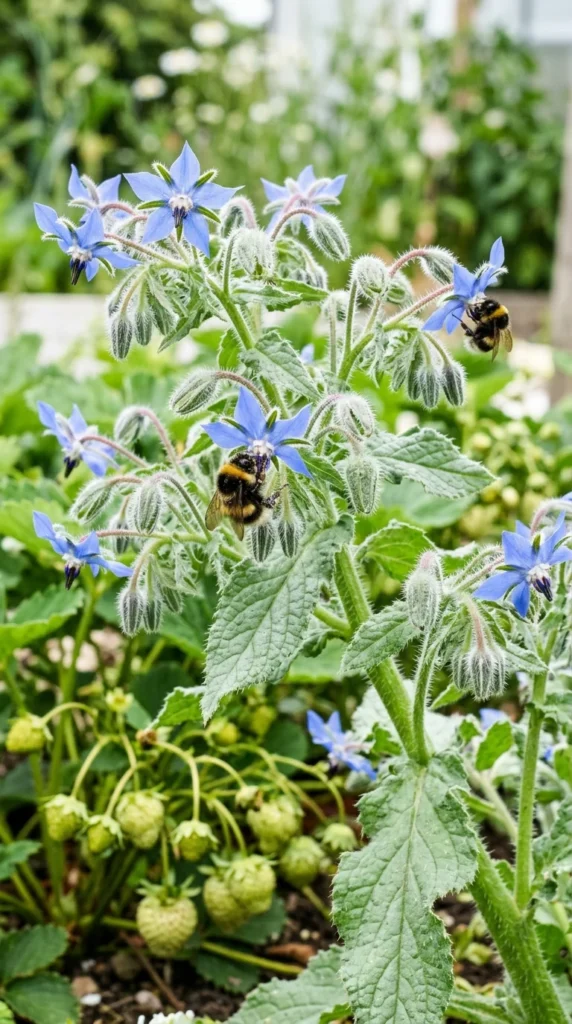
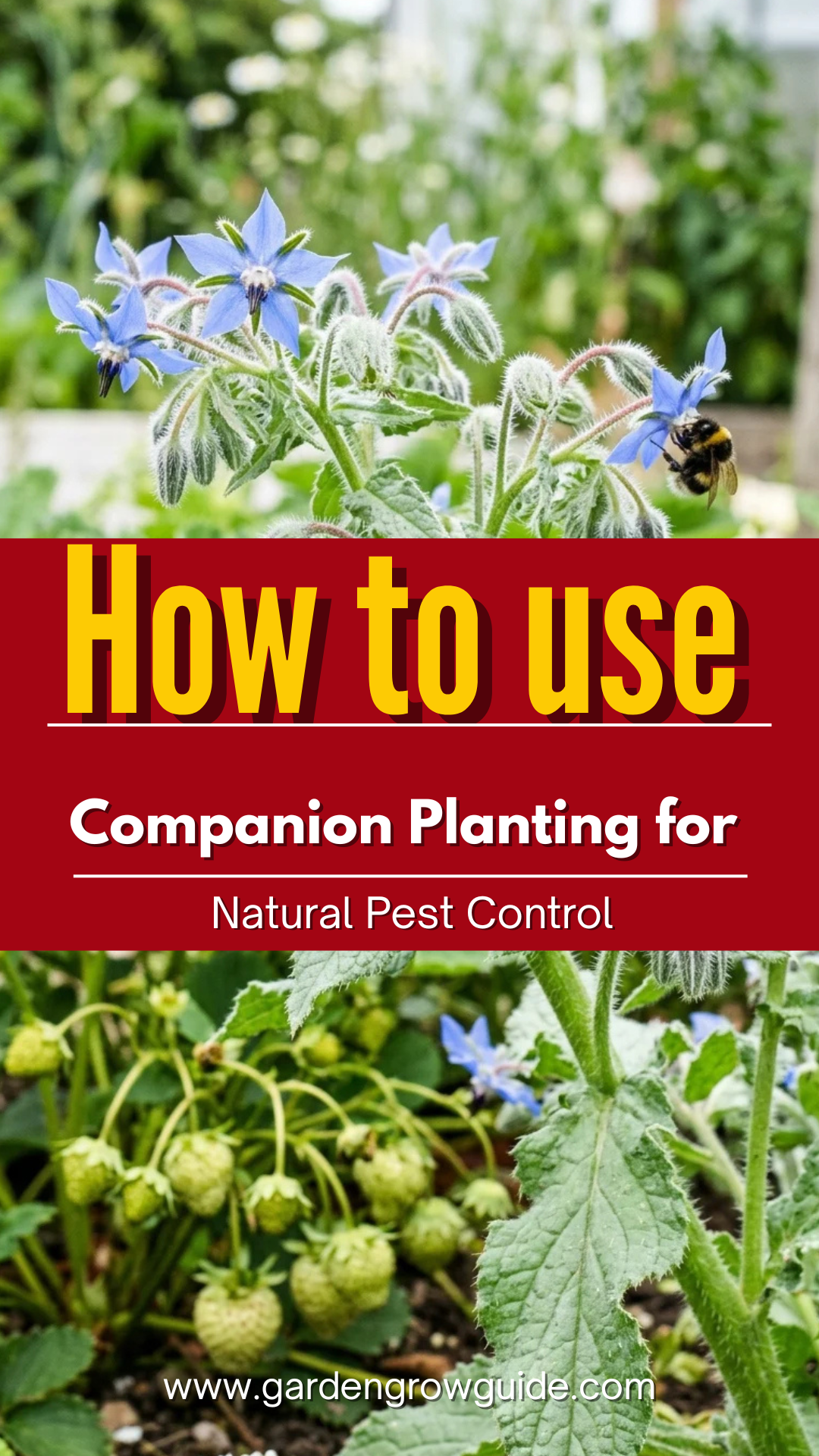
Borage, also known as starflower, is a powerhouse for attracting beneficial insects. Its flowers are a favorite of honeybees and wild bees, but they also attract predatory wasps and hoverflies, which prey on garden pests like aphids and caterpillars.
Borage is specifically valued as a companion for strawberries and tomatoes. It is believed to deter tomato hornworms and cabbage worms while improving the overall resistance of neighboring plants to disease. Furthermore, borage is a “dynamic accumulator,” meaning it deep-mines nutrients from the soil, which eventually benefit surrounding plants as the borage leaves mulch into the ground.
5. Alliums
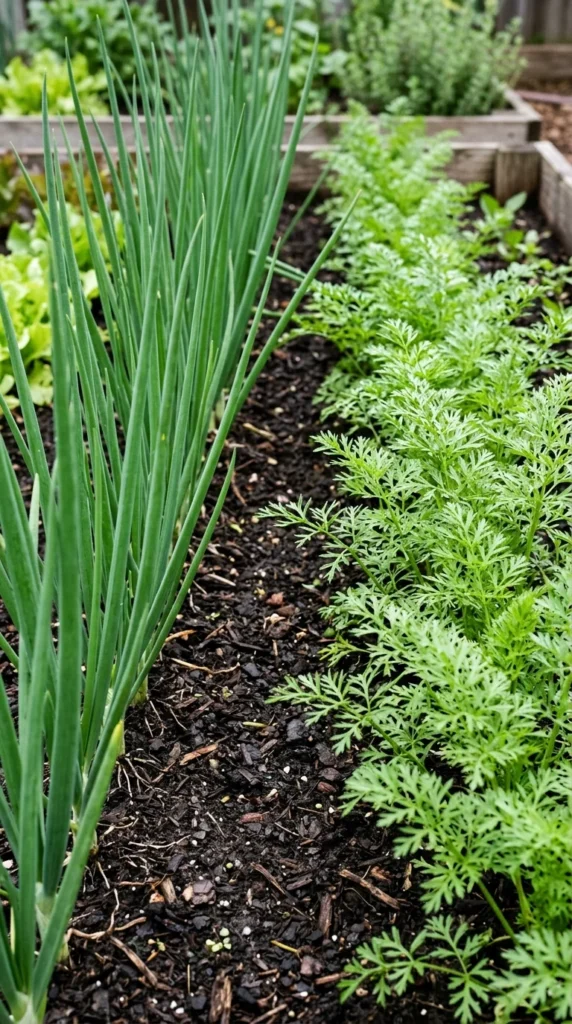
The allium family, which includes onions, garlic, chives, and leeks, provides a powerful olfactory defense for the garden. These plants contain sulfur compounds that give them their characteristic bite and pungent smell—a smell that many pests find unbearable.
Alliums are particularly effective at protecting carrots from the carrot rust fly. The strong scent of the onions masks the smell of the carrots, making it impossible for the fly to locate its host. Similarly, planting garlic around roses can help deter aphids and even discourage browsing deer and rabbits who find the smell offensive.
6. Rosemary
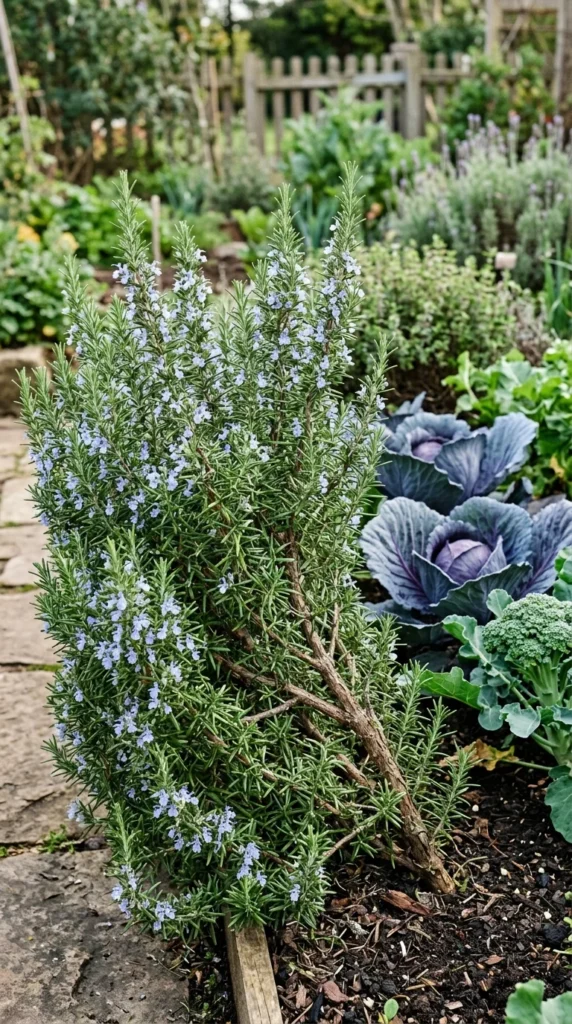
Rosemary is a hardy, perennial herb that serves as an excellent bodyguard for brassicas (cabbage, broccoli, cauliflower, and kale). The intense, resinous scent of rosemary interferes with the ability of the cabbage moth to find a place to lay its eggs.
Because rosemary is a woody shrub, it also provides a permanent habitat for spiders and other predatory insects that stay in the garden year-round. It is also known to deter carrot flies and bean beetles, making it a versatile addition to any vegetable patch edge.
7. Mint
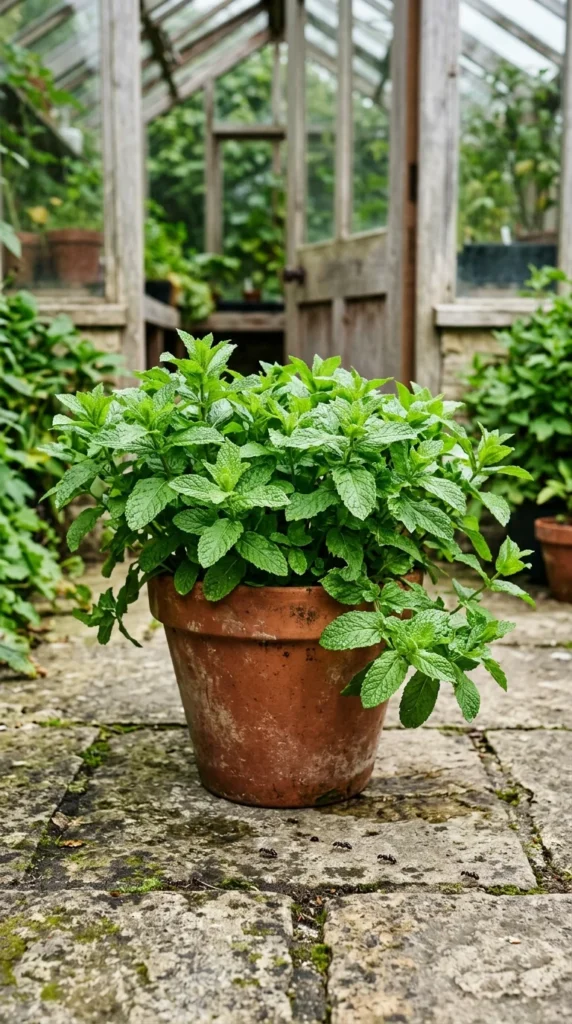
Mint is incredibly effective at repelling a wide range of pests, including ants, aphids, and even rodents like mice. The high concentration of menthol in the leaves acts as a natural irritant to many small creatures.
However, mint is notoriously invasive and can quickly take over a garden bed if planted directly in the soil. To use mint for pest control effectively, it is best kept in pots or containers placed strategically near vulnerable plants. Crushing a few leaves periodically helps release the oils and increases the repellent effect.
8. Dill
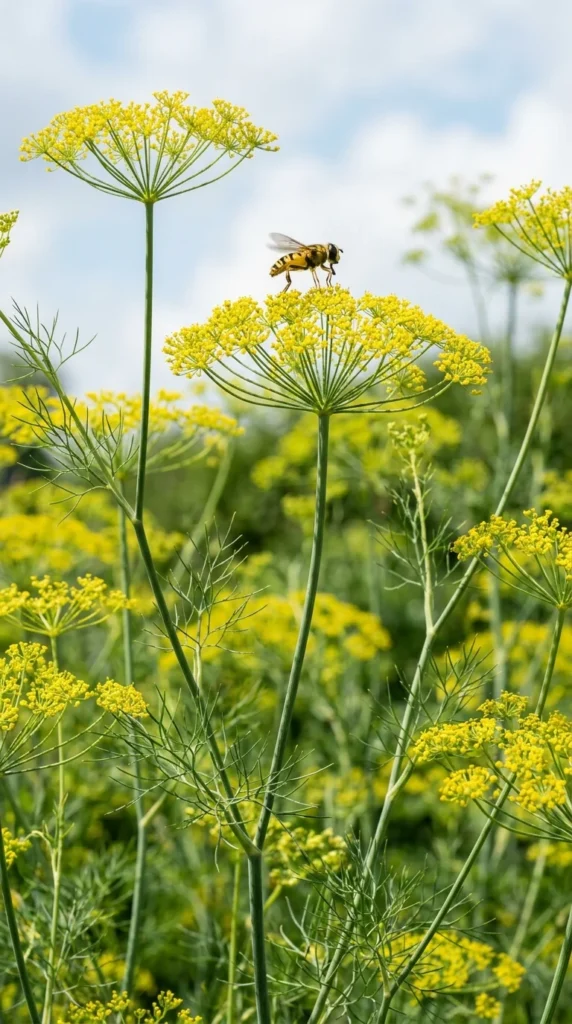
Dill is an essential plant for attracting the “tiny police” of the garden. Its large, flat flower clusters (umbels) are the perfect landing pads for small predatory wasps and hoverflies. These beneficial insects lay their eggs near pest colonies, and their larvae then consume massive quantities of aphids, mites, and small caterpillars.
Dill is a great companion for cucumbers and lettuce, but it should be kept away from carrots, as they are in the same family and can cross-pollinate or attract similar pests if the balance isn’t right.
9. Lavender

Lavender is prized not just for its beauty and fragrance, but for its ability to repel fleas, moths, and flies. In a garden setting, lavender can be used to protect various plants from various flying insects that are sensitive to its essential oils.
Because lavender attracts a wide variety of pollinators, it ensures that your fruiting crops like squash and tomatoes are well-visited. Its silver foliage also provides a beautiful aesthetic contrast to the deep greens of a traditional vegetable garden.
10. Petunias
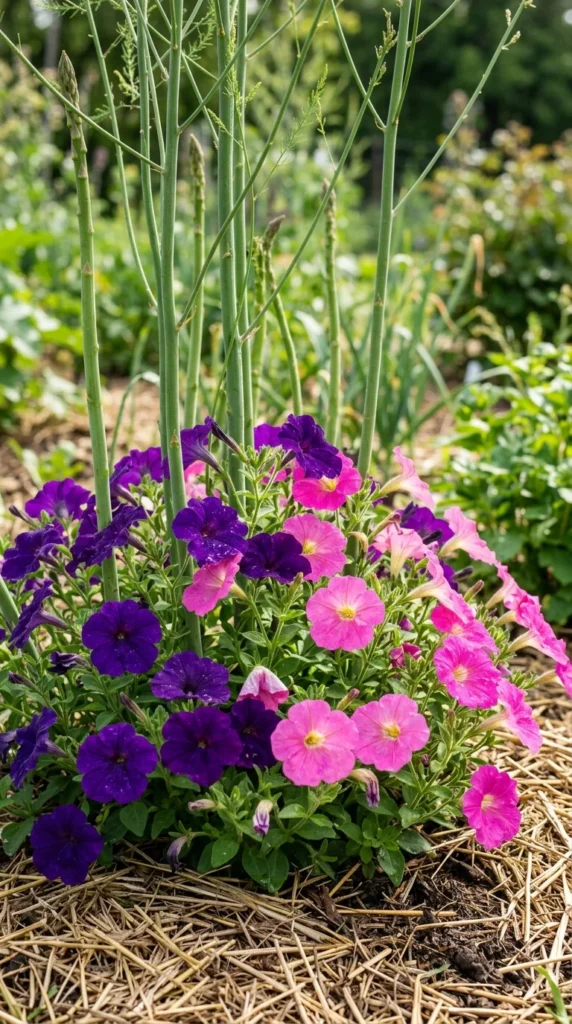
While often thought of as purely ornamental, petunias are effective workers in the vegetable garden. They are known to repel asparagus beetles, leafhoppers, certain types of aphids, and tomato hornworms.
Petunias are particularly useful when tucked into the corners of garden beds or used as a living mulch under taller plants. Their ability to thrive in the heat makes them a reliable companion during the peak summer months when pest pressure is often at its highest.
Implementing Companion Planting Strategies
To make the most of these plant relationships, consider the following techniques:
- Intercropping: Instead of planting a solid block of one vegetable (monoculture), mix in companion flowers and herbs throughout the row. This breaks up the visual and chemical signals that pests use to find their favorite foods.
- Guild Building: Create “guilds” or communities of plants that support each other. The classic “Three Sisters” (corn, beans, and squash) is a prime example where the corn provides a ladder for beans, the beans fix nitrogen in the soil, and the squash provides a living mulch to prevent weeds and pests.
- Vertical Layering: Use the height of certain plants to protect others. For example, tall sunflowers can provide shade for delicate lettuce while also acting as a decoy for aphids.
- Timing: Ensure your companion plants are flowering at the same time your main crops are most vulnerable. Planting marigolds or dill early in the season ensures the “defense system” is active by the time the pests arrive.
By shifting the focus from “killing pests” to “building an ecosystem,” you create a garden that is more resilient, more productive, and significantly more beautiful. Companion planting is a testament to the fact that in nature, everything is connected, and by working with these connections, we can grow healthier food in a more sustainable way.