Maintaining a thriving garden often feels like a constant battle against nature’s hungriest inhabitants. From aphids that drain the life out of rosebuds to slugs that devour tender hosta leaves overnight, pests are an inevitable part of the ecosystem. However, reaching for synthetic chemical pesticides can do more harm than good, often killing beneficial pollinators and degrading soil health.
Natural pest control focuses on creating a balanced ecosystem where the garden can largely defend itself. By employing a combination of biological controls, physical barriers, and non-toxic sprays, you can protect your harvest while ensuring your backyard remains a safe haven for bees, butterflies, and your family.
1. Companion Planting
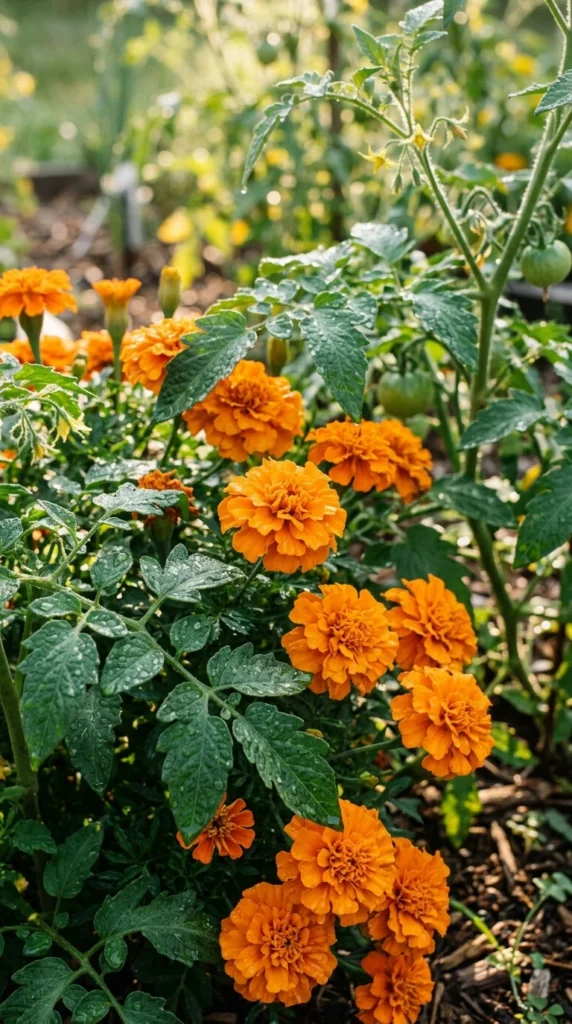
Companion planting is the strategic placement of specific plants near one another to deter pests or attract beneficial insects. Certain plants emit strong scents that confuse or repel harmful bugs. For example, marigolds produce a scent that deters nematodes and aphids, while onions and garlic can discourage carrot flies.
Furthermore, some companion plants act as “trap crops.” Nasturtiums are often planted away from prized vegetables because they are highly attractive to aphids; the pests flock to the nasturtiums, leaving your peppers and beans untouched. This method turns your garden into a complex puzzle that pests find difficult to navigate.
2. Beneficial Insects
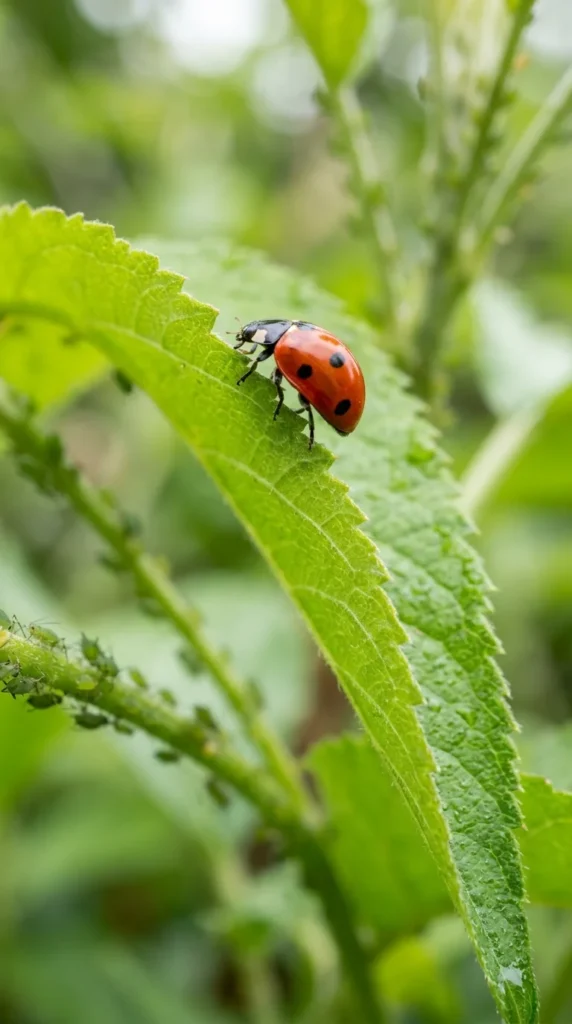
Not all bugs are villains. In a healthy garden, predatory insects act as a natural defense force. Ladybugs and lacewings are voracious consumers of aphids, mites, and scale insects. To attract these “good bugs,” you must provide them with a habitat that includes nectar-rich flowers like dill, fennel, and yarrow.
Inviting birds and toads into the garden also provides significant pest control. A single toad can eat thousands of slugs and beetles in a summer, while birds like wrens and chickadees hunt for caterpillars to feed their young. Providing a small water source and nesting sites encourages these natural predators to take up permanent residence.
3. Neem Oil
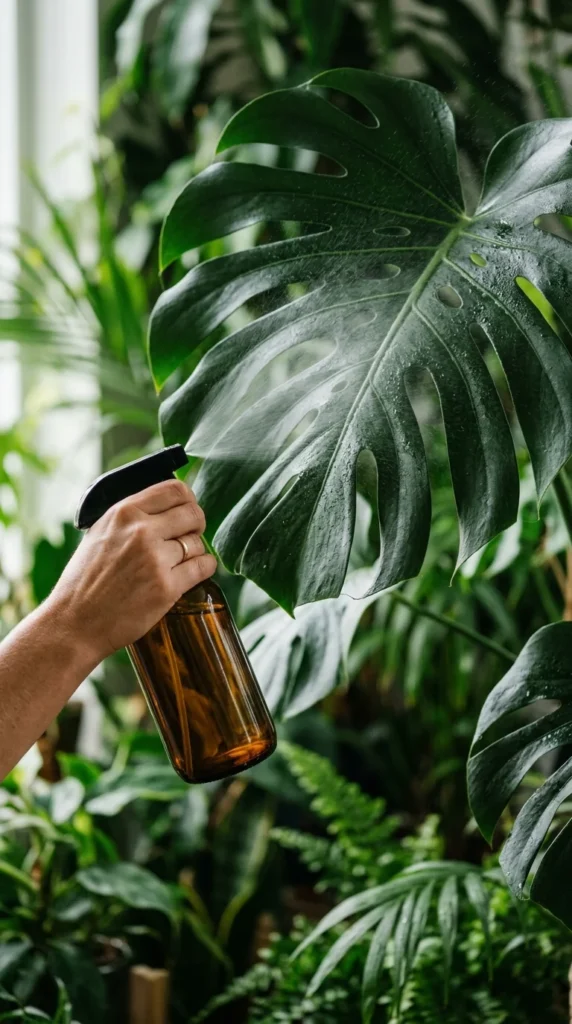
Neem oil is a naturally occurring pesticide found in the seeds of the neem tree. It is one of the most effective organic tools for gardeners because it disrupts the life cycle of pests at all stages—egg, larva, and adult. It acts as a systemic insecticide when absorbed by the plant, meaning it only affects insects that actually bite into the foliage.
Because it is biodegradable and non-toxic to mammals, it is ideal for vegetable patches. It is particularly effective against whiteflies, leaf miners, and spider mites. When using neem oil, it is best to apply it in the evening or early morning to avoid any potential foliage burn from the sun and to ensure that bees, which are active during the day, are not accidentally sprayed.
4. Diatomaceous Earth
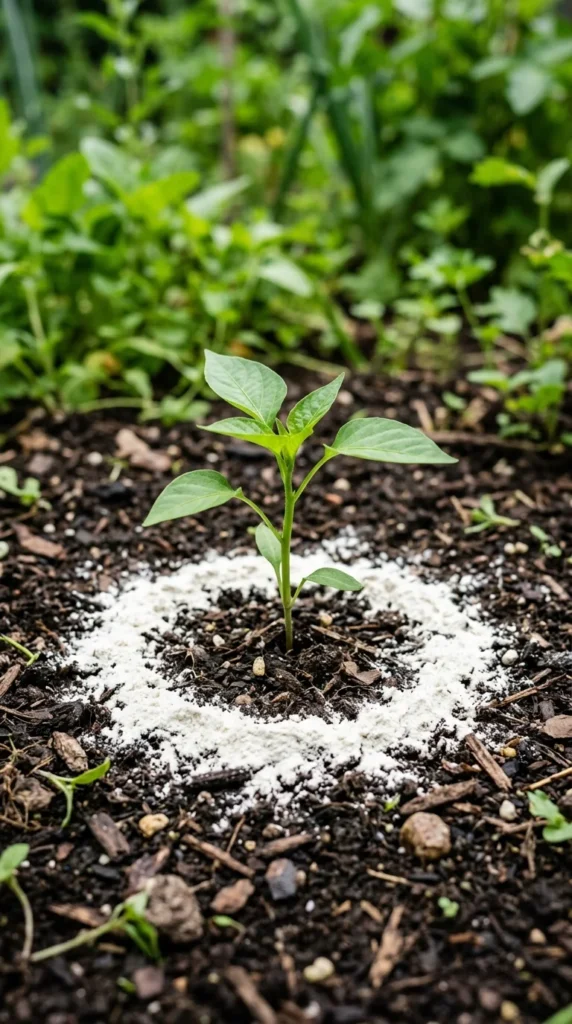
Diatomaceous earth (DE) is a powder made from the fossilized remains of tiny aquatic organisms called diatoms. While it feels like soft flour to humans, it is composed of microscopic sharp edges that pierce the protective exoskeletons of crawling insects like ants, slugs, and earwigs, causing them to dehydrate.
To use DE effectively, it must be food-grade and applied to the soil surface or directly on the leaves when they are dry. It is a mechanical killer rather than a chemical one, meaning pests cannot develop a resistance to it. However, it must be reapplied after heavy rain or watering, as it loses its effectiveness when wet.
5. Garlic Spray
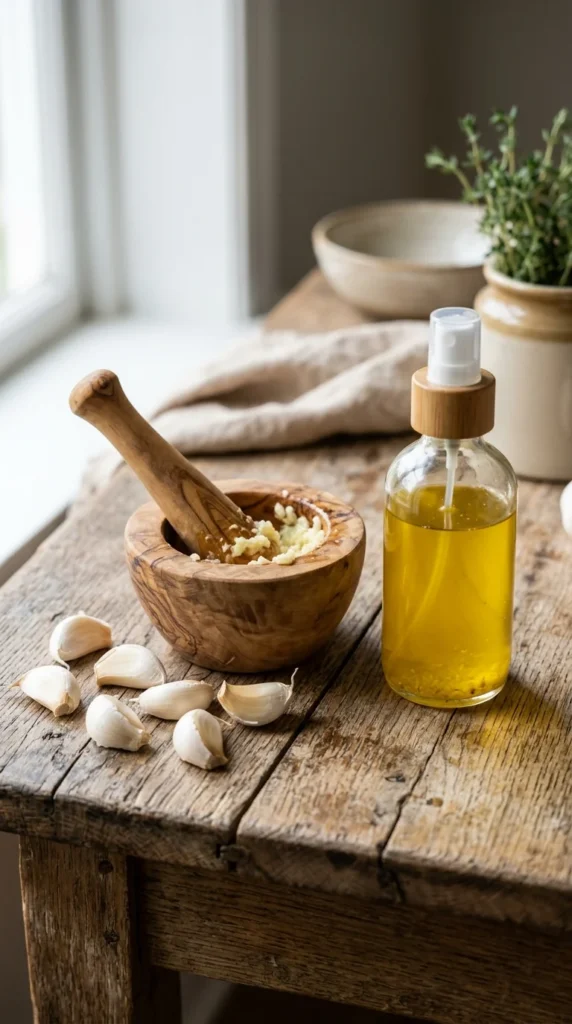
Garlic is a powerful natural repellent due to its high sulfur content. A homemade garlic spray can be used to deter a wide range of pests, including beetles and aphids, without harming the plant or the environment. The pungent aroma masks the scent of the host plants, making it harder for pests to locate their food.
To make a basic spray, blend two whole bulbs of garlic with a small amount of water, let it sit overnight, strain the mixture, and dilute it into a gallon of water. Adding a teaspoon of liquid castile soap helps the mixture adhere to the leaves. This organic solution is safe for edible crops, though you should avoid spraying it directly on flowers where pollinators land.
6. Physical Barriers
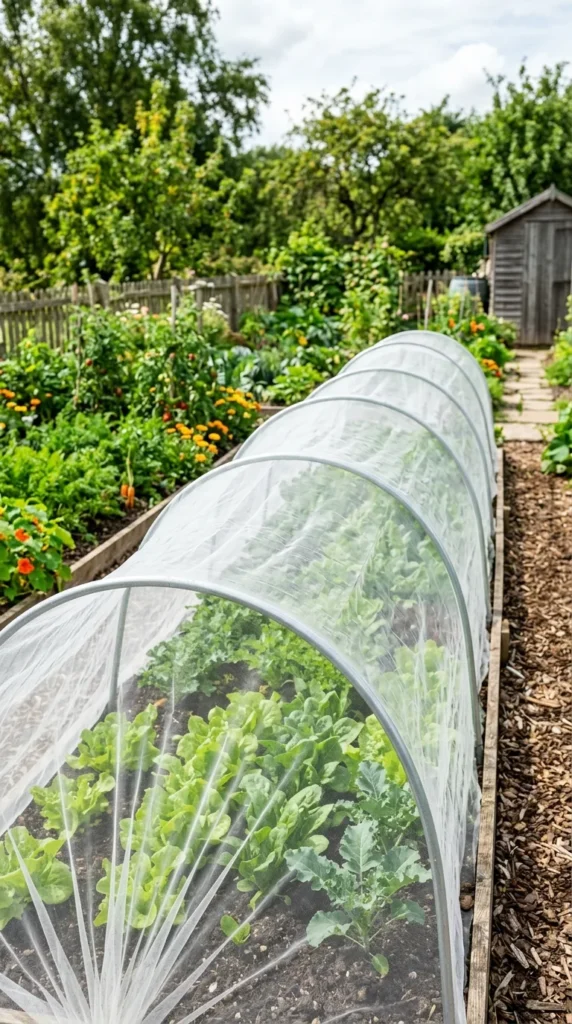
Sometimes the best defense is simply a physical wall. Row covers, cloches, and copper tape are highly effective at preventing pests from ever reaching your plants. Floating row covers are lightweight fabrics that allow light and water to pass through but prevent moths from laying eggs on brassicas, preventing the dreaded cabbage worm infestation.
For slug and snail control, copper tape wrapped around pots or raised beds creates a mild electric charge when the pests’ mucus touches it, deterring them from crossing. Similarly, “collars” made from cardboard or plastic cups can be placed around the stems of young seedlings to prevent cutworms from severing the stems at the soil line.
7. Soap Sprays
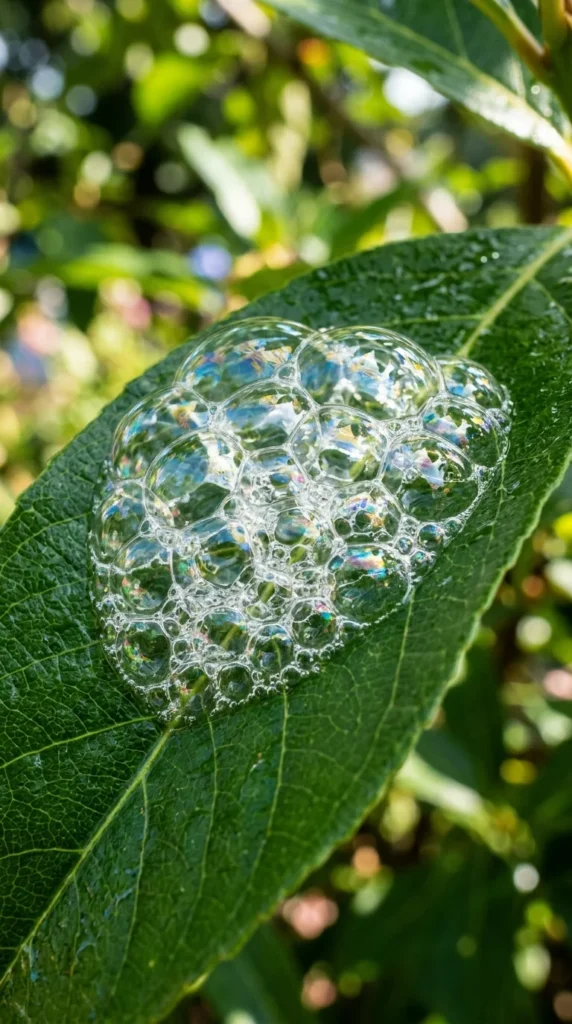
Insecticidal soaps are specifically formulated to weaken the outer shells of soft-bodied insects such as mealybugs, thrips, and whiteflies. When the soap comes into contact with the insect, it causes the cell membranes to collapse, leading to rapid dehydration.
You can make a DIY version using a tablespoon of liquid castile soap (not detergent) mixed with a quart of water. It is essential to test a small area of the plant first, as some species are sensitive to soap. Always spray both the tops and bottoms of leaves, as many pests hide in the crevices and undersides to avoid the sun.
8. Crop Rotation
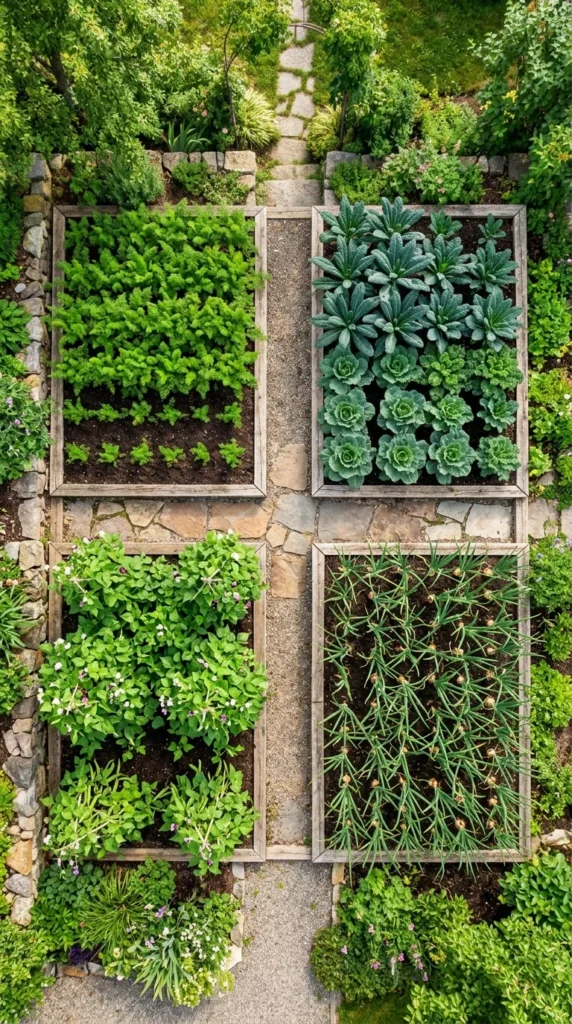
Many pests and diseases are soil-borne and specific to certain plant families. If you plant potatoes in the same spot year after year, the Colorado potato beetle population in that soil will grow exponentially. Crop rotation involves moving plant families to different locations each season to break the pest cycle.
A standard four-year rotation plan might involve moving legumes (beans/peas), brassicas (broccoli/kale), alliums (onions/garlic), and nightshades (tomatoes/peppers) through different beds. By the time a specific family returns to its original spot, the pests that preyed upon them will have moved on or died out due to a lack of a host.
9. Handpicking
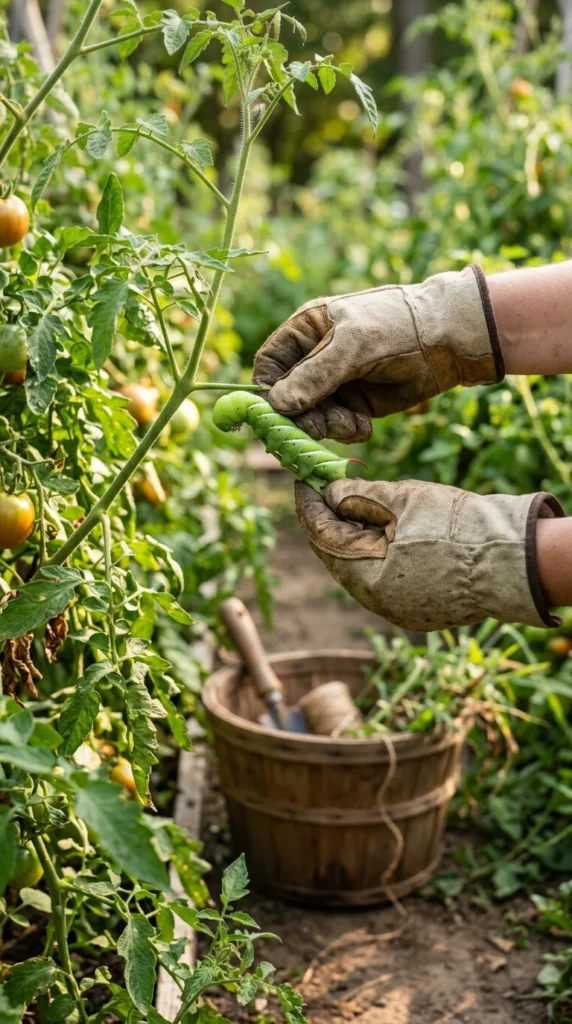
While it is the most labor-intensive method, handpicking remains one of the most effective ways to manage large pests like tomato hornworms, Japanese beetles, and snails. For many gardeners, a morning “patrol” with a bucket of soapy water is a meditative ritual that allows for early detection of issues.
Early morning is the best time for handpicking, as many pests are sluggish from the cooler night temperatures. For nocturnal pests like slugs, a flashlight-aided search after dark can yield significant results. Removing the pests manually ensures zero impact on the surrounding environment and provides an immediate solution to an infestation.
10. Healthy Soil
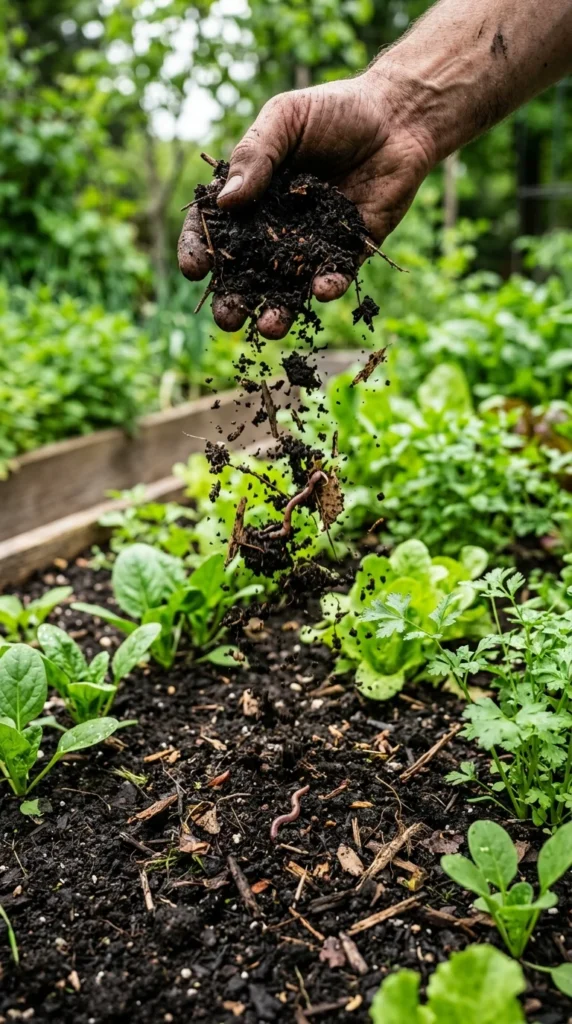
The ultimate natural defense against pests is a healthy plant. Much like humans, plants with a “strong immune system” are less likely to succumb to attacks. This health begins in the soil. Soil rich in organic matter and compost provides the necessary nutrients for plants to grow sturdy cell walls and produce natural chemical defenses.
Over-fertilizing with synthetic nitrogen often results in a flush of tender, sappy growth that is highly attractive to aphids. By focusing on slow-release organic fertilizers and maintaining a proper pH balance, you ensure that your plants are resilient enough to survive minor pest damage without the need for intervention.