Designing a backyard fruit garden is one of the most rewarding projects a homeowner can undertake. Unlike a traditional vegetable garden which requires annual replanting, a fruit garden is a long-term investment that provides a bountiful harvest for decades. A well-designed orchard doesn’t just provide fresh, organic produce; it adds structural beauty, shade, and value to your property. To transform a simple lawn into a productive oasis, you must follow a strategic process that considers biology, aesthetics, and maintenance.
1. Site Assessment
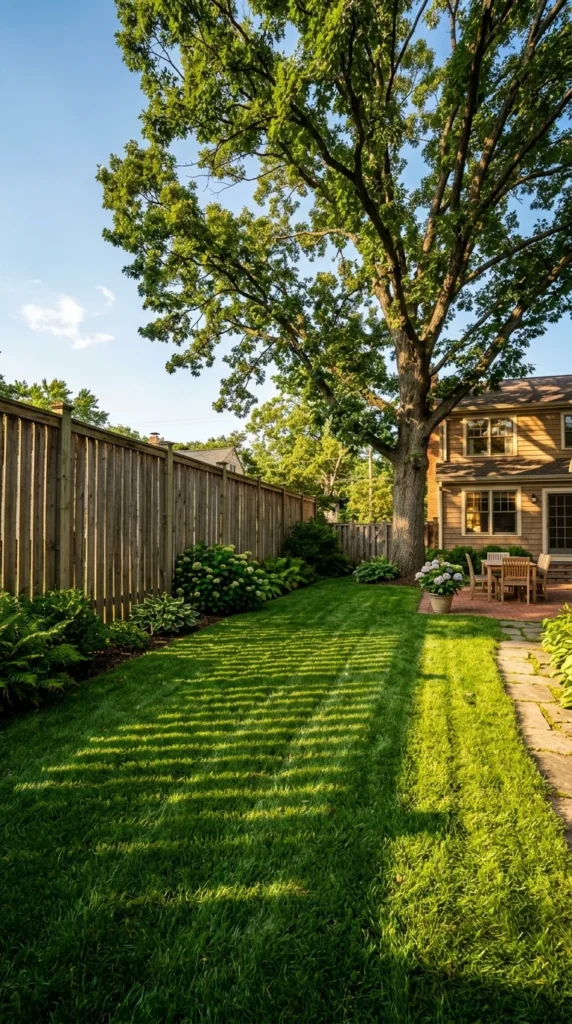
The success of your fruit garden begins with choosing the right location. Most fruit-bearing plants are “sun-worshippers,” requiring a minimum of six to eight hours of direct sunlight daily to produce sugars and develop fruit. Without adequate light, the plants will be prone to fungal diseases and will produce sparse, sour crops.
Beyond light, you must consider the topography and wind. Avoid “frost pockets”—low-lying areas where cold air settles on spring nights—as a late frost can kill delicate blossoms and ruin an entire season’s crop. If your yard is prone to heavy winds, consider planting a windbreak or placing trees near a fence to prevent branches from snapping under the weight of ripening fruit.
2. Variety Selection
Not all fruit trees are created equal, and choosing the right varieties is critical. You must first identify your USDA Hardiness Zone to ensure the plants can survive your winters. Equally important are “chill hours”—the number of hours between 32°F and 45°F that a tree needs to break dormancy. If you live in a warm climate and plant a high-chill apple tree, it may never bloom.
Consider the following categories:
- Pome Fruits: Apples and pears. These are generally hardy and easy to train.
- Stone Fruits: Peaches, plums, and cherries. These often require more pruning and are sensitive to late frosts.
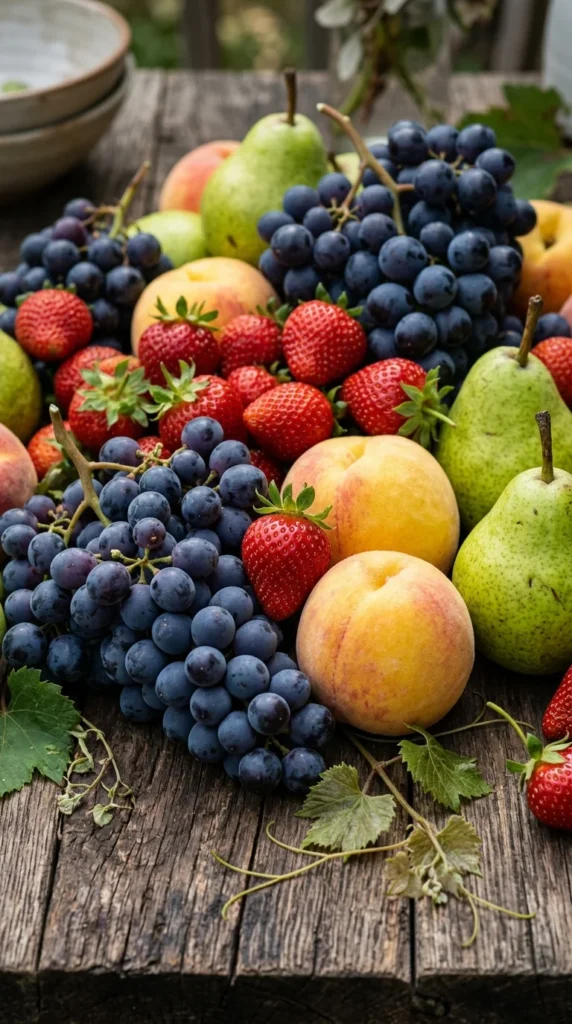
- Small Fruits: Blueberries, raspberries, and strawberries. These are perfect for filling in gaps and provide quick yields.
- Pollination Needs: Many fruit trees are not self-fertile. You may need to plant two different varieties of the same fruit (e.g., two different apple varieties) to ensure cross-pollination.
3. Spacing Layout
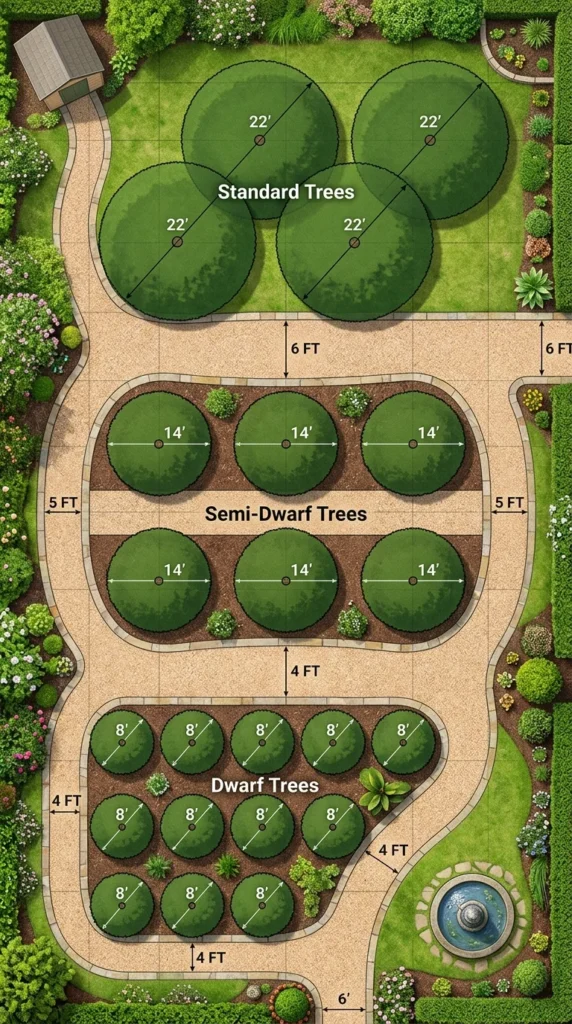
Proper spacing is the difference between a thriving orchard and a tangled, diseased mess. Airflow is essential for preventing mold and mildew. Traditionally, fruit trees were planted far apart, but modern backyard “high-density” techniques allow for more variety in smaller spaces.
- Standard Trees: Reach 20-30 feet tall and wide; rarely recommended for small backyards.
- Semi-Dwarf Trees: Reach 12-15 feet. Good for medium yards.
- Dwarf Trees: Reach 6-10 feet. These are ideal for small spaces and can even be grown in large pots.
- Espalier: A technique where trees are trained to grow flat against a wall or fence. This is a space-saving masterpiece that adds a formal, architectural look to the garden.
4. Soil Preparation
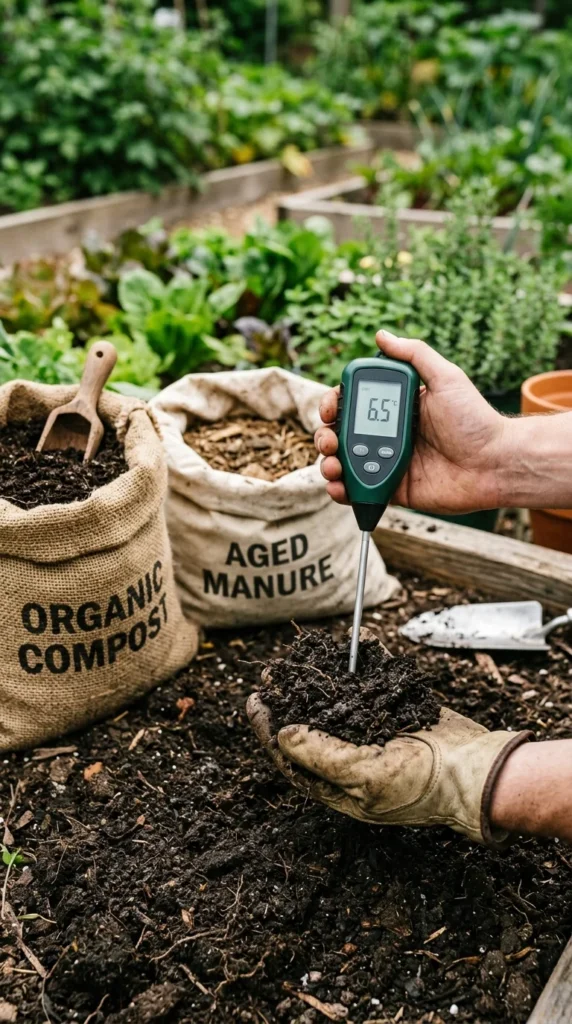
Fruit trees are a permanent fixture, meaning you only have one chance to truly fix the soil before the tree goes in the ground. Most fruit crops prefer a slightly acidic to neutral pH (between 6.0 and 7.0). Perform a soil test to check for nutrient deficiencies and drainage capacity.
If your soil is heavy clay, the roots may rot in standing water. In this case, consider planting on raised mounds or in large raised beds. Incorporate generous amounts of well-rotted compost or aged manure to improve soil structure and provide a slow-release source of nutrients. Avoid high-nitrogen fertilizers at the time of planting, as this can burn tender new roots.
5. Proper Planting
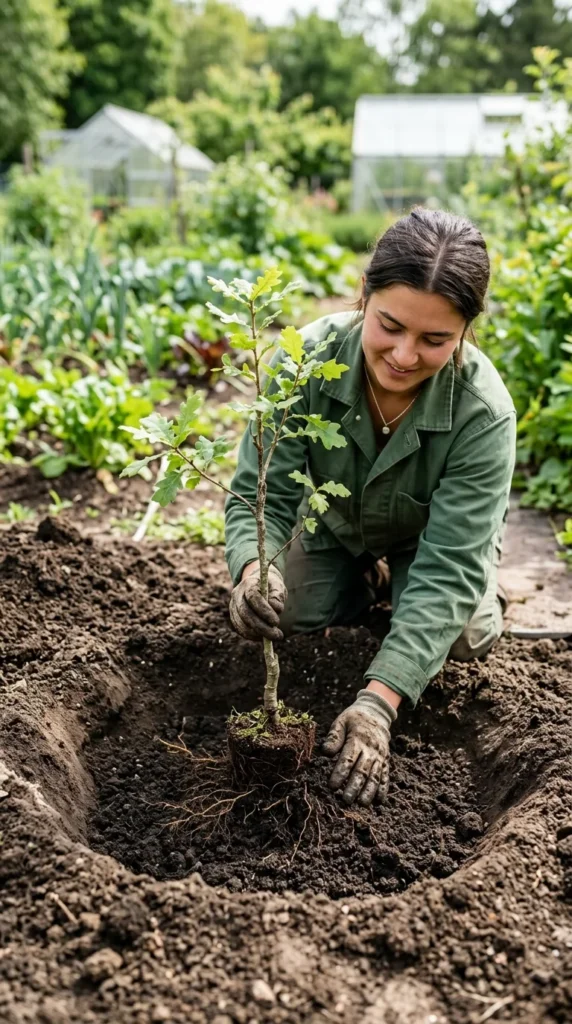
The best time to plant fruit trees is during their dormant season, either in late autumn or early spring. This allows the root system to establish itself before the heat of summer puts stress on the leaves.
When planting, dig a hole twice as wide as the root ball but no deeper. A common mistake is planting too deep. Locate the “graft union”—the bump on the lower trunk where the fruiting variety meets the rootstock. This union must remain 2-3 inches above the soil line. If it is buried, the tree may lose its dwarfing characteristics or become susceptible to rot. Fill the hole with the native soil you removed, watering as you go to eliminate air pockets.
6. Irrigation Systems
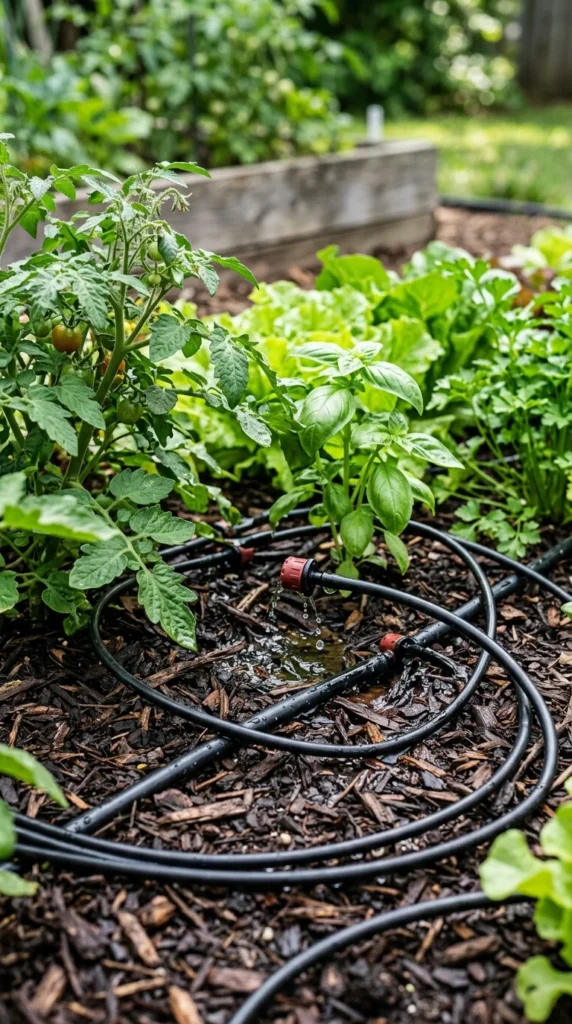
Consistency is the secret to juicy fruit. While established trees are somewhat drought-tolerant, young plants and those currently developing fruit need regular moisture. Deep, infrequent watering is better than shallow, daily sprinkles, as it encourages roots to grow deep into the earth.
Installing a drip irrigation system is the most efficient method. It delivers water directly to the root zone, reducing evaporation and keeping the foliage dry (which prevents disease). Supplement your irrigation with a thick layer of organic mulch, such as wood chips or straw. Mulch suppresses weeds, regulates soil temperature, and breaks down over time to further enrich the soil.
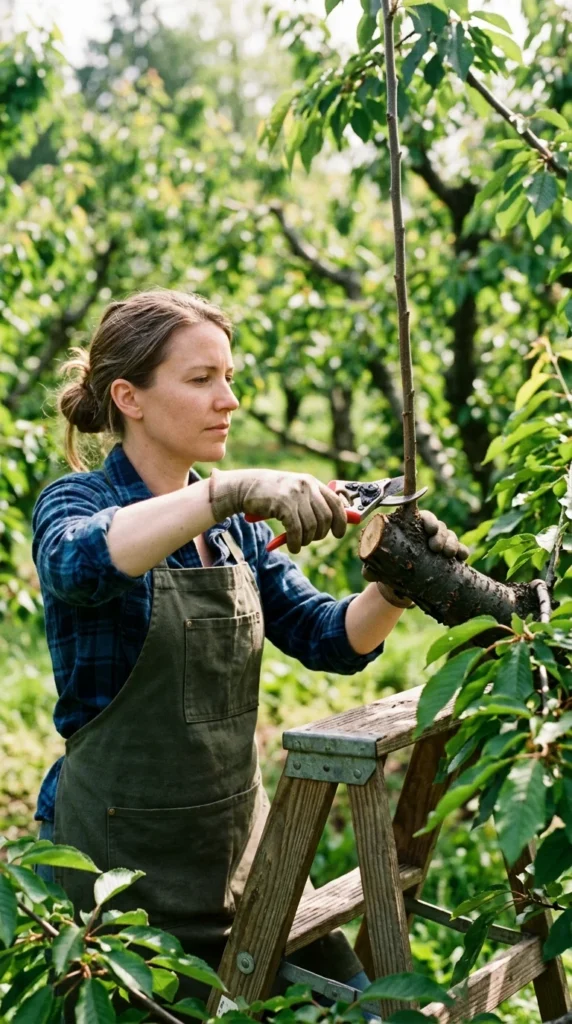
7. Pruning Techniques
Pruning is often the most intimidating part of fruit gardening, but it is essential for tree health and fruit quality. The goal of pruning is to allow light and air into the center of the canopy and to remove dead, damaged, or diseased wood.
- Winter Pruning: Done during dormancy to encourage vigorous growth in the spring. This is when you shape the tree.
- Summer Pruning: Done to slow down growth and manage the size of the tree.
- Thinning: When a tree produces too much fruit, the individual fruits remain small and branches may break. Remove excess fruit early in the season so the remaining pieces have the space and energy to grow large and sweet.
By following these steps, your backyard will transform into a perennial pantry. A well-designed fruit garden is a living legacy that provides beauty, shade, and a delicious harvest for years to come.