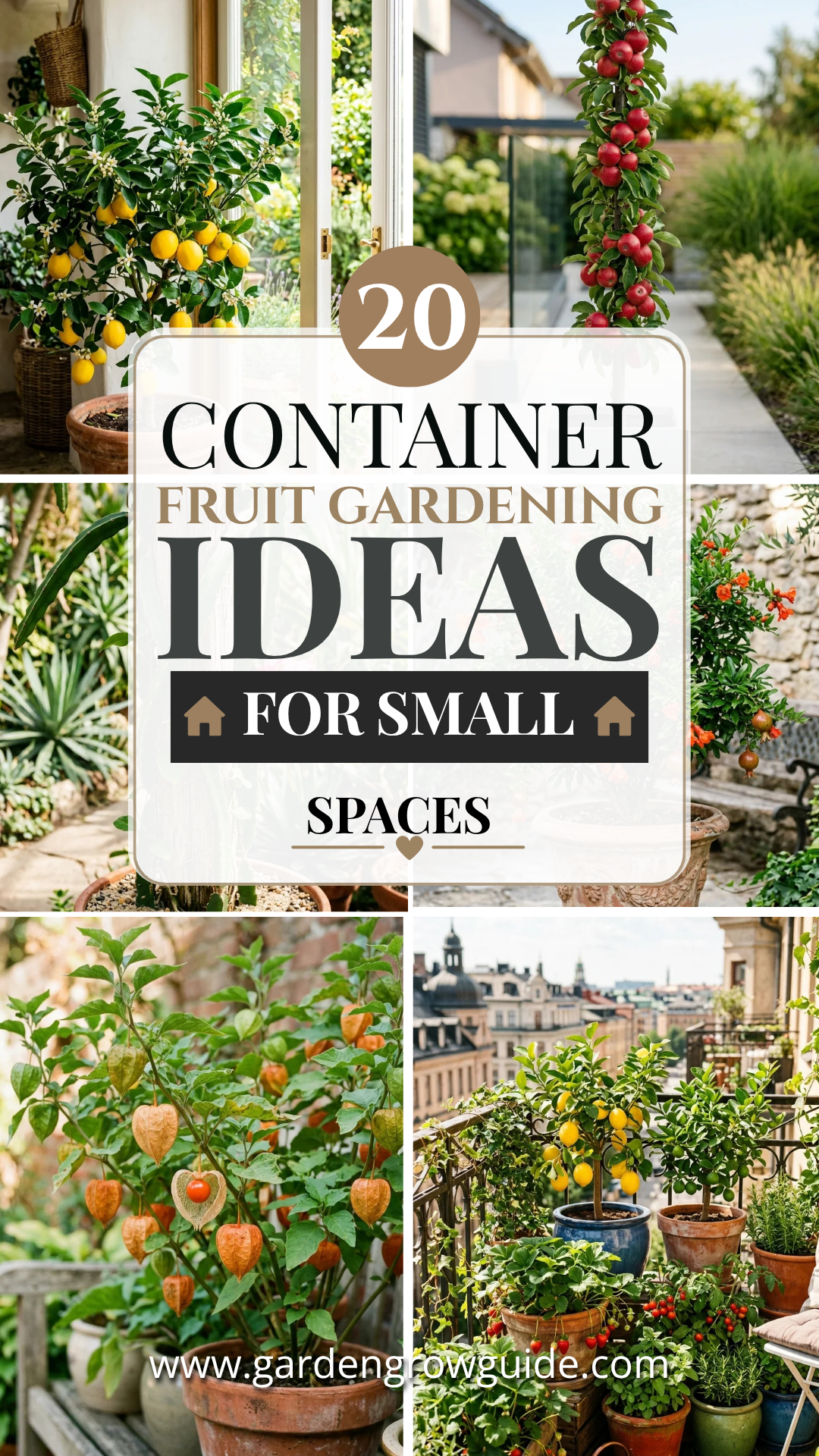
The dream of picking fresh, sun-ripened fruit isn’t reserved solely for those with sprawling orchards and rolling hills. For urban dwellers, apartment residents, or those with limited backyard square footage, container gardening offers a revolutionary way to cultivate a “bountiful harvest” right outside the back door. Modern horticulture has made significant strides in developing “dwarf” and “columnar” varieties specifically designed to thrive in confined root environments.
When growing fruit in containers, the keys to success are high-quality potting mix, consistent moisture, and choosing the right cultivar. Because pots dry out faster than the ground, self-watering containers or drip irrigation systems can be game-changers. Here are 20 innovative and space-saving ideas to transform your small space into a productive edible oasis.
1. Blueberry Bushes
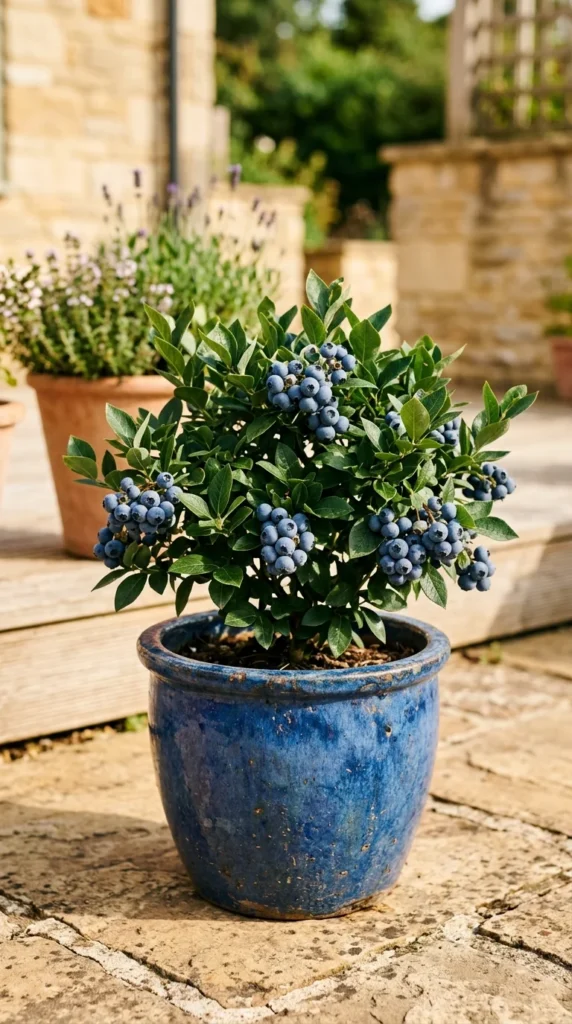
Blueberries are perhaps the most successful container fruits because they require acidic soil (pH 4.5 to 5.5), which is much easier to maintain in a pot than in the ground. For small spaces, look for “Top Hat” or “Sunshine Blue” varieties. These cultivars stay naturally small and offer beautiful pink-and-white bell-shaped flowers in the spring, followed by delicious berries in the summer, and vibrant red foliage in the autumn. Ensure you use an ericaceous (acid-loving) potting mix and water with harvested rainwater if your tap water is hard.
2. Meyer Lemons
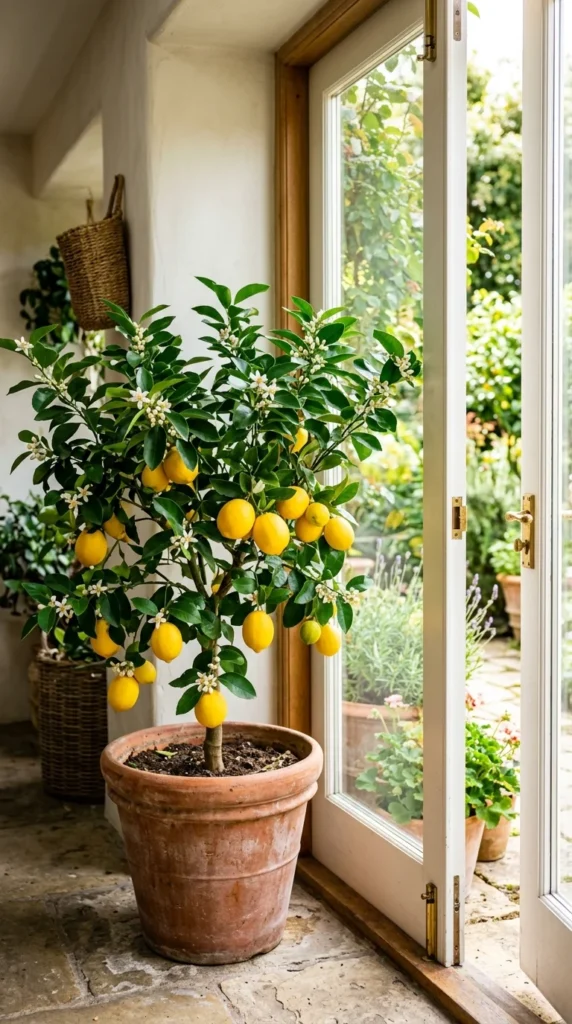
The Meyer Lemon is the “darling” of the indoor-outdoor gardening world. A cross between a lemon and a mandarin orange, the fruit is sweeter and thinner-skinned than grocery store lemons. They are perfectly suited for large pots and can be moved indoors during the winter in colder climates. They require at least 6 to 8 hours of direct sunlight and regular feeding with a citrus-specific fertilizer. The fragrance of their blossoms alone is enough to justify their place on a small balcony.
3. Dwarf Apples
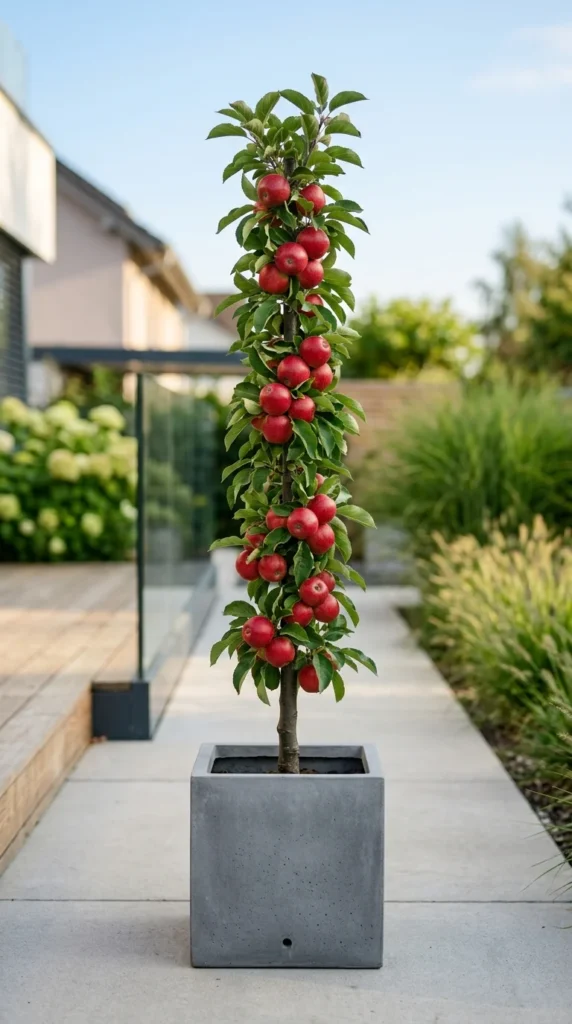
Traditional apple trees are massive, but “Columnar” or “Ballerina” apples grow in a narrow, upright pillar shape, rarely exceeding two feet in width. This makes them ideal for tight corners or lining a walkway. Varieties like ‘Northpole’ or ‘Golden Sentinel’ produce full-sized fruit on short spurs along the main trunk. Because many apples are not self-fertile, you may need two different varieties that bloom at the same time to ensure pollination, or look for a “multi-graft” tree where two or three varieties are grown on a single trunk.
4. Alpine Strawberries
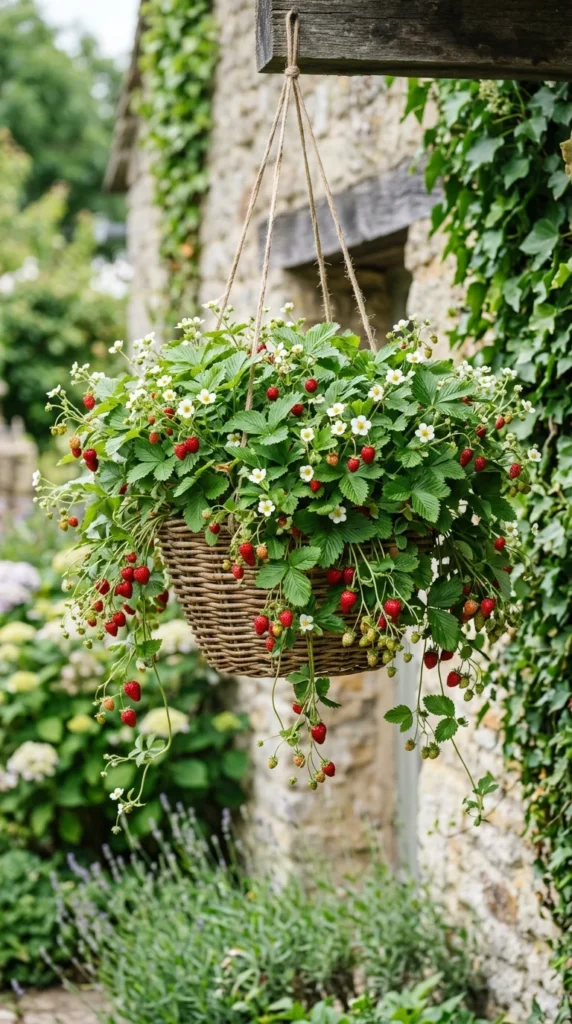
While standard strawberries work well in pots, Alpine strawberries (Fragaria vesca) are a hidden gem for small spaces. Unlike their sprawling cousins, Alpines grow in neat clumps and do not send out runners, making them perfect for decorative pots or window boxes. The fruits are smaller but pack an incredibly intense, floral sweetness that puts commercial berries to shame. They are also more shade-tolerant than most fruits, making them ideal for north-facing balconies.
5. Fig Trees
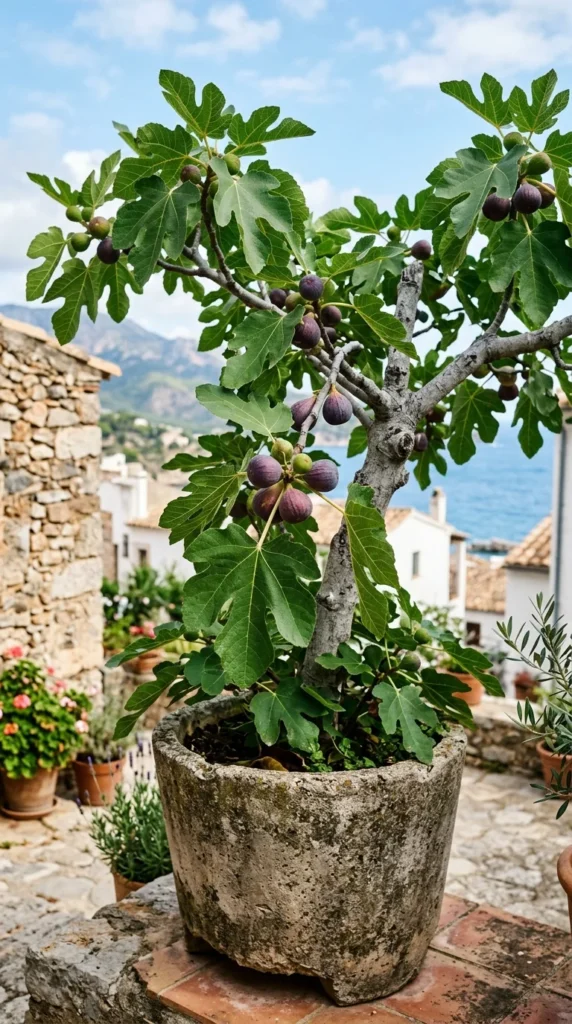
Figs actually prefer having their roots slightly constricted, which makes them ideal candidates for container life. Varieties like ‘Little Miss Figgy’ or ‘Brown Turkey’ are particularly well-suited for pots. Figs are remarkably resilient and can be pruned heavily to maintain a manageable size. They enjoy a hot, sheltered spot—perhaps against a south-facing brick wall—where the heat will help ripen the fruit to a jammy consistency.
6. Raspberries
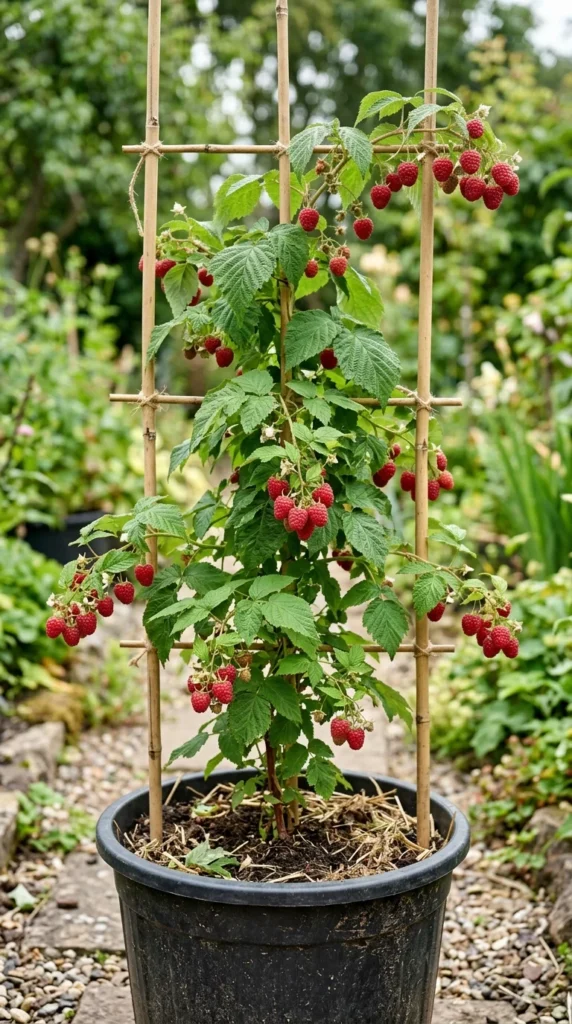
Traditionally, raspberries are unruly thickets, but new “dwarf” primocane varieties like ‘Raspberry Shortcake’ have changed the game. These plants grow into a rounded, thornless mound that tops out at about three feet. They require no complex trellising and produce fruit on new wood, meaning you can simply prune them back to the ground in late winter. They are perfect for placing on a table or stool where the berries are easy to reach.
7. Goji Berries
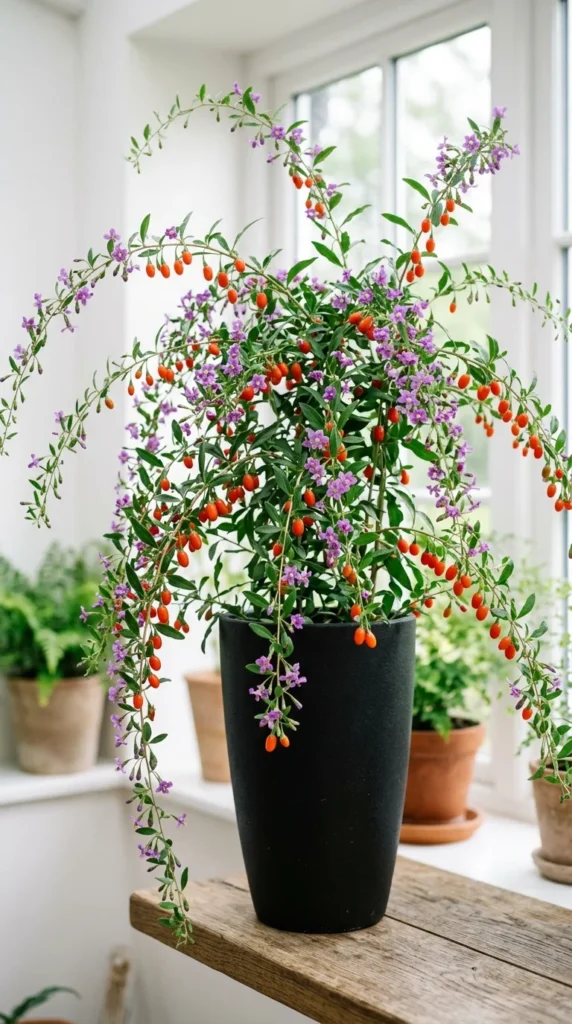
Often labeled a “superfood,” Goji berries are incredibly hardy and surprisingly easy to grow in containers. They are drought-tolerant once established and can handle a variety of soil types. In a pot, their naturally sprawling habit can be managed by staking them into a more upright shape or allowing them to cascade over the edges. They provide a unique visual texture to a garden and a continuous harvest of nutrient-dense berries throughout the late summer.
8. Pomegranate
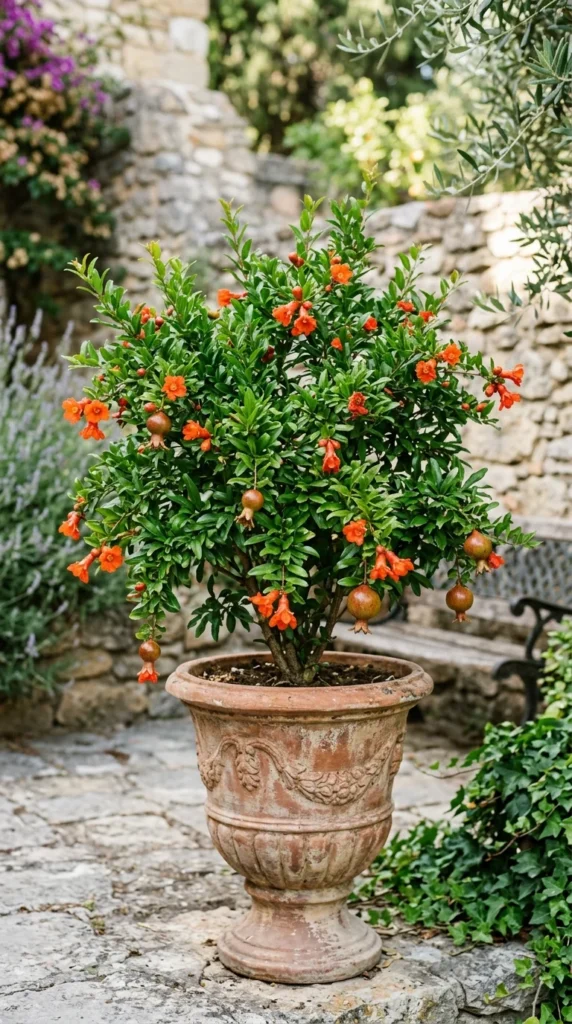
Dwarf pomegranates, such as the ‘Nana’ variety, are ornamental powerhouses that produce edible (though small) fruit. They are exceptionally heat-tolerant and thrive in sunny, dry conditions. Their narrow, glossy leaves and brilliant orange flowers make them a focal point even when not in fruit. They are also popular subjects for bonsai, showcasing their ability to adapt to very small root systems.
9. Calamondin Orange
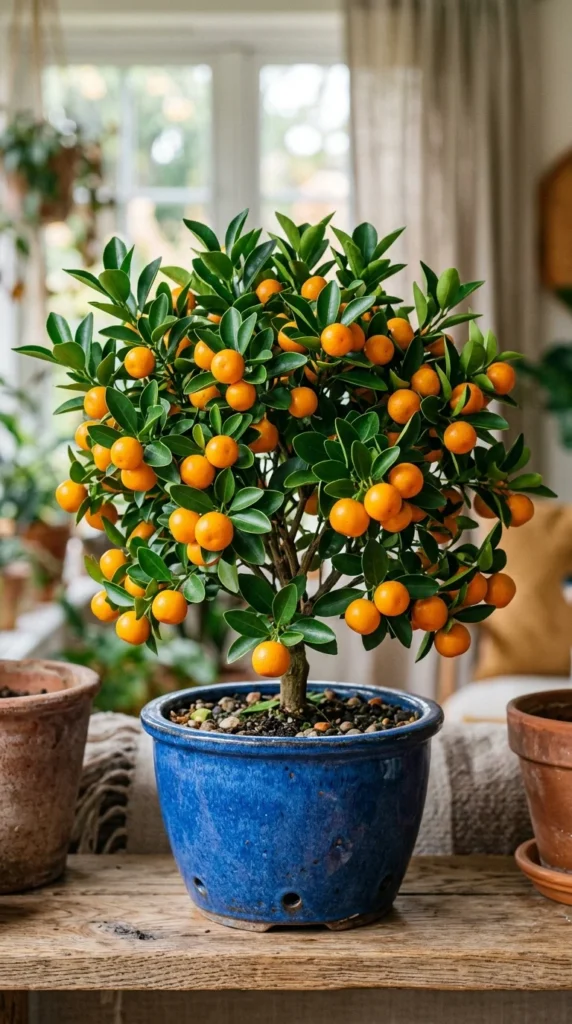
The Calamondin is a cross between a tangerine and a kumquat. It is widely considered the best citrus for indoor growing because it is highly tolerant of lower light levels and dry indoor air. The fruit is quite tart, resembling a lime in flavor, and is excellent for marmalades or as a garnish for drinks. The tree is prolific, often covered in fruit and fragrant flowers simultaneously throughout the year.
10. Kumquats
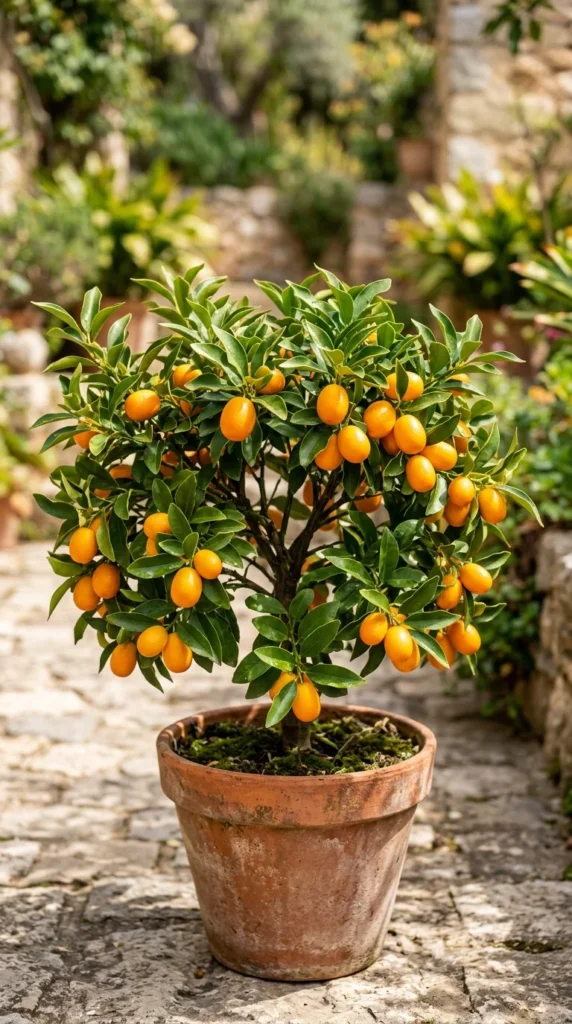
Kumquats are unique because you eat the entire fruit—skin and all. The skin is sweet while the flesh is tart, creating a burst of flavor. Varieties like ‘Nagami’ are naturally small and slow-growing, making them perfect for long-term container cultivation. They are among the most cold-hardy of all citrus, able to withstand brief dips in temperature that would kill a lemon or lime tree.
11. Pineapple Guava
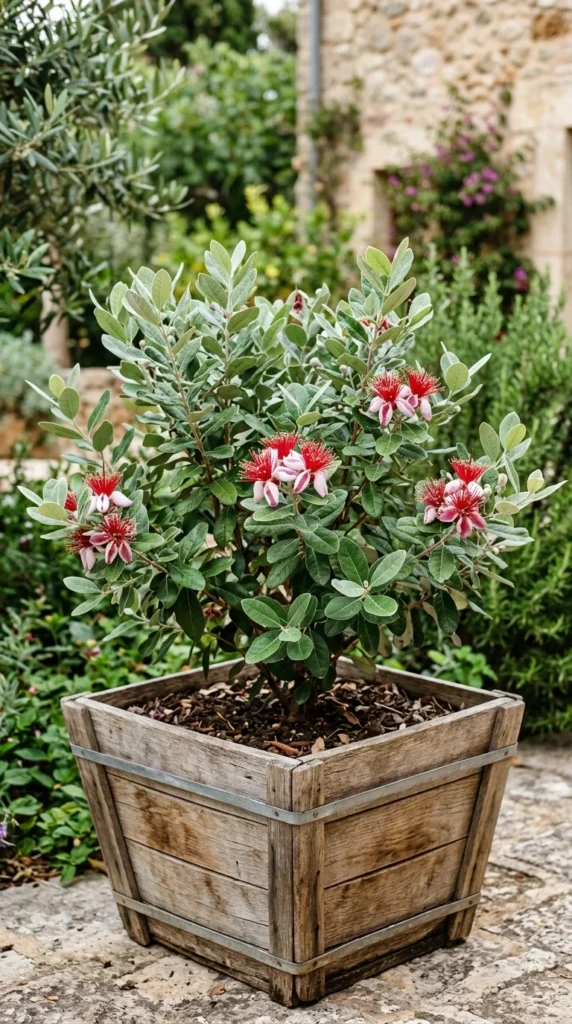
Also known as Feijoa, this evergreen shrub is prized for both its fruit and its stunning edible flowers. The fruit tastes like a tropical blend of pineapple, apple, and mint. It is extremely hardy and can be pruned into a formal hedge or a small tree shape. In a container, it provides a sophisticated, Mediterranean look with its silvery-grey foliage.
12. Honeyberries
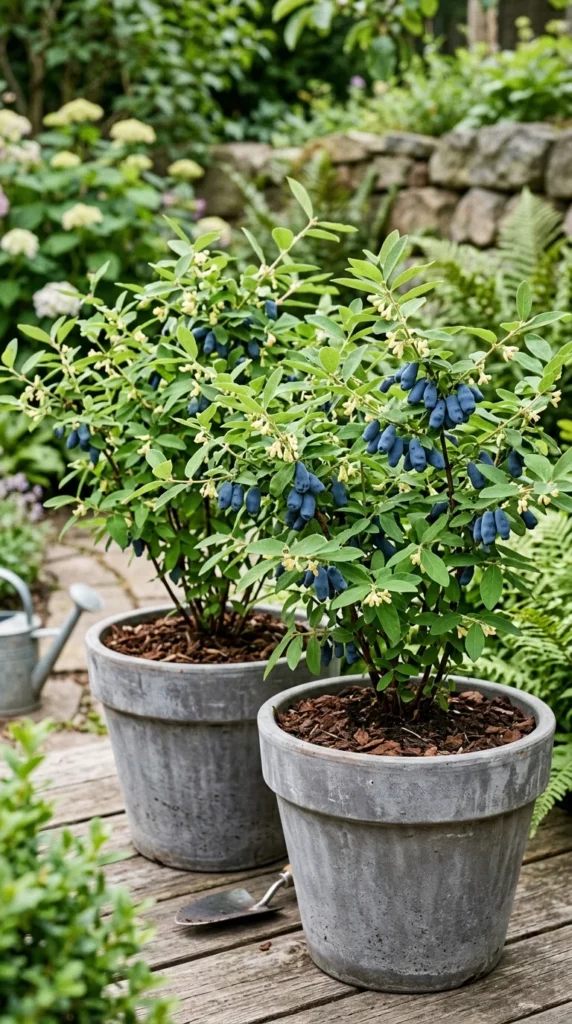
Honeyberries (Haskaps) are incredibly cold-hardy and are often the first fruit to ripen in the spring, even before strawberries. They are related to honeysuckle and have a flavor described as a mix of blueberry and raspberry. They require two different varieties for cross-pollination, so plan on having at least two pots side-by-side. They are largely pest-free and don’t require the acidic soil that blueberries do.
13. Blackberries
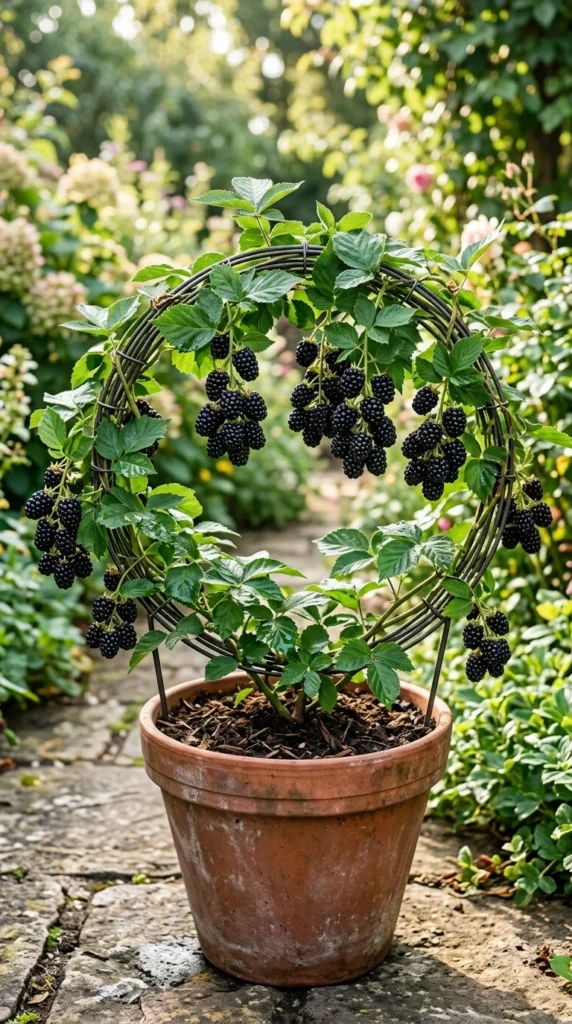
For years, blackberries were the bane of gardeners due to their thorns and invasive spread. However, modern dwarf, thornless varieties like ‘Baby Cakes’ have made them a delight for container gardeners. These plants grow in a compact, mounded habit and produce large, sweet fruits on thorn-free stems. Using a trellis or a “tomato cage” can help support the heavy fruit loads and keep the plant looking tidy.
14. Peaches
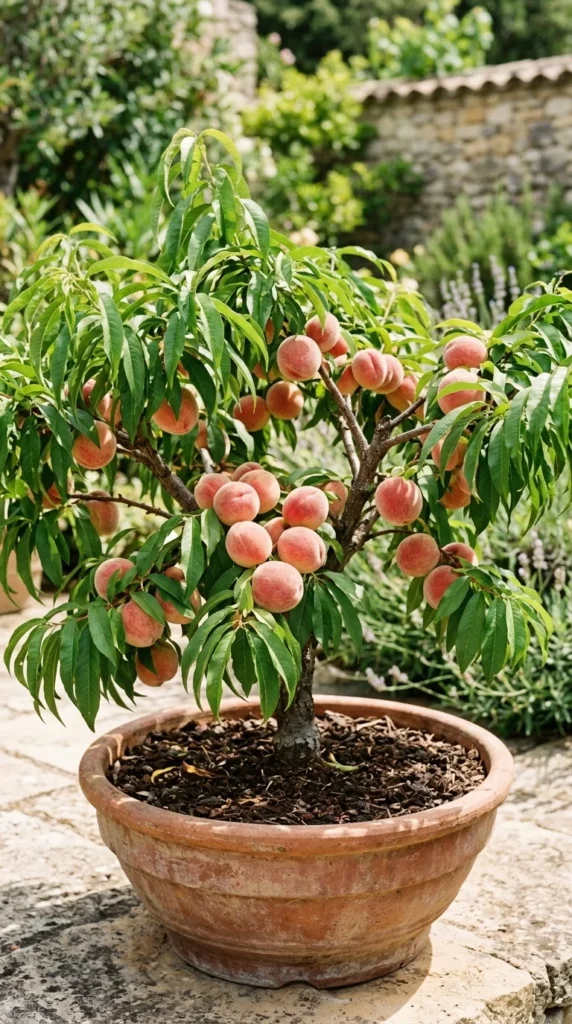
“Genetic dwarf” peaches like ‘Bonanza’ or ‘Garden Gold’ reach only 4-6 feet tall but produce full-sized, juicy peaches. They have a unique, dense growth habit with very short internodes, giving them a lush, “pom-pom” appearance. They are particularly beautiful in spring when they are completely covered in bright pink blossoms. Because they bloom early, container growing is an advantage; you can move the pot under a porch if a late frost threatens the flowers.
15. Nectarines
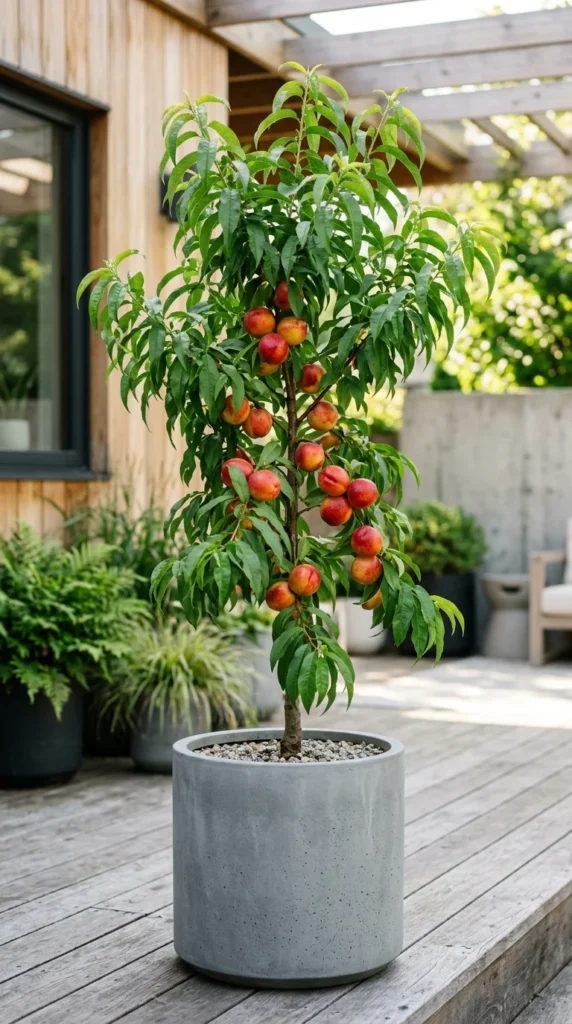
Similar to dwarf peaches, dwarf nectarines like ‘Nectarina’ offer all the flavor of a standard tree in a fraction of the space. Nectarines are essentially fuzz-less peaches and require similar care: lots of sun, regular thinning of the fruit to ensure the remaining ones grow large, and protection from peach leaf curl—a common fungus that is easier to manage in a controlled container environment.
16. Grapes
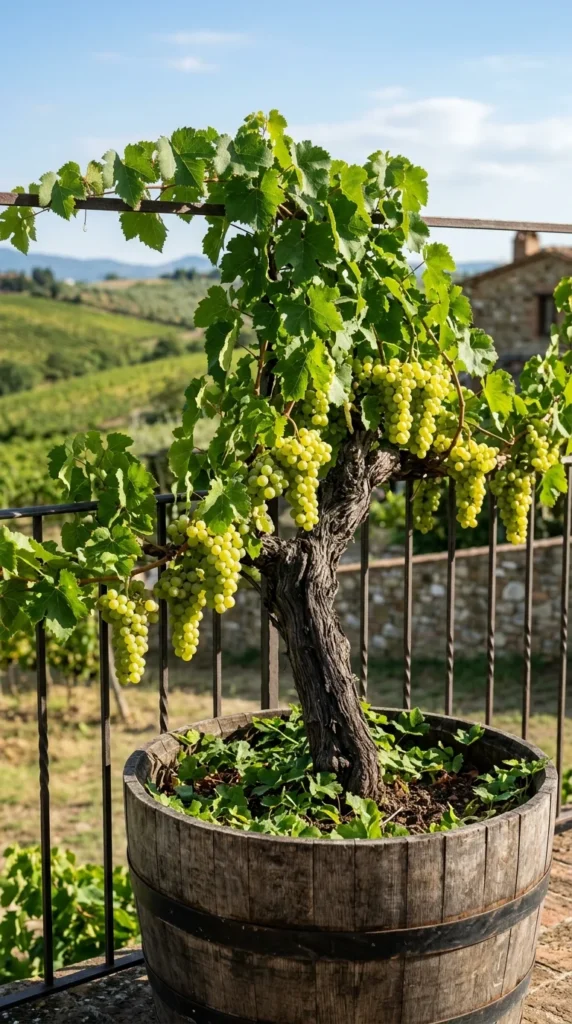
Grapes are vigorous climbers, but they can be successfully grown in large containers if provided with a sturdy trellis or allowed to grow along a balcony railing. By “root-pruning” and keeping the vine in a pot, you can actually encourage the plant to put more energy into fruit production rather than leafy growth. “Interlaken” or “Pixie” grapes are excellent choices for small-scale viticulture.
17. Mulberries
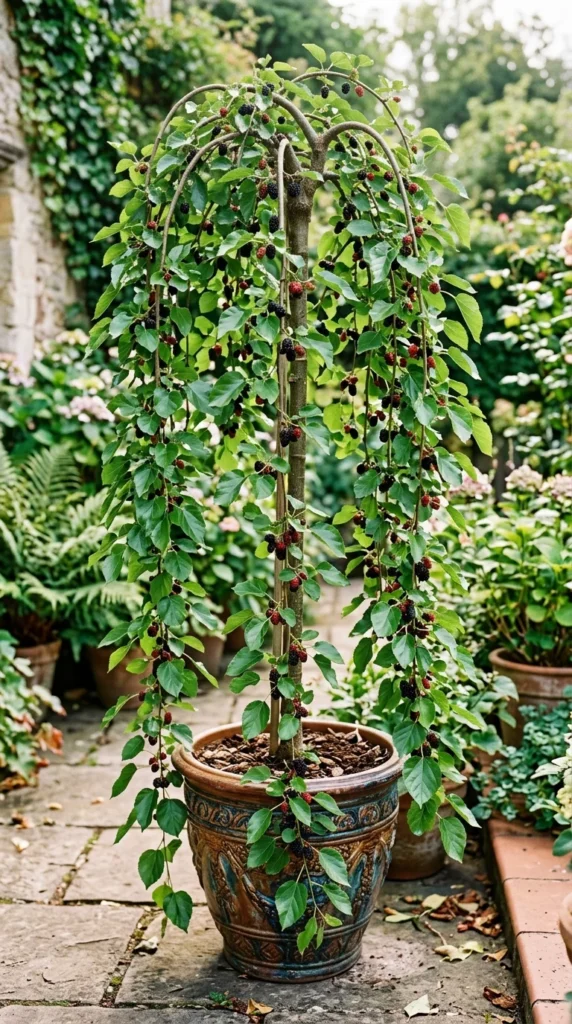
Standard mulberry trees are giants that can stain sidewalks for blocks, but the dwarf “Everbearing” mulberry stays small and can be kept even smaller with pruning. This variety produces fruit over a long season rather than all at once. The berries are sweet and look somewhat like elongated blackberries. They are very tough plants that can handle the restricted root space of a container with ease.
18. Dragon Fruit
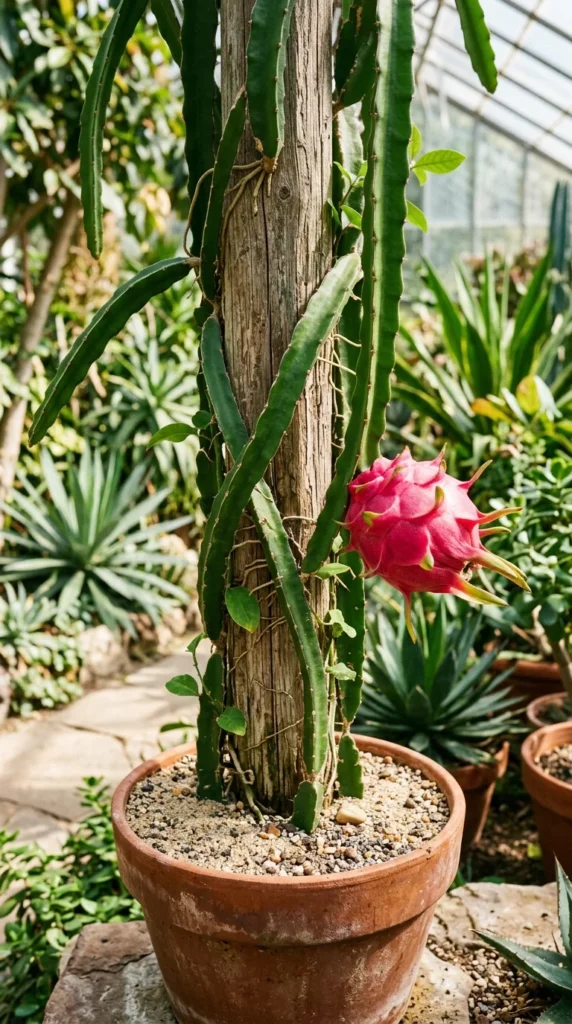
If you have a very sunny, hot balcony, Dragon Fruit (Pitaya) is a striking choice. As a climbing cactus, it requires a sturdy central support post. The flowers are massive, night-blooming, and incredibly fragrant. While it takes a few years to fruit, the exotic appearance of the plant and the high price of the fruit in stores make it a rewarding project for the patient container gardener.
19. Passion Fruit
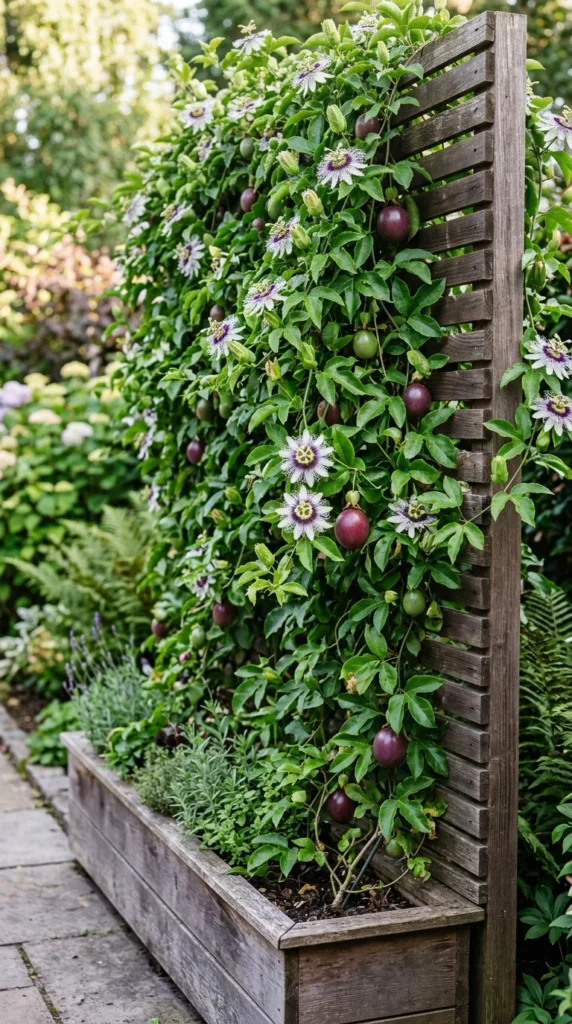
Passion fruit is a fast-growing vine that provides excellent privacy when grown on a trellis or mesh screen. The flowers are some of the most intricate and beautiful in the plant kingdom. Varieties like ‘Passiflora edulis’ are best for fruit production. They require a large pot and plenty of water during the summer, but they will reward you with dozens of wrinkled, aromatic fruits that are perfect for desserts and juices.
20. Cape Gooseberries
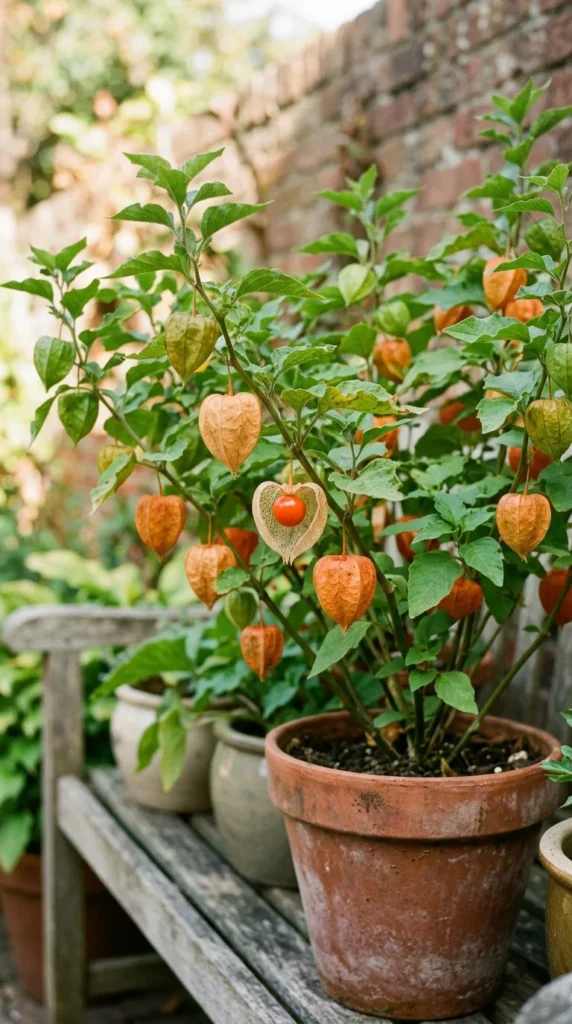
Also known as Groundcherries or Physalis, these plants are closely related to tomatoes and tomatillos. They grow into a low, spreading bush and produce fruit encased in a protective papery husk. The flavor is a unique blend of pineapple, tomato, and vanilla. They are incredibly prolific in containers and often reseed themselves, providing a “volunteer” crop the following year. They are a fun, whimsical addition to any small-space edible garden.