As the frost retreats and the days lengthen, the garden undergoes a dramatic transformation. Spring is the most critical season for any gardener, serving as the foundation for the months of growth and harvest ahead. Transitioning your outdoor space from winter dormancy to a productive sanctuary requires more than just planting a few seeds; it demands a systematic approach to soil health, plant care, and structural maintenance. This comprehensive checklist outlines 25 essential tasks to ensure your garden thrives throughout the growing season.
1. Tool Maintenance
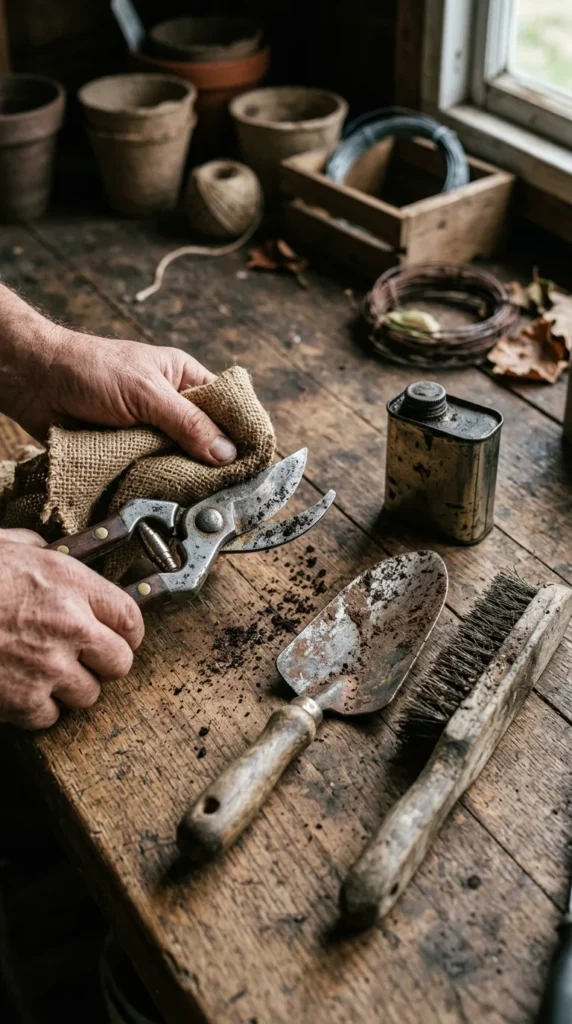
Before a single seed hits the soil, your tools must be in peak condition. Winter humidity can lead to rust on blades, while previous use may have left edges dull. Clean your spades, hoes, and pruners with soapy water and a stiff brush. Follow up by sharpening the blades with a whetstone or file to ensure clean cuts that prevent plant disease. Finally, wipe metal surfaces with a light coating of vegetable or mineral oil to prevent oxidation.
2. Soil Testing
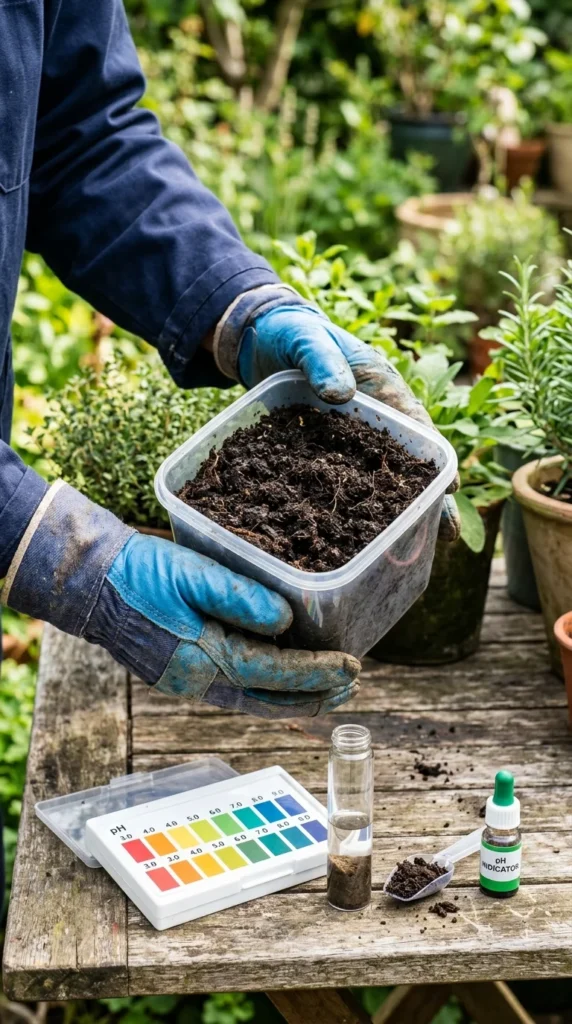
Successful gardening starts underground. A soil test provides a scientific snapshot of your garden’s nutrient levels and pH balance. Use a home testing kit or send a sample to a local university extension office. Knowing whether your soil is acidic or alkaline, and which nutrients like nitrogen or phosphorus are lacking, allows you to amend the earth precisely rather than guessing, saving money and preventing nutrient runoff.
3. Bed Cleaning
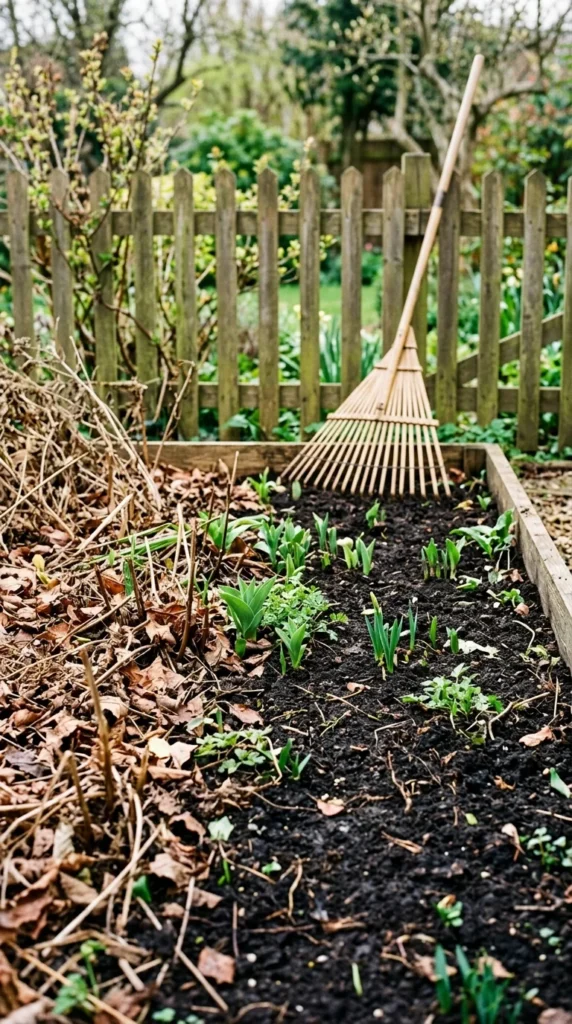
Winter often leaves behind a carpet of sodden leaves, fallen twigs, and dead perennial foliage. Clearing this debris is essential to allow the soil to warm up and to prevent pests and fungi from hibernating in the organic matter. Gently rake away the top layer, being careful not to damage the tender “noses” of emerging bulbs like tulips or lilies.
4. Pruning
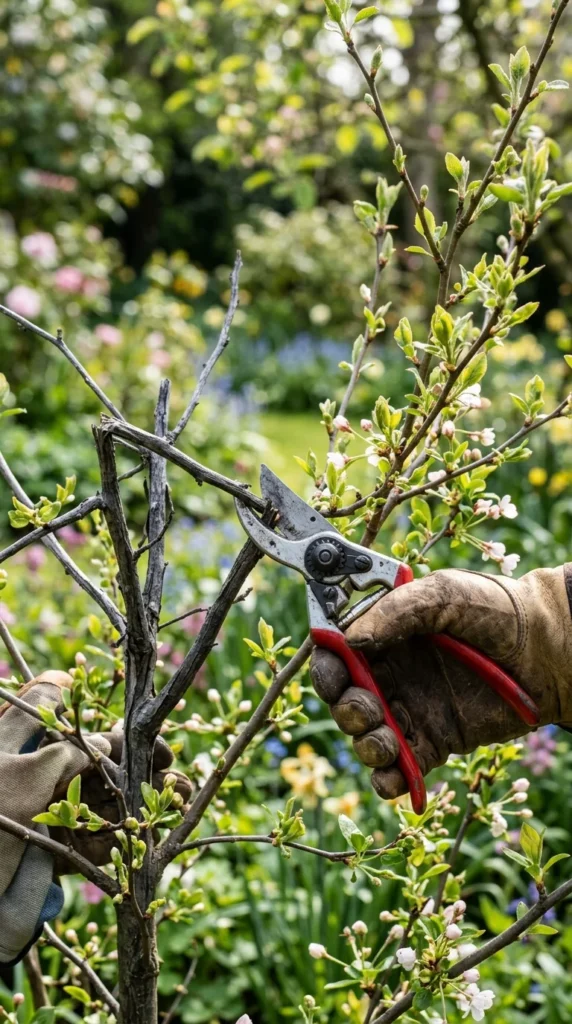
Spring is the time to remove the “three Ds”: dead, damaged, and diseased wood. Pruning promotes healthy air circulation and encourages new growth. For summer-flowering shrubs, early spring pruning stimulates more blooms. However, be cautious with spring-flowering plants like lilacs or forsythia; these should only be pruned after they finish blooming to avoid cutting off this year’s flower buds.
5. Composting
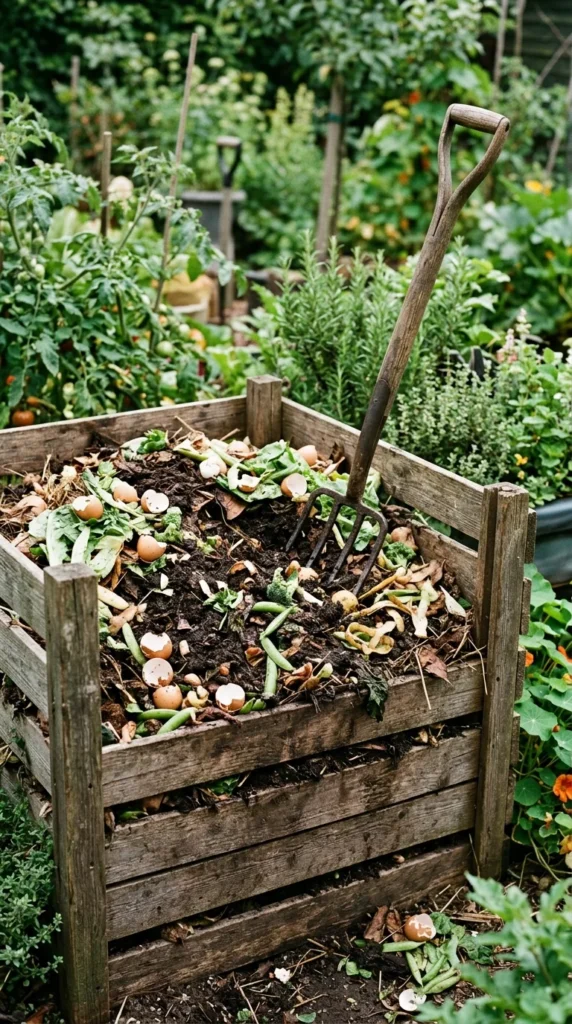
Organic matter is the lifeblood of a thriving garden. If you have an active compost pile, turn it to aerate the mixture and speed up decomposition. Apply a generous layer (1-2 inches) of finished compost to your garden beds. This “black gold” improves soil structure, increases water retention, and provides a slow-release source of nutrients for your plants.
6. Edging
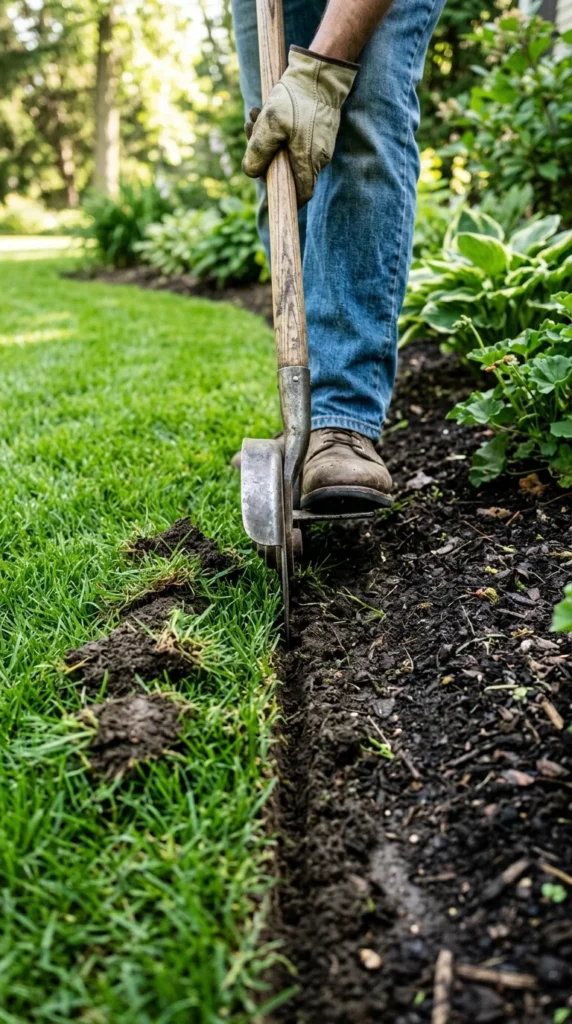
Defining the boundaries of your garden beds prevents grass from creeping into your flowers and vegetables. Use a manual edger or a sharp spade to create a 3-to-4-inch deep V-shaped trench along the perimeter. This not only gives the garden a professional, polished look but also creates a physical barrier that makes mowing and maintenance much easier.
7. Mulching
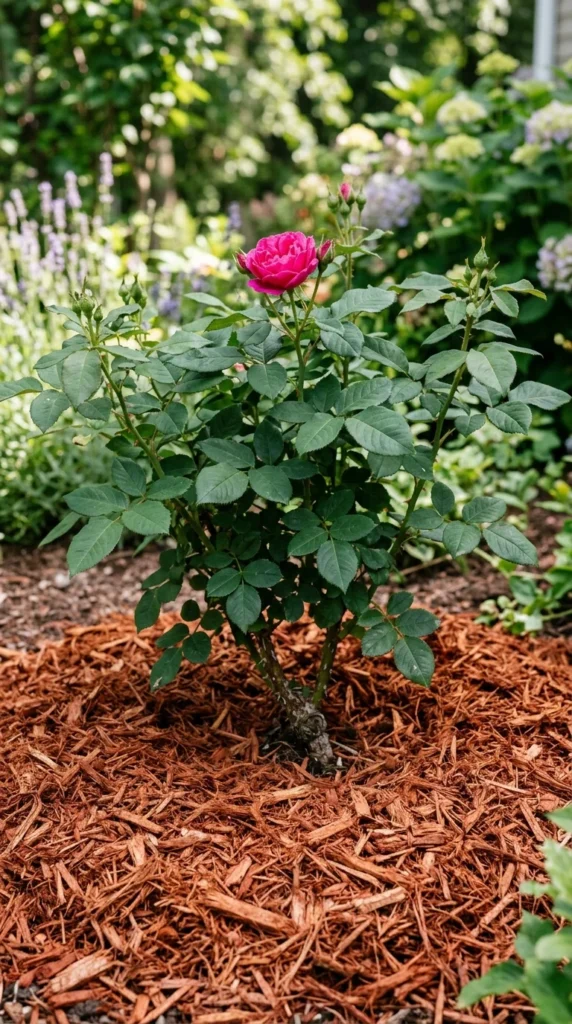
Once the soil has warmed up, apply a layer of mulch. Mulch serves several purposes: it suppresses weed germination, regulates soil temperature, and keeps moisture from evaporating. Use organic options like wood chips, straw, or pine needles, which will eventually break down and further enrich the soil. Ensure you leave a small gap around the stems of plants to prevent rot.
8. Seed Starting
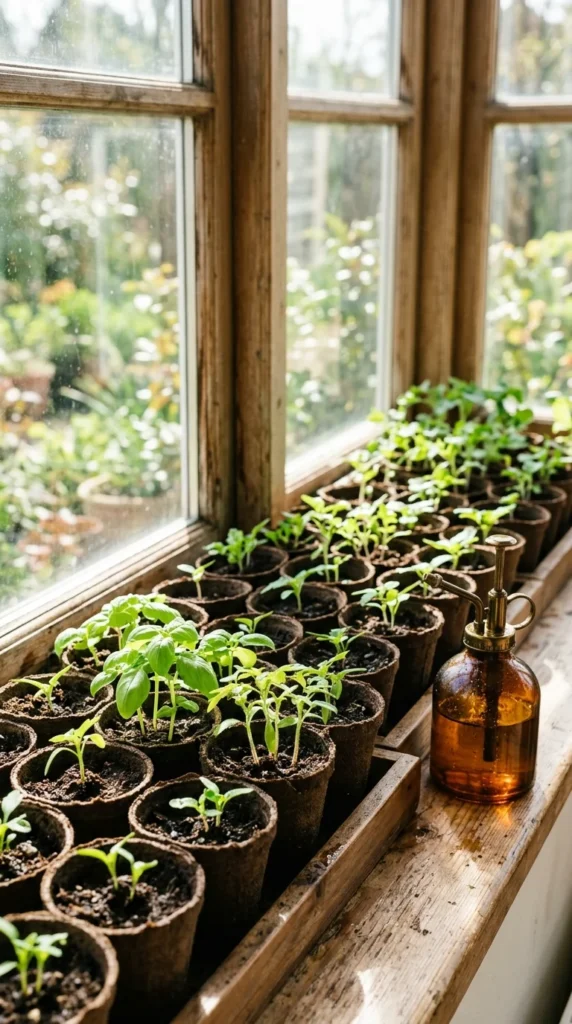
For plants with long growing seasons, such as tomatoes, peppers, and eggplants, starting seeds indoors is vital. Use a high-quality seed-starting mix and ensure they receive plenty of light—either from a south-facing window or a dedicated grow light. Hardening these seedlings off gradually by exposing them to outdoor conditions for a few hours a day is a crucial step before final transplanting.
9. Dividing Perennials
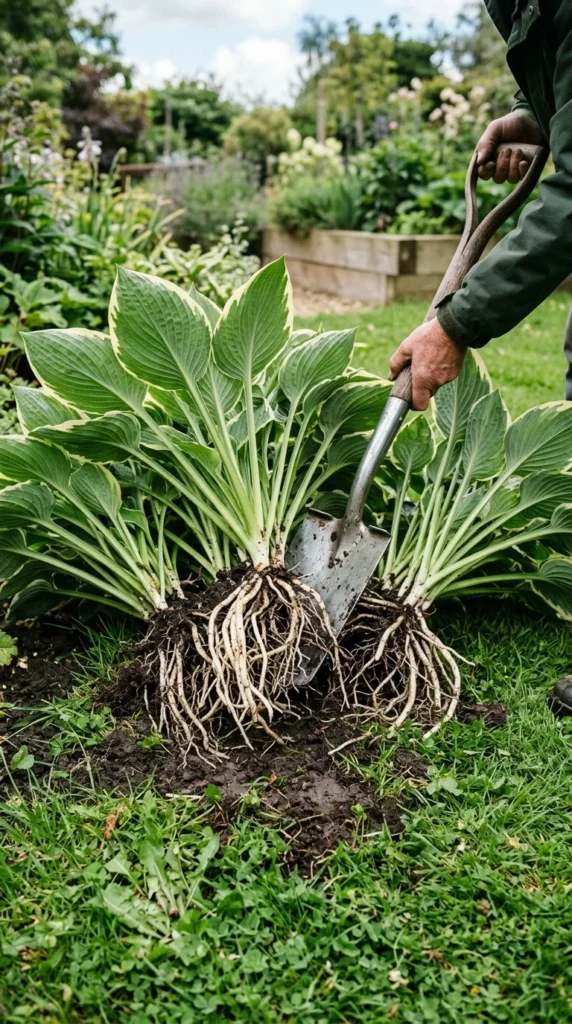
Many perennials, such as hostas, daylilies, and daisies, can become overcrowded over time, leading to smaller flowers and center die-back. Early spring, when the plants are just starting to emerge, is the ideal time to lift and divide them. This rejuvenates the parent plant and provides you with free “bonus” plants to fill gaps elsewhere in your landscape.
10. Weed Control
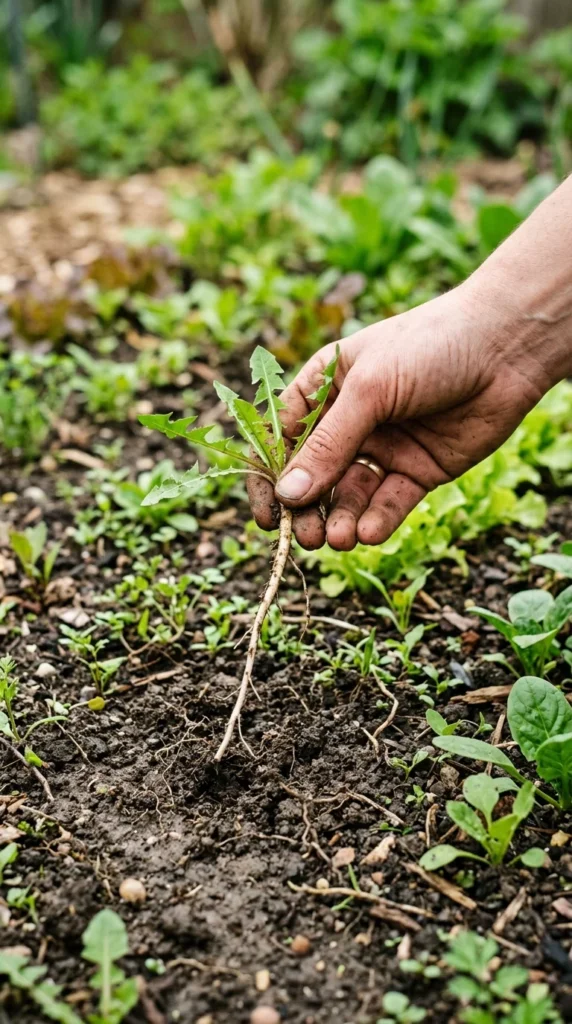
The old adage “one year’s seeding is seven years’ weeding” is true. Spring is when the first flush of weeds appears. Getting ahead of them now, before they have a chance to flower and set seed, will save you hundreds of hours of labor later in the summer. Check your beds weekly and pull weeds while the soil is moist and the roots are shallow.
11. Fertilizing
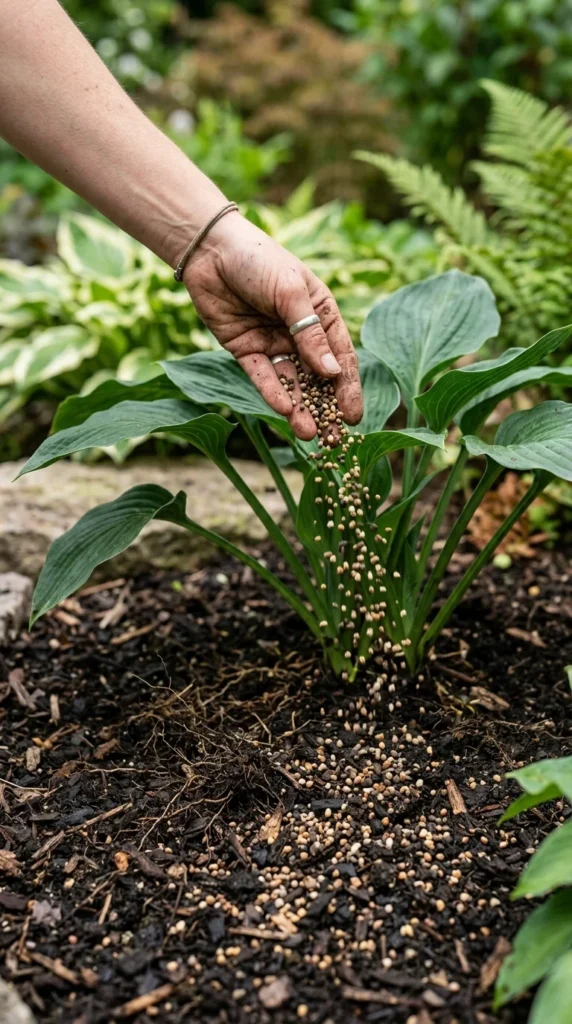
While compost provides a great base, some plants require a boost to kickstart their spring growth. Use a balanced, slow-release organic fertilizer for general garden beds. For specific plants like roses or acid-loving blueberries, use a specialized formula. Always water the soil after fertilizing to help the nutrients reach the root zone and prevent “burning” the plants.
12. Pest Management

Early detection is the key to organic pest control. Look for signs of aphids, slugs, or snails that emerge with the damp spring weather. Encourage beneficial insects like ladybugs and lacewings by planting nectar-rich flowers. For early infestations, a simple blast of water from a hose or an application of neem oil can often manage the problem before it spirals out of control.
13. Hardscape Repair
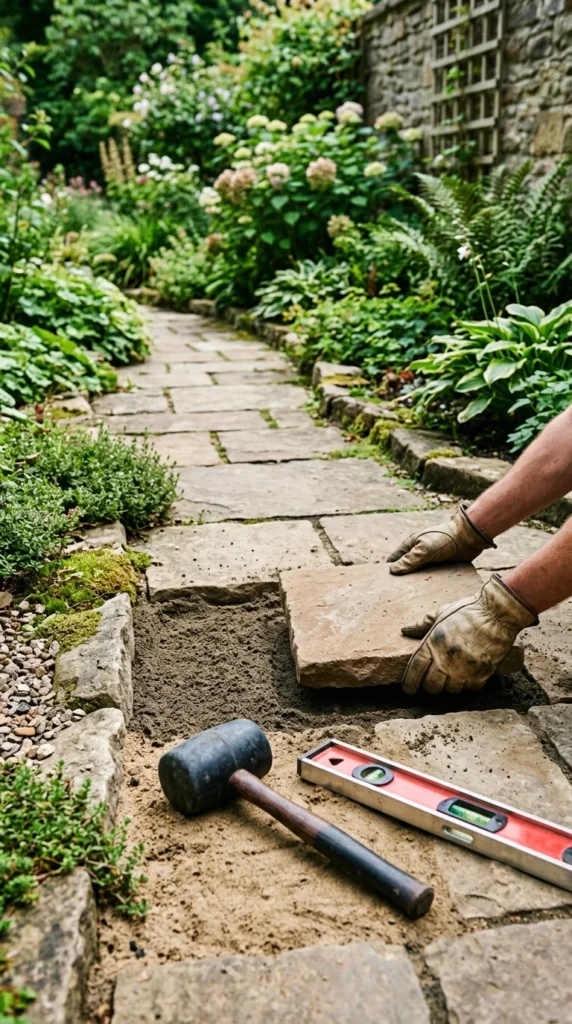
Winter weather can be harsh on non-plant elements. Check your fences for rot, tighten loose screws on raised beds, and level any shifting pavers in your walkways. Painting or staining wooden structures now, before the lush summer foliage covers them, will protect the wood from the intense summer sun and rain.
14. Watering Systems
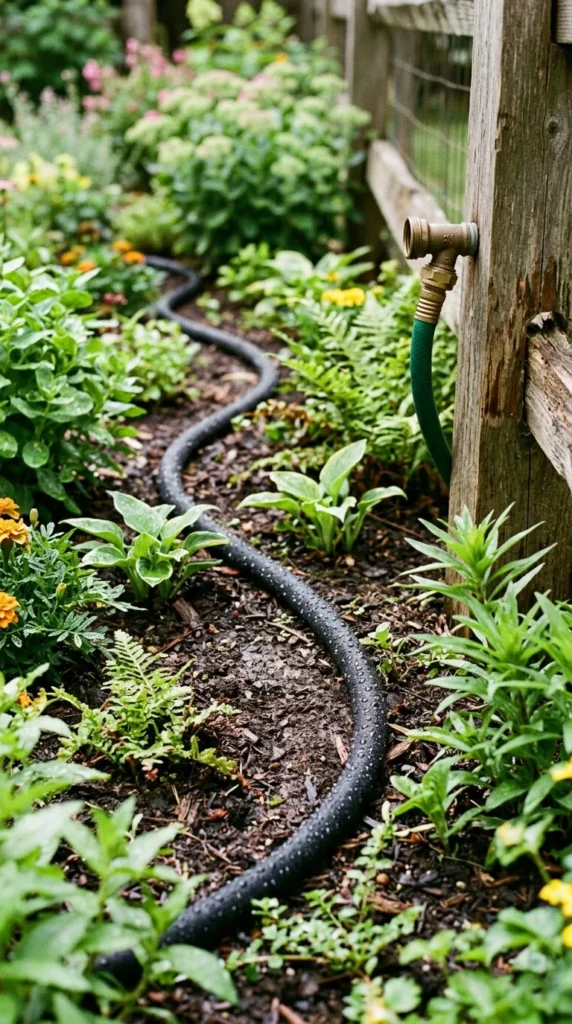
Don’t wait for a drought to realize your irrigation system is broken. Hook up your hoses and check for leaks or cracks. If you use a drip system, flush the lines to remove any sediment and ensure all emitters are functioning. Cleaning out rain barrels and ensuring gutters are directed toward your storage tanks will help you conserve water later in the year.
15. Lawn Care
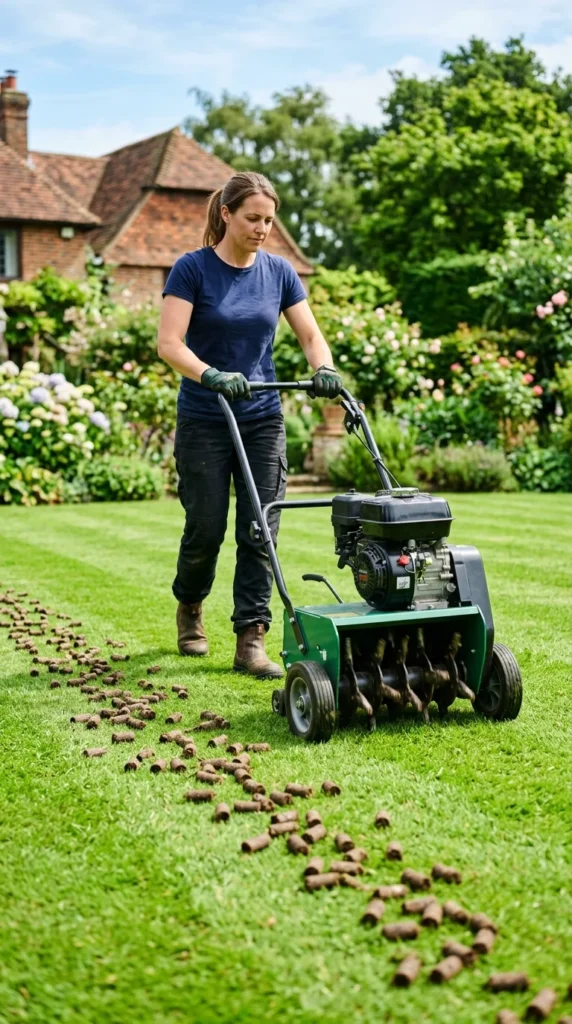
Spring is the time to help your lawn recover from winter dormancy. If the soil is compacted, use a core aerator to allow oxygen and water to reach the roots. This is also the perfect window for overseeding bare patches. Apply a thin layer of topsoil over the seeds and keep the area consistently moist until the new grass is well-established.
16. Planting Bulbs
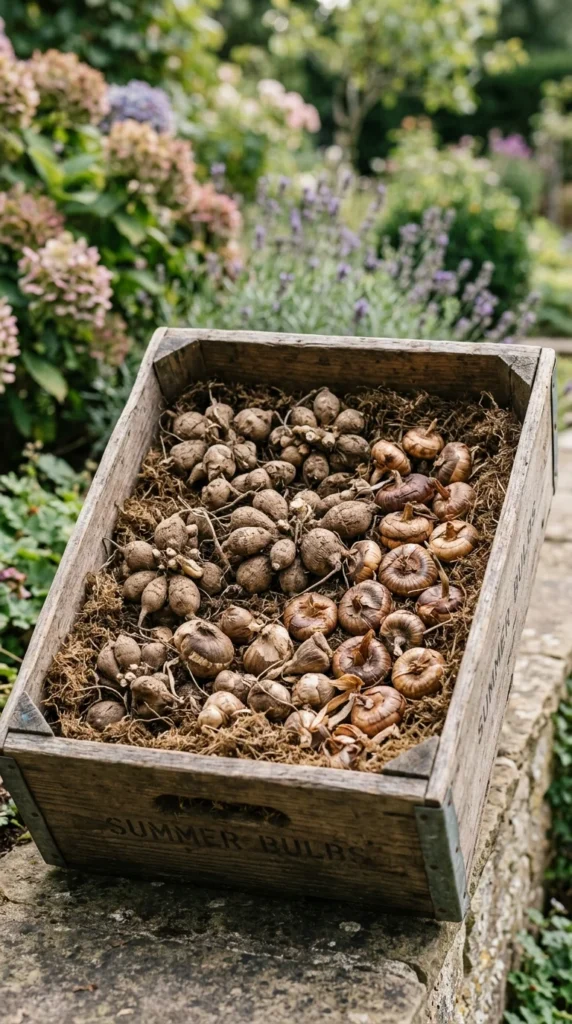
While spring-blooming bulbs were planted in the fall, spring is the time to plant summer-flowering bulbs like dahlias, gladiolus, and cannas. These plants offer dramatic height and color during the hottest months. Ensure the danger of frost has passed for most varieties, and plant them in well-draining soil at the depth recommended on the packaging.
17. Container Prep
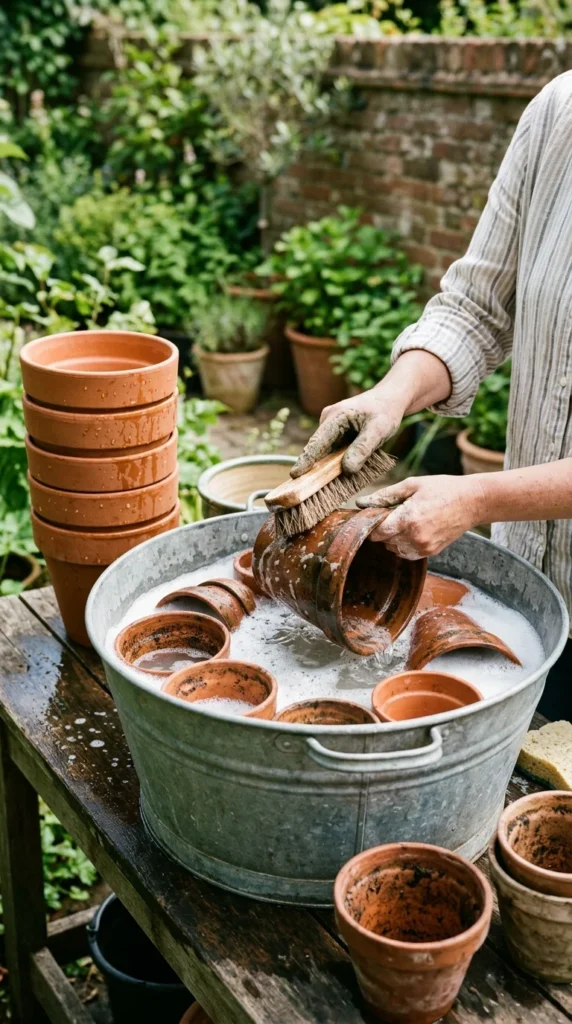
If you plan on container gardening, start by thoroughly cleaning your pots. Old soil can harbor diseases and pests. Scrub the pots with a mild bleach solution (one part bleach to nine parts water) to sterilize them. Check the drainage holes to ensure they aren’t clogged, and stock up on high-quality potting mix, which is lighter and more aerated than garden soil.
18. Supporting Plants
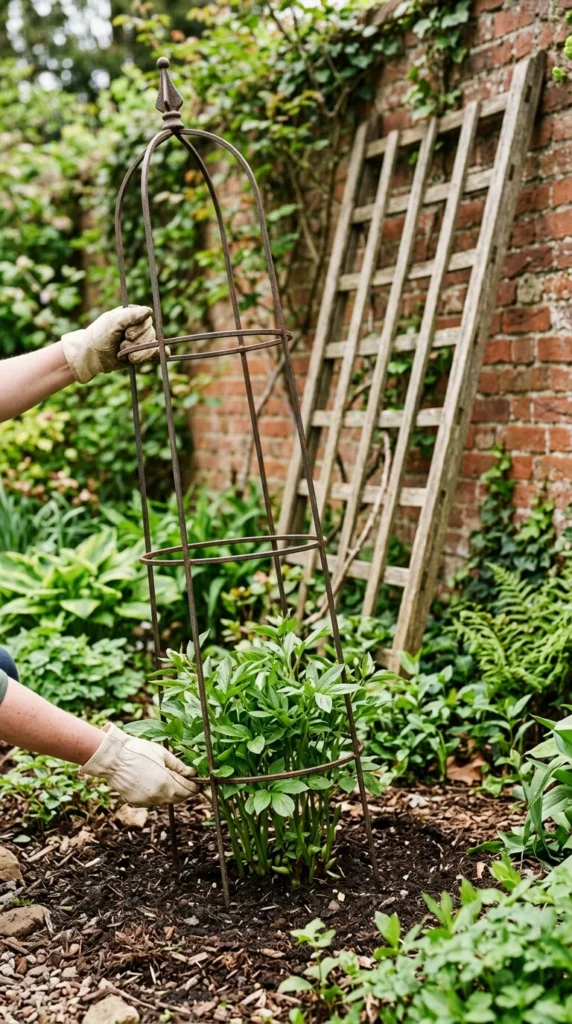
It is much easier to install supports like cages, trellises, and stakes while plants are small. Trying to force a mature, sprawling plant into a support often leads to broken stems. Set up your tomato cages, bean poles, and peony hoops now. As the plants grow, you can gently guide them through the structures, ensuring they stay upright and healthy.
19. Cold Protection
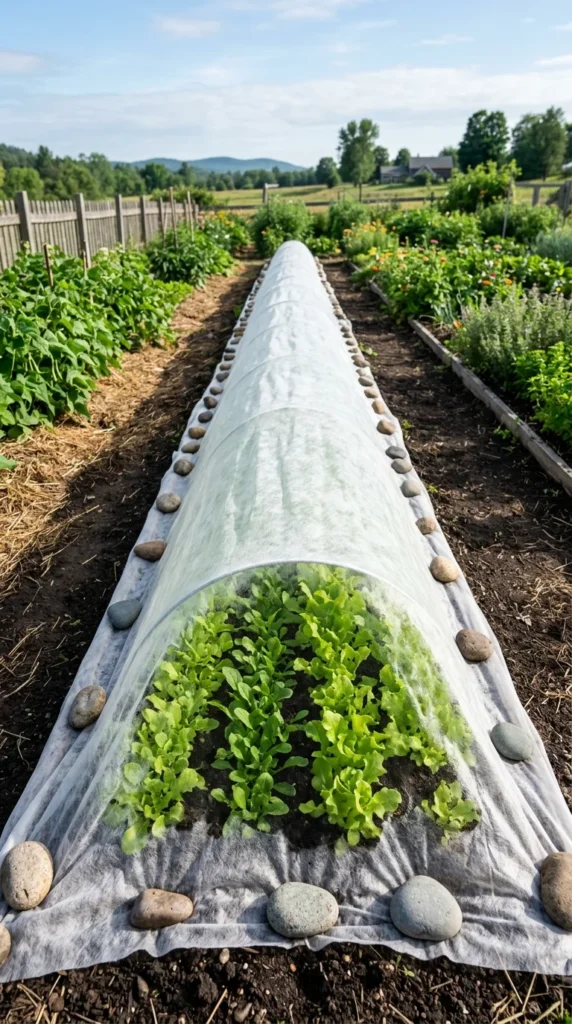
Spring weather is notoriously unpredictable. Keep “frost blankets” or floating row covers handy for those unexpected late-season cold snaps. These lightweight fabrics can protect tender seedlings and early blossoms from freezing temperatures without crushing the plants. Even simple items like overturned buckets or milk jugs can serve as temporary “cloches” for individual plants.
20. Birdhouses and Feeders
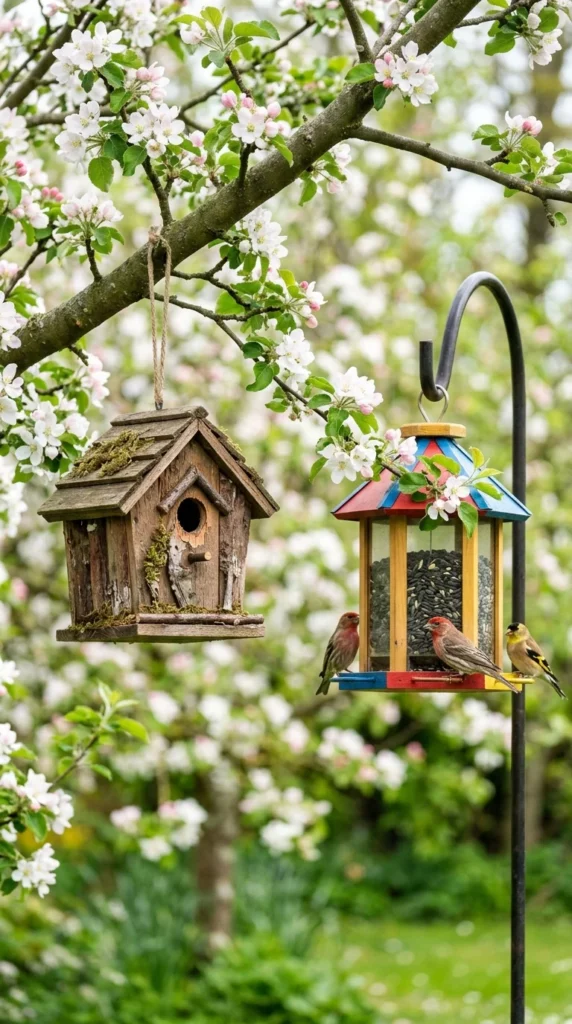
Birds are a gardener’s best friend, consuming thousands of pest insects throughout the season. Clean out existing birdhouses to remove old nesting material and parasites. Fill your feeders with high-energy seeds to support migratory birds and those preparing to nest. Providing a clean water source, like a birdbath, will further encourage these helpful visitors to stay in your garden.
21. Planting Shrubs
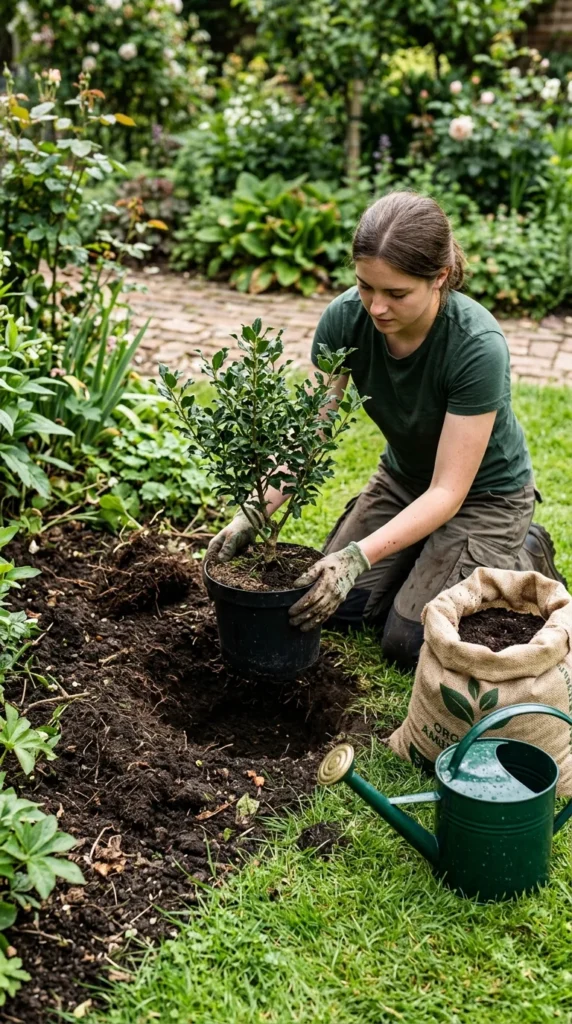
Spring and fall are the best times to plant woody ornamentals and fruit shrubs. The mild temperatures and frequent rains help the root systems establish before the stress of summer heat. When planting, dig a hole twice as wide as the root ball but no deeper. Mixing some compost into the backfill soil will give the new addition a head start.
22. Harvesting Early Crops
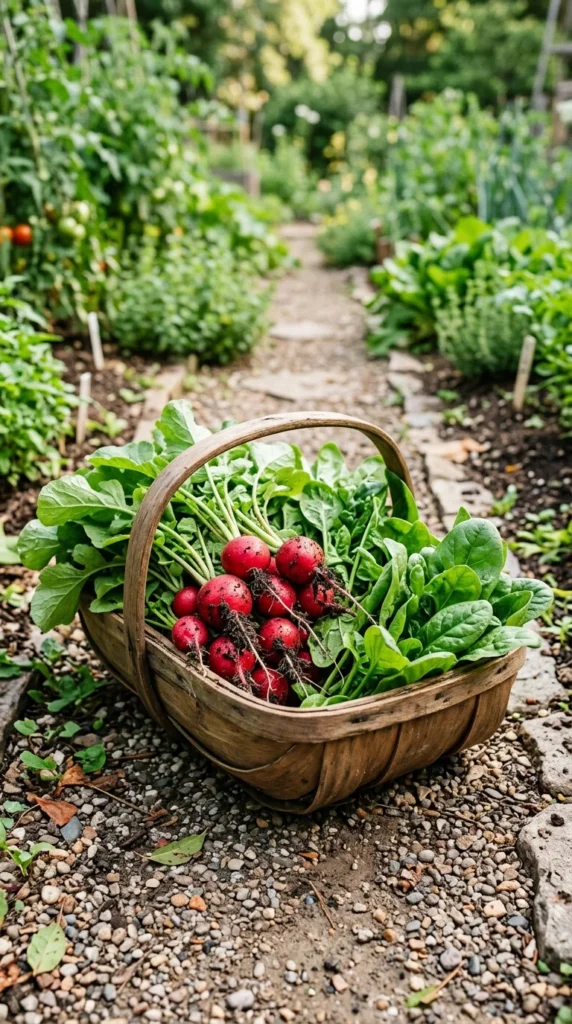
If you planted “cool-season” crops in late winter or very early spring, now is the time to harvest. Radishes, lettuce, spinach, and peas thrive in the cool, damp weather of April and May. Regular harvesting of these greens encourages continued growth and prevents them from “bolting” or turning bitter as the temperature rises.
23. Record Keeping
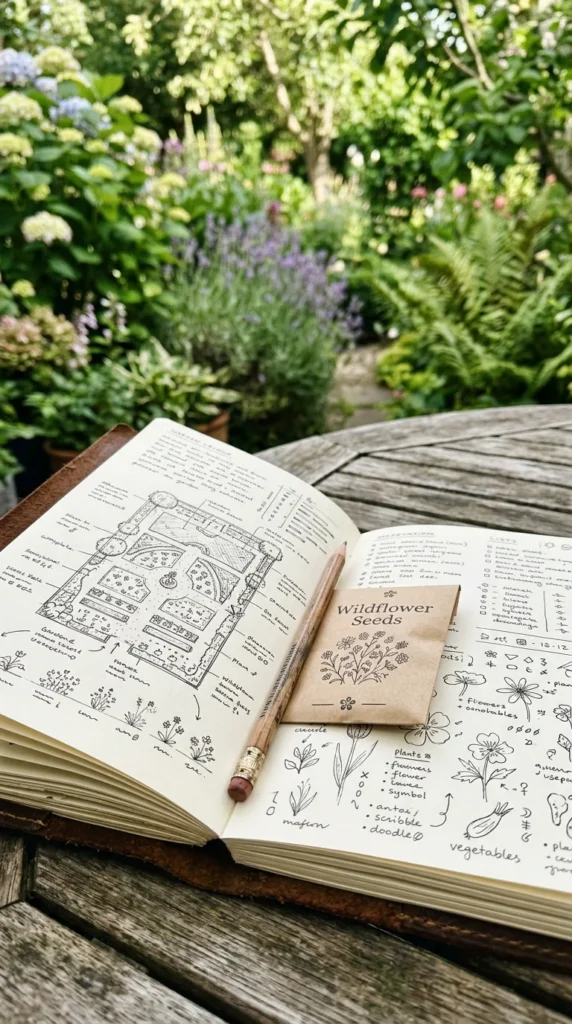
A garden journal is an invaluable tool for long-term success. Record what you planted, where you planted it, and the dates of the last frost. Note which varieties thrived and which struggled. This data will be your best guide when planning next year’s garden, helping you rotate crops effectively and avoid repeating past mistakes.
24. Deadheading
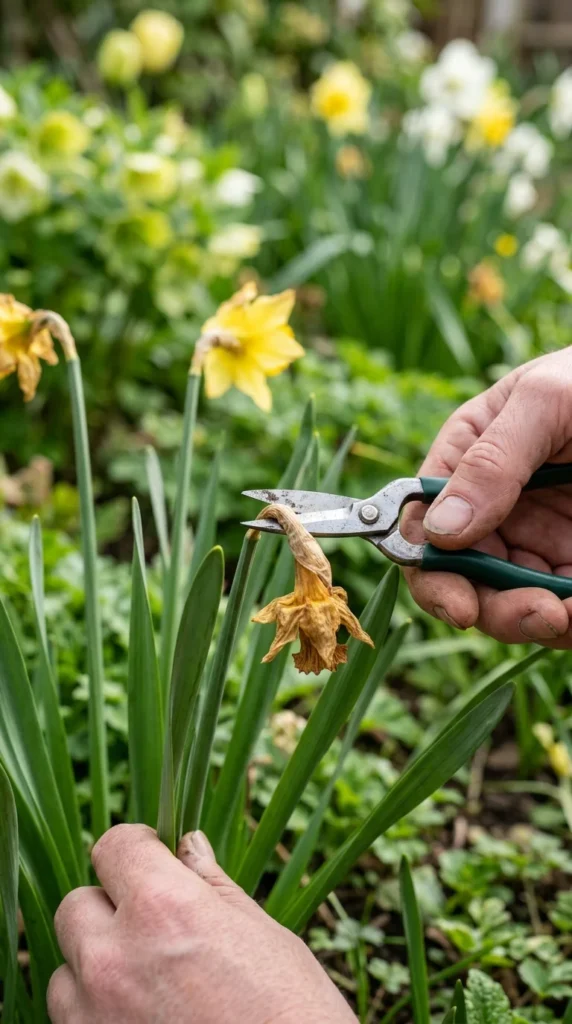
As your early spring bulbs and perennials finish blooming, remove the spent flowers. This process, called deadheading, prevents the plant from wasting energy on seed production. For bulbs like tulips and daffodils, it is vital to leave the green foliage until it turns yellow and dies back naturally; the leaves are busy photosynthesizing to store energy in the bulb for next year’s flowers.
25. Planning

The final essential on your checklist is vision. Spend time in your garden simply observing. Notice where the sun hits at different times of day and where water tends to pool. Spring is the best time to plan future projects—whether it’s adding a new flower bed, installing a water feature, or planting a fruit orchard. A well-thought-out plan ensures that your garden remains a source of joy rather than a source of stress.