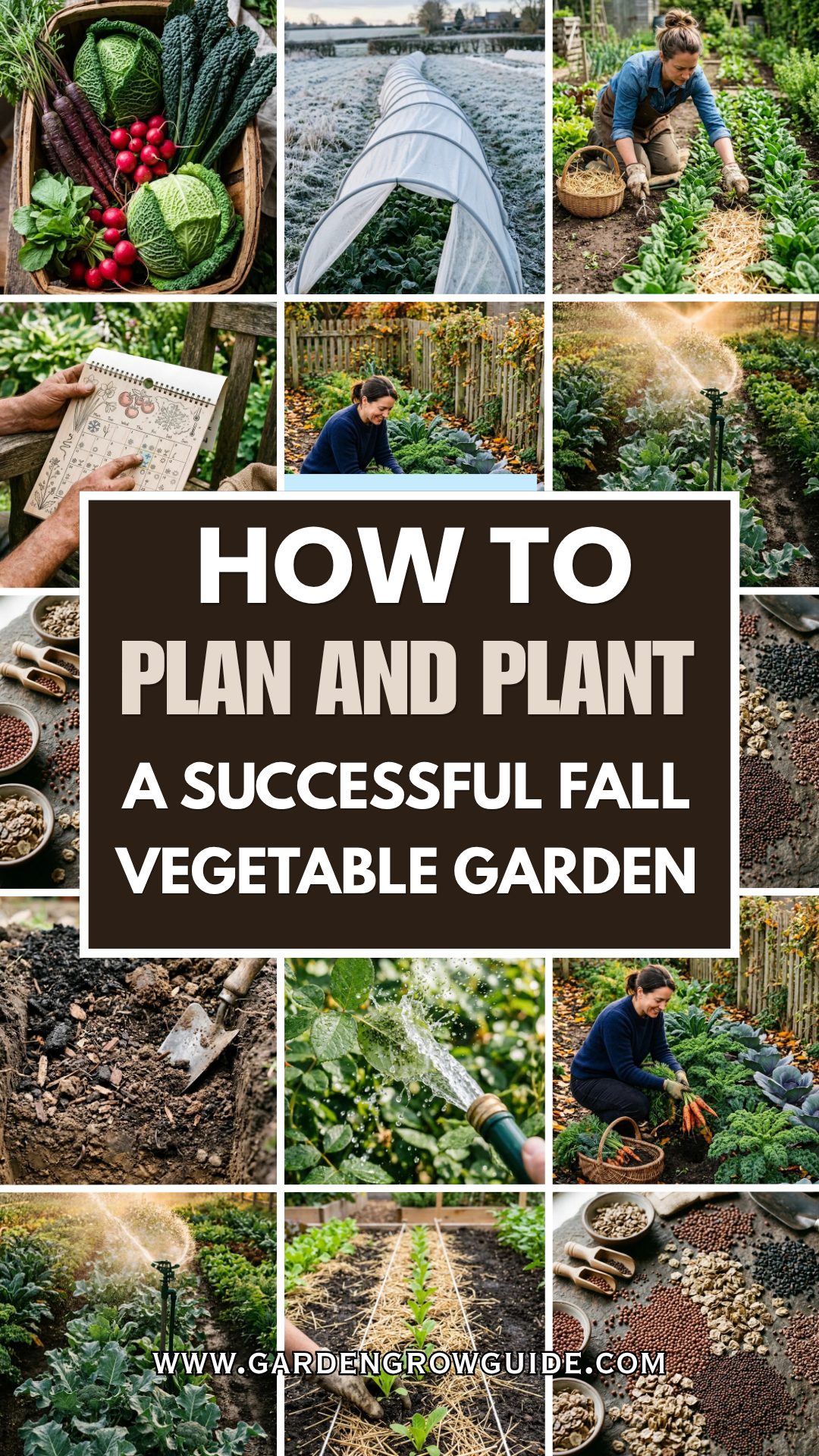
While many gardeners view the end of summer as the conclusion of the growing season, experienced horticulturalists know that autumn offers a “second spring.” Planting a fall vegetable garden allows you to take advantage of cooler temperatures, more consistent rainfall, and the unique phenomenon where certain vegetables actually become sweeter after the first light frost. Transitioning from the heat-loving crops of July to the hardy greens of October requires specific strategies, but the rewards are a bountiful harvest that can last well into the winter months.
1. Timing
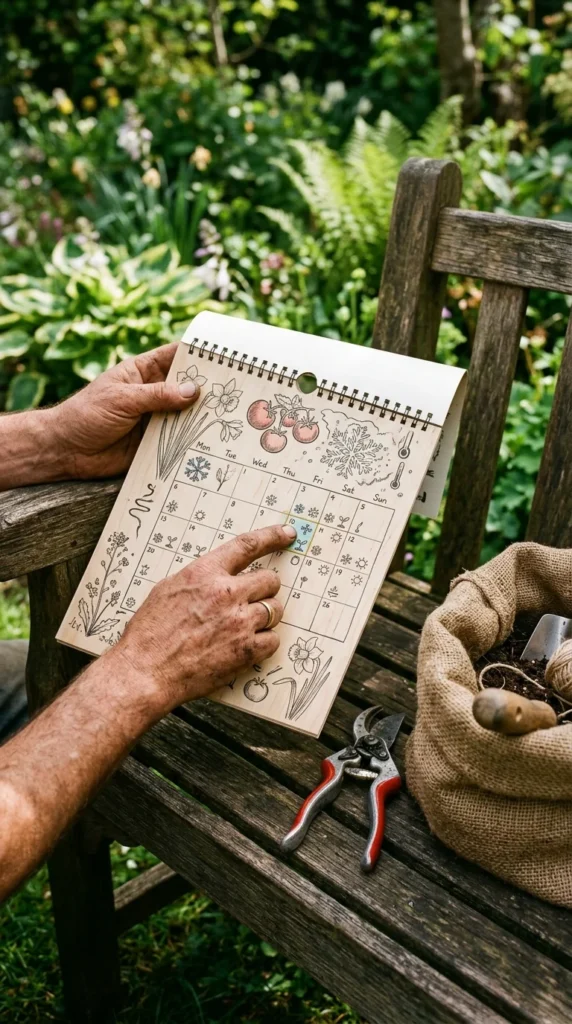
The most critical factor in a successful fall garden is “backwards planning.” Unlike spring, where you wait for the soil to warm up, fall gardening requires you to look at the average first frost date for your specific region and count backward. Most fall crops need to reach maturity before the daylight hours drop below ten hours a day—a period known as the “Persephone Period.”
To calculate your planting window, check the “days to maturity” on your seed packets. Add about 10 to 14 days to that number to account for the slower growth that occurs as the sun’s intensity wanes in autumn. For example, if you want to grow a variety of kale that matures in 60 days, and your first frost is October 15th, you should aim to have your seeds in the ground by early August.
2. Soil
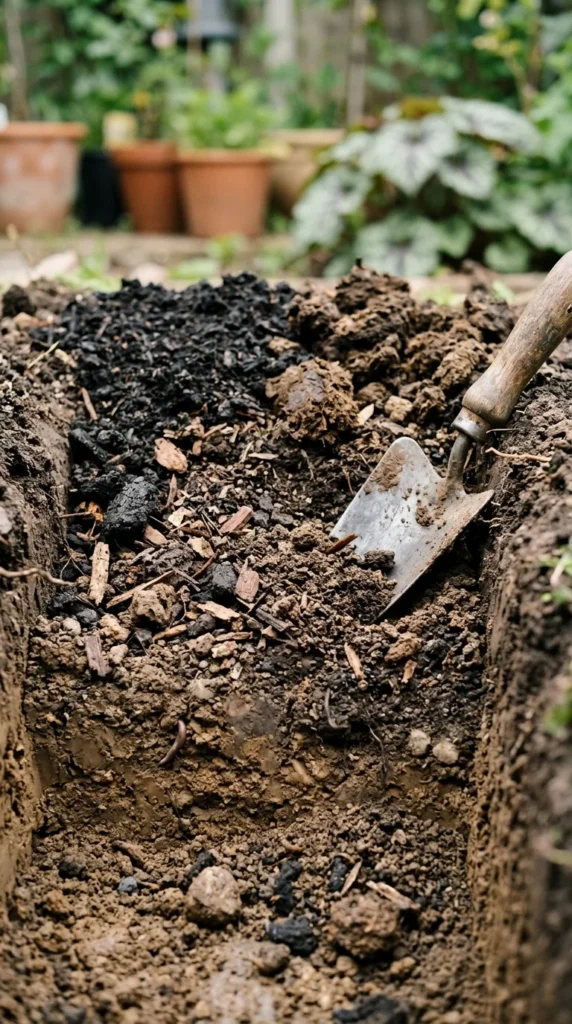
By the time summer crops like tomatoes and peppers are finished, they have often depleted the soil of vital nutrients, particularly nitrogen. To prepare for a second act, you must replenish the earth. Clear out any spent summer plants and debris, which can harbor pests and diseases.
Avoid deep tilling, which can disrupt the soil microbiome; instead, top-dress your garden beds with two to three inches of high-quality compost or well-rotted manure. If your soil feels compacted after a long summer, use a broadfork to gently loosen it without flipping the layers. This ensures that the delicate root systems of fall greens and root vegetables can penetrate deep into the earth for moisture.
3. Selection
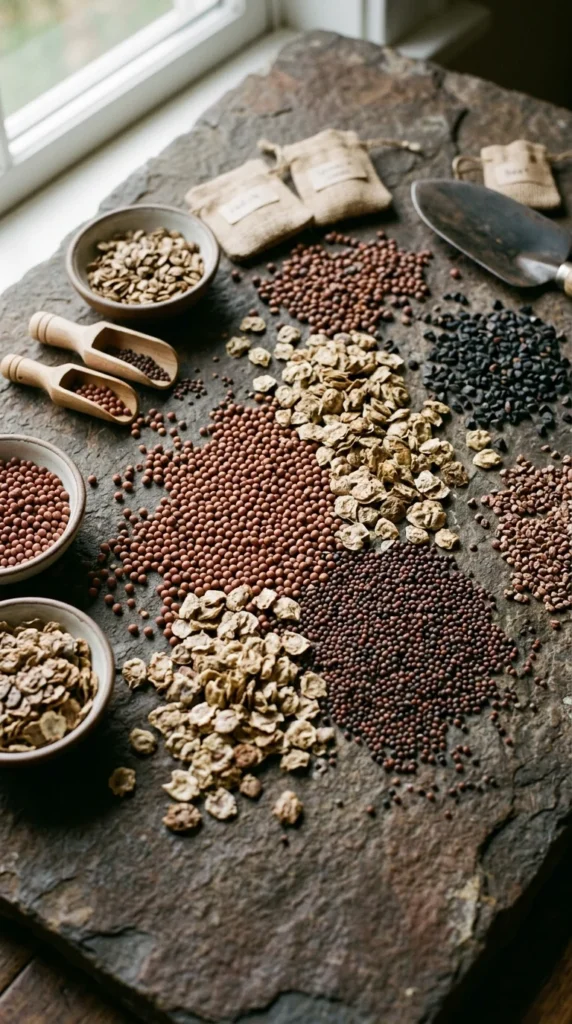
Choosing the right varieties is the difference between a thriving garden and a frozen one. Fall gardens specialize in “cool-season” crops, which can be divided into two categories: semi-hardy and hardy. Semi-hardy vegetables, such as beets, leaf lettuce, and Swiss chard, can handle light frosts (29-32°F). Hardy vegetables, such as broccoli, Brussels sprouts, cabbage, kale, and spinach, can often survive temperatures dipping into the low 20s.
When selecting seeds, look for “short-season” or “early” varieties. These are bred to reach maturity faster, which is essential when the days are shortening. Root crops like carrots and radishes are excellent choices because the cooling soil encourages them to convert starches into sugars, resulting in a much sweeter flavor than those harvested in the heat of summer.
4. Planting
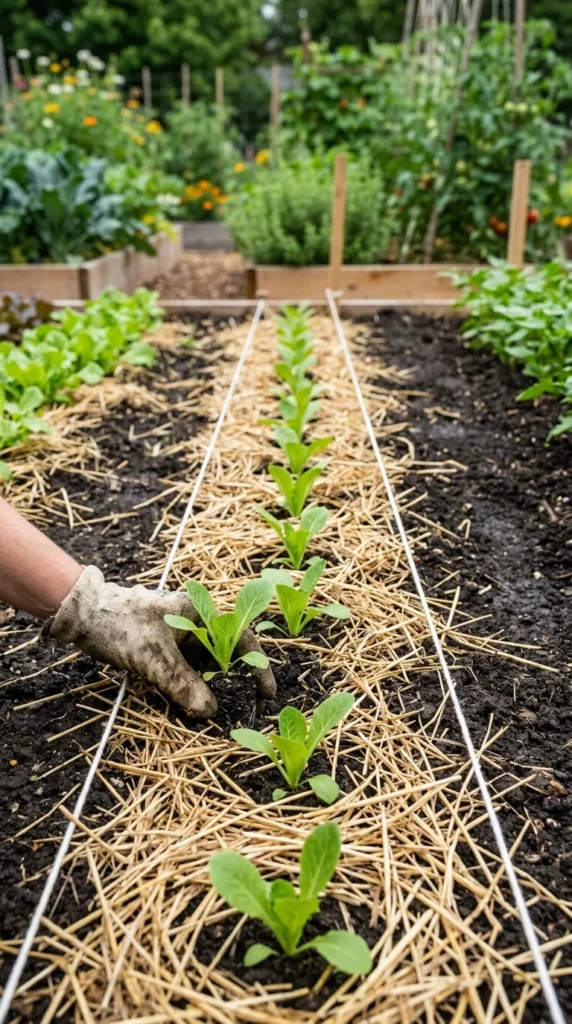
Planting in the late summer heat for a fall harvest presents a unique challenge: seeds need cool, moist soil to germinate, but the August sun is punishing. For direct-sown crops like carrots and lettuce, you may need to provide artificial shade using burlap or shade cloths until the seedlings emerge.
Alternatively, starting seeds in trays indoors or in a shaded area and then transplanting them into the garden gives you more control. When transplanting, do so on a cloudy day or in the late evening to reduce transplant shock. Deepen the planting holes and water them thoroughly before placing the seedling to ensure the roots have immediate access to moisture in the warm soil.
5. Irrigation
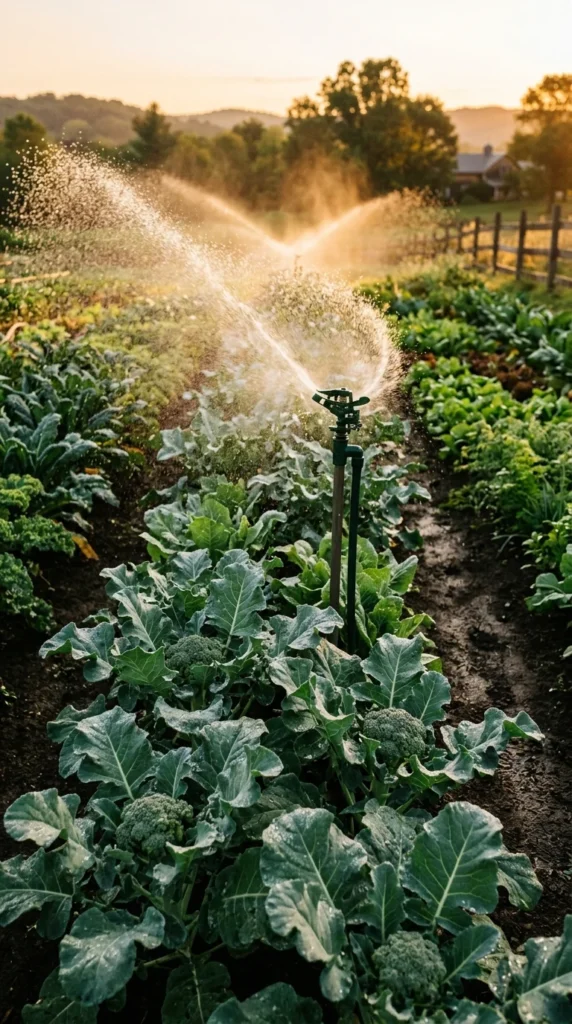
While autumn usually brings more rain, the transition period in late summer can be incredibly dry. Newly planted seeds and young transplants have shallow root systems and require consistent moisture. If the top inch of soil feels dry, it is time to water.
Drip irrigation or soaker hoses are ideal for fall gardens because they deliver water directly to the roots and keep the foliage dry, which helps prevent fungal diseases like powdery mildew that thrive in the fluctuating temperatures of autumn. As the weather cools and the sun becomes less intense, you can gradually reduce the frequency of watering, but never let the soil dry out completely, especially for root crops, which can become woody and bitter if stressed by drought.
6. Maintenance
Pests do not disappear just because the temperature drops. In fact, some pests, like the cabbage looper and aphids, can be particularly active in the late summer and early fall. Regularly inspect the undersides of leaves and use organic controls like neem oil or Bacillus thuringiensis (Bt) if necessary.
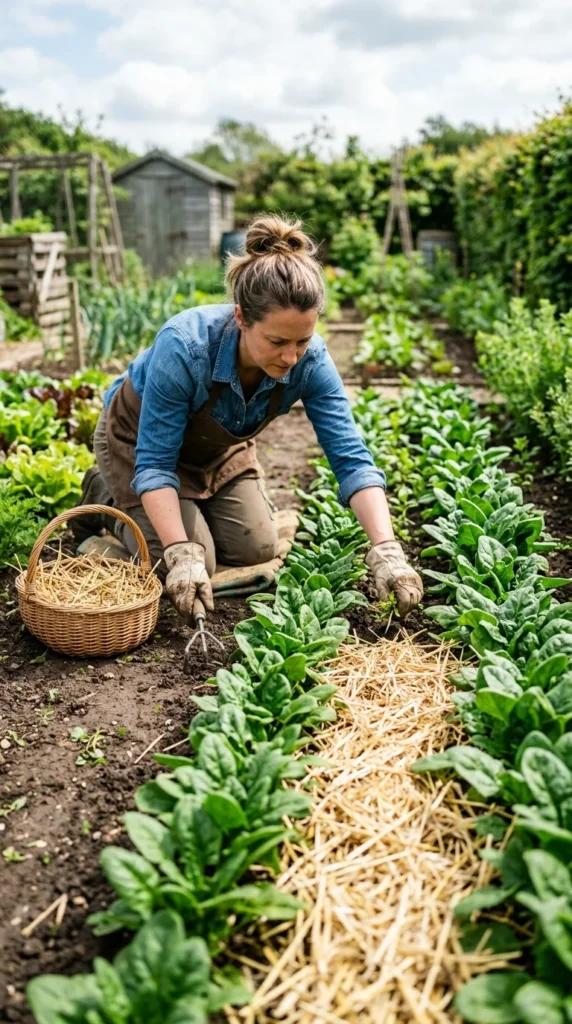
Mulching is perhaps the most important maintenance task in the fall. A thick layer of straw, shredded leaves, or wood chips helps regulate soil temperature, keeping it warm enough for growth as the air cools. Mulch also suppresses weeds that might compete for nutrients and holds in the moisture necessary for the final push toward maturity.
7. Shelter
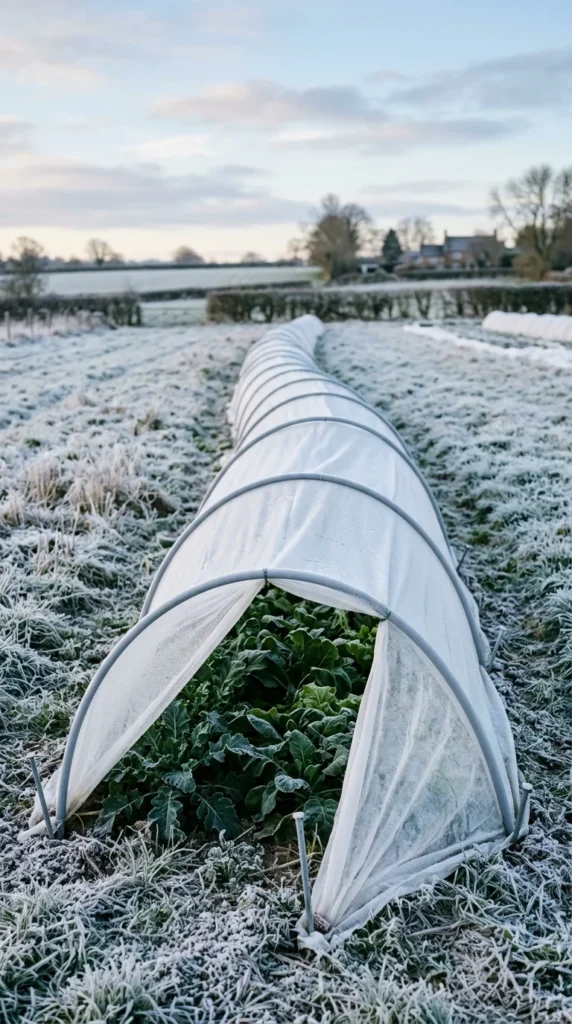
To extend your harvest into the deep winter, you must have a plan for protection. Row covers, also known as “garden blankets,” are lightweight fabrics that can be draped over plants to provide a few degrees of warmth. These are excellent for protecting semi-hardy crops during an unexpected early cold snap.
For a more permanent solution, consider building cold frames or low tunnels. These structures act like miniature greenhouses, trapping solar heat during the day and releasing it at night. With proper protection, crops like spinach, claytonia, and mâche can be harvested even when there is snow on the ground. The goal is to keep the plants from freezing and thawing repeatedly, which breaks down their cellular structure.
8. Harvest
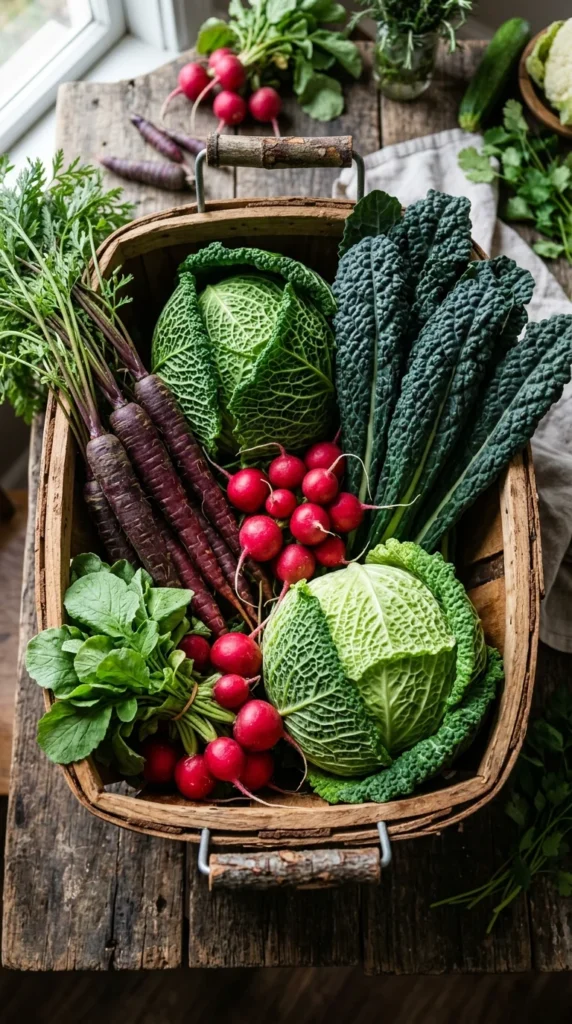
Knowing when to harvest is the final step in your fall garden journey. Many fall vegetables can be “stored in the ground.” Carrots, parsnips, and leeks can remain in the soil well after the first frost; in fact, a heavy layer of mulch over these crops can allow you to dig them up all winter long.
Greens like kale and collards should be harvested after at least one frost to maximize their flavor. For heading vegetables like broccoli and cauliflower, harvest as soon as the heads are tight and firm. If a hard freeze (below 25°F) is predicted and your crops aren’t protected, it’s best to harvest everything that is near maturity. Enjoying a salad of fresh-picked greens in November is a testament to the resilience of the garden and the foresight of the gardener.