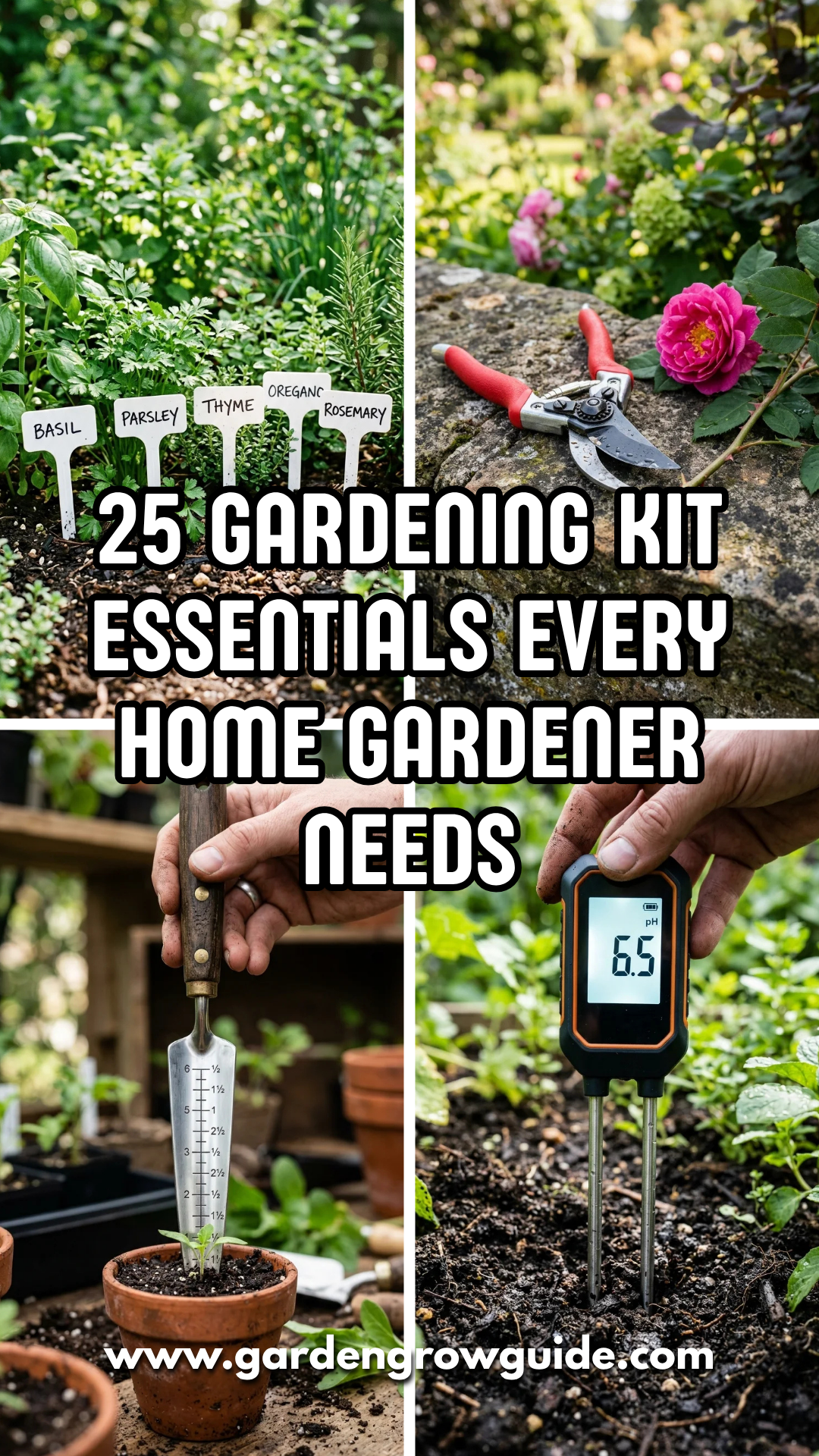
Gardening is more than just a hobby; it is a transformative practice that connects us to the earth and rewards us with beauty and sustenance. However, the difference between a frustrating chore and a therapeutic experience often lies in the tools at your disposal. Having a well-curated gardening kit ensures that you can handle everything from delicate seed starting to heavy-duty soil preparation with ease.
This comprehensive guide explores the 25 essential items every home gardener needs to cultivate a thriving sanctuary.
1. Hand Trowel
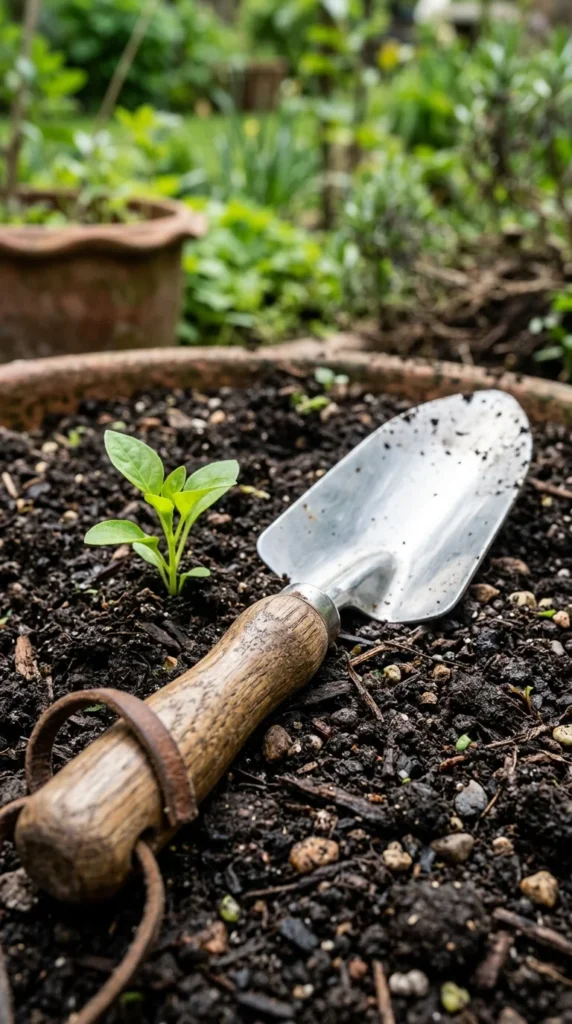
The hand trowel is perhaps the most fundamental tool in any gardener’s arsenal. It is essentially a small, handheld shovel used for digging small holes, transplanting seedlings, and breaking up clumps of earth. When choosing a trowel, look for a “tang-and-socket” construction where the metal blade extends into the handle, as this prevents the tool from snapping under pressure. Stainless steel is preferred for its rust resistance and ability to slide through the soil smoothly.
2. Pruning Shears
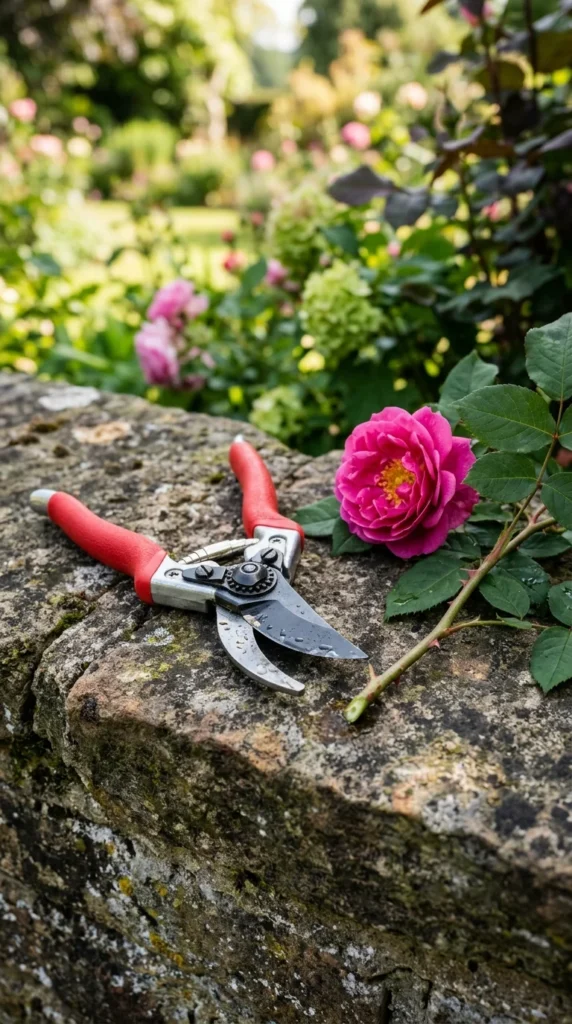
Often called secateurs, pruning shears are vital for maintaining the health of your plants. Bypass pruners, which work like scissors with two blades passing each other, are best for live wood as they make clean, precise cuts that heal quickly. These are used for deadheading flowers, thinning out overcrowded branches, and harvesting herbs. Regular sharpening and oiling will keep this tool performing at its peak for years.
3. Garden Gloves
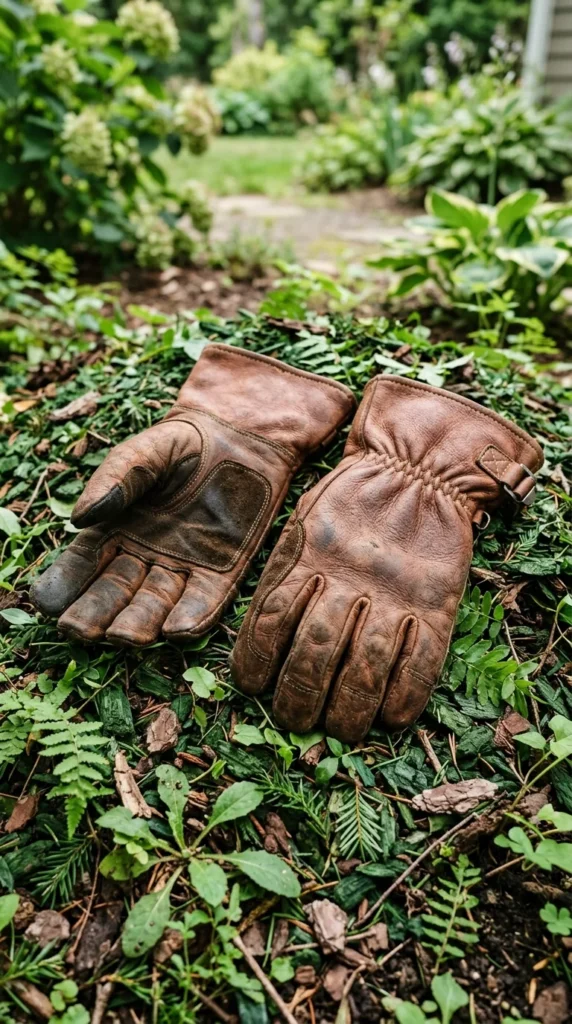
Protection is paramount when working with soil, thorns, and sharp tools. A good pair of garden gloves should be durable yet flexible enough to allow for tactile tasks. Leather or goatskin gloves are excellent for handling roses or woody shrubs with thorns, while nitrile-coated fabric gloves offer better dexterity for planting seeds and pulling small weeds. Ensure they are breathable to prevent your hands from overheating during summer sessions.
4. Watering Can
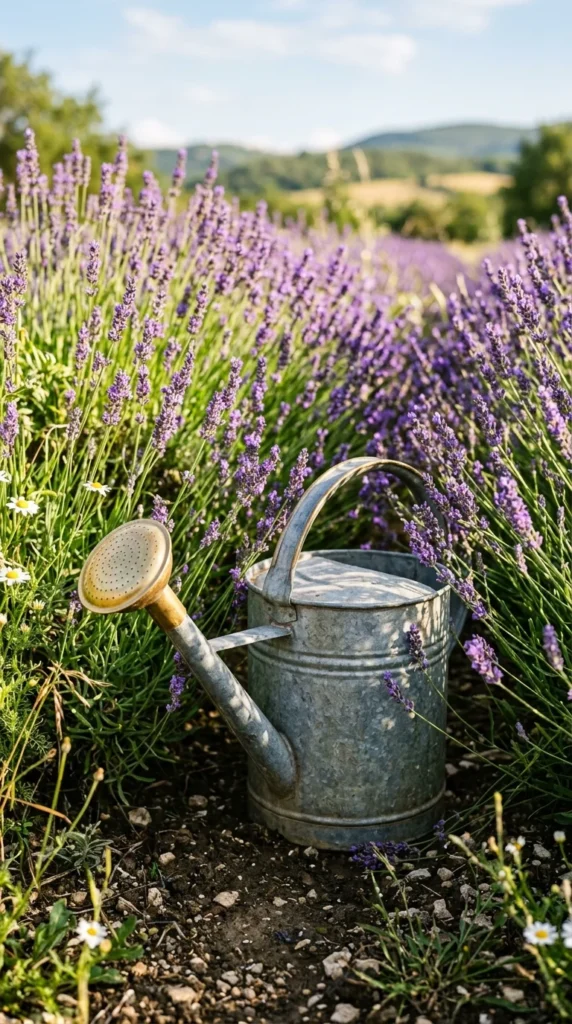
While a hose is great for large areas, a watering can provides the precision needed for delicate seedlings and container plants. Look for a model with a removable “rose” (the perforated nozzle) that creates a gentle rain-like spray. This prevents the soil from washing away and protects fragile stems from being crushed by a heavy stream of water. A balanced handle design is also crucial to make carrying and pouring easier on your wrists.
5. Garden Rake
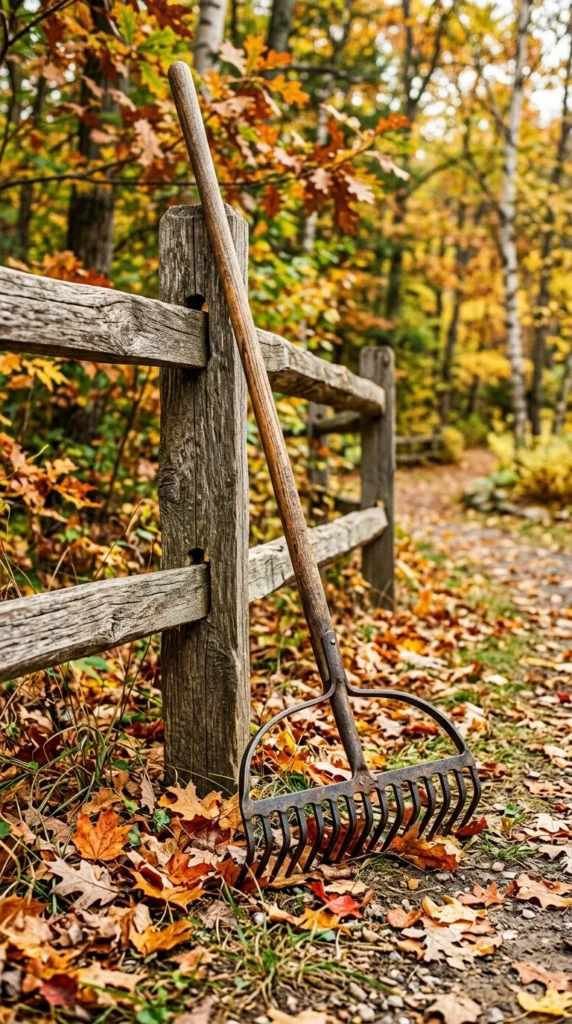
A sturdy garden rake is essential for leveling soil, clearing debris, and preparing seedbeds. Unlike the flexible leaf rake used for grass, a garden rake (or bow rake) has rigid metal tines. It is designed to break up soil clods and create a smooth, even surface for planting. It is also an excellent tool for spreading mulch or gravel evenly across garden paths.
6. Spade
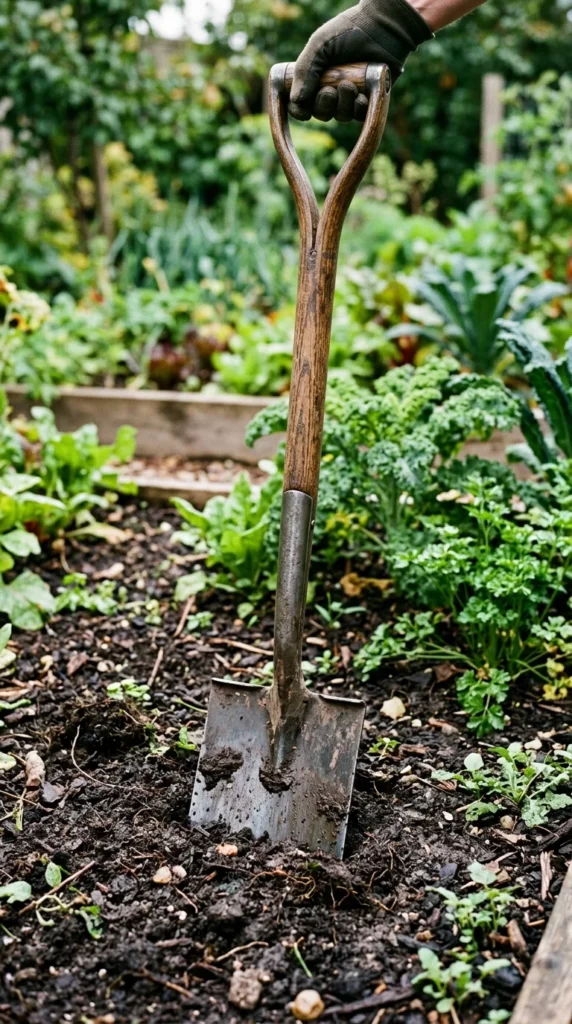
The spade is the workhorse of the garden. Characterized by its flat, square blade and shorter handle, it is designed for digging straight-sided holes, edging beds, and slicing through stubborn roots. A high-quality spade should have a “tread” on the top of the blade—a small ledge where you can place your foot to apply extra pressure—making it much easier to penetrate compacted soil.
7. Garden Hoe
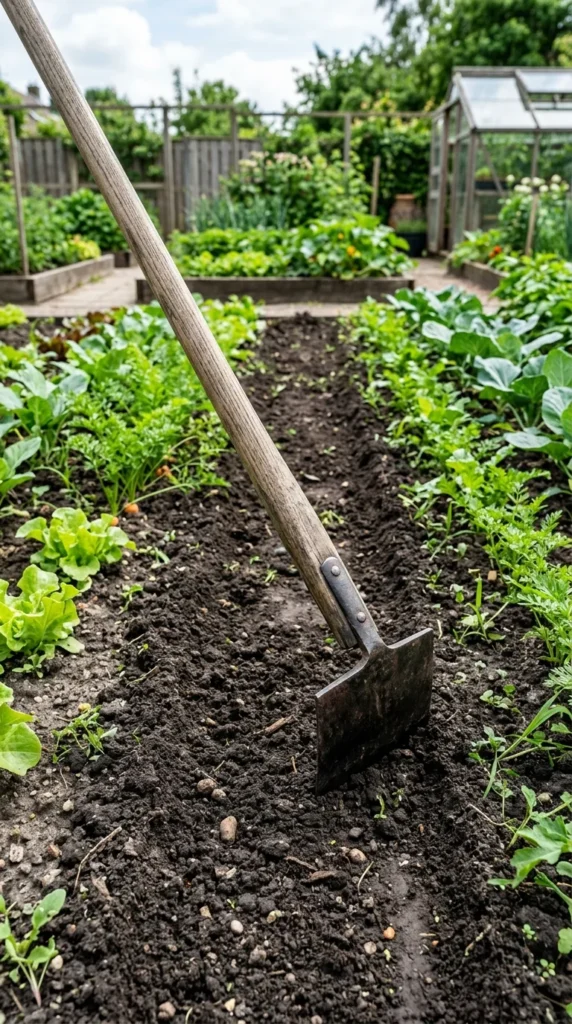
Weeding is an inevitable part of gardening, and a hoe makes the task significantly faster. There are various styles, but the standard draw hoe or the Dutch hoe are the most common. A hoe allows you to chop or scrape away weeds just below the soil surface without having to bend over. It is also useful for creating long furrows for planting rows of seeds like beans or corn.
8. Garden Fork
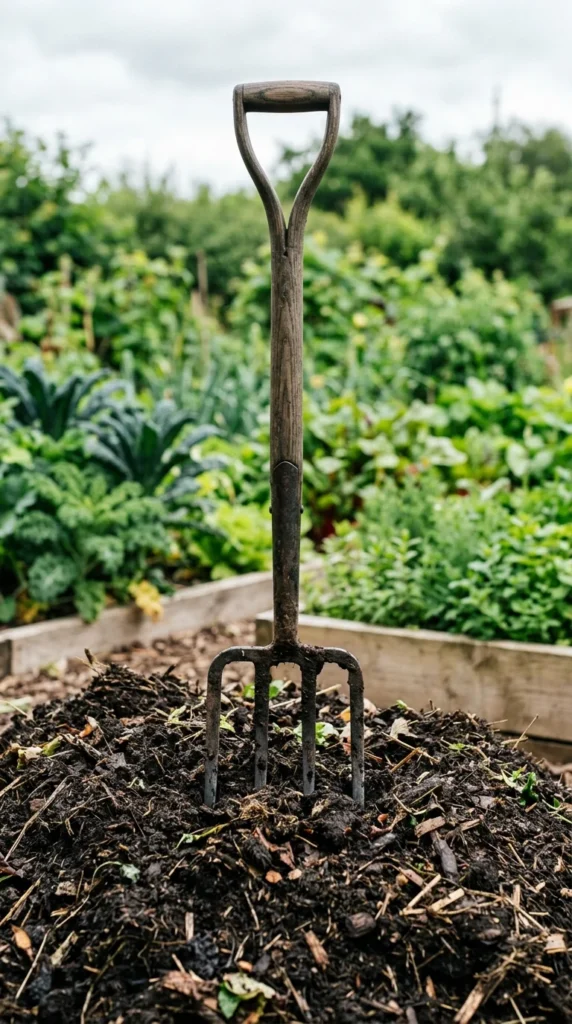
A garden fork is indispensable for turning soil and aerating heavy clay. Its thick, sturdy tines can penetrate hard ground more easily than a solid spade. It is also the ideal tool for turning compost heaps to introduce oxygen, which speeds up the decomposition process. If you have rocky soil, a fork is a lifesaver as it can move around stones that would stop a spade in its tracks.
9. Hand Weeder
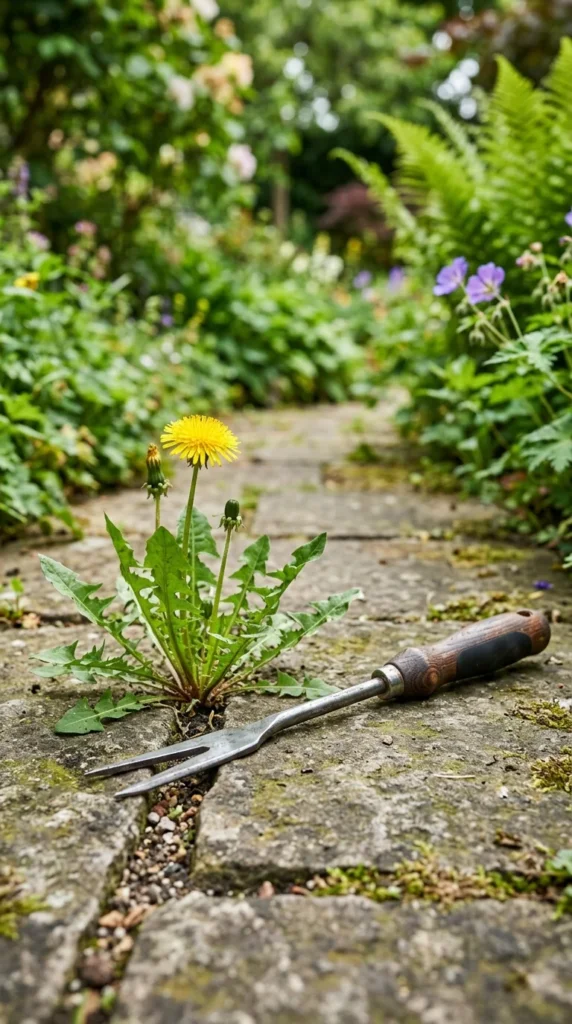
For those deep-rooted weeds like dandelions, a hand weeder (often called a “fishtail” weeder) is essential. It features a long, thin metal rod with a notched end that can reach deep into the soil to grab the taproot. By leveraging the tool against the ground, you can pop the entire weed out, preventing it from regrowing. This tool is particularly useful for maintaining pristine lawns and tight flower beds.
10. Wheelbarrow
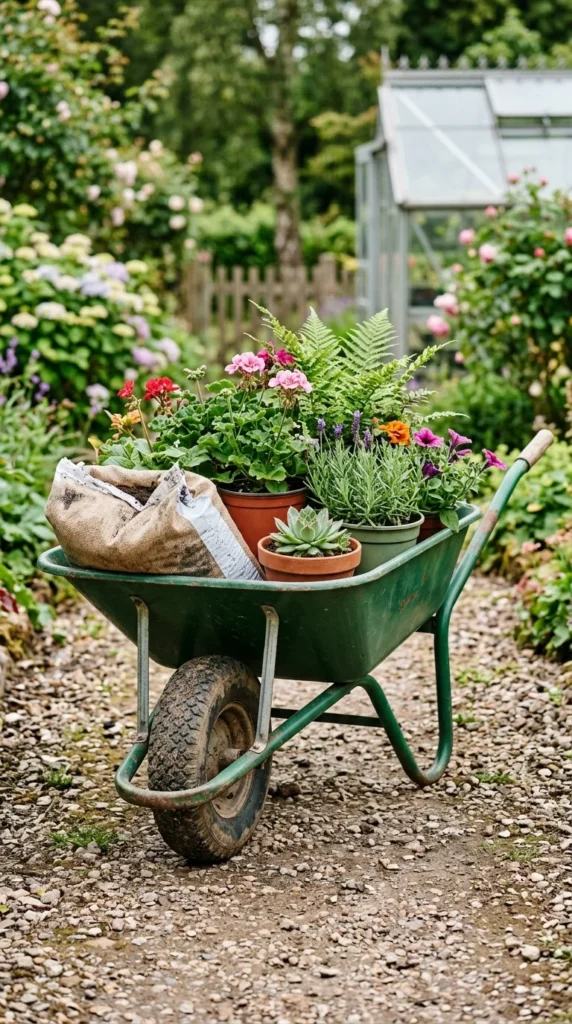
Transporting heavy bags of mulch, soil, or piles of garden waste can be back-breaking work. A wheelbarrow or garden cart is a fundamental necessity for any medium-to-large garden. A traditional single-wheel model offers great maneuverability in tight spaces, while two-wheeled carts provide more stability for heavy loads. Ensure the tire is pneumatic (air-filled) to provide a smoother ride over uneven terrain.
11. Garden Hose
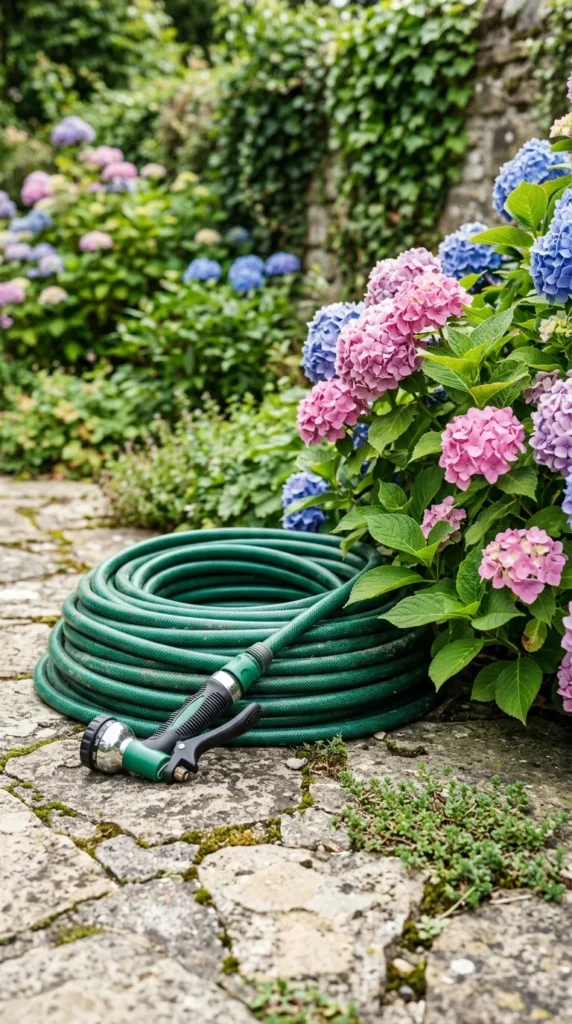
For larger gardens, a high-quality hose is a must. Look for “kink-resistant” materials like rubber or reinforced vinyl. A hose should be long enough to reach the furthest corners of your property without being overly cumbersome. Pair it with a multi-pattern spray nozzle that allows you to switch between a powerful jet for cleaning tools and a soft mist for delicate flowers.
12. Kneeling Pad
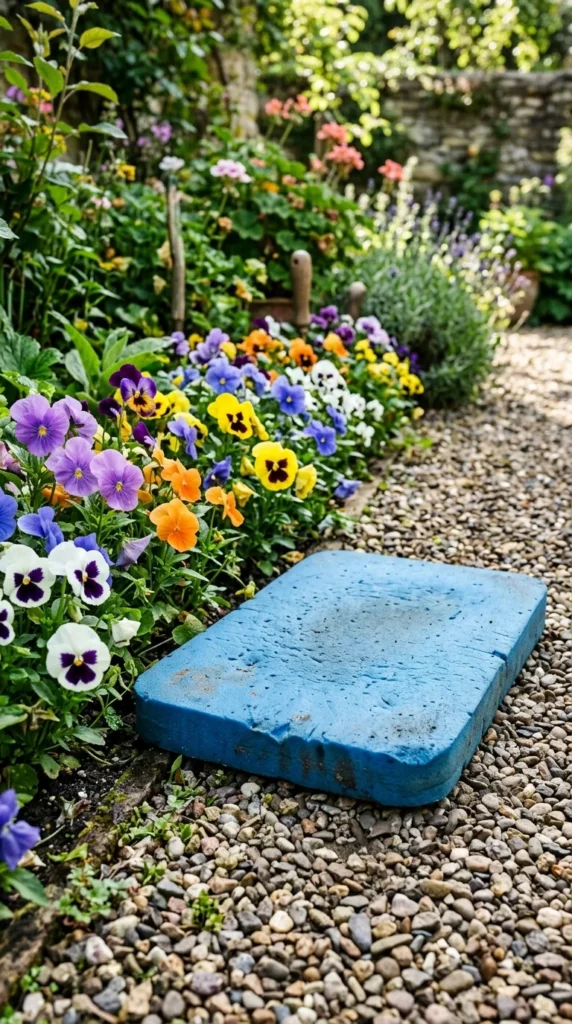
Gardening involves a lot of time spent on the ground, which can be hard on the knees. A thick foam kneeling pad or a specialized gardening bench provides the cushioning needed to work comfortably for extended periods. This simple addition to your kit can prevent joint pain and keep your clothes clean while you plant or weed.
13. Hand Transplanter
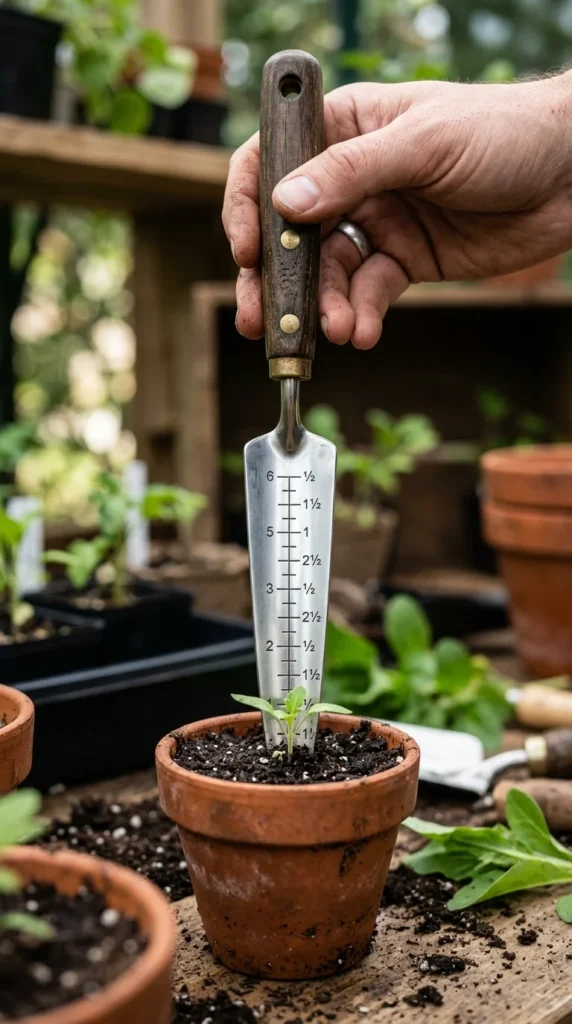
A transplanter looks like a slim trowel and is specifically designed for moving small plants and bulbs. The narrow blade allows you to dig precise holes in crowded beds without disturbing the roots of neighboring plants. Most transplanters feature measurement markings on the blade, helping you ensure that bulbs and seeds are planted at the exact depth required for optimal growth.
14. Garden Twine
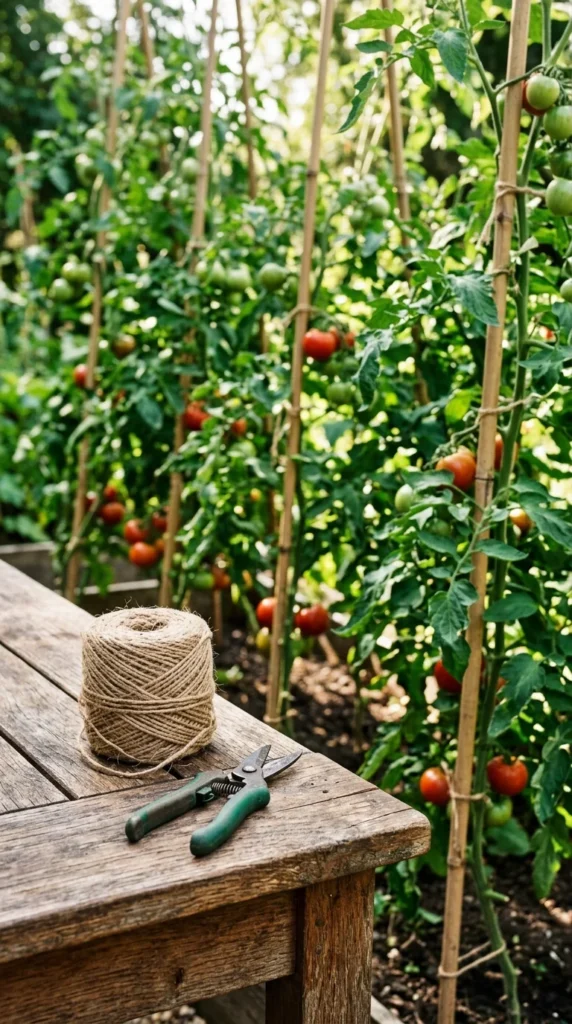
Support is vital for climbing plants and tall, top-heavy flowers. Natural jute or sisal twine is a garden staple for tying stems to stakes or trellises. These natural fibers are soft enough not to damage delicate stems and will eventually biodegrade. Having a roll of twine and some plant ties in your kit allows you to provide structural integrity to your garden as it grows.
15. Loppers
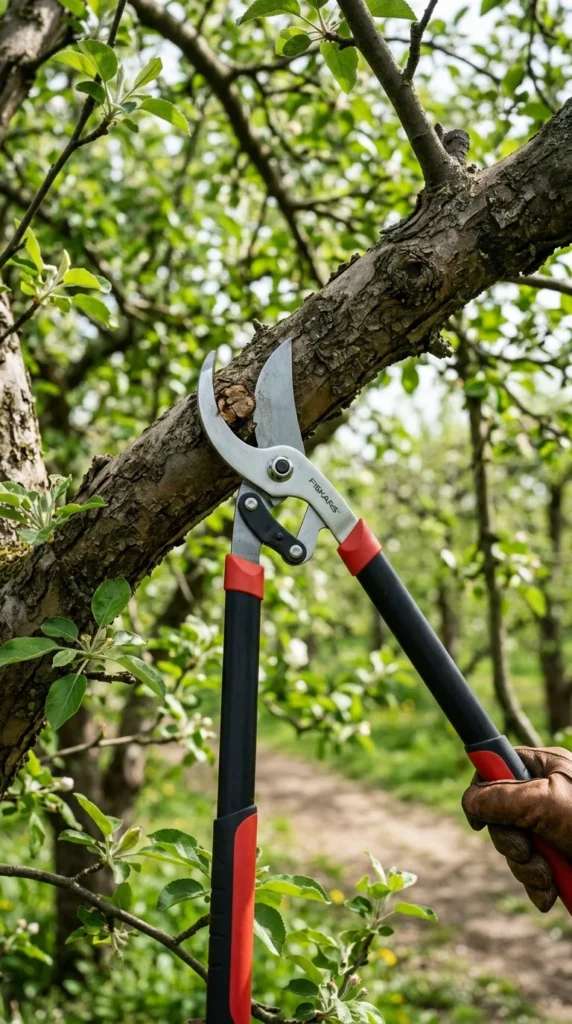
When a branch is too thick for pruning shears, you need loppers. With their long handles and heavy-duty blades, loppers provide the leverage necessary to cut through branches up to two inches in diameter. They are essential for maintaining fruit trees, thinning out overgrown hedges, and removing dead wood from larger shrubs.
16. Spray Bottle
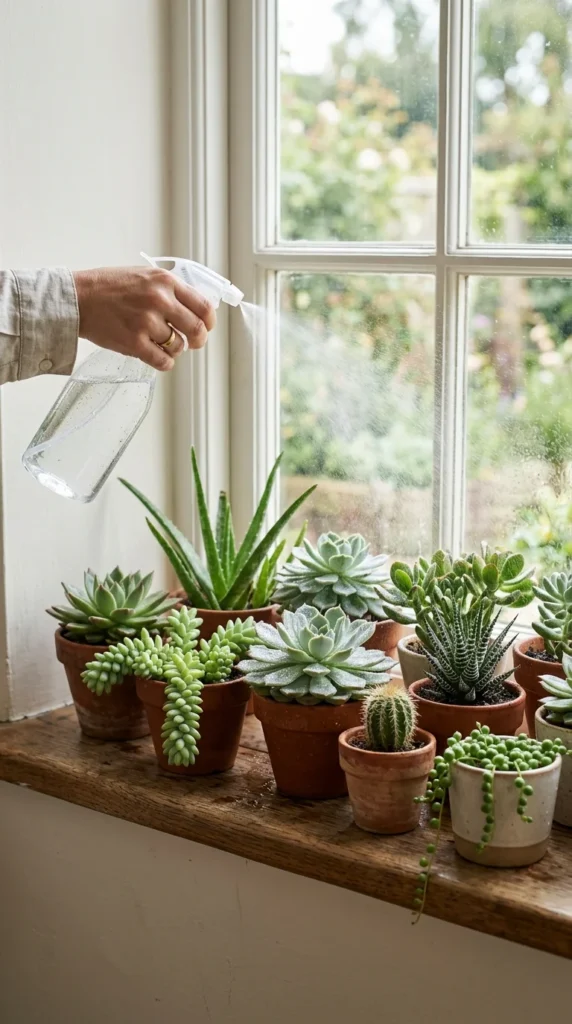
A simple spray bottle is incredibly versatile. It is used for misting indoor plants that crave humidity, applying organic pest control solutions like neem oil, or gently watering surface-sown seeds that are too small for a watering can. It allows for controlled application of liquids without saturating the entire plant or soil.
17. pH Tester
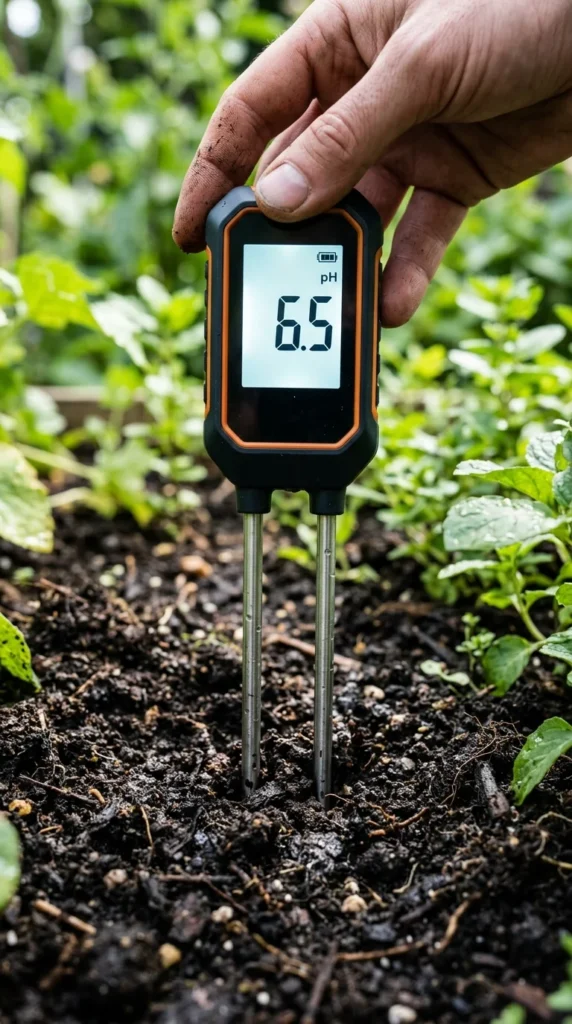
The health of your plants depends heavily on the acidity or alkalinity of the soil. A soil pH tester is a small tool that provides immediate feedback on your soil’s chemistry. This information is crucial for determining which amendments (like lime or sulfur) are needed to help specific plants thrive. Blueberries, for example, need acidic soil, while many vegetables prefer a neutral range.
18. Garden Hat
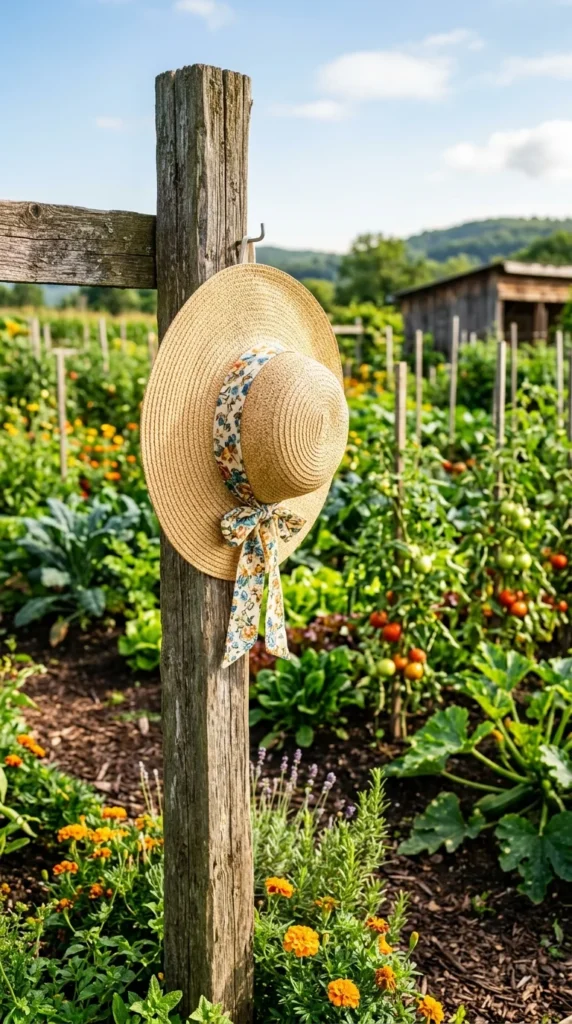
Sun protection is a critical part of a gardener’s “gear.” A wide-brimmed hat protects your face, ears, and neck from harmful UV rays during long hours in the sun. Choose a breathable material like straw or moisture-wicking fabric to keep you cool. Staying protected ensures that you can enjoy your garden without the risk of sun damage or heat exhaustion.
19. Tool Caddy
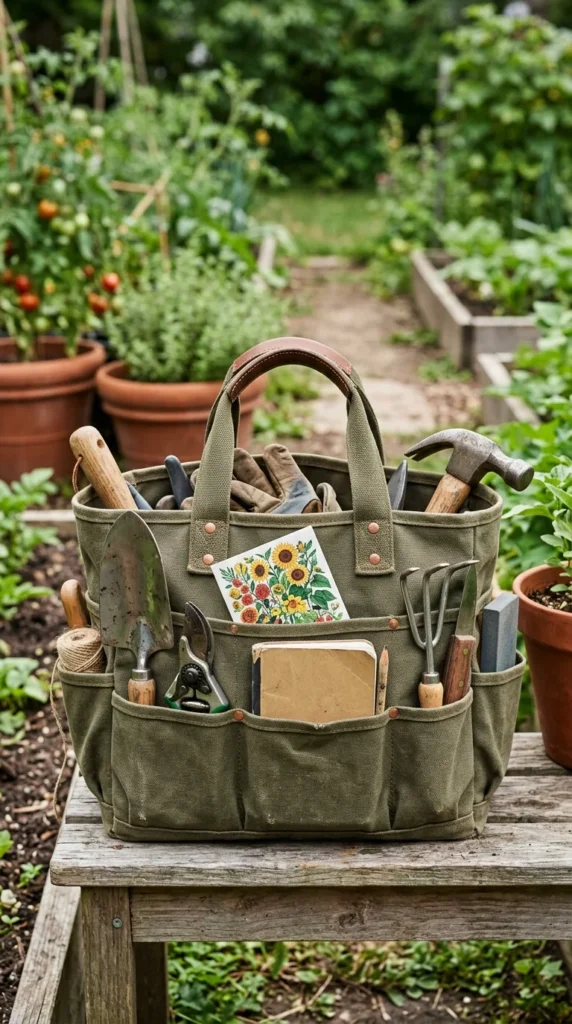
Keeping your tools organized and mobile is key to efficiency. A tool caddy or a specialized garden bucket organizer allows you to carry all your small hand tools, ties, and seed packets from one end of the garden to the other. This saves time and prevents tools from being lost in the tall grass or accidentally buried in the soil.
20. Pruning Saw
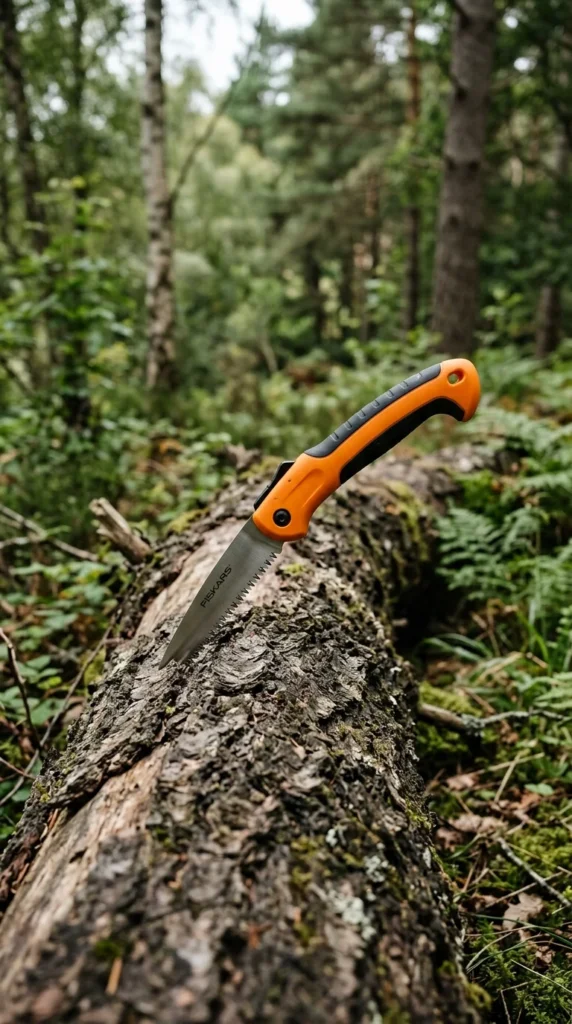
For branches that are even too large for loppers, a pruning saw is necessary. These saws feature specialized teeth designed to cut through “green” or living wood without clogging. A folding pruning saw is a great space-saver and safe to carry in your kit, allowing you to tackle major renovation pruning or storm damage with ease.
21. Dibber
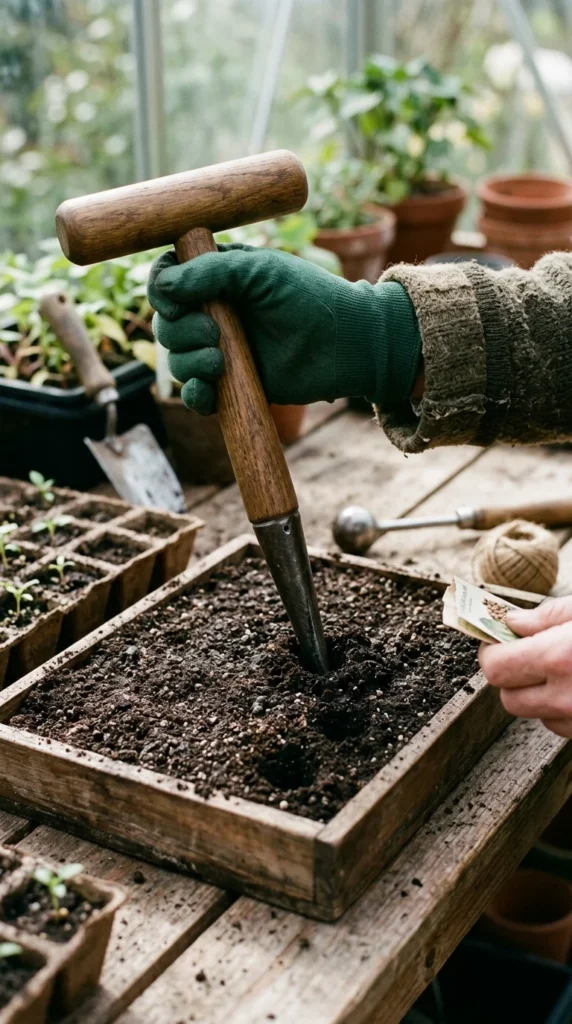
A dibber (or dibble) is an ancient but highly effective tool used for poking holes in the soil for seeds, bulbs, or small seedlings. It ensures consistent depth and minimizes soil compaction around the planting hole. Whether you choose a simple wooden peg or a T-shaped handle version, it is a satisfyingly simple tool that makes planting large numbers of bulbs a breeze.
22. Garden Stakes
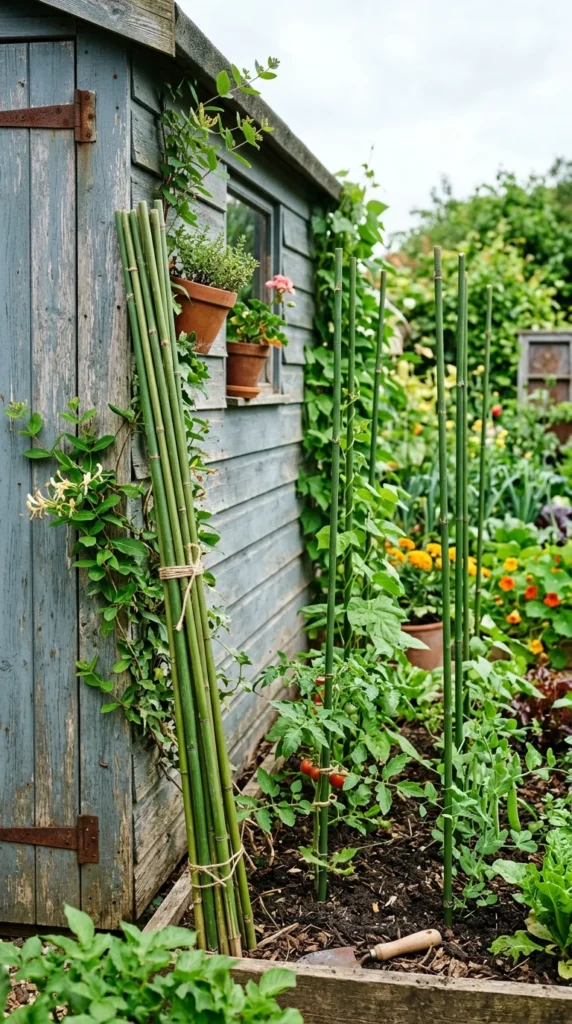
Many plants, particularly heavy producers like tomatoes or tall flowers like delphiniums, require external support to prevent them from flopping over. Bamboo, wood, or coated metal stakes are essential for keeping your garden looking tidy and preventing diseases that occur when foliage touches the damp ground. Having a variety of heights in your kit ensures you are prepared for every plant’s growth spurt.
23. Plant Labels
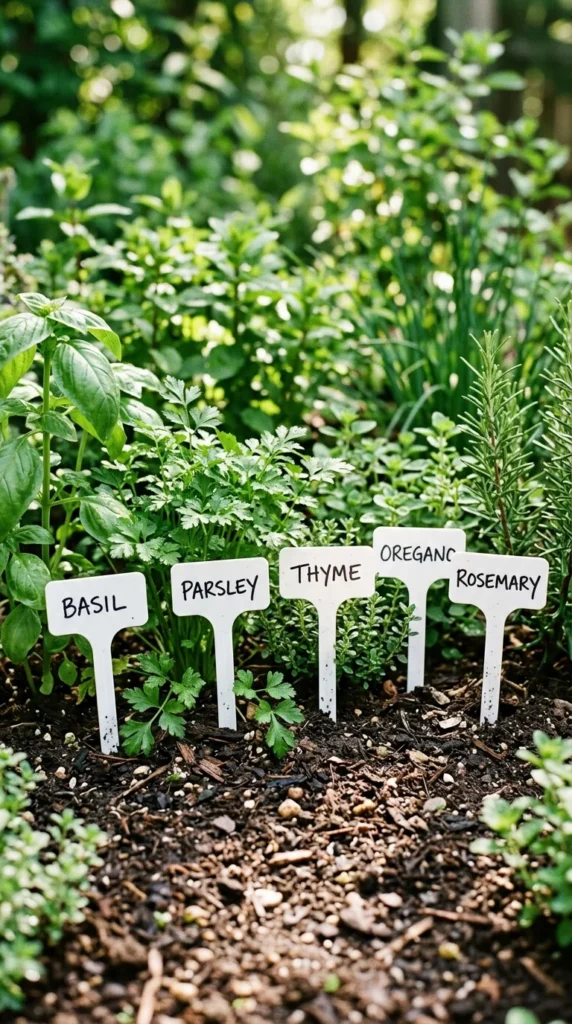
It is easy to forget exactly where you planted specific varieties, especially when they are still in the seedling stage. Plant labels are vital for tracking your garden’s layout. Whether you use plastic, wooden, or copper tags, labeling helps you remember plant names, planting dates, and specific care instructions, turning your garden into a well-documented living project.
24. Bird Netting
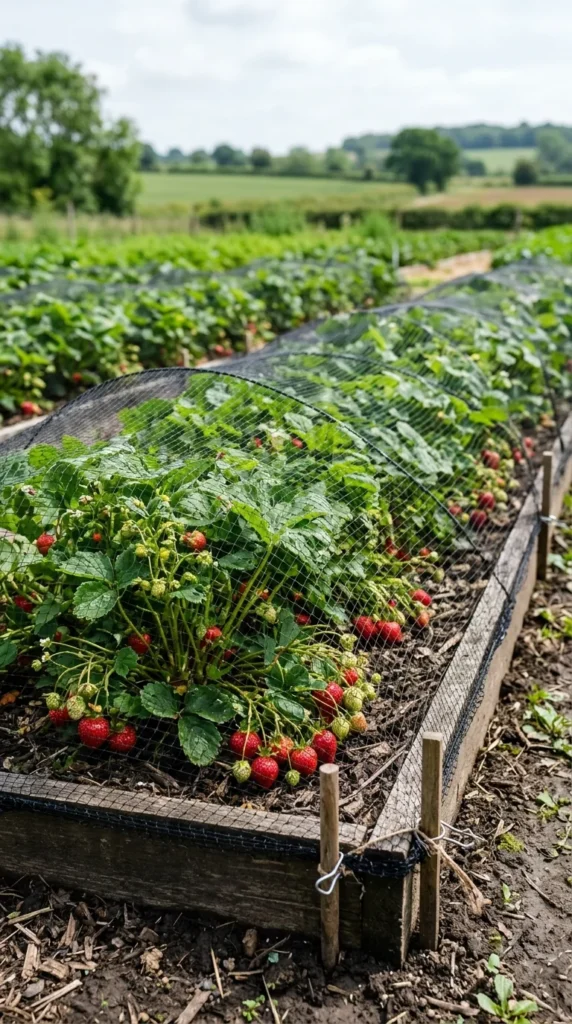
If you grow fruit or berries, you will quickly find that local wildlife is your biggest competitor. Bird netting is a lightweight, fine-mesh material that protects your harvest without harming the birds. Draping it over fruit trees or berry bushes during the ripening season ensures that you actually get to enjoy the literal fruits of your labor.
25. Compost Bin
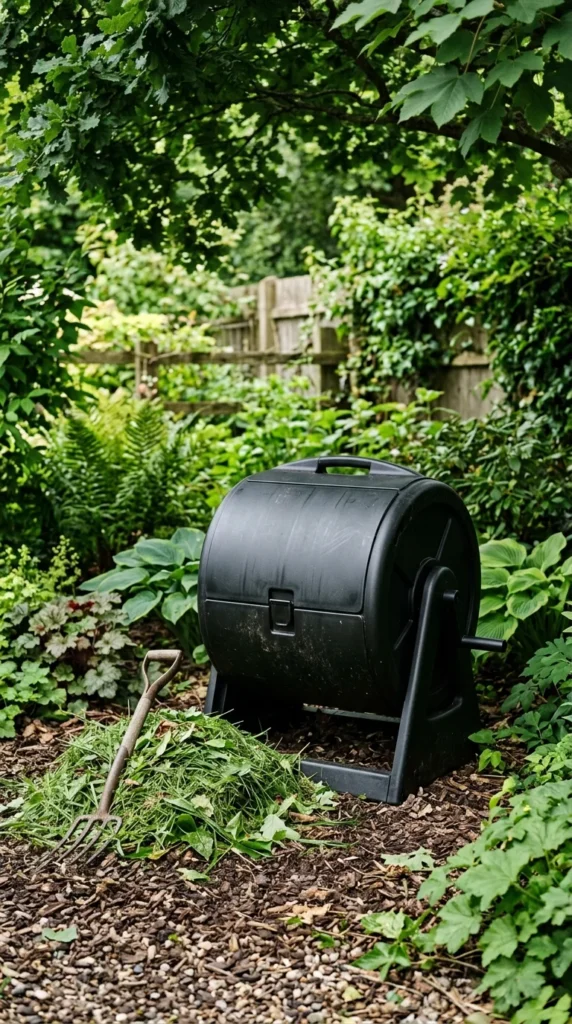
No gardening kit is truly complete without a way to give back to the soil. A compost bin or tumbler allows you to recycle kitchen scraps and garden waste into “black gold”—rich, organic matter that feeds your plants. Composting reduces waste and provides a sustainable, free source of fertilizer that improves soil structure and health over time.