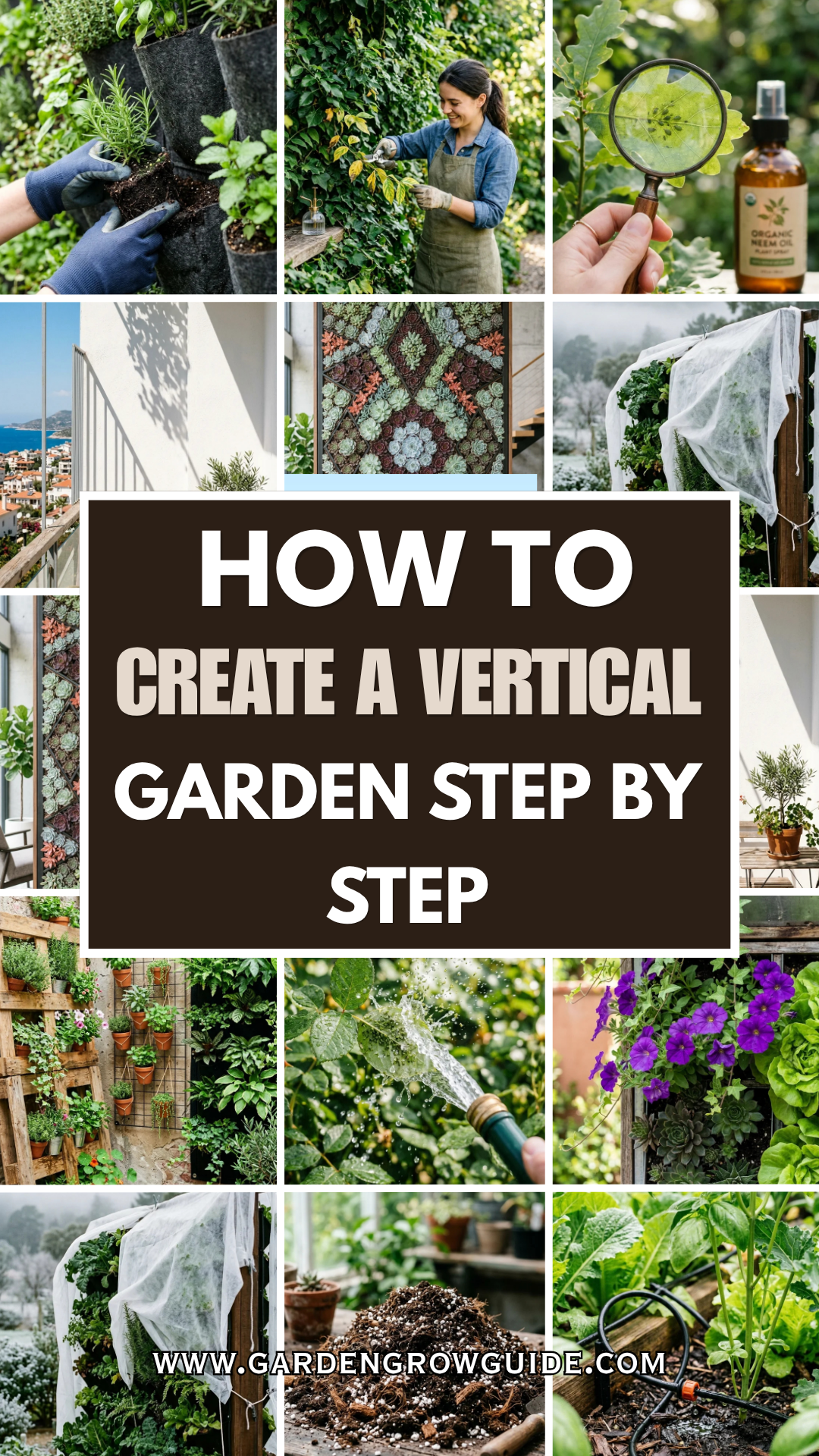
Vertical gardening is a transformative approach to horticulture that allows enthusiasts to cultivate a lush oasis regardless of ground space. By utilizing vertical planes—walls, fences, or freestanding structures—gardeners can maximize productivity, enhance aesthetics, and improve air quality. Whether you are looking to cover a drab concrete wall or grow fresh herbs on a small apartment balcony, a vertical garden offers a versatile and sustainable solution.
1. Location Selection

The first step in a successful vertical garden is identifying the perfect environment. Unlike traditional gardens, vertical installations are often fixed to structures, meaning you cannot easily move them once they are established. Consider the sun exposure: most flowering plants and vegetables require six to eight hours of direct sunlight, while ferns and mosses thrive in shaded areas.
Additionally, think about accessibility. Your garden will need regular watering and pruning, so it should be within reach of a water source and at a height where you can comfortably maintain the plants. Wind is another critical factor; high-altitude balconies or open walls can experience strong gusts that dry out soil quickly or damage delicate foliage.
2. Structural Choice
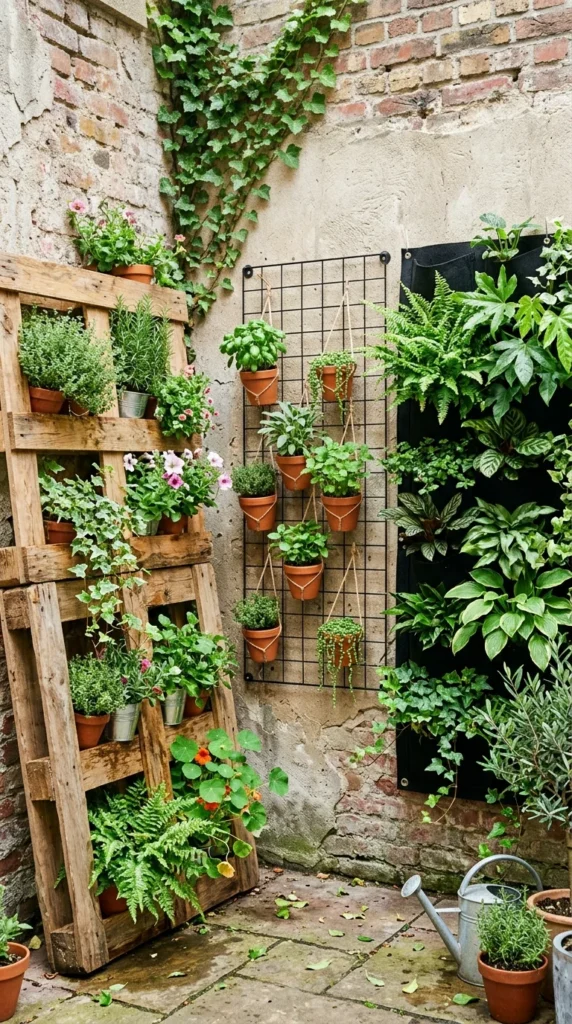
There are several ways to build the “bones” of your vertical garden. The choice depends on your budget, aesthetic preference, and the type of plants you intend to grow.
- Pocket Systems: These are usually made from breathable felt or recycled plastic. They allow for excellent air circulation and are lightweight, making them ideal for interior walls.
- Wooden Pallets: A popular DIY choice, pallets provide a rustic look. Ensure the wood is heat-treated (marked with HT) rather than chemically treated to avoid leaching toxins into your soil.
- Trellises and Grids: Perfect for climbing plants like ivy, jasmine, or peas. These structures support the natural upward growth of vines.
- Tower Gardens: These are often aeroponic or hydroponic systems that grow plants in a central column, using a nutrient-rich water solution instead of soil.
3. Plant Selection
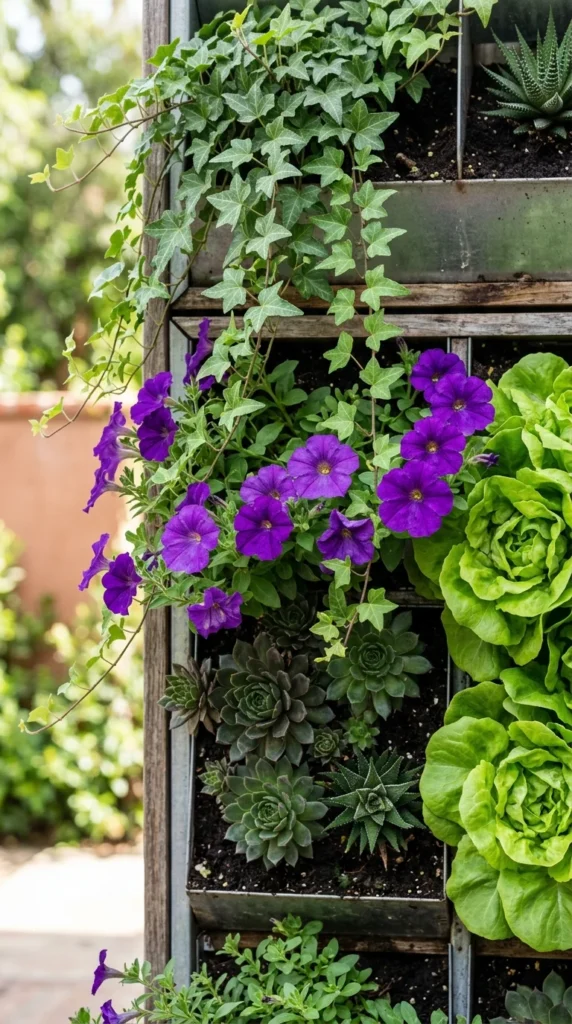
Not all plants are suited for vertical living. You must choose species that share similar light and water requirements. If you mix a desert succulent with a water-loving fern in the same system, one will inevitably suffer.
- For Low Light: Choose Pothos, Philodendrons, or various types of ferns.
- For Sun-Drenched Walls: Opt for succulents, geraniums, or petunias.
- For Edible Gardens: Herbs like mint, parsley, and chives work exceptionally well. For larger crops, consider “bush” varieties of tomatoes or cucumbers rather than heavy, sprawling varieties.
- Gravity Considerations: Plants with trailing habits (like Creeping Jenny or String of Pearls) look beautiful as they spill over the edges of containers, softening the structural lines.
4. Irrigation Planning
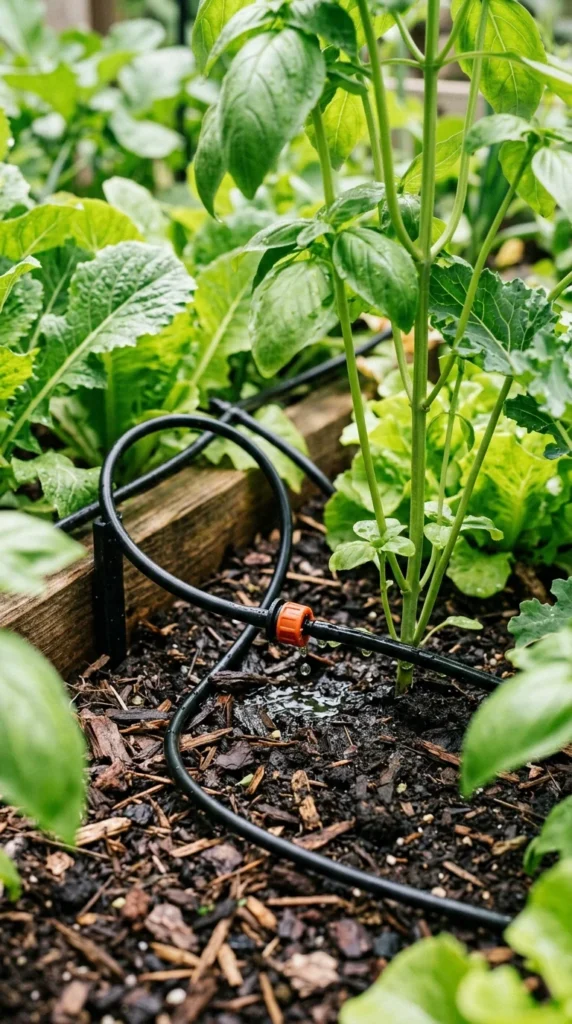
Watering a vertical garden can be challenging because gravity pulls moisture downward, often leaving the top layers dry while the bottom layers become waterlogged. For small setups, a manual watering can with a long spout may suffice. However, for larger installations, a drip irrigation system is highly recommended.
A drip system uses a network of thin tubing and emitters to deliver water directly to the root zone of each plant. You can connect these systems to a battery-operated timer, ensuring your garden receives consistent hydration even when you are away. Some vertical systems incorporate a “wicking” mechanism where a reservoir at the bottom feeds water upward through capillary action.
5. Potting Medium
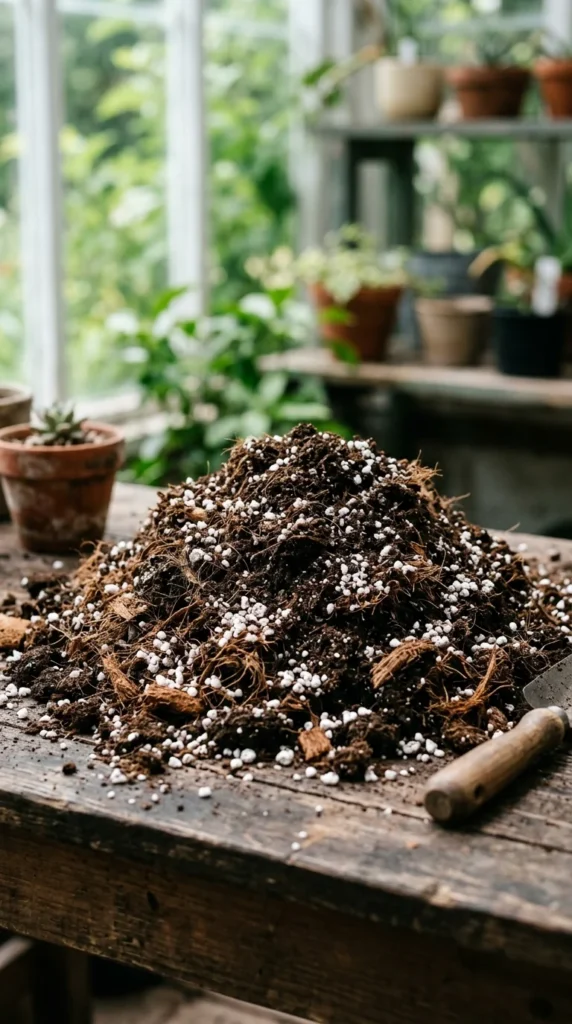
Standard garden soil is too heavy and compact for vertical systems. It can weigh down the structure and prevent essential oxygen from reaching the roots. Instead, use a high-quality “soilless” potting mix.
These mixes usually contain a blend of peat moss or coconut coir for moisture retention, perlite or vermiculite for aeration, and compost for nutrients. Because vertical containers are often shallow, the medium needs to hold enough water to keep the plant hydrated but drain quickly enough to prevent root rot. If you are using felt pockets, look for mixes specifically designed to prevent “slumping” or compaction over time.
6. Planting Process
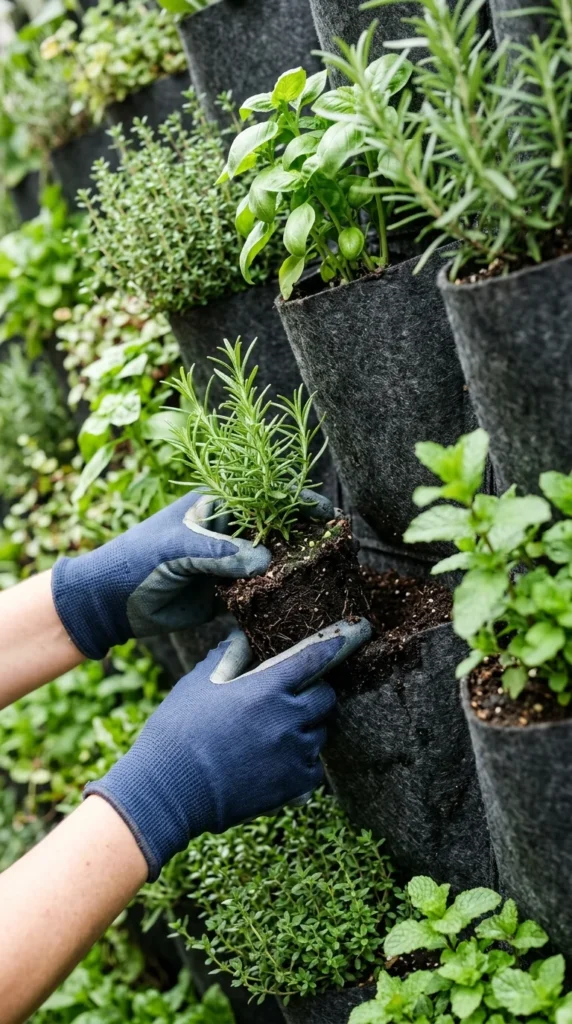
When it is time to plant, start from the bottom and work your way up. This prevents soil from falling onto the plants below as you work. For pocket systems, gently tease the roots of your nursery plants before placing them into the pocket. Ensure the root ball is fully submerged in the potting medium and firmly pressed down to eliminate air pockets.
If you are using a pallet or a wooden frame, you may need to lay the structure flat for a few weeks after planting. This allows the roots to establish themselves and “grip” the soil before the structure is tilted vertically. This “rooting-in” period is crucial for preventing the plants and soil from falling out due to gravity.
7. Ongoing Maintenance
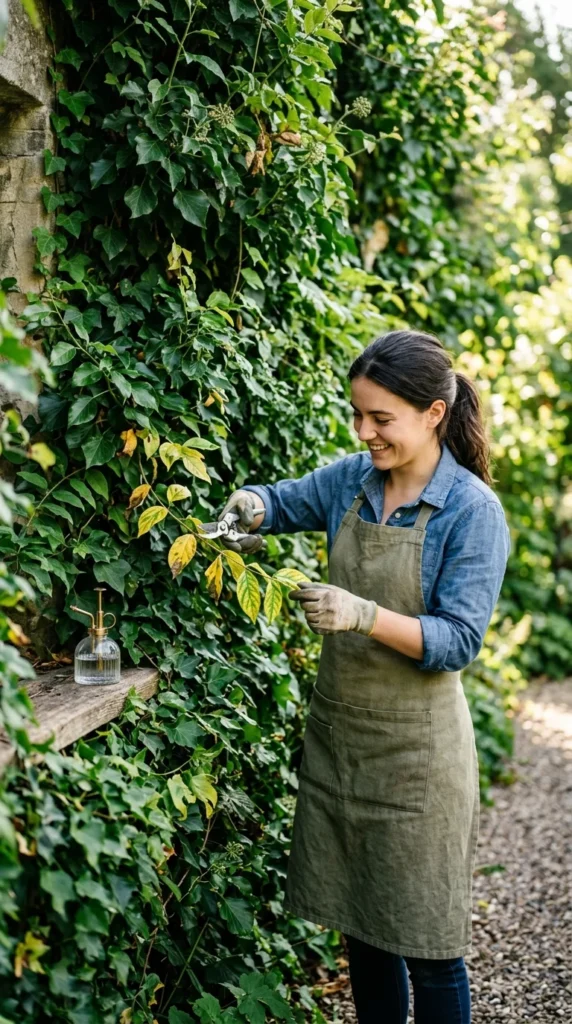
Vertical gardens require more frequent attention than traditional garden beds. Because the volume of soil is limited, it dries out much faster. Check the moisture levels daily, especially during the summer months.
Regular pruning is also essential. In a vertical environment, fast-growing plants can quickly shade out their neighbors. Trim back aggressive growers to maintain the balance of the “living wall.” Additionally, because nutrients are washed away quickly with frequent watering, you should apply a diluted liquid fertilizer every two to four weeks during the growing season to keep the foliage vibrant and healthy.
8. Pest Management

Being elevated doesn’t make your plants immune to pests. In fact, the dense foliage of a vertical garden can provide excellent hiding spots for aphids, spider mites, and mealybugs. Inspect your plants regularly, looking at the undersides of leaves.
If you spot an infestation, treat it immediately with organic solutions like neem oil or insecticidal soap. Good airflow is the best defense against fungal issues like powdery mildew. If your garden is indoors, you might use a small oscillating fan to keep the air moving around the foliage.
9. Seasonal Care
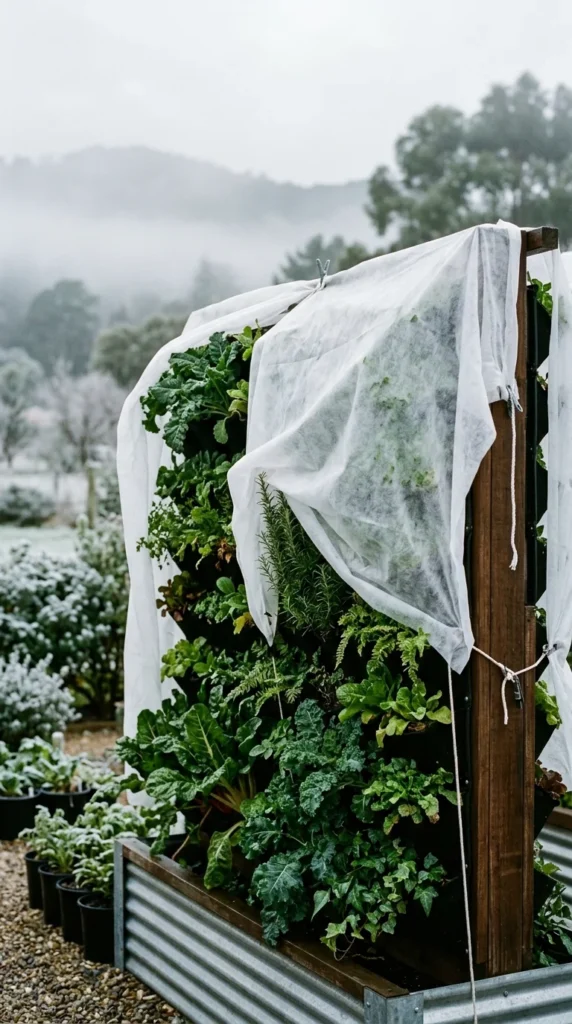
As the seasons change, your vertical garden will need adjustment. If you live in a climate with harsh winters, you may need to move portable systems indoors or wrap permanent structures in frost blankets. Many perennial plants in vertical gardens are more susceptible to root freezing because they lack the insulation of the ground.
In the spring, perform a “refresh” by removing any dead plant matter, topping off the potting medium, and replacing any plants that didn’t survive the winter. This is also the best time to check your irrigation lines for clogs or leaks that may have developed during the dormant season.
10. Design Aesthetics
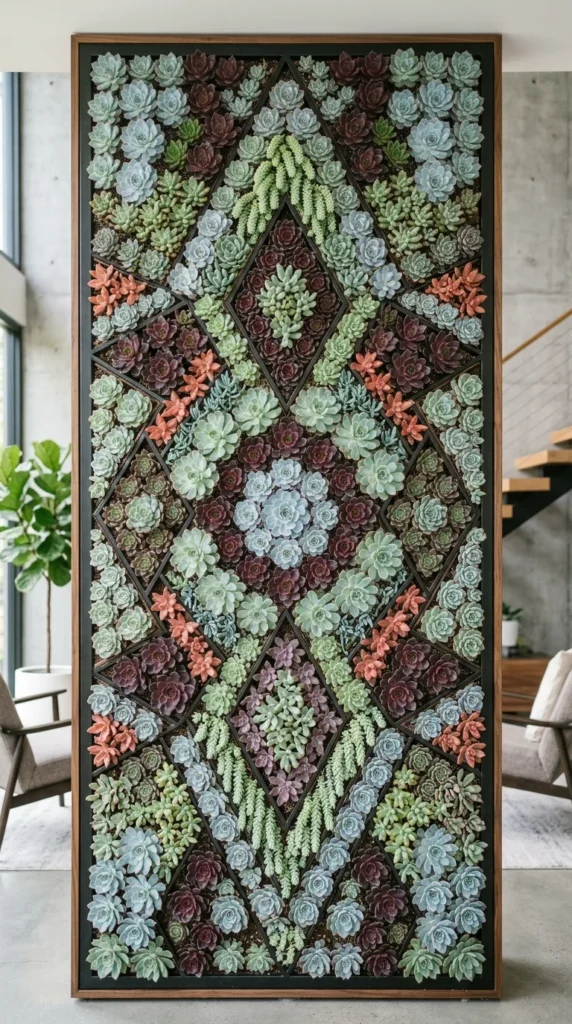
Beyond the functional aspects, a vertical garden is a piece of living art. You can create patterns, gradients of color, or even “paint” a picture using different textures of foliage. Consider the growth habits of your plants; placing spiky, upright plants next to soft, flowing ones creates a dynamic visual contrast.
Lighting can also enhance the beauty of your garden at night. Installing small LED spotlights at the base or top of the wall can create dramatic shadows and highlight the textures of the leaves, turning your vertical garden into a stunning focal point for evening gatherings