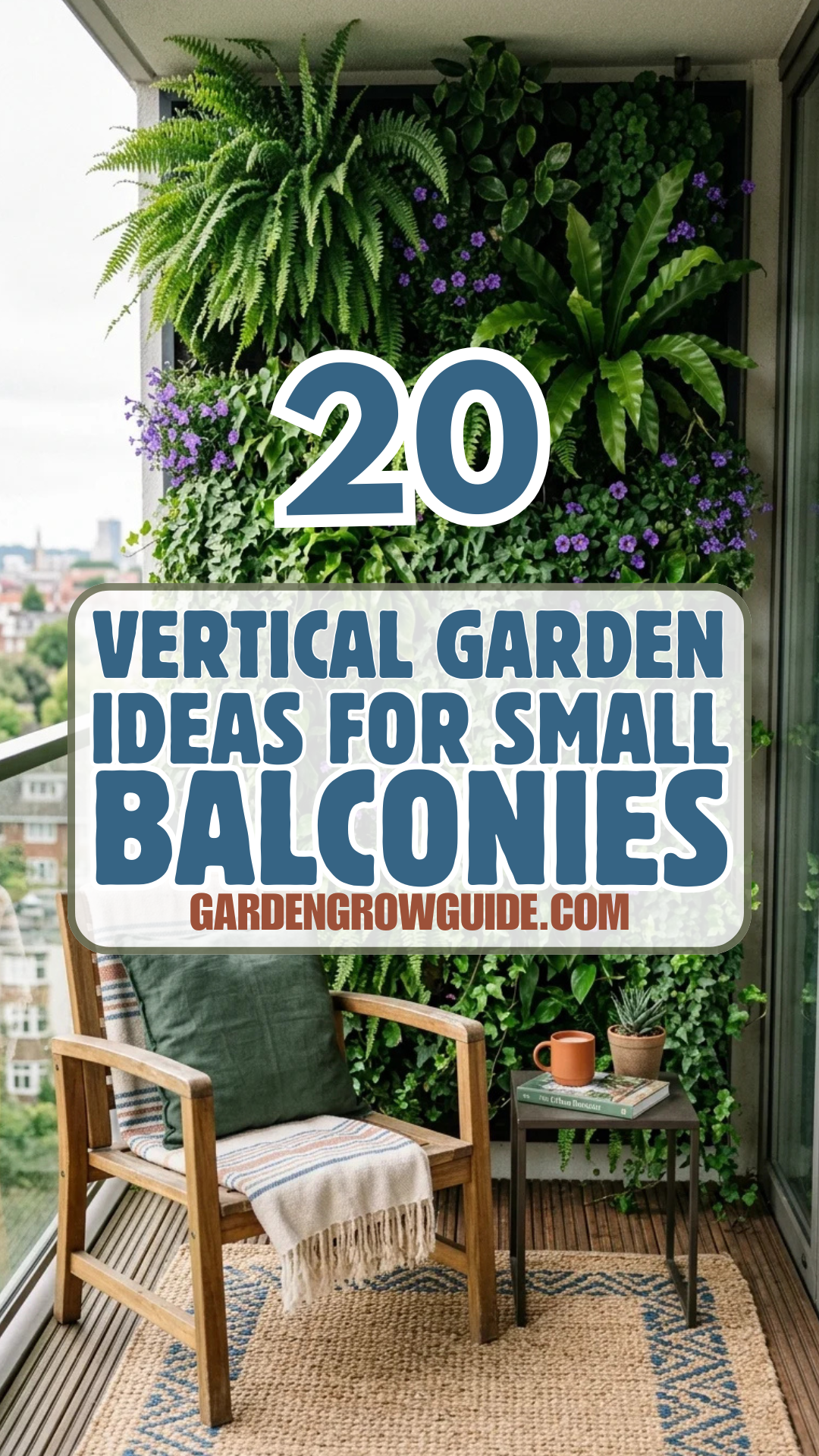
Living in an urban environment often means sacrificing a traditional backyard, but it doesn’t mean you have to give up your green thumb. Vertical gardening is the ultimate solution for small-space dwellers, allowing you to transform a cramped balcony into a private oasis. By utilizing the vertical plane, you can grow herbs, vegetables, and ornamental flowers without sacrificing precious floor space.
Whether you are a DIY enthusiast or looking for ready-made solutions, these 20 vertical garden ideas will help you reclaim your outdoor area and breathe life into your home.
1. Wooden Pallets
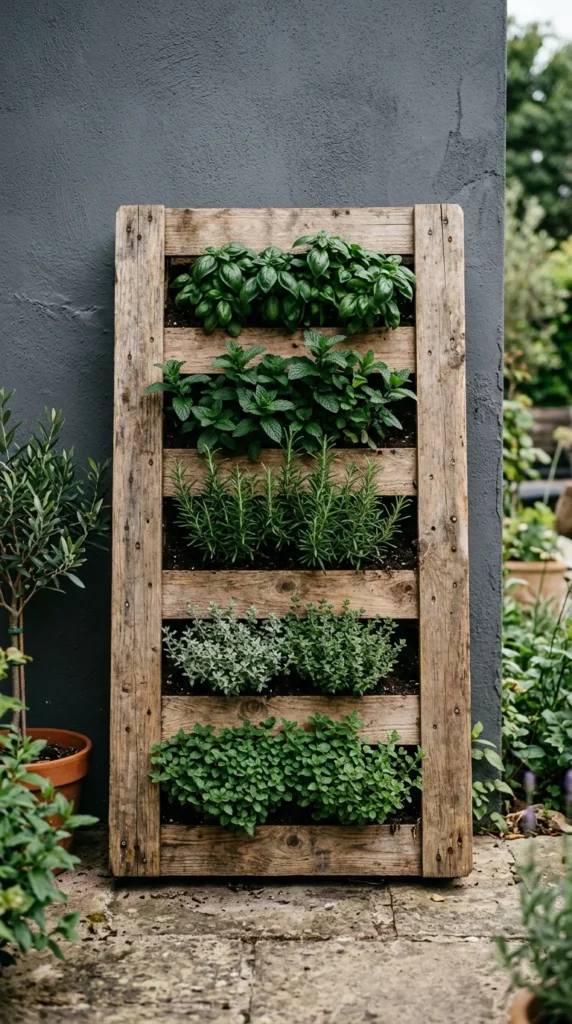
Wooden pallets are the gold standard of DIY vertical gardening. They are often available for free or at a low cost and provide a sturdy framework for a variety of plants. To turn a pallet into a garden, you simply need to staple landscape fabric to the back and bottom of the slats to create “pockets.” Fill these pockets with high-quality potting soil and tuck your plants in. This setup is particularly effective for succulents or low-maintenance greens that don’t mind a bit of crowding.
2. Hanging Pots
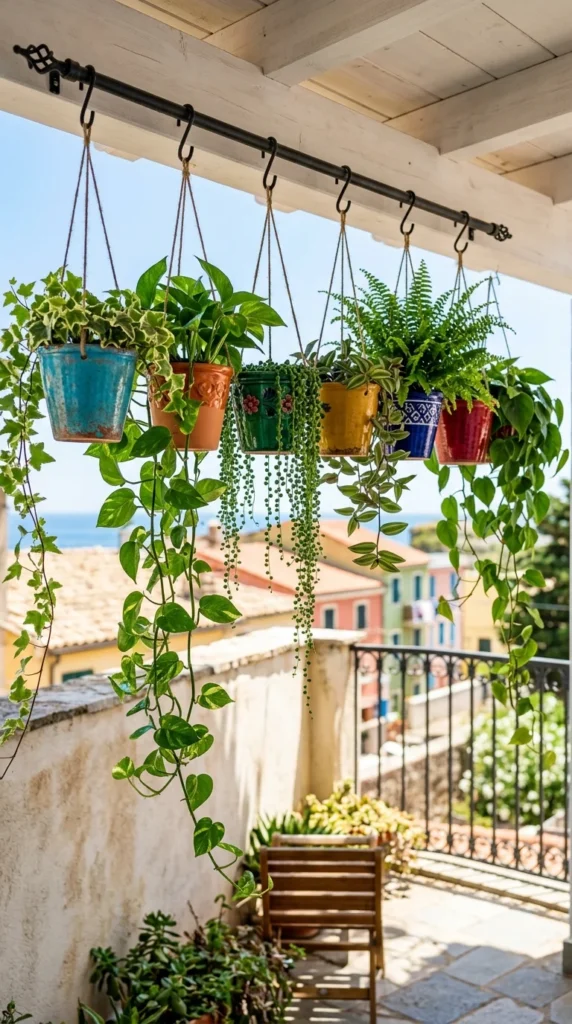
If your balcony has a sturdy overhang or ceiling, hanging pots are a classic choice. By staggering the heights of the pots, you create a sense of depth and visual interest. This method keeps the floor completely clear for furniture. Use lightweight plastic or resin pots if weight is a concern, or go for classic terracotta for a more Mediterranean feel. Plants like petunias, fuchsias, and string-of-pearls thrive in this elevated environment.
3. Pocket Felt
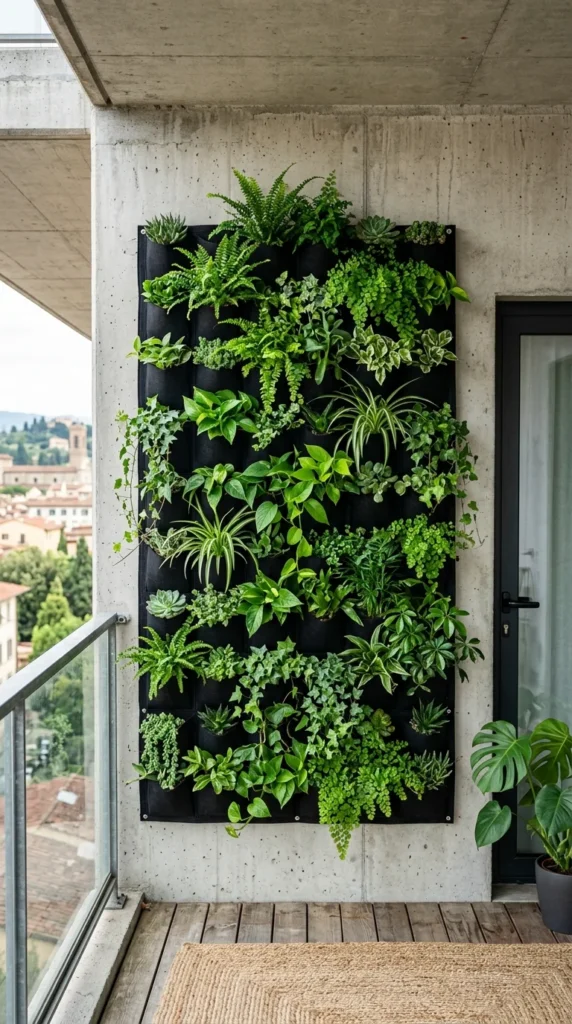
Felt pocket planters are lightweight, breathable, and incredibly easy to install. These modular systems allow air to reach the roots and prevent overwatering by letting excess moisture seep through the fabric. They are perfect for creating a “living wall” effect. You can cover an entire wall of your balcony with felt pockets to grow a massive herb garden or a collection of tropical ferns.
4. Ladder Shelves
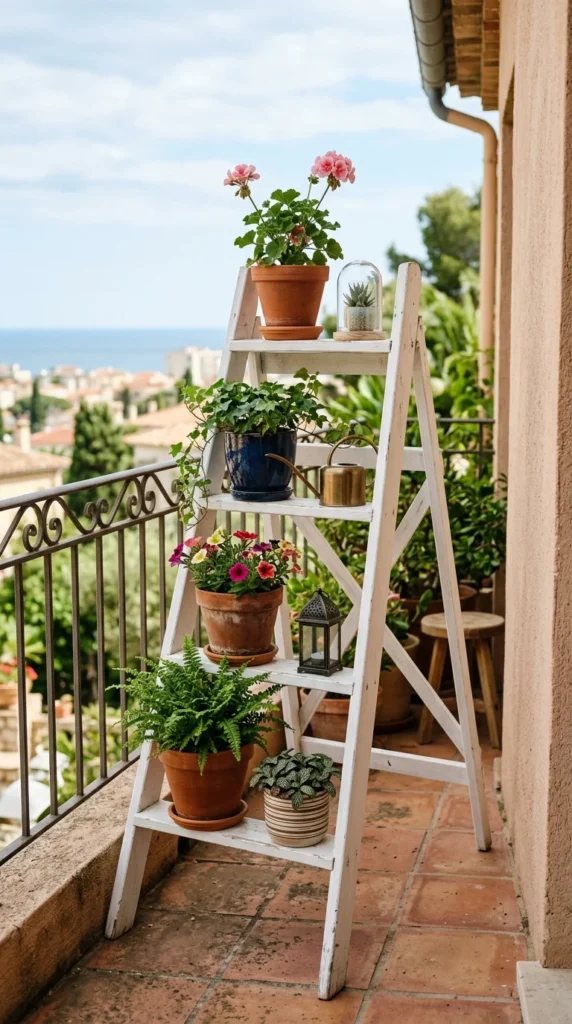
Ladder shelves provide a tiered approach to gardening, which is excellent for organizing plants by their sunlight needs. Place sun-loving plants on the top rungs and shade-tolerant varieties on the bottom. Ladders are highly portable, making them a great choice for renters who need to move their garden at the end of a lease. They also offer a charming, rustic aesthetic that complements cozy balcony decor.
5. Trellis Walls
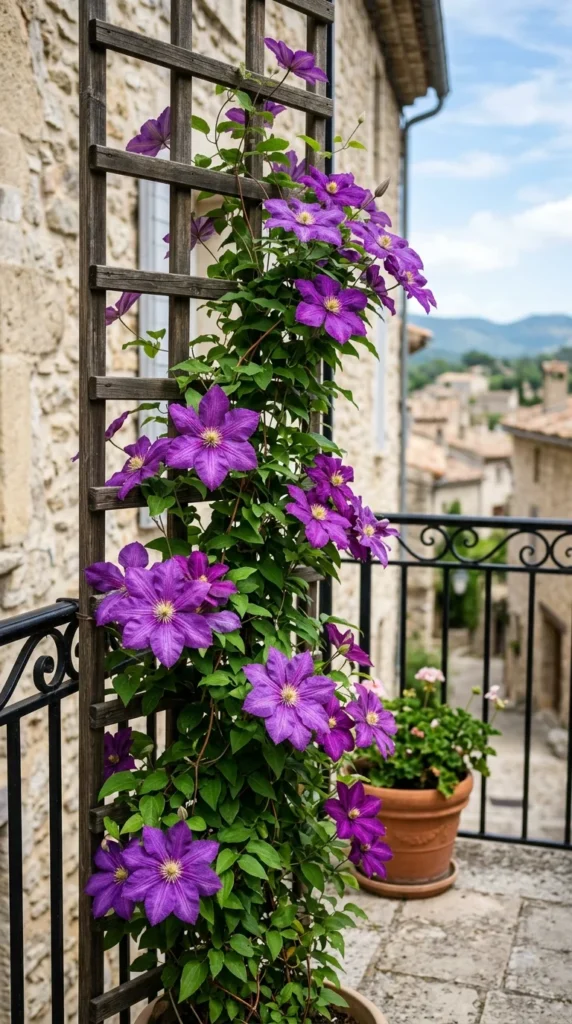
Trellises are designed specifically for climbing plants. By installing a trellis against a wall or as a privacy screen on your railing, you provide a playground for vines like jasmine, honeysuckle, or even climbing roses. This not only adds vertical greenery but also provides a natural barrier against wind and prying eyes, making your small balcony feel more secluded.
6. Stackable Pots
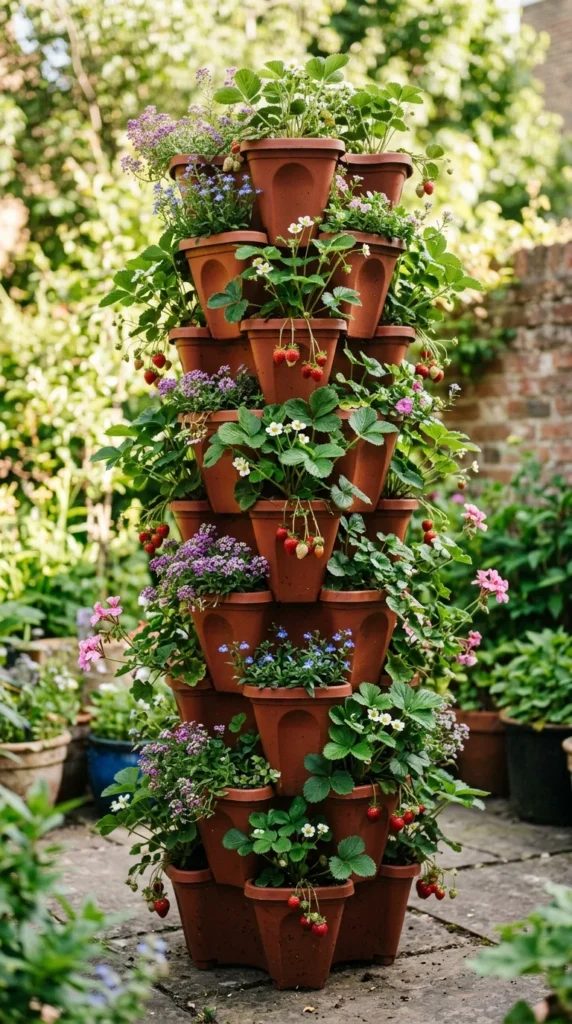
Stackable planters are engineered to maximize vertical space. These systems usually consist of clover-shaped pots that lock into one another, creating a tower of soil. Most designs include a central watering system that allows moisture to trickle down from the top to the bottom, ensuring even hydration. They are particularly popular for growing strawberries and salad greens.
7. Railing Boxes
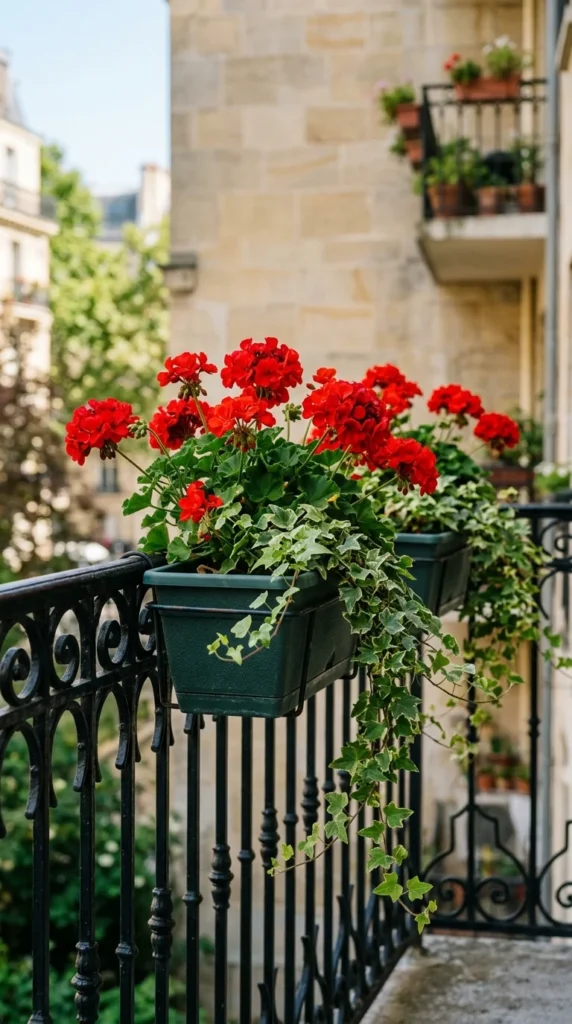
Don’t let your balcony railing go to waste. Railing boxes (or “saddlebag” planters) sit directly on the ledge or hook onto the bars. This is often the sunniest part of a balcony, making it the ideal spot for flowering annuals or sun-loving herbs like thyme and oregano. Ensure they are securely fastened to prevent them from falling during high winds.
8. Magnetic Tins
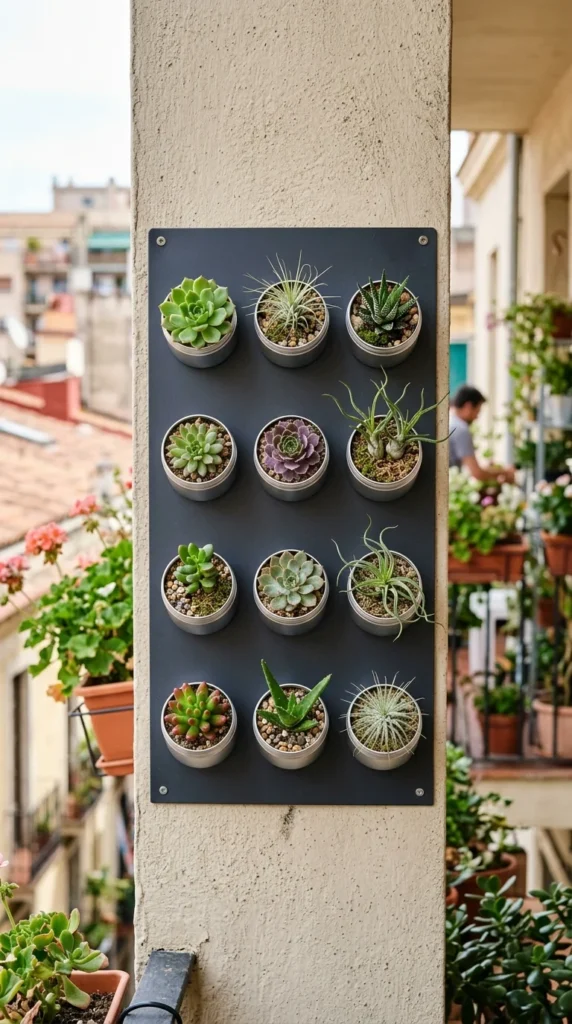
For the ultimate minimalist or those with metal surfaces on their balcony, magnetic tins are a genius hack. Small spice tins or magnetized containers can be filled with lightweight soil and small succulents. These can be rearranged easily to create different patterns or to move plants into better sunlight throughout the day.
9. Gutter Systems
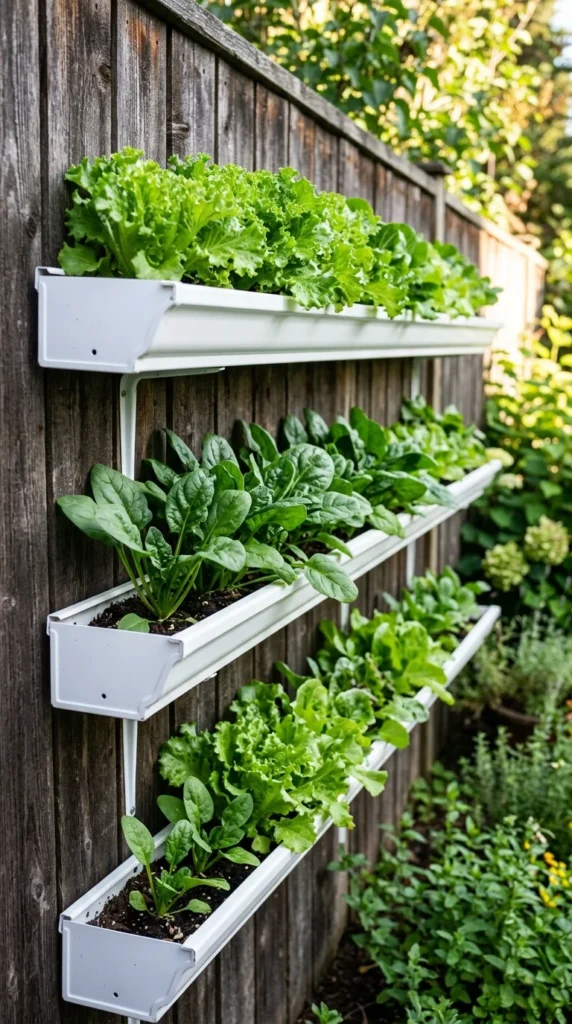
Repurposing rain gutters is a sleek, modern way to create long rows of greenery. By mounting gutters horizontally one above the other, you create a streamlined garden that is perfect for shallow-rooted plants like lettuce, radishes, and strawberries. Ensure you drill drainage holes at the bottom of each gutter length to prevent root rot.
10. PVC Pipes
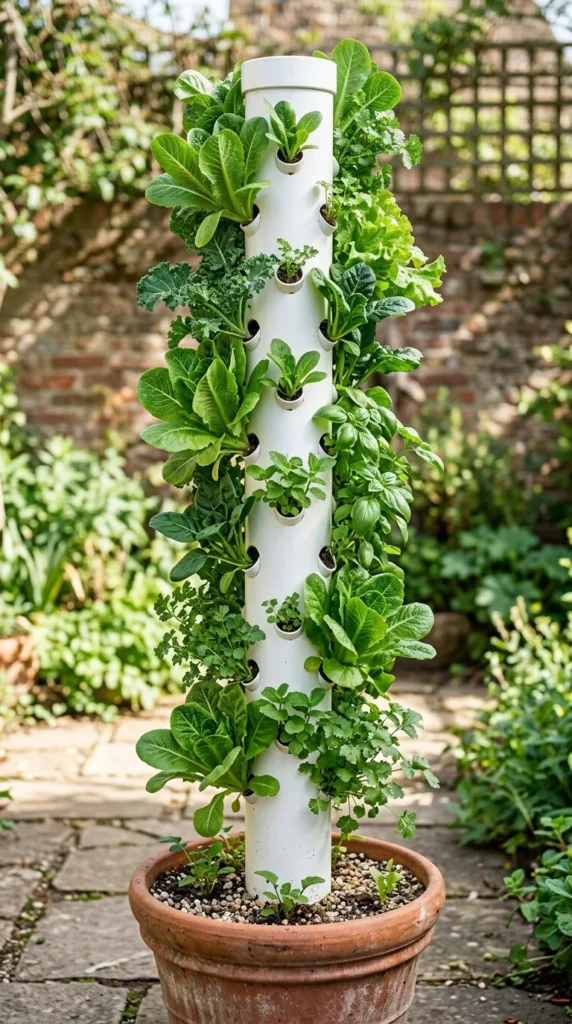
PVC pipes can be transformed into high-efficiency vertical grow towers. By cutting holes into the sides of a large-diameter pipe and filling it with a growing medium, you can grow dozens of plants in a footprint of just one square foot. This is a favorite for hydroponic enthusiasts, though it works just as well with soil for organic gardeners.
11. Mason Jars
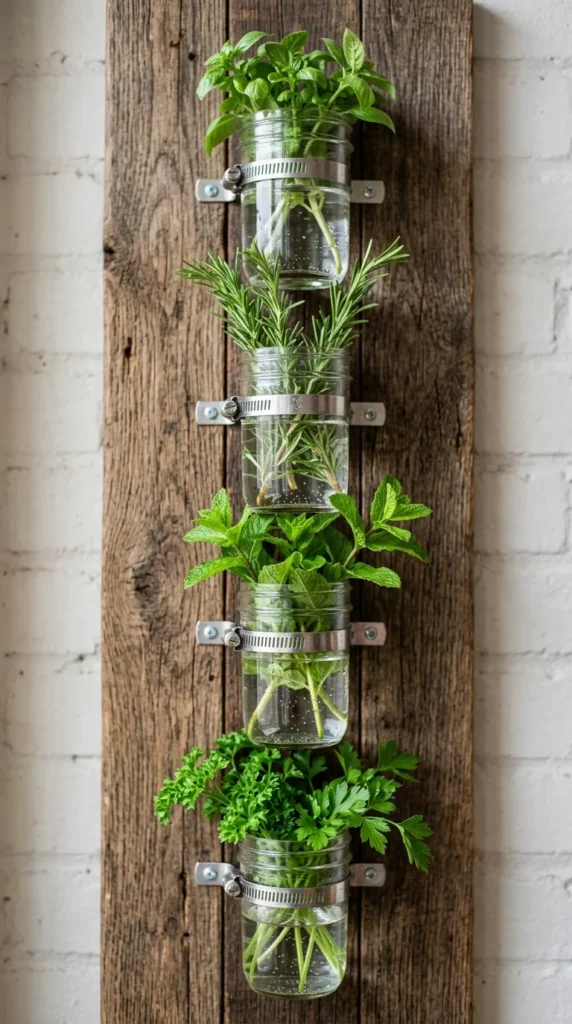
Mason jars offer a vintage, farmhouse look. While they don’t have drainage holes, they are excellent for water-based propagation or for housing herbs if you add a layer of pebbles at the bottom for moisture management. Mounting them on a decorative board creates a beautiful piece of “living art” for your balcony wall.
12. Wire Mesh
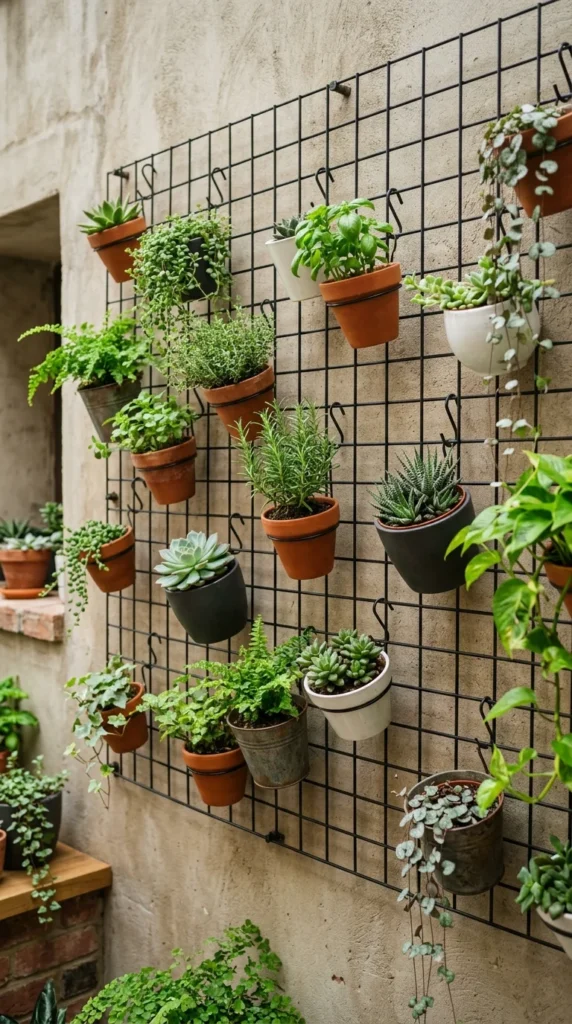
Wire mesh or “rebar” grids are incredibly versatile. Once the mesh is mounted to the wall, you can use “S” hooks or zip ties to hang almost any container. This allow you to change the layout of your garden as often as you like, moving plants around to accommodate growth or seasonal changes.
13. Pegboards
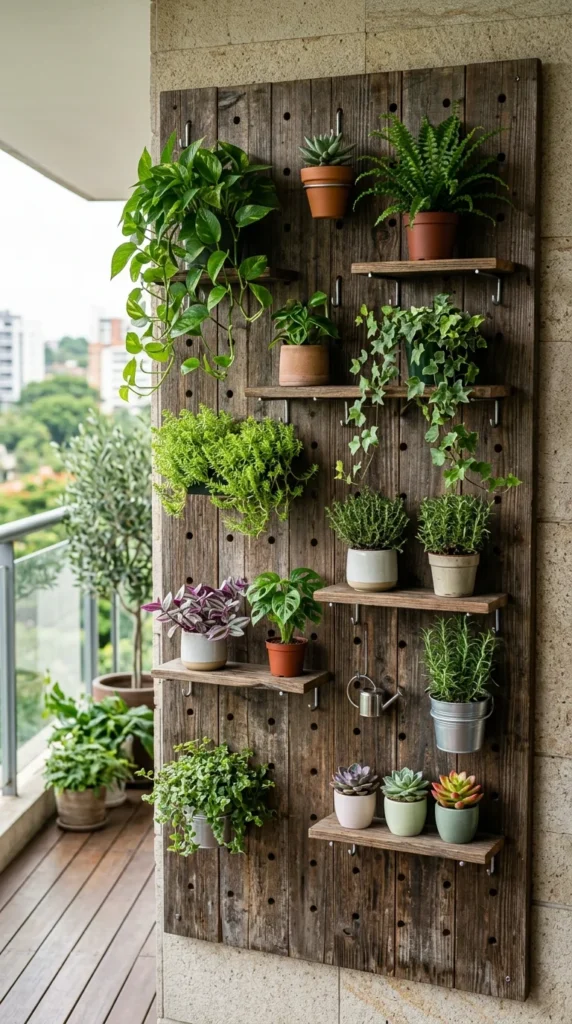
Pegboards aren’t just for tools. A weather-treated pegboard can serve as a modular vertical garden. You can buy or 3D-print various hooks and shelves to hold small pots. This system is perfect for those who like to keep their gardening space organized and aesthetically pleasing.
14. Shoe Organizers
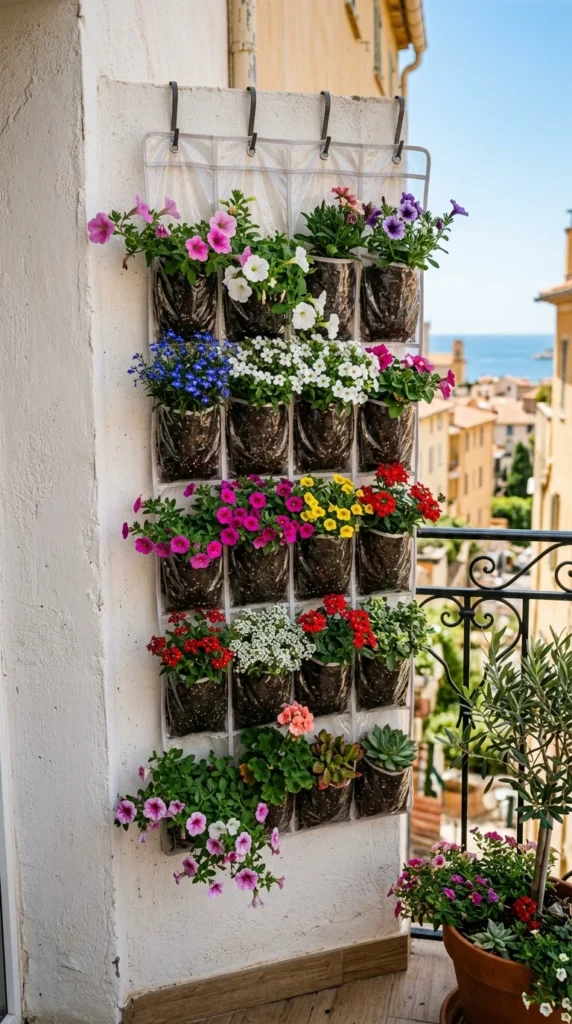
One of the most affordable vertical garden hacks is using a canvas or plastic over-the-door shoe organizer. Each shoe pocket acts as an individual planter. This is a fantastic way to start a large herb garden on a budget. It’s also a great way to involve kids in gardening, as each pocket can be “their” specific plant.
15. Living Walls
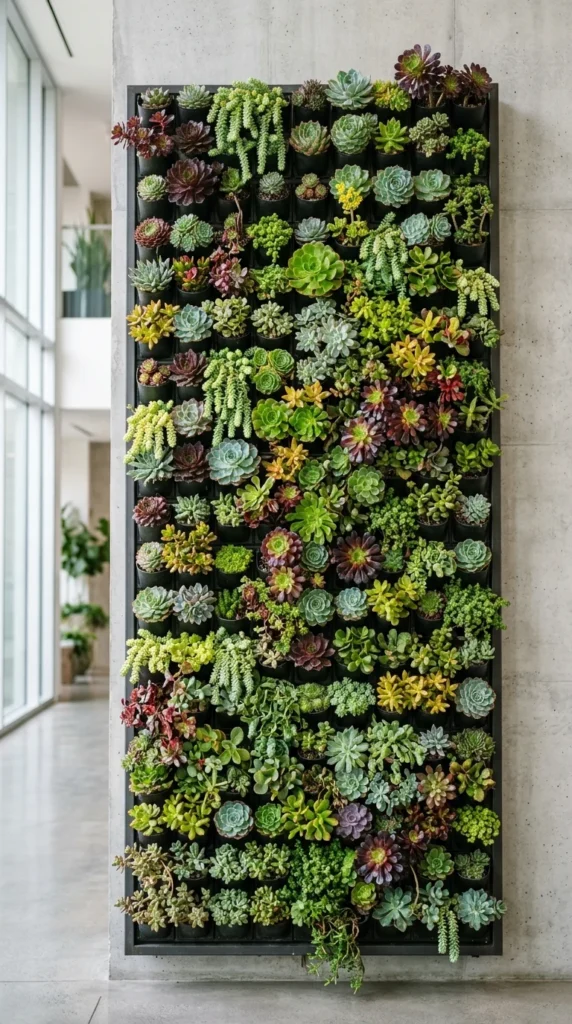
A true living wall is a more permanent and sophisticated system involving modular panels that lock together. These often come with integrated irrigation systems. While more of an investment, a living wall provides a professional, lush look that can significantly increase the “wow factor” of your balcony.
16. Birdcage Planters
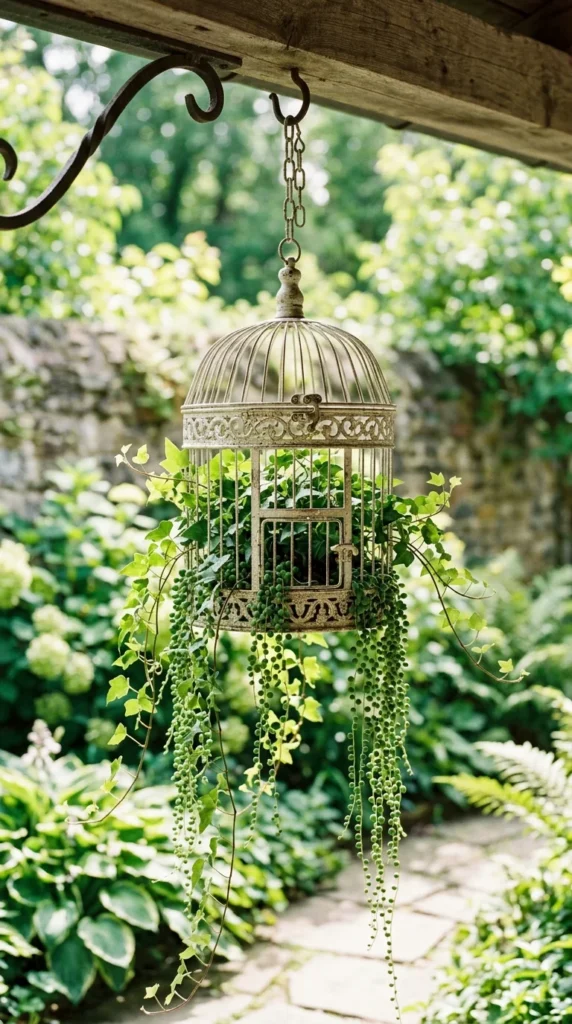
For a touch of whimsy and Victorian charm, use vintage birdcages as planters. You can place a pot inside or line the bottom with moss and soil. The bars of the cage provide excellent support for climbing or trailing plants, creating a romantic, overgrown look that feels like a secret garden.
17. Tiered Crates
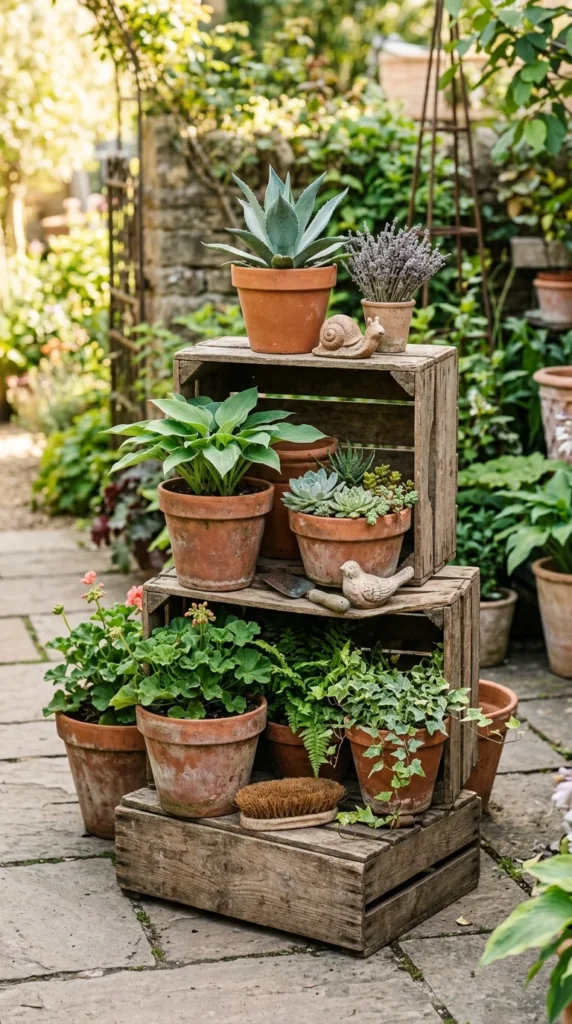
Wooden crates can be stacked in various configurations to create a modular shelving unit. Unlike a flat wall, tiered crates provide depth, allowing you to place larger, heavier pots that wouldn’t fit on a hanging system. This is ideal for growing bushier plants like tomatoes or peppers that require more soil volume.
18. Window Boxes
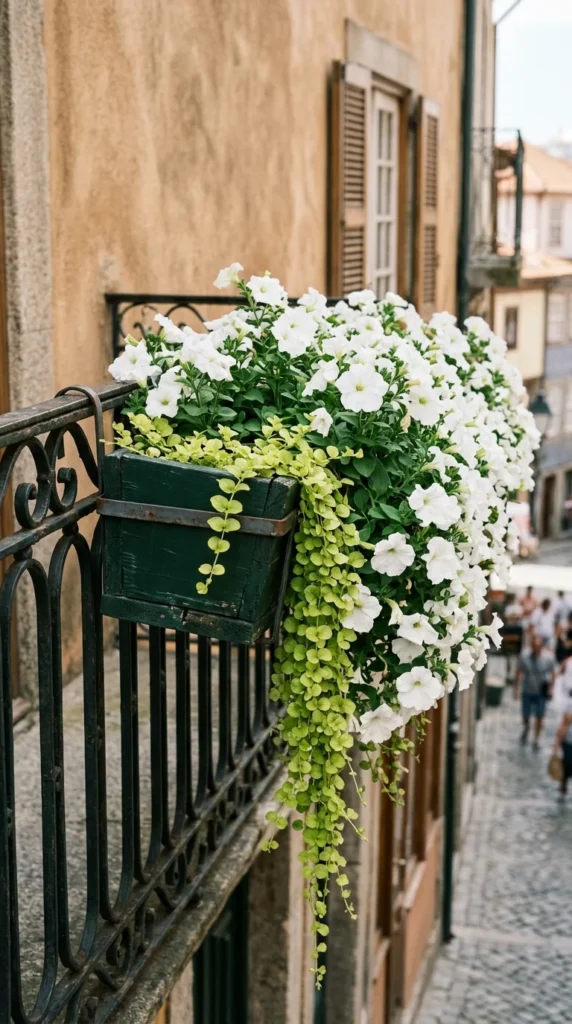
While traditionally used on windowsills, these boxes are perfect for balcony railings. They provide a long, continuous planting area which is great for creating a “hedge” of flowers. They help soften the hard lines of a balcony and can even help reduce street noise.
19. Floating Shelves
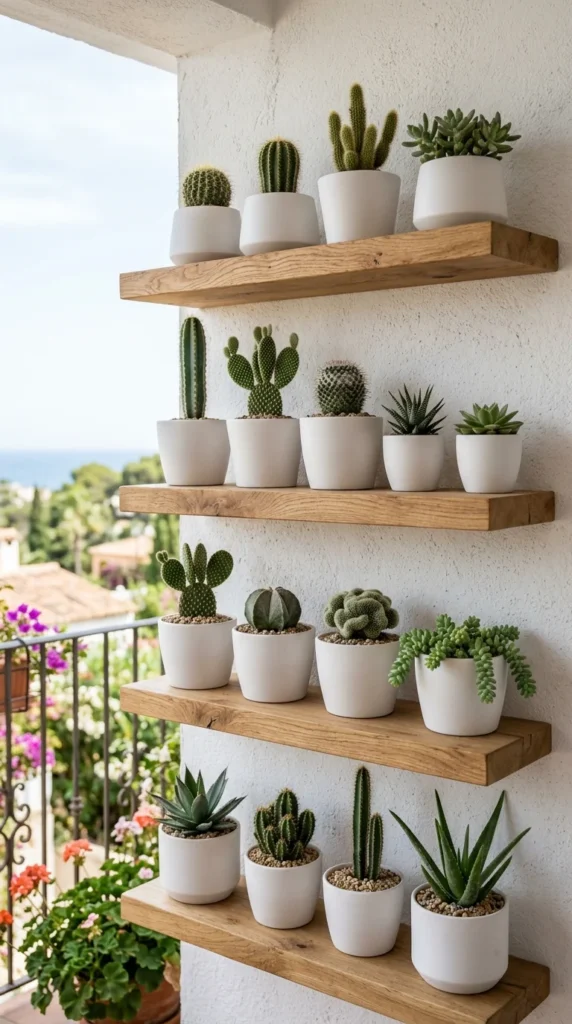
Floating shelves provide a clean, modern aesthetic. By using rot-resistant wood like cedar or teak, you can create a permanent display for your favorite potted plants. This is a great way to display “showcase” plants like rare monsteras or architectural cacti that you want to keep at eye level.
20. Macramé Hangers
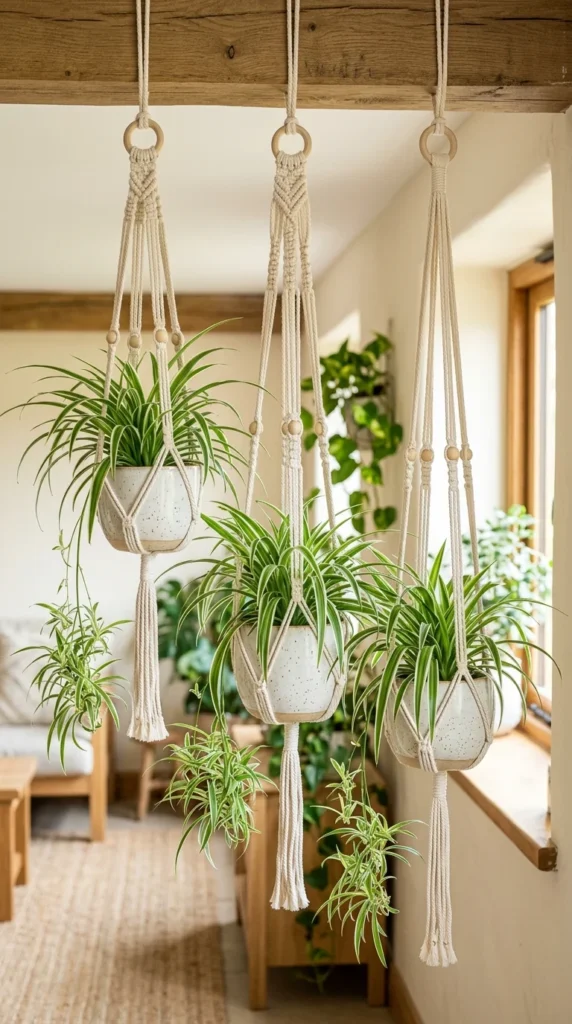
Add some Bohemian flair to your balcony with macramé plant hangers. These woven rope holders can support pots of various sizes and shapes. They add a soft, textile element to the balcony that contrasts beautifully with the hard surfaces of brick and metal. They are also incredibly space-efficient, as they can be hung in corners that might otherwise go unused.