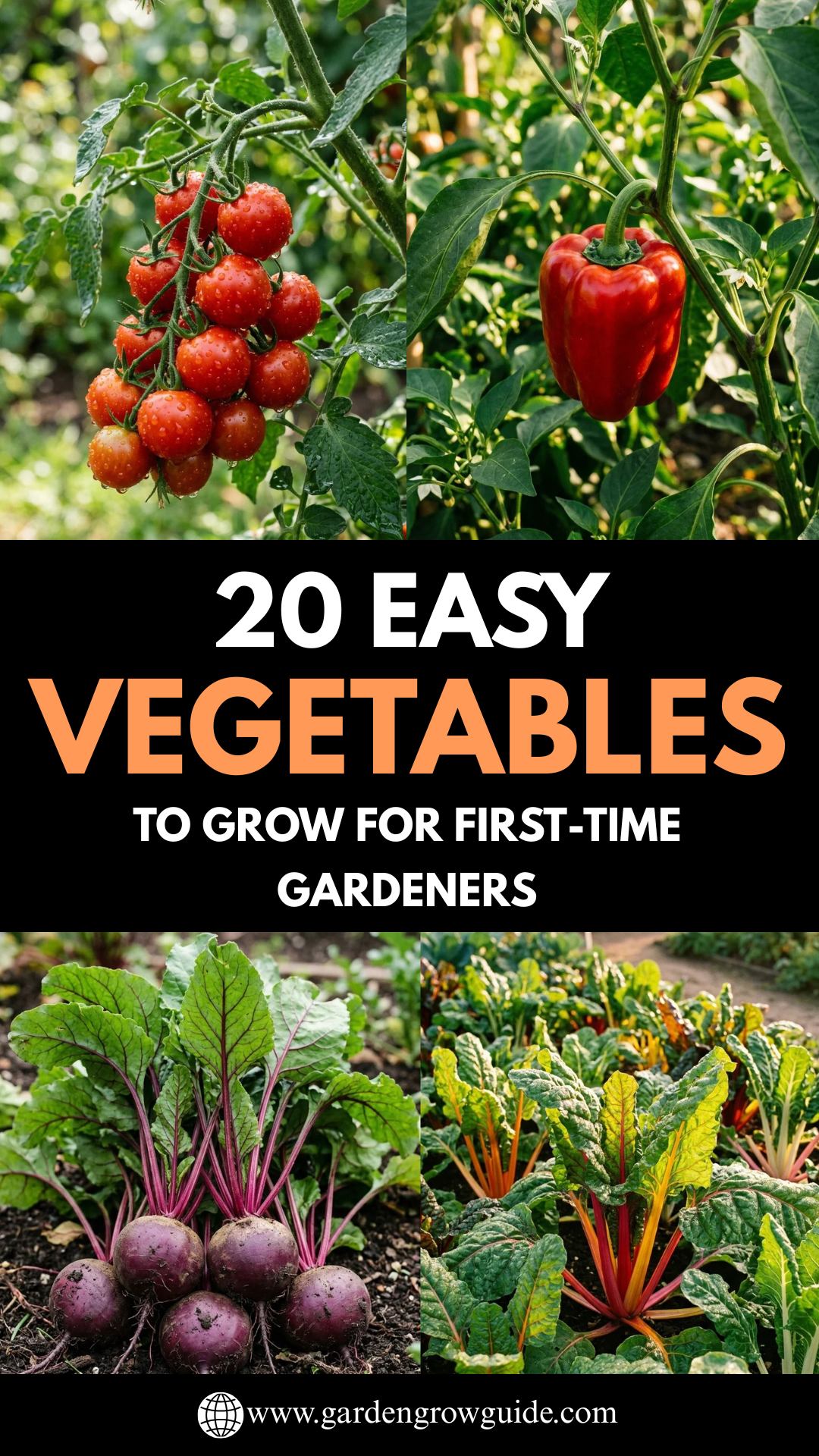
Starting a vegetable garden is one of the most rewarding hobbies a person can undertake. Not only does it provide a direct connection to the food on your plate, but it also offers a therapeutic escape and a significant boost to your physical health. However, for a beginner, the sheer volume of horticultural information can feel overwhelming. The key to long-term success is starting with “easy wins”—vegetables that are resilient, fast-growing, and require minimal intervention.
This guide explores 20 of the best vegetables for first-time gardeners, covering everything from planting basics to the moment of harvest.
1. Lettuce
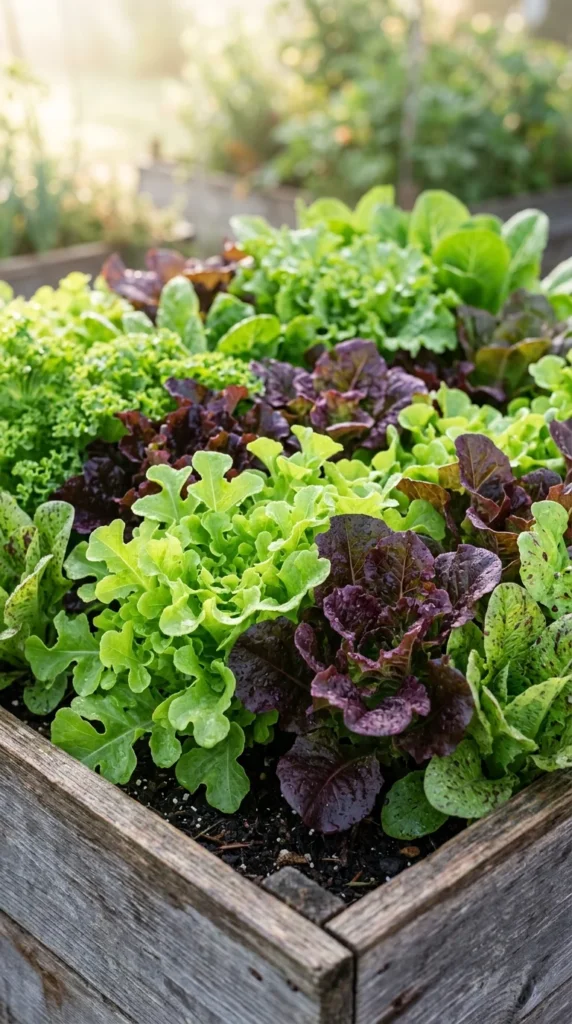
Lettuce is often cited as the ultimate beginner crop because it grows exceptionally fast and can thrive in small spaces, including containers. Loose-leaf varieties are particularly forgiving; you don’t have to wait for a “head” to form. You can simply snip off the outer leaves as needed (a method known as “cut and come again”), and the plant will continue to produce more foliage. Lettuce prefers cooler weather, making it an ideal choice for early spring or late autumn planting.
2. Radishes
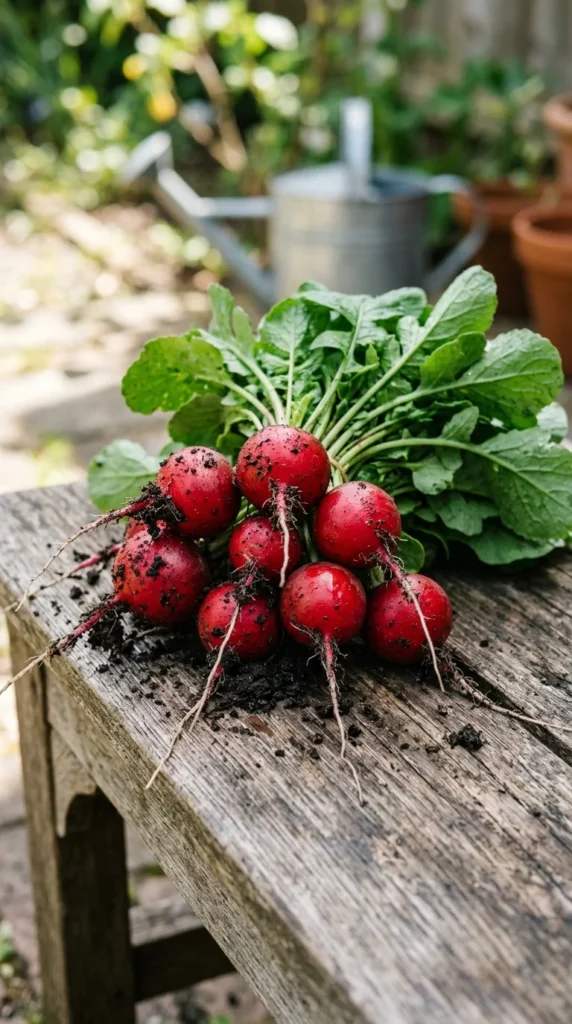
If you are looking for instant gratification, radishes are your best friend. Some varieties go from seed to table in as little as 25 days. They require very little space and are rarely bothered by pests. Because they grow so quickly, they are a fantastic way to teach children about gardening. Plant them in well-drained soil and keep them watered to ensure they remain crisp and mild rather than woody and overly spicy.
3. Zucchini
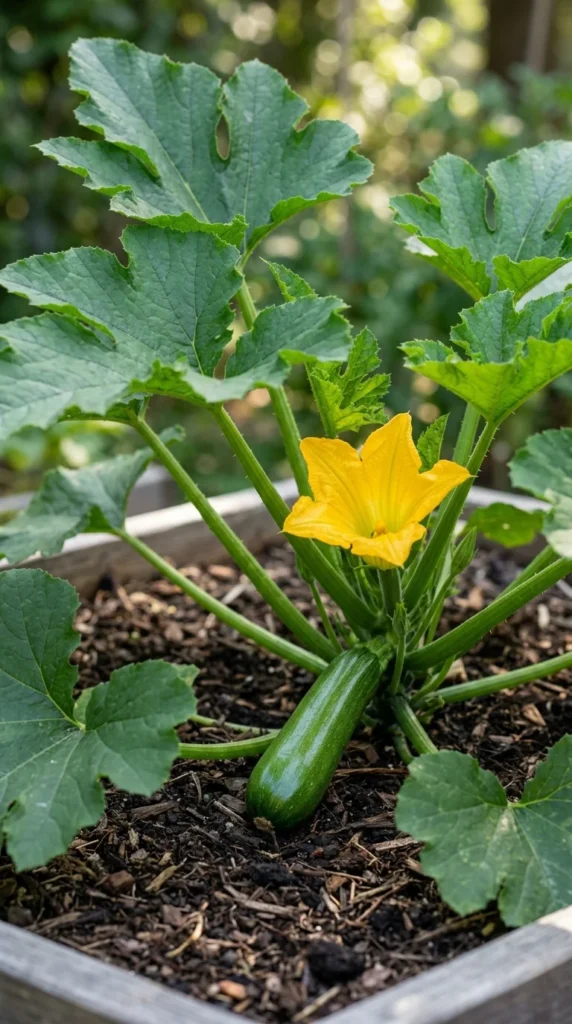
Zucchini is famous for its prolific nature. A single plant can often provide enough squash to feed a small family for the entire summer. They are heavy feeders, so they enjoy compost-rich soil and plenty of sunlight. The most important rule with zucchini is to harvest them frequently; the more you pick, the more the plant produces. Aim to harvest when the fruit is 6 to 8 inches long for the best flavor and texture.
4. Cherry Tomatoes
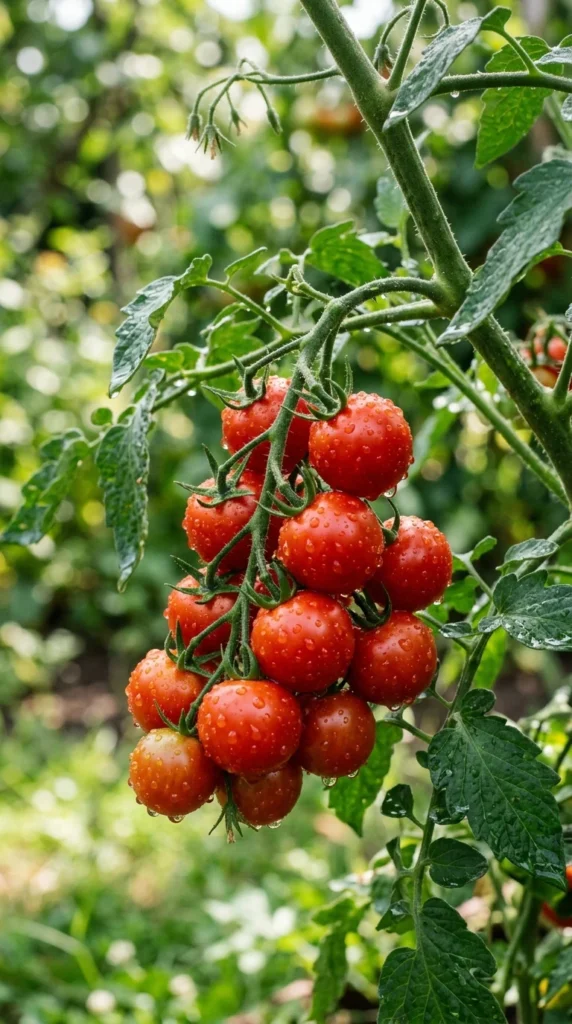
While large heirloom tomatoes can be temperamental, cherry tomatoes are incredibly hardy. They are more resistant to diseases and fluctuating temperatures than their larger cousins. Whether you grow them in a traditional garden bed or a hanging basket on a balcony, they will reward you with sweet, bite-sized snacks all summer long. Just ensure they have a sturdy stake or cage to climb as they grow.
5. Bush Beans
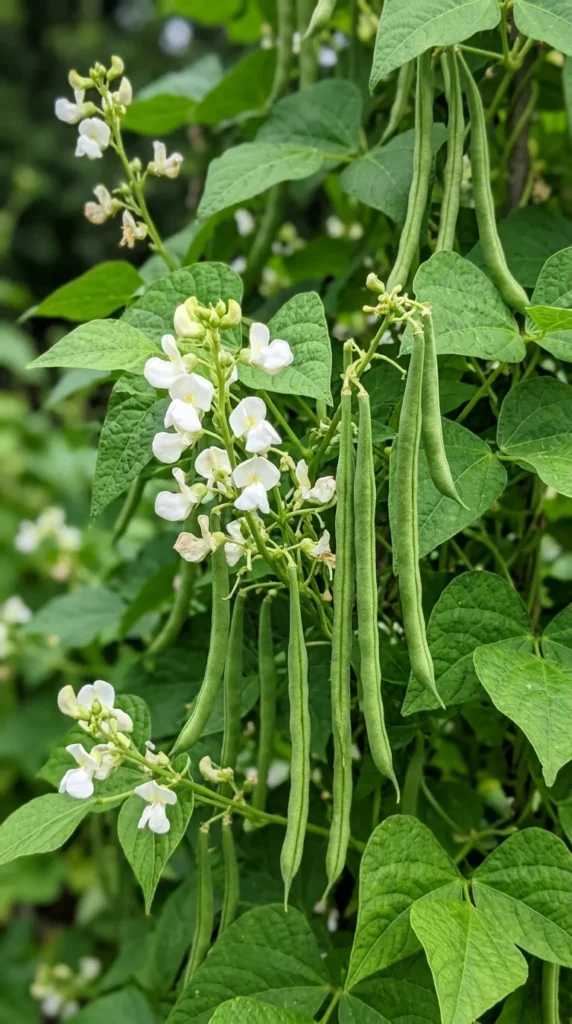
Beans are nitrogen-fixers, meaning they actually improve the quality of the soil they grow in. “Bush” varieties are easier for beginners than “pole” varieties because they don’t require a trellis or complex support system. They grow in compact mounds and produce a heavy crop all at once. For a continuous harvest, plant a new row every two weeks throughout the spring.
6. Carrots
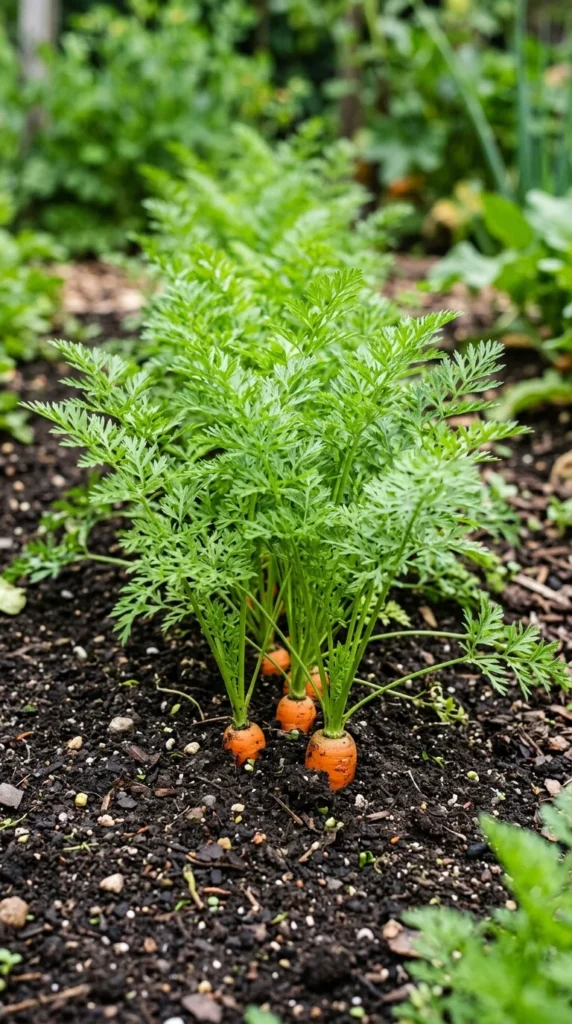
Carrots are a staple of the home garden. The trick to easy carrots is the soil: it must be loose and free of stones so the roots can grow straight down without obstruction. If you have heavy clay soil, consider growing shorter, “thumb” varieties or planting them in raised beds. Once the seeds germinate, they require very little care other than occasional weeding and consistent moisture.
7. Spinach
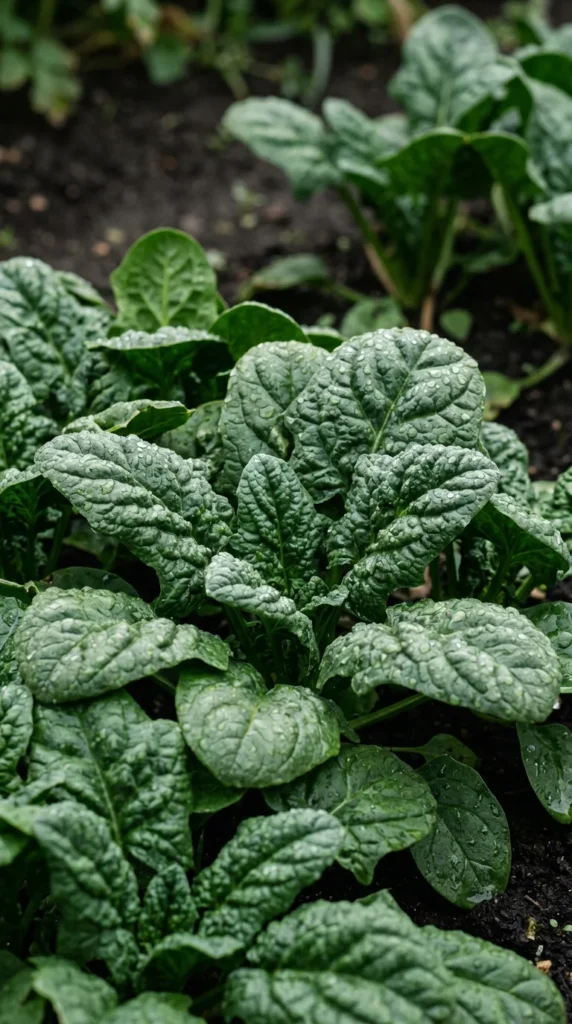
Spinach is a nutritional powerhouse that loves the cold. It can be planted as soon as the ground can be worked in the spring, and it will even survive a light frost. Like lettuce, you can harvest individual leaves or cut the whole plant. If you live in a warmer climate, look for “bolt-resistant” varieties to prevent the plant from going to seed too quickly when the sun gets hot.
8. Peas
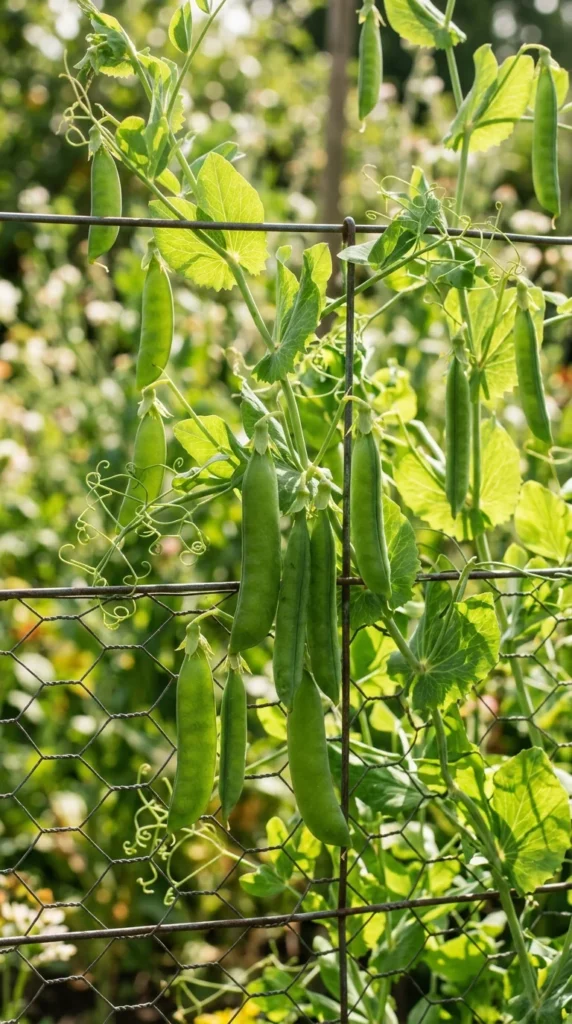
Peas thrive in the cool, damp weather of early spring. There is nothing quite like the taste of a sugar snap pea eaten straight off the vine. While they do need a simple trellis or some netting to climb, they are generally pest-free and very easy to germinate. They are also a great way to maximize vertical space in a small garden.
9. Potatoes
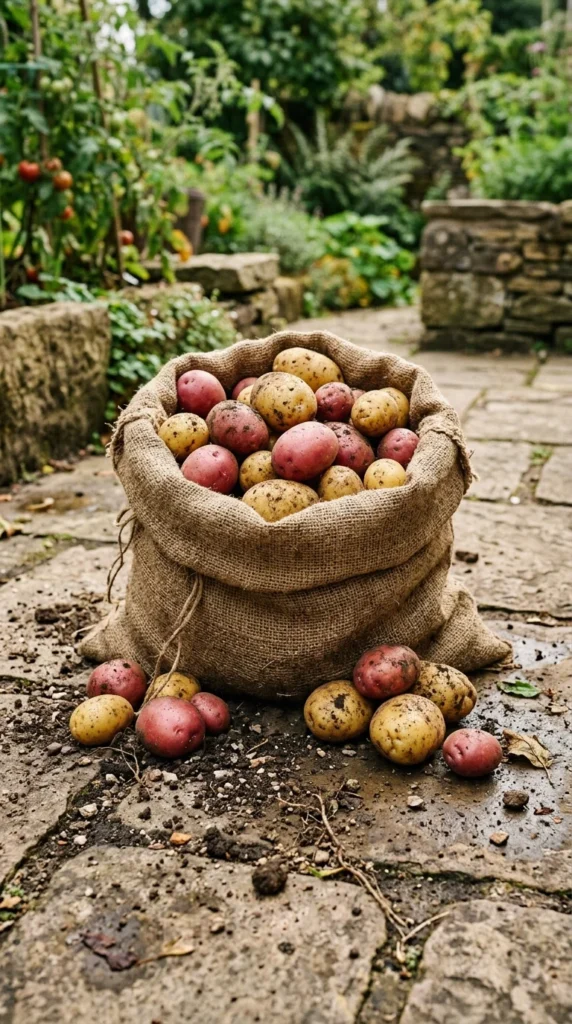
Potatoes are a “plant and forget” crop. You can grow them in the ground, in raised beds, or even in large fabric bags. Simply plant a “seed potato” (a piece of potato with an eye/sprout), cover it with soil, and as the plant grows, continue to “hill” or pile soil around the stem. This encourages more tubers to grow along the buried stem. Digging them up at the end of the season feels like a backyard treasure hunt.
10. Kale
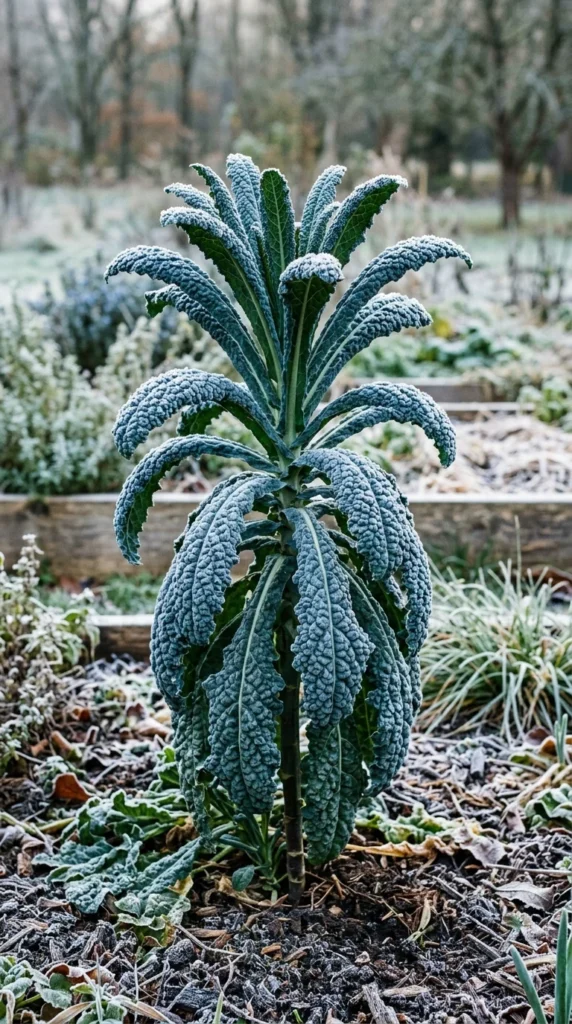
Kale is one of the hardiest vegetables you can grow. It is incredibly cold-tolerant—in fact, its flavor actually improves and becomes sweeter after a frost. It is rarely affected by the pests that plague other brassicas, like cabbage. You can harvest the bottom leaves throughout the season, and the plant will continue to grow upwards like a mini palm tree.
11. Cucumbers
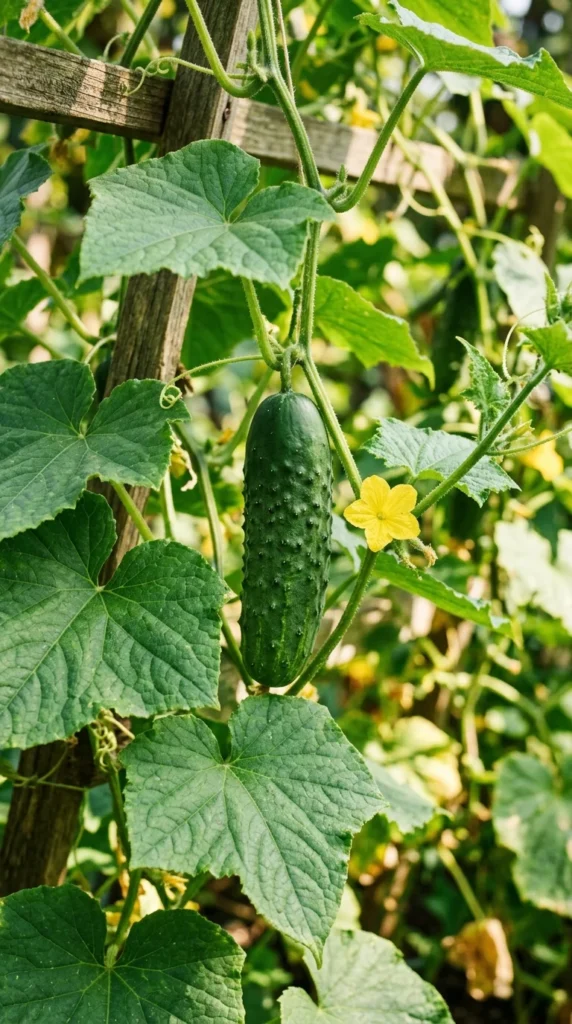
Cucumbers are fast growers that love heat and water. While they can crawl along the ground, they are much easier to manage and harvest if grown on a trellis. This also keeps the fruit off the dirt, leading to cleaner, straighter cucumbers. Whether you want thin-skinned English types for salads or bumpy varieties for pickling, they are incredibly rewarding for a novice.
12. Swiss Chard
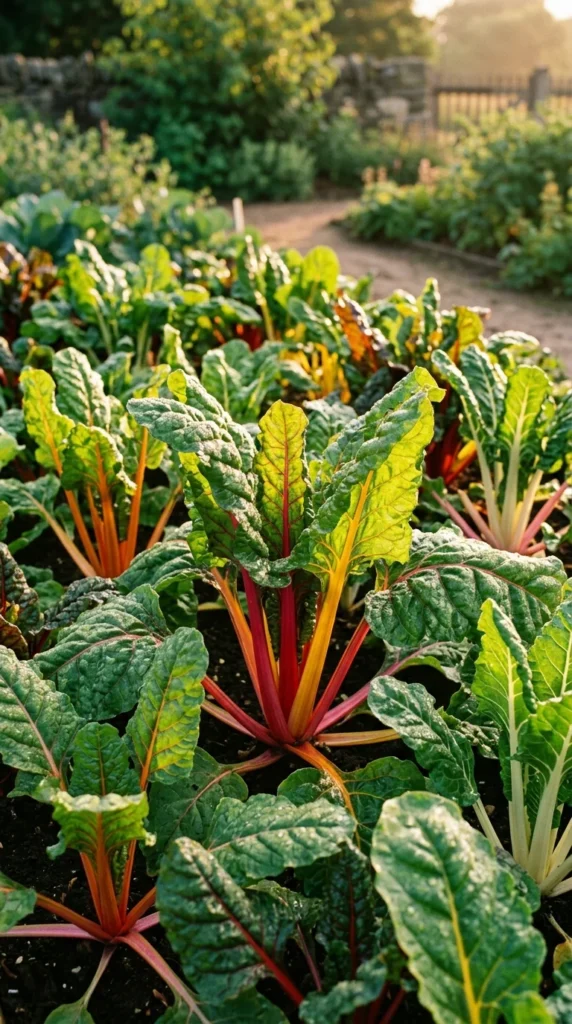
Swiss chard is as beautiful as it is edible. It is much more heat-tolerant than spinach or lettuce, making it the perfect “greens” crop for the middle of summer. Because of its vibrant, colorful stalks, it is often used in “edible landscaping” alongside ornamental flowers. It is a cut-and-come-again crop that will provide harvests from early summer right through the first hard freeze.
13. Beets
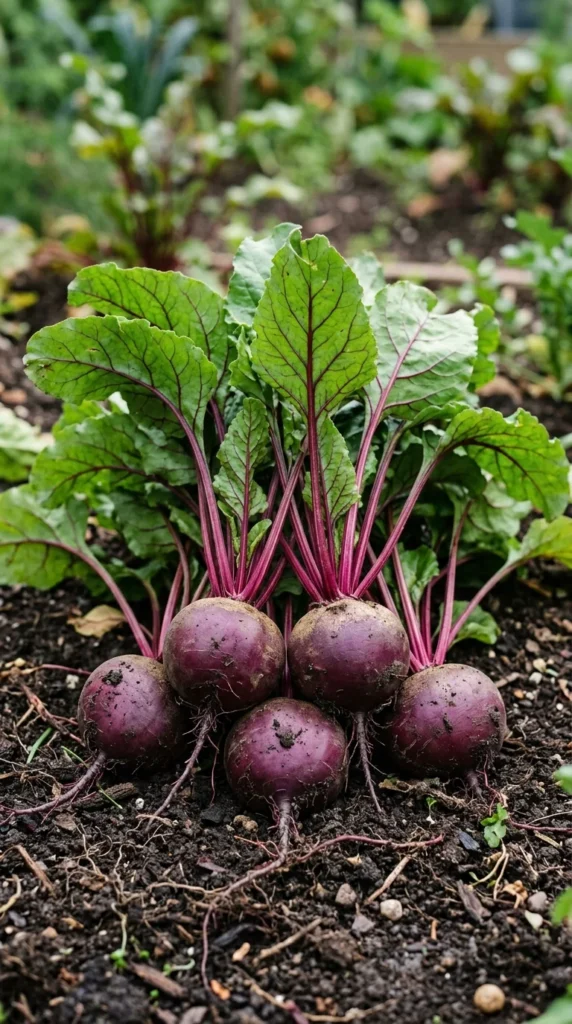
Beets are a two-for-one crop: you can eat the earthy roots and the nutritious green tops. They are very hardy and can handle a variety of soil types, though they prefer it to be stone-free. Beet seeds are actually small clusters of seeds, so you will likely need to “thin” the seedlings (pull out the extras) to give the remaining ones enough room to grow large bulbs.
14. Green Onions
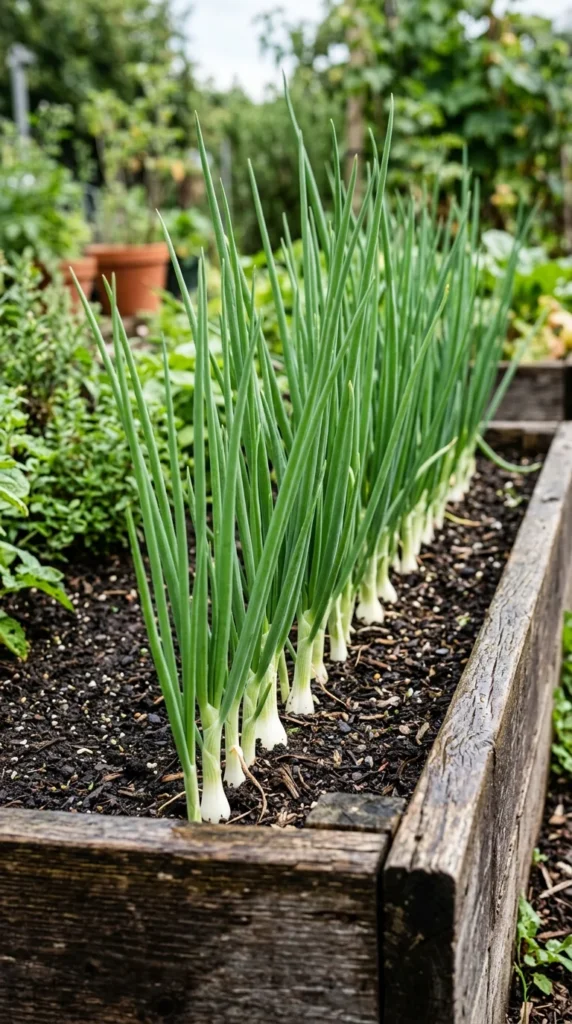
Also known as scallions, green onions take up almost no space and are virtually indestructible. You can grow them from seeds or from “sets” (small bulbs). They are ready to harvest in just a few weeks. A great tip for beginners: you can even plant the white root ends of store-bought green onions in a pot of soil, and they will regrow entirely.
15. Bell Peppers
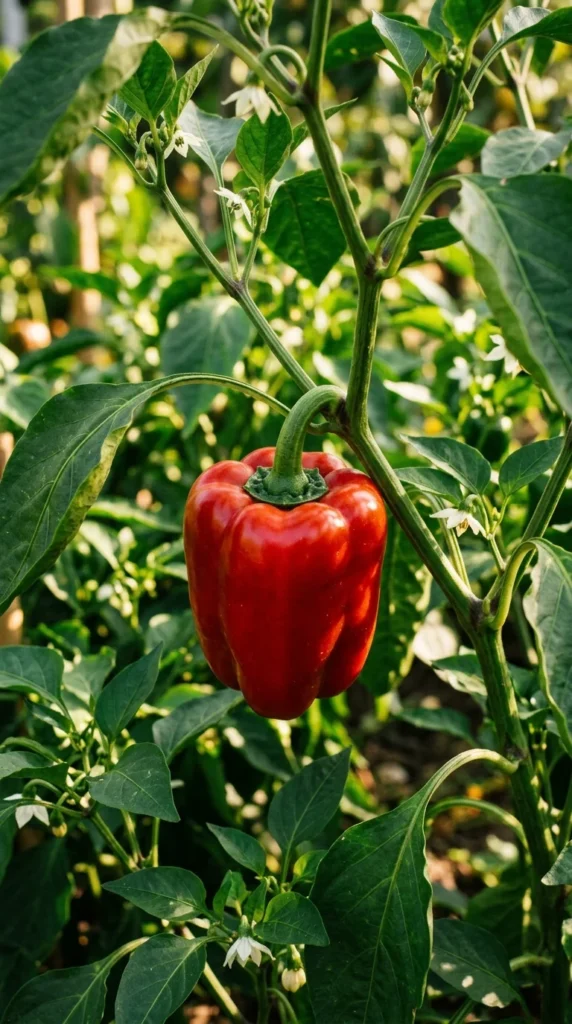
While they require a bit more heat and a longer growing season than some other items on this list, bell peppers are generally very easy to care for once they get going. They aren’t prone to many pests and don’t require the pruning that tomatoes do. For the easiest experience, buy a “starter plant” from a nursery rather than growing from seed, and make sure they get at least 6-8 hours of direct sun.
16. Garlic
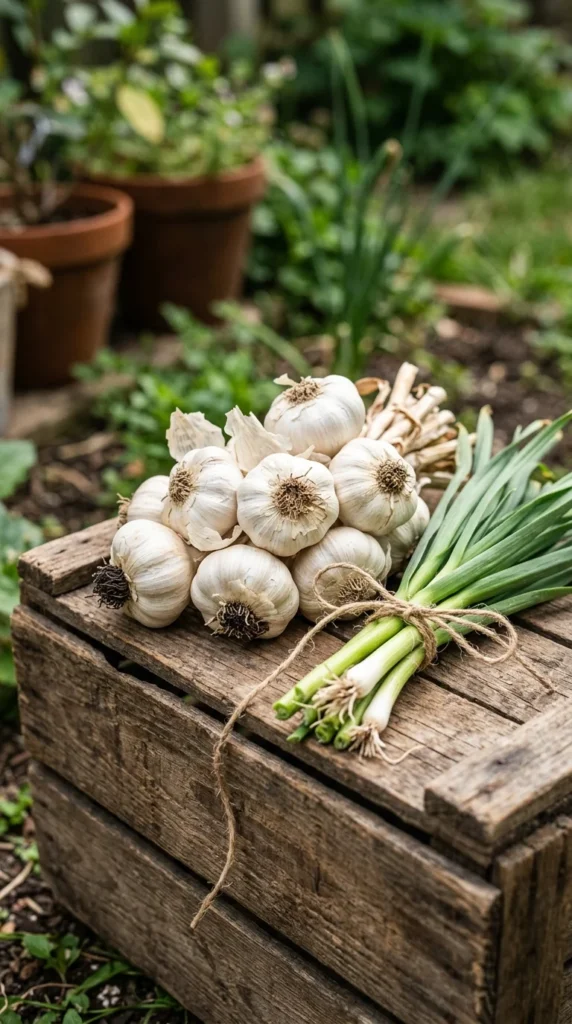
Garlic is the ultimate “set it and forget it” crop. You plant individual cloves in the autumn, cover them with a thick layer of mulch (like straw), and then simply wait. They will sleep through the winter and pop up in the spring. By mid-summer, the leaves will turn brown, signaling that it’s time to dig up your fresh, flavorful bulbs.
17. Summer Squash
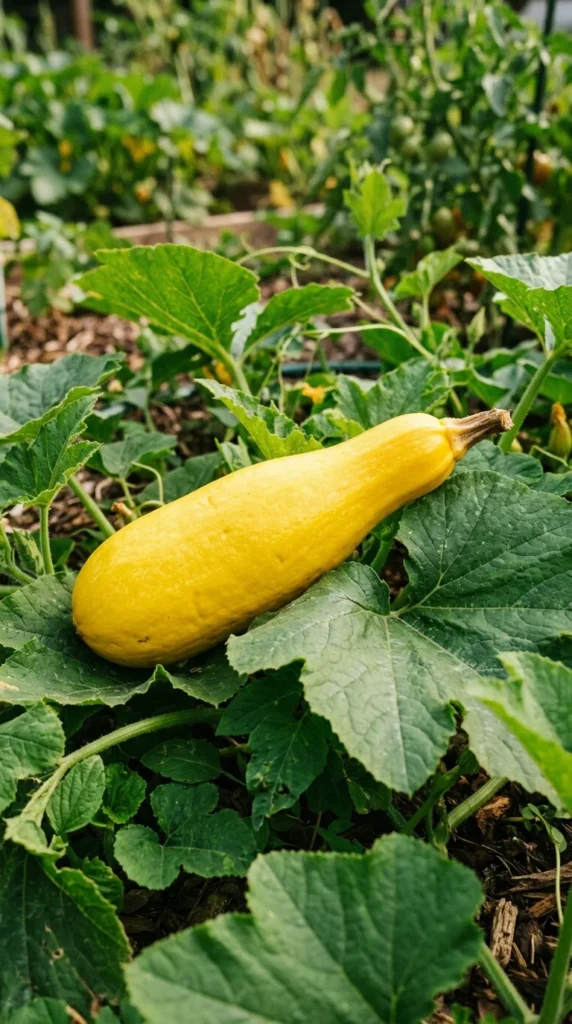
Similar to zucchini, yellow summer squash is incredibly productive and easy to grow. It follows the same rules: give it plenty of sun, consistent water, and pick the fruit while it is still young and tender. The bright yellow color makes the fruit easy to spot among the green leaves, which is helpful because these plants can grow surprisingly fast!
18. Arugula
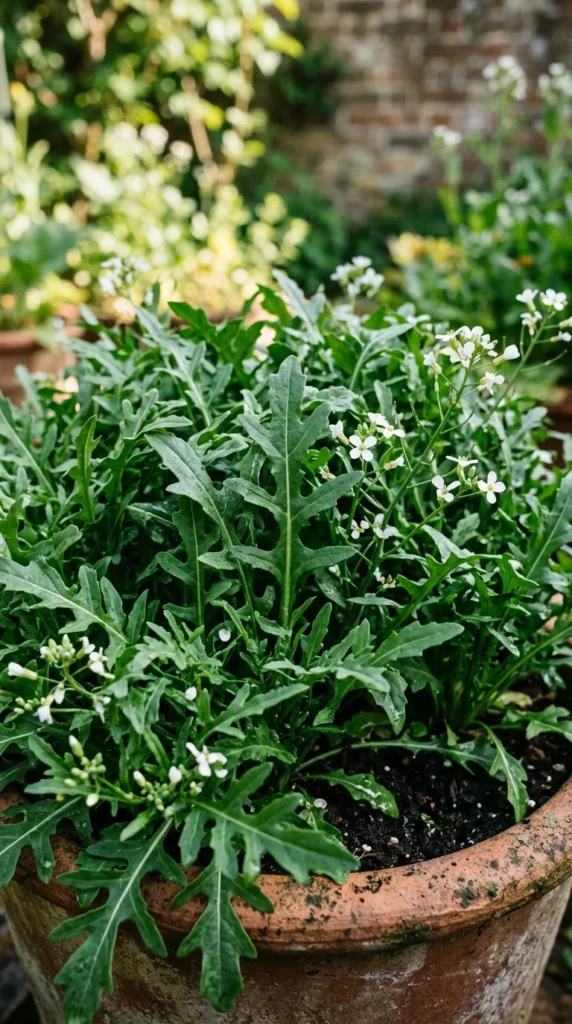
Arugula is a “spicy” green that grows almost like a weed. It is very fast to germinate and can be grown in even the smallest containers. Because it has a pungent flavor, it is less attractive to common garden pests like rabbits or slugs. It prefers the cooler temperatures of spring and fall; in the heat of summer, it tends to flower and become very sharp in taste.
19. Pumpkins
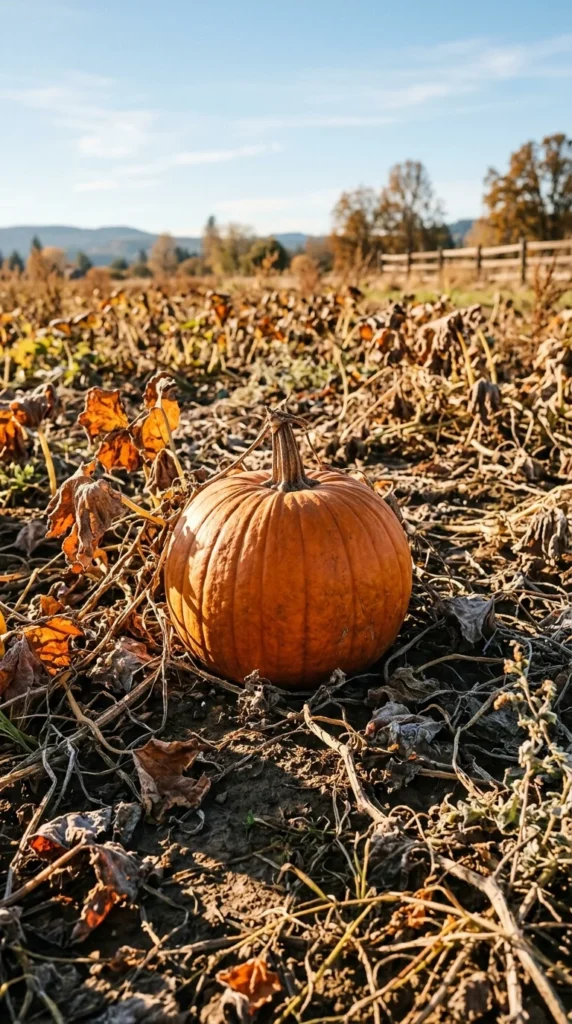
If you have a bit of extra space, pumpkins are a joy to grow. They are vigorous vines that essentially take care of themselves once established. They are excellent for beginners because they are tough and resilient. Seeing a small green orb slowly transform into a massive orange pumpkin over the course of several months is one of the most satisfying experiences in gardening.
20. Bok Choy
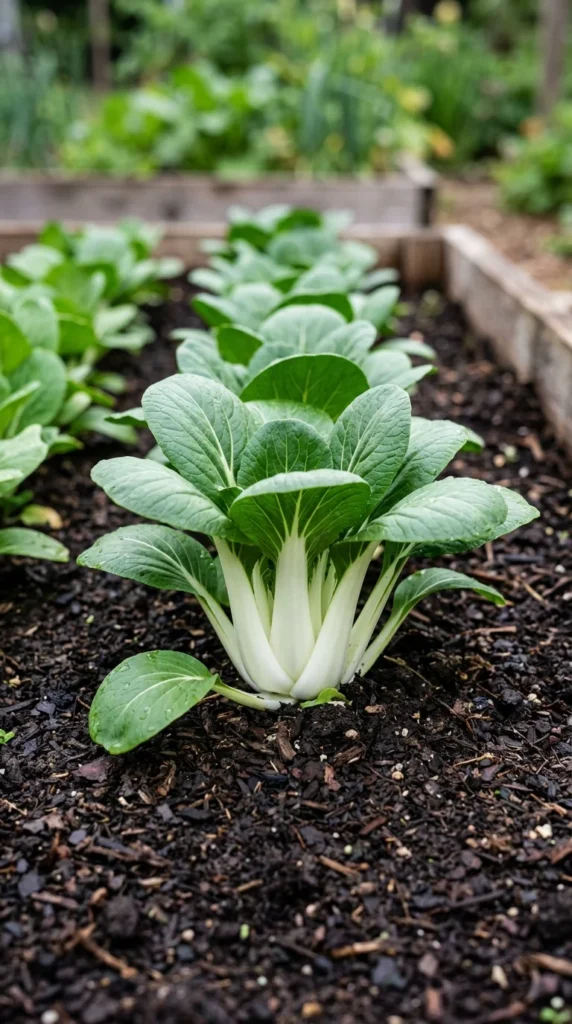
Bok choy (or Pak Choi) is a fast-growing Asian green that is perfect for cool-season gardening. It is much faster to reach maturity than traditional head cabbage, often ready in just 45 days. It is a great choice for container gardening and adds a wonderful crunch to stir-fries and salads. Just keep an eye out for slugs, who love the juicy stems as much as we do!
Essential Success Tips for First-Timers
To ensure your first garden is a resounding success, keep these three fundamental principles in mind:
- Sunlight is Key: Most vegetables need at least 6 to 8 hours of direct sunlight. Before planting, observe your yard throughout the day to find the “hot spots.”
- Don’t Skimp on Soil: Your plants are only as healthy as the soil they grow in. Mixing in high-quality compost or aged manure provides the nutrients and drainage necessary for strong growth.
- Consistency Over Quantity: It is better to have a small, well-tended garden than a massive one that becomes overgrown with weeds. Start small, master these 20 vegetables, and expand your garden as your confidence grows.