Designing an herb garden is a rewarding endeavor that blends culinary utility with aesthetic beauty. Whether you have a sprawling backyard or a small balcony, the layout of your herb garden dictates not only how well your plants grow but also how often you will use them. A well-thought-out design considers sunlight, soil drainage, accessibility, and the specific growth habits of each plant. By following a structured approach to layout design, you can transform a simple patch of dirt into a fragrant, functional sanctuary.
Site Selection
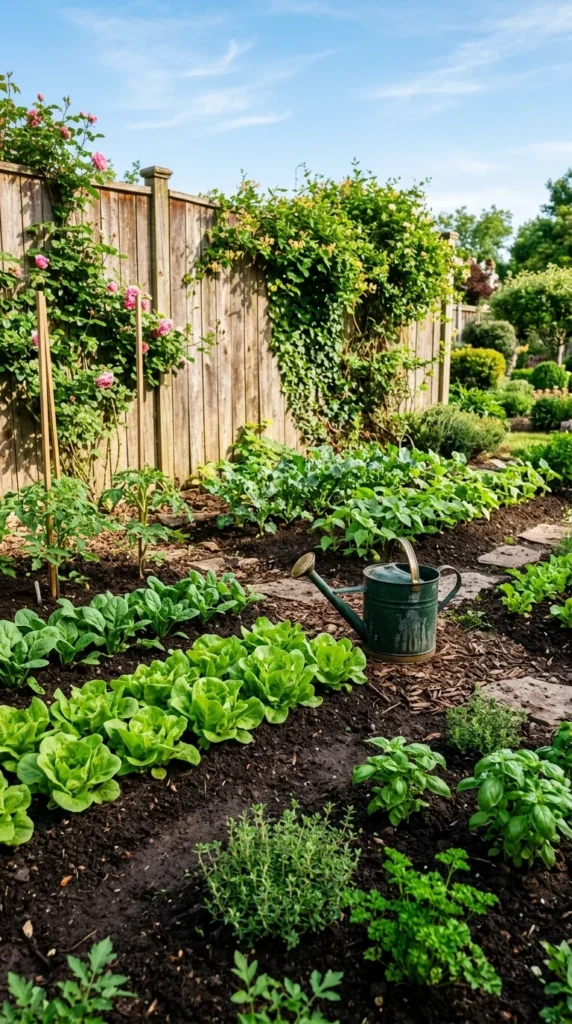
The foundation of a successful herb garden is its location. Most culinary herbs, such as rosemary, thyme, oregano, and basil, are native to the Mediterranean and require at least six to eight hours of direct sunlight daily. Before digging, observe your outdoor space throughout the day to identify the areas with the most consistent sun exposure.
Proximity to the kitchen is the second most critical factor. If your herbs are tucked away in a far corner of the yard, you are less likely to harvest them while cooking. Aim for a “kitchen garden” or “potager” style where the herbs are just a few steps away from the back door. Additionally, ensure the site has excellent drainage; herbs generally dislike “wet feet,” and waterlogged soil can quickly lead to root rot. If your ground soil is heavy clay, consider building up rather than digging down.
Raised Beds
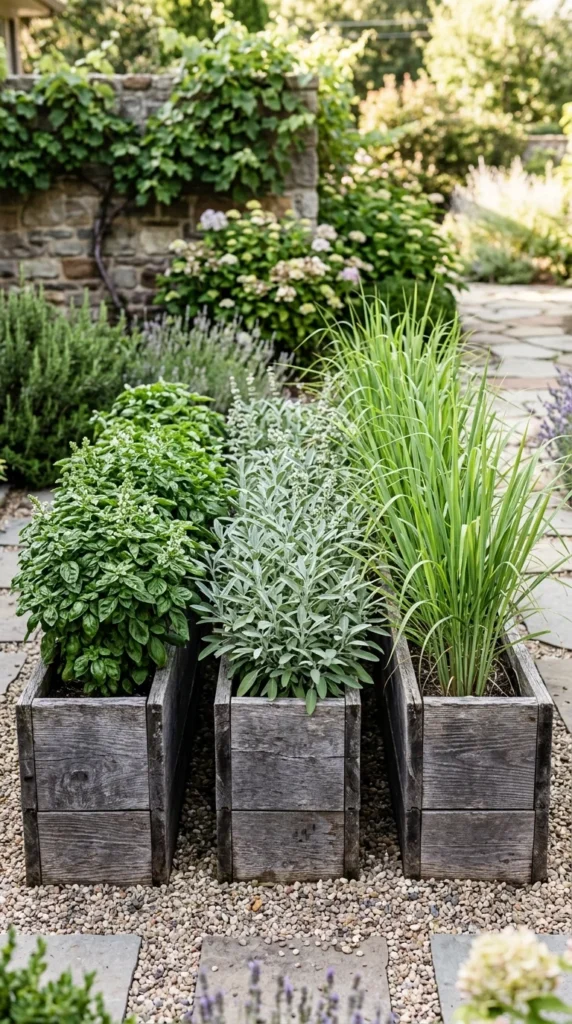
Raised beds are arguably the most popular layout for herb gardening. They offer several distinct advantages, including superior drainage, better soil temperature regulation, and easier access for the gardener. By containing the herbs within a frame, you can create a custom soil mix—typically a blend of topsoil, compost, and coarse sand—that provides the perfect environment for root development.
When designing the layout of your raised beds, keep the width to no more than four feet. This allows you to reach the center of the bed from either side without stepping on the soil, which prevents compaction. You can arrange raised beds in geometric patterns, such as a U-shape or a series of parallel rectangles, to create a structured and tidy appearance. This layout is particularly effective for keeping aggressive spreaders like oregano contained within a specific boundary.
Container Gardening
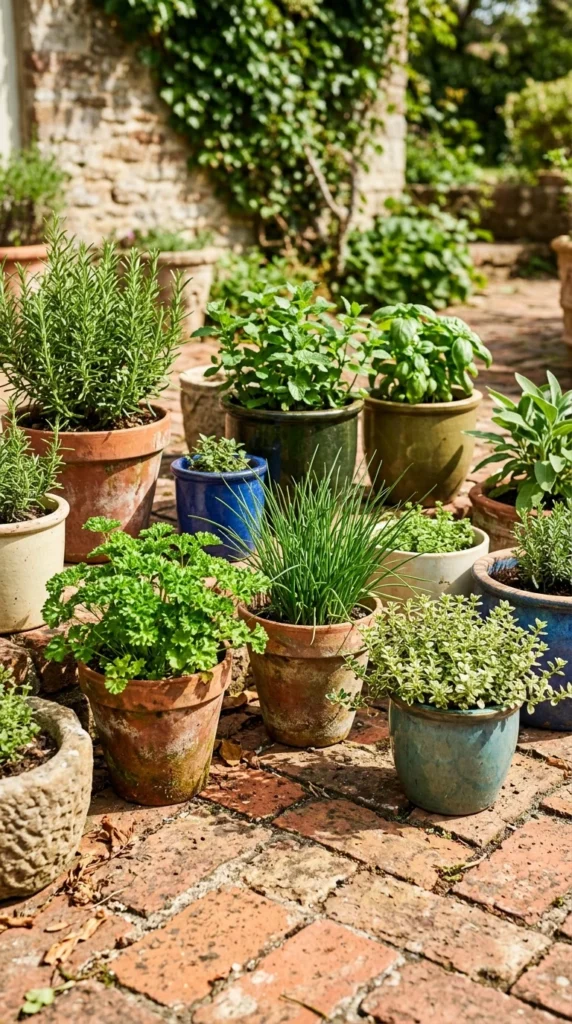
For those with limited space or poor soil quality, containers offer a flexible and stylish layout solution. The beauty of container gardening lies in portability. You can move your herbs to follow the sun as the seasons change or bring sensitive plants indoors during the winter.
When laying out a container garden, use the “thriller, filler, spiller” method for aesthetic appeal. Place a tall herb like rosemary or bay laurel in the center (the thriller), surround it with bushy herbs like basil or parsley (the filler), and finish with trailing herbs like creeping thyme or prostrate rosemary (the spiller) around the edges. Remember that pots dry out faster than the ground, so grouping containers together can help create a humid microclimate that benefits the plants.
Companion Planting
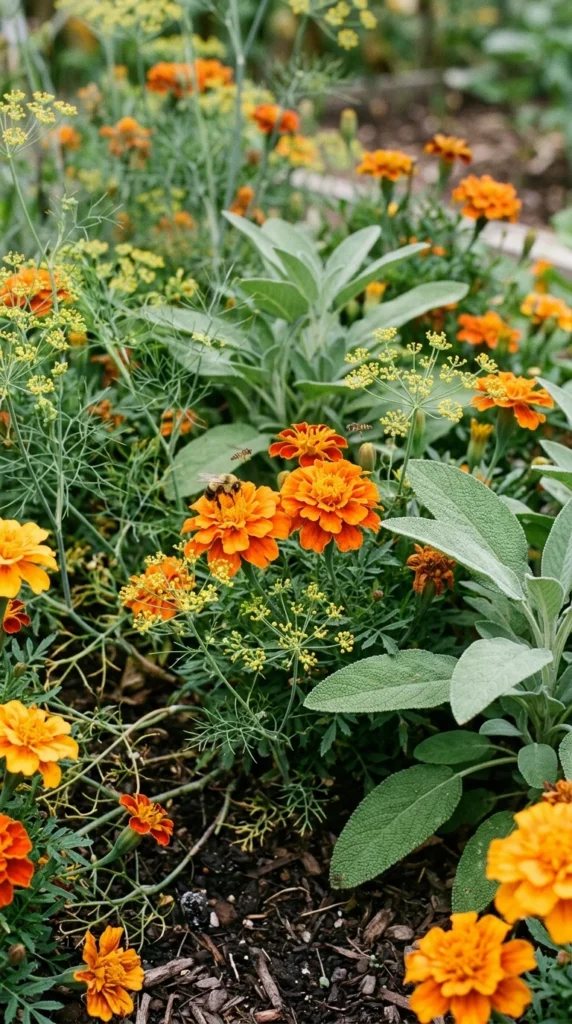
A smart herb garden layout isn’t just about how things look; it’s about how the plants interact. Companion planting involves placing specific herbs near each other—or near vegetables—to enhance growth and deter pests. For example, planting basil next to tomatoes is a classic pairing that is said to improve the flavor of the fruit while the basil’s strong scent confuses pests.
In your layout, group herbs with similar cultural requirements. “Mediterranean” herbs like rosemary, lavender, and sage prefer gritty, dry soil and full sun. “Leafy” herbs like parsley, cilantro, and chives prefer more moisture and can tolerate a bit of afternoon shade. Keeping these groups separate ensures that you don’t overwater the rosemary while trying to keep the cilantro happy.
Vertical Solutions
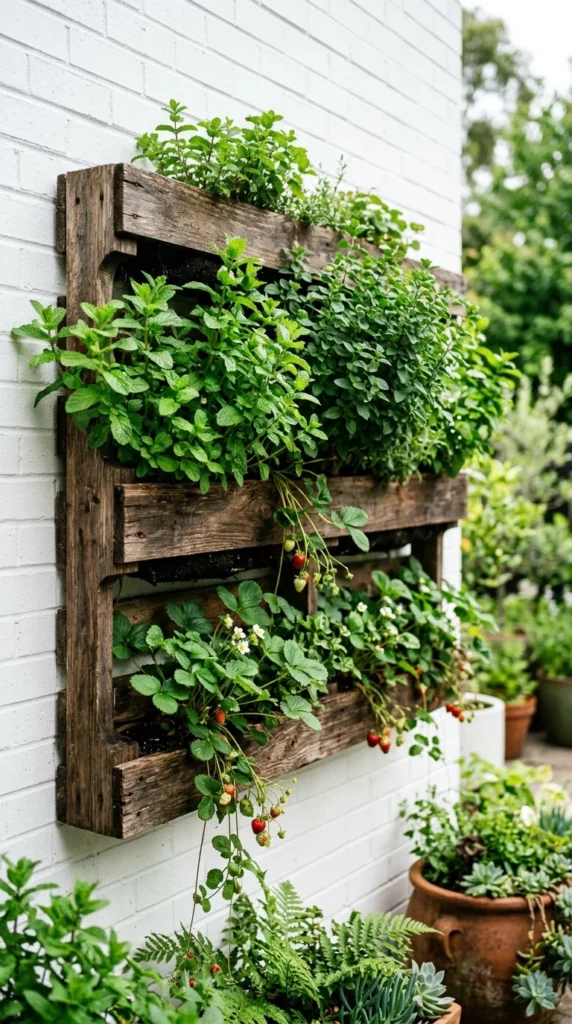
When horizontal space is at a premium, look upward. Vertical herb gardens are an excellent way to maximize yield in small urban spaces. You can use wall-mounted planters, hanging baskets, or even a repurposed wooden ladder to create a tiered effect.
In a vertical layout, placement is determined by water and light. Because water trickles down, place the most drought-tolerant herbs at the top of the structure and the moisture-loving herbs at the bottom. This layout also provides excellent air circulation, which is vital for preventing fungal diseases like powdery mildew, which often plagues herbs like sage and mint in humid environments.
Spiral Designs
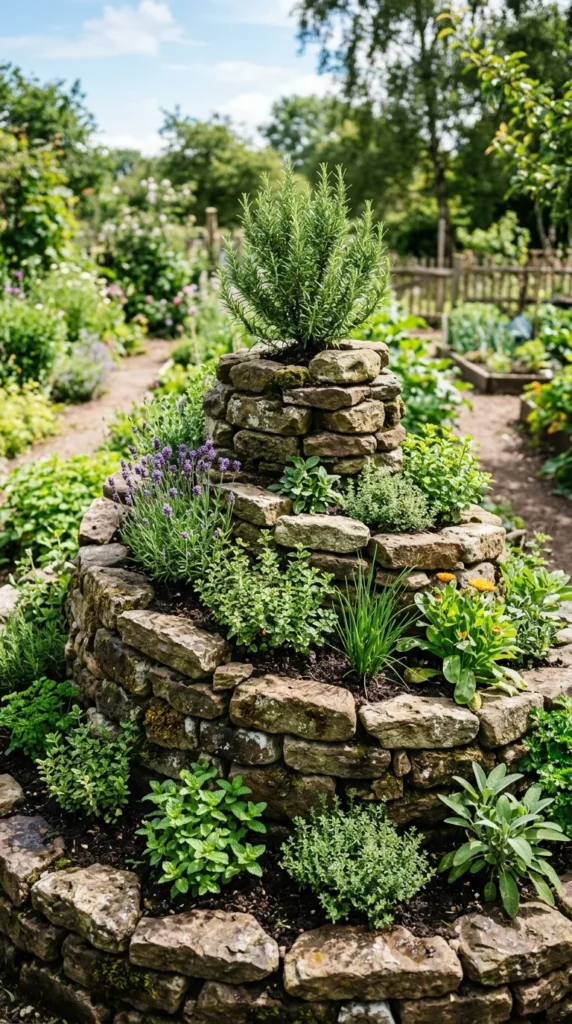
The herb spiral is a staple of permaculture design and is perhaps the most efficient layout for a high-volume herb garden. It is a three-dimensional mound of soil supported by a stone or brick spiral that winds upward. This design creates several different microclimates within a very small footprint.
At the top of the spiral, the soil is driest and the sun is most intense—perfect for rosemary and thymes. As the spiral winds down, the soil stays moister and more shaded. At the very bottom, you can even create a small boggy area for water-loving herbs like watercress or mint. The stones used to build the spiral also act as thermal mass, absorbing heat during the day and releasing it at night to keep the plants warm.
Pathways
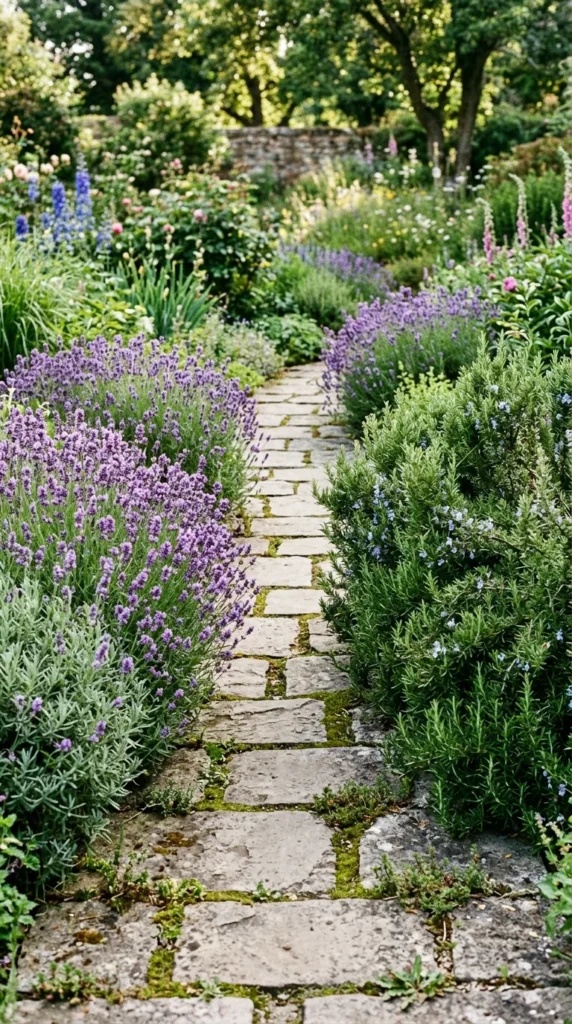
A functional herb garden layout must include clear pathways. Not only do paths define the structure of the garden, but they also provide access for harvesting and maintenance without disturbing the plants’ roots. For a formal look, use straight gravel or brick paths. For a more cottage-style feel, use stepping stones or mulch.
Consider planting “step-over” herbs along the edges of your paths. Thyme and chamomile are resilient enough to handle occasional foot traffic, and stepping on them releases a wonderful aroma. Ensure your main paths are at least two to three feet wide to allow for a wheelbarrow or a person carrying a large harvest basket.
Kitchen Convenience
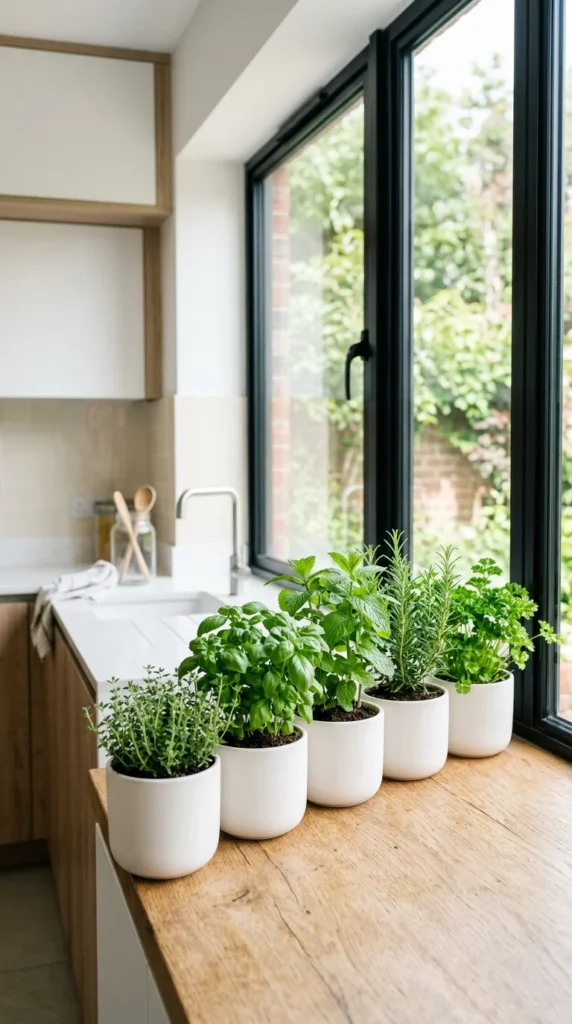
If you lack outdoor space entirely, the perfect layout might be right on your kitchen windowsill. An indoor herb garden allows for year-round harvesting and adds a touch of greenery to your home decor. For an indoor layout, light is the most significant challenge. A south-facing window is ideal.
Use a long, narrow planter that fits the depth of your windowsill, or a series of matching pots for a clean look. To prevent water damage to your sills, ensure all pots have saucers or use a “cachepot” system where the growing pot sits inside a decorative, waterproof outer container. Focus on herbs that do well indoors, such as mint, chives, parsley, and “Greek” basil, which stays compact.
Seasonal Planning
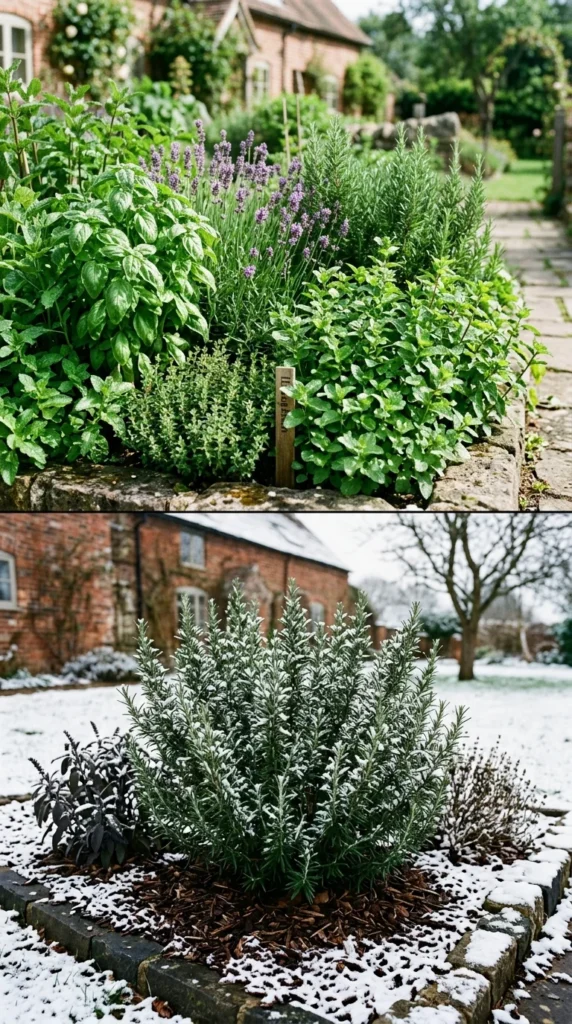
Finally, a perfect layout accounts for the passage of time. Herbs are categorized as annuals, biennials, or perennials. Annuals like basil and cilantro will die off after one season, leaving gaps in your layout. Perennials like lavender and sage will grow larger every year, eventually becoming woody shrubs.
When mapping out your garden, place your perennials in “permanent” spots where they won’t need to be moved. Leave dedicated spaces or “pockets” for annuals that you can rotate or replant each spring. This ensures that your garden maintains its structure year-round, even when the summer annuals have faded. Using evergreen herbs like rosemary or boxwood as “anchors” in your design will keep the garden looking intentional and beautiful even during the dormant winter months.