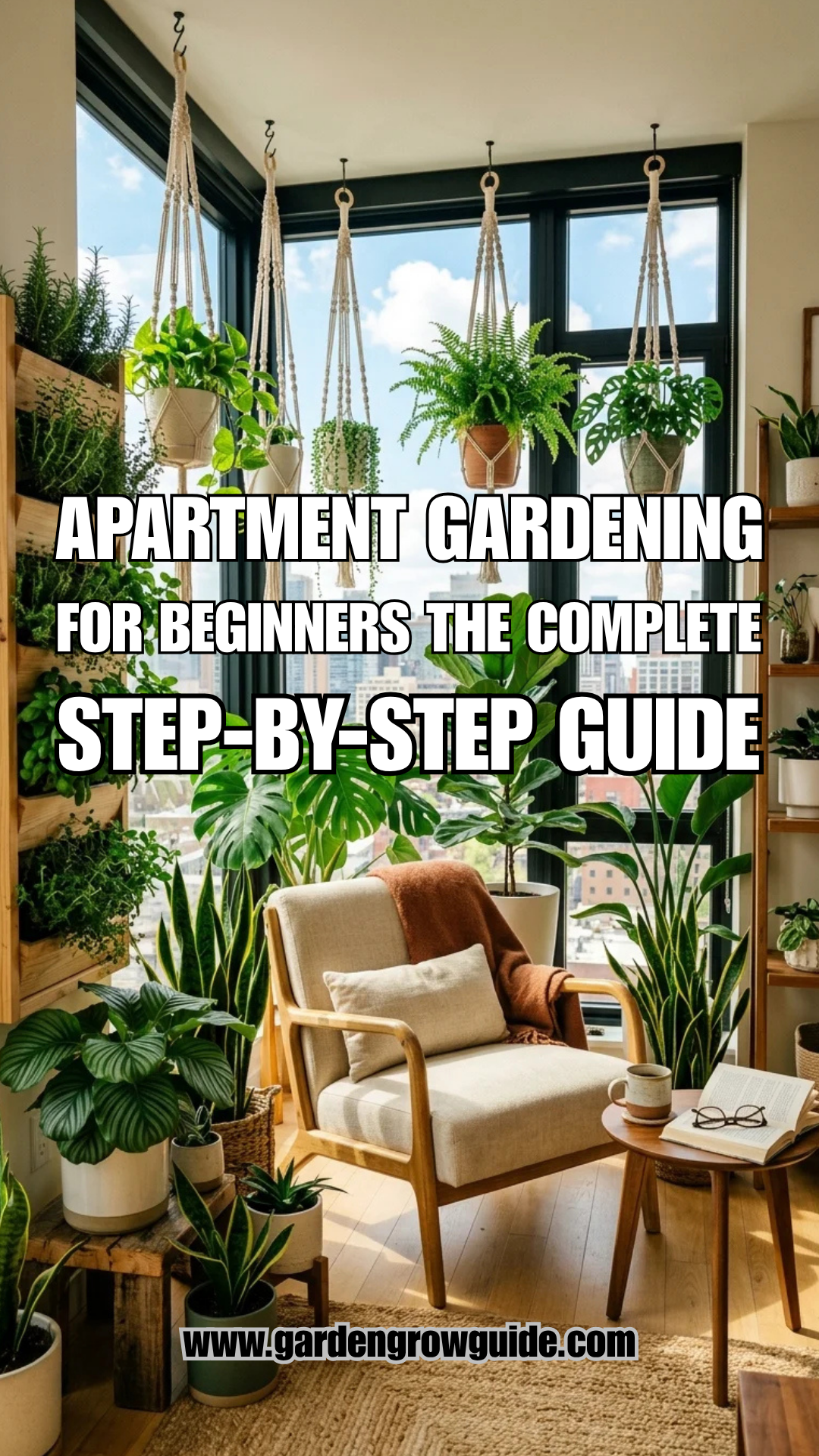
The dream of cultivating a lush, productive garden is no longer reserved for those with sprawling backyards or suburban acreage. As urban living becomes the norm, a new generation of “plant parents” is discovering that a balcony, a windowsill, or even a well-lit corner of a studio apartment can become a thriving ecosystem. Apartment gardening is a rewarding blend of interior design, sustainability, and therapy. Whether you want to harvest your own basil for pesto or simply clear the air with a collection of ferns, this guide will walk you through every step of the journey.
1. Light
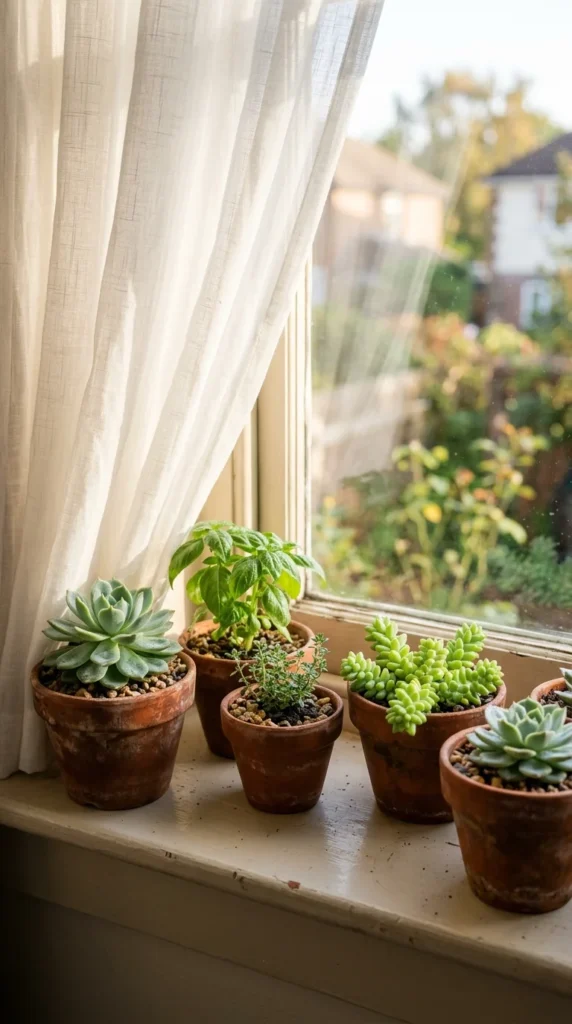
The single most important factor in apartment gardening is sunlight. Unlike outdoor gardens that receive light from a wide arc of the sky, apartment plants are usually limited to light coming from one direction. Before buying a single seed or pot, you must track the sun in your space.
- South-Facing Windows: These are the “gold standard” for indoor gardeners. They receive the most intense, consistent sunlight throughout the day. This is where you should place sun-loving herbs like rosemary or flowering plants.
- North-Facing Windows: These provide the least amount of light. While they offer steady illumination, it is weak. Stick to low-light tolerant foliage plants like Snake Plants or ZZ Plants here.
- East and West Windows: East-facing windows provide gentle morning sun, which is perfect for plants that can’t handle high heat. West-facing windows get the hot, intense afternoon sun, which can scorch delicate leaves but is great for desert cacti.
If your apartment is naturally dark, do not despair. Modern LED grow lights have become affordable and aesthetically pleasing, allowing you to grow almost anything in a windowless basement.
2. Plant Selection
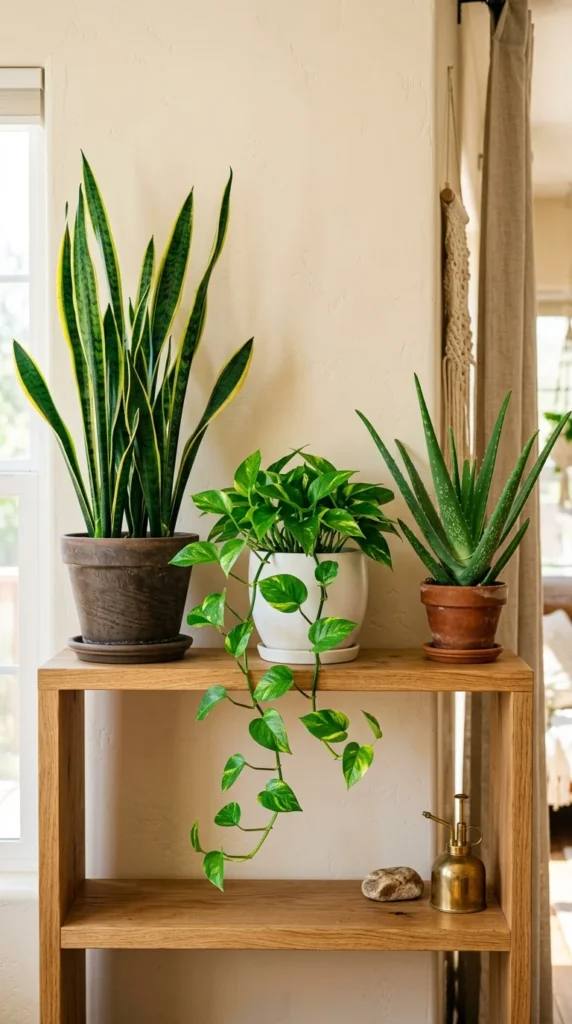
Success in apartment gardening often depends on choosing the right “roommates.” For beginners, it is wise to start with hardy varieties that can tolerate a bit of neglect or the fluctuating humidity of an apartment.
- For Foliage: The Pothos (Epipremnum aureum) is nearly indestructible and grows long, beautiful vines. The Snake Plant (Sansevieria) is famous for its ability to convert CO2 into oxygen at night and can survive for weeks without water.
- For Edibles: Herbs are the best entry point for food gardening. Mint, chives, and parsley are relatively easy. If you have high light, basil and cherry tomatoes can thrive in pots.
- For Small Spaces: Succulents and air plants (Tillandsia) are perfect for tiny apartments. They require minimal soil (or none at all) and add a modern, architectural feel to your decor.
3. Potting Mix
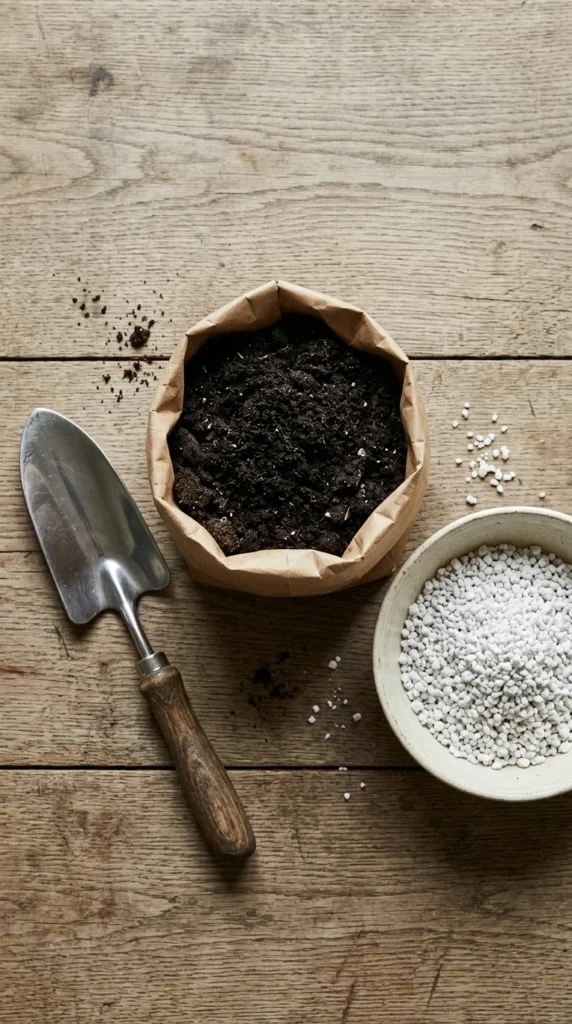
One of the most common mistakes beginners make is using “garden soil” or “topsoil” from the ground in their pots. Outdoor soil is too heavy for containers; it compacts easily, suffocating roots and preventing drainage. It can also harbor pests and diseases.
Instead, you must use a high-quality “soilless” potting mix. These mixes are typically composed of:
- Peat Moss or Coconut Coir: To retain moisture.
- Perlite or Vermiculite: Those little white “rocks” that provide aeration and prevent the soil from packing down.
- Compost or Slow-Release Fertilizer: To provide the nutrients your plants need since they aren’t connected to the earth’s natural nutrient cycle.
For specific plants like cacti or orchids, buy specialized mixes that offer even higher drainage or different acidity levels.
4. Containers
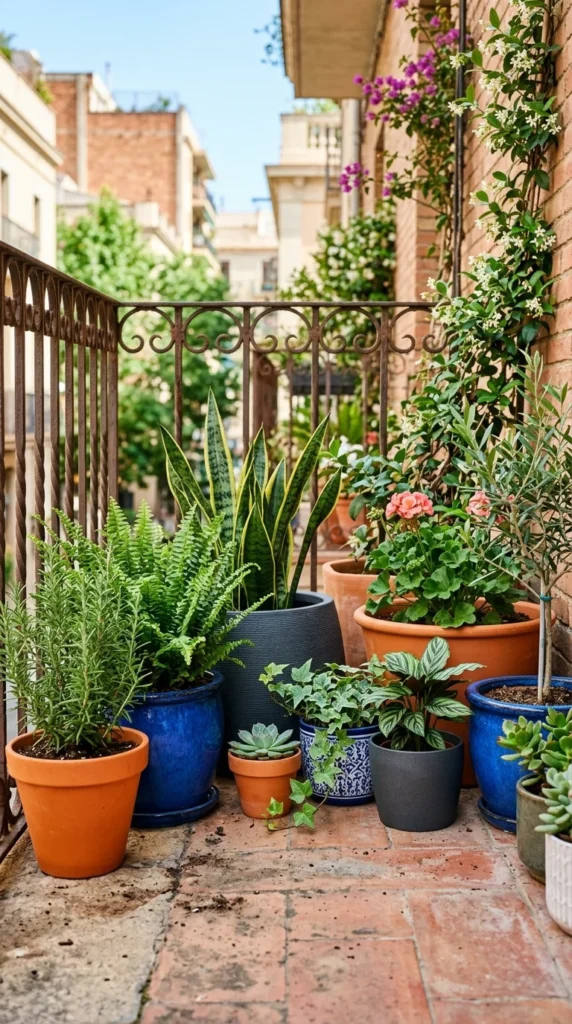
In apartment gardening, your container is your plant’s entire world. While aesthetics are important, functionality must come first. The most critical feature of any pot is drainage holes. Without them, water will settle at the bottom, causing the roots to rot—a death sentence for most plants.
- Terracotta: These porous clay pots allow the soil to “breathe” and dry out faster. They are ideal for plants that hate “wet feet,” such as succulents and Mediterranean herbs.
- Plastic and Resin: These are lightweight (important if you have weight limits on a balcony) and retain moisture longer. They are great for ferns and tropical plants.
- Ceramic: These are heavy and beautiful. Ensure they have a hole at the bottom, or use them as “cachepots”—ornamental outer pots that hold a plain plastic nursery pot inside.
5. Watering
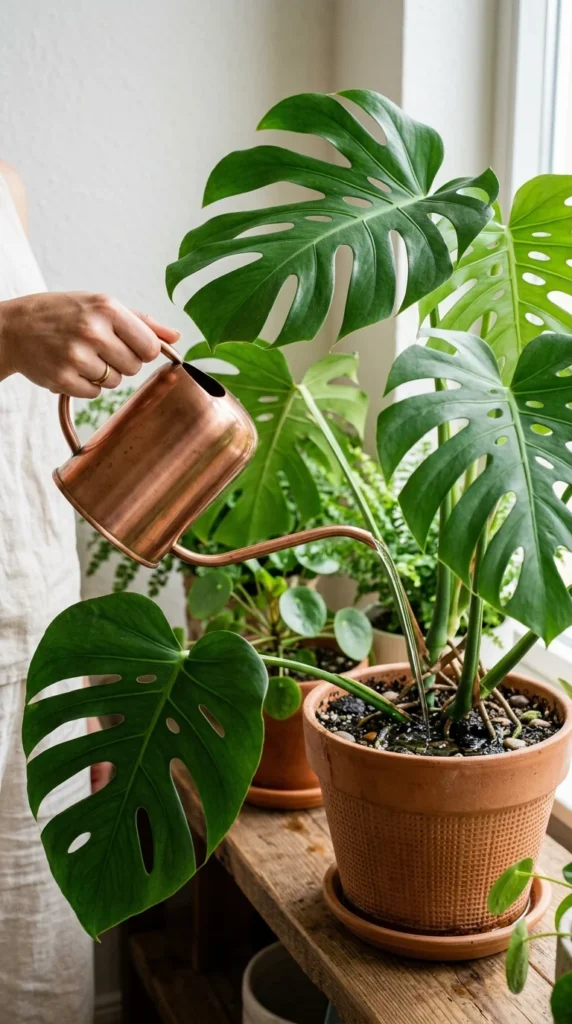
Overwatering kills more apartment plants than underwatering ever will. In the confined space of a pot, roots need a balance of water and oxygen. If the soil is constantly saturated, the roots cannot breathe.
- The Finger Test: Before watering, stick your finger two inches into the soil. If it feels moist, wait. If it feels dry, it’s time to water.
- Watering Technique: Always water the soil, not the leaves. Water until you see it running out of the drainage holes at the bottom. This ensures the entire root ball is hydrated and helps flush out excess salts.
- Humidity: Apartments, especially in winter with the heat on, are notoriously dry. Tropical plants love humidity. You can increase it by grouping plants together, using a pebble tray filled with water, or running a humidifier nearby.
6. Maintenance
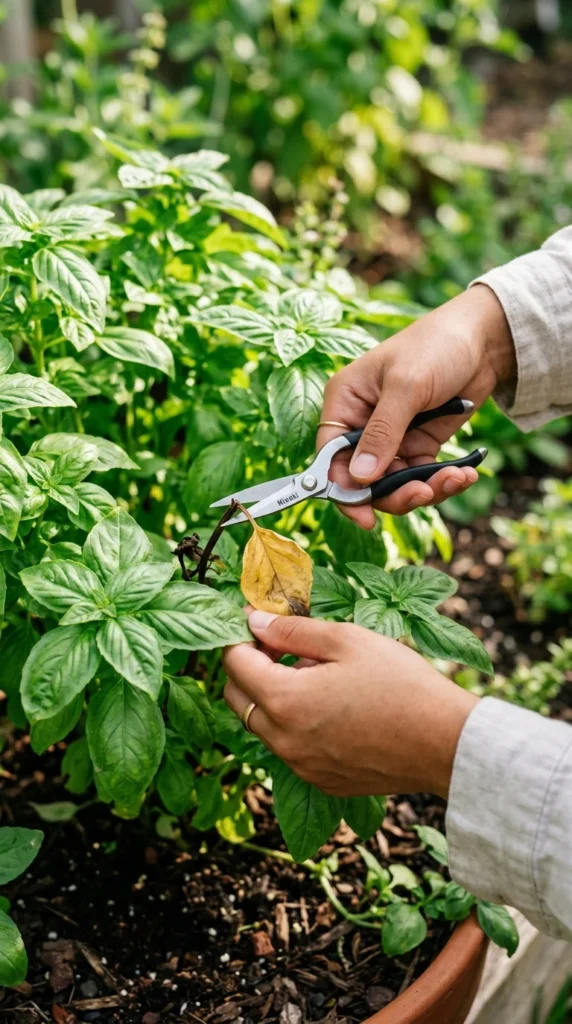
Apartment gardening is not a “set it and forget it” hobby. Regular maintenance keeps your indoor jungle looking tidy and prevents problems from spiraling out of control.
- Pruning: Don’t be afraid to snip off yellowing or dead leaves. This redirects the plant’s energy to new, healthy growth. For herbs, regular harvesting actually encourages the plant to become bushier.
- Cleaning: Dust accumulates on leaves, blocking sunlight and clogging the plant’s “pores” (stomata). Every few weeks, gently wipe leaves with a damp cloth or give your plants a lukewarm shower in the tub.
- Rotation: Because light in an apartment comes from one side, plants will often lean toward the window. Give your pots a quarter-turn every week to ensure even, upright growth.
7. Pests
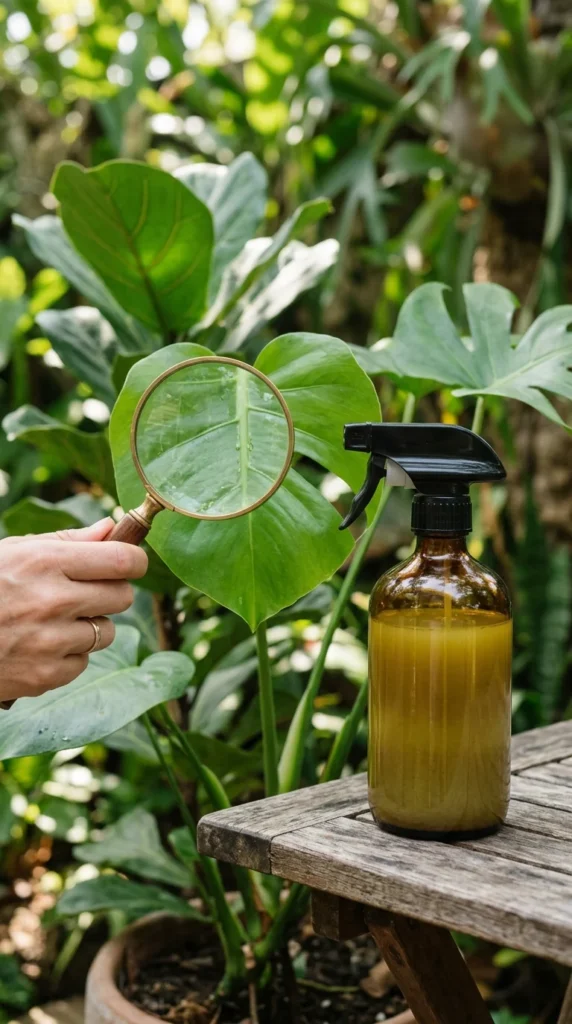
Even on the 20th floor, pests can find your plants. They often hitch a ride on new plants from the store or fly in through window screens. Common apartment culprits include Fungus Gnats (tiny black flies in the soil), Aphids, and Spider Mites.
- Prevention: Inspect every new plant before bringing it home. Keep a “quarantine” area for new arrivals for at least a week.
- Natural Remedies: For most apartment pests, harsh chemicals are unnecessary and unwanted in a living space. Neem oil, insecticidal soap, or even a simple mixture of water and a few drops of dish soap can handle most infestations.
- Early Detection: Check the undersides of leaves and the joints of stems regularly. Catching a few bugs early is much easier than dealing with a full-blown infestation.
8. Verticality
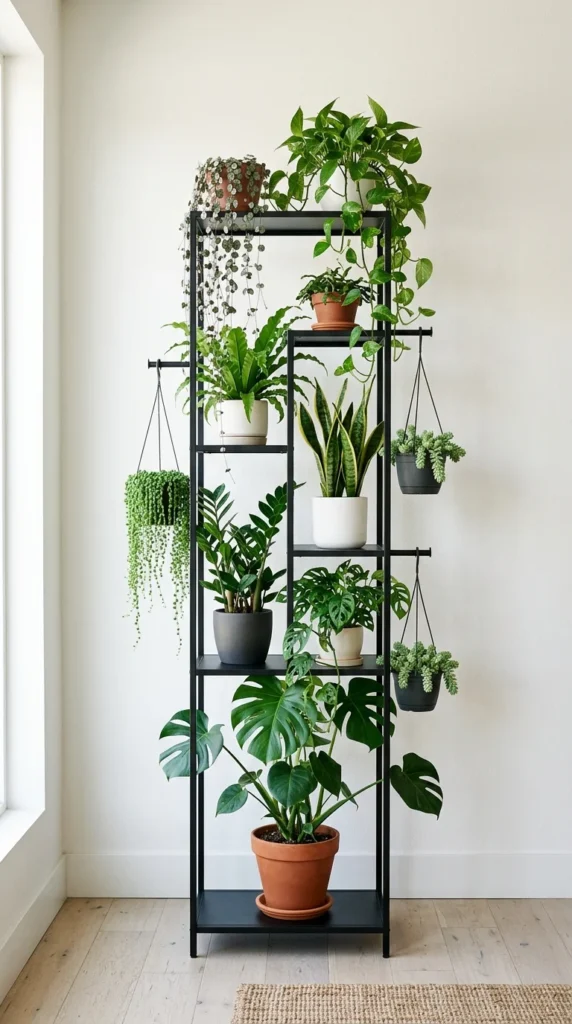
When floor space is at a premium, the only way to grow is up. Vertical gardening is the secret weapon of the apartment dweller.
- Wall Planters: Use pockets or mounted pots to create a “living wall.” This works exceptionally well for small greens like lettuce or strawberries.
- Hanging Baskets: Utilize your ceiling or curtain rods to hang trailing plants like String of Pearls or English Ivy. This keeps surfaces clear while adding layers to your decor.
- Shelving Units: A simple bookshelf placed in front of a window can hold dozens of small pots, creating a high-density green zone without taking up much square footage.
By understanding these fundamentals, you can turn any urban dwelling into a lush sanctuary. Start small, observe your plants daily, and don’t be discouraged by a few brown leaves—every gardener, no matter how experienced, is constantly learning.