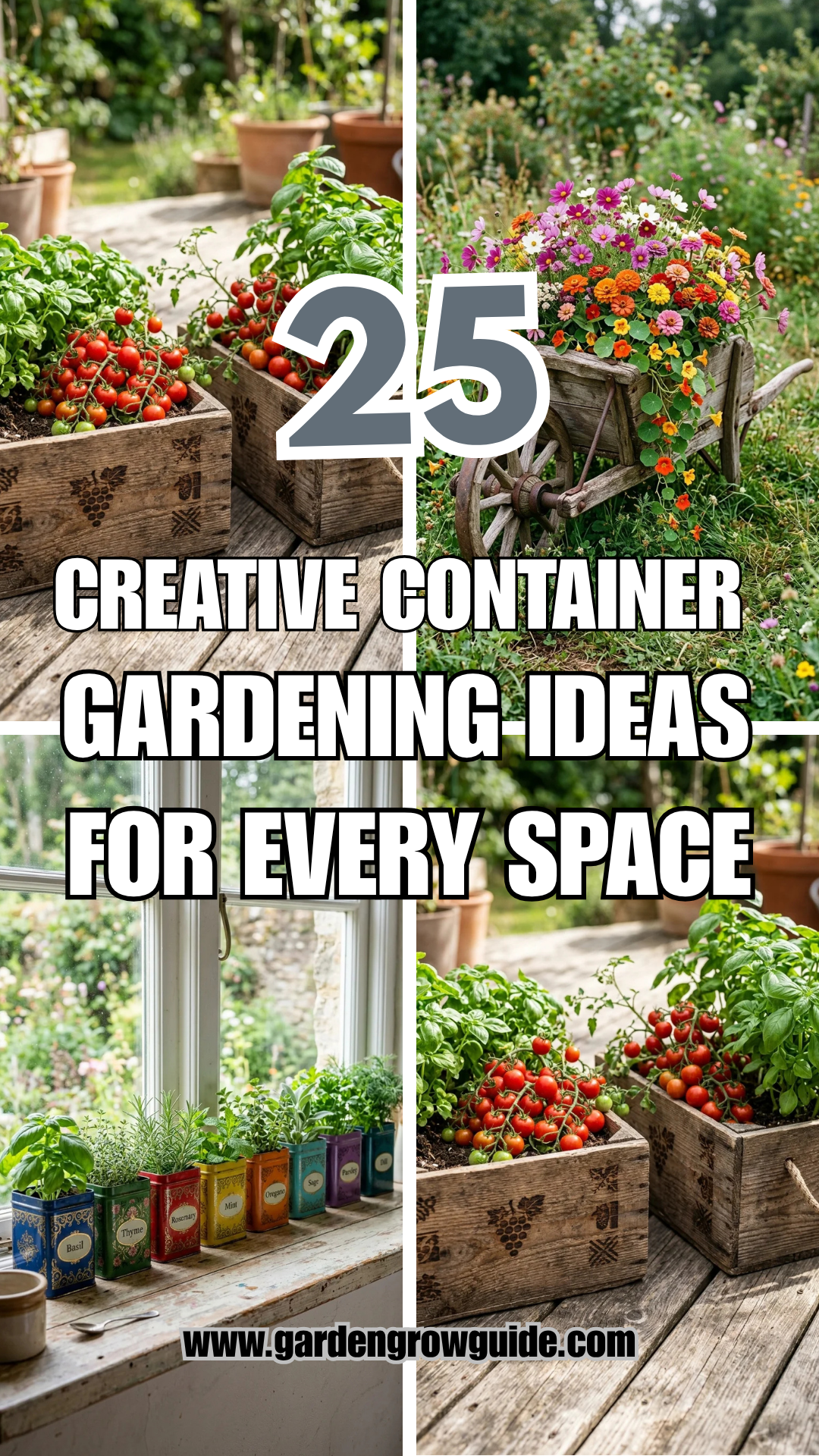
Container gardening has revolutionized the way we think about green spaces. No longer confined to sprawling backyards, gardening is now accessible to apartment dwellers, urbanites with small balconies, and homeowners looking to add a splash of life to their patios. The beauty of container gardening lies in its versatility; you can control the soil quality, move plants to follow the sun, and express your personal style through unique vessels. Whether you are looking to grow your own food or create a floral sanctuary, these 25 creative container gardening ideas will inspire you to transform any space into a thriving oasis.
1. Tiered Terra Cotta
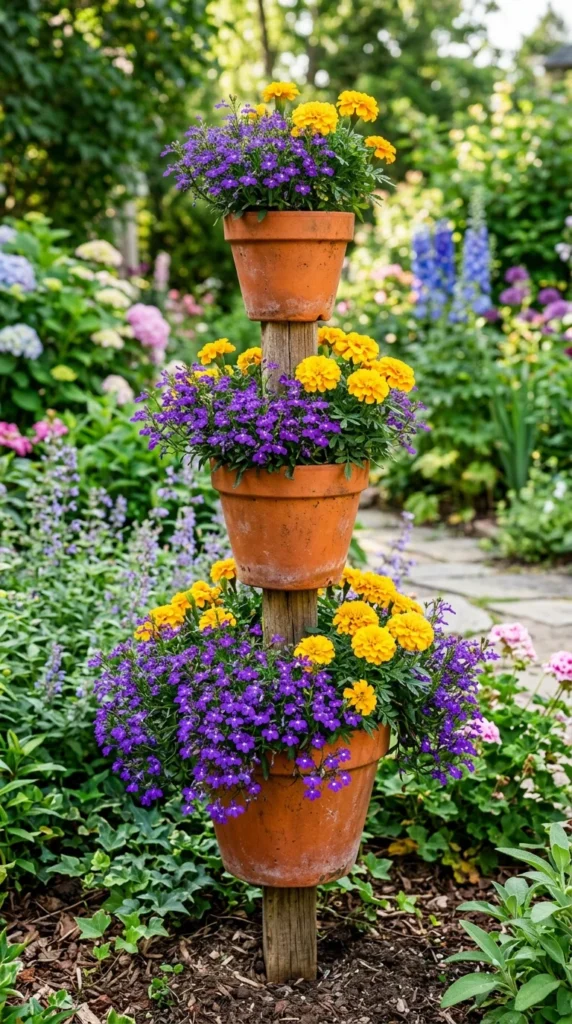
Tiered terra cotta planters are a classic solution for maximizing vertical space. By stacking pots of decreasing sizes, you create a fountain-like effect of foliage and flowers. This setup is particularly effective for small patios or entryways where floor space is limited. It allows for better air circulation around the plants and creates a dramatic focal point that draws the eye upward.
2. Hanging Baskets
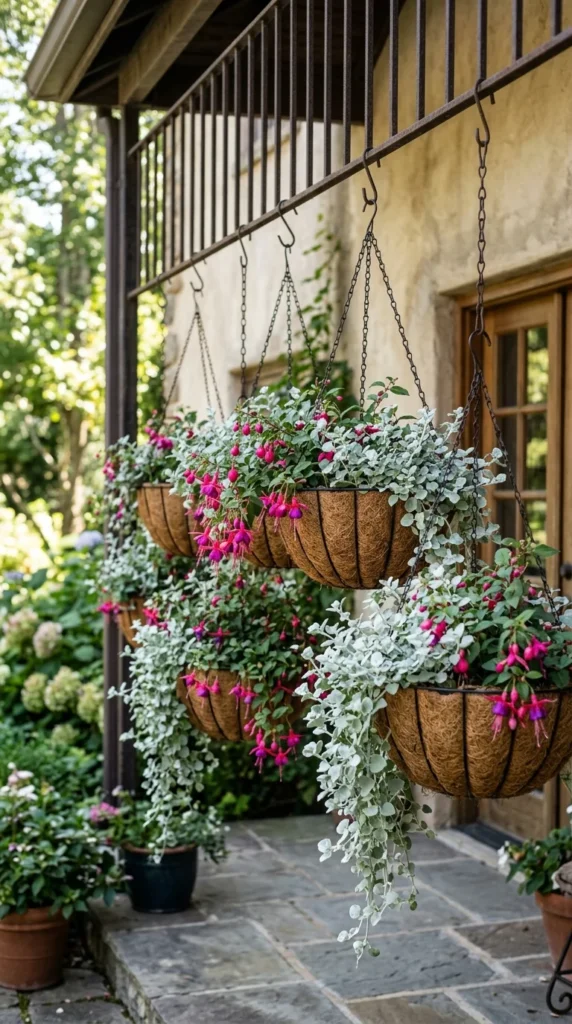
Hanging baskets are the gold standard for vertical gardening. They utilize overhead space, making them perfect for balconies and porches. To keep them looking their best, choose trailing varieties like petunias, fuchsias, or ivy. The key to success with hanging baskets is frequent watering, as they tend to dry out faster than ground-level containers due to increased wind exposure.
3. Galvanized Tubs
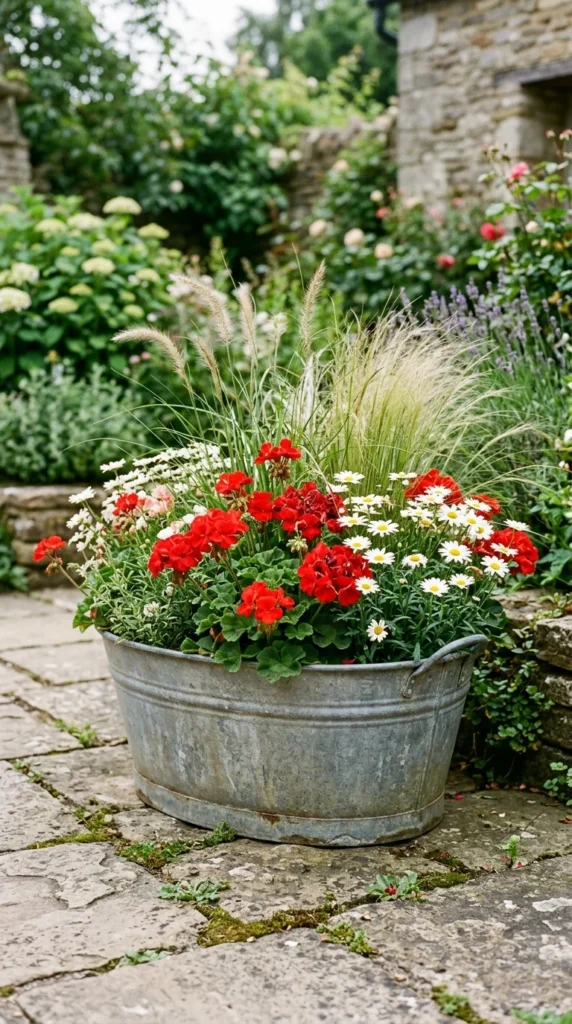
Galvanized steel tubs offer a rustic, farmhouse aesthetic that is both durable and stylish. These large containers provide ample room for root systems, making them ideal for larger plants or even small shrubs. To prevent overheating in direct sun, it is wise to line the metal with plastic or landscape fabric. Ensure you drill plenty of drainage holes in the bottom to prevent waterlogging.
4. Vertical Pallets
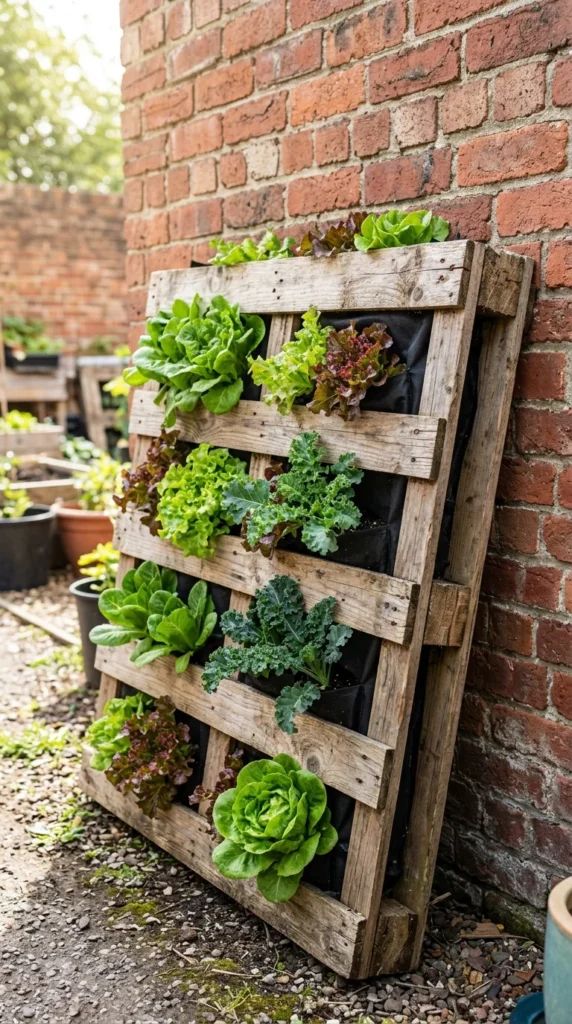
Upcycling a wooden pallet is a budget-friendly way to create a living wall. By securing landscape fabric to the back and bottom of the slats, you create long planting troughs. This method is perfect for shallow-rooted plants like succulents, herbs, or leafy greens. It turns a flat, boring wall into a productive and textured vertical garden.
5. Boot Planters
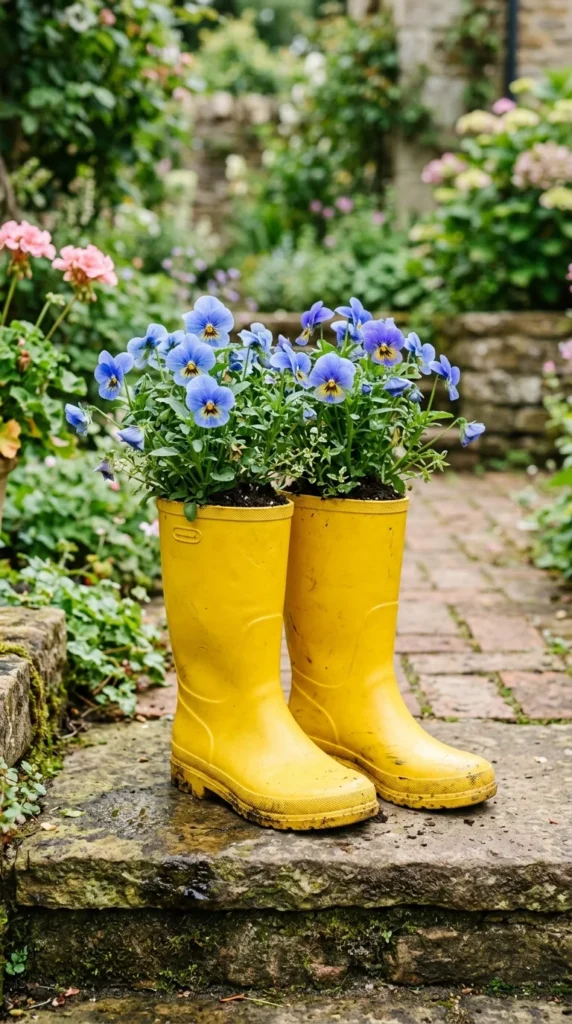
Old footwear doesn’t have to end up in the landfill. Rubber boots, leather work boots, or even colorful clogs can become whimsical containers. They add a touch of personality and humor to a garden. Because they are relatively small, they are best suited for annuals or small succulents. Just remember to poke holes in the soles for drainage.
6. Colander Succulents
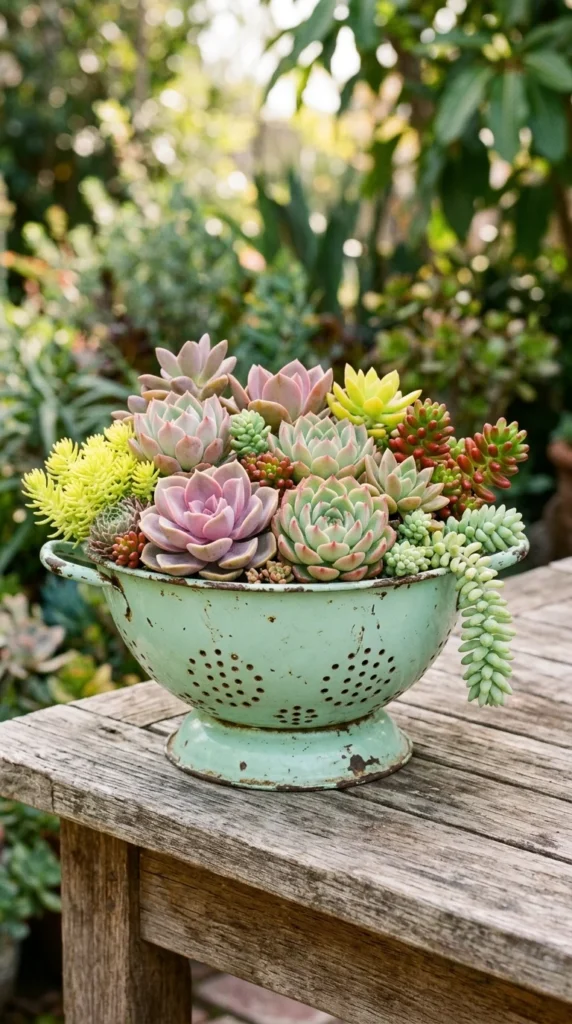
Colanders are perhaps the most practical “found” containers because they come with built-in drainage. Their mesh or perforated sides allow for excellent aeration, which is exactly what succulents and cacti crave. The metallic or enamel finish of a colander provides a beautiful contrast to the fleshy, geometric leaves of desert plants.
7. Wheelbarrow Garden
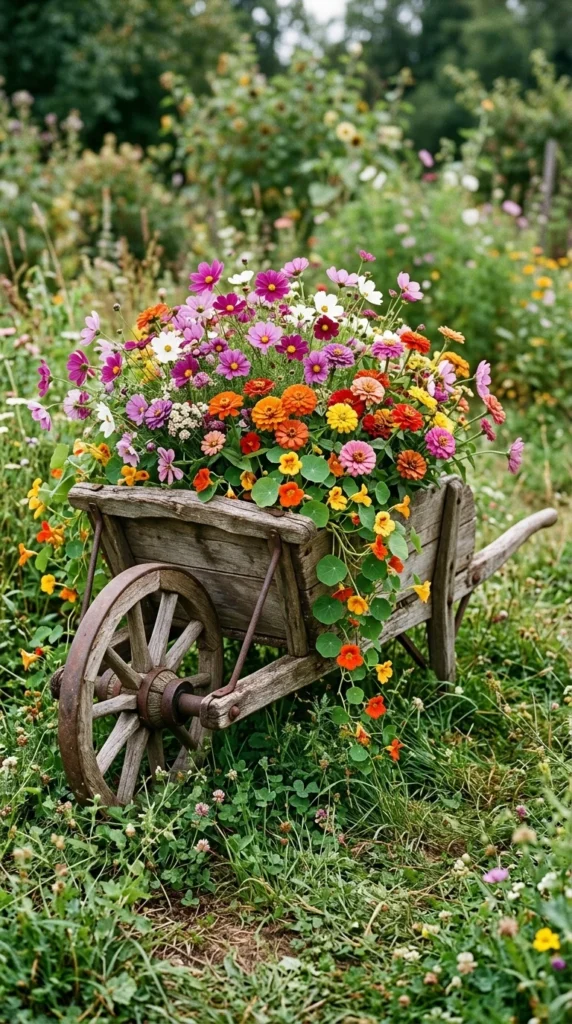
A wheelbarrow serves as a mobile garden bed that can be moved to follow the path of the sun or tucked away during harsh weather. It provides a large planting surface area, allowing you to create a miniature landscape with varying heights and textures. It is a fantastic way to repurpose a piece of garden equipment that may no longer be functional for hauling heavy loads.
8. Tea Tin Herbs
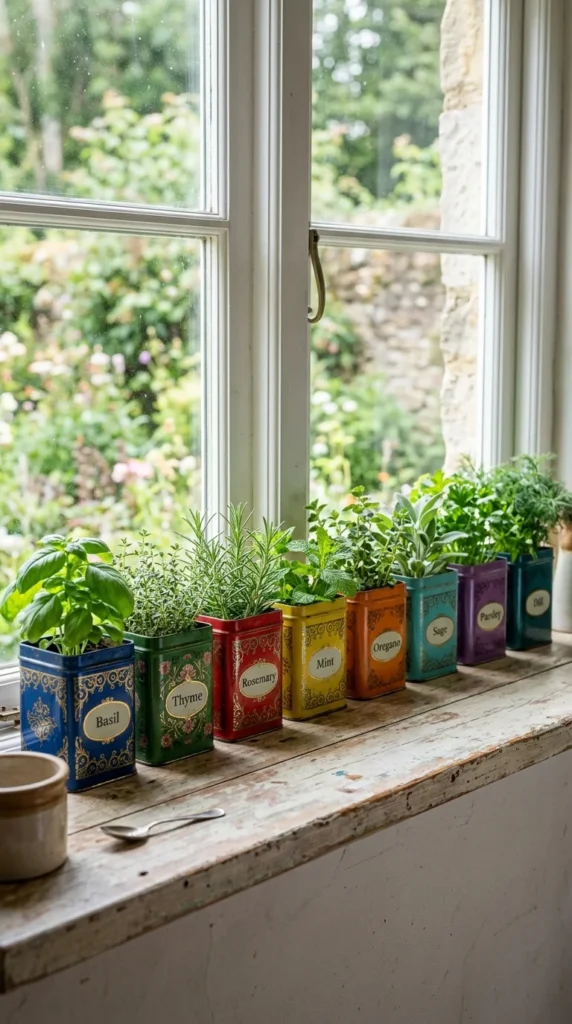
For those with limited outdoor space, a kitchen windowsill garden using vintage tea tins is both functional and beautiful. These small containers are perfect for individual herbs. The colorful patterns and typography of the tins add a nostalgic charm to the kitchen. Ensure you place a layer of small stones at the bottom for drainage if you prefer not to drill holes in the tins.
9. Wine Crate Veggies
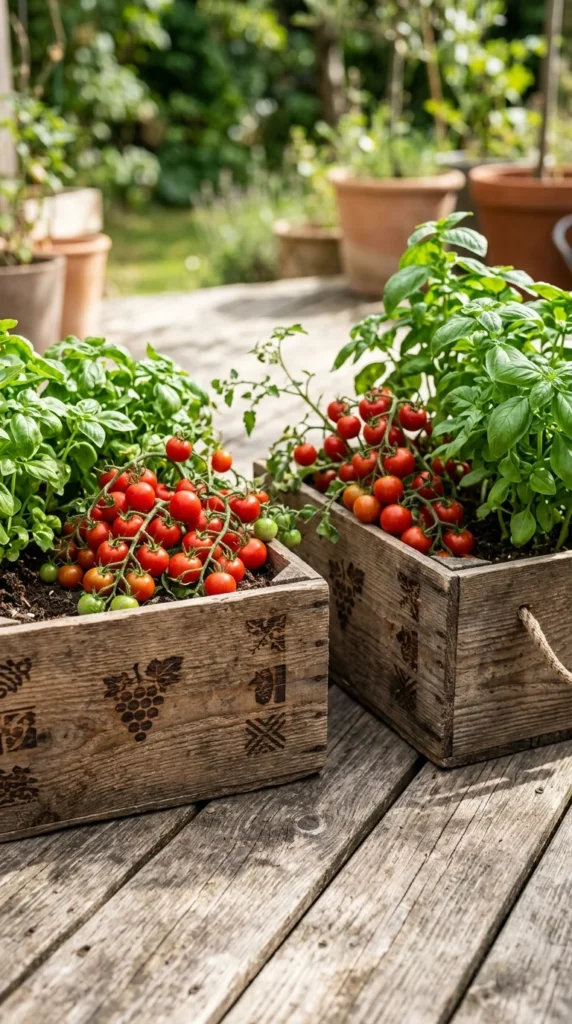
Wooden wine crates are sturdy, deep, and provide a sophisticated look for a vegetable garden. They are particularly well-suited for “pizza gardens”—where you grow tomatoes, peppers, and herbs all in one spot. The wood helps insulate the roots from temperature fluctuations, and the crates are easy to rearrange as your garden grows.
10. Stacked Tires
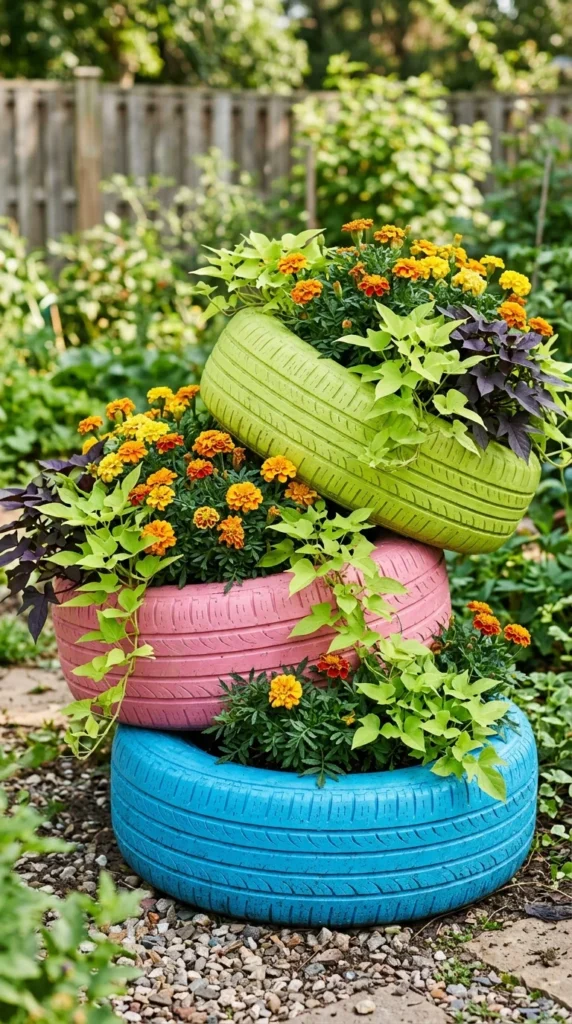
Recycling old tires into planters is a great way to keep waste out of landfills while creating a bold garden statement. Painting them with exterior-grade paint transforms them from industrial scraps into vibrant garden features. They are incredibly durable and can hold a significant amount of soil, making them great for heavy feeders like potatoes or sprawling flowers.
11. Ladder Shelves
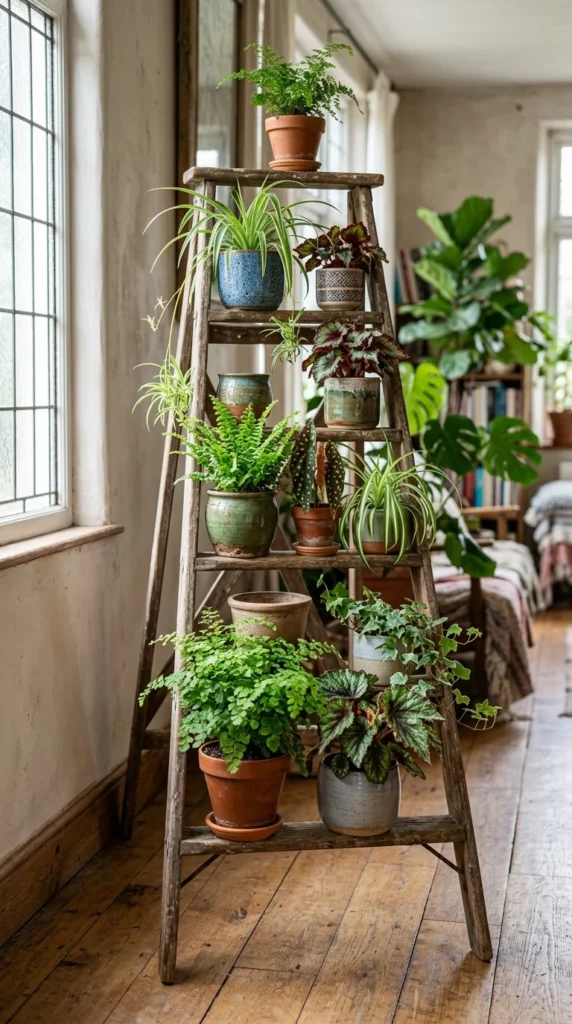
A ladder shelf is an elegant way to display a collection of smaller pots. It creates a “staircase” of greenery, allowing each plant to receive adequate light without being shaded by its neighbors. This setup works exceptionally well in corners or narrow spaces where you want to add a lot of greenery without a large footprint.
12. Window Boxes
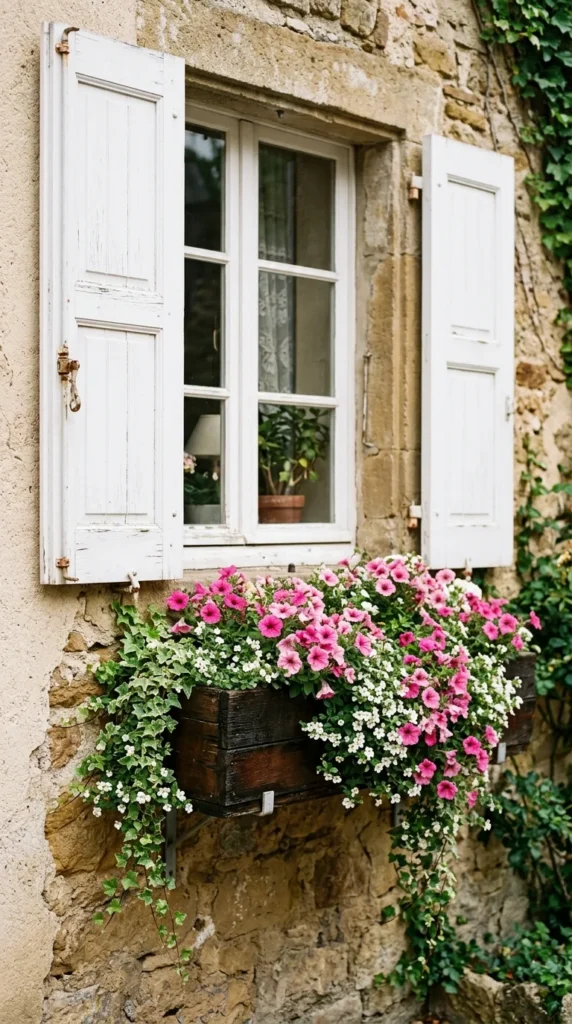
Window boxes enhance curb appeal instantly. They bring the garden right to your eye level from both inside and outside the home. When planting window boxes, follow the “thriller, filler, spiller” rule: a tall central plant (thriller), mounding plants to fill the space (filler), and trailing plants to hang over the edges (spiller).
13. Birdcage Florals
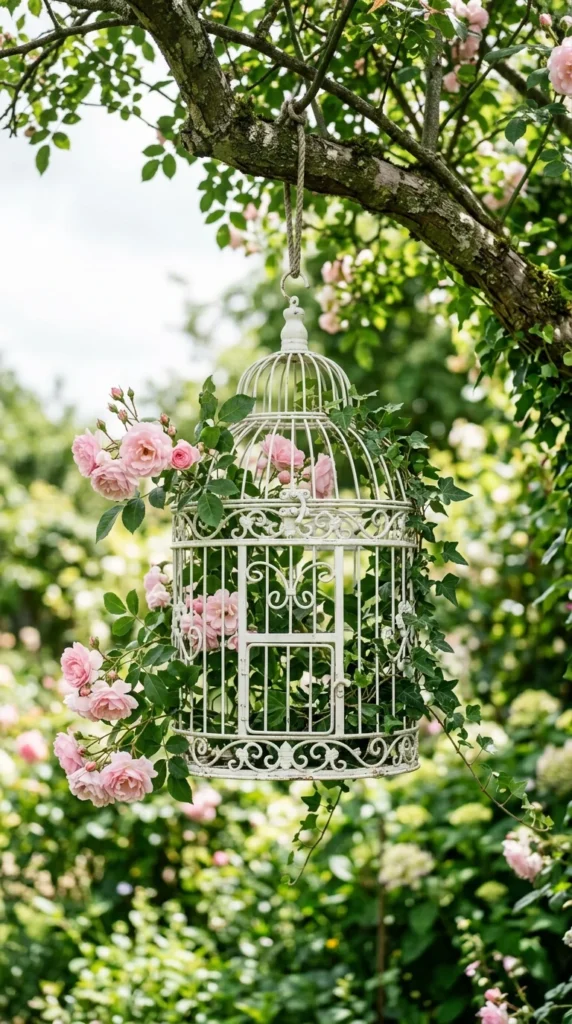
Repurposing a vintage birdcage creates a romantic, “shabby chic” vibe. You can place a pot inside the cage and let the plants grow out through the wire bars. This is a lovely way to showcase delicate climbers or airy flowers like baby’s breath. It adds a touch of mystery and whimsy to any garden corner.
14. Concrete Block Wall
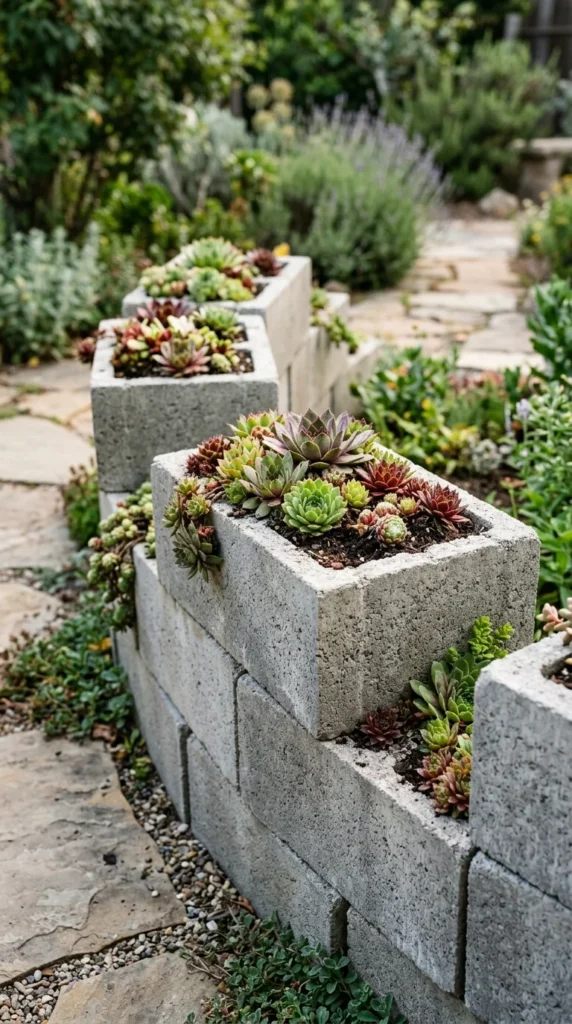
Concrete blocks, or cinder blocks, are perfect for creating a modern, geometric garden. You can stack them in various configurations to create a multi-level planter wall. The industrial grey of the concrete provides a neutral backdrop that makes the green of the plants pop. This is an incredibly affordable and modular way to build a permanent-feeling garden structure.
15. Hanging Shoe Organizer
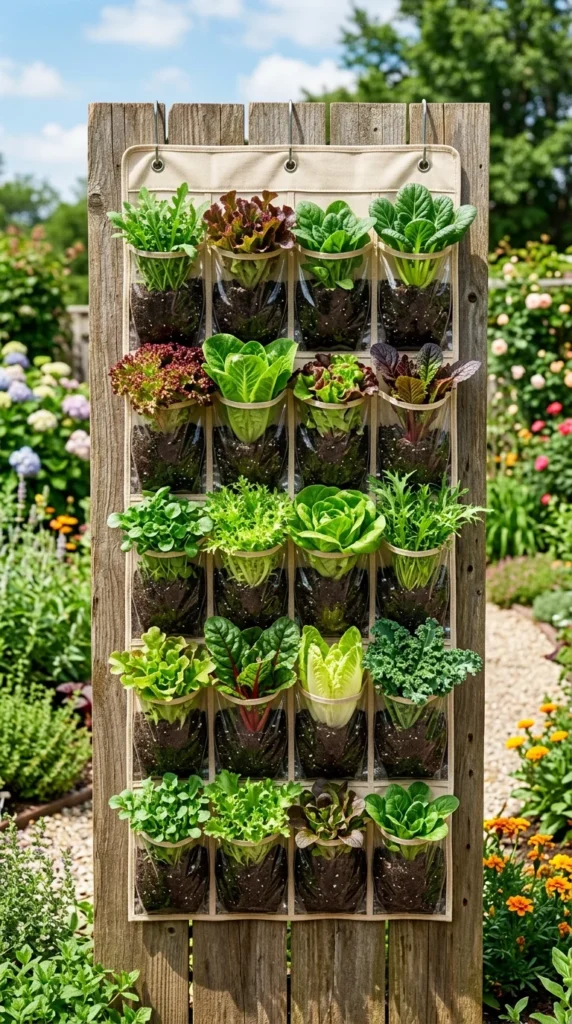
A hanging shoe organizer is a brilliant hack for a vertical herb or salad garden. Each pocket serves as an individual “pot.” This is especially useful for renters, as it can be easily hung and removed without permanent installation. Ensure the material is breathable or poke small holes in the bottom of plastic pockets for drainage.
16. Log Planters
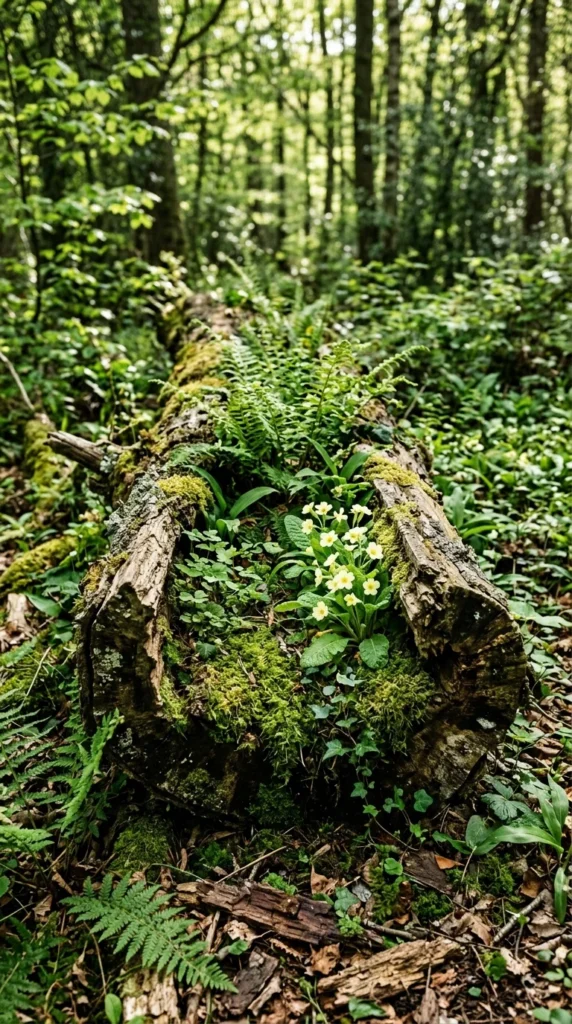
For a naturalistic or woodland garden look, nothing beats a hollowed-out log. You can find pre-hollowed logs or carve out a fallen branch yourself. The decaying wood eventually adds nutrients back into the soil and provides a beautiful, organic texture that blends seamlessly with the environment.
17. Painted Cans
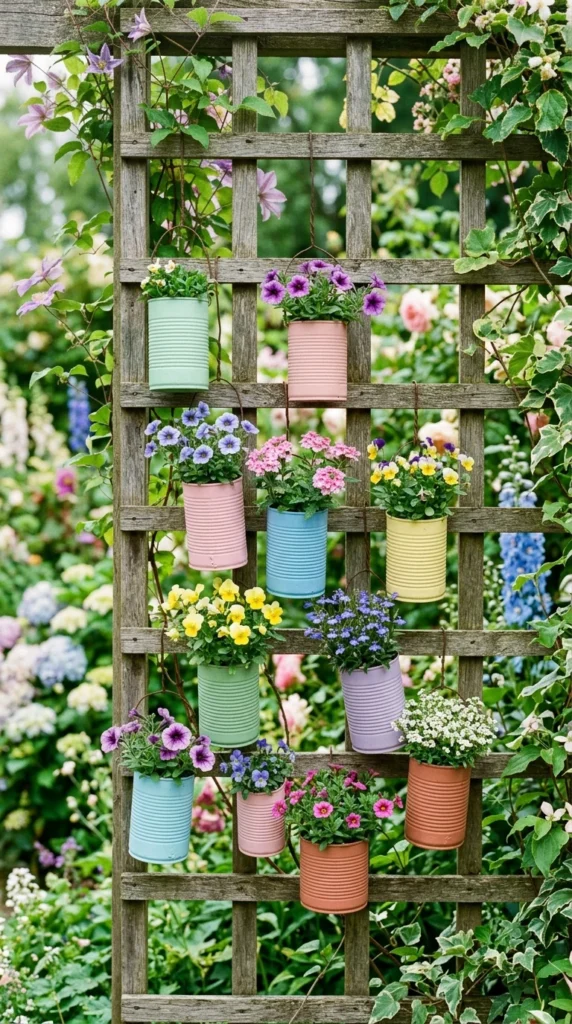
Tin cans are the ultimate budget-friendly container. By cleaning them, removing the labels, and adding a coat of colorful spray paint, you can turn trash into a coordinated garden display. They are lightweight and easy to hang from fences or trellises, making them ideal for vertical accents.
18. Old Chair Garden
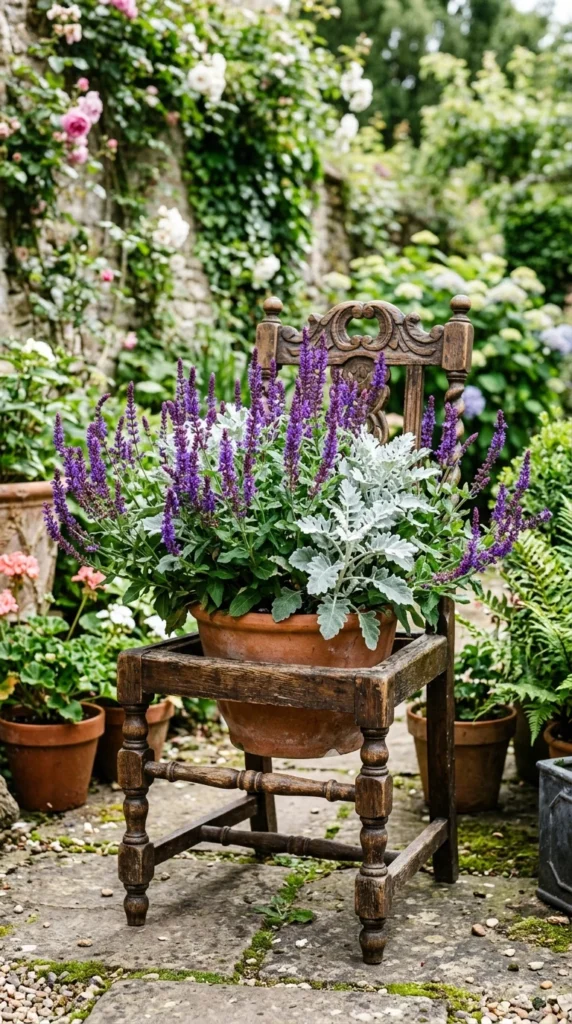
An old chair with a broken seat can be given a second life as a plant stand. By tucking a pot into the frame where the seat used to be, you create a unique piece of garden furniture that literally grows. This works well as a standalone art piece in a garden bed or on a porch.
19. Mason Jar Wall
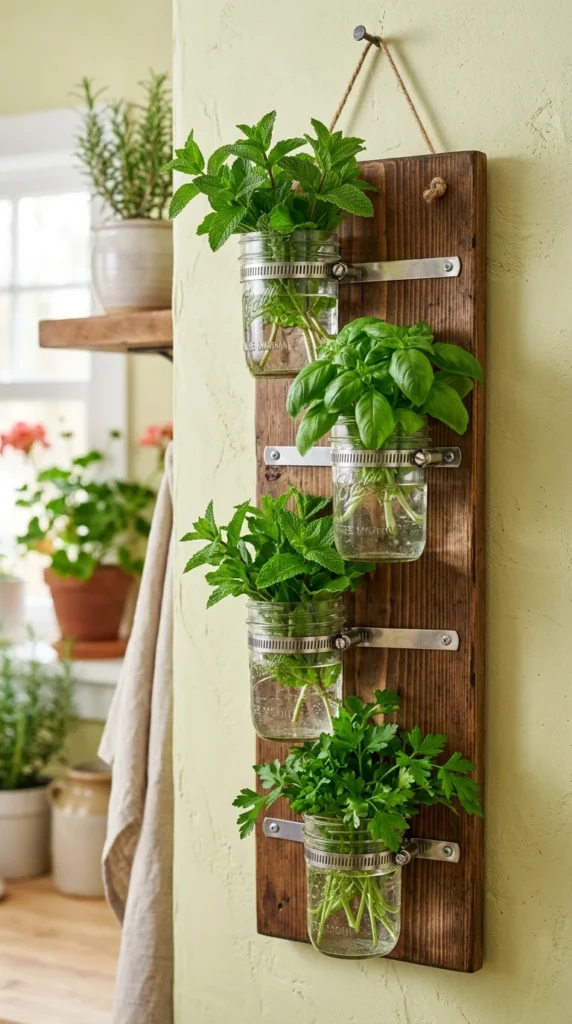
Mason jars are perfect for an indoor hydro-culture or soil-based herb garden. Mounting them to a wooden board creates a rustic, organized look that saves counter space. Because glass jars don’t have drainage holes, it is best to use them for plants that can grow in water or be very careful with watering schedules to avoid root rot.
20. Strawberry Pots
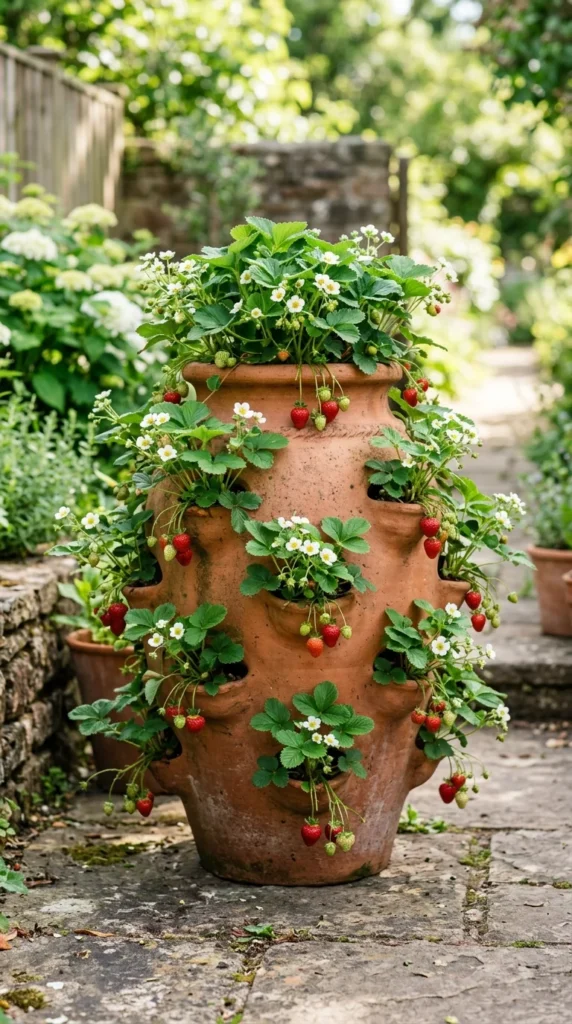
Strawberry pots are specifically designed to maximize the number of plants in a single footprint. The side pockets allow the strawberry runners to spill out and fruit without touching the ground, which helps prevent rot. These pots are also great for creating a “mixed herb” tower.
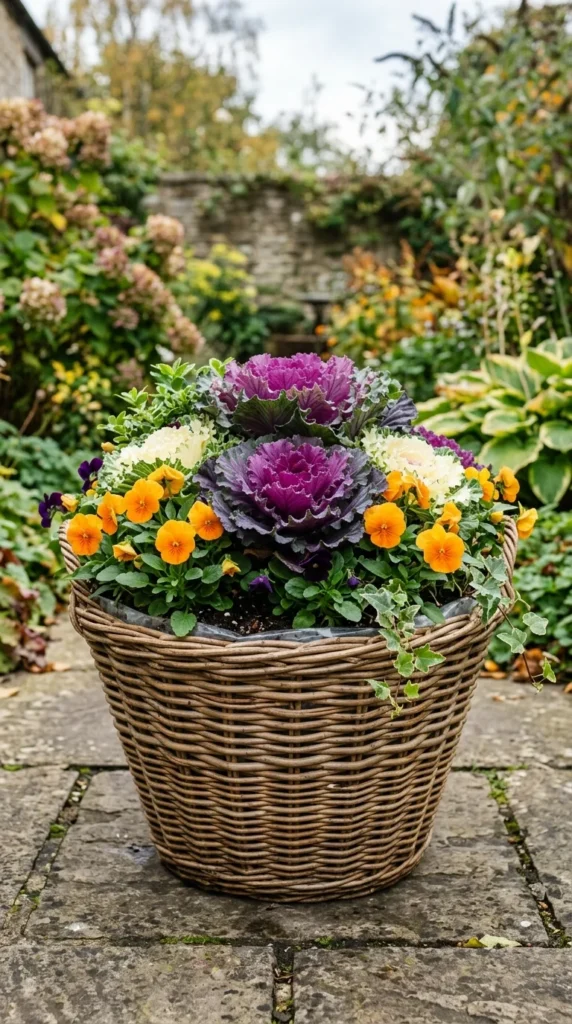
21. Woven Baskets
Woven baskets add warmth and organic texture to a container garden. They are lightweight and easy to move around. Since they are porous, they must be lined with heavy-duty plastic (with drainage holes) to prevent the wicker from rotting too quickly and to keep the soil contained.
22. Bicycle Planter
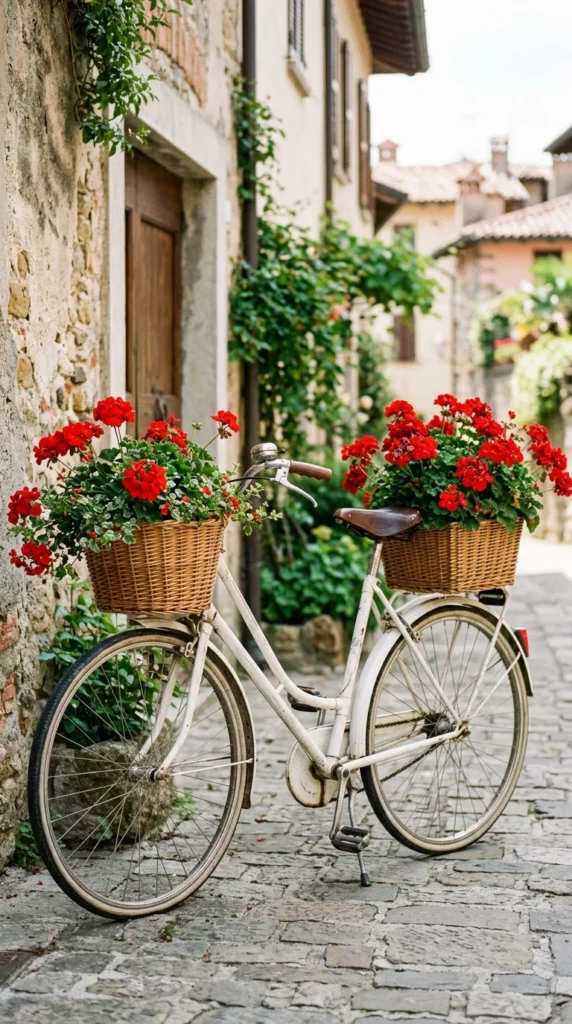
A vintage bicycle serves as a charming and nostalgic garden ornament. By attaching baskets to the front and back, you turn the bike into a multi-level planter. It’s a perfect way to add height and a sense of movement to a flat garden area.
23. Suitcase Succulents
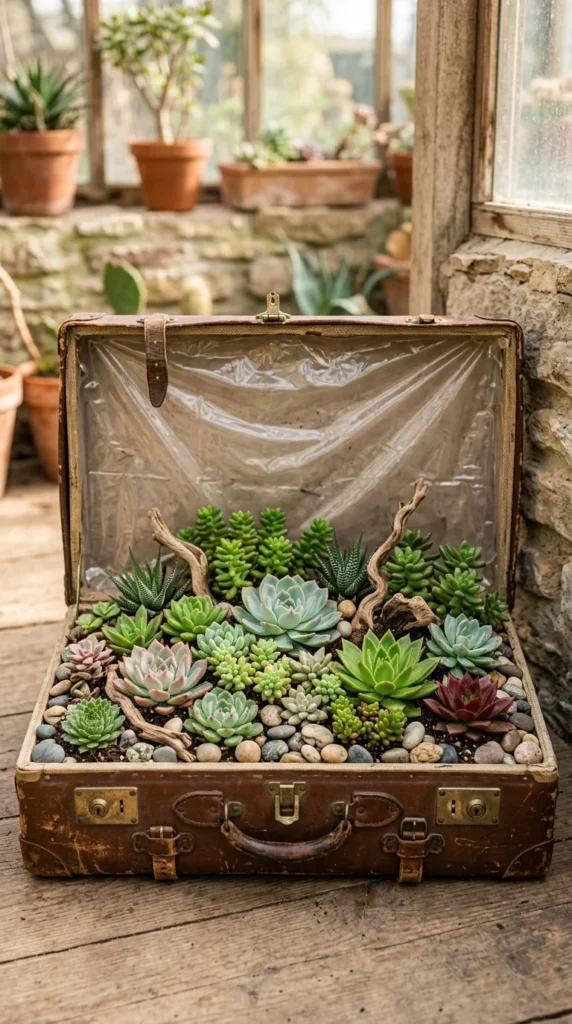
An old suitcase can be transformed into a whimsical “traveling garden.” This idea is perfect for a low-profile display of succulents or mosses. When opened, the lid can provide a backdrop or even a bit of shade for the plants below. It makes for a fantastic conversation piece during outdoor gatherings.
24. Drainage Pipe Pillars
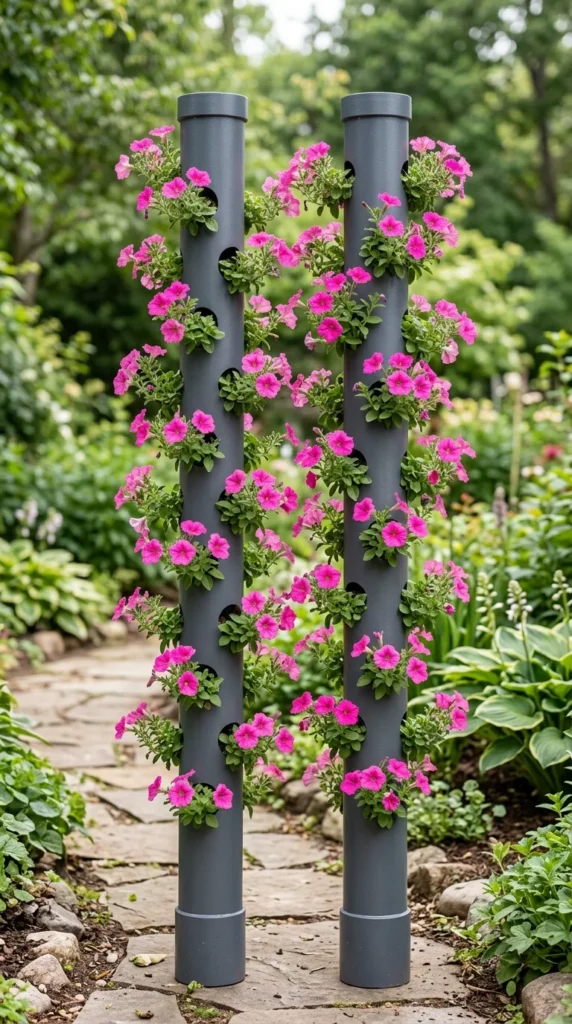
For a sleek, modern, and highly space-efficient garden, use vertical drainage pipes. By cutting holes along the length of the pipe and filling it with a central watering tube and soil, you can grow dozens of plants in a very narrow space. This is an excellent solution for urban balconies.
25. Bathtub Oasis
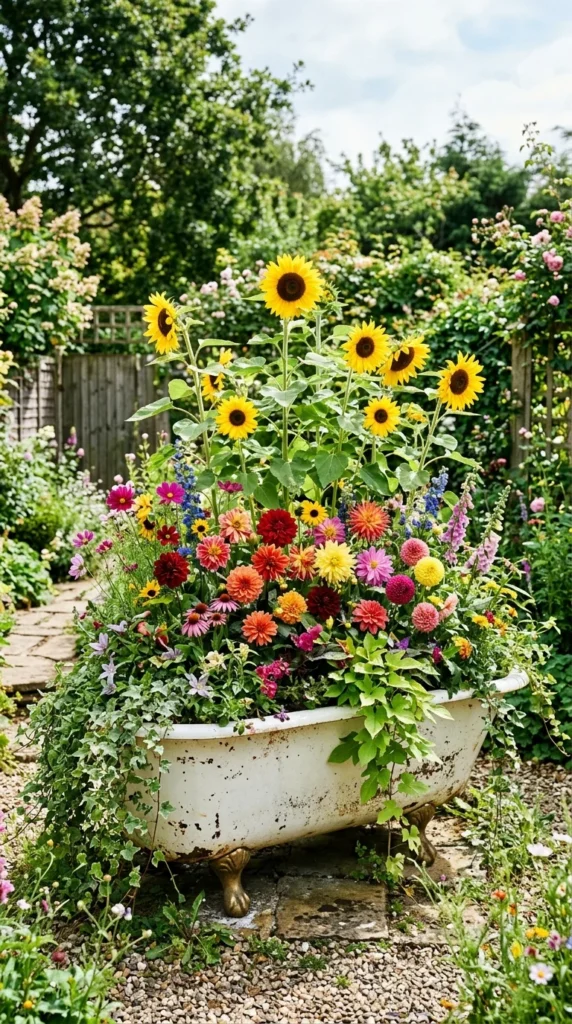
If you have the space, a vintage bathtub makes a bold and humorous garden statement. Its massive volume allows for a true “garden bed” experience in a container. You can grow deep-rooted vegetables, a cutting garden of tall flowers, or even a miniature water garden if you seal the drain.
Essential Tips for Container Success
Regardless of which creative container you choose, there are three fundamental rules to ensure your garden thrives:
- Drainage is Non-Negotiable: Most plants will die if their roots sit in water. Always ensure your container has holes. If you can’t drill holes, use a “cachepot” system where the plant is in a plastic nursery pot with holes, which then sits inside the decorative container.
- Use High-Quality Potting Mix: Never use garden soil in containers; it is too heavy and can harbor pests. Use a lightweight potting mix designed for containers, which provides the right balance of aeration and moisture retention.
- Watering and Feeding: Containers dry out much faster than the ground. In the heat of summer, you may need to water daily. Additionally, because nutrients leach out with every watering, use a balanced liquid fertilizer every two weeks to keep your plants vibrant and productive.