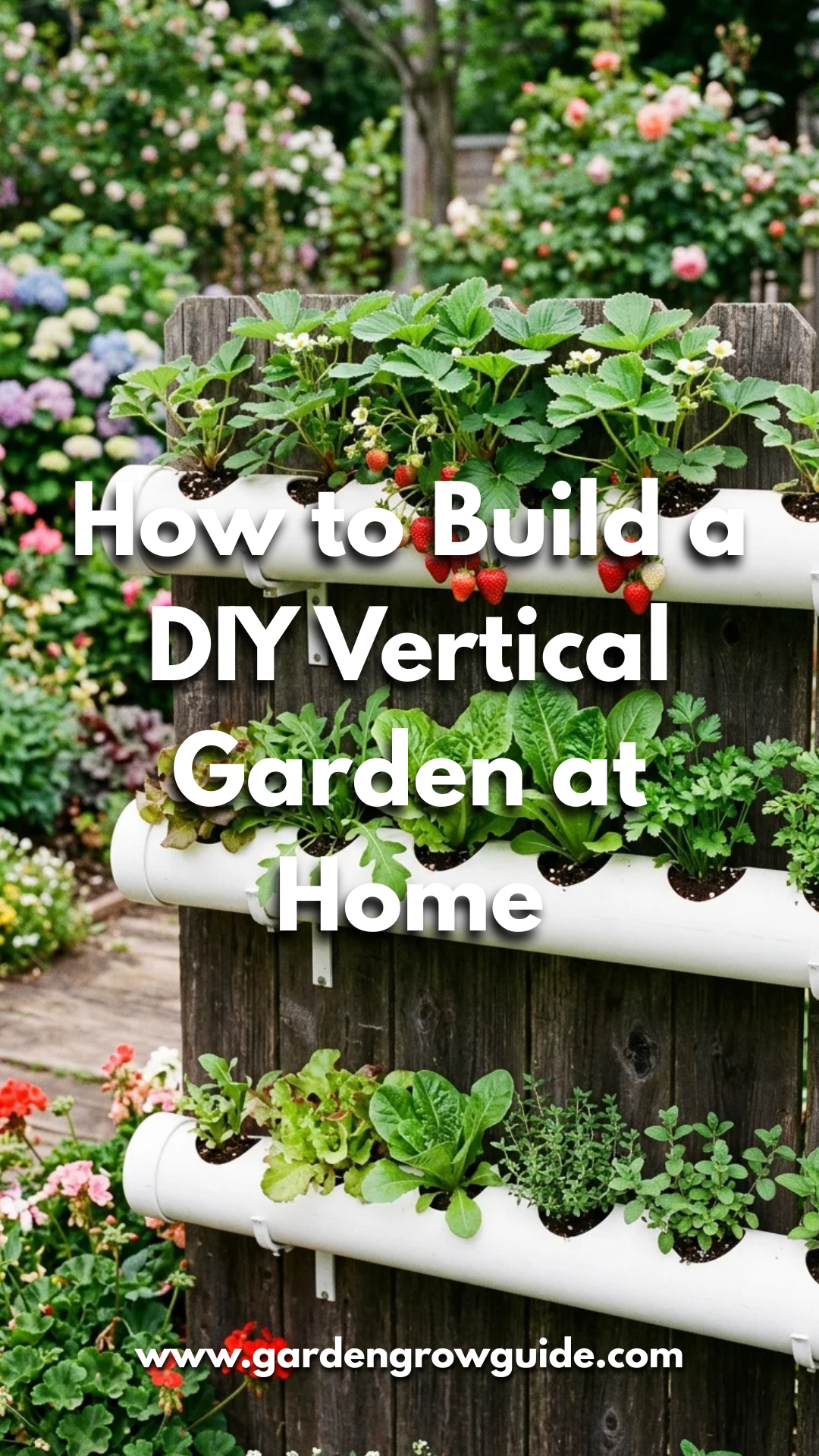
Vertical gardening is the perfect solution for urban dwellers, small-space enthusiasts, and anyone looking to add a touch of green to their living environment without sacrificing floor space. By utilizing upward space, you can transform a drab wall or a cramped balcony into a thriving ecosystem. Beyond the aesthetic appeal, vertical gardens can provide fresh herbs, improve air quality, and even offer natural insulation for your home.
Building one yourself is a rewarding project that allows for complete customization. Whether you are repurposing household waste or building a structured timber frame, the principles remain the same: proper support, adequate drainage, and the right plant selection.
1. Wooden Pallets
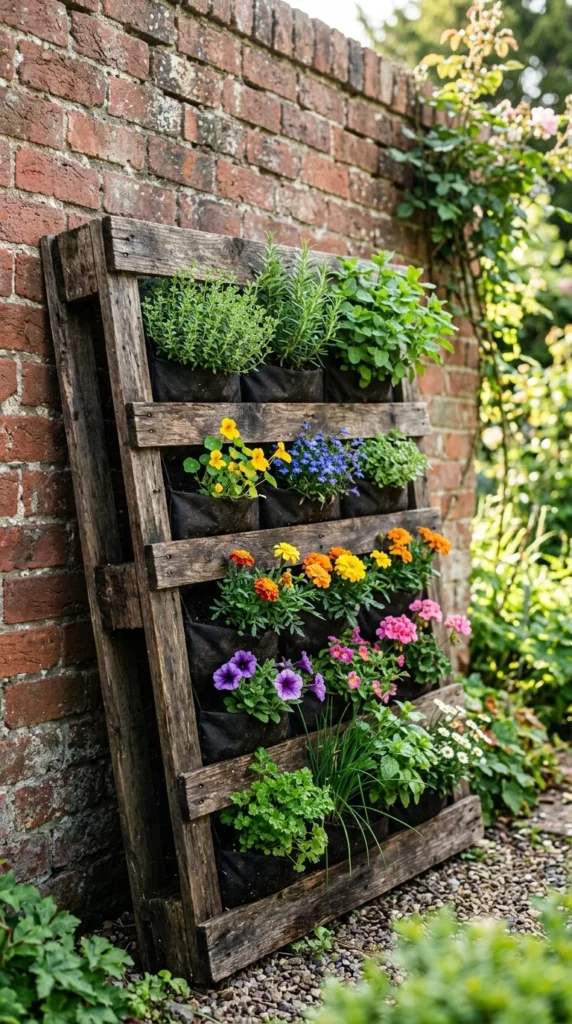
The wooden pallet is the quintessential DIY vertical garden base. It is cost-effective, often free to source, and provides a sturdy framework for a variety of plants. To build one, you must ensure the pallet is heat-treated (marked with “HT”) rather than chemically treated.
You begin by stapling heavy-duty landscaping fabric to the back, bottom, and sides of the pallet to create a sealed container. Once the fabric is secure, you lay the pallet flat and fill it with high-quality potting soil. Plants are tucked into the slats, and the pallet remains horizontal for a few weeks to allow roots to establish before being leaned or mounted vertically. This method is excellent for succulents and shallow-rooted greens like lettuce.
2. PVC Pipes
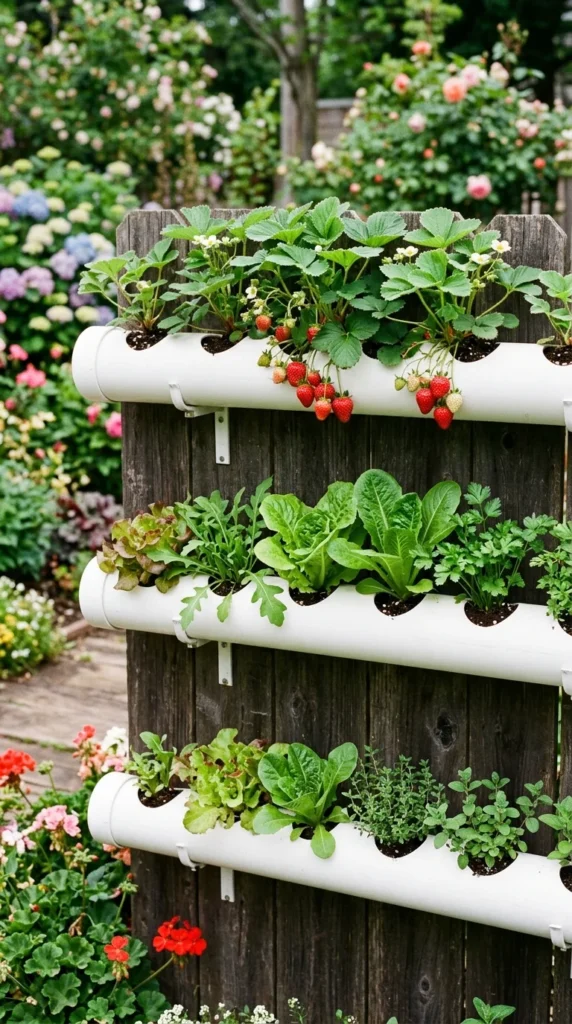
PVC pipe gardens are a favorite for those interested in hydroponics or streamlined irrigation. By using large-diameter pipes, you can create a high-yield garden in a very narrow footprint. This system involves drilling large holes at regular intervals along the length of the pipe.
Caps are placed on the ends to retain water or soil. These pipes can be mounted horizontally one above the other or positioned vertically with “Y” joints for a tree-like appearance. Because PVC is lightweight and weather-resistant, it is ideal for balconies or as a standalone feature in a backyard. It is particularly effective for growing strawberries, as the fruit hangs away from the soil, preventing rot and pest damage.
3. Hanging Pockets
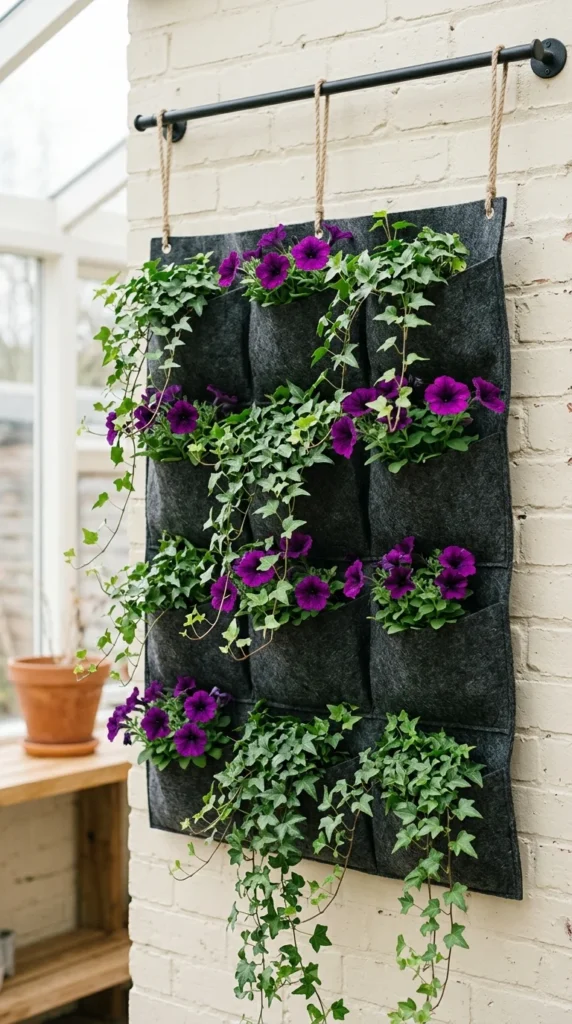
Hanging pocket systems, often made from breathable felt or canvas, are the easiest “plug-and-play” vertical gardens. These are perfect for beginners because they require no heavy construction. The breathable nature of the fabric allows for excellent air circulation around the roots, preventing “root rot” and overwatering.
When installing a pocket garden, it is crucial to use a waterproof backing if you are mounting it against a wooden or drywall surface to prevent moisture damage. These systems are highly modular; you can start with one small panel and expand as your gardening confidence grows. They are best suited for moisture-loving plants like ferns, pothos, and culinary herbs.
4. Rain Gutters
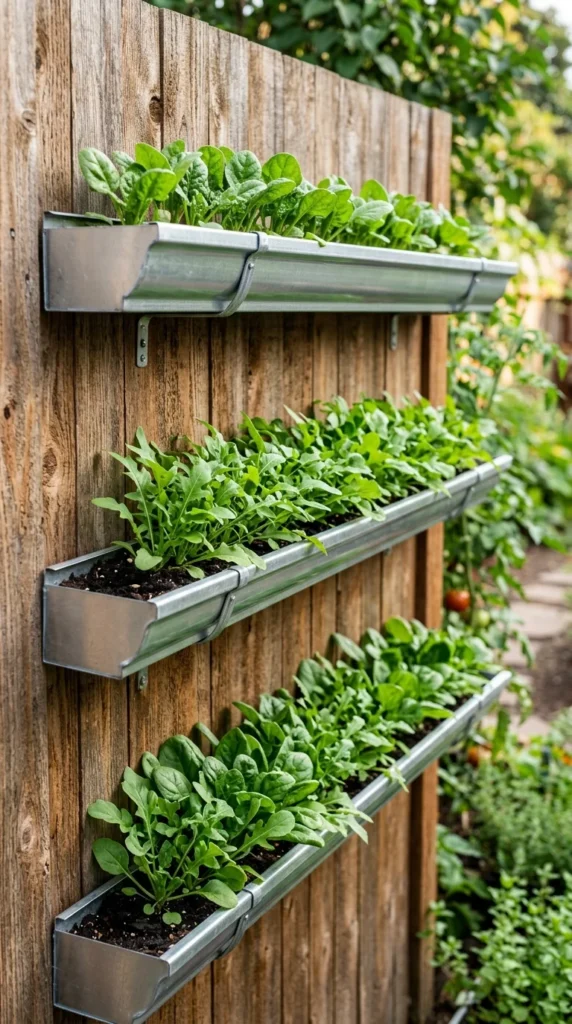
Repurposing rain gutters is an ingenious way to create long, sleek rows of greenery. This method is exceptionally space-efficient and works well for long, narrow spaces like side alleys or deck railings. You can use either vinyl or aluminum gutters, cutting them to your desired length and attaching end caps.
Small drainage holes must be drilled at the bottom of each gutter to ensure water doesn’t pool. By spacing the gutters about 12 to 15 inches apart vertically, you allow enough room for the plants to grow upward and for sunlight to reach every level. This setup is perfect for “cut-and-come-again” crops like spinach, kale, and radishes.
5. Tiered Ladders
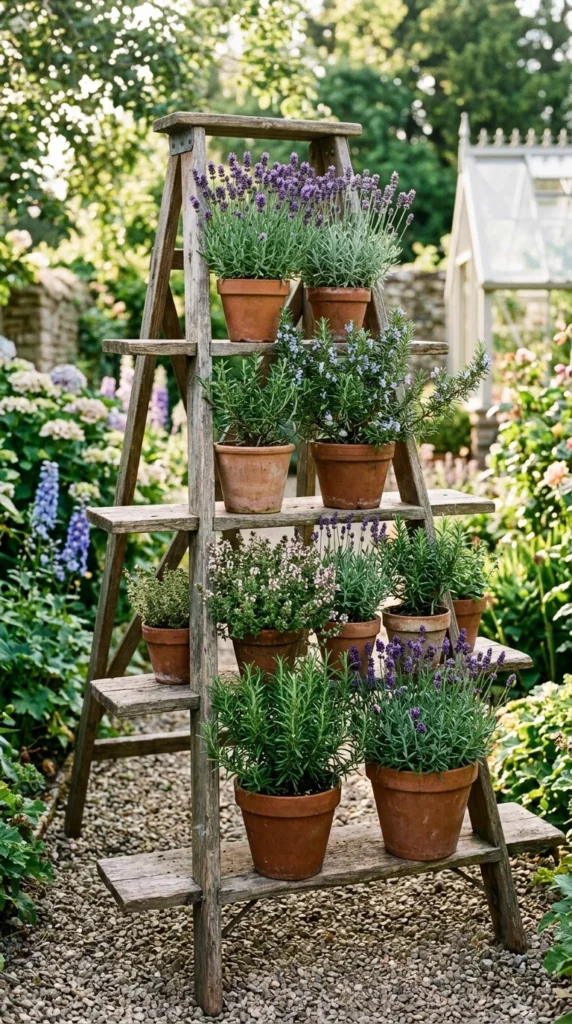
If you prefer a mobile or non-permanent structure, a tiered ladder garden is the way to go. This design utilizes the horizontal steps of a ladder to hold individual pots or long planter boxes. It provides a vertical visual impact without the need to drill into walls or fences.
The benefit of the ladder design is the ease of maintenance. Since each plant remains in its own pot, you can easily swap out seasonal flowers or move sick plants away from the rest of the group. It also allows for better light distribution, as the bottom tiers are not shaded by the top tiers due to the angled nature of the ladder rungs.
6. Plastic Bottles
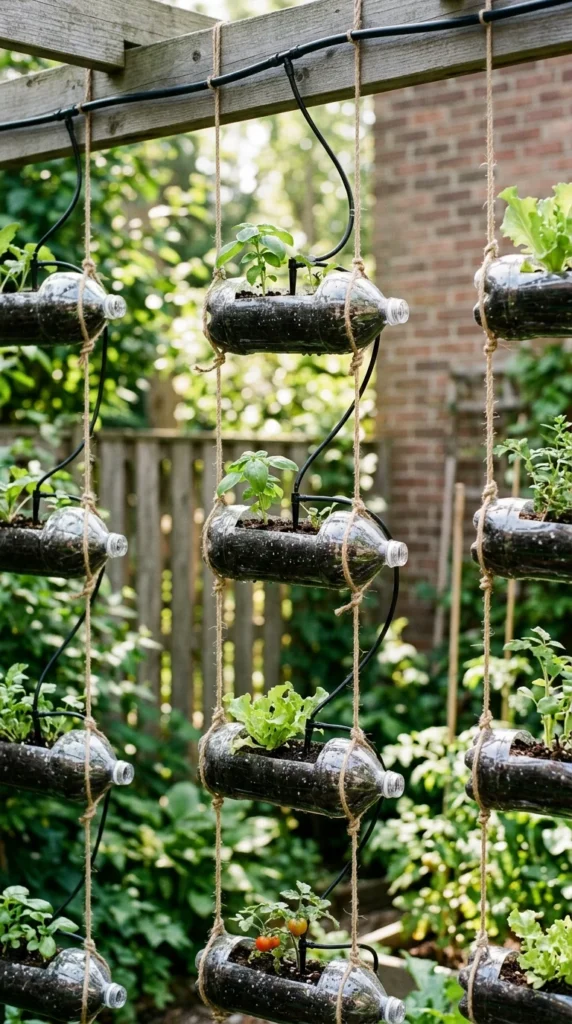
For the eco-conscious gardener, upcycling plastic bottles into a vertical “window farm” is a fantastic project. This method involves cutting a rectangular opening in the side of 2-liter bottles and stringing them together vertically.
The neck of the top bottle can be positioned to drip excess water into the bottle below it, creating a simple but effective gravity-fed irrigation system. This is a popular project for indoor herb gardens in sunny kitchen windows. It’s an inexpensive way to teach children about recycling and botany simultaneously, though it requires more frequent watering due to the small volume of soil in each bottle.
Key Considerations for Success
Choosing the Right Location
The success of your vertical garden depends heavily on light. Most vegetables and flowering plants require at least 6 to 8 hours of direct sunlight. If your wall is in deep shade, focus on “low-light” plants like hostas, ferns, or caladiums. Additionally, consider the wind; vertical gardens are more exposed than ground gardens and can dry out quickly in breezy conditions.
Soil and Irrigation
Do not use standard garden soil for vertical structures; it is too heavy and may contain pests. Instead, use a high-quality potting mix or a “soilless” medium like coconut coir mixed with perlite. This ensures the structure isn’t too heavy and provides the necessary aeration for roots.
Because vertical gardens dry out faster than traditional beds, consider installing a simple drip irrigation system. A perforated hose running across the top of your structure can save hours of manual watering and ensure that moisture reaches the bottom levels.
Plant Selection
Not all plants are suited for vertical life. Avoid plants that grow too large or heavy, like pumpkins or large tomato varieties, unless your structure is exceptionally reinforced. Focus on:
- Trailing Plants: Ivy, creeping thyme, and sweet potato vine.
- Compact Edibles: Lettuce, strawberries, chives, and basil.
- Succulents: Echeveria, sedum, and jade.
Maintenance Tips
- Pruning: Regularly trim your plants to prevent them from shading the levels below them.
- Nutrients: Vertical garden soil loses nutrients quickly due to frequent watering. Use a liquid seaweed or compost tea fertilizer every two weeks during the growing season.
- Weight Checks: Periodically inspect the mounting brackets and hardware. As plants grow and the soil gets wet, the weight of the garden increases significantly.
By following these steps and choosing the DIY method that best fits your space, you can turn any vertical surface into a lush, productive sanctuary. Gardening upward is not just a trend—it’s a sustainable way to bring nature back into our increasingly vertical world.