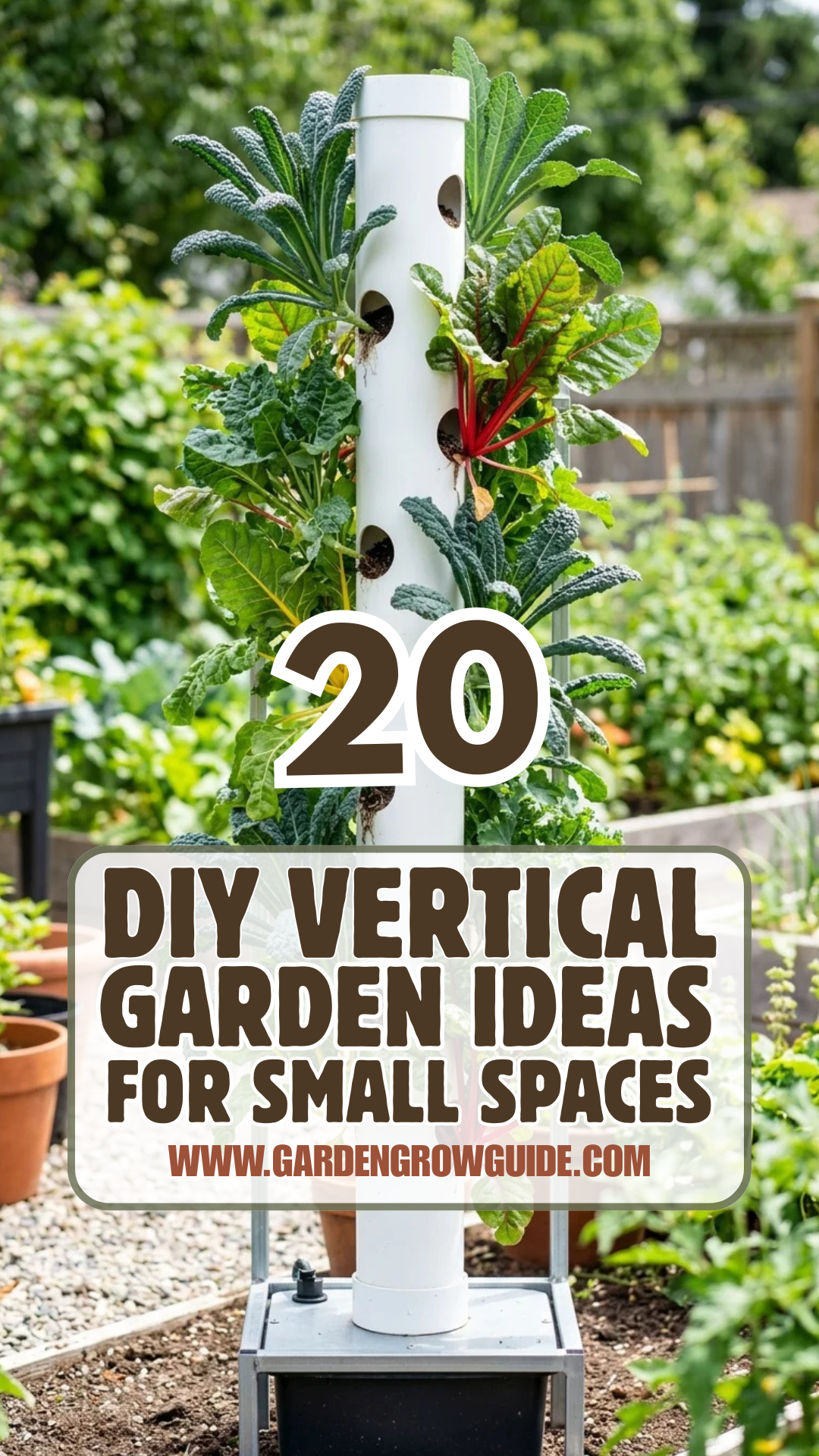
Whether you have a tiny balcony, a sunny kitchen window, or a compact patio, these 20 DIY vertical garden ideas will help you maximize every inch of your space.
1. Pallet Planter
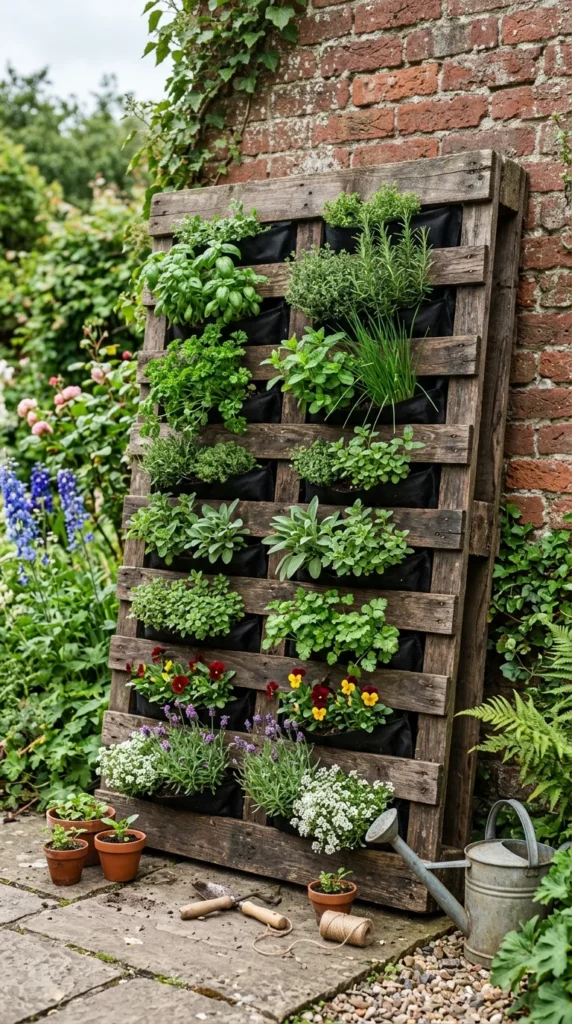
The wooden pallet is the quintessential DIY vertical garden base. To create this, ensure you use a pallet marked “HT” (Heat Treated) rather than chemically treated. You simply staple landscape fabric to the back and bottom of the internal slats to create pockets. Fill these pockets with high-quality potting soil and tuck in your favorite herbs or annuals. Over time, the plants will spill over the edges, completely concealing the wood for a lush, wall-to-wall green effect.
2. Pocket Organizers
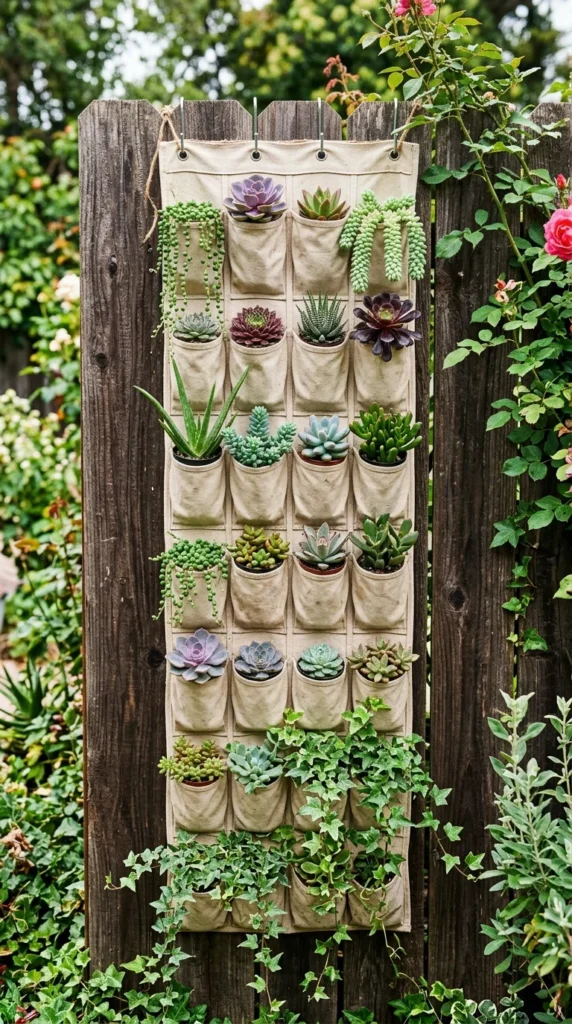
If you are looking for the easiest entry point into vertical gardening, look no further than a fabric shoe organizer. These are typically made of breathable canvas or breathable synthetic mesh, which allows for excellent drainage and aeration—key components for healthy root systems. Simply hang the organizer on a sunny wall or fence, fill the pockets with soil, and plant small varieties like strawberries, pansies, or leaf lettuce.
3. Mason Jar Wall
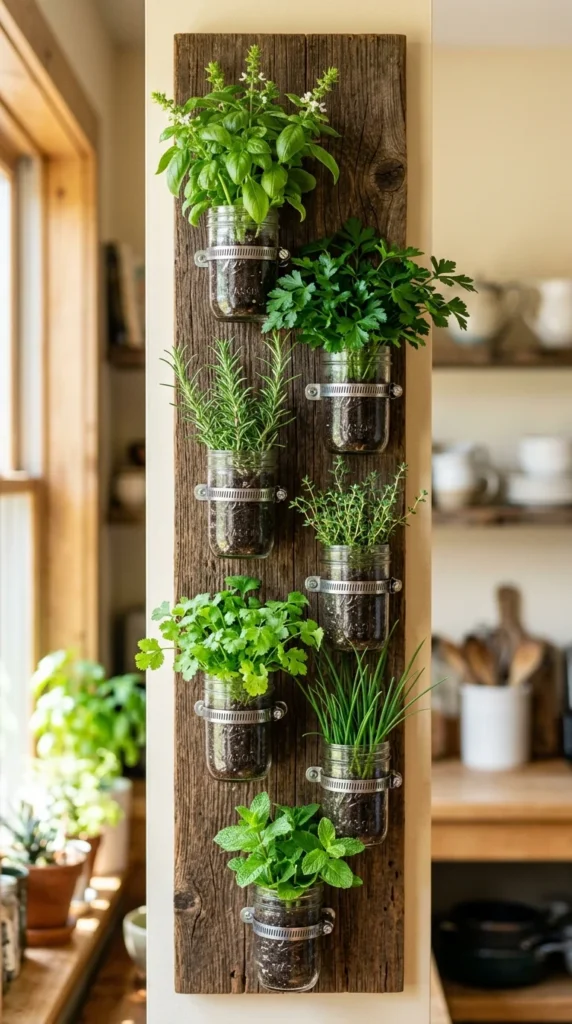
For an indoor kitchen garden, a Mason jar wall is both functional and aesthetically pleasing. By using stainless steel hose clamps to attach the jars to a wooden board, you create a permanent installation that keeps your herbs within arm’s reach while cooking. Since Mason jars do not have drainage holes, it is crucial to place a layer of pebbles at the bottom to prevent root rot.
4. Gutter Gardens
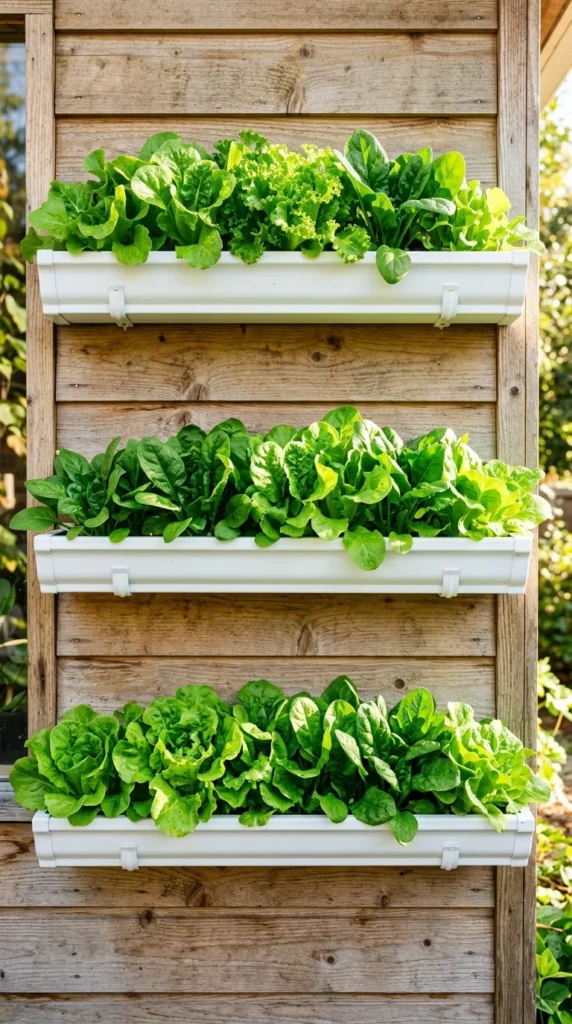
Vinyl or aluminum rain gutters are perfect for shallow-rooted plants like lettuce, spinach, and radishes. They are lightweight, easy to mount, and provide a sleek, modern look. By mounting several rows of gutters vertically spaced about 12 inches apart, you can create a high-yield “salad wall” that is easy to water and even easier to harvest.
5. Ladder Shelves
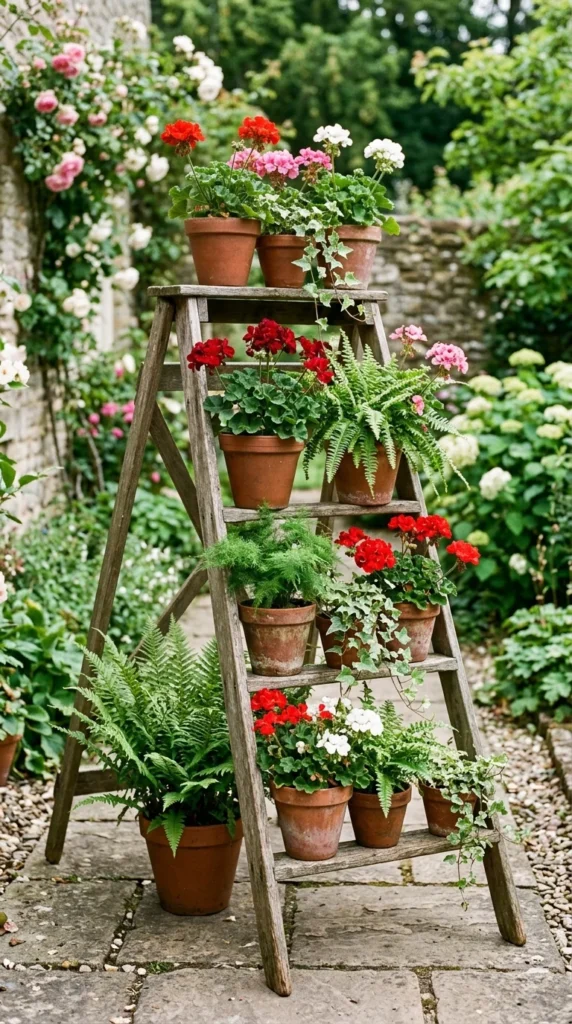
Repurposing an old wooden ladder is a fantastic way to add height and character to a corner. You don’t need to mount anything to the walls, making this a great option for renters. Simply place planks across the rungs to create wider shelves if needed, and arrange your pots from largest at the bottom to smallest at the top to ensure every plant gets its share of sunlight.
6. Trellis Netting
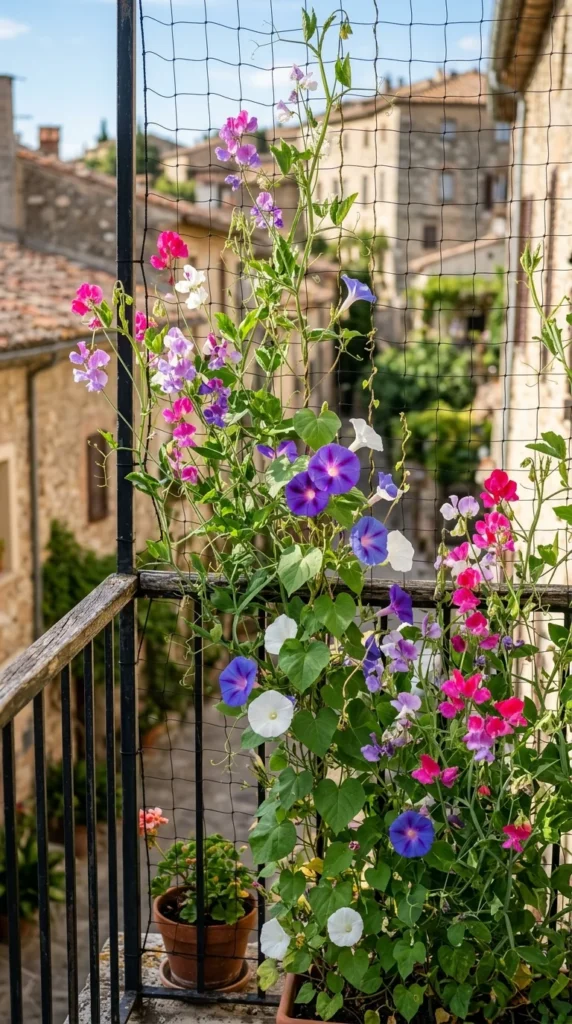
If you want to grow climbing vegetables like cucumbers, peas, or pole beans, trellis netting is your best friend. It provides the necessary support for tendrils to latch onto, allowing the plants to grow upward rather than sprawling across the ground. This method is incredibly lightweight and can be easily disassembled and stored during the winter months.
7. Hanging Pots
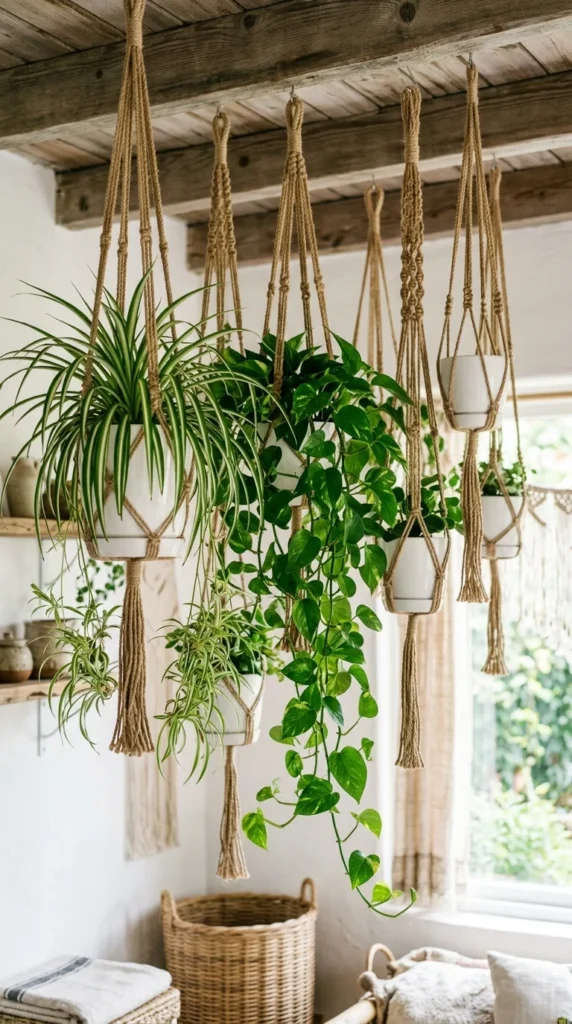
Hanging pots utilize the often-forgotten “ceiling space” of a balcony or porch. By using varied lengths of rope or chain, you can create a staggered visual effect that mimics a natural forest canopy. This is an excellent way to keep sensitive plants away from ground-dwelling pests while adding a bohemian touch to your decor.
8. Copper Pipe Stand
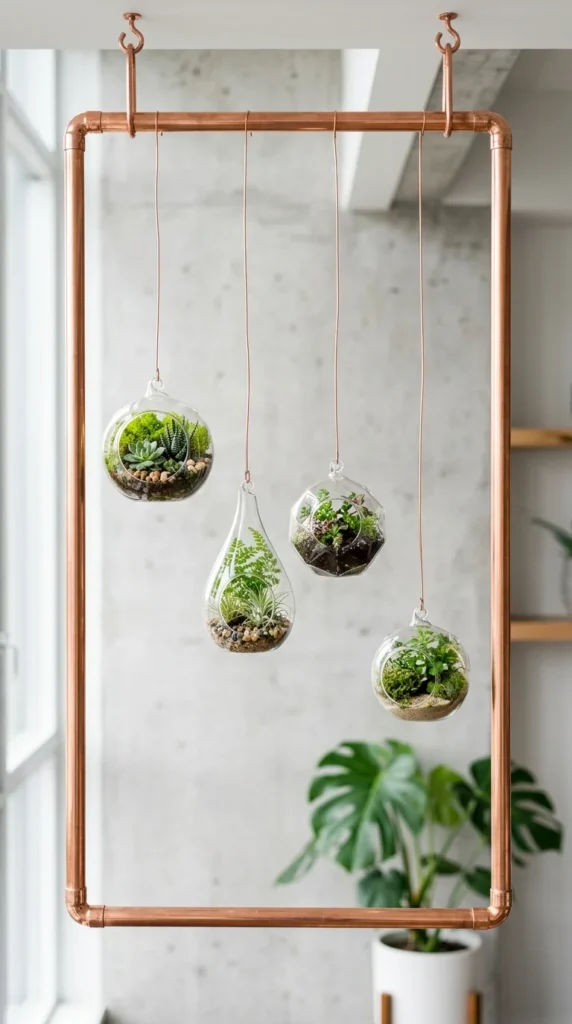
For a modern, industrial look, a DIY copper pipe frame is a stunning choice. Copper naturally weathers into a beautiful patina over time, or it can be polished to maintain its rose-gold shine. This structure acts as a freestanding “closet” for plants, where you can hang lightweight pots or air plants using S-hooks.
9. Wooden Crates
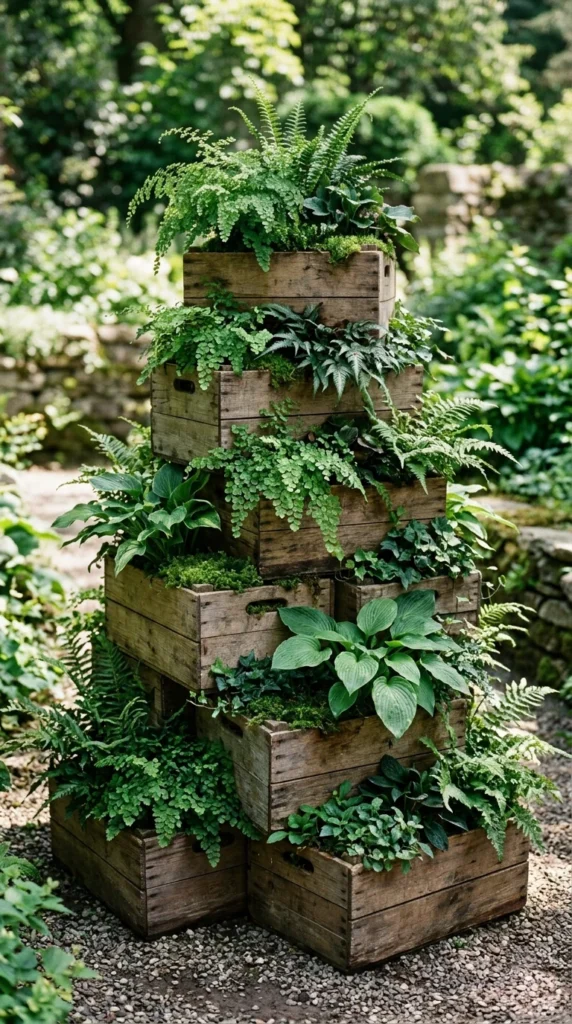
Wooden crates offer deep soil volume, which is necessary for larger plants like peppers or small tomato varieties. By stacking them in a staggered fashion, you create “steps” that allow for airflow and light penetration. Secure the crates to one another with screws to ensure the structure remains stable during high winds or heavy watering.
10. PVC Pipe Planter
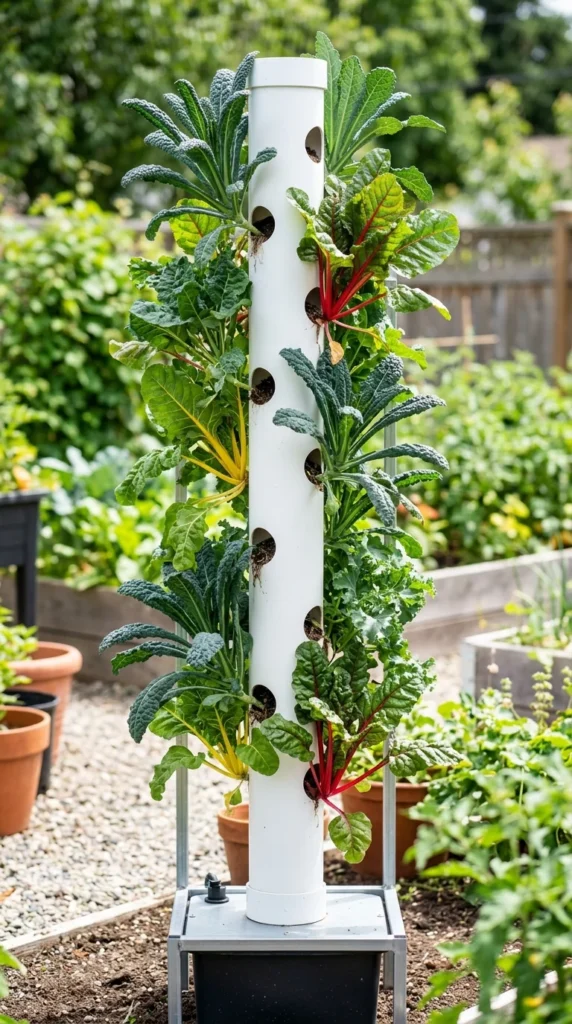
The PVC pipe “tower” is a favorite among hydroponic enthusiasts but works just as well with soil. By drilling large holes into a wide PVC pipe and filling it with a mix of soil and compost, you create a vertical column of growth. This method is particularly space-efficient, as you can grow a dozen plants in the footprint of a single dinner plate.
11. Picture Frame Succulents
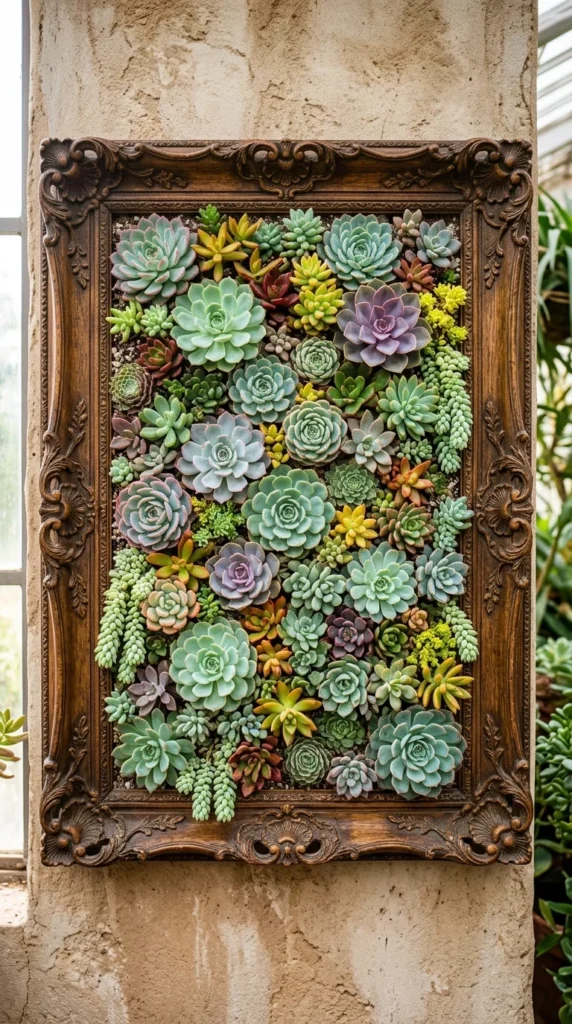
Often called “living art,” this project involves building a shallow shadow box behind a picture frame, covering it with wire mesh, and planting succulents through the mesh. Once the plants take root, the frame can be hung vertically. Succulents are ideal for this because of their low water requirements and slow growth rates.
12. Wire Mesh Grid
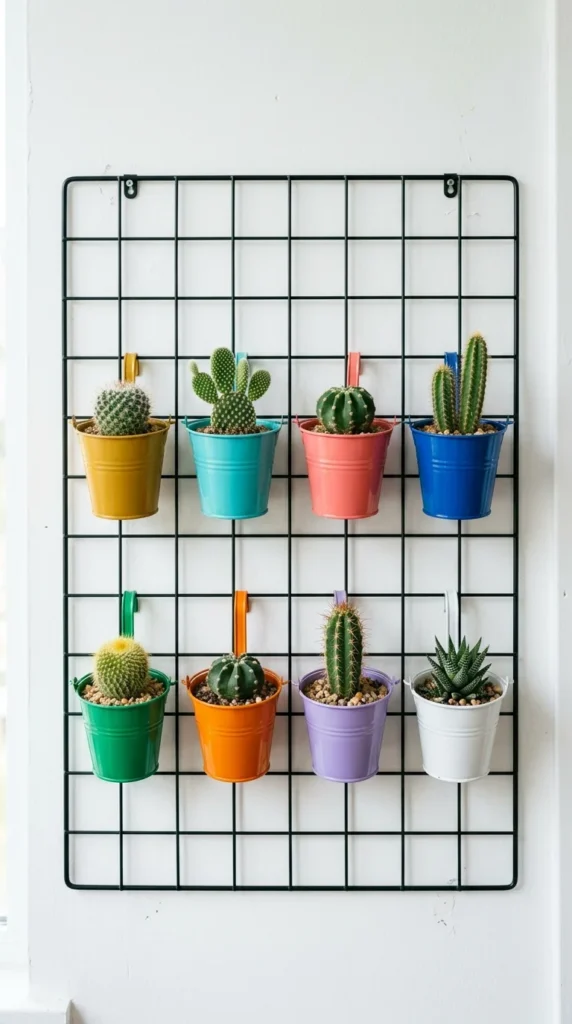
A simple wire mesh grid (or a remapped cattle panel) provides a versatile “blank canvas” for a vertical garden. You can use S-hooks or zip ties to attach almost any container to the grid. This setup is highly modular; as your plants grow or the seasons change, you can easily rearrange the pots to maximize sun exposure.
13. Tiered Cedar Boxes
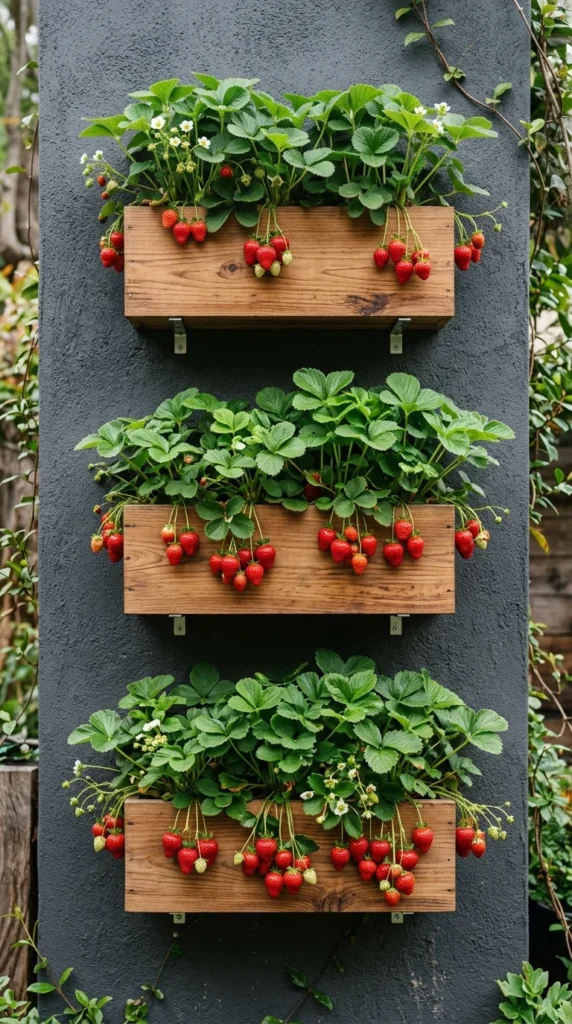
Cedar is naturally rot-resistant, making it the premier choice for outdoor vertical structures. Tiered cedar boxes create a clean, architectural look that complements modern homes. These are excellent for growing strawberries, as the fruit hangs over the edge of the box, keeping it clean and away from soil-borne insects.
14. Paint Can Planters
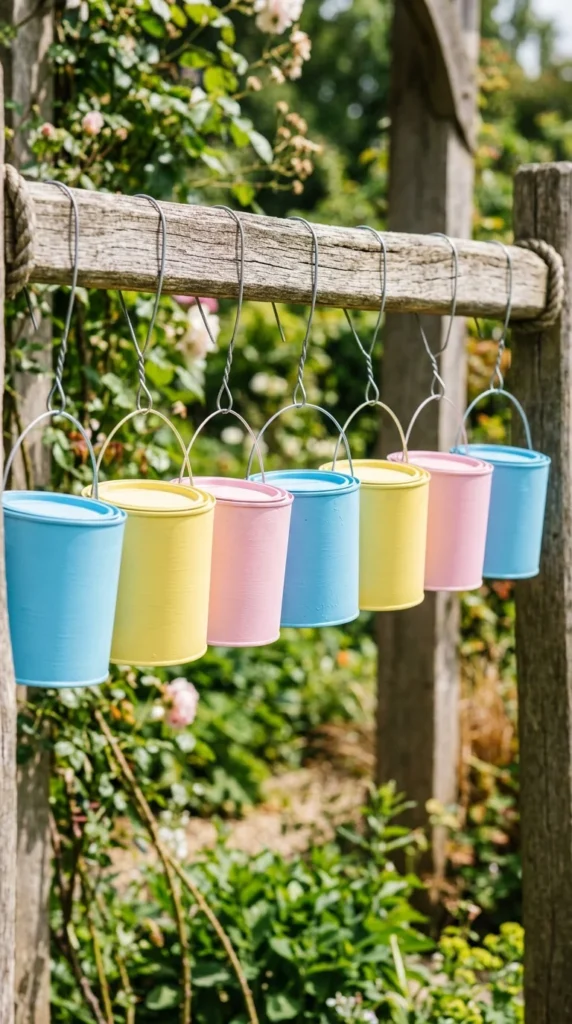
Before you throw away those empty paint cans, consider turning them into a vibrant vertical garden. After a thorough cleaning and a few drainage holes drilled into the bottom, these cans become durable, weather-resistant planters. Hanging them from a rail or fence creates a playful, pop-art aesthetic.
15. Repurposed Shutters
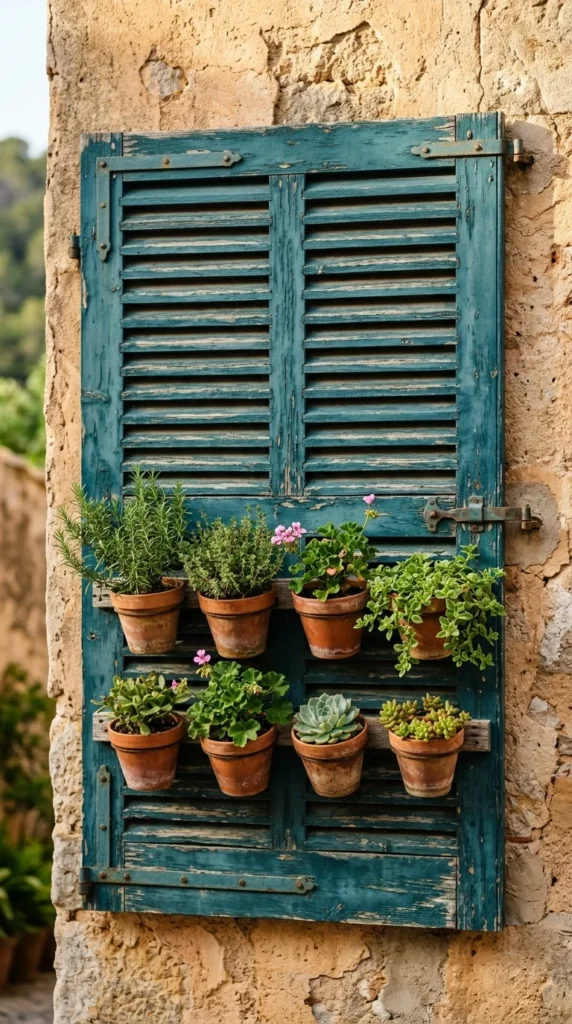
Vintage shutters are naturally designed with slats that are perfect for holding small pots or direct-planted moss and air plants. Leaning a set of shutters against a wall provides an instant vertical garden with a “shabby chic” or farmhouse feel. It is a great way to add verticality to a porch without needing to use power tools.
16. Shoe Rack Herb Garden
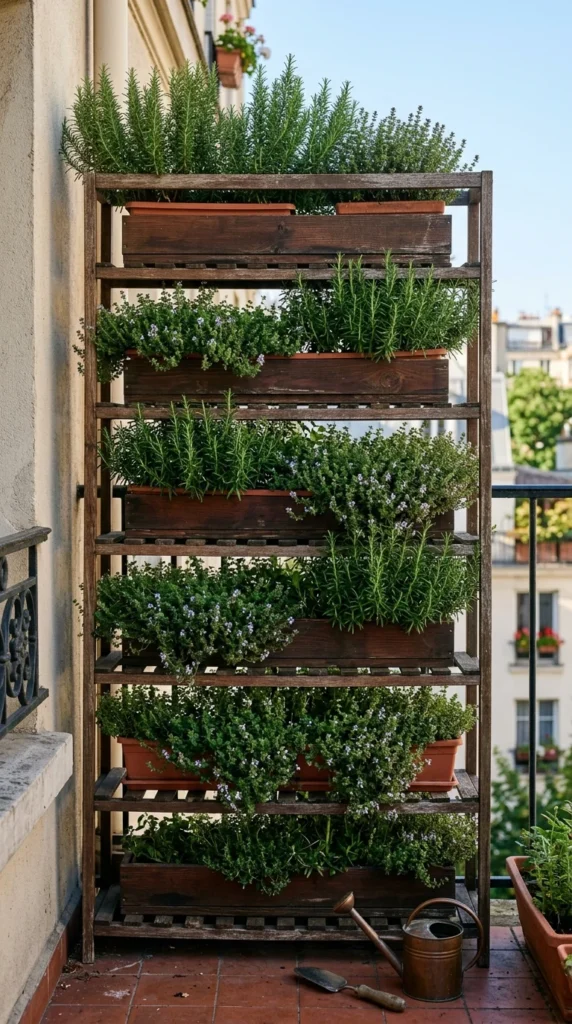
A standard wooden shoe rack is essentially a pre-built tiered shelving unit. Because the shelves are usually slatted, they offer excellent drainage. Placing rectangular window boxes on each shelf allows you to grow a large volume of herbs in a very narrow footprint, perfect for high-rise apartment balconies.
17. Tower Garden
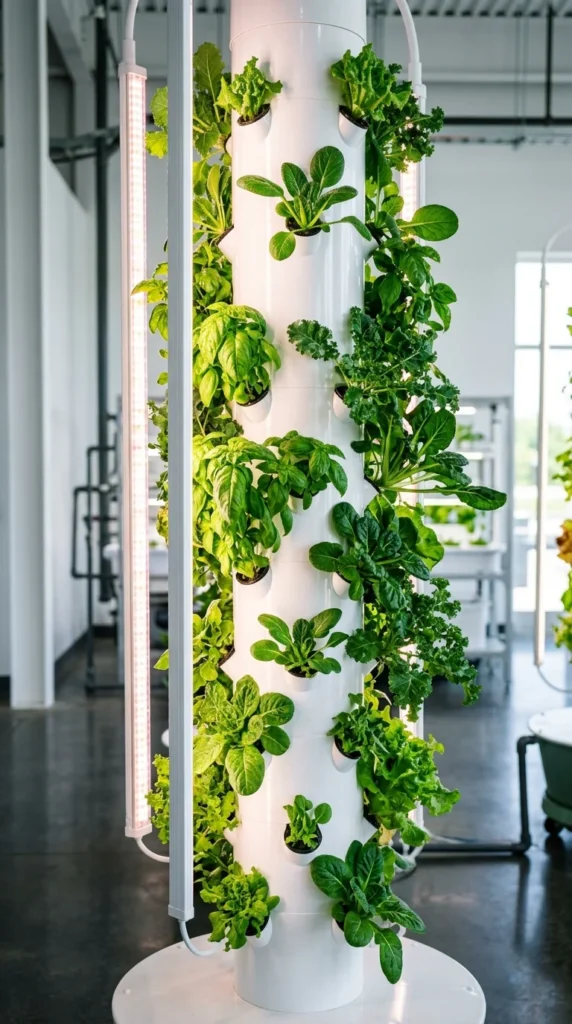
For those interested in high-tech solutions, a vertical tower garden (often using aeroponics) is a fantastic investment. These systems circulate water and nutrients from a reservoir at the base up to the top, where it drips down over the plant roots. While more expensive than a DIY pallet, they offer the highest growth rates and require the least amount of maintenance.
18. Bamboo Privacy Screen
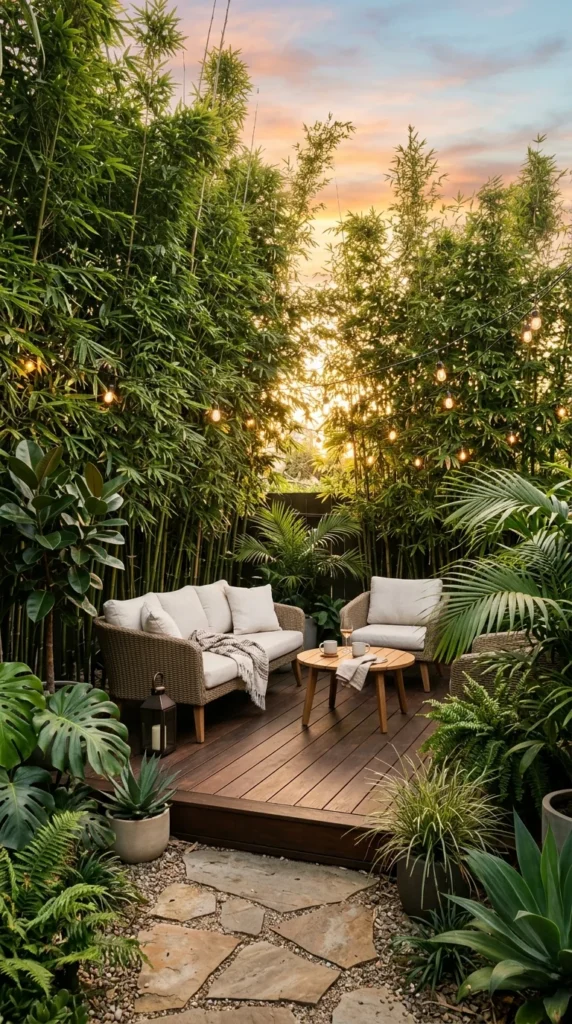
Combine privacy with gardening by building a bamboo screen. Bamboo is incredibly strong and sustainable. By lashing horizontal cross-sections to vertical poles, you create a sturdy frame. Attaching natural containers like coconut shells or hollowed-out bamboo segments creates an organic, tropical look that provides a shield from nosy neighbors.
19. Floating Shelves
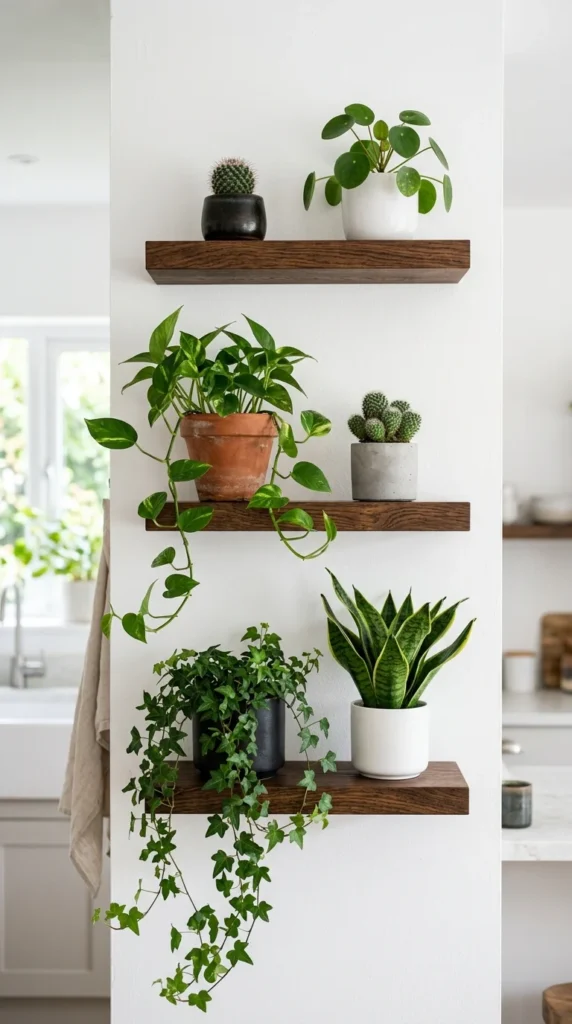
Floating shelves are a sophisticated way to bring a vertical garden indoors. By using staggered heights and varying the types of plants—mixing upright plants like Snake Plants with cascading plants like String of Pearls—you can create a dynamic, living wall that doubles as home decor.
20. Upside Down Planters
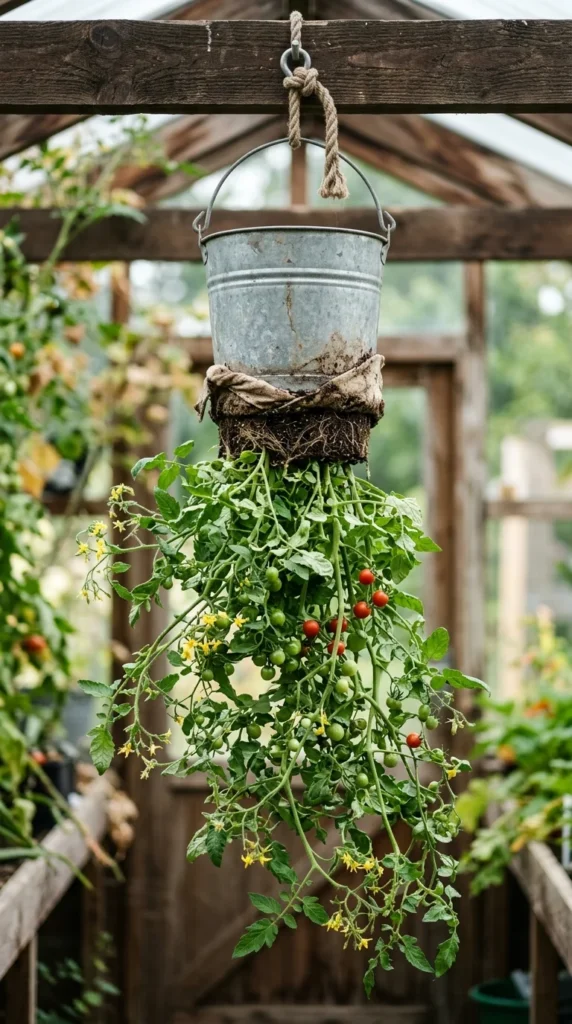
Upside-down gardening is a clever way to grow heavy-fruiting plants like tomatoes and peppers without needing cages or stakes. Using a specially designed planter or a modified five-gallon bucket, the plant grows downward. This method saves floor space and utilizes gravity to deliver water and nutrients directly to the fruit, often resulting in fewer pest problems.