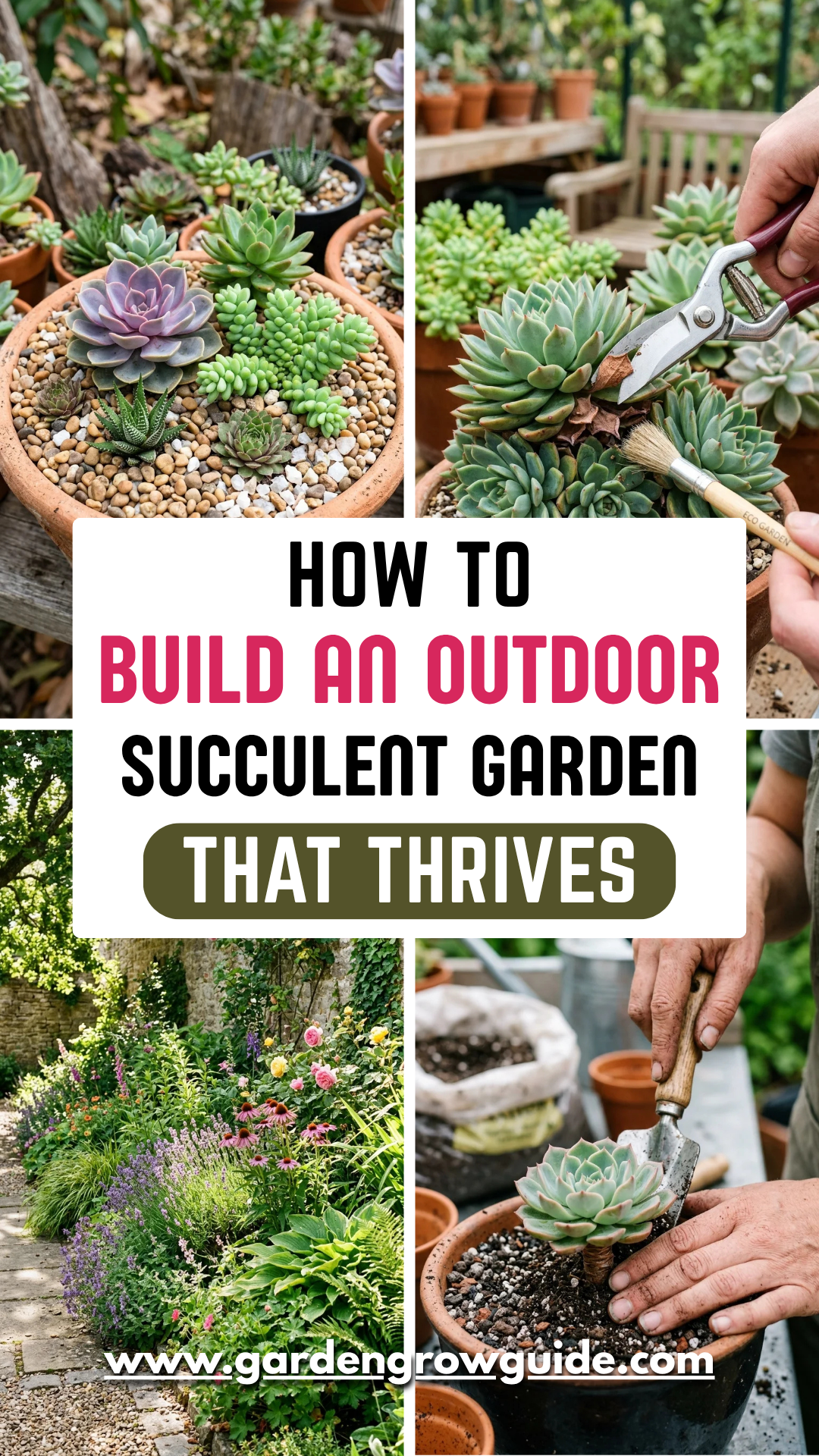
Succulents have transformed from niche botanical curiosities into the superstars of modern landscaping. Their architectural shapes, kaleidoscope of colors, and remarkable resilience make them ideal candidates for gardeners looking to create a water-wise sanctuary. However, “low maintenance” does not mean “no maintenance.” To transition these fleshy-leaved wonders from small nursery pots to a flourishing outdoor landscape, one must understand their specific biological needs. Building an outdoor succulent garden is an exercise in managing light, water, and soil structure to mimic their native arid environments.
1. Location
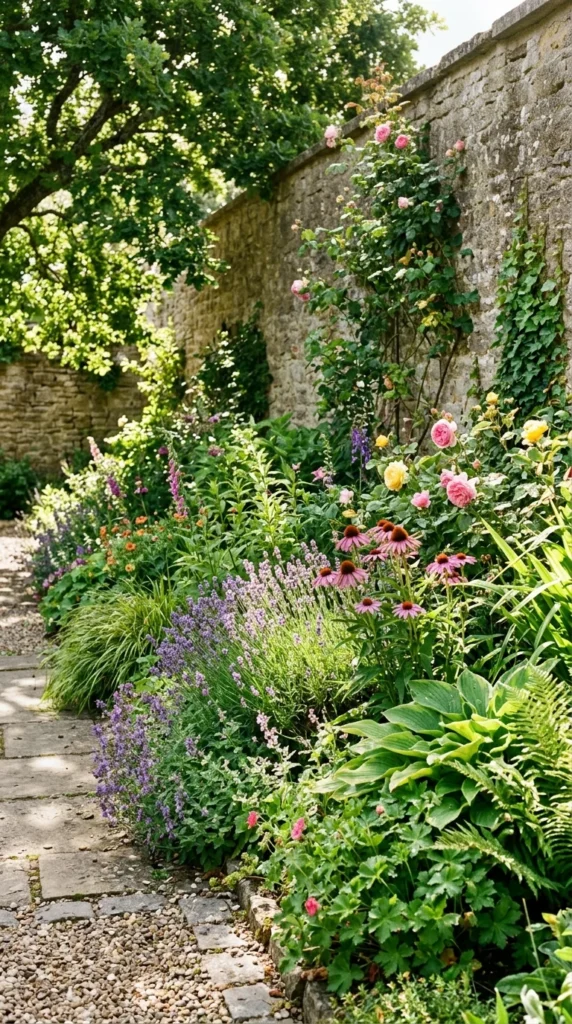
The success of your garden begins with where you place it. Most succulents require at least six hours of sunlight to maintain their compact shapes and vibrant pigmentations. Inadequate light leads to “etiolation,” where plants stretch toward the sun, becoming weak and pale. However, there is a fine line between “sunny” and “scorching.” In regions with extreme summer heat, afternoon shade is vital to prevent sunscald—permanent brown scarring on the leaves. When selecting a site, observe how the sun moves across your yard throughout the day and choose a spot that offers bright morning light with protection from the harshest 2:00 PM rays.
2. Soil
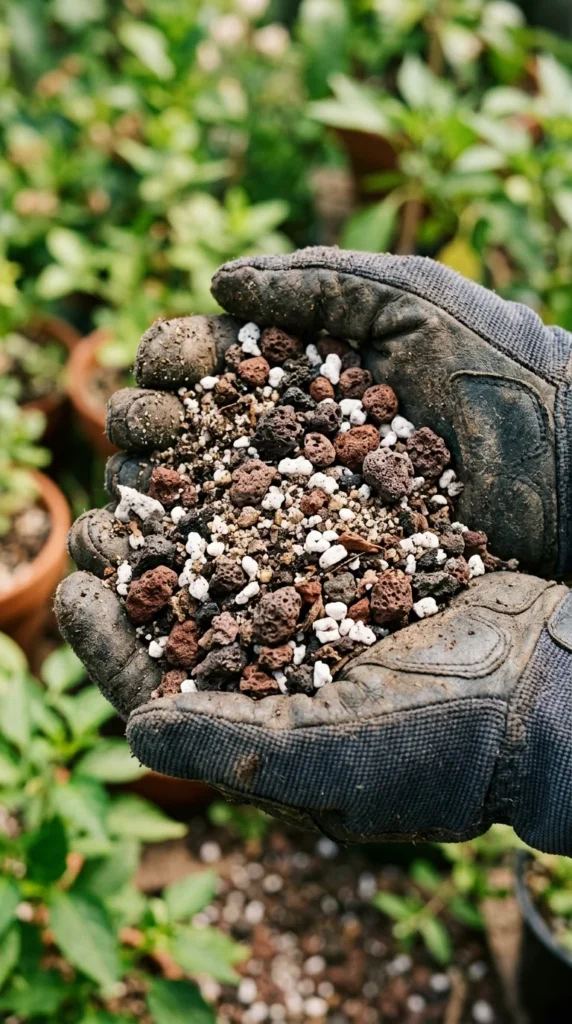
The single most common cause of succulent failure is “wet feet.” In the wild, most succulents grow in rocky, porous soils that drain almost instantly. Standard garden soil, which is often rich in clay or organic matter, holds onto moisture for too long, causing the roots to suffocate and rot. To build a thriving garden, you must create a specialized substrate. A mix of 50% inorganic material (such as pumice, perlite, or decomposed granite) and 50% organic matter (potting soil or coconut coir) provides the perfect balance. This “gritty mix” allows oxygen to reach the roots while ensuring that excess water passes through the root zone rapidly.
3. Drainage
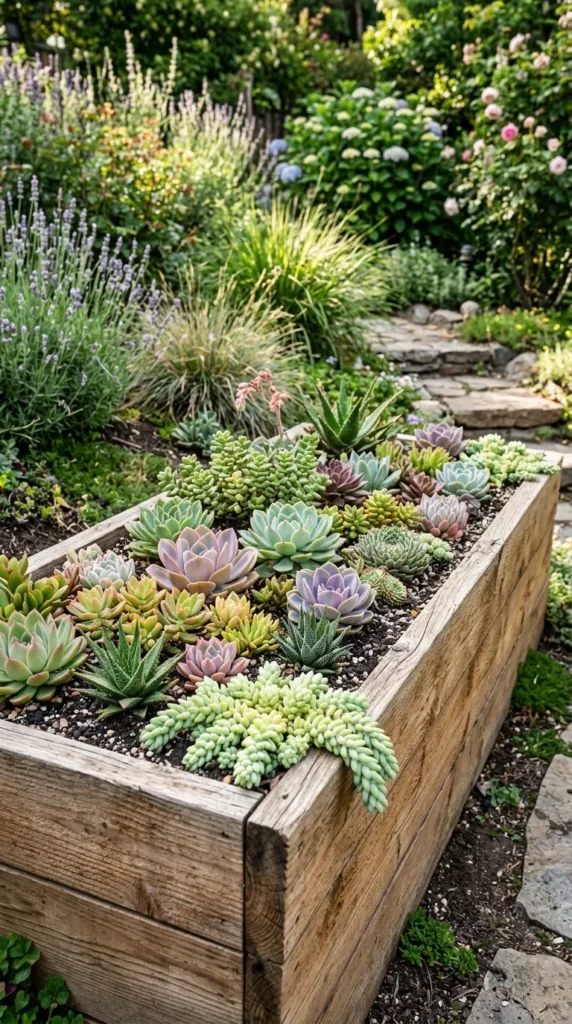
Even with the perfect soil mix, succulents will struggle if they are sitting in a topographical depression where water collects. Drainage is about more than just the soil; it is about the landscape’s geometry. If your yard has heavy clay soil, do not dig a hole and fill it with succulent mix; this creates a “bathtub effect” where water gathers in the hole and cannot escape. Instead, build up. Raised beds, mounds (berms), or large decorative containers are the gold standard for outdoor succulent gardening. Elevating the plants just a few inches above the surrounding grade ensures that gravity works in your favor during heavy rainstorms.
4. Hardiness
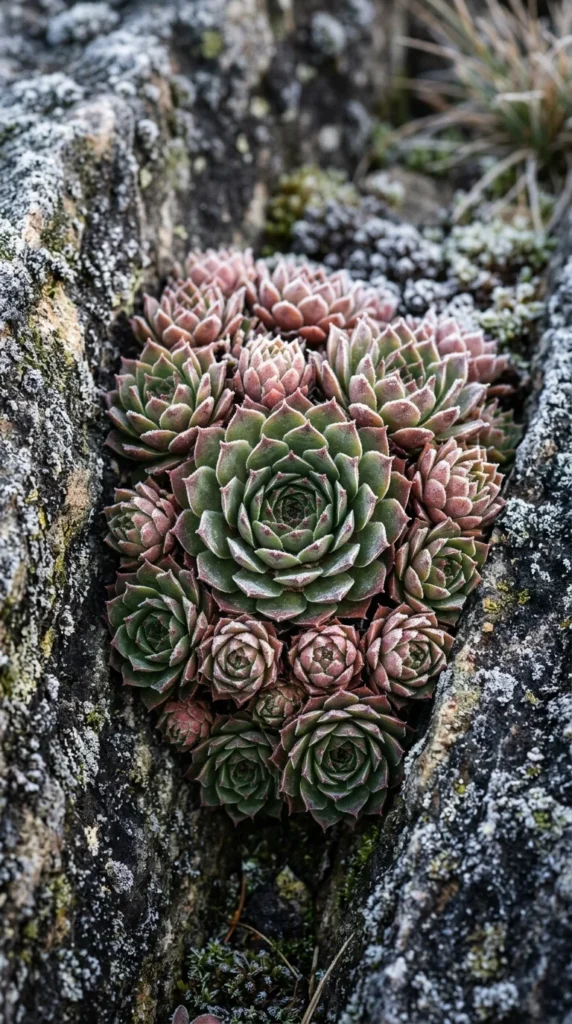
Before purchasing plants, you must understand your USDA Hardiness Zone. Succulents are generally categorized into two groups: “Hardy” and “Soft.” Hardy succulents, such as many Sempervivum and certain Sedum species, can survive sub-zero temperatures and even snow by going dormant. Soft succulents, like Echeveria, Crassula, and Kalanchoe, are native to subtropical regions and will turn to mush if the temperature drops below freezing. If you live in a cold climate, focus your permanent landscape on hardy varieties, or plan to keep soft succulents in pots that can be moved indoors when the first frost looms.
5. Selection
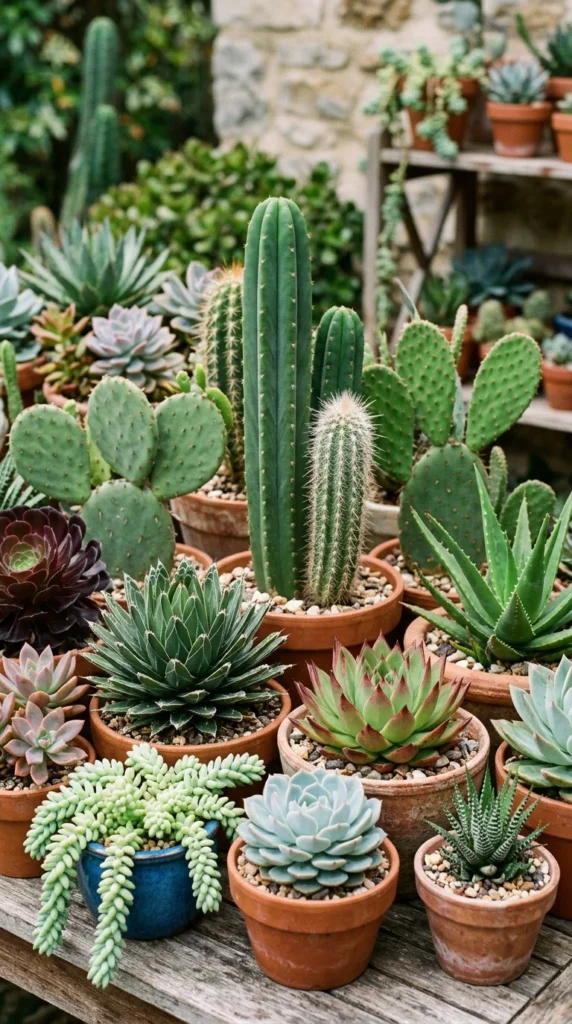
A visually stunning garden relies on the principle of variety. When selecting plants, think about their mature size and growth habits. Group plants with similar water and light needs together to make maintenance easier. Use “filler” plants like sprawling Sedums to cover the ground and suppress weeds. Use “thrillers” like tall Aloe or Yucca to create vertical interest and a focal point. Finally, use “spillers” like String of Pearls or Trailing Ice Plant to soften the edges of rocks or retaining walls. Mixing textures—matte, waxy, fuzzy, and spiny—adds a professional touch to the design.
6. Planting
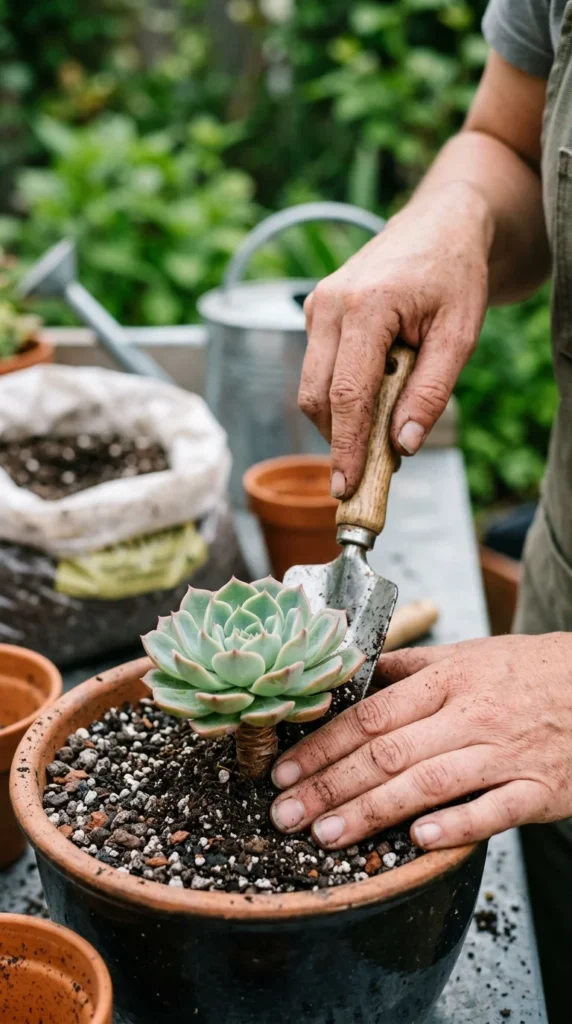
When you are ready to plant, handle succulents with care, as many have leaves that snap off easily or “farina” (a powdery wax coating) that can be smudged by fingerprints. Dig a hole only as deep as the root ball. One of the most common mistakes is burying the stem too deep, which invites rot. Ensure the base of the plant sits slightly above the soil line. After placing the plant, gently firm the soil around the roots to eliminate large air pockets, but do not pack it down tightly. Unlike traditional perennials, do not water your succulents immediately after planting. Wait 3 to 7 days to allow any roots that were damaged during the move to callous over, preventing infection.
7. Watering
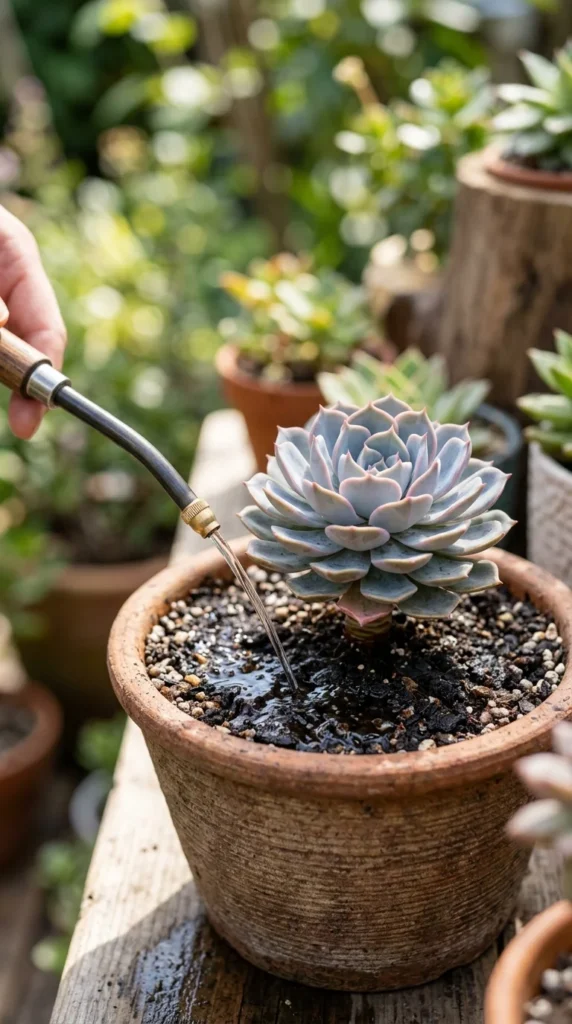
Watering an outdoor succulent garden requires a “soak and dry” approach. Rather than light, frequent sprinkles, give the garden a deep, thorough watering that saturates the entire root zone. Then, allow the soil to dry out completely before watering again. During the active growing seasons of spring and fall, you may water once a week. In the heat of summer, plants may go into a semi-dormant state and require less. In winter, most succulents need very little to no supplemental water. Always water the soil directly at the base of the plant; water trapped in the “cup” of a rosette can lead to fungal issues or rot.
8. Mulching
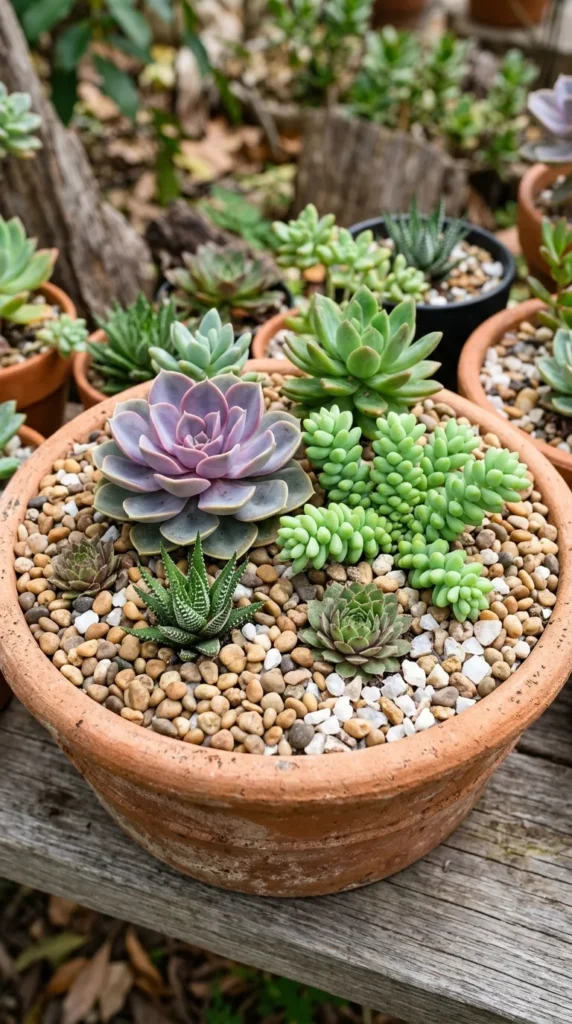
In a succulent garden, traditional wood mulch should be avoided because it retains too much moisture and can harbor pests. Instead, use “top dressing” or inorganic mulch. Materials like pea gravel, crushed lava rock, decomposed granite, or river stones are ideal. Top dressing serves three purposes: it keeps the leaves of the plants off the damp soil, it prevents soil from splashing onto the foliage during rain, and it gives the garden a polished, professional look. Furthermore, dark-colored rocks can help absorb heat during the day and radiate it back to the plants during cool nights.
9. Maintenance
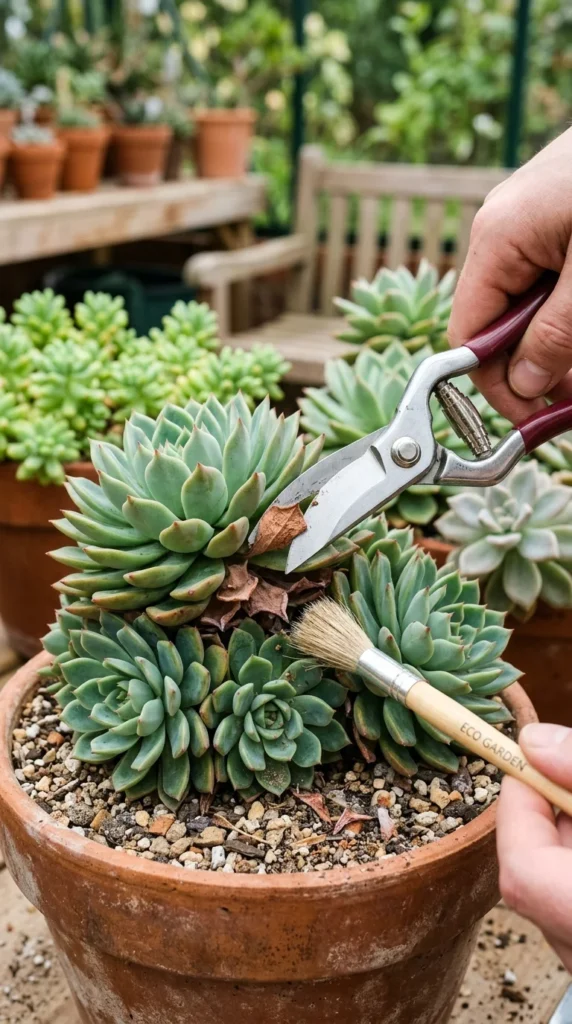
While succulents are resilient, they do require periodic grooming to stay healthy. Remove dead leaves from the base of the plants, as these can become hiding spots for pests like mealybugs or aphids. Check regularly for signs of infestation—look for white cottony spots or sticky residue. If you notice a plant is getting too large or “leggy,” don’t be afraid to prune it. Succulents are incredibly easy to propagate; many pruned stems can be dried for a few days and then replanted to grow an entirely new plant. A light application of a balanced, water-soluble fertilizer diluted to half-strength once in the spring is usually all they need for nutritional support.
10. Styling
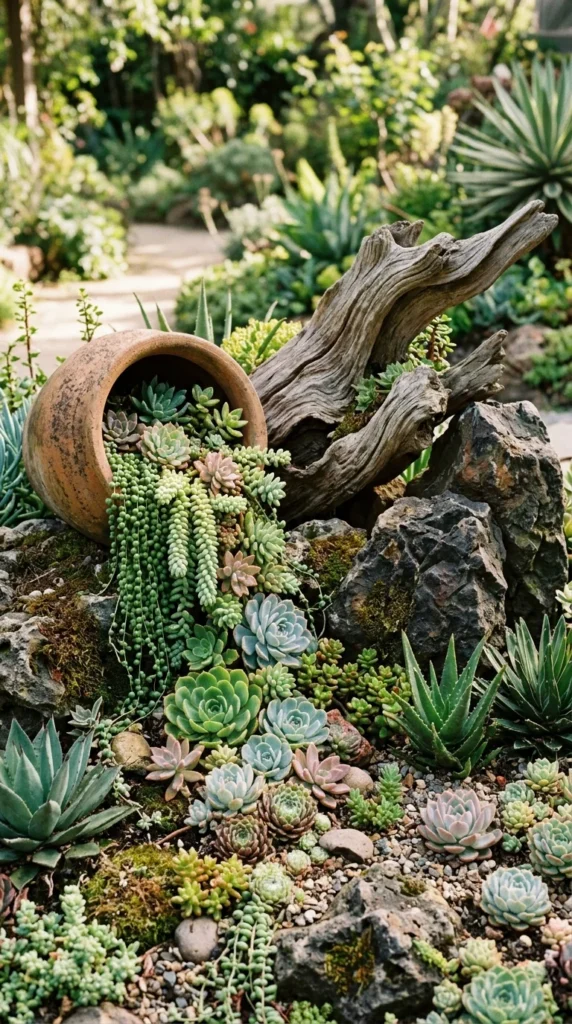
The final step in building a thriving garden is the artistry of the layout. Use hardscaping elements to create a naturalistic feel. Large boulders can provide microclimates, offering shade or wind protection to smaller, more delicate plants. Driftwood adds an organic, weathered texture that complements the architectural lines of cacti and agaves. Consider the “color story” of your garden; pairing blue-toned succulents like Senecio serpens with orange-toned ones like Sedum ‘Adolphi’ creates a high-contrast, vibrant look. By treating your garden as a living sculpture, you ensure it remains a captivating focal point of your outdoor space for years to come.