Succulents have exploded in popularity over the last decade, becoming the go-to greenery for urban dwellers, office workers, and home decorators alike. Known for their fleshy leaves, geometric shapes, and perceived “unkillable” nature, these plants are native to arid environments where they have evolved to store water in their leaves, stems, or roots. However, while they are indeed hardy, indoor succulent care requires a specific understanding of their unique biological needs. This guide provides a comprehensive roadmap for the aspiring succulent parent to ensure their desert gems thrive in an indoor environment.
1. Sunlight
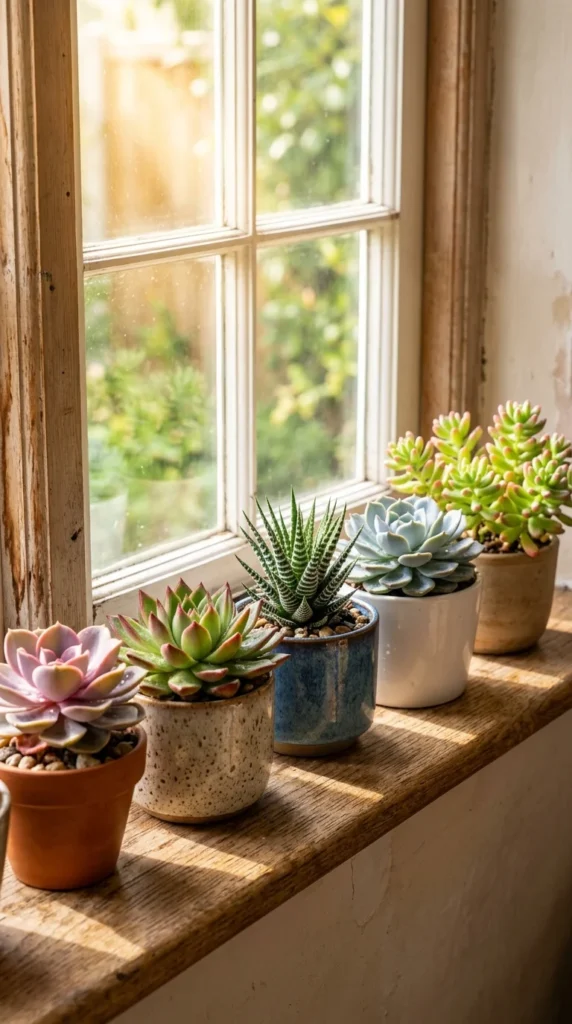
Light is the most critical factor in succulent health. Most succulents evolved in regions with intense, direct sunlight. When brought indoors, they often struggle with the lower light levels found in standard rooms.
- Window Placement: For the best results, place your succulents on a south-facing windowsill. This provides the most consistent and strongest light throughout the day. West-facing windows are the next best option, though the afternoon sun can sometimes be intense enough to scorch certain varieties.
- Hours of Light: Succulents generally need about six hours of bright, indirect sunlight per day.
- Signs of Low Light: If your succulent is “stretching” (a process called etiolation), it means it isn’t getting enough light. The stem will grow tall and thin, with large gaps between the leaves, as the plant literally reaches for the nearest light source.
- Rotating: To prevent your plant from leaning in one direction, rotate the pot about a quarter turn every week. This ensures all sides receive equal exposure.
2. Watering
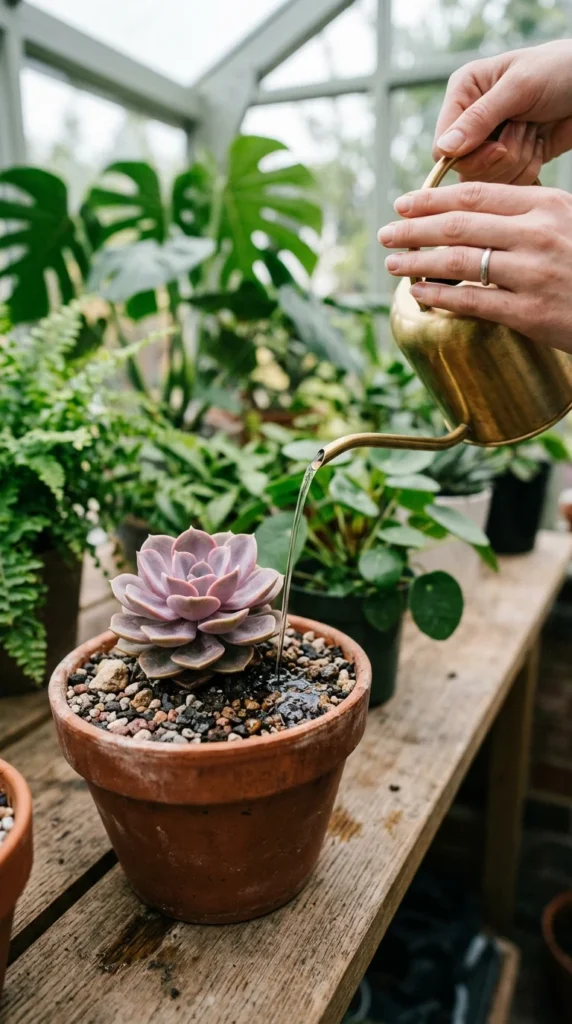
The most common cause of succulent death is overwatering. Because these plants are designed to survive droughts, their roots are extremely sensitive to standing water, which can quickly lead to root rot.
- The “Soak and Dry” Method: Instead of giving your plants a light misting or a few drops of water frequently, you should soak the soil completely until water drains out of the bottom of the pot. Then, wait for the soil to dry out completely before watering again.
- Testing the Soil: Stick your finger or a wooden chopstick two inches into the soil. If it feels even slightly damp, do not water. In many indoor environments, this might mean watering only once every two to three weeks.
- Seasonal Adjustments: During the winter, succulents enter a dormant phase and require significantly less water. You might only need to water them once a month or even less during the coldest months.
- Avoid the Leaves: When watering, aim for the soil. Water trapped in the “rosette” or between the leaves can cause fungal growth or rot.
3. Soil
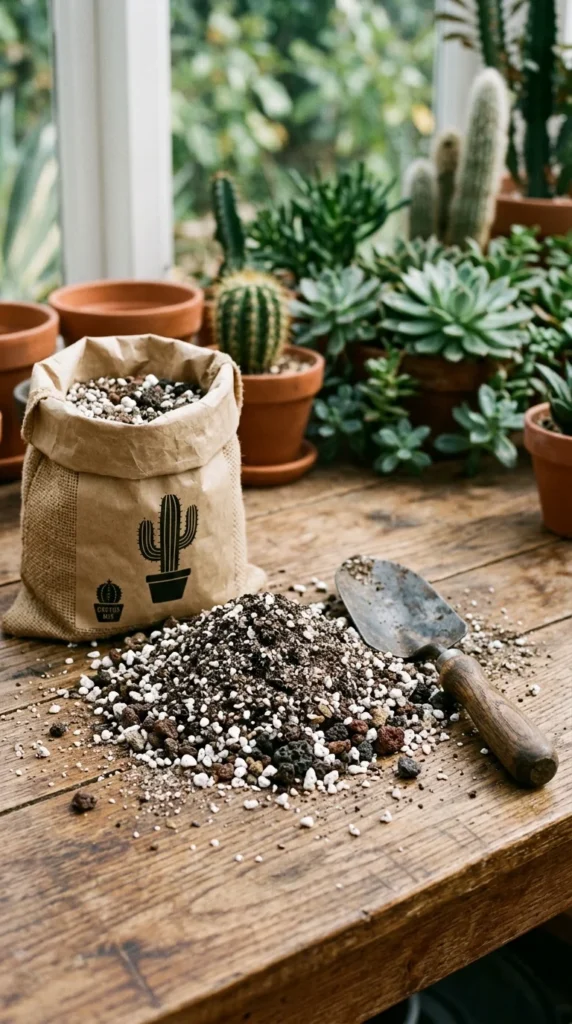
Standard potting soil is designed to retain moisture, which is the exact opposite of what a succulent needs. To keep your plants healthy, you must use a fast-draining medium.
- Cactus/Succulent Mix: Commercial cactus mixes are available at most garden centers. These are typically composed of peat moss, sand, and perlite to encourage drainage.
- DIY Soil: You can create your own mix by combining one part standard potting soil with one part coarse sand and one part perlite or pumice. This “gritty” mix allows oxygen to reach the roots and prevents water from pooling.
- Aeration: Over time, soil can become compacted. Gently poking the soil with a chopstick every few months can help keep it loose and aerated.
4. Pots
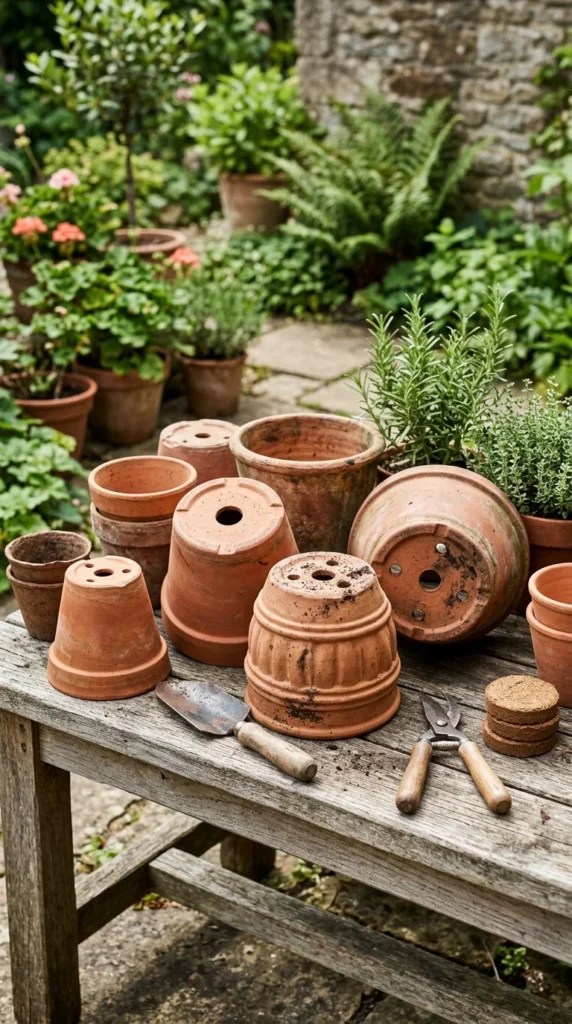
The container you choose is just as important as the soil inside it. While glass terrariums and cute decorative bowls look beautiful, they are often difficult environments for succulents.
- Drainage Holes: This is non-negotiable for beginners. Your pot must have a hole at the bottom to allow excess water to escape. Without it, water collects at the bottom, creating a “death zone” for the roots.
- Terracotta: This is the ideal material for succulents. Terracotta is porous, meaning it breathes and allows moisture to evaporate through the walls of the pot, helping the soil dry out faster.
- Size Matters: Avoid putting a tiny succulent in a massive pot. Too much soil holds onto too much water, which the small root system cannot absorb, leading to rot. Choose a pot that is only about an inch wider than the plant itself.
5. Temperature
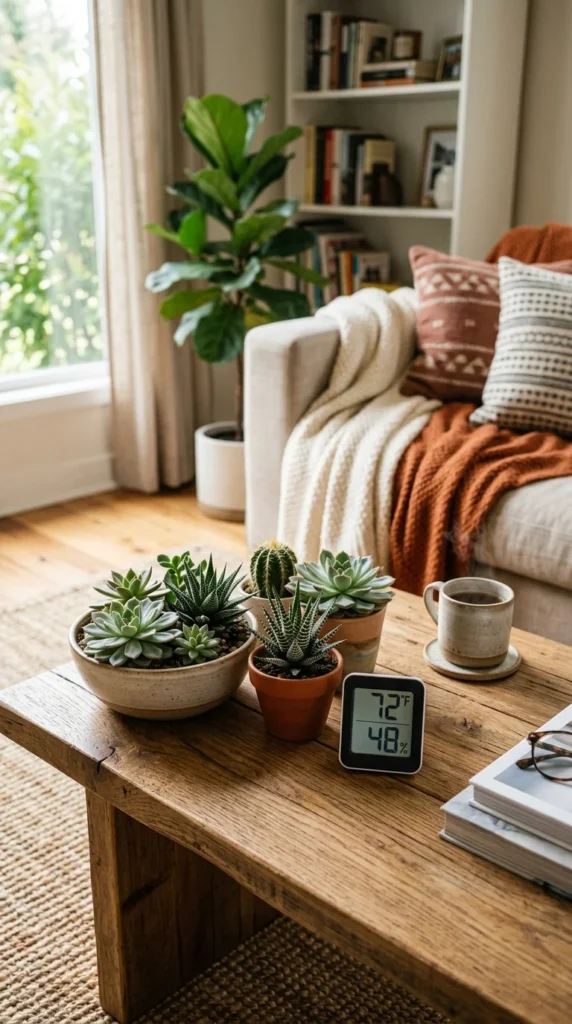
Succulents are generally quite adaptable to indoor temperatures, but they do have their preferences.
- Ideal Range: Most succulents are happy in temperatures between 60°F and 80°F (15°C to 27°C).
- Temperature Fluctuations: During the winter, keep your plants away from drafty windows or doors. While they can handle cool nights (down to about 50°F), sudden frost can burst the cells in their water-filled leaves, killing the plant instantly.
- Air Circulation: Good airflow is vital. Stagnant, humid air can encourage pests and mold. If your home is particularly humid, consider using a small fan to keep the air moving around your plant shelf.
6. Fertilizer
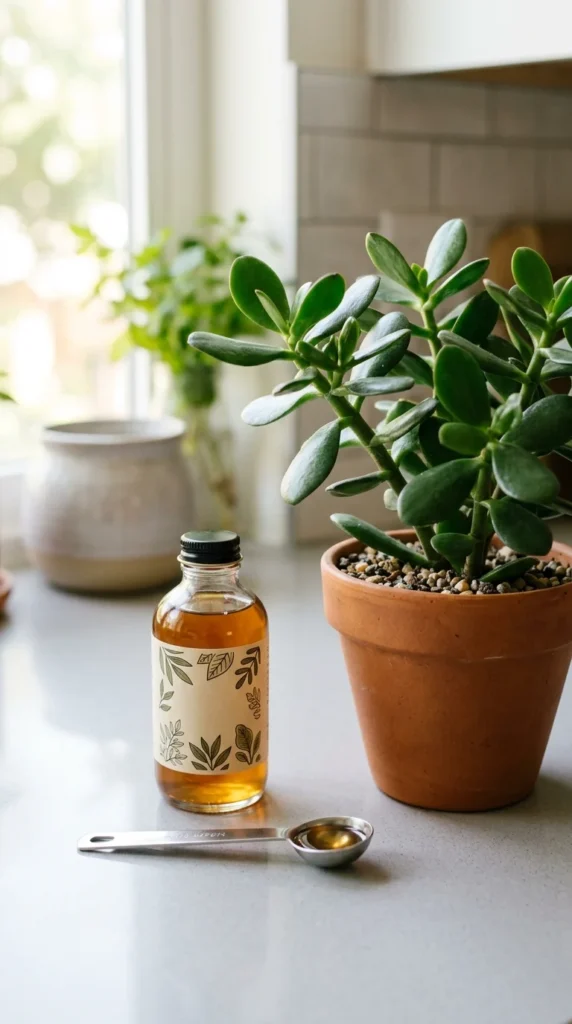
While succulents aren’t “heavy feeders,” they do benefit from occasional nutrients, especially during their active growing season in the spring and summer.
- Timing: Fertilize only during the growing season. Stop all feeding in the fall and winter when the plant is resting.
- Type: Use a balanced, water-soluble fertilizer (like a 10-10-10) or a specialized cactus fertilizer.
- Dilution: Succulents are sensitive to chemical burns. It is often recommended to dilute your fertilizer to half-strength or even quarter-strength of what the bottle suggests. Over-fertilizing can lead to weak, leggy growth.
7. Pests
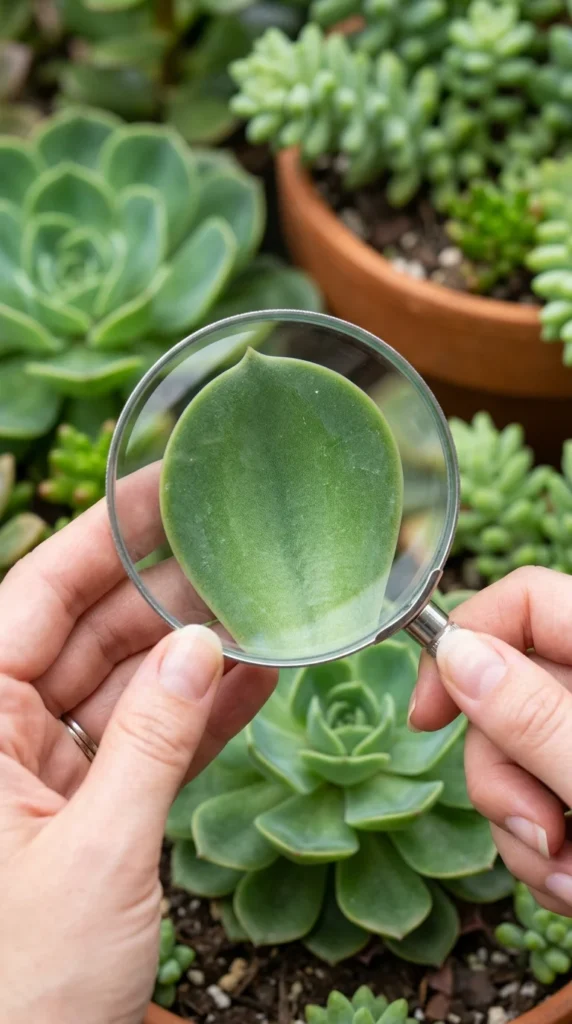
Even indoors, succulents can fall prey to certain pests. Early detection is the key to saving your collection.
- Mealybugs: These are the most common succulent pests. They look like tiny bits of white cotton hiding in the crevices of the leaves. They suck the sap out of the plant, weakening it.
- Fungus Gnats: If you see tiny black flies hovering around your soil, you are likely overwatering. These gnats lay eggs in moist soil.
- Treatment: For mealybugs, dip a cotton swab in 70% isopropyl (rubbing) alcohol and dab it directly onto the bugs. This kills them instantly without harming the plant. For gnats, let the soil dry out completely and consider using yellow sticky traps.
8. Pruning
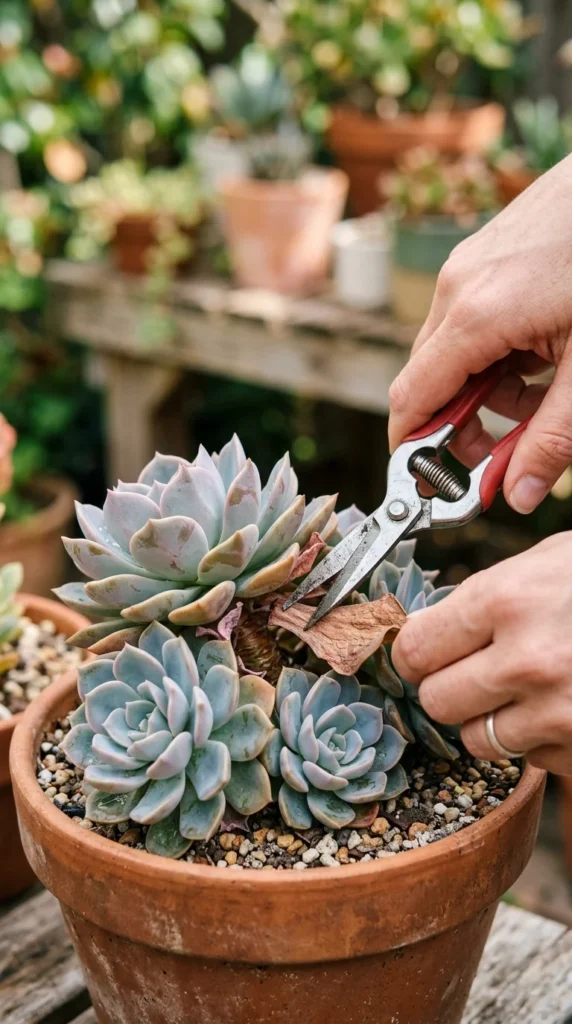
Regular maintenance keeps your succulents looking their best and prevents disease.
- Removing Dead Leaves: It is normal for succulents to shed their bottom-most leaves as they grow new ones at the top. These leaves will turn crispy and brown. Gently pull them away or snip them off to prevent them from rotting against the soil and attracting pests.
- Beheading: If a succulent has become too “leggy” or stretched out due to low light, you can “behead” it. Cut the top off (leaving an inch of stem), let the cut end callus over for a few days, and then replant it in fresh soil. The old stem will often grow new babies (pups) along the side.
9. Propagation
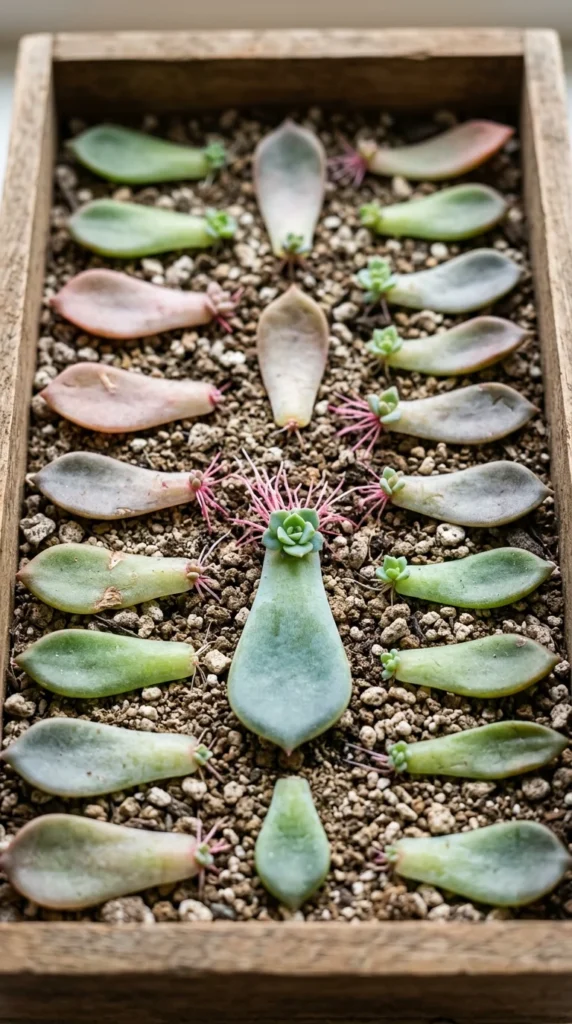
One of the most rewarding aspects of succulent care is how easily they reproduce. You can grow entirely new plants from a single leaf or a stem cutting.
- Leaf Propagation: Gently wiggle a leaf from the stem until it snaps off cleanly. Place the leaf on a tray of dry soil in indirect light. In a few weeks, tiny pink roots and a miniature plantlet will emerge from the base. Once the mother leaf shrivels up, you can plant the new baby.
- Offsets/Pups: Many succulents, like Aloe or Echeveria, produce “pups” at the base of the mother plant. Once these are about a third of the size of the parent, you can snip them off and give them their own pot.
10. Varieties
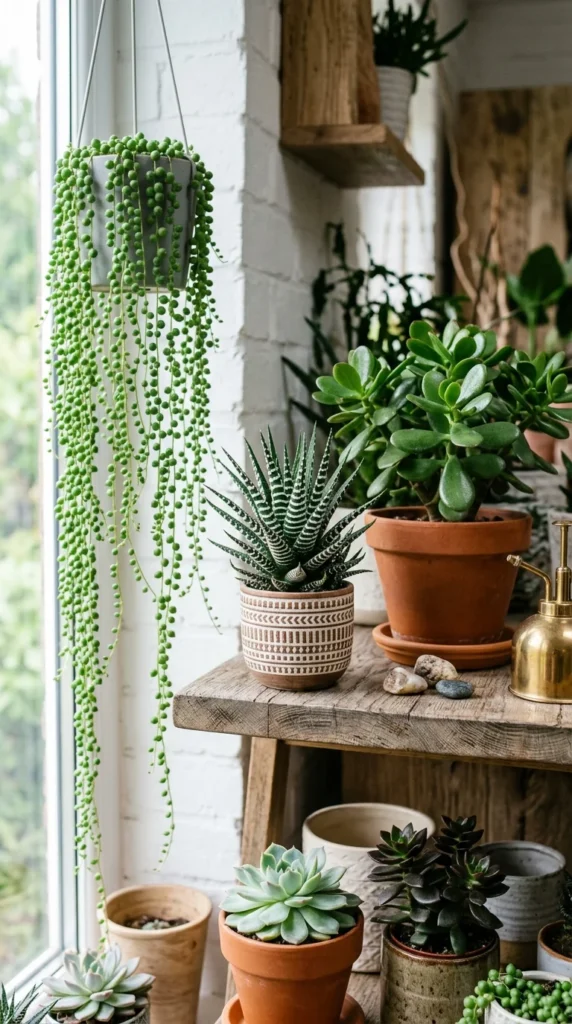
Not all succulents are created equal when it comes to indoor living. Some require much more light than a typical home can provide.
- Snake Plants (Sansevieria): These are nearly indestructible and can handle lower light levels than almost any other succulent.
- Jade Plants (Crassula ovata): These grow into miniature trees and are very long-lived. They prefer bright light but are very forgiving.
- Haworthia (Zebra Plant): These are small, slow-growing, and actually prefer indirect light over direct sun, making them perfect for office desks.
- Aloe Vera: Useful and attractive, Aloe thrives on bright windowsills and provides soothing gel for burns.
- Panda Plant (Kalanchoe tomentosa): Known for its fuzzy, silver-green leaves with chocolate-colored edges, it adds a unique texture to any collection.