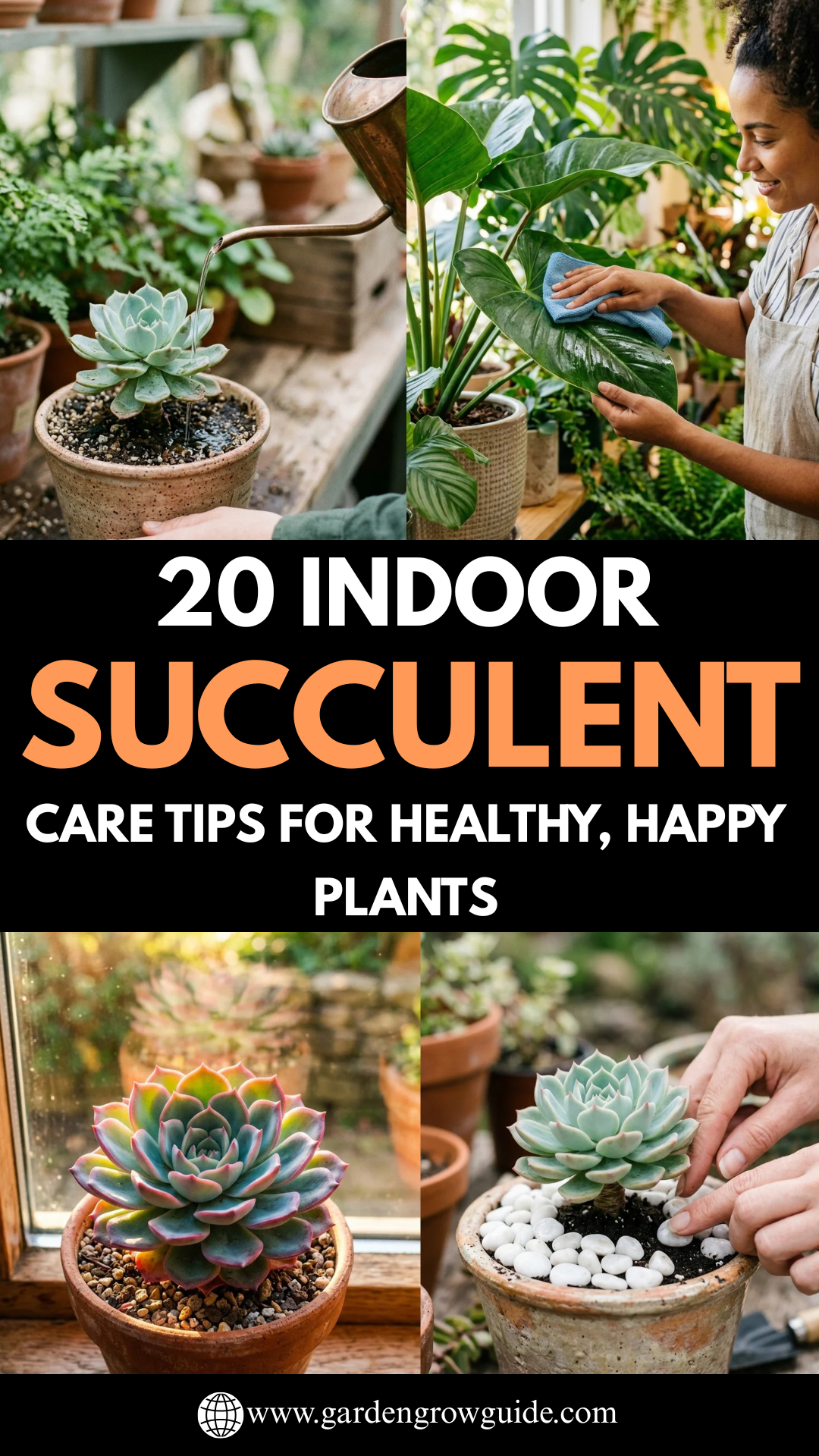
Succulents have become the crown jewels of modern interior design. Their geometric shapes, vibrant hues, and reputation for being “unkillable” make them a favorite for beginners and seasoned botanists alike. However, the transition from a sun-drenched desert or a controlled greenhouse to an indoor living room can be jarring for these fleshy-leaved plants. Achieving a thriving indoor succulent garden requires more than just neglect; it requires an understanding of their specific biological needs. This guide provides 20 essential tips to ensure your indoor succulents remain plump, colorful, and healthy.
1. Sunlight
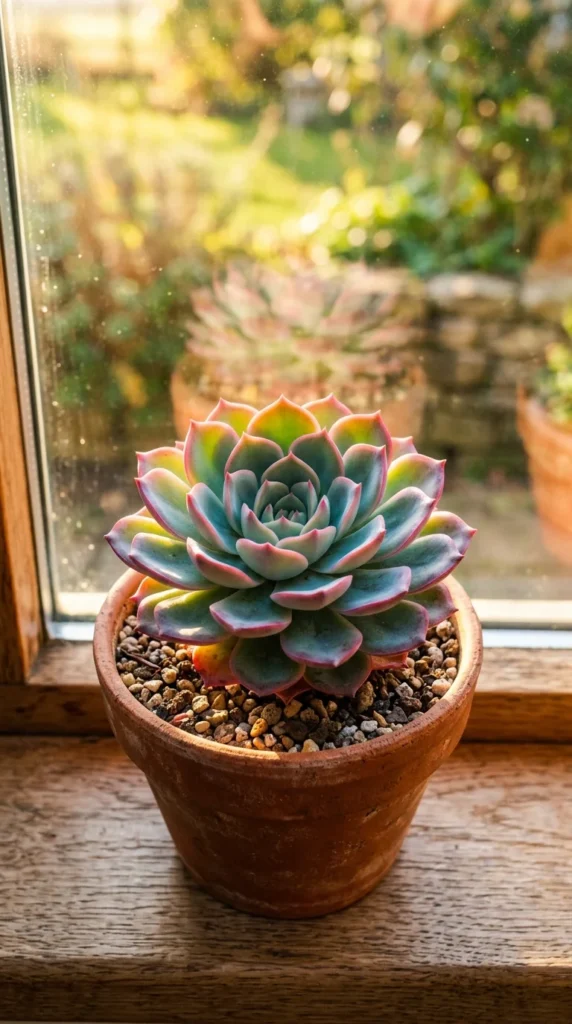
Succulents are light-hungry organisms. In their natural habitats, they are often exposed to six or more hours of direct sun daily. Indoors, placing them in a south-facing window is usually the best strategy to maximize light exposure. Without enough light, succulents will undergo “etiolation,” a process where the plant stretches toward the light source, resulting in weak stems and a loss of their compact, aesthetic shape.
2. Drainage
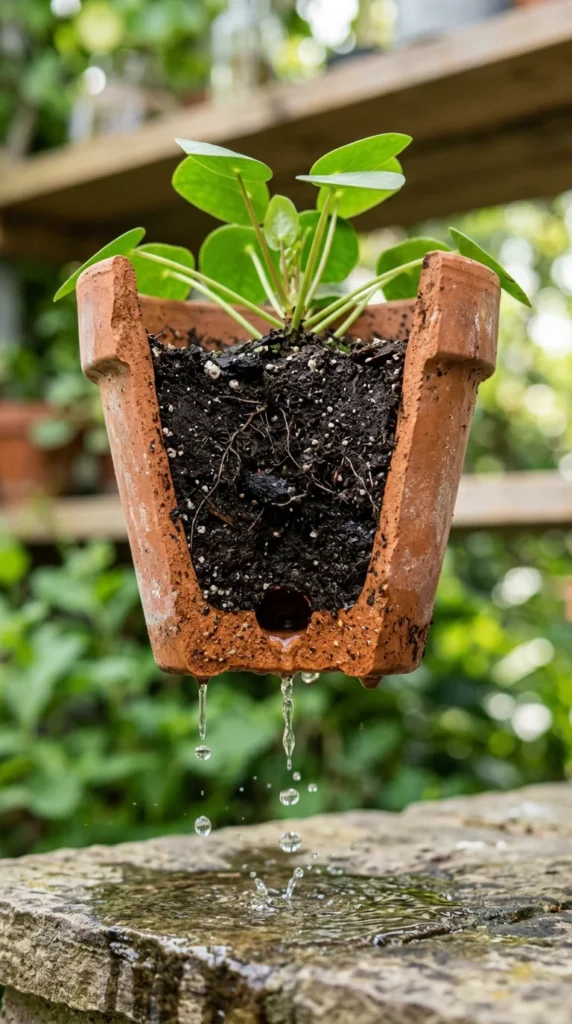
The quickest way to kill a succulent is by allowing its roots to sit in stagnant water. Succulents store water in their leaves and stems, making them highly susceptible to root rot. Every pot you use must have at least one functional drainage hole. While decorative pots without holes are tempting, they act as death traps by trapping moisture at the bottom, which leads to fungal infections and plant collapse.
3. Soil
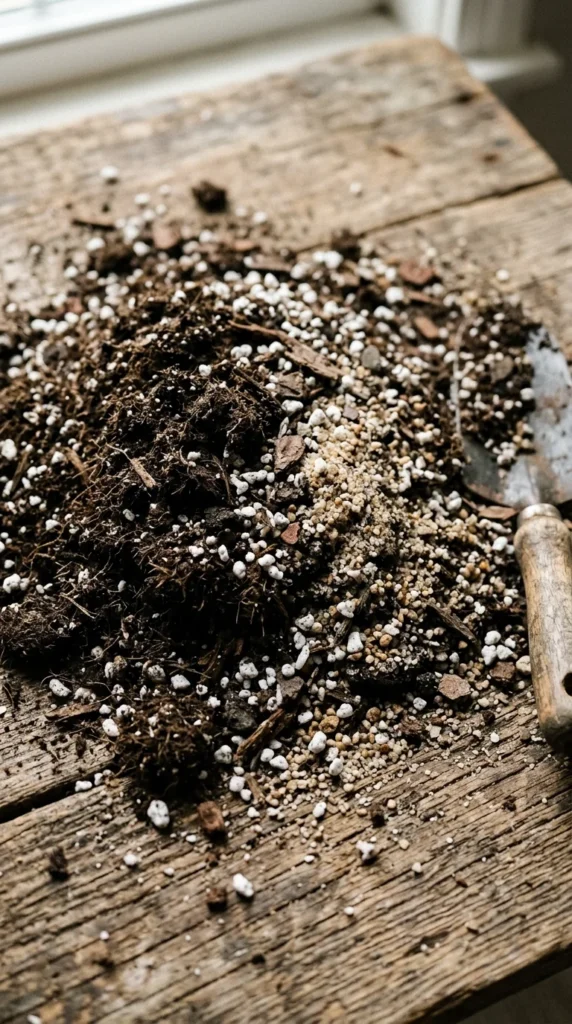
Standard potting soil is designed to retain moisture, which is the opposite of what a succulent needs. For indoor success, use a specialized cactus and succulent mix. These blends are formulated with inorganic materials like perlite, pumice, or coarse sand to facilitate rapid drainage and allow the roots to breathe. A 50/50 mix of regular potting soil and perlite is a great DIY alternative.
4. Watering
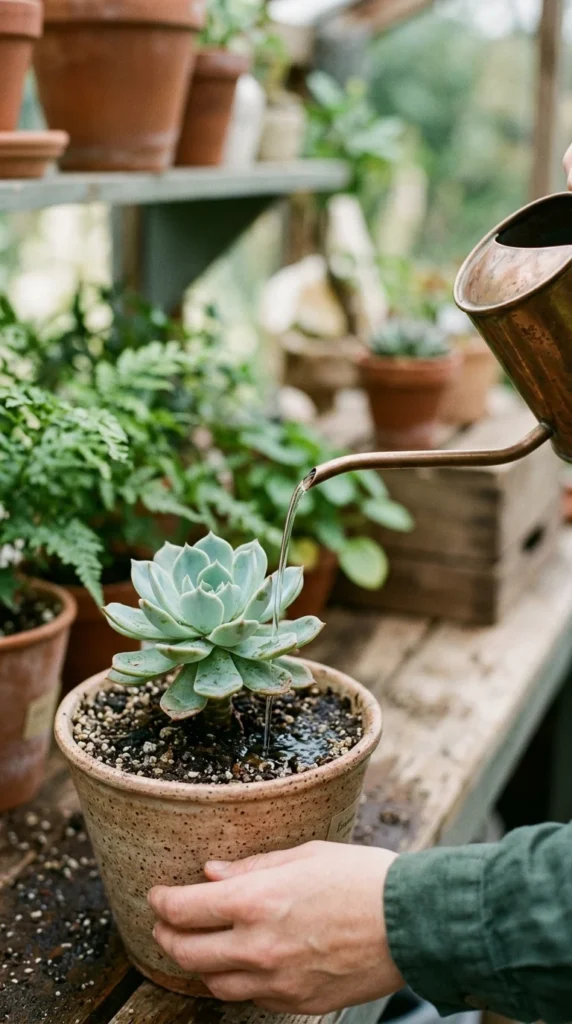
The “soak and dry” method is the gold standard for succulent care. Instead of giving your plants frequent tiny sips, water the soil thoroughly until water runs out of the drainage hole. Then, wait until the soil is completely dry through the entire depth of the pot before watering again. Depending on your home’s climate, this could mean watering once every two weeks or once a month.
5. Airflow
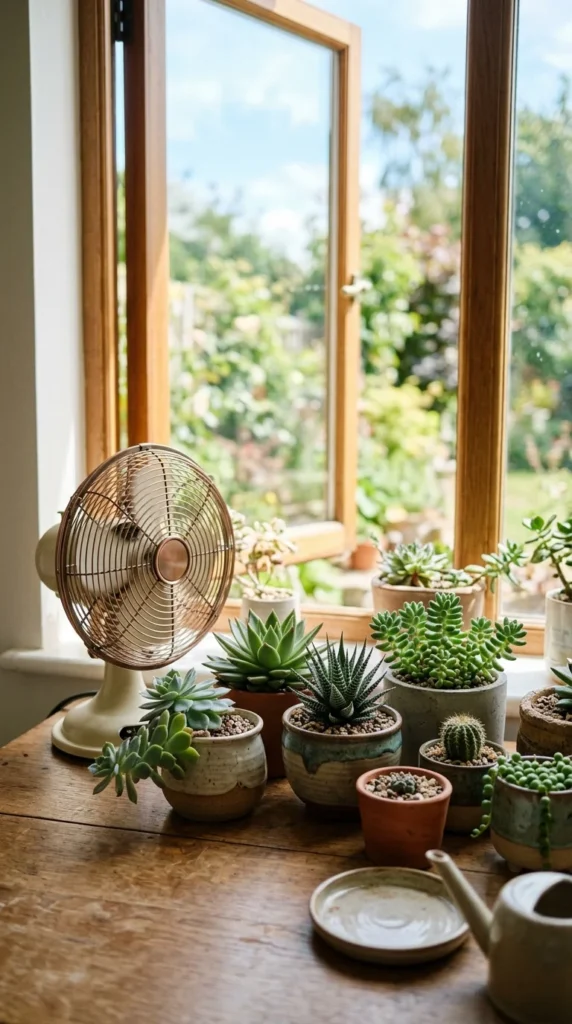
In the wild, succulents enjoy constant breezes that help dry out the soil and prevent pests. Indoors, air can become stagnant, especially in corners. Good airflow helps moisture evaporate from the soil surface and keeps the plant’s crown dry. If your plants are crowded together, space them out or use a small fan to ensure air circulates around the base of each pot.
6. Temperature
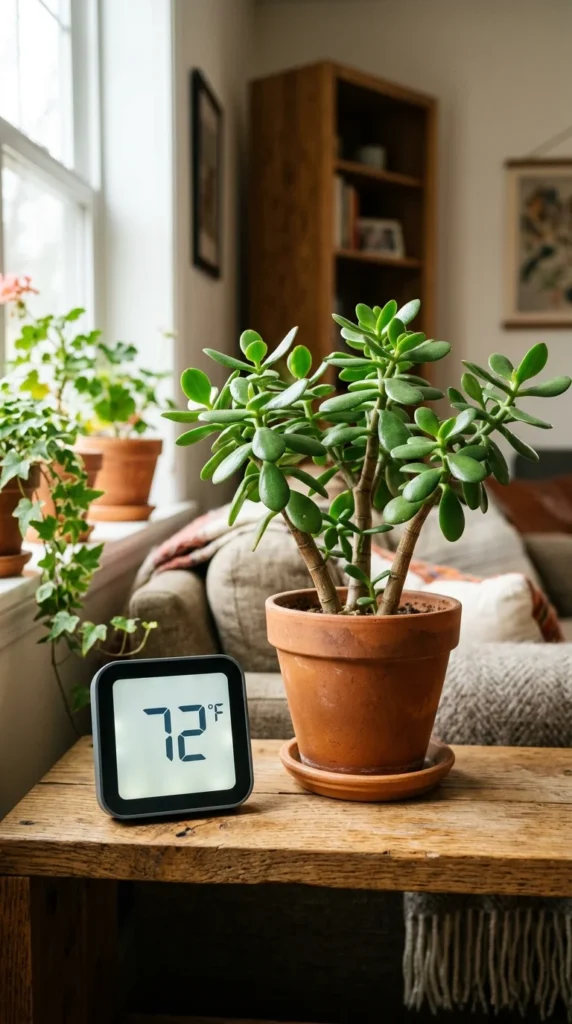
Most succulents thrive in temperatures between 60°F and 80°F (15°C to 27°C). While they can handle hotter temperatures, indoor succulents should be kept away from drafty windows in the winter and away from direct paths of air conditioning or heating vents. Extreme temperature fluctuations can stress the plant, causing it to drop leaves or lose its vibrant coloration.
7. Dusting
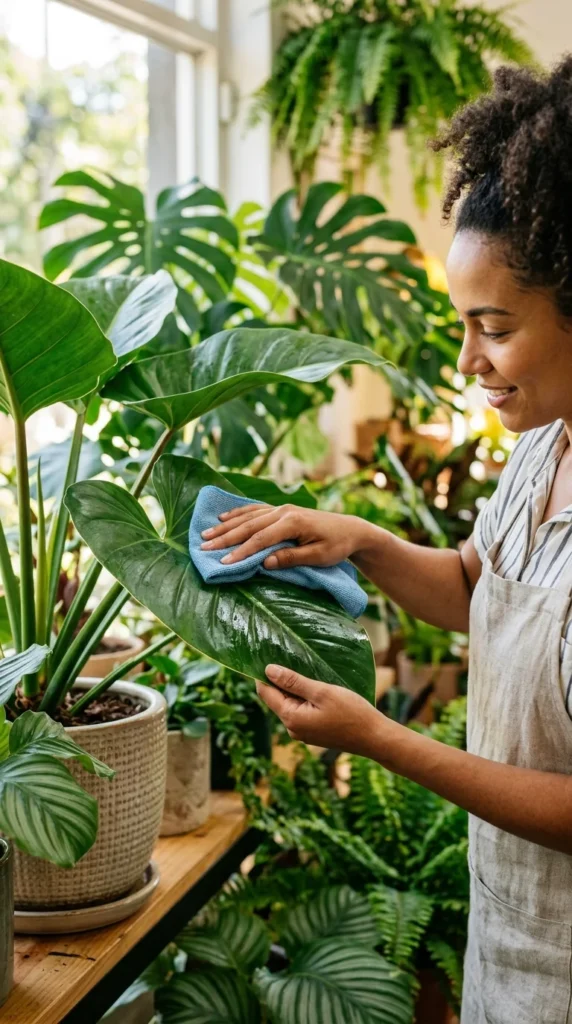
Because succulents are stationary, their leaves act as dust magnets. A thick layer of dust blocks sunlight and inhibits photosynthesis, effectively starving the plant over time. Periodically wipe the leaves with a damp cloth or use a soft paintbrush to clear away debris. This not only keeps the plant healthy but also keeps it looking aesthetically pleasing.
8. Potting Materials
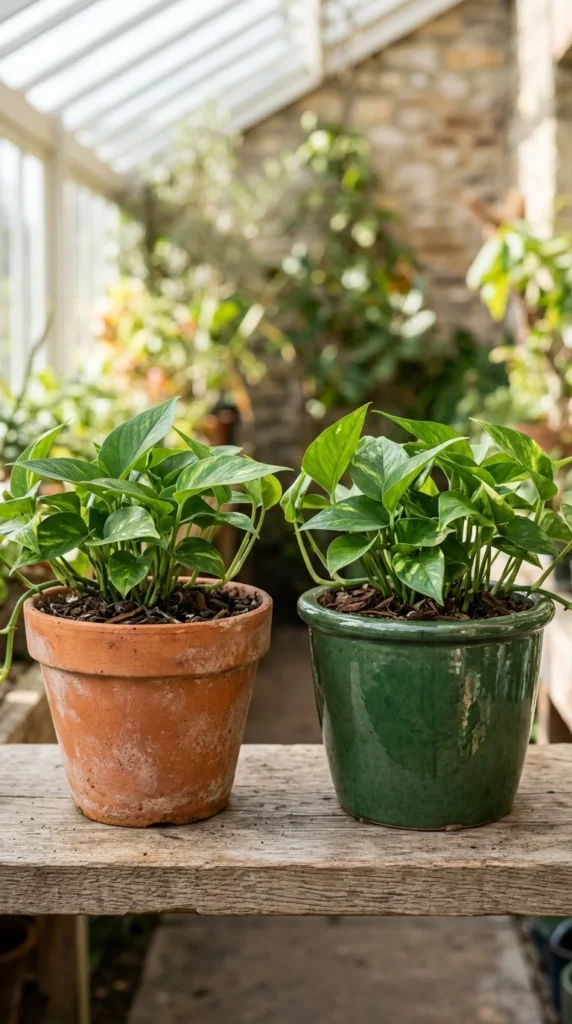
The material of your pot significantly impacts soil moisture. Terracotta is porous, meaning it “breathes” and helps moisture evaporate through the walls of the pot. This is ideal for beginners who might overwater. Plastic or glazed ceramic pots retain moisture for much longer. If you choose the latter, you must be even more diligent about ensuring the soil is dry before the next watering session.
9. Seasonality
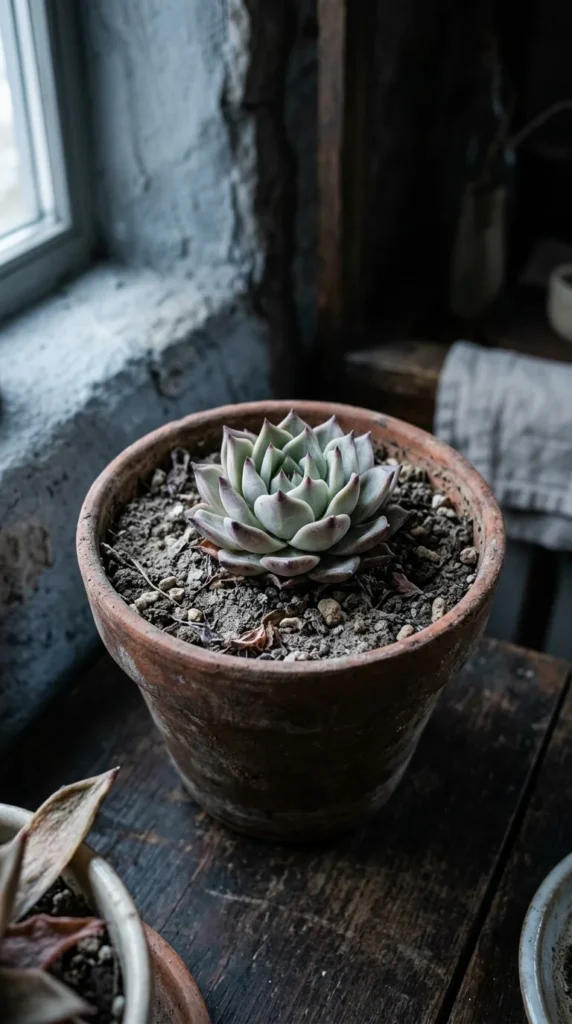
Succulents experience periods of growth and periods of dormancy. Most succulents grow during the spring and summer and “sleep” during the winter. During dormancy, their metabolic rate slows down, and they require significantly less water. Overwatering during the winter is a common cause of plant death. Adjust your care routine to match the seasons, cutting back on water as the days grow shorter.
10. Fertilizer
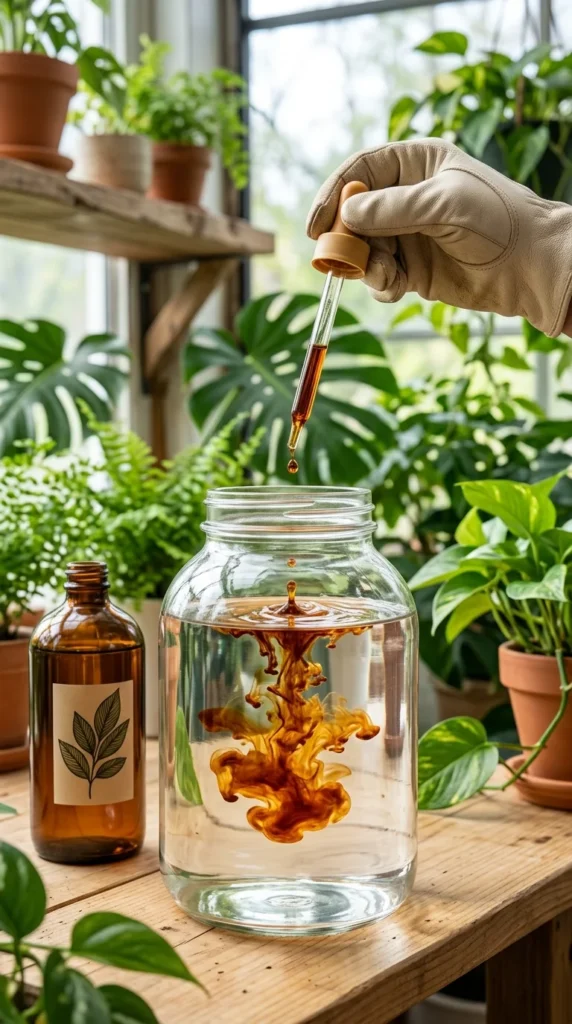
Indoor succulents don’t need much feeding, but a little boost during the growing season can help them thrive. Use a balanced, water-soluble fertilizer diluted to half or quarter strength once in the spring and once in the summer. Avoid fertilizing in the winter when the plant is dormant, as the excess nutrients can build up in the soil and burn the roots.
11. Pests
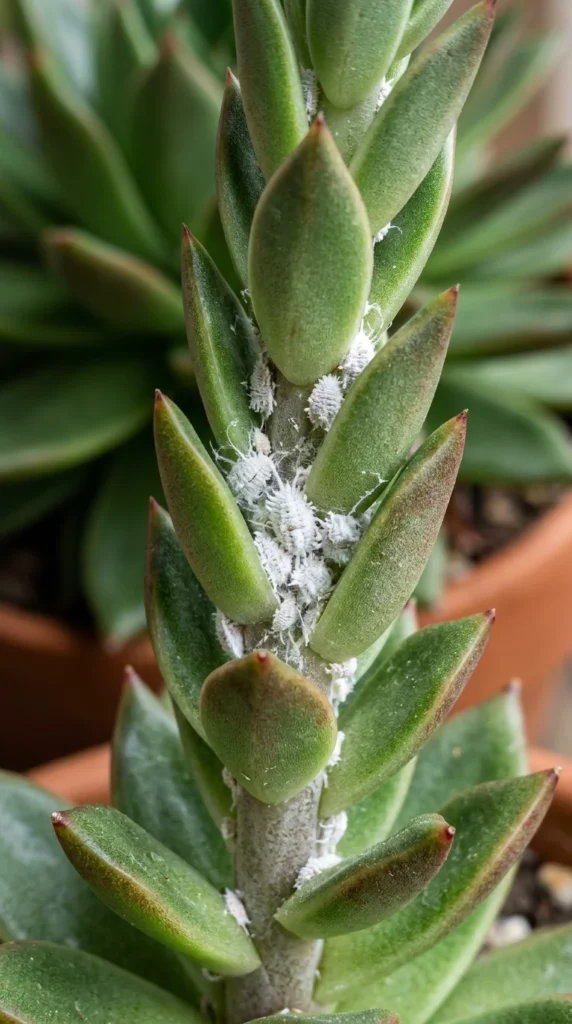
Mealybugs and fungus gnats are the most common indoor succulent pests. Mealybugs look like tiny bits of white cotton hiding in the leaf axils. If you spot them, treat the plant immediately with a cotton swab dipped in 70% isopropyl alcohol. Fungus gnats usually indicate that your soil is staying too wet; drying out the soil completely is the first step in eliminating them.
12. Rotation
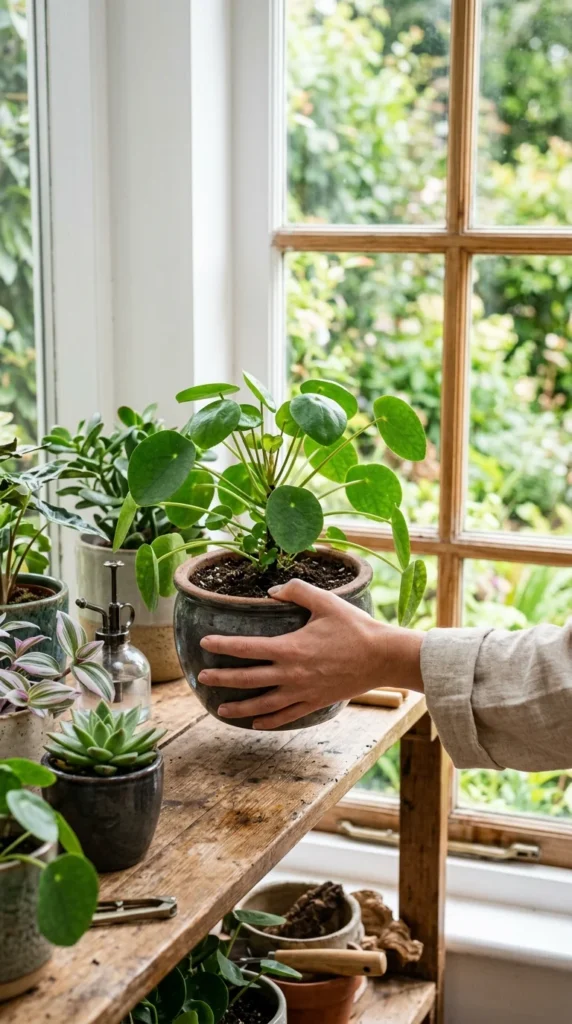
Succulents will lean toward their light source. To keep your plants growing symmetrically, rotate the pot a quarter turn every week or two. This ensures that every side of the plant receives equal light exposure, preventing the plant from becoming lopsided or stretched on one side.
13. Grouping
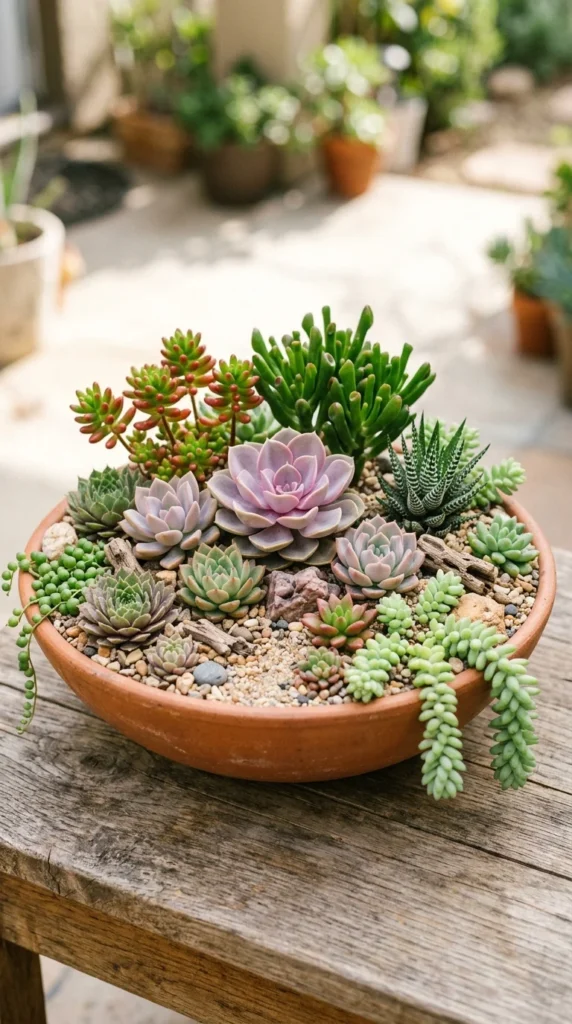
While succulents don’t need high humidity like tropical ferns, grouping them together can create a small microclimate that helps stabilize temperature. However, ensure there is still enough space between them for airflow. Grouping plants with similar light and water requirements also makes your maintenance routine much more efficient.
14. Propagation
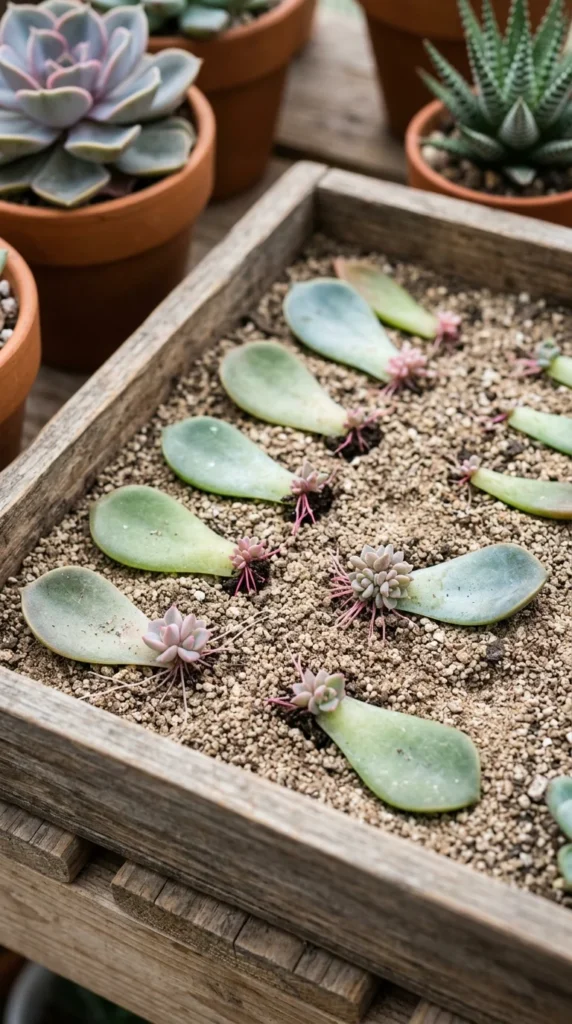
One of the joys of succulent care is how easily they multiply. If a leaf falls off, don’t throw it away. Let the end “callous” over for a few days, then lay it on top of some soil. In a few weeks, you’ll see tiny roots and a new baby plant forming. This is a great way to fill out your collection or create gifts for friends without spending money.
15. Pruning
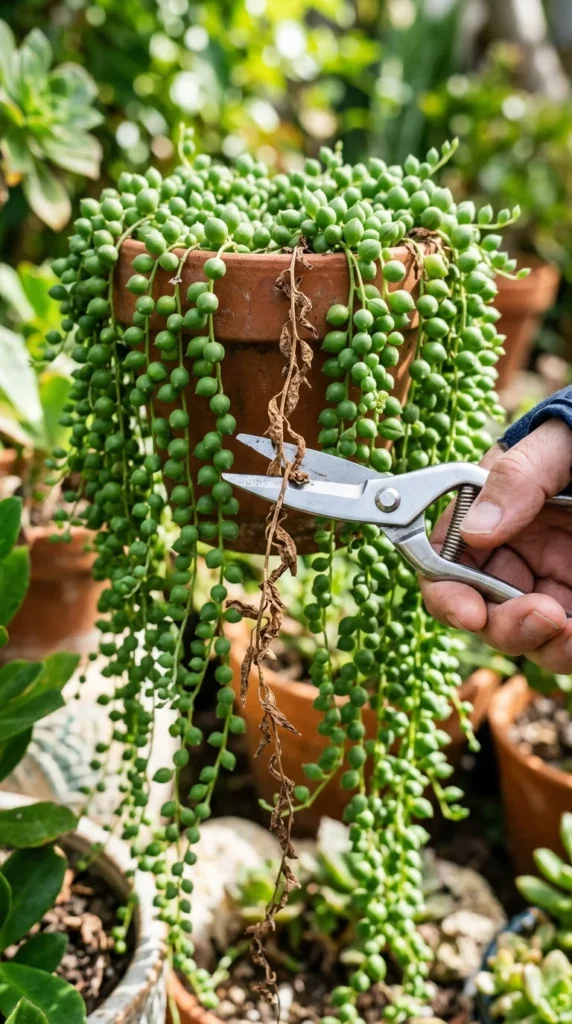
Over time, succulents may become “leggy” or develop dead leaves at the base. Pruning helps the plant direct its energy toward new, healthy growth. Use sterilized scissors to snip off elongated stems or spent flower stalks. Removing dead leaves from the bottom of the plant also removes hiding spots for pests like mealybugs.
16. Top Dressing
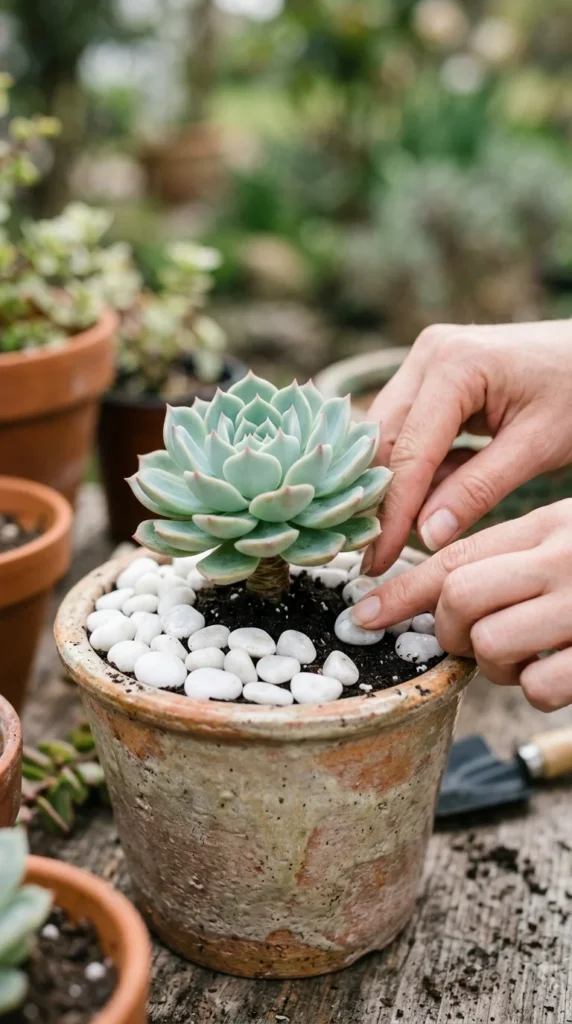
Adding a layer of pebbles or gravel on top of the soil is known as top dressing. This isn’t just for looks; it serves a functional purpose. Top dressing keeps the lower leaves of the succulent from touching damp soil, which prevents rot. It also keeps the soil in place when you water and provides a clean, finished look to your indoor display.
17. Light Supplementation
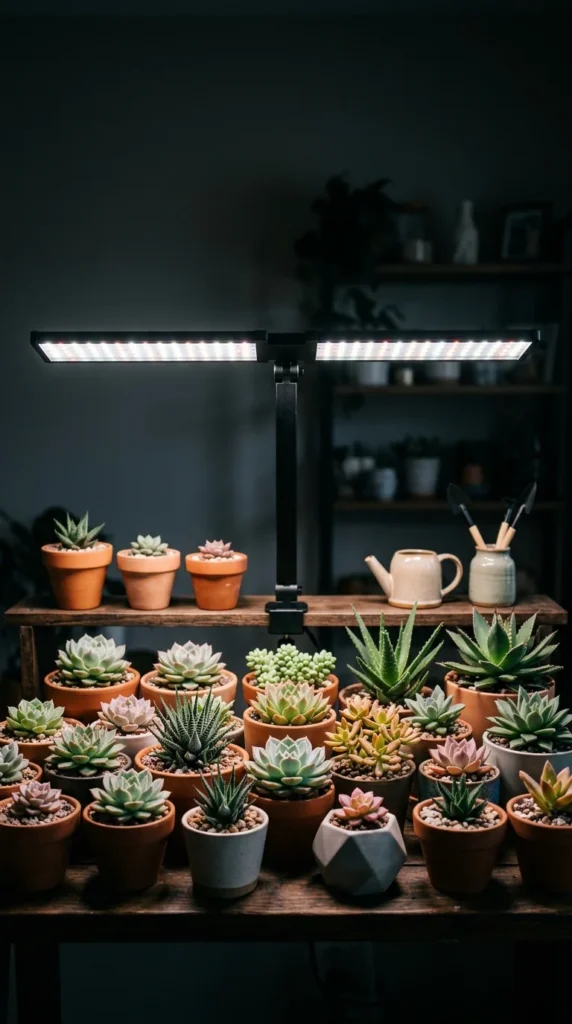
If your home doesn’t have bright windows, don’t despair. Succulents can thrive under artificial light. Full-spectrum LED grow lights are energy-efficient and provide the specific wavelengths of light that plants need for photosynthesis. Keep the lights on for 12 to 14 hours a day and position them 6 to 12 inches above the plants for the best results.
18. Acclimatization
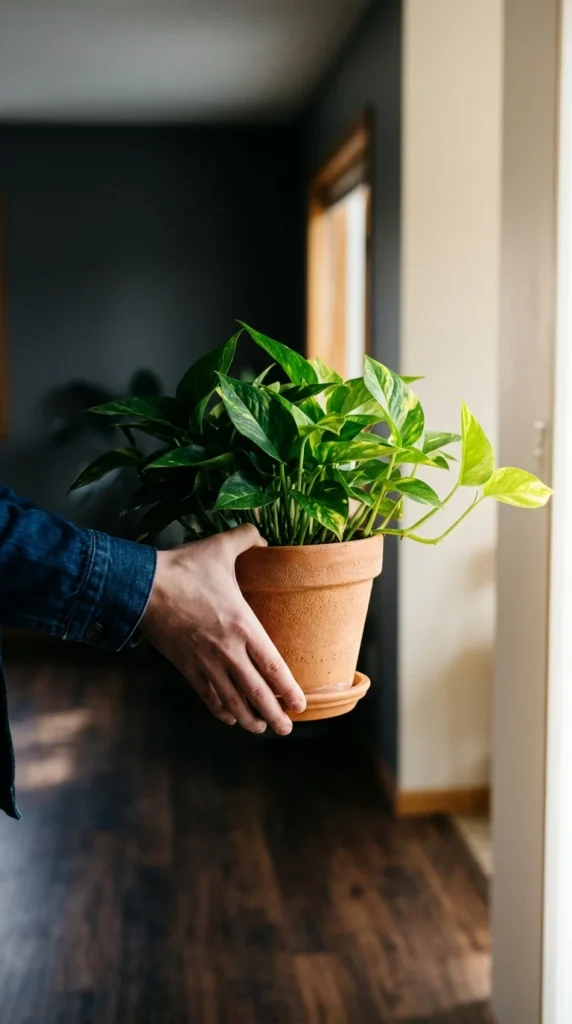
Succulents are sensitive to sudden changes in their environment. If you buy a new plant from a dim garden center and immediately place it in a scorching south-facing window, it may suffer from sunburn (which appears as permanent brown or white patches). Gradually move your plant to brighter light over the course of a week to allow it to build up a “tan” and adapt to the intensity.
19. Root Check
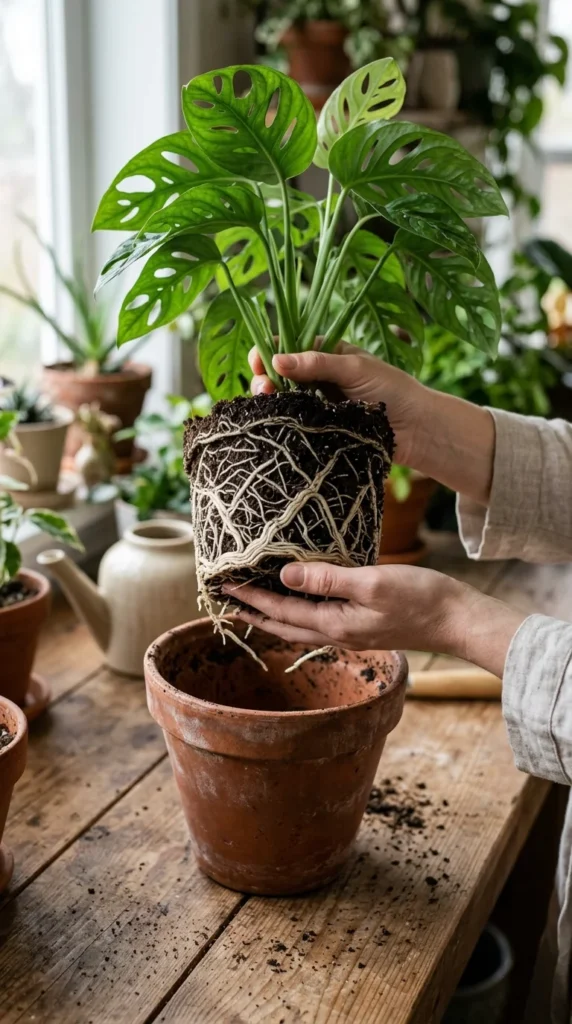
If your succulent looks sickly despite correct watering, it might be time for a root check. Gently slide the plant out of its pot. Healthy roots are firm and white or light tan. If the roots are black, slimy, or smell like decay, you have root rot. You can often save the plant by cutting away the rotten parts, letting the healthy stem callous, and replanting in fresh, dry soil.
20. Researching Species
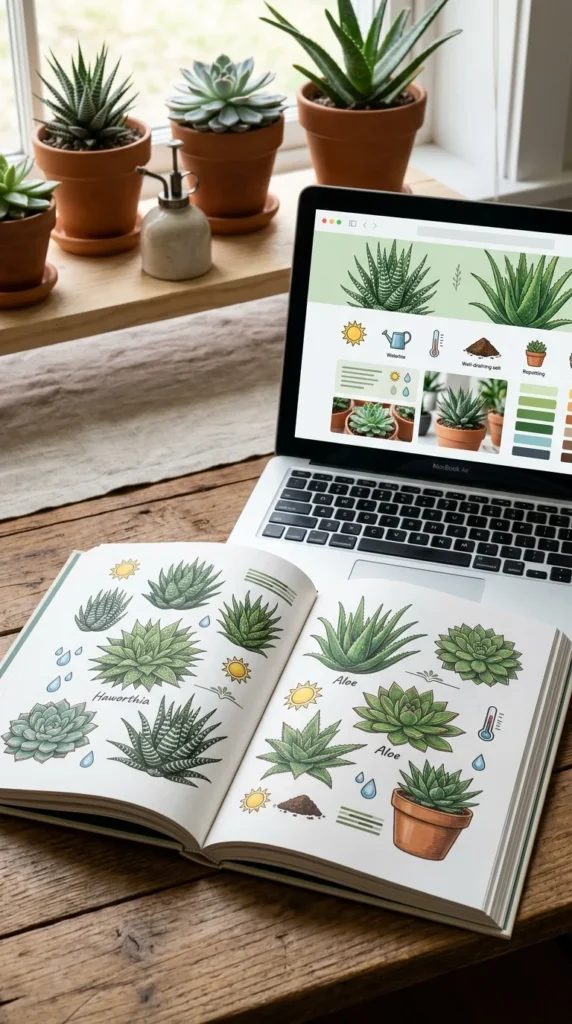
Not all succulents are created equal. A Haworthia prefers lower light than an Echeveria, and a Lithops (living stone) has a vastly different watering schedule than a Jade plant. Taking ten minutes to research the specific genus and species of your plant will provide you with a customized care roadmap, ensuring your green companion survives and thrives for years to come.