
In the modern era, most of us spend upwards of 90% of our time indoors. While we often worry about outdoor smog and pollution, the air inside our homes and offices can actually be two to five times more polluted than the air outside. This is due to Volatile Organic Compounds (VOCs) like formaldehyde, benzene, and trichloroethylene, which are off-gassed by common household items such as carpets, furniture, cleaning supplies, and paint.
Fortunately, nature provides a functional and beautiful solution. In the late 1980s, NASA conducted a groundbreaking study identifying several indoor plants that effectively scrub the air of these harmful toxins. Beyond filtration, indoor plants boost mood, reduce stress, and increase humidity, making them essential additions to any living space. Choosing the right plant and understanding its needs is the secret to a thriving indoor garden.
1. Snake Plant
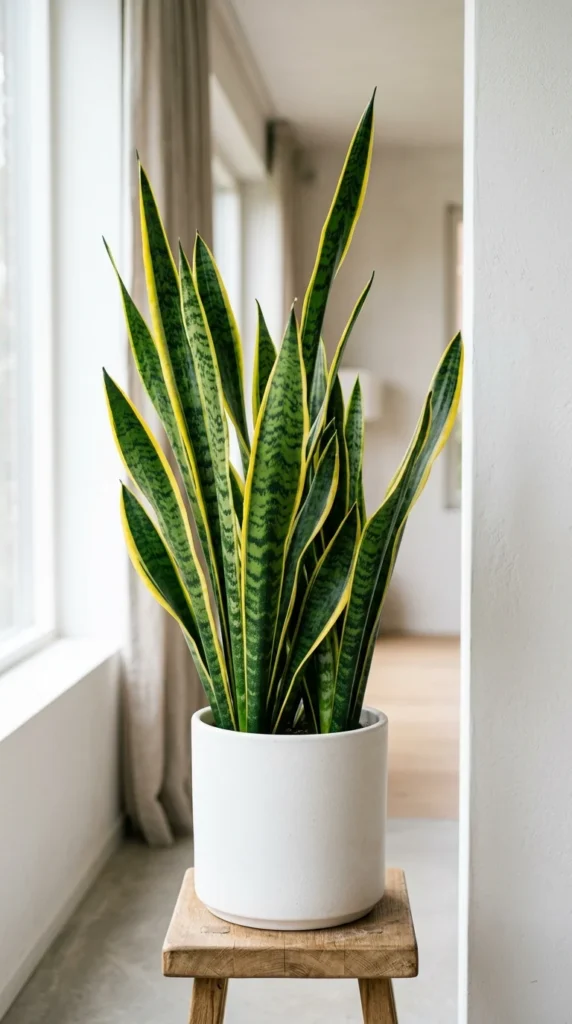
The Snake Plant, also known as Mother-in-Law’s Tongue, is perhaps the most resilient air-purifying plant available. It is uniquely capable of converting CO2 into oxygen at night, whereas most plants do so during the day, making it an ideal choice for bedrooms. It is highly effective at filtering out formaldehyde, xylene, and nitrogen oxides.
Care Tips:
- Light: It thrives in almost any light condition, from low-light corners to direct sunlight.
- Water: It is a succulent, so it prefers to dry out completely between waterings. Overwatering is the quickest way to kill a Snake Plant.
- Soil: Use a well-draining cactus or succulent mix.
2. Spider Plant
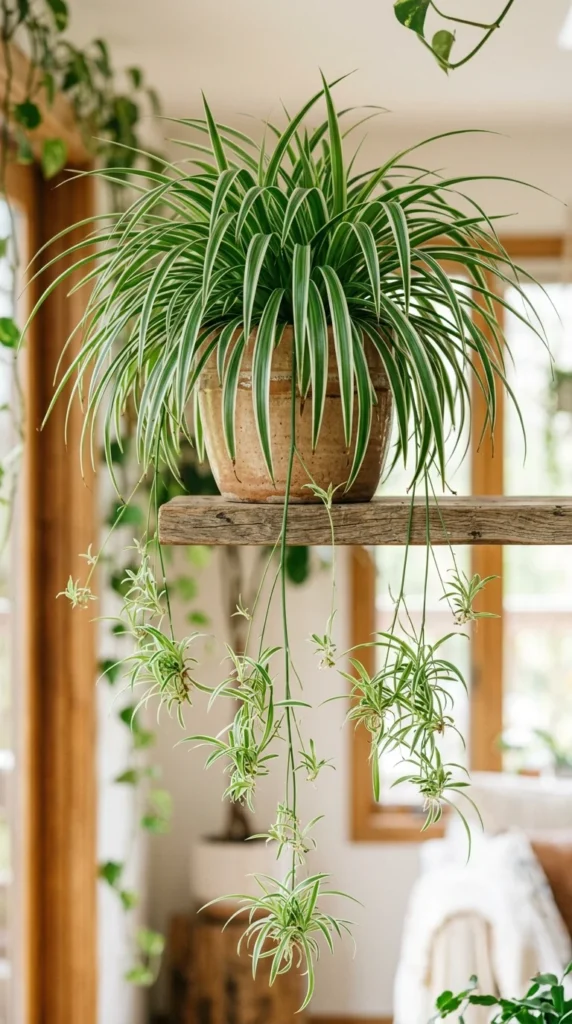
Spider Plants are the perfect choice for beginners or those who claim to have a “black thumb.” They are incredibly hardy and grow rapidly, producing “spiderettes” that can be easily propagated into new plants. They are champion filters for carbon monoxide and xylene, which is often found in printed materials and rubber.
Care Tips:
- Light: They prefer bright, indirect light but will tolerate semi-shade.
- Water: Keep the soil moist but not soggy. They are sensitive to fluoride in tap water, which can cause brown tips; using filtered water can help.
- Maintenance: Regularly snip off the plantlets to redirect energy to the main plant, or pot them to grow your collection.
3. Peace Lily
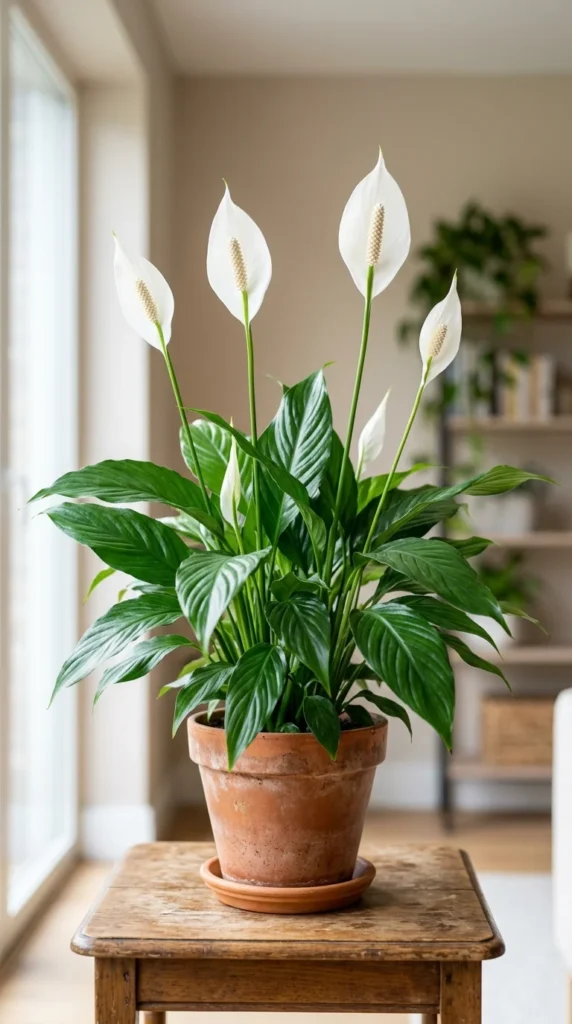
The Peace Lily is as functional as it is beautiful. It is one of the top-performing plants in NASA’s study, capable of removing all five of the most common VOCs, including ammonia and benzene. Its broad leaves and high transpiration rate also help increase the humidity in a room, which can be beneficial for respiratory health during dry winter months.
Care Tips:
- Light: They prefer medium to low light. If the leaves start to turn yellow, it might be getting too much direct sun.
- Water: Peace Lilies are very communicative; they will “faint” or droop when they are thirsty. Water them once the top inch of soil feels dry.
- Safety: Note that Peace Lilies are toxic to cats and dogs if ingested.
4. Aloe Vera
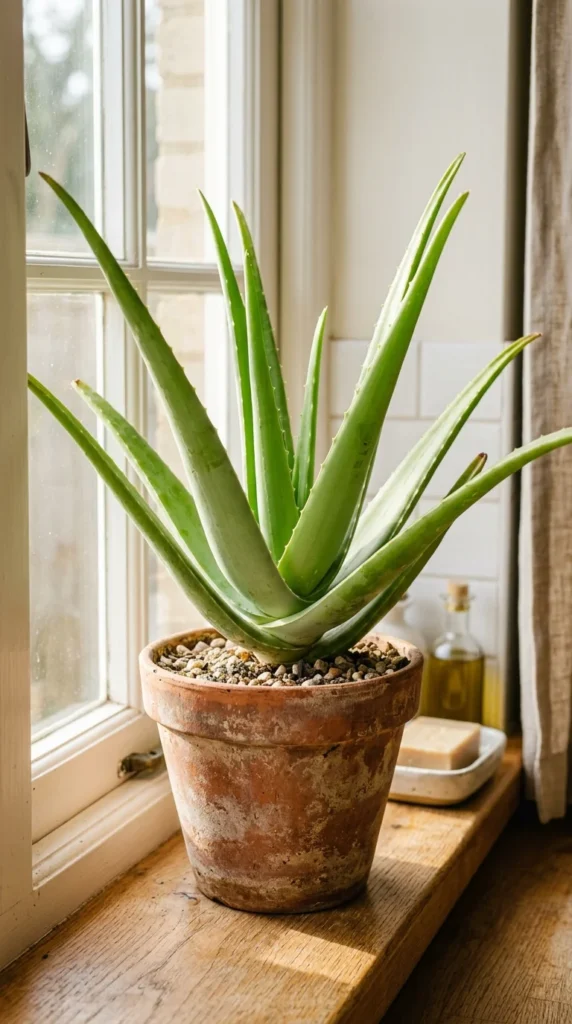
While famous for the soothing gel found inside its leaves, Aloe Vera is also a potent air purifier. It focuses primarily on filtering formaldehyde and benzene. Interestingly, Aloe Vera acts as a biological monitor; if the air quality is exceptionally poor, the plant may develop small brown spots on its leaves, signaling a high level of pollutants.
Care Tips:
- Light: This plant loves the sun. Place it on a south-facing windowsill where it can soak up plenty of direct light.
- Water: Like other succulents, it requires very little water. Let the soil dry out completely before watering deeply.
- Soil: Use a sandy, sharp-draining soil to prevent root rot.
5. Pothos
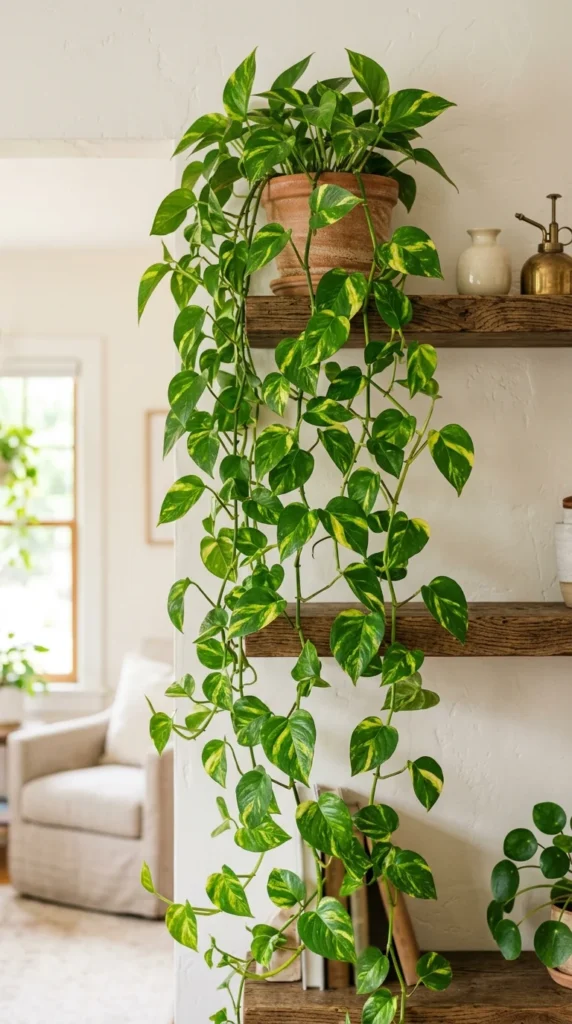
Often called “Devil’s Ivy” because it is nearly impossible to kill, Pothos is a versatile vine that can grow several feet long. It is particularly adept at removing formaldehyde, which is found in many household adhesives and synthetic fabrics. Its trailing nature makes it perfect for hanging baskets or high shelves.
Care Tips:
- Light: Pothos can handle low light levels but prefers bright, indirect light to maintain its beautiful leaf variegation.
- Water: Water when the top two inches of soil feel dry. It can survive occasional neglect.
- Pruning: Regularly trim the vines to keep the plant bushy and prevent it from becoming too leggy.
6. Boston Fern
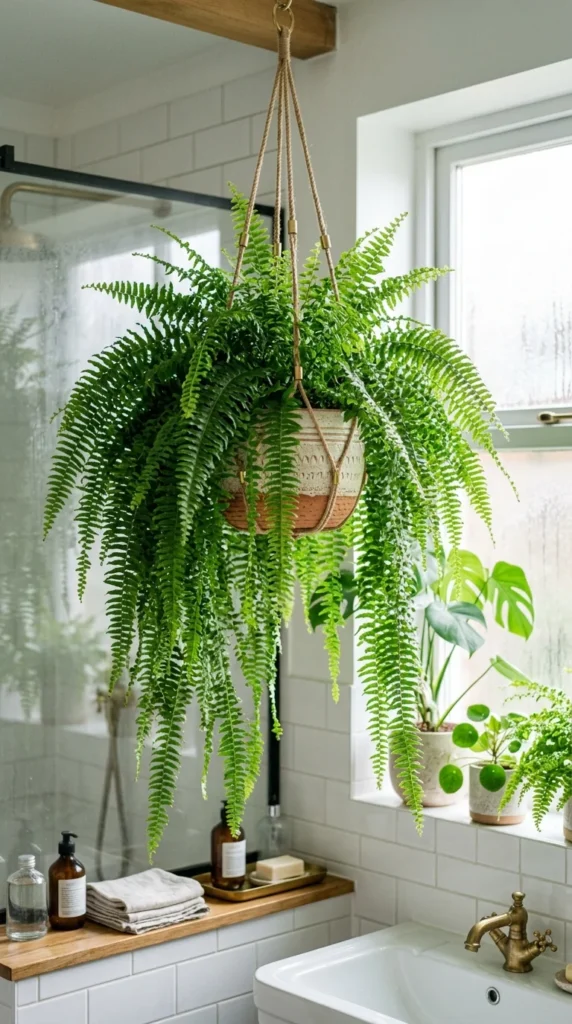
The Boston Fern is a classic indoor plant that excels at removing xylene and formaldehyde. It is also one of the best natural humidifiers. Because it releases moisture into the air, it can help alleviate dry skin and irritated throats. It adds a soft, organic texture to any room.
Care Tips:
- Light: They prefer cool locations with high humidity and indirect light.
- Water: Ferns need consistent moisture. Check the soil daily and ensure it never dries out completely.
- Environment: They thrive in bathrooms due to the steam from showers. If kept in a drier room, mist the leaves daily or use a pebble tray with water.
7. Rubber Plant
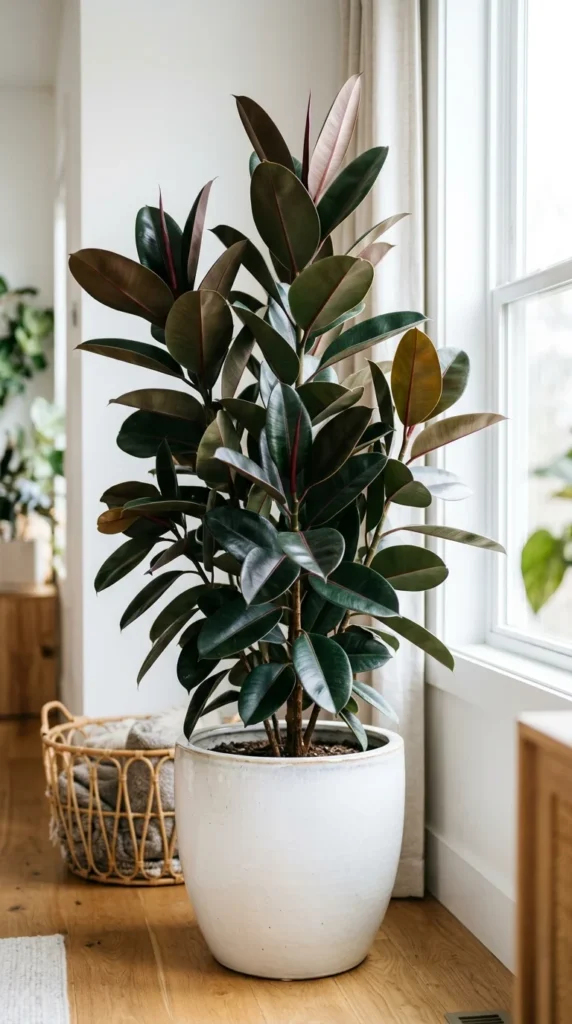
The Rubber Plant (Ficus elastica) is an excellent choice if you want a plant with a significant visual presence. Its large, broad leaves are highly efficient at absorbing airborne chemicals and breaking them down. They are particularly good at removing formaldehyde from the air.
Care Tips:
- Light: They like bright, filtered light. Too much direct sun can scorch the leaves, while too little light will cause them to drop.
- Water: During the growing season, keep the soil moist. In the winter, you can reduce watering to once or twice a month.
- Cleaning: Because the leaves are so large, they can collect dust. Wipe the leaves with a damp cloth once a week to ensure the plant can “breathe” and photosynthesize effectively.
How to Choose the Right Plant for Your Space
Selecting an air-purifying plant involves more than just aesthetics. To ensure both you and the plant thrive, consider these three factors:
Light Availability
Assess the light in your room at different times of the day.
- Low Light: North-facing windows or rooms with small windows. (Choose: Snake Plant, Pothos).
- Medium Light: East or West-facing windows. (Choose: Peace Lily, Boston Fern).
- Bright Light: South-facing windows or sunrooms. (Choose: Aloe Vera, Rubber Plant).
Lifestyle and Maintenance
Be honest about how much time you can dedicate to plant care. If you travel frequently or tend to forget chores, opt for “low-maintenance” varieties like the Snake Plant or Pothos. If you enjoy the ritual of gardening and misting, “high-maintenance” plants like the Boston Fern will be more rewarding.
Pet and Child Safety
Many air-purifying plants contain calcium oxalate crystals or other compounds that are toxic if chewed or swallowed.
- Pet-Friendly: Spider Plants and Boston Ferns are generally safe for cats and dogs.
- Toxic: Peace Lilies, Pothos, and Snake Plants should be kept out of reach of curious pets and toddlers.
General Care Strategies for Healthy Air
To maximize the air-purifying benefits of your plants, you must keep them healthy. A dying plant cannot filter toxins effectively.
- Don’t Overwater: This is the number one cause of indoor plant death. Always feel the soil before adding water. If it’s still damp, wait a few days.
- Provide Proper Drainage: Ensure your pots have holes at the bottom. Sitting in stagnant water leads to root rot, which introduces mold into your indoor air—the opposite of what you want.
- Fertilize Sparingly: Most indoor plants only need feeding during the spring and summer. Use a balanced, water-soluble fertilizer at half-strength.
- Rotate Your Plants: Every time you water, give the pot a quarter-turn. This ensures all sides of the plant receive equal light, preventing it from leaning or becoming “lopsided.”
- Group Your Plants: Placing several plants together creates a microclimate with higher humidity, which helps many tropical species thrive.
By thoughtfully selecting a variety of these air-purifying species and providing them with the basic care they require, you can create a living air filtration system that is both sustainable and stunningly beautiful.