Gardening is as much an art as it is a science, and like any skilled artisan, a gardener is only as effective as their tools. Whether you are tending to a small urban balcony or managing a sprawling suburban landscape, the right equipment can transform back-breaking labor into a meditative and productive experience. Choosing the best tools requires an understanding of materials, ergonomics, and the specific needs of your soil and plant life.
The primary philosophy when building a tool shed should be “quality over quantity.” A few well-made, durable tools are far superior to a shed full of cheap, flimsy implements that bend or rust after a single season. High-quality tools not only last longer but also protect your body from repetitive strain and make your gardening tasks significantly more efficient.
1. Hand Trowels
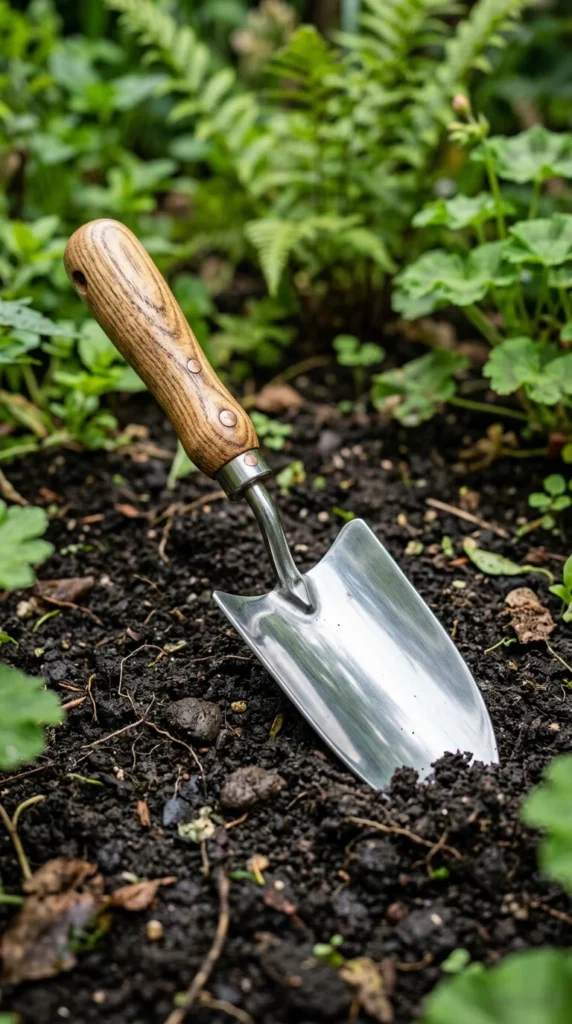
The hand trowel is perhaps the most essential tool in any gardener’s arsenal. It is the primary implement for transplanting bedding plants, herbs, and small perennials, as well as for digging out stubborn weeds. When selecting a trowel, look for a “one-piece” design where the blade and the neck (the tang) are forged from a single piece of metal. This prevents the common issue of the blade snapping off the handle when prying against a rock or heavy clay.
Stainless steel is the preferred material for many because it resists rust and slides through the soil with minimal friction. However, carbon steel is often stronger and can be sharpened to a finer edge. Pay close attention to the handle; it should fit comfortably in your palm without creating pressure points. Ergonomic grips with thumb rests can significantly reduce hand fatigue during long planting sessions.
2. Pruning Shears
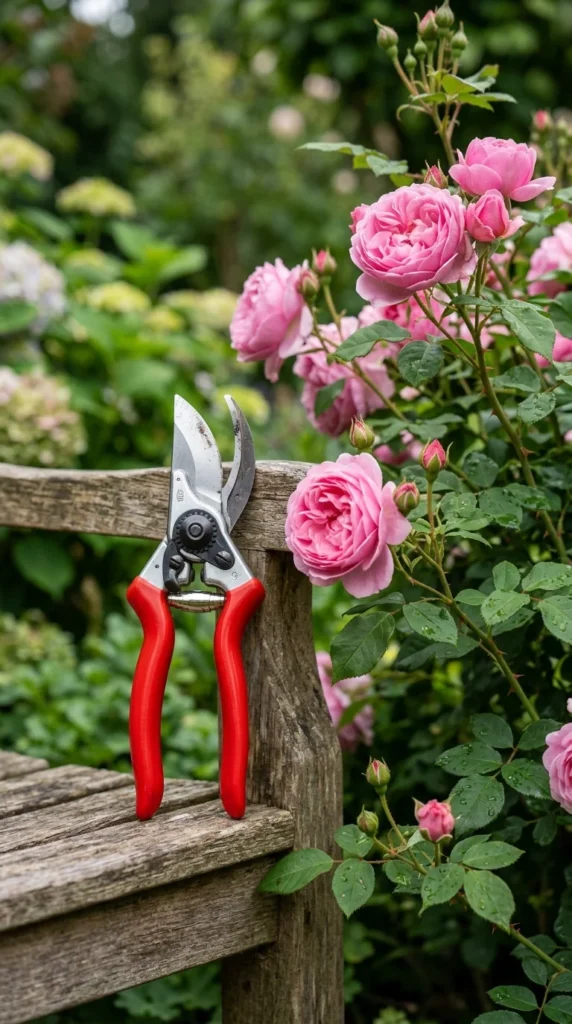
Also known as secateurs, pruning shears are vital for maintaining the health and shape of your plants. There are two main types: bypass and anvil. For most gardeners, bypass pruners are the superior choice. They work like scissors, with two sharp blades overlapping to create a clean, precise cut. This is essential for live wood, as it allows the plant to heal quickly without crushing the stem.
Anvil pruners, on the other hand, have one sharp blade that closes onto a flat metal plate. These are best reserved for dead wood, as they tend to crush living tissue. When shopping for pruners, look for replaceable blades and a high-tension spring. A locking mechanism that can be operated with one hand is a major convenience, and for those with smaller hands, many manufacturers offer different sizes or adjustable grip widths.
3. Garden Hoes
A hoe is the ultimate weapon against weeds and is indispensable for prepping rows for seeds. The type of hoe you need depends on your gardening style. The traditional “draw hoe” features a heavy, square blade set at a right angle, perfect for chopping through thick weeds or hilling up soil around potatoes.
If you prefer a more surgical approach, a “scuffle” or “hula” hoe is excellent. These have a stirrup-shaped blade that sits flat on the ground and cuts weeds just below the surface as you push and pull it back and forth. This motion is much easier on the back than the chopping motion required by a draw hoe. Look for a handle length that allows you to stand upright; if you find yourself stooping, the handle is too short and will lead to back pain.
4. Digging Shovels
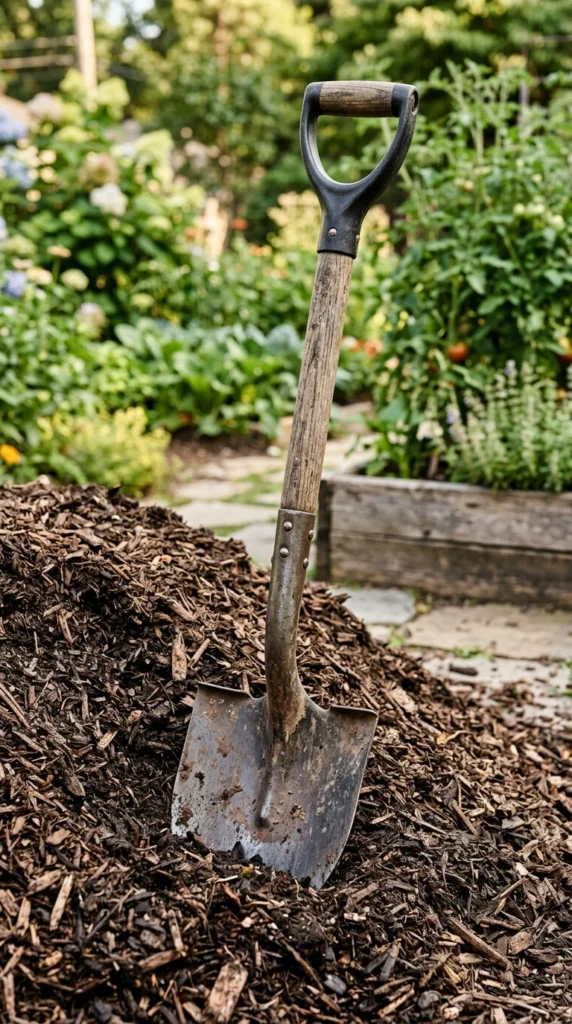
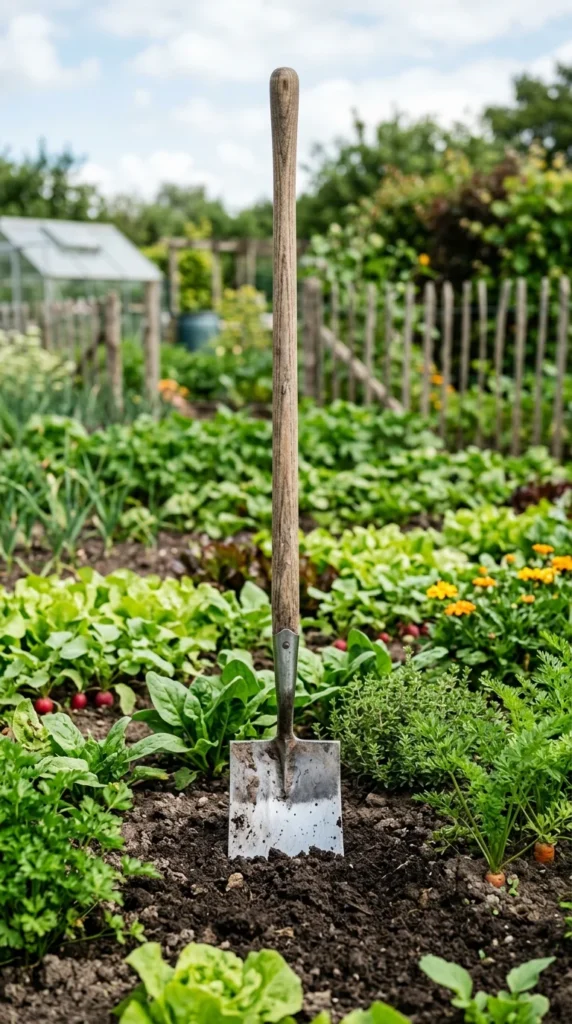
A shovel is the workhorse of the garden, used for moving large quantities of soil, digging deep holes for trees, and breaking up tough turf. A round-point shovel is the most versatile shape, as the pointed tip helps penetrate hard-packed earth and gravel.
The construction of the shovel’s “socket”—where the blade meets the handle—is critical. A “solid socket” or “closed back” shovel is less likely to collect dirt and moisture, which prevents the handle from rotting or rusting. Handle material is also a key consideration. Ash wood offers a natural flex that absorbs shock, while fiberglass is incredibly strong and weather-resistant but can be heavier. For heavy-duty digging, a “D-grip” handle provides better leverage and control than a straight long handle.
5. Garden Rakes
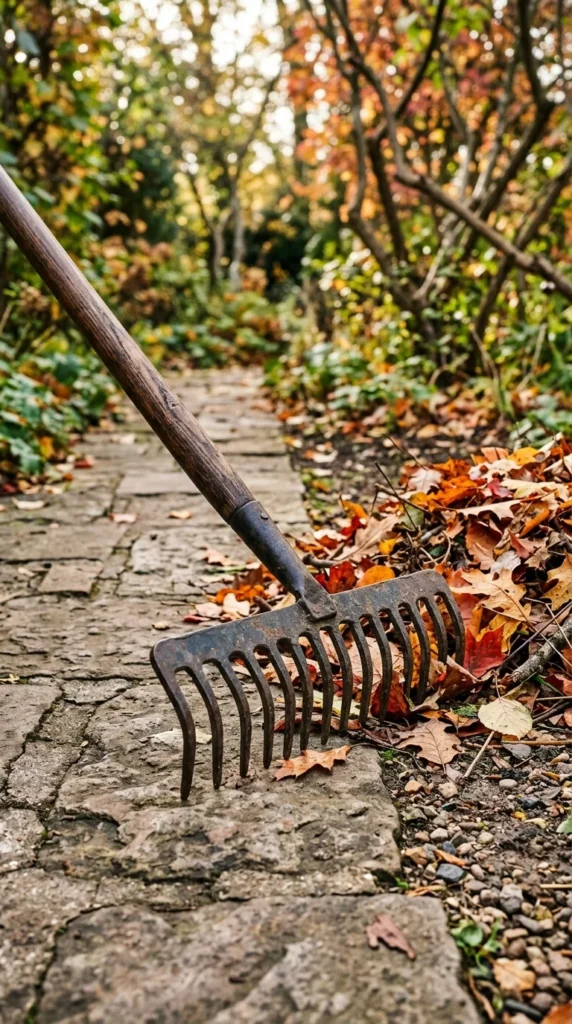
Don’t confuse a garden rake with a leaf rake. While leaf rakes are flexible and wide for gathering light debris, a garden rake (or bow rake) is made of heavy-duty metal with short, stiff tines. This tool is designed for leveling soil, breaking up clods of earth, and spreading mulch or gravel.
When choosing a garden rake, ensure the tines are forged from steel rather than stamped. The “bow” refers to the curved metal supports that connect the rake head to the handle; these act as a shock absorber and provide more stability when pushing heavy materials. A rake with a long handle is generally preferred as it allows for a wider reach without moving your feet.
6. Hand Weeders
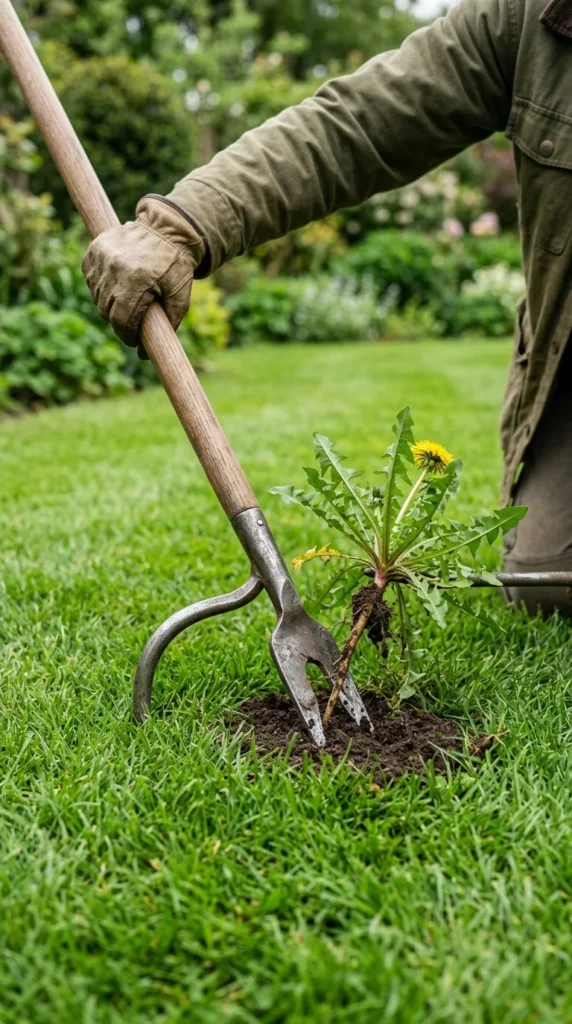
While a trowel can do the job, a dedicated weeding tool is much more efficient for removing tap-rooted weeds like dandelions or thistles. The “cobra head” weeder is a favorite among enthusiasts for its versatility; its curved shape allows it to reach into tight spaces and “plow” through the soil to sever roots.
Another popular option is the fulcrum weeder (often called a “fishtail” weeder). It features a notched tip that grabs the root and a curved metal piece that sits against the ground, acting as a lever to pop the weed out of the earth with minimal effort. Stainless steel is again the best material here, as it resists the moisture found deep in the root zone.
7. Watering Cans
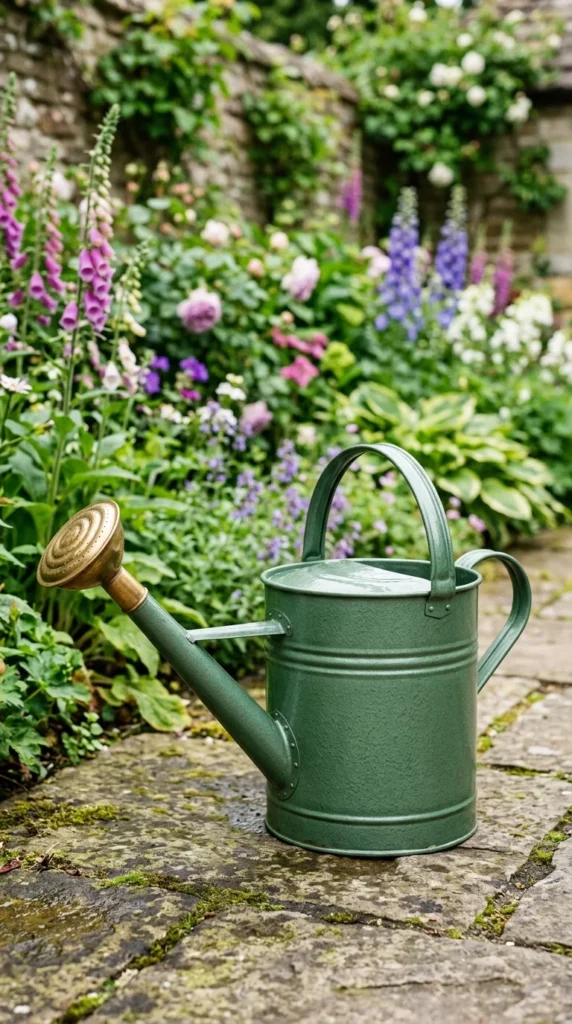
While many people rely on hoses, a high-quality watering can is essential for delicate seedlings, indoor plants, and applying liquid fertilizers. The “rose”—the perforated nozzle at the end of the spout—is the most important feature. A good rose produces a gentle, rain-like spray that won’t wash away soil or damage fragile leaves.
Plastic watering cans are lightweight and inexpensive, but they can become brittle and crack if left in the sun. Metal cans, particularly those made of galvanized steel or copper, are virtually indestructible and add an aesthetic charm to the garden. Look for a design with two handles—one for carrying and one for tilting—to provide better balance and reduce strain on your wrists.
Understanding Tool Materials and Ergonomics
When you are at the store or browsing online, the sheer variety of materials can be overwhelming. Understanding the pros and cons of each will help you make an informed investment.
Blade Materials
- Carbon Steel: The traditional choice. It is incredibly hard, stays sharp for a long time, and is generally easier to sharpen at home. However, it is prone to rust if not cleaned and oiled regularly.
- Stainless Steel: The modern favorite. It is rust-resistant and stays looking new for years. It is slightly more brittle than carbon steel and harder to sharpen, but its smooth surface makes it easier to clean.
- Forged vs. Stamped: Always choose “forged” when possible. Forged steel is heated and hammered into shape, resulting in a much stronger molecular structure. Stamped tools are cut out of a flat sheet of metal like a cookie cutter and are prone to bending.
Handle Materials
- Ash Wood: The gold standard for long-handled tools. It is strong, lightweight, and has a natural “give” that absorbs the shock of hitting stones or hard roots.
- Fiberglass: Virtually unbreakable and immune to rot. It is an excellent choice for tools that might be left outside, though it lacks the natural feel and vibration-dampening of wood.
- Aluminum: Often used for hand tools to keep them lightweight. It is rust-proof but can be prone to snapping if used for heavy prying.
Ergonomics and Fit
A tool that feels great in one person’s hand might be uncomfortable for another. If possible, “test drive” the tools. Grip the handles, simulate the movement of the tool, and check the weight.
- Weight: A heavier shovel might provide more momentum, but it will tire you out faster.
- Grip: Look for non-slip surfaces. If you have arthritis, look for tools specifically designed with thick, soft-grip handles that require less “pinch” force.
- Length: Ensure the handles of your rakes, hoes, and shovels are appropriate for your height to prevent unnecessary bending.
Maintaining Your Investment
Once you have chosen the best gardening tools, proper maintenance will ensure they last a lifetime.
- Clean After Use: Never put tools away with wet soil clinging to them. Use a stiff brush or a hose to remove dirt, then dry them thoroughly with a rag.
- Sharpen Regularly: A dull tool is a dangerous and inefficient tool. Use a mill file or a whetstone to maintain the edges of your shovels, hoes, and pruners.
- Oil the Metal: Wipe down carbon steel blades with a light coat of linseed oil or even vegetable oil to prevent rust during the off-season.
- Care for the Wood: If your wooden handles start to feel rough, sand them down with fine-grit sandpaper and rub in a little linseed oil to prevent cracking and splintering.
- Storage: Store tools in a dry, ventilated area. Hanging them on a pegboard or rack keeps the blades off the ground and prevents moisture from accumulating.
By taking the time to select tools based on quality materials, proper ergonomics, and your specific gardening needs, you turn gardening from a chore into a joy. Quality tools are an investment in your garden’s future and your own physical well-being.