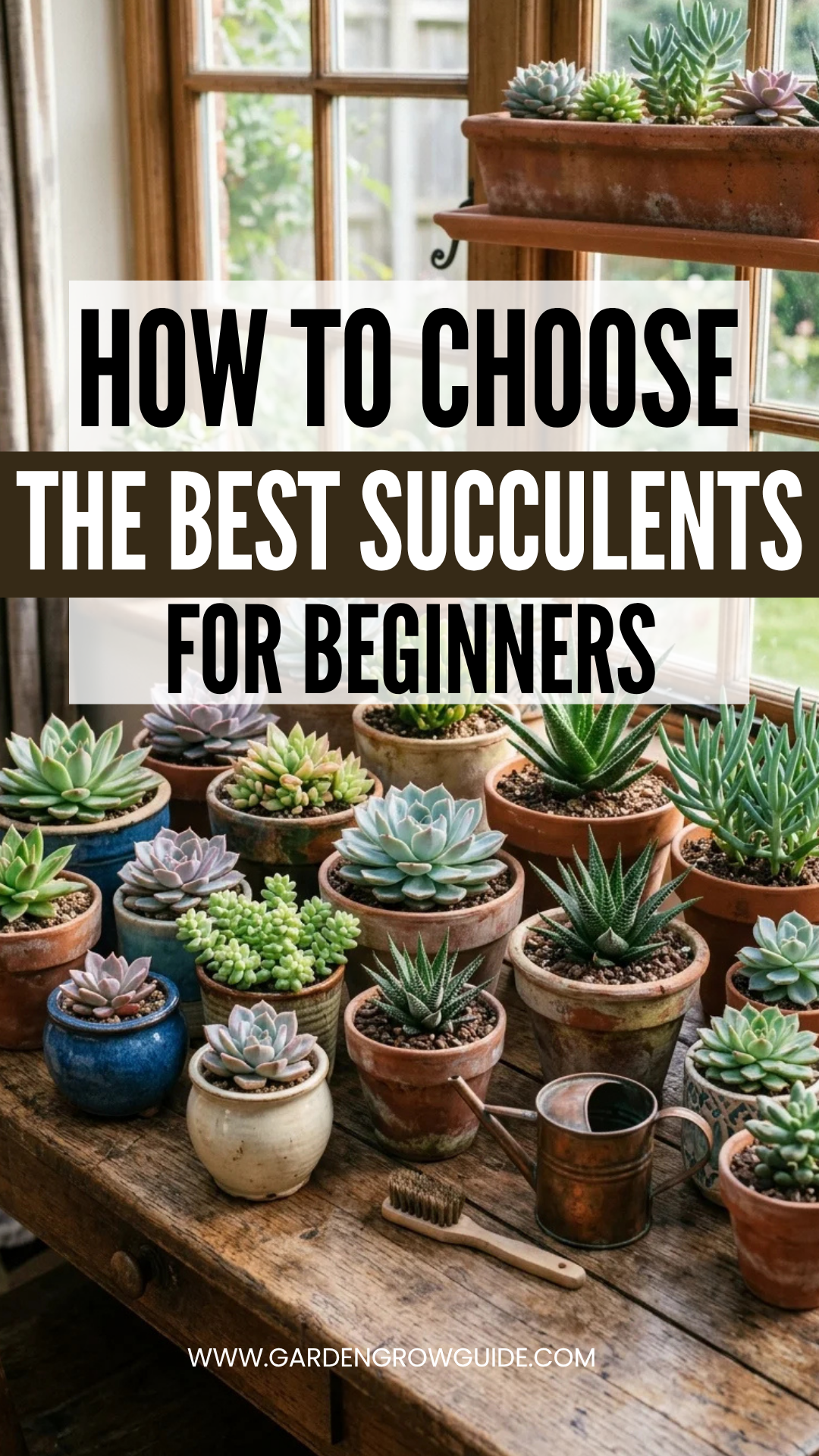
Succulents have taken the interior design and gardening worlds by storm, and for good reason. These “architectural” plants are famous for their stunning geometric shapes, vibrant colors, and—most importantly for novices—their reputation for being nearly indestructible. However, the term “succulent” encompasses thousands of species, some of which are surprisingly finicky. For a beginner, the key to success lies in selecting varieties that are forgiving of common mistakes, such as irregular watering or suboptimal lighting.
Choosing the right succulent involves more than just picking the prettiest one at the local nursery. It requires an understanding of how these plants store water in their fleshy leaves and stems, and which ones are best suited for the specific environment of your home. This guide will walk you through the most resilient varieties and provide the essential knowledge needed to help your new desert friends thrive.
1. Snake Plant
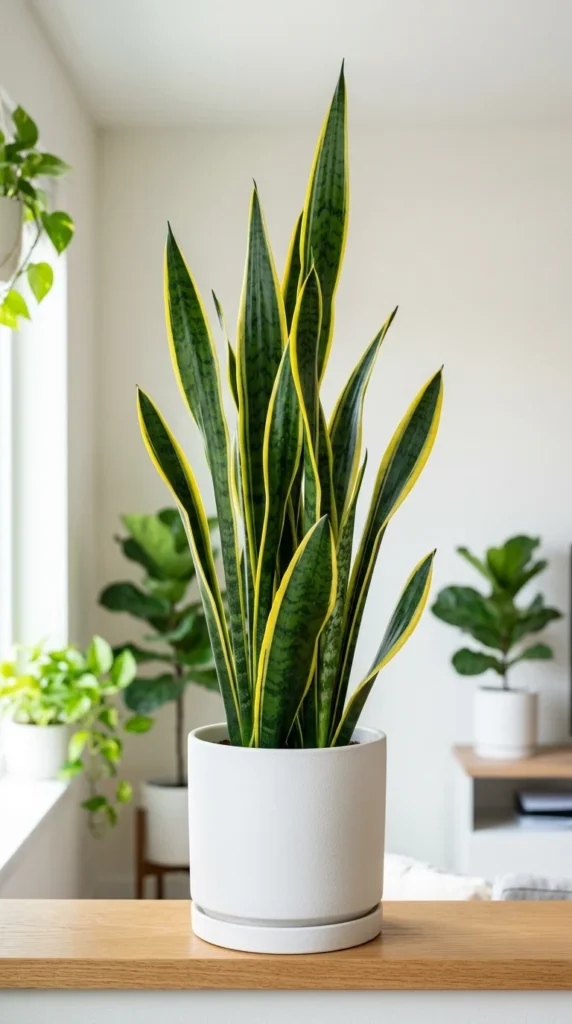
Often cited as the ultimate “unkillable” plant, the Snake Plant (Sansevieria) is technically a succulent. It is perhaps the most tolerant plant on this list, capable of surviving for weeks without water and thriving in almost any lighting condition, from low-light corners to bright, indirect sun.
The Snake Plant is unique because it performs Crassulacean Acid Metabolism (CAM) photosynthesis, meaning it absorbs carbon dioxide and releases oxygen at night, making it an excellent bedroom companion. For beginners, it is the perfect “set it and forget it” plant. It only needs water when the soil is completely dry to the touch, and it rarely suffers from pests or diseases.
2. Aloe Vera
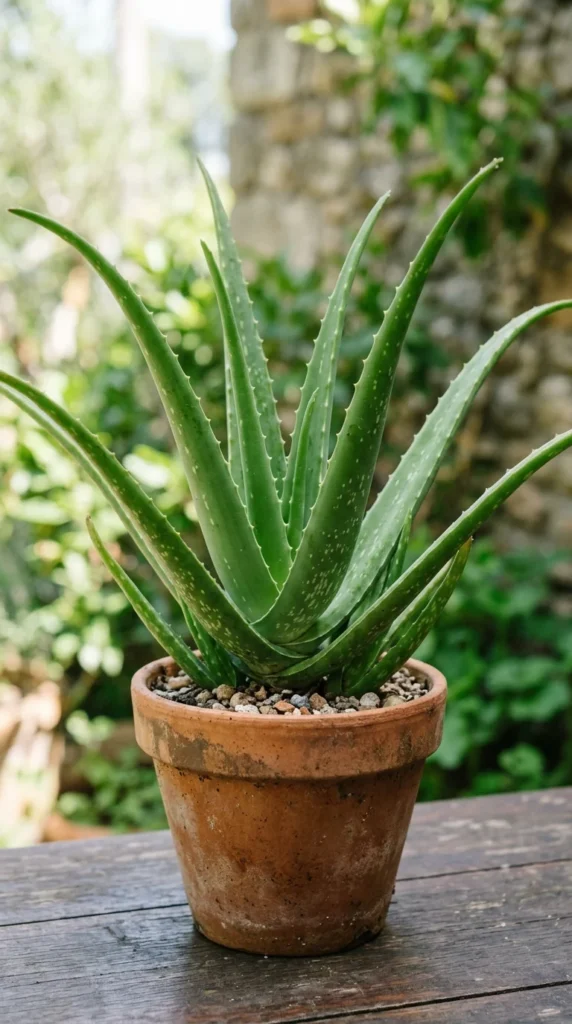
Aloe Vera is a household staple, prized not just for its ease of care but also for its medicinal properties. The gel inside its thick leaves is a natural remedy for minor burns and skin irritations. As a succulent, Aloe Vera stores a significant amount of water in its foliage, allowing it to withstand long periods of drought.
When choosing an Aloe Vera, ensure you have a spot with bright, indirect light. While they love the sun, direct midday rays can sometimes scorch their leaves. They prefer a sandy, well-draining potting mix and should only be watered deeply once the soil has dried out entirely. If the leaves start to look thin or curled, it’s a sign the plant is using up its water reserves and needs a drink.
3. Jade Plant
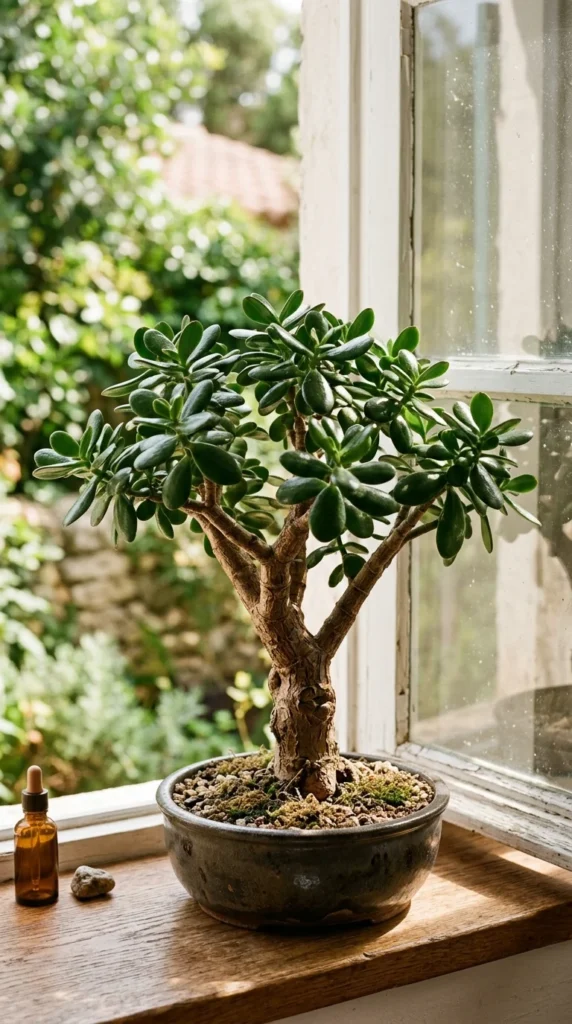
The Jade Plant (Crassula ovata) is often passed down through generations because of its incredible longevity. Known as the “money tree” in many cultures, it symbolizes prosperity and luck. For beginners, the Jade Plant is rewarding because it grows relatively quickly and can eventually take on the appearance of a beautiful miniature tree.
Jade plants are very hardy but do have one specific requirement: they need a good amount of light to prevent them from becoming “leggy” or stretched out. They are very communicative plants; if their leaves appear wrinkled or shriveled, they are thirsty. If the leaves are firm and glossy, they are perfectly happy.
4. Zebra Haworthia
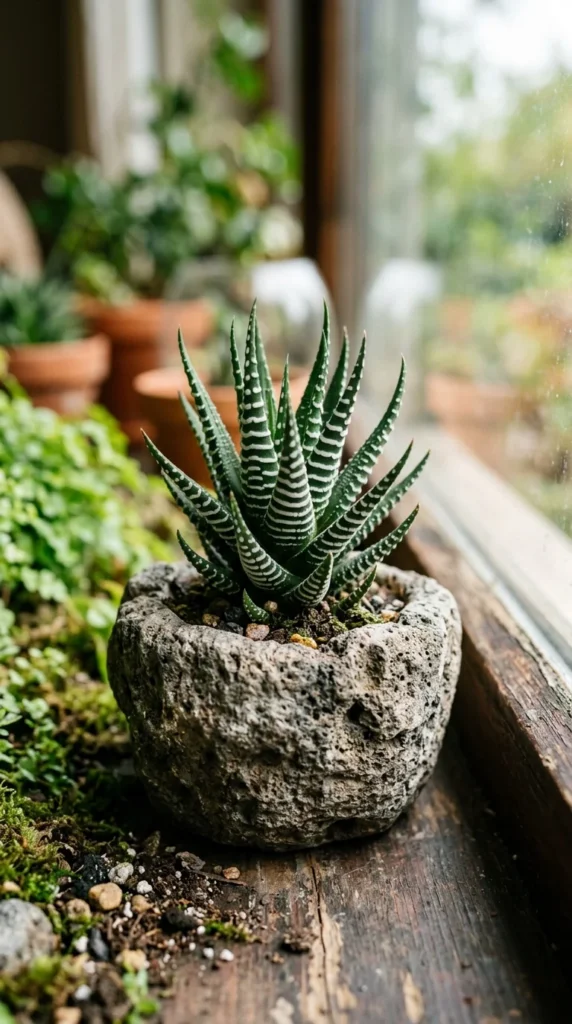
If you have limited space, the Zebra Haworthia (Haworthiopsis fasciata) is an ideal choice. These small, slow-growing succulents rarely exceed five or six inches in height. Their most striking feature is the horizontal white “pearl” stripes that contrast beautifully against their dark green leaves.
Unlike many other succulents that crave intense sun, Haworthias are quite happy in lower light environments, making them perfect for office desks or north-facing windows. They are incredibly drought-tolerant and are less prone to the rot issues that plague more delicate rosette-shaped succulents.
5. Echeveria
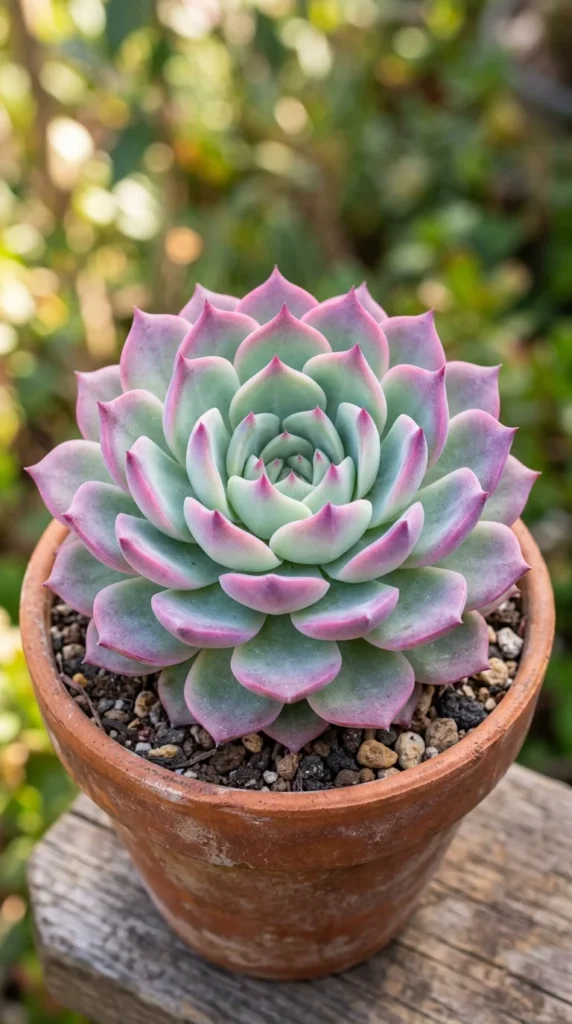
Echeverias are the “superstars” of the succulent world, often featured in wedding bouquets and trendy terrariums. They grow in stunning, symmetrical rosettes and come in a kaleidoscope of colors, from pale blues and silver to deep purples and reds.
While they are generally easy to care for, beginners should be aware that Echeverias are “light hungry.” If they don’t get enough sunlight, they will quickly stretch toward the light source, losing their compact shape. Always water the soil directly rather than pouring water into the center of the rosette, as trapped moisture can cause the plant to rot from the inside out.
6. Burro’s Tail
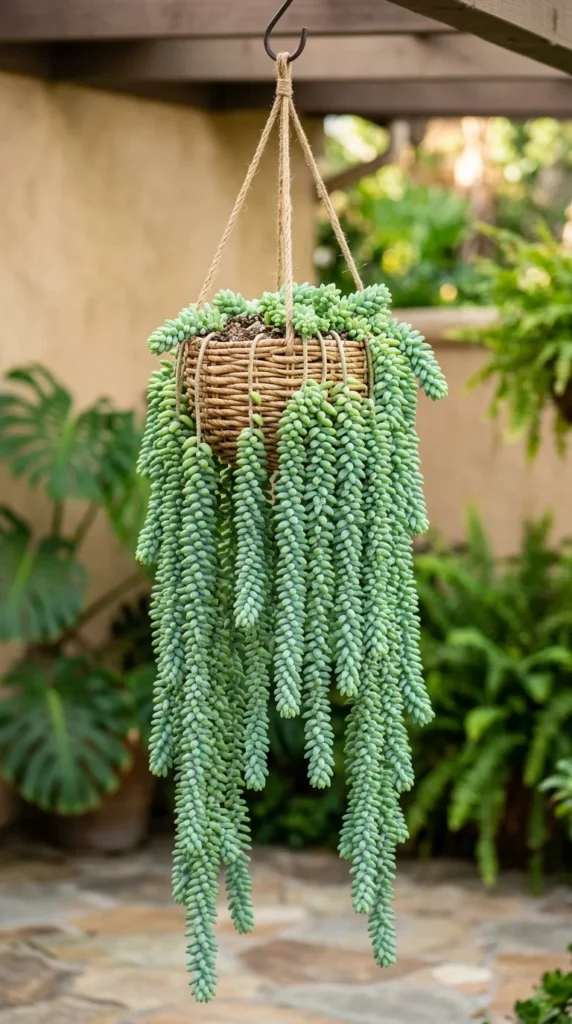
For those looking for a plant that adds vertical interest, the Burro’s Tail (Sedum morganianum) is a showstopper. This trailing succulent produces long stems that can grow several feet long, draped in fleshy, overlapping leaves. It looks spectacular in a hanging planter or placed on a high shelf where the stems can dangle freely.
The main challenge for beginners with the Burro’s Tail is that the leaves are quite fragile and can drop off if the plant is bumped or moved frequently. However, it is very easy to propagate; if a leaf falls off, you can simply tuck it back into the soil, and a new plant will often grow from the base of the leaf.
7. Christmas Cactus
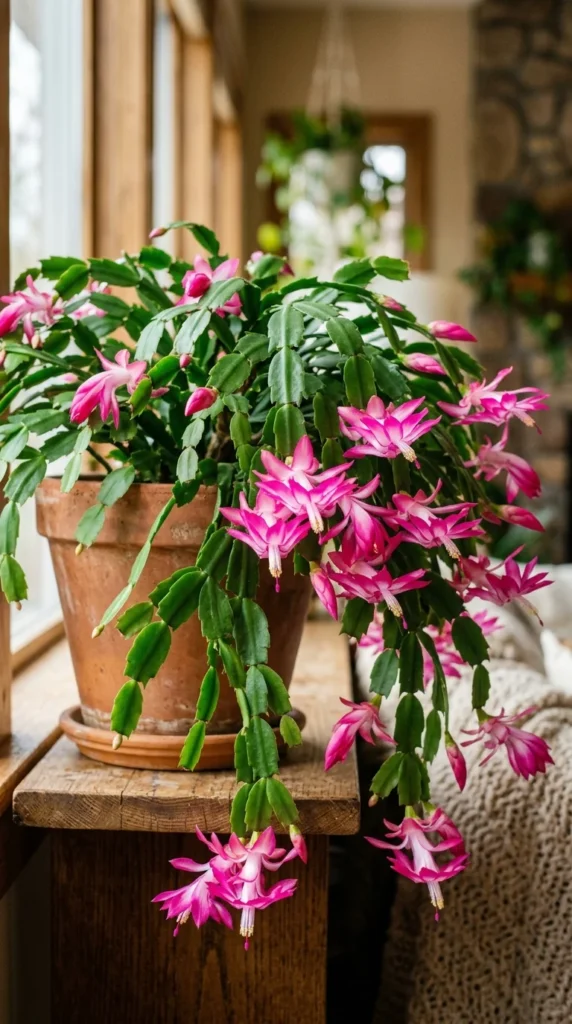
Unlike the desert-dwelling succulents mentioned above, the Christmas Cactus (Schlumbergera) is an epiphytic cactus native to the rainforests of Brazil. This means it prefers slightly more humidity and more frequent watering than its desert cousins. It is a fantastic beginner plant because it is exceptionally long-lived and rewards its owner with spectacular blooms during the darkest months of the year.
The Christmas Cactus thrives in bright, indirect light and prefers to stay slightly more moist than a typical succulent, though it still requires well-draining soil. Its segmented stems are unique and add a lush, tropical feel to any indoor garden.
8. Hens and Chicks
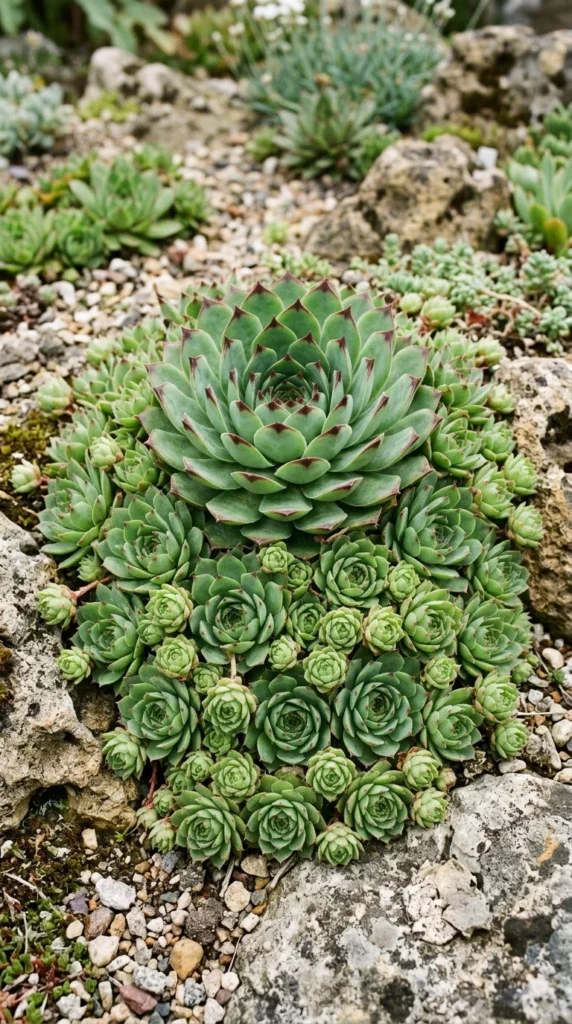
Sempervivum, commonly known as “Hens and Chicks,” are among the hardiest succulents in existence. They are cold-hardy, meaning they can survive outdoors even in freezing temperatures, making them a great choice for both indoor pots and outdoor rock gardens.
The name comes from the plant’s growth habit: the “Hen” is the main rosette, which produces numerous smaller offsets or “Chicks” around its base. These plants are extremely drought-tolerant and prefer poor, gritty soil. They are perfect for beginners because they propagate themselves naturally, quickly filling up a pot or garden space with a beautiful mat of rosettes.
9. String of Pearls
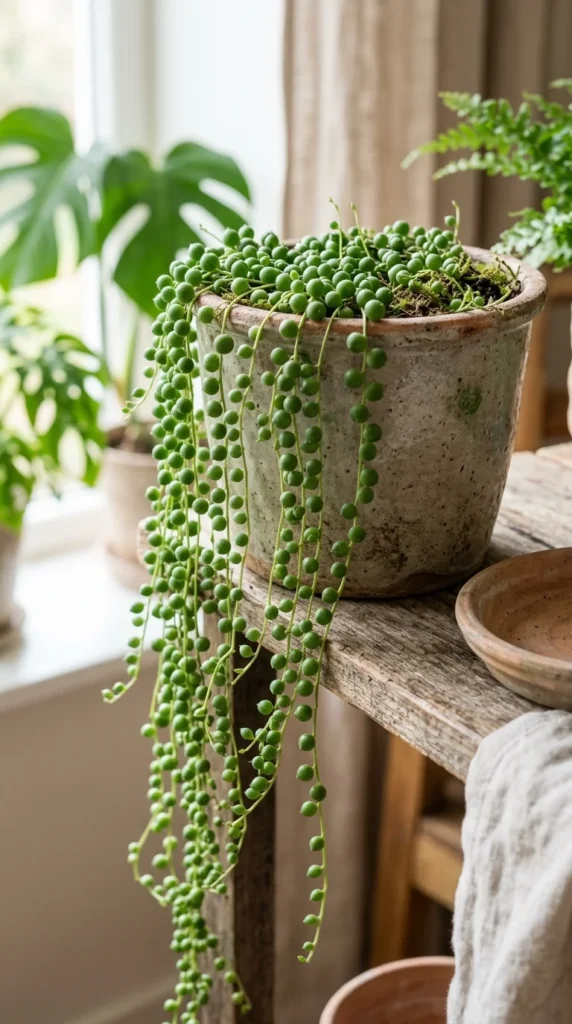
The String of Pearls (Senecio rowleyanus) is a unique and whimsical succulent that looks exactly like its name suggests. The “pearls” are actually modified leaves designed to store water while minimizing the surface area exposed to the hot sun.
While it looks delicate, it is quite hardy if its basic needs are met. It prefers bright, indirect light and a “soak and dry” watering routine. The most important tip for beginners is to ensure the top of the plant (where the stems meet the soil) gets enough light; otherwise, the top may thin out while the trailing ends continue to grow.
10. ZZ Plant
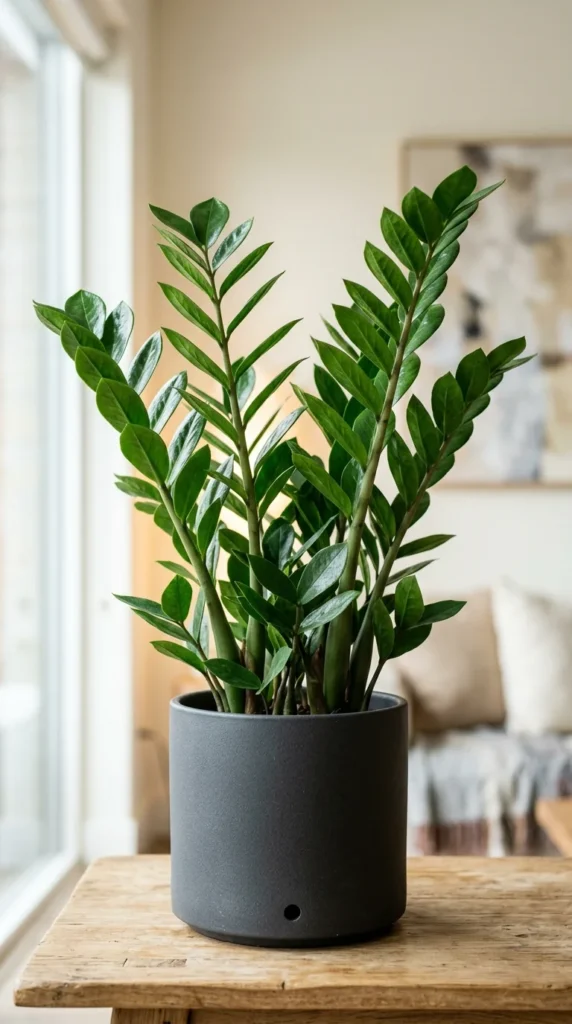
The ZZ Plant (Zamioculcas zamiifolia) is often mistaken for a plastic plant because its leaves are so incredibly shiny and perfect. While not a traditional desert succulent, it stores water in large, potato-like rhizomes under the soil, making it extremely drought-tolerant.
This is the perfect plant for the “brown thumb” gardener or someone with a low-light apartment. It can survive in windowless offices with only fluorescent lighting and can go for over a month without a drop of water. It is slow-growing and maintains its elegant shape without needing much pruning or maintenance.
Essential Care Tips for Succulent Success
Even the hardiest succulent can struggle if placed in the wrong conditions. To ensure your new plants thrive, follow these three fundamental pillars of succulent care.
The Importance of Drainage
The fastest way to kill a succulent is by letting it sit in soggy soil. Succulent roots are highly susceptible to rot. Always choose a pot with a drainage hole at the bottom. If you fall in love with a decorative pot that doesn’t have a hole, use it as a “cachepot”—keep the succulent in its plastic nursery liner and place that inside the decorative pot. Additionally, use a dedicated cactus and succulent soil mix, which usually contains perlite, pumice, or sand to allow water to move through quickly.
The “Soak and Dry” Method
Beginners often make the mistake of “misting” succulents or giving them small sips of water every few days. This is ineffective and can lead to shallow root systems or rot. Instead, use the soak and dry method: water the plant until water runs out of the drainage hole, then do not water again until the soil is dry through and through. In the winter, succulents go dormant and may only need water once every 4–6 weeks.
Light Requirements
Most succulents originate from sunny, arid regions and need plenty of light to maintain their color and shape. A south- or east-facing window is usually the best spot. If you notice your succulent is “stretching” (growing tall with wide gaps between leaves), it is a cry for more light. Conversely, if you see brown or white bleached spots on the leaves, the plant might be getting too much direct afternoon sun and is experiencing “sunburn.”
By starting with these resilient varieties and following basic care principles, you can build a stunning, low-maintenance indoor garden that will bring greenery and joy to your home for years to come.