Every gardener knows that water is the lifeblood of a thriving landscape. However, the difference between a struggling garden and a flourishing paradise often lies not just in how much you water, but in the tools you use to deliver it. Choosing the right equipment ensures that water reaches the roots efficiently, reduces waste, and saves you hours of physical labor.
Whether you are tending to a few balcony pots or managing an expansive vegetable patch, the marketplace is flooded with options ranging from traditional cans to high-tech automated systems. This guide breaks down the essential tools and provides expert insights on how to choose the best fit for your unique horticultural needs.
1. Watering Cans
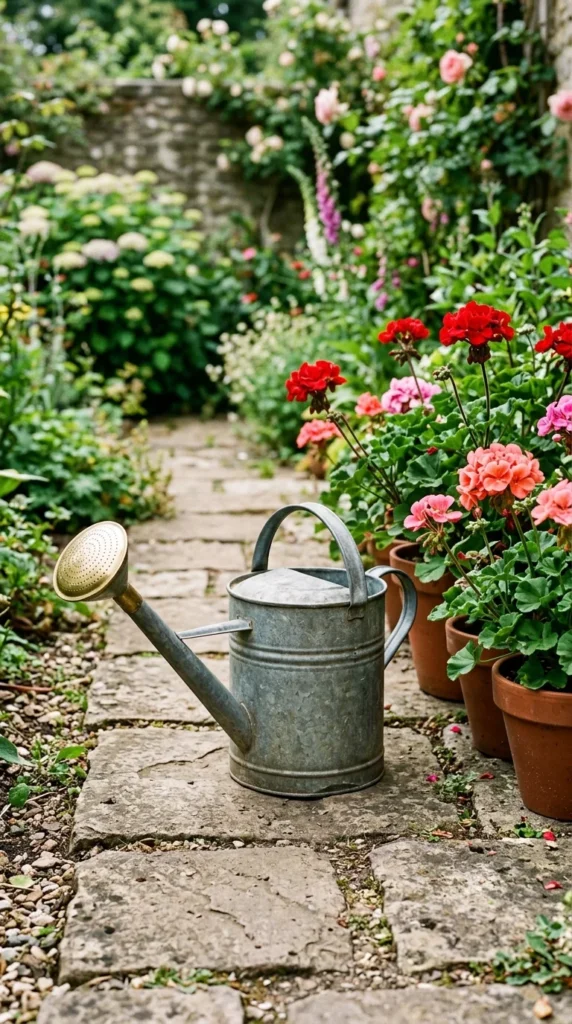
For precision and portability, the watering can remains an indispensable tool for every gardener. It is the best choice for delicate seedlings, indoor plants, and small container gardens where a high-pressure hose would be too destructive.
- Material Matters: Plastic cans are lightweight and inexpensive, making them ideal for casual use. However, they can become brittle under UV exposure. Metal cans, particularly those made of galvanized steel or copper, are more durable, resist rust, and offer a classic aesthetic.
- The “Rose” Attachment: Look for a can with a “rose” (the perforated nozzle). A fine rose produces a gentle, rain-like spray perfect for fragile flowers, while a coarse rose allows for faster watering of established shrubs.
- Balance and Ergonomics: When full, water is heavy. Choose a can with a wrap-around handle that allows you to shift your grip as the water level changes, maintaining balance and reducing wrist strain.
2. Garden Hoses
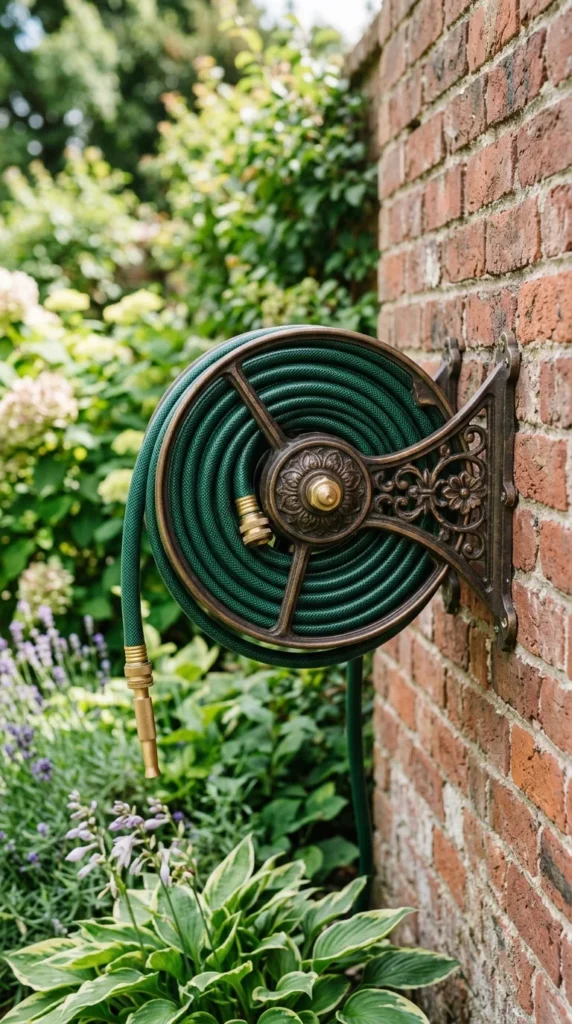
The garden hose is the backbone of most residential irrigation. It bridges the gap between your outdoor faucet and the furthest corners of your yard. However, not all hoses are created equal.
- Rubber vs. Vinyl: Vinyl hoses are lightweight and budget-friendly but prone to kinking and cracking. Professional-grade rubber hoses are heavier and more expensive but remain flexible in cold weather and can withstand much higher water pressures.
- Diameter and Length: A standard 5/8-inch diameter is the sweet spot for most homes, providing a balance between water flow and weight. Ensure you measure the distance to your furthest plant and add about 10 feet of slack; a hose that is too short is frustrating, while one that is too long causes a significant drop in water pressure.
- Ply Rating: Look for “multi-ply” hoses (usually 3 to 6 layers). The more layers, the stronger the hose and the less likely it is to burst under pressure.
3. Soaker Hoses
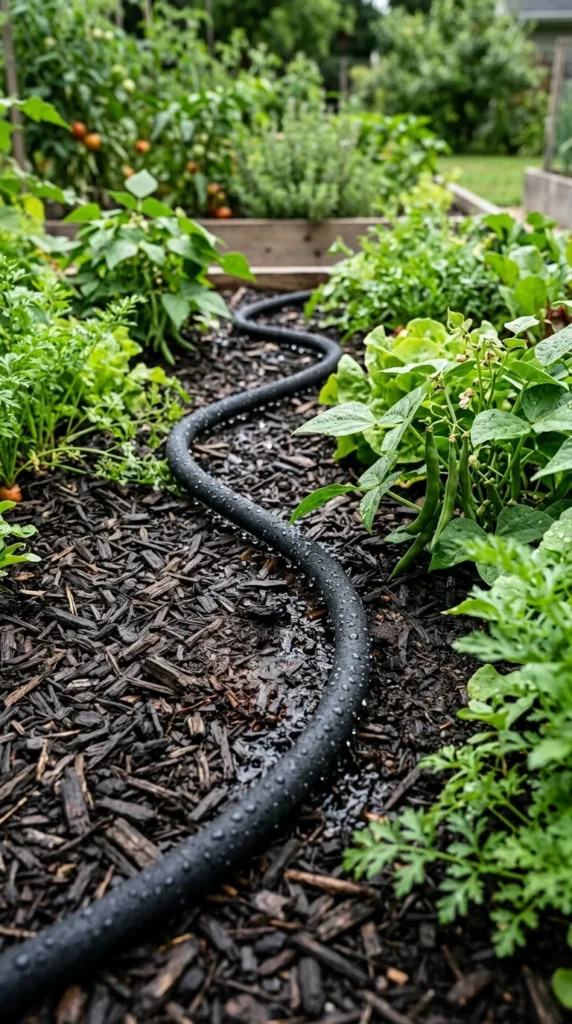
Soaker hoses are the “slow and steady” champions of the garden. Made from porous materials—often recycled tires—these hoses allow water to seep out slowly along their entire length, delivering moisture directly to the soil.
- Targeted Irrigation: These are perfect for densely planted flower beds and vegetable rows. Because the water goes straight into the dirt, it reduces evaporation and keeps foliage dry, which helps prevent fungal diseases like powdery mildew.
- Installation Tips: To maximize efficiency, bury soaker hoses under a layer of mulch. This keeps the water from evaporating and protects the hose from sun damage.
- Efficiency: They operate best at low pressure. You may need a pressure regulator to ensure the hose doesn’t burst and that the water seeps out evenly from start to finish.
4. Drip Irrigation
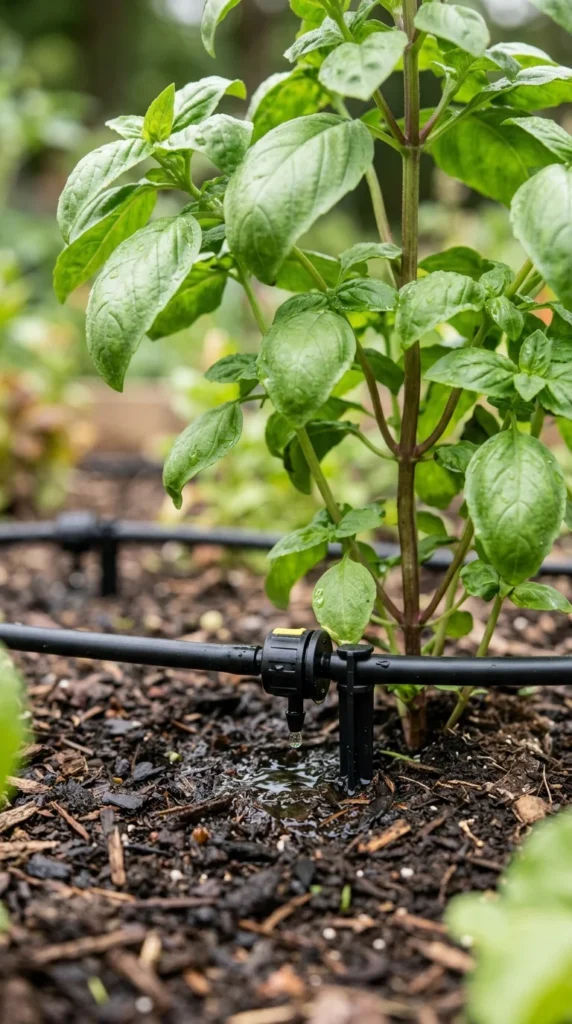
If you are looking for the gold standard in water conservation and plant health, drip irrigation is the answer. This system uses a network of narrow tubes and emitters to provide a precise amount of water to specific plants.
- Precision and Control: Drip systems are highly customizable. You can place emitters exactly where they are needed, ensuring that you aren’t watering the weeds in between your prized vegetables.
- Automated Ease: These systems are often paired with timers, allowing for a “set it and forget it” approach that ensures your plants get consistent moisture even when you are on vacation.
- Complex Setup: While drip irrigation is the most efficient, it does require a bit of planning and assembly. You will need a backflow preventer, a pressure regulator, and a filter to keep the small emitters from clogging.
5. Sprinklers
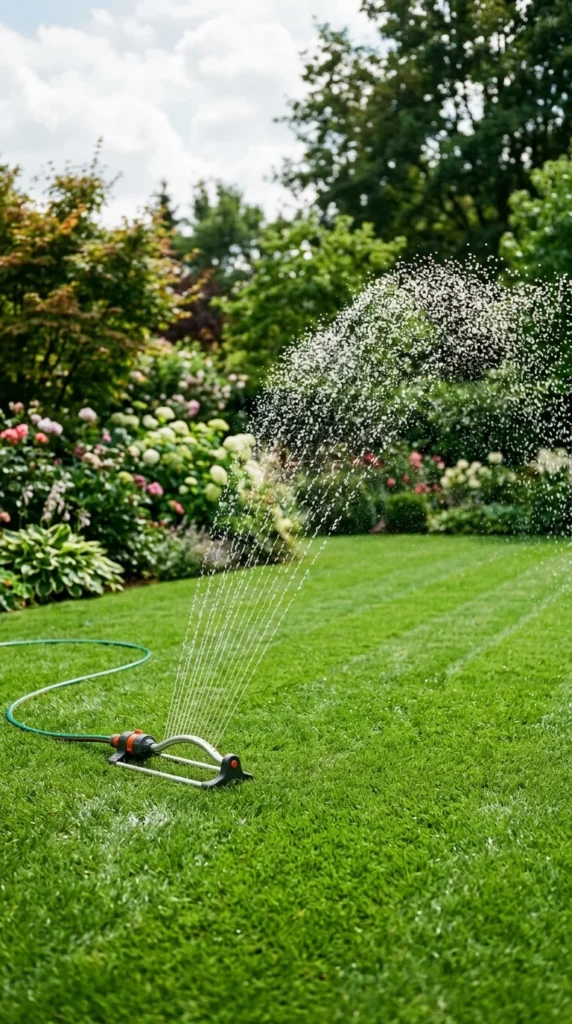
For large areas of turf or expansive groundcovers, sprinklers are the most effective way to cover ground quickly. They come in several varieties, each suited to different shapes of land.
- Oscillating Sprinklers: These create a rectangular spray pattern, making them ideal for standard suburban lawns.
- Impact Sprinklers: Known for their distinct “tic-tic-tic” sound, these spray water in a circular pattern and are excellent for long-distance watering.
- Stationary Sprinklers: These are simple tools that spray in a fixed pattern (like a square or circle) and are best for small, specific patches of grass.
- Adjustability: Choose a model that allows you to adjust the width and length of the spray to avoid wasting water on your driveway or the side of your house.
6. Spray Nozzles
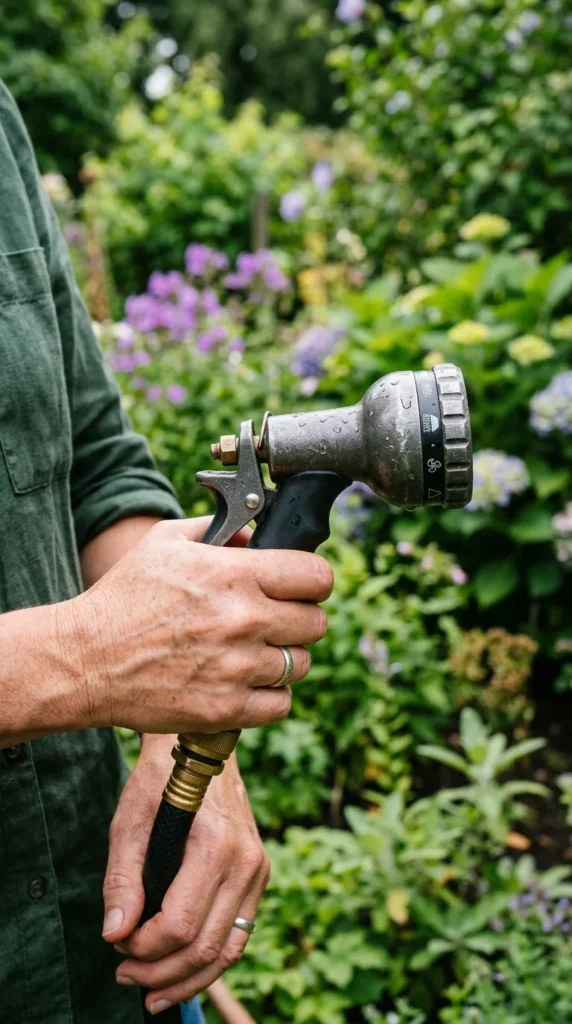
The nozzle is the interface between you and your hose. A high-quality nozzle gives you the versatility to go from power-washing a walkway to misting delicate orchids with a simple click.
- Pistol Grip vs. Wand: Pistol grips are great for general tasks. However, watering wands (long metal tubes with a nozzle at the end) are superior for reaching the base of hanging baskets or deep into thick shrubbery without bending over.
- Pattern Options: Look for a multi-pattern dial. A “soaker” setting is great for filling buckets, a “shower” setting mimics rain for general watering, and a “mist” setting is vital for humidity-loving plants or seedlings.
- Construction: Avoid all-plastic nozzles, which tend to leak after one season. Look for metal bodies with rubberized grips for durability and comfort.
7. Hose Timers
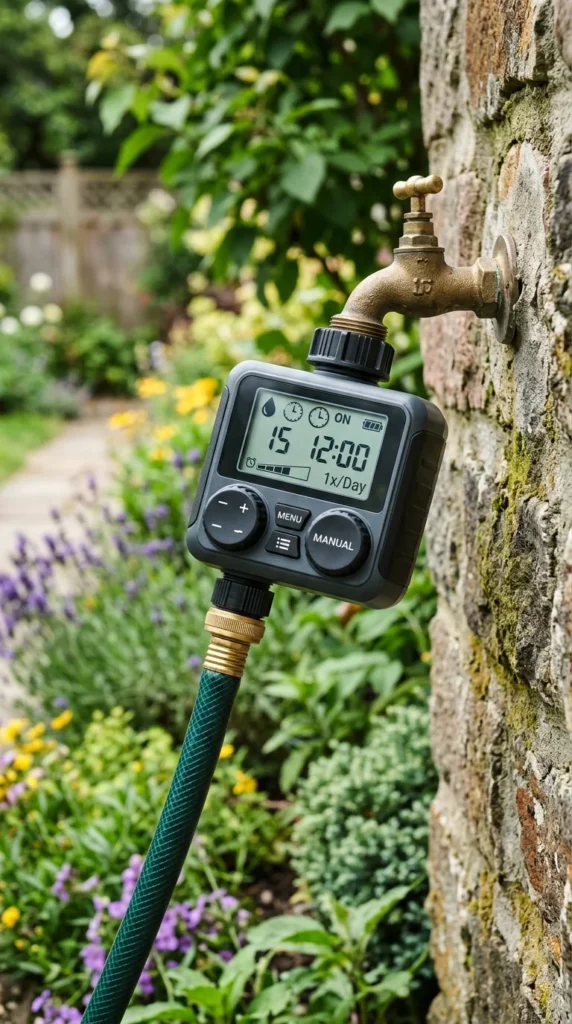
The biggest mistake gardeners make is inconsistent watering. A hose timer removes the human error from the equation, ensuring your garden receives the right amount of hydration at the optimal time of day.
- Mechanical vs. Digital: Mechanical timers work like a kitchen timer; you turn the dial, and it shuts off after a set period. Digital timers allow for complex scheduling, such as watering for 20 minutes every Tuesday and Friday at 5:00 AM.
- Smart Timers: The latest generation of timers connects to your Wi-Fi and uses local weather data to skip watering cycles if rain is in the forecast, significantly reducing your water bill.
- The Early Bird Advantage: Setting a timer for the early morning hours (4:00 AM to 7:00 AM) is best for plants, as it allows the water to soak in before the sun gets hot, but gives the leaves time to dry out during the day.
8. Rain Barrels
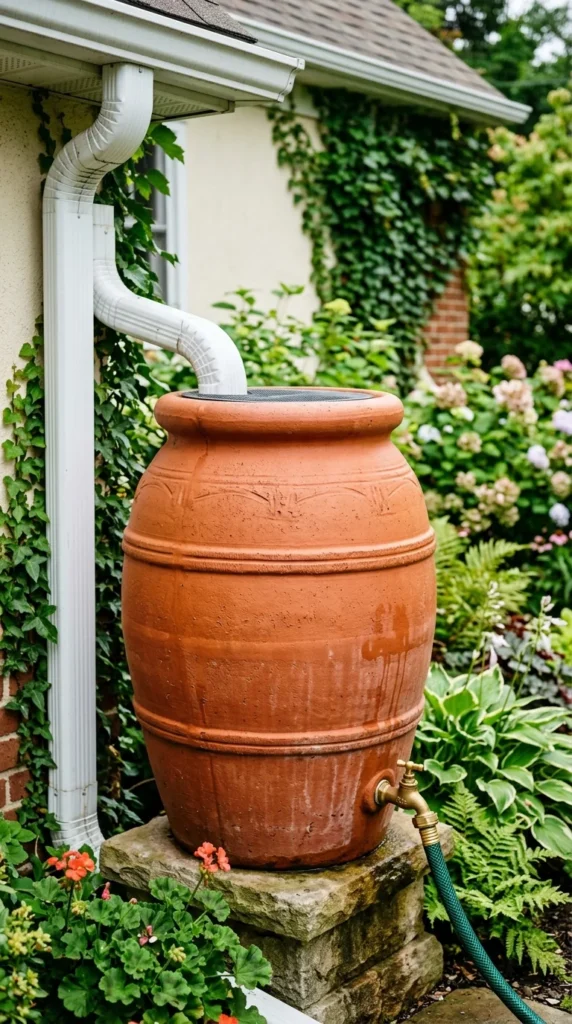
Sustainability is a growing priority for modern gardeners. Rain barrels allow you to harvest free, chlorine-free water directly from your roof, which is often better for your plants than treated tap water.
- Capacity: Most barrels hold between 50 and 80 gallons. Consider your roof size and local rainfall patterns when choosing a size.
- Safety Features: Ensure the barrel has a fine mesh screen on top to prevent mosquitoes from breeding and to keep debris out. It should also have an overflow valve to direct excess water away from your home’s foundation.
- Gravity Feed: Since rain barrels rely on gravity rather than pump pressure, they are best used with watering cans or short lengths of soaker hose. To increase pressure, elevate the barrel on sturdy cinder blocks or a wooden stand.
Making the Final Choice
When selecting your watering tools, consider the Golden Trio: your garden’s size, your physical ability, and your budget. A sprawling landscape demands the automation of drip systems or sprinklers, while a small urban balcony is perfectly served by a high-quality watering can. By investing in durable, well-designed tools, you not only make your gardening chores easier but also ensure that your plants remain healthy and vibrant throughout the growing season.