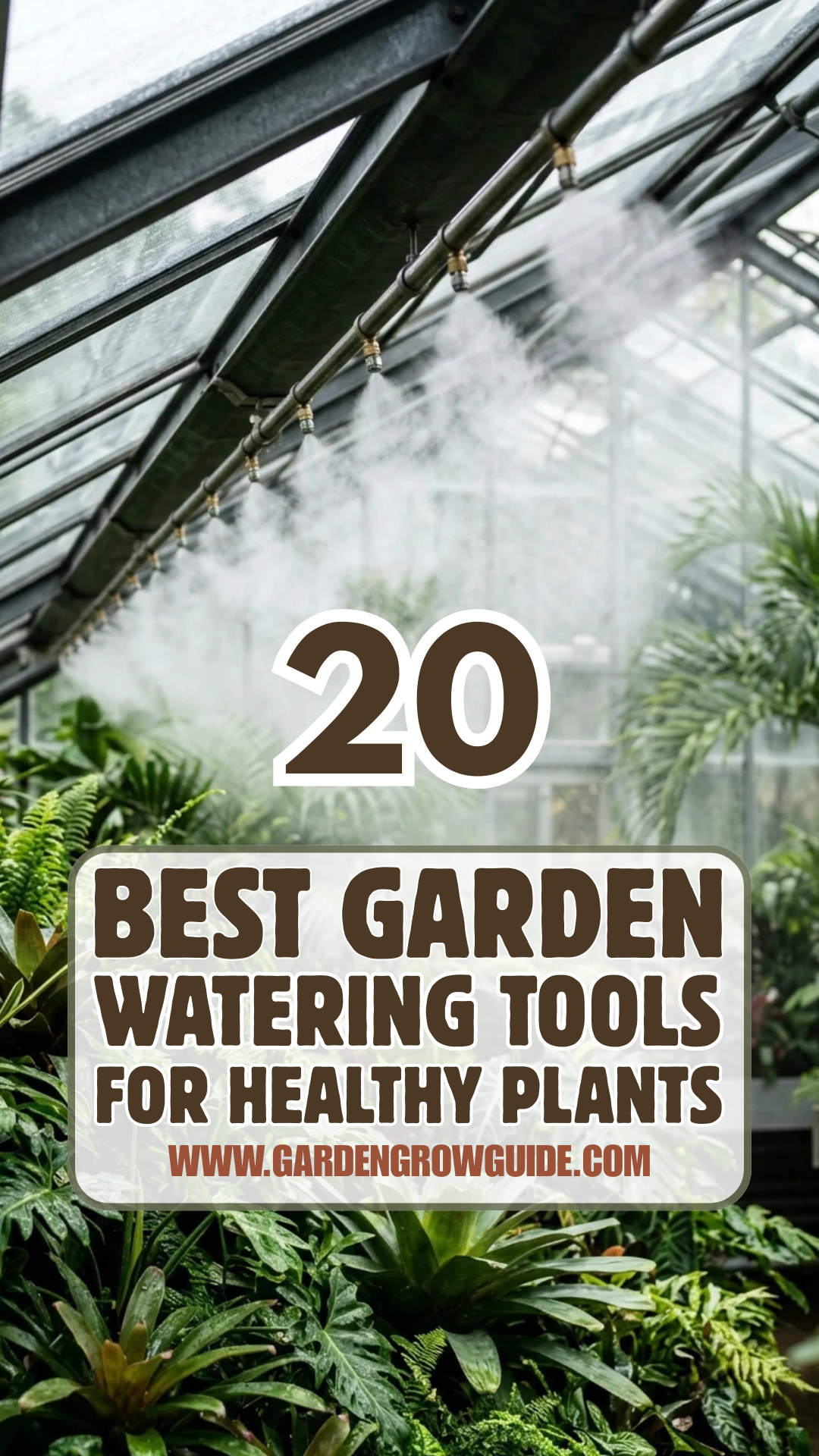
Maintaining a thriving garden requires more than just sunlight and soil; it demands a precise and consistent watering strategy. Whether you are managing a sprawling backyard or a few balcony containers, the right tools can make the difference between a withered harvest and a flourishing landscape. This guide explores the 20 best garden watering tools designed to optimize hydration and promote long-term plant health.
1. Traditional Garden Hose
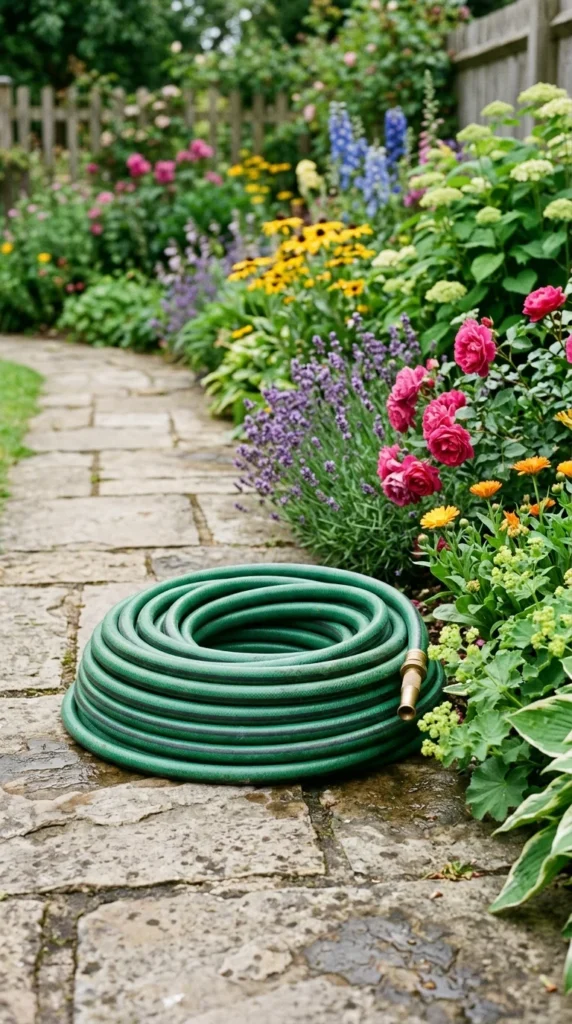
The backbone of any garden, a high-quality garden hose is essential for reaching every corner of your landscape. Look for hoses made from multi-layered rubber or reinforced vinyl to prevent kinking and UV damage. A 5/8-inch diameter is standard for most residential needs, providing a perfect balance between water pressure and flow rate.
2. Soaker Hose
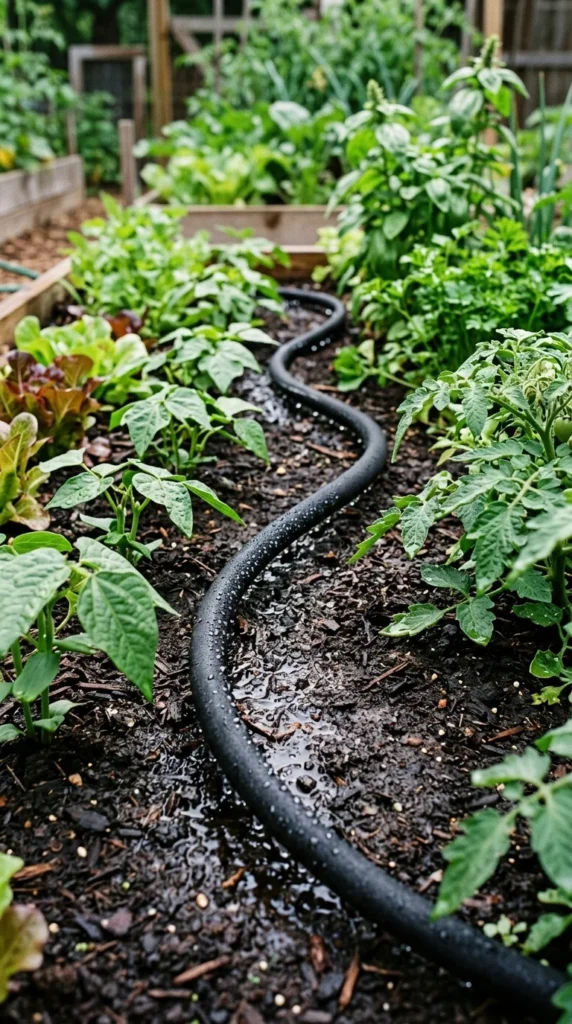
Soaker hoses are designed to weep water slowly along their entire length. By placing these directly on the soil or under a layer of mulch, you deliver moisture straight to the root zones. This method significantly reduces water evaporation and prevents fungal diseases by keeping the foliage dry.
3. Drip Irrigation Kit
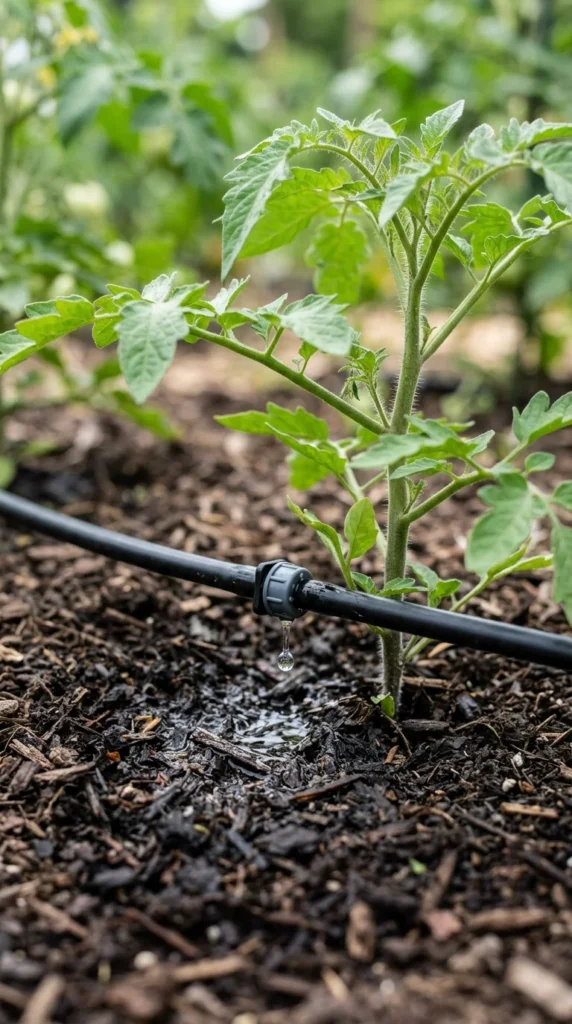
For the ultimate in water efficiency, a drip irrigation system is the professional’s choice. These kits allow you to customize a network of tubes and emitters that deliver a precise amount of water to each plant. They are ideal for raised beds, orchards, and perennial borders where consistent moisture is critical.
4. Watering Can
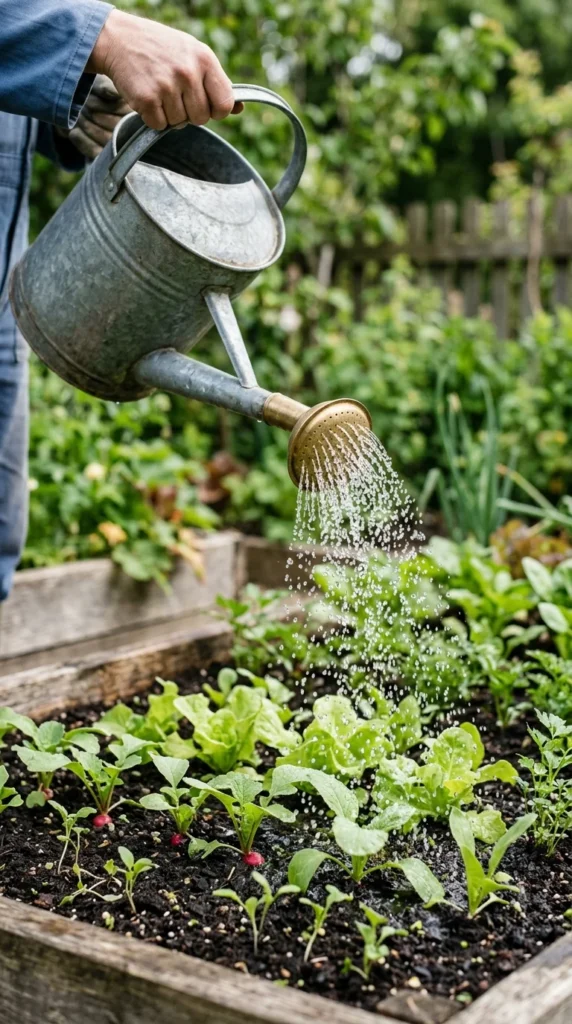
Every gardener needs a reliable watering can for spot-watering and delicate tasks. A long-neck design allows you to reach into dense foliage, while a removable “rose” or spray head provides a gentle, rain-like flow that won’t wash away soil or damage fragile flower petals.
5. Oscillating Sprinkler
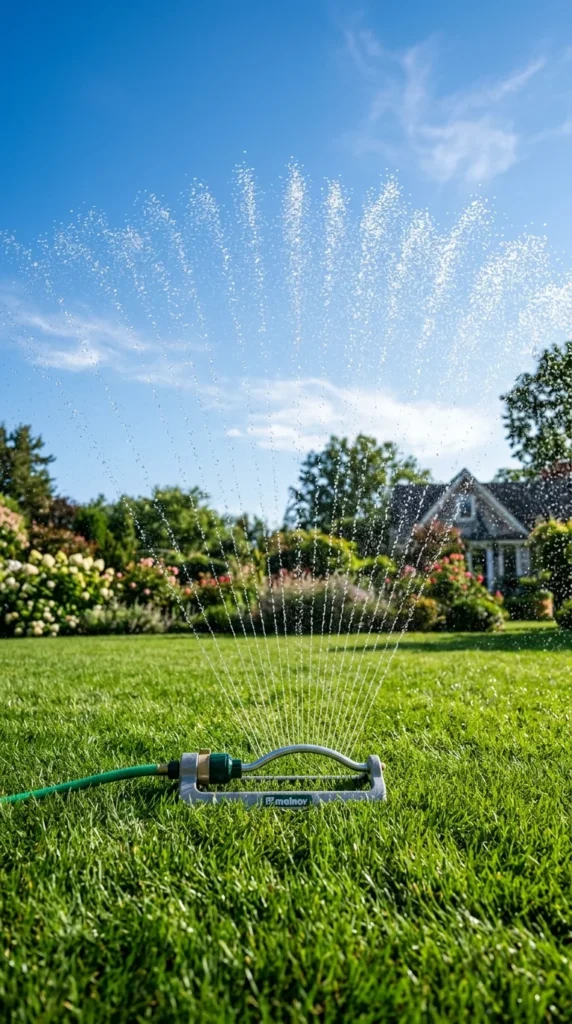
Perfect for rectangular lawns and large vegetable plots, the oscillating sprinkler moves a metal or plastic arm back and forth. Modern versions feature adjustable width and range controls, allowing you to tailor the water coverage to your specific garden dimensions without wasting water on sidewalks.
6. Impact Sprinkler
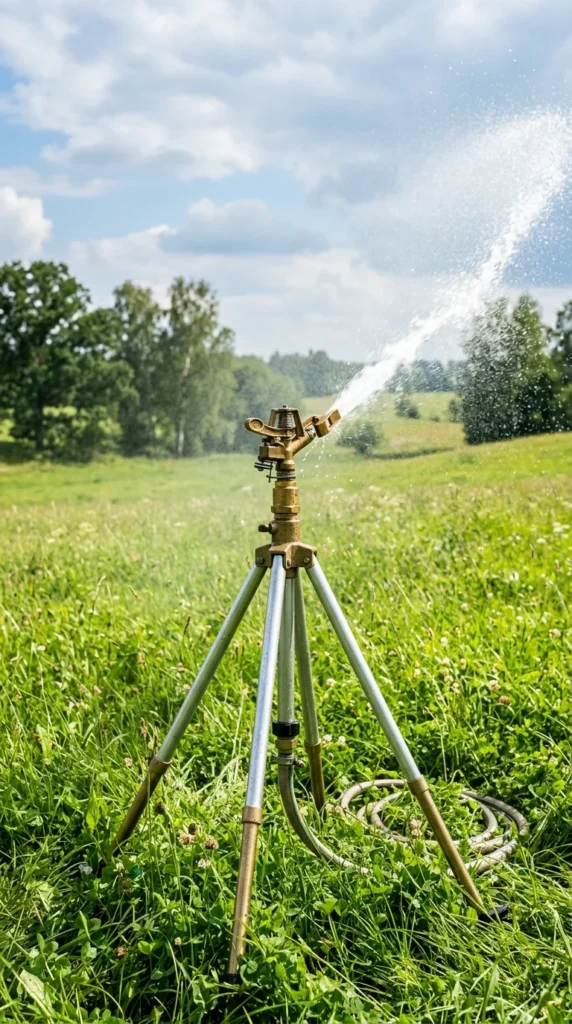
Commonly seen in larger landscapes, impact sprinklers (or “pulse” sprinklers) use a weighted arm to strike the water stream, creating a distinct “ch-ch-ch” sound. They are exceptionally durable and can cover vast circular areas, making them the top choice for established lawns and large-scale plantings.
7. Hose Spray Nozzle
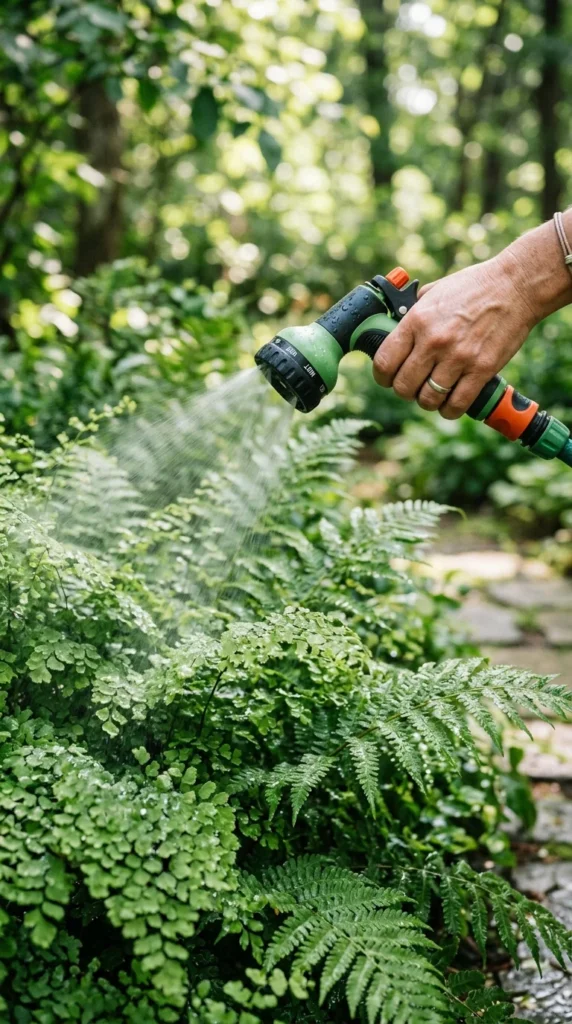
A versatile spray nozzle transforms your hose into a multi-functional tool. Look for models with at least seven to nine spray patterns, such as “center,” “flat,” “soaker,” and “mist.” Ergonomic thumb-control levers are preferable over traditional triggers to reduce hand fatigue during long watering sessions.
8. Watering Wand
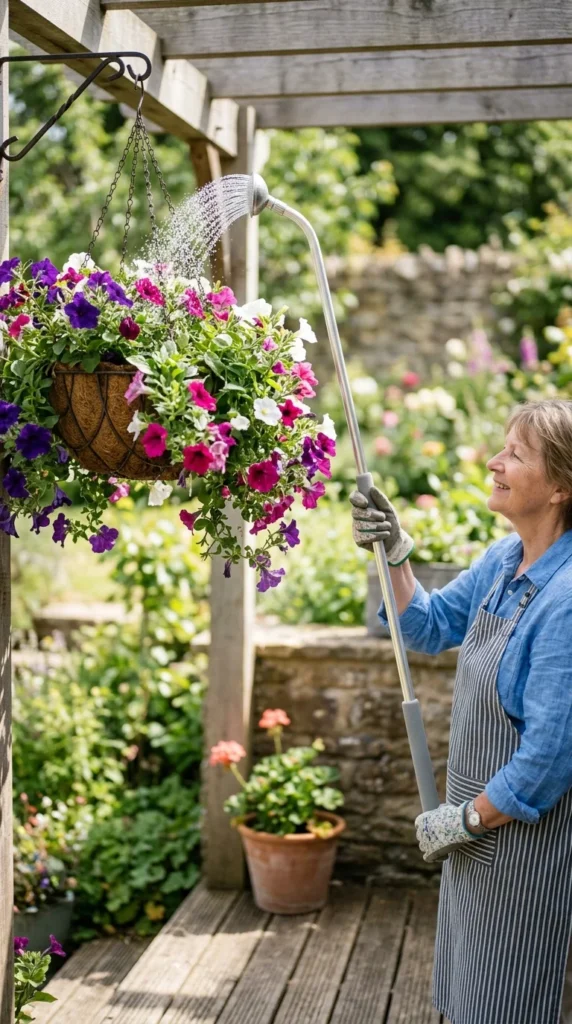
A watering wand extends your reach, making it easy to hydrate hanging baskets or reach the center of deep garden beds. The long shaft allows you to place the water exactly at the base of the plant without bending over, ensuring the roots get soaked while the leaves remain dry.
9. Smart Water Timer
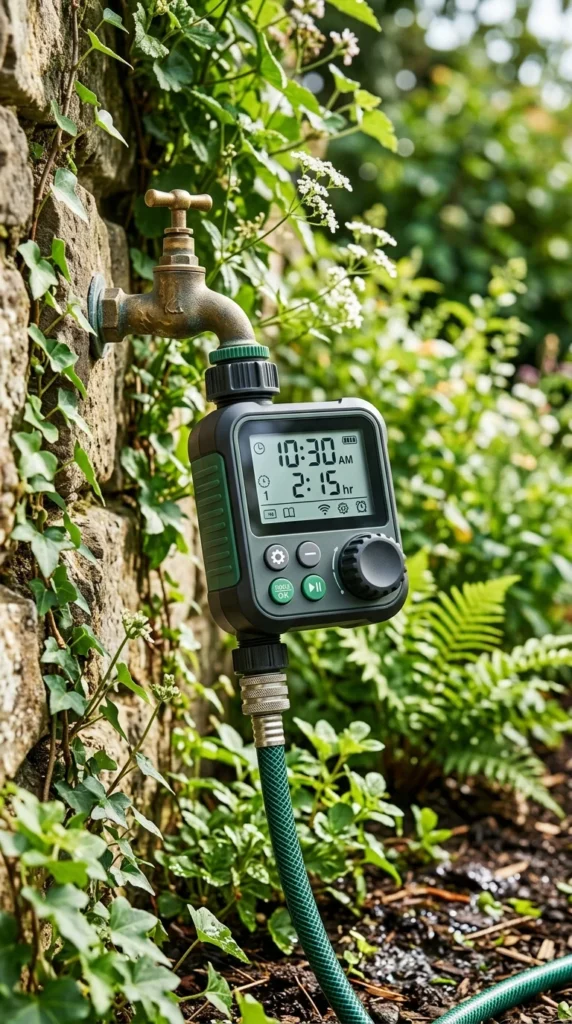
Automation is the key to consistency. A smart water timer attaches to your spigot and can be programmed to water at specific times—ideally early morning when evaporation is at its lowest. Some “smart” versions even connect to Wi-Fi to adjust the schedule based on local weather forecasts.
10. Soil Moisture Meter
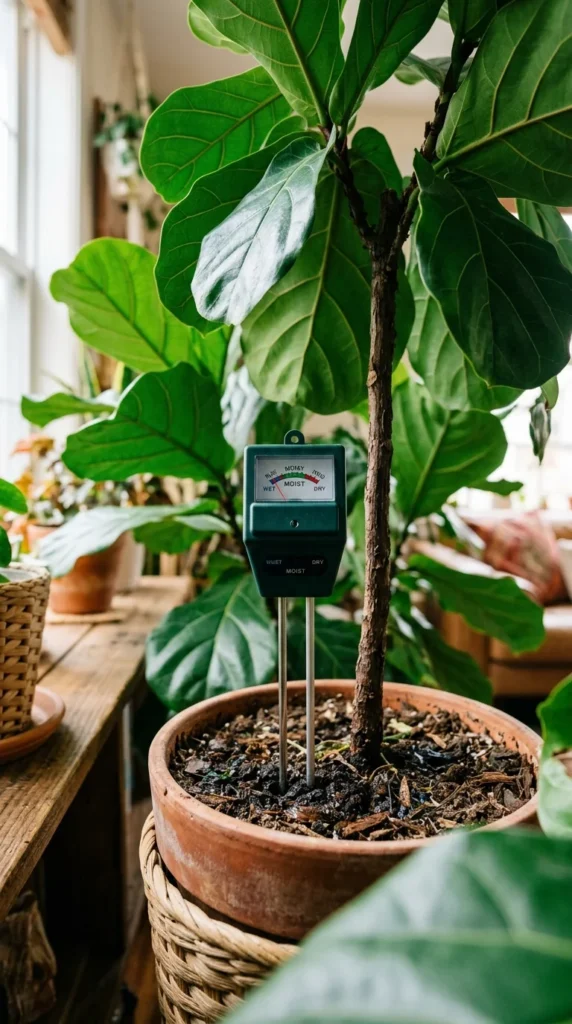
Stop the guesswork with a moisture meter. This simple tool features a probe that you insert into the soil to get an instant reading of the moisture levels at the root depth. It prevents overwatering, which is a leading cause of root rot and plant death in both indoor and outdoor gardens.
11. Self-Watering Spikes
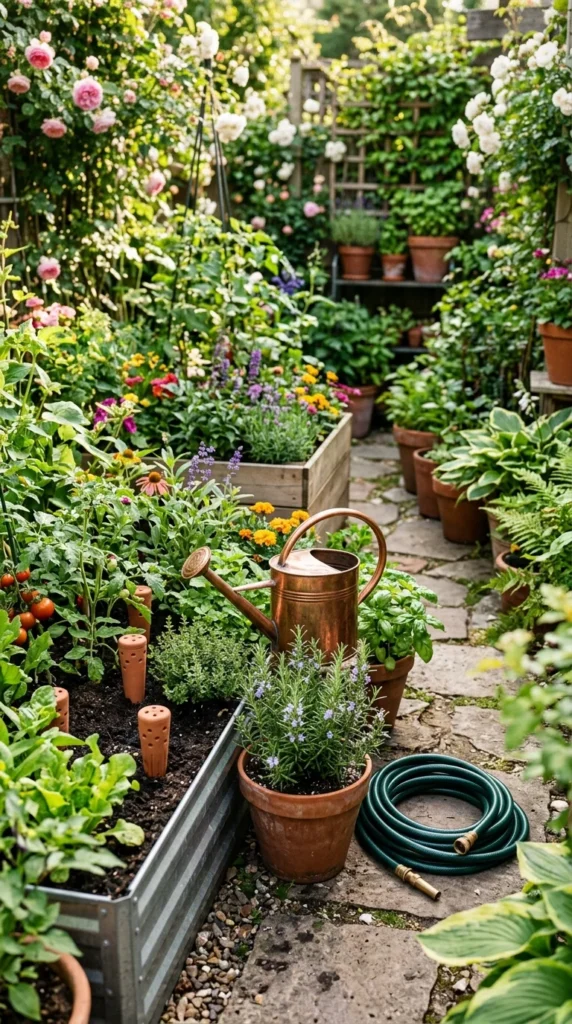
Self-watering spikes are excellent for containers or for keeping plants hydrated while you are away on vacation. They work via capillary action or gravity, slowly releasing water from a reservoir (like a recycled bottle) into the soil as it dries out.
12. Rain Barrel
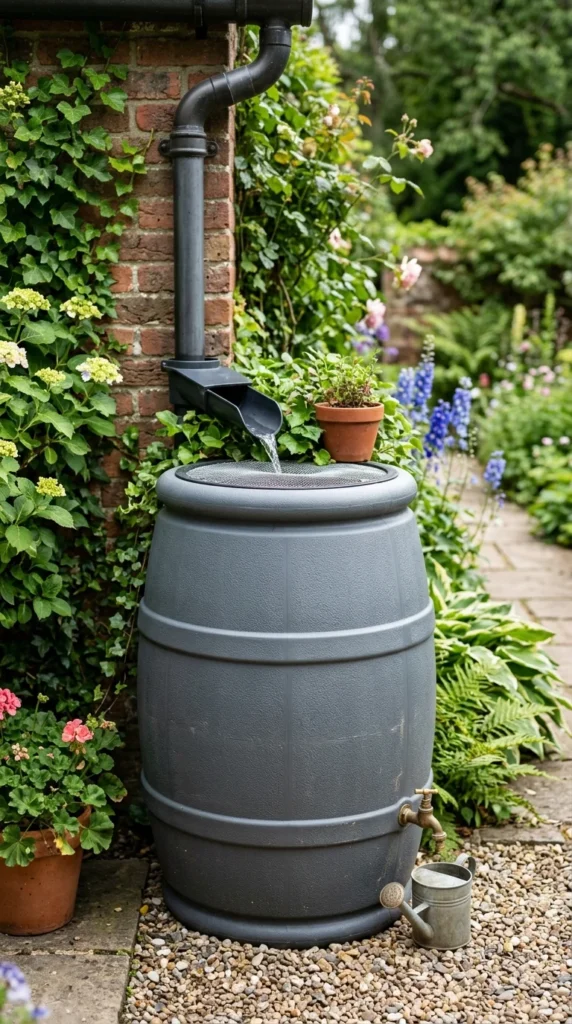
Collecting rainwater is an eco-friendly way to provide your plants with “soft” water that is free of chlorine and fluoride. Rain barrels sit under your home’s downspouts and store hundreds of gallons of water that can be used during dry spells, saving you money and reducing runoff.
13. Tree Watering Bag
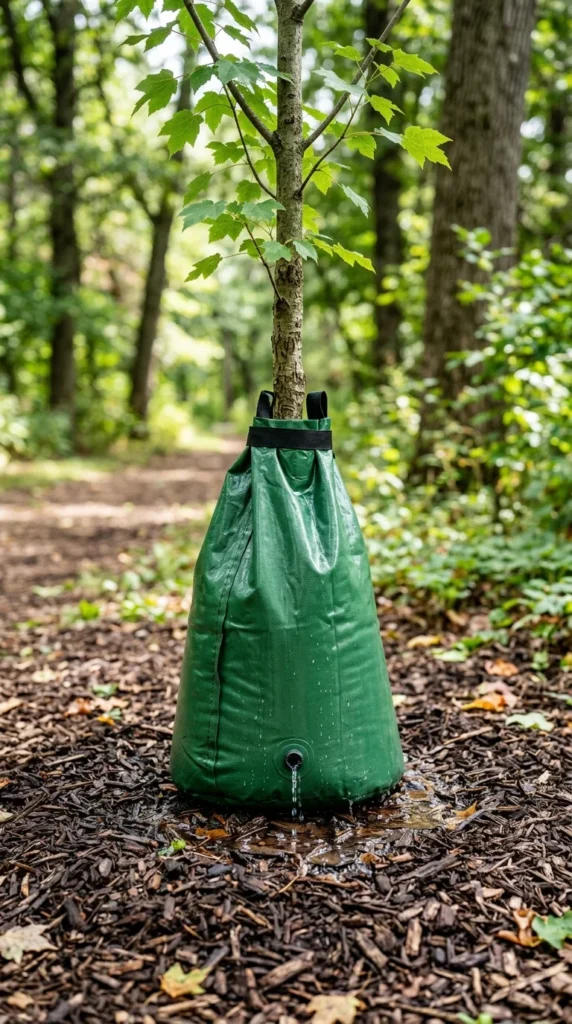
Young trees require deep, slow watering to establish strong root systems. A tree watering bag (often called a “gator bag”) wraps around the trunk and holds several gallons of water, which it slowly releases over several hours. This ensures the water penetrates deep into the earth rather than running off the surface.
14. Root Feeding Tool
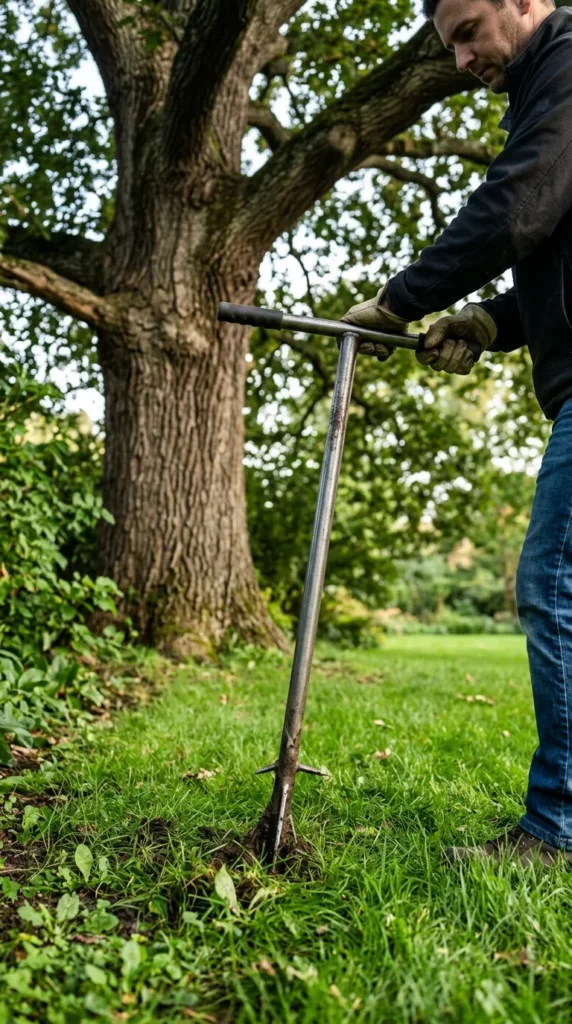
Surface watering often fails to reach the deep roots of established trees and shrubs. A root feeder is a hollow metal spike that connects to your hose. You drive it into the ground, and it delivers water (and sometimes liquid fertilizer) directly into the subterranean root zone.
15. Retractable Hose Reel
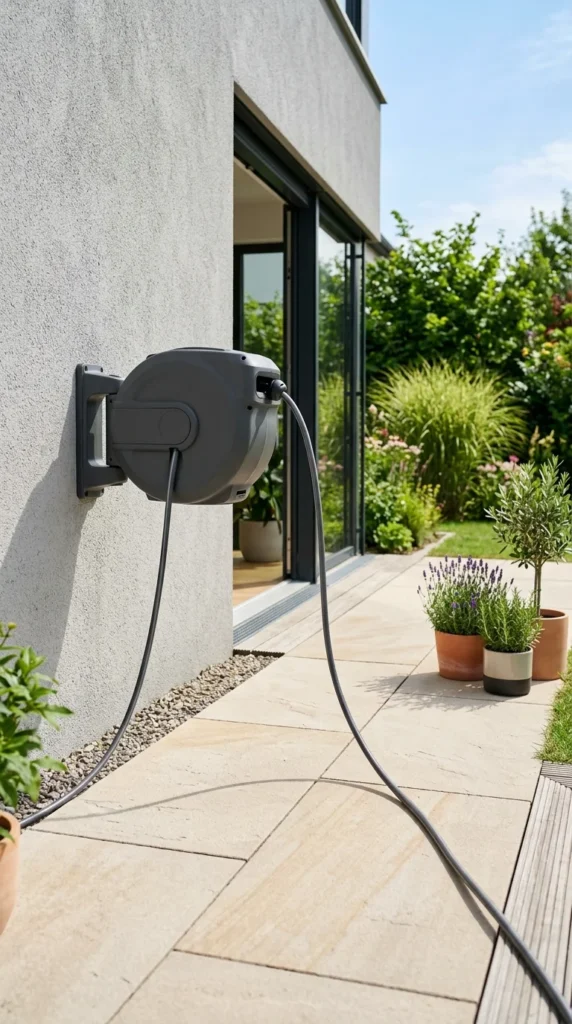
Organization is vital for tool longevity. A retractable hose reel protects your hose from UV damage and tripping hazards by neatly winding it into a protective casing. The spring-loaded mechanism makes it easy to pull out only what you need and retract it with a simple tug.
16. Mist Cooling System
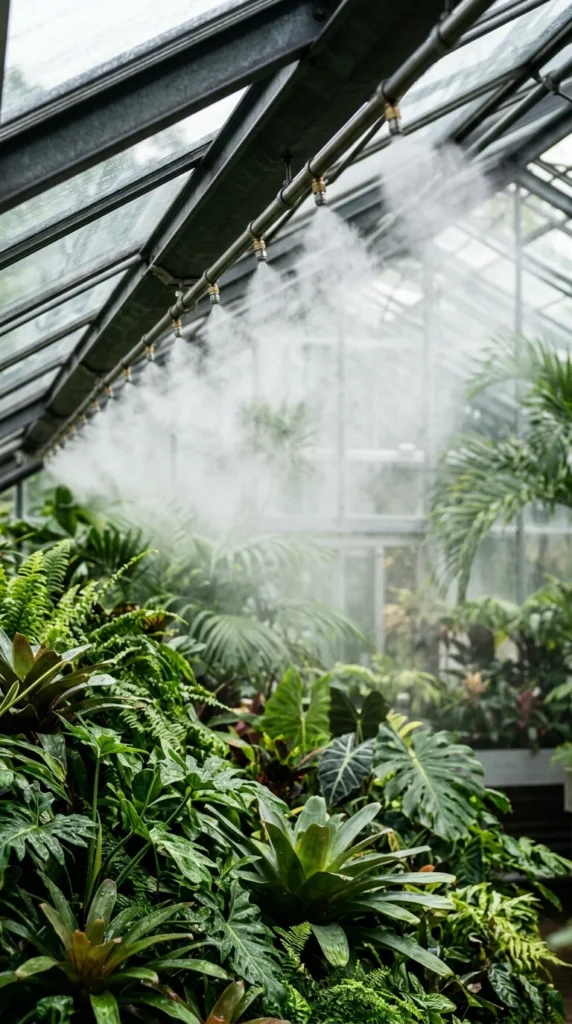
For gardeners in hot, arid climates or those managing greenhouses, a misting system is a lifesaver. These systems use high-pressure nozzles to create a fine fog that lowers the ambient temperature and increases humidity, protecting delicate plants from heat stress.
17. Pressure Sprayer
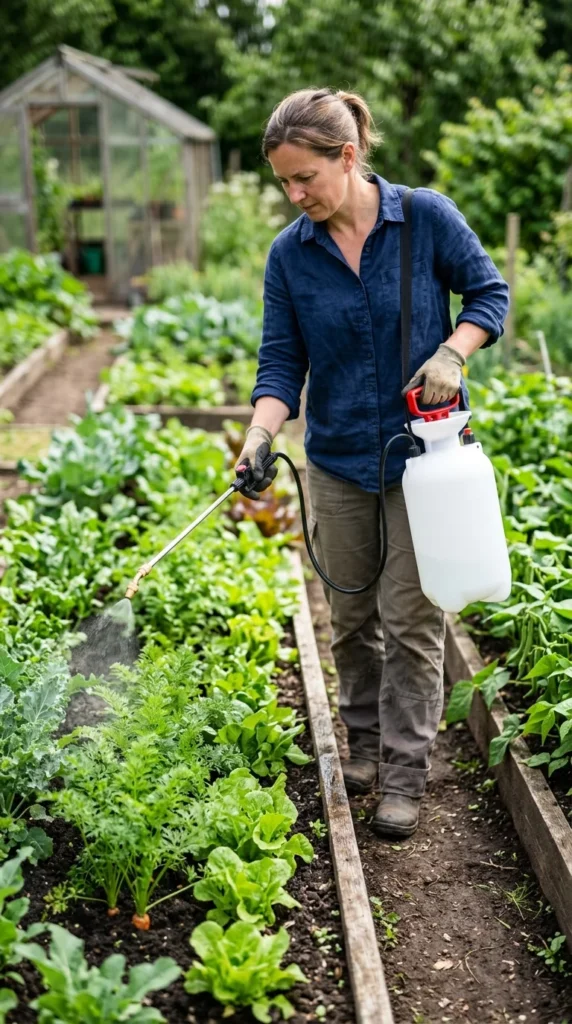
While often used for fertilizers or pest control, a pressure sprayer is also a valuable watering tool for seed flats and succulents. The pressurized tank allows for a very fine, consistent spray that provides hydration without disturbing the soil or the placement of tiny seeds.
18. Expandable Hose
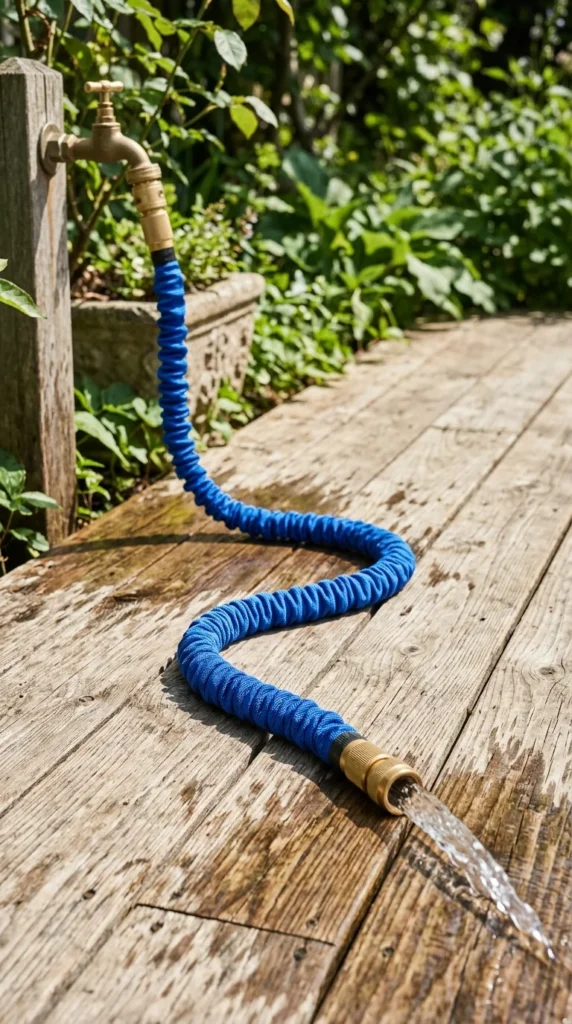
If storage space is a premium, an expandable hose is the answer. These hoses are made from a flexible inner core and a pleated fabric outer shell. They “grow” up to three times their length when the water is turned on and shrink back down to a compact size for easy storage in a small bucket or basket.
19. Plant Watering Bulbs
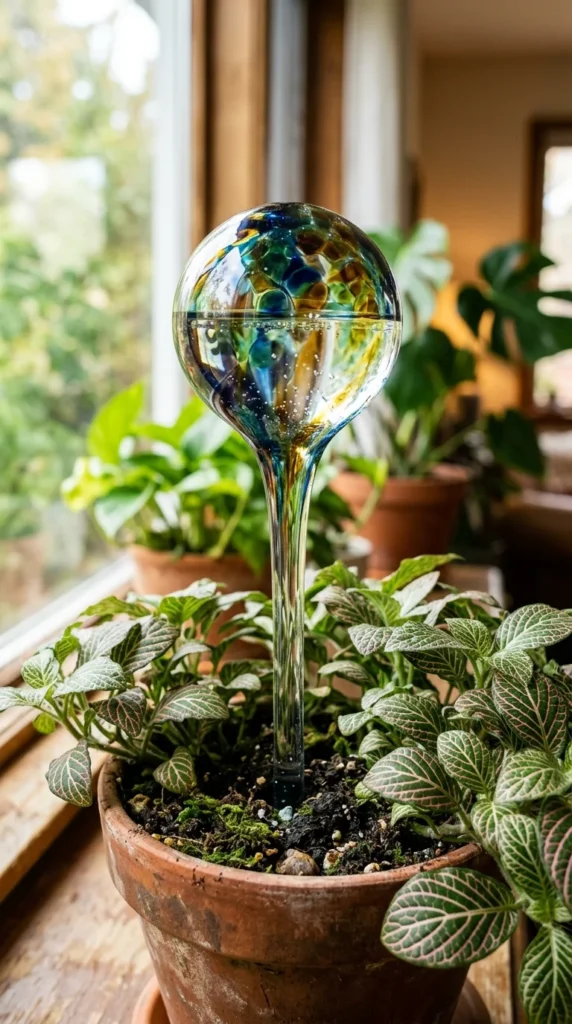
Watering bulbs, or globes, provide a decorative and functional way to keep indoor plants or small outdoor containers hydrated. As the soil dries, air enters the globe, displacing a small amount of water into the soil. They are perfect for maintaining the delicate balance of moisture required by ferns and tropicals.
20. Rain Gauge
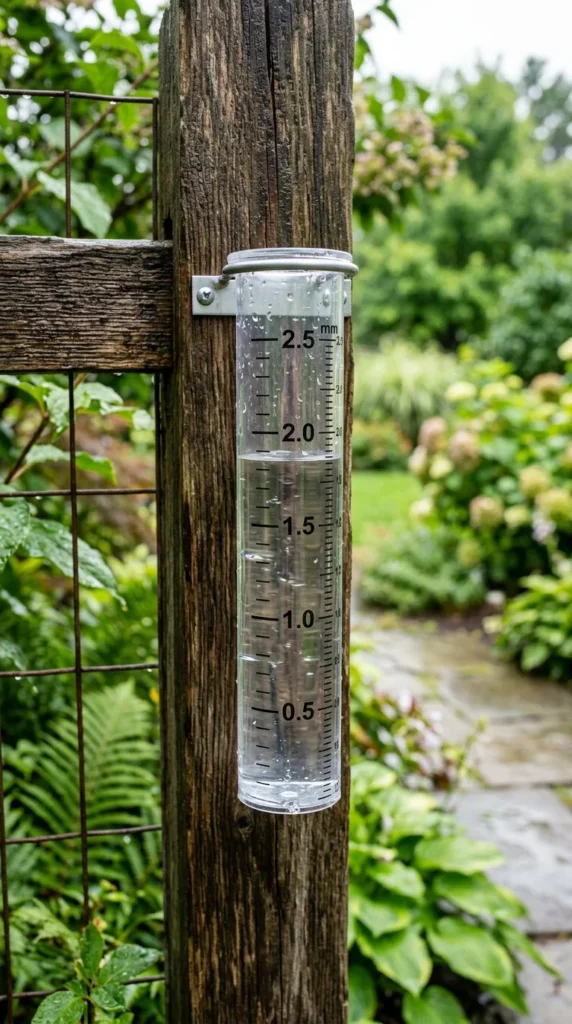
Knowledge is power in the garden. A rain gauge allows you to track exactly how much natural precipitation your garden has received each week. Most gardens require about an inch of water per week; by checking your gauge, you can determine exactly how much supplemental watering is necessary, preventing both waste and over-saturation.