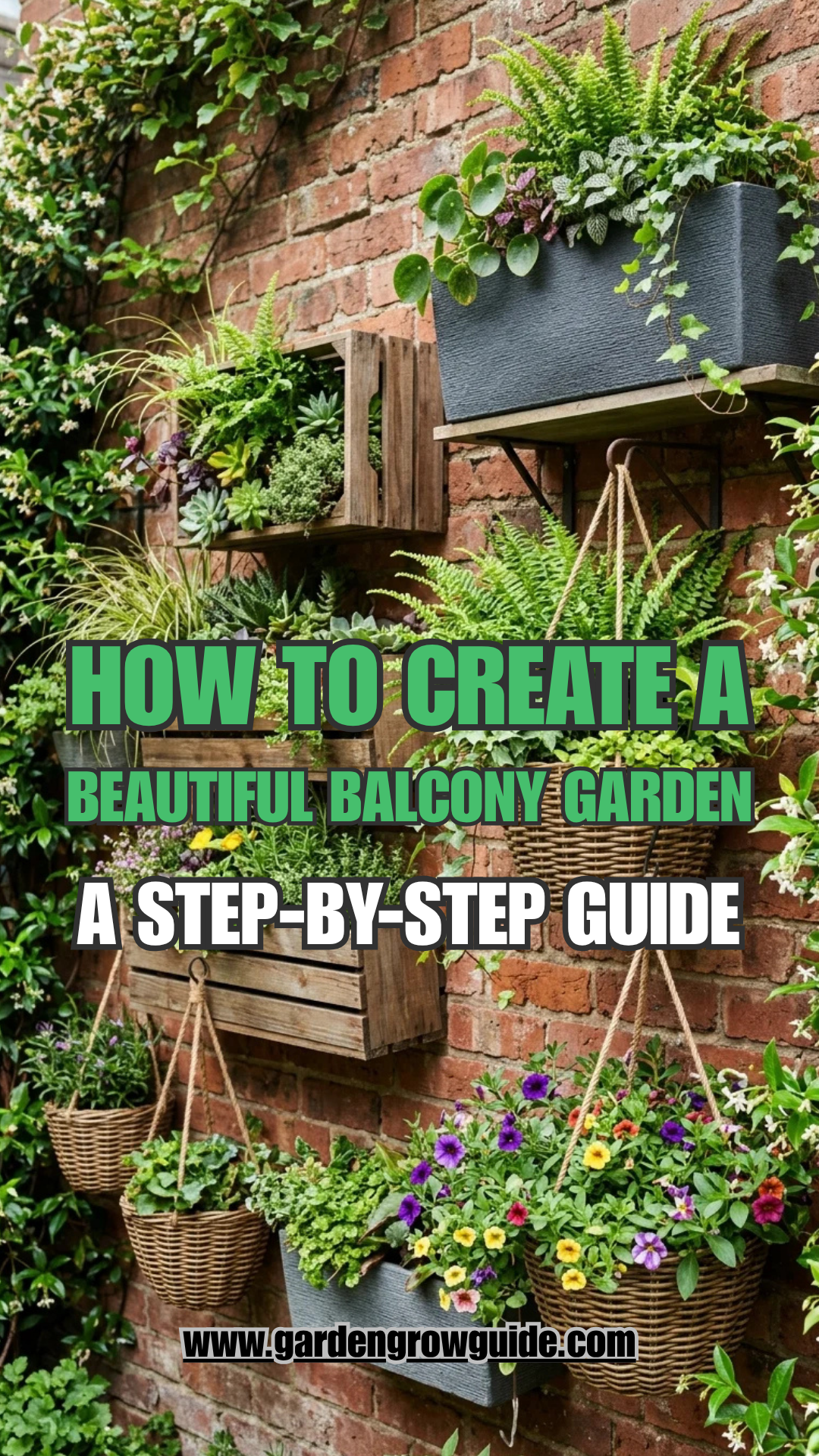
In the heart of a bustling city, a balcony is more than just an outdoor ledge; it is a sanctuary, a breath of fresh air, and a canvas for nature. Creating a balcony garden allows you to bridge the gap between urban living and the natural world, providing a peaceful retreat right outside your door. Whether you have a sprawling terrace or a tiny Juliet balcony, the principles of design, horticulture, and maintenance remain the same. This guide will walk you through every step of the journey to transform your outdoor space into a thriving, green paradise.
1. Assessment
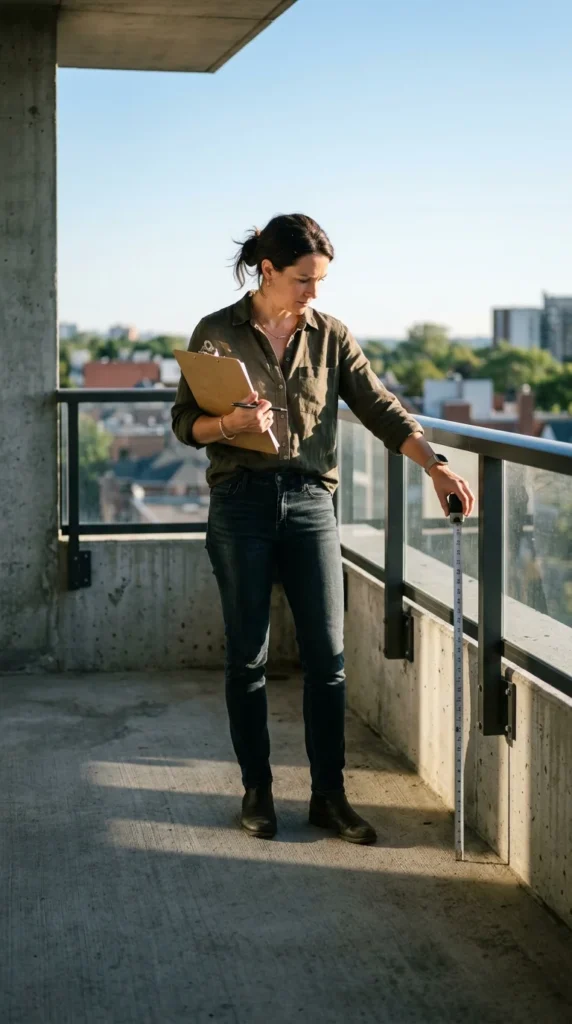
Before purchasing a single seed or pot, you must understand the environment you are working with. Every balcony has a unique microclimate influenced by height, orientation, and surrounding structures.
- Sunlight Exposure: Observe your balcony throughout the day. Does it get direct morning sun (East-facing), intense afternoon heat (South or West-facing), or constant shade (North-facing)? This will dictate which plants will survive.
- Weight Capacity: Soil and water are surprisingly heavy. Check your building’s regulations or consult a professional to ensure your balcony can support the weight of large planters and heavy ceramic pots.
- Wind Conditions: Higher floors often experience strong winds that can dry out plants quickly or topple top-heavy containers. If your balcony is windy, you will need sturdy pots and wind-resistant plants.
- Water Access: Consider how you will water your plants. If there is no outdoor tap, you will be carrying watering cans from the kitchen or bathroom.
2. Drainage
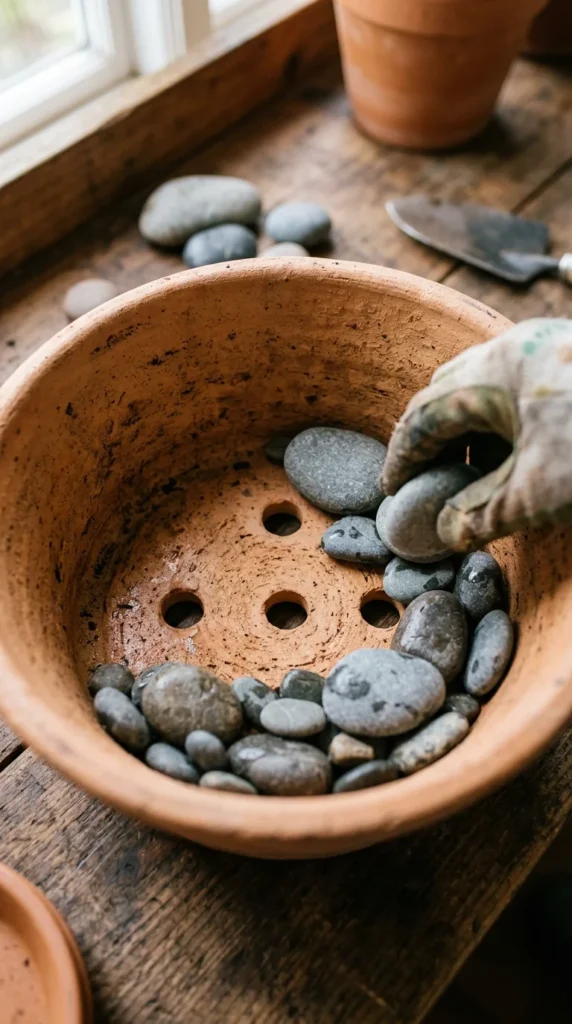
The most common cause of plant death in container gardening is root rot, caused by water sitting at the bottom of a pot with nowhere to go. Proper drainage is the foundation of a healthy garden.
Ensure every container has drainage holes. If you find a beautiful pot without one, you can often drill a hole using a masonry bit, or use it as a “cachepot” (a decorative outer pot that holds a plain plastic pot with holes inside). To prevent soil from leaking out and staining your balcony floor, place a small piece of fine mesh or a coffee filter over the holes before adding soil. Additionally, use saucers or “pot feet” to elevate your containers, allowing air to circulate underneath and preventing moisture from being trapped against the balcony surface.
3. Containers
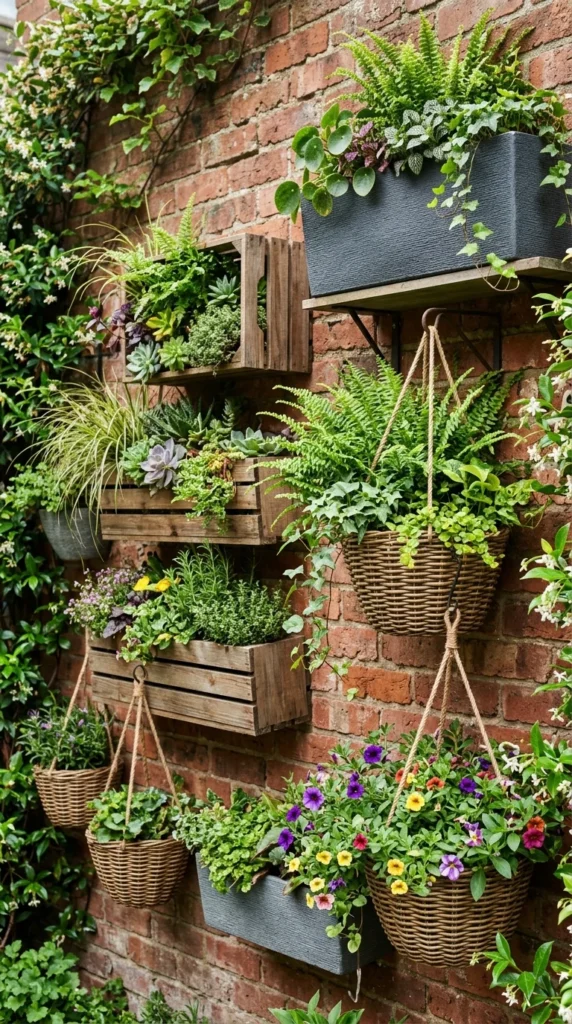
Choosing the right containers is a balance between aesthetics and functionality. The material of your pots affects how often you need to water and how well the plants grow.
- Terracotta and Clay: These are porous and allow roots to breathe, but they dry out quickly and can be heavy.
- Plastic and Resin: Lightweight and excellent at retaining moisture, making them ideal for high balconies, though they may lack the “natural” look of stone.
- Vertical Planters: If floor space is limited, look upward. Use wall-mounted pockets, railing planters, or trellises to grow climbing vines like Jasmine or Ivy.
- Size Matters: Always choose a pot slightly larger than the plant’s current root ball to allow for growth. Small pots dry out much faster than large ones, requiring more frequent maintenance.
4. Soil
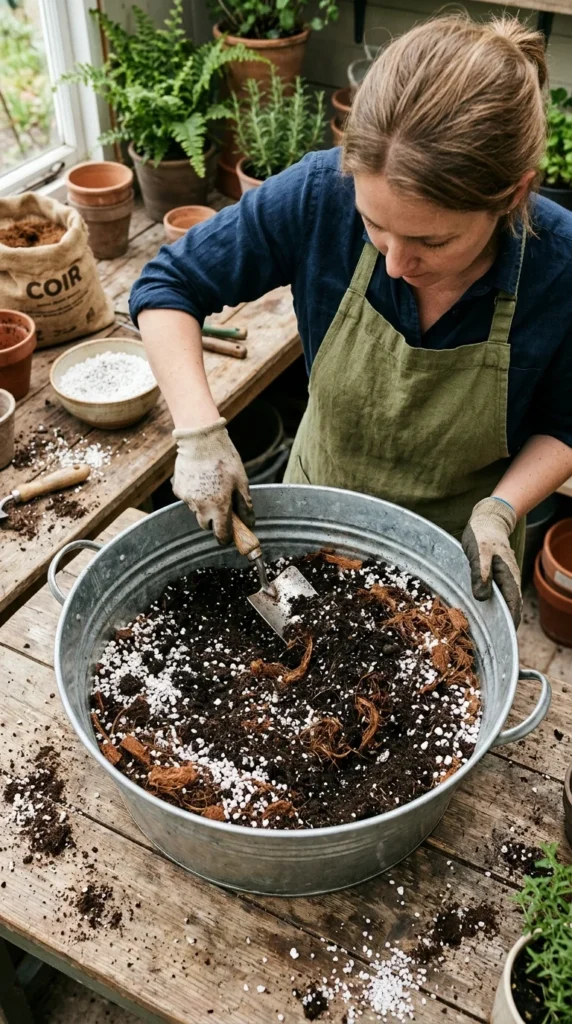
Never use “garden soil” or “topsoil” from the ground in your balcony containers. It is too heavy, lacks proper aeration, and may contain pests or weed seeds. Instead, invest in high-quality potting mix specifically formulated for containers.
A good potting mix is “soilless,” usually composed of peat moss or coconut coir, perlite or vermiculite for aeration, and organic matter for nutrients. This mix is lightweight, which is crucial for balcony weight limits, and it retains moisture while allowing excess water to drain away. If you are growing specific plants like succulents or orchids, look for specialized mixes tailored to their unique drainage needs.
5. Plants
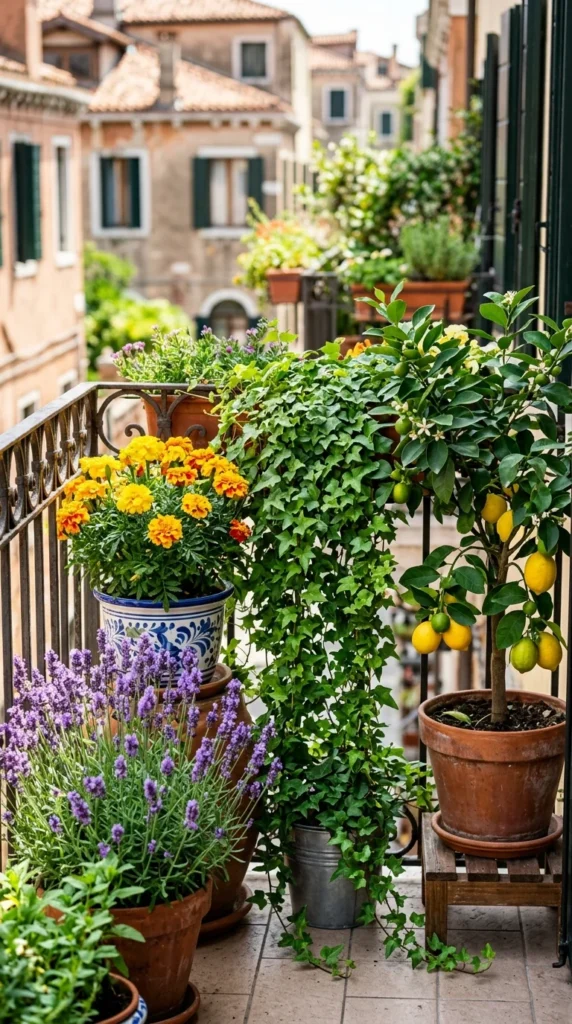
Selecting plants is the most exciting part of the process. For a professional look, follow the “Thriller, Filler, Spiller” rule of design:
- The Thriller: A tall, eye-catching plant that acts as a focal point, such as a Dracaena, a small ornamental tree, or a tall flowering Canna Lily.
- The Filler: Mounded plants that fill the space around the thriller with texture and color, such as Geraniums, Begonias, or Herbs like Basil and Parsley.
- The Spiller: Trailing plants that hang over the edges of the pot, softening the lines of the container. Examples include Creeping Jenny, Sweet Potato Vine, or Petunias.
Consider the “evergreen to deciduous” ratio. Incorporating some evergreen shrubs ensures your balcony looks green even in the winter months when flowering annuals have faded.
6. Irrigation
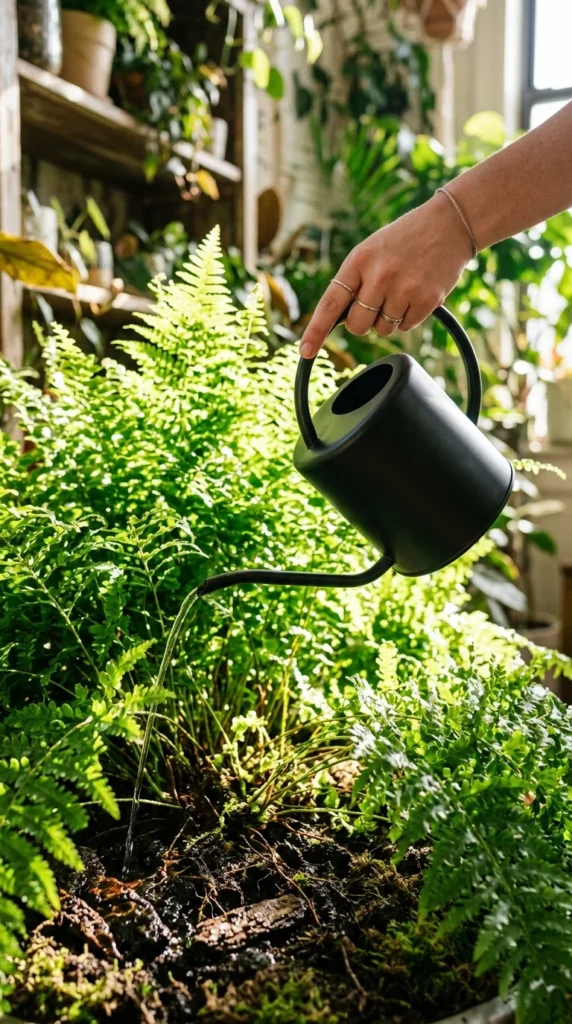
In the confined space of a pot, plants have no way to seek out deep groundwater. They are entirely dependent on you. In the heat of summer, a balcony garden may need watering twice a day—once in the early morning and once in the evening.
To make life easier, consider self-watering pots, which have a reservoir at the base that the plant can drink from as needed. For larger balcony setups, a simple drip irrigation system connected to an outdoor tap and a timer can automate the process, ensuring your plants thrive even when you are away on vacation. Always water the soil directly rather than the leaves to prevent fungal diseases.
7. Furniture
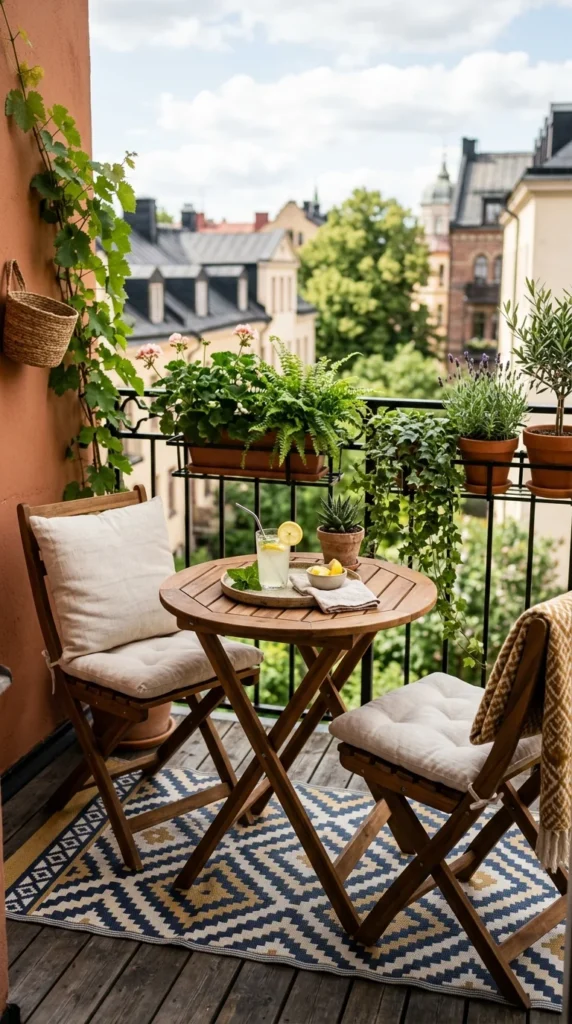
Your balcony garden should be a place where you can sit and enjoy your hard work. When choosing furniture, scale is everything. Avoid bulky sets that overwhelm the space; instead, look for “bistro” style sets or foldable furniture that can be tucked away when not in use.
Choose weather-resistant materials like teak, powder-coated metal, or synthetic wicker. To make the space feel like an outdoor room, add “soft” elements like outdoor-rated cushions, a weather-proof rug, and perhaps a small side table for your coffee or book. Positioning the furniture amidst the tallest plants can create a “cocoon” effect, providing privacy from neighbors.
8. Lighting
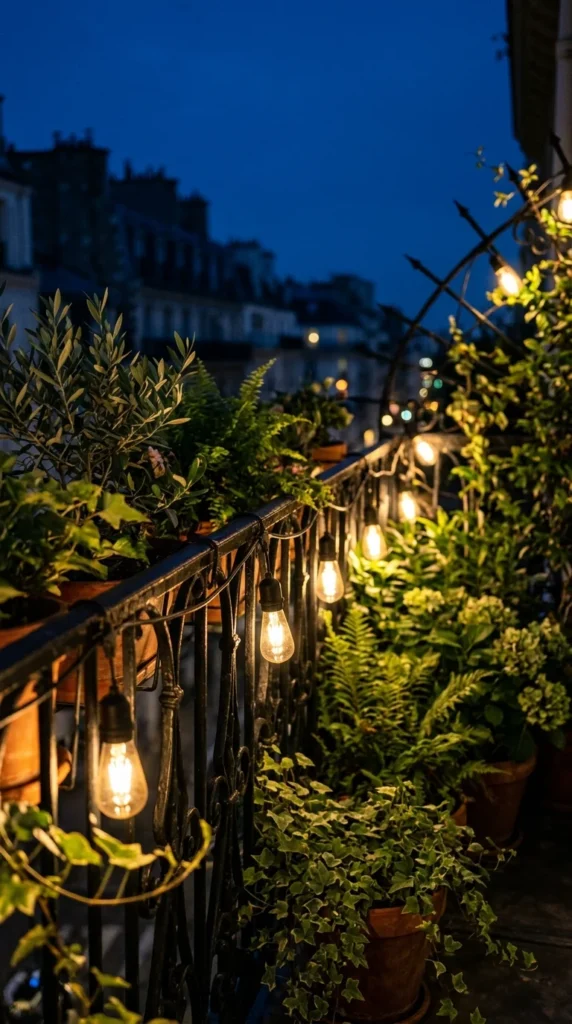
Lighting extends the usability of your balcony into the night and adds a magical quality to the foliage. Since many balconies lack outdoor electrical outlets, solar-powered lighting is an excellent solution.
- String Lights: Drape them along the railing or overhead to create a festive, warm atmosphere.
- Spotlights: Use small, solar-powered uplights at the base of your “thriller” plants to create dramatic shadows on the walls.
- Lanterns: Place LED lanterns on tables or the floor to provide a soft, ambient glow.
- Safety: Ensure all lighting is rated for outdoor use to withstand rain and humidity.
9. Maintenance
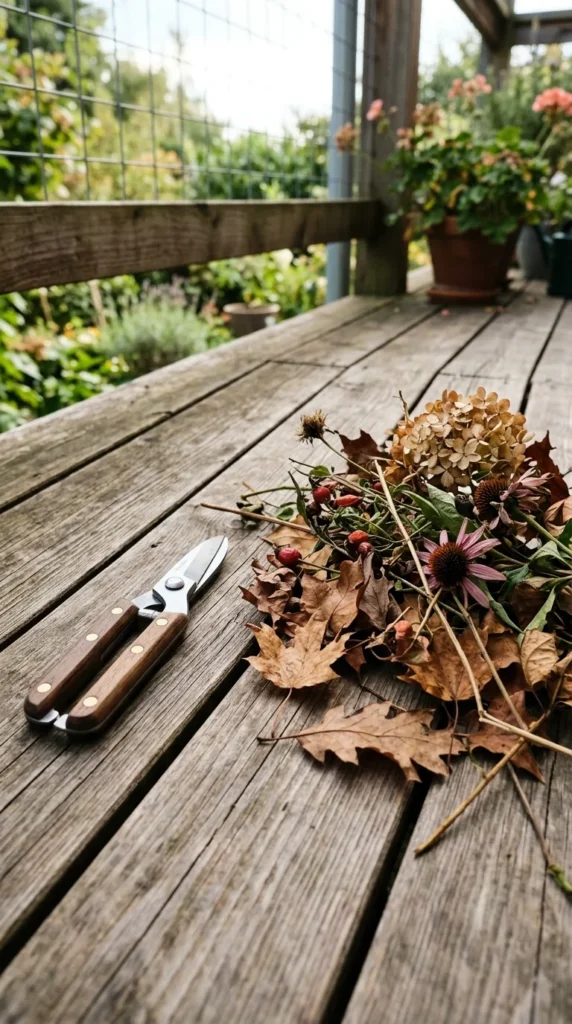
A beautiful balcony garden requires consistent care to remain vibrant. Establish a routine that includes:
- Deadheading: Remove faded flowers to encourage the plant to produce more blooms rather than putting energy into seed production.
- Pruning: Regularly trim back leggy growth to keep plants bushy and prevent them from overtaking the space.
- Fertilizing: Container plants quickly deplete the nutrients in their soil. Use a liquid organic fertilizer every two to four weeks during the growing season to keep them healthy.
- Pest Monitoring: Check the undersides of leaves for common balcony pests like aphids or spider mites. Catching an infestation early makes it much easier to manage with simple solutions like neem oil or soapy water.
By following these steps, you can create a personalized sanctuary that brings the beauty of nature into your daily urban life. Happy gardening!