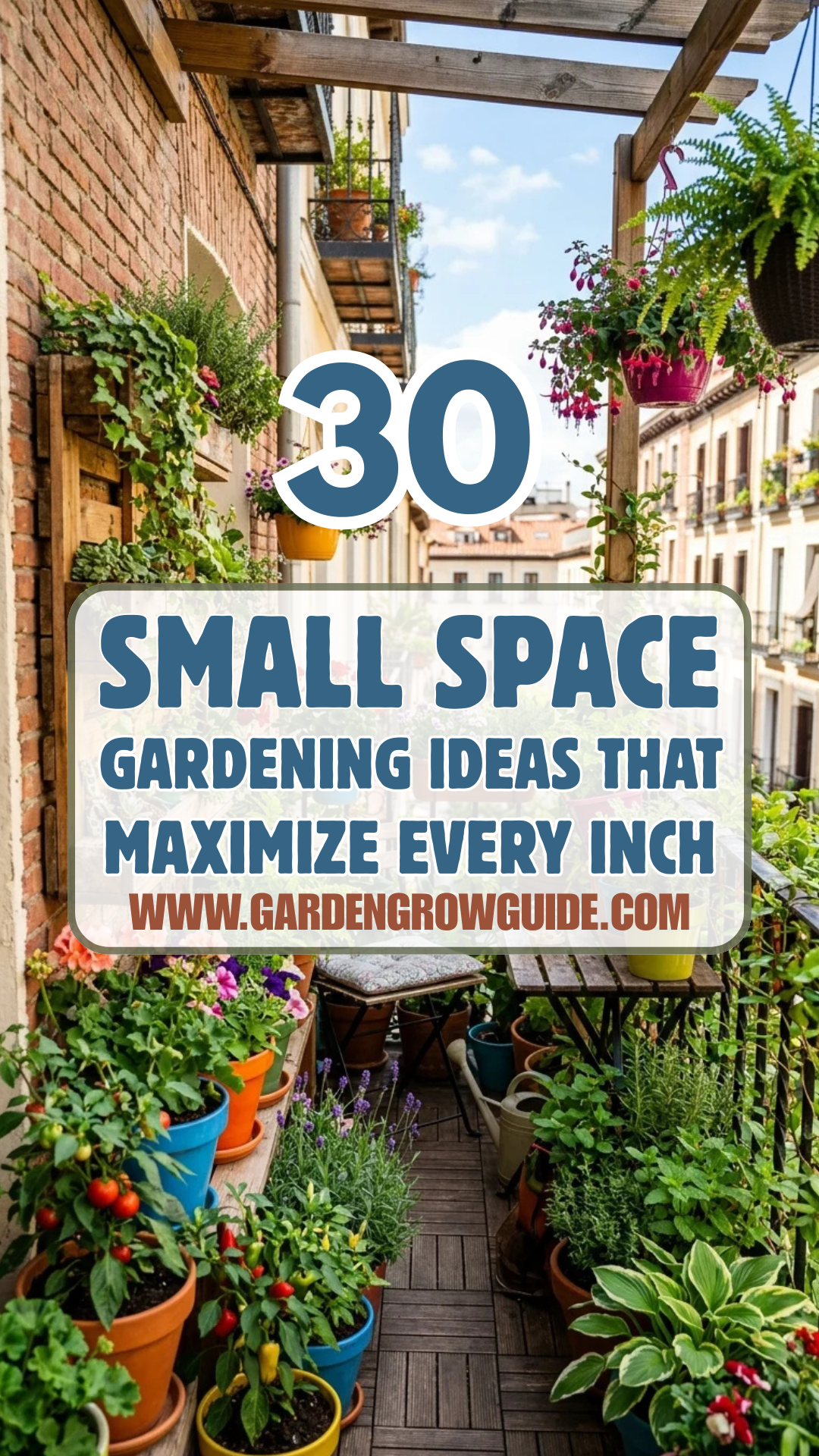
Gardening is often associated with sprawling backyards and vast rolling hills, but the modern gardener knows that square footage is just a number. Whether you live in a high-rise apartment with a tiny balcony or a suburban home with a narrow side yard, small-space gardening offers a unique opportunity to get creative. By thinking vertically, utilizing multifunctional furniture, and selecting the right plant varieties, you can transform the most cramped corner into a thriving green oasis.
1. Vertical Pallets
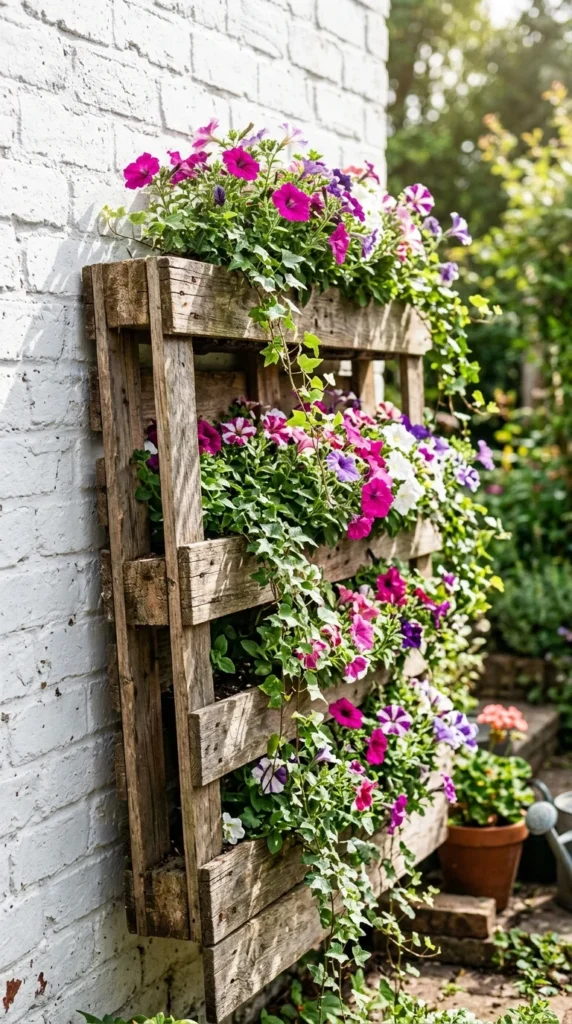
Upcycling wooden pallets is a classic small-space hack. By securing landscape fabric to the back and bottom of the internal slats, you create shallow troughs perfect for succulents, herbs, or small flowering annuals. Because the pallet leans or mounts against a wall, it occupies almost zero floor space while providing several levels of planting area.
2. Hanging Baskets
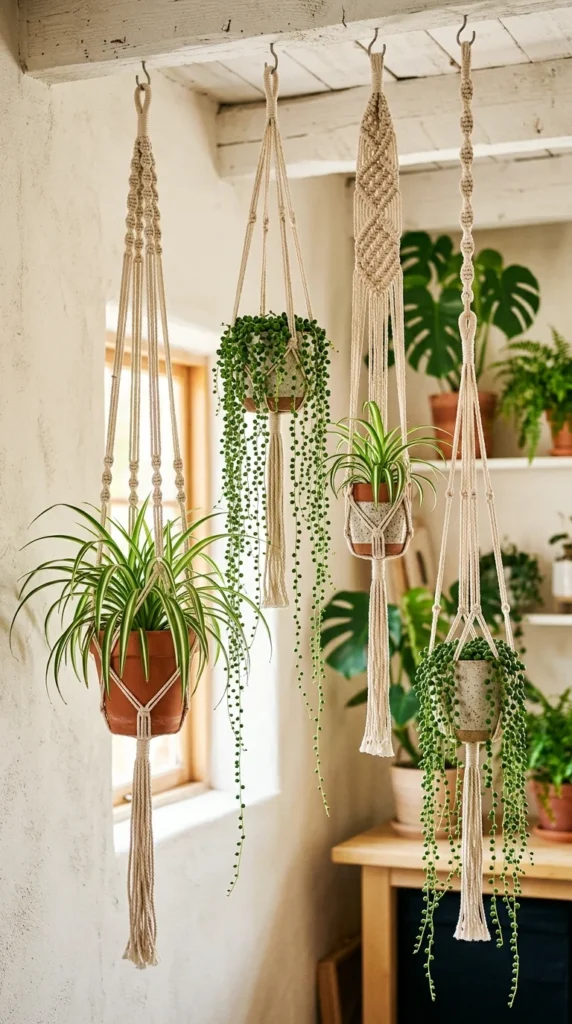
When floor space is at a premium, look up. Hanging baskets allow you to utilize the “dead air” in porches, balconies, or even indoor corners. To maximize this idea, use cascading plants like lobelia, fuchsia, or trailing tomatoes. Layering baskets at different heights creates a lush, curtain-like effect that adds depth to a small area.
3. Tiered Stands
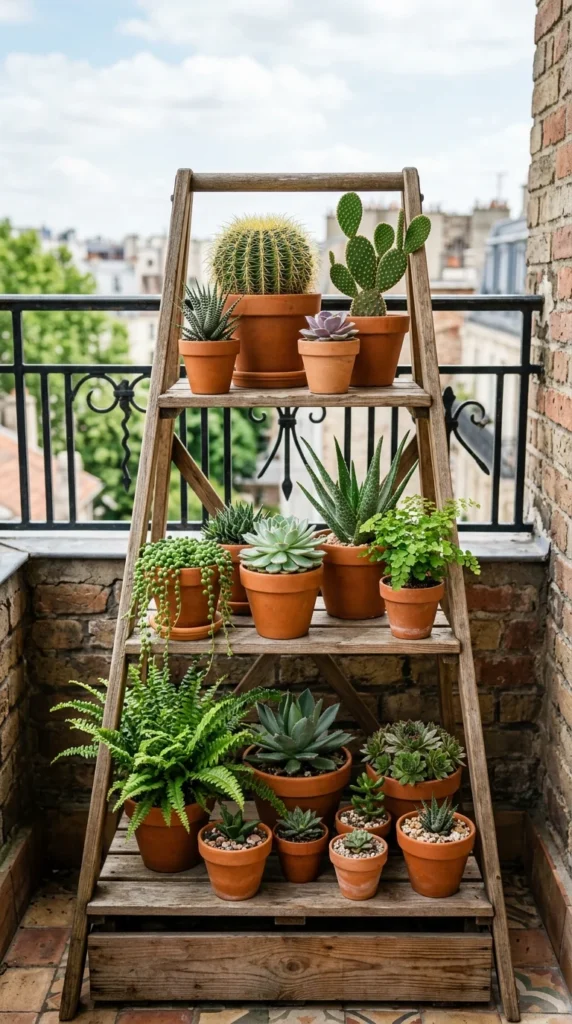
Tiered stands are the “skyscrapers” of the gardening world. They allow you to stack three or four times the number of plants in the same footprint of a single large pot. Opt for a ladder-style stand for a rustic look, or a sleek metal tiered rack for a more contemporary aesthetic. These are particularly useful for keeping sun-loving plants on the top shelf and shade-tolerant varieties on the lower rungs.
4. Window Boxes
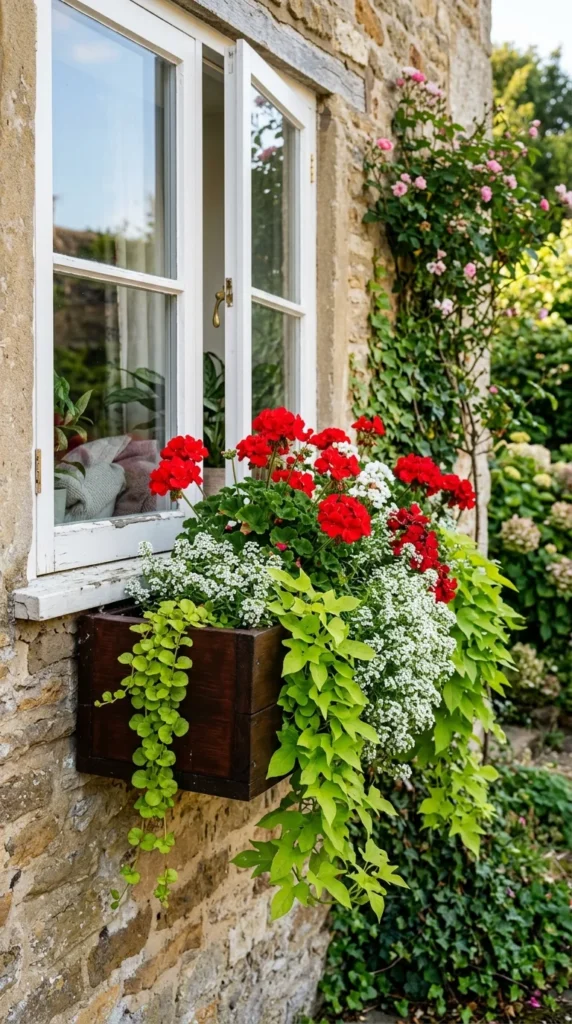
Window boxes are a fantastic way to garden without owning a single square inch of ground. They beautify the exterior of your home while providing easy access to fresh herbs or flowers right from your window. For small-space success, ensure the boxes are securely anchored and choose plants that can handle the specific light exposure of that side of the building.
5. Railing Planters
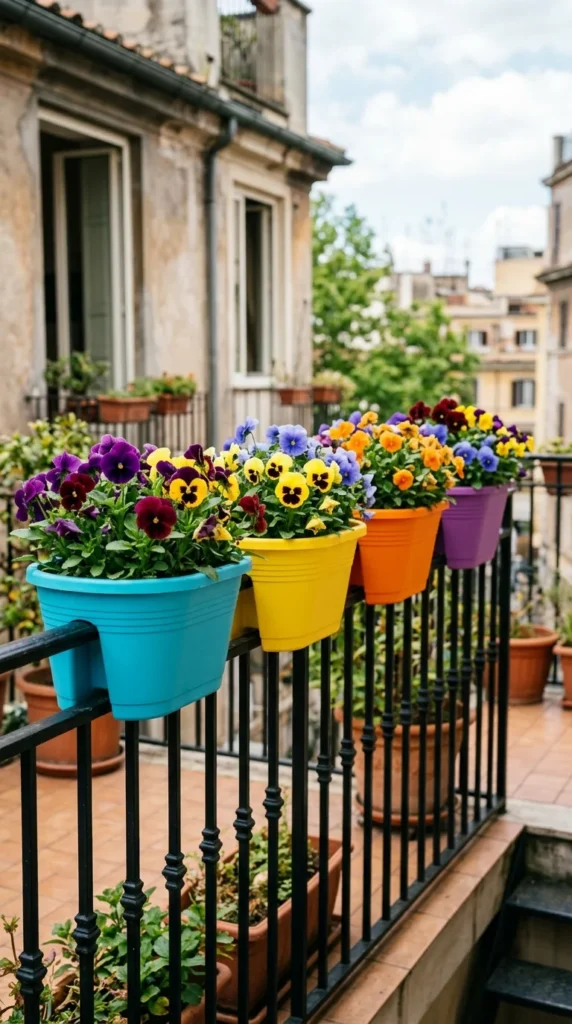
Balcony and deck railings are often underutilized. Saddle-style planters or “over-the-rail” pots sit directly on the railing, keeping the walkway clear. This is an ideal solution for renters who cannot drill holes into walls or ceilings. These planters are perfect for low-growing herbs like thyme, oregano, and chives.
6. Stackable Pots
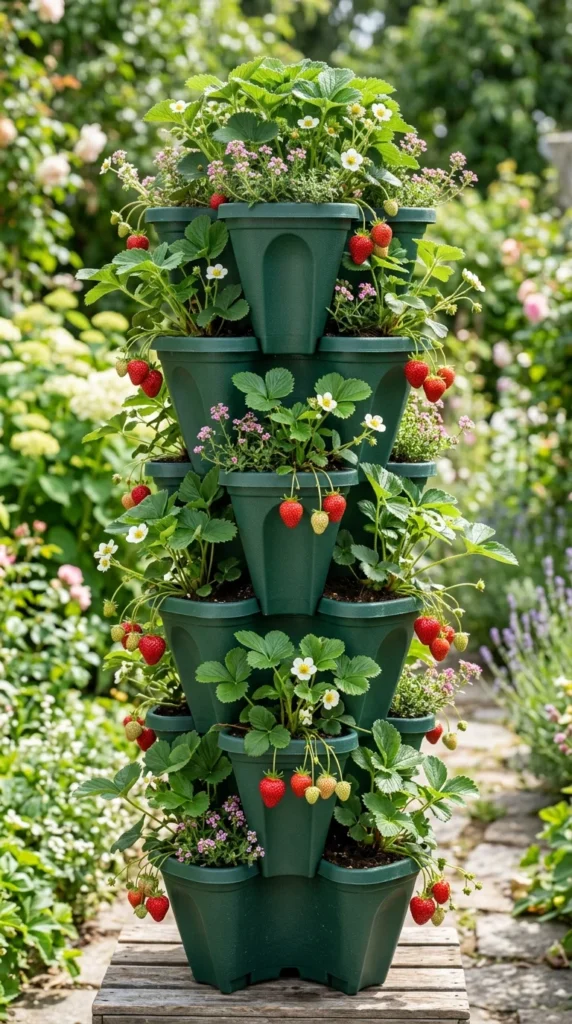
Stackable planter systems are specifically engineered for high-density gardening. These pots usually feature several lobes that allow water to trickle down from the top layer to the bottom. They are exceptionally popular for “strawberry towers,” but they work just as well for a comprehensive kitchen herb garden in a sunny corner.
7. Wall Pockets
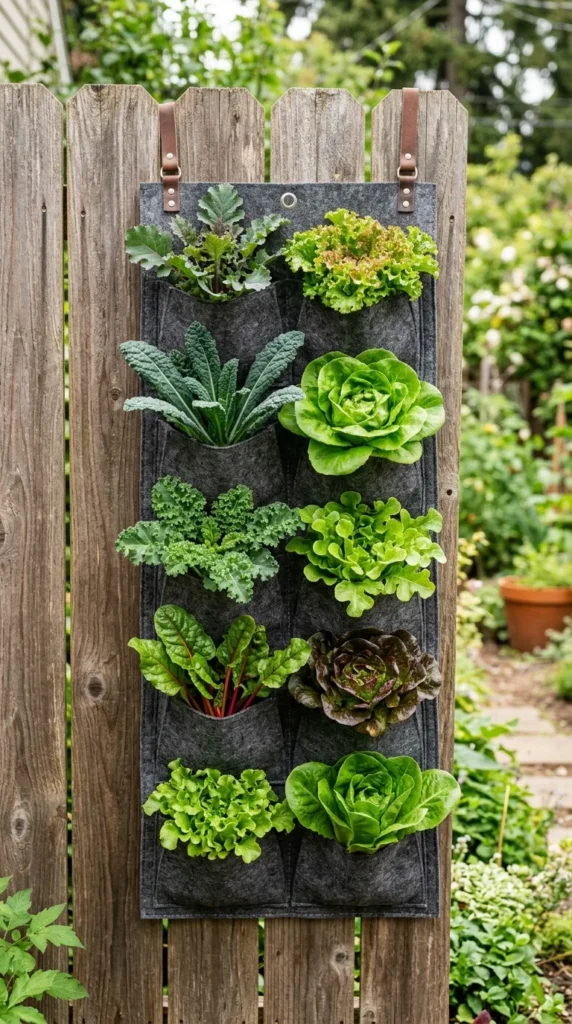
Felt wall pockets are breathable, lightweight, and can turn any flat surface into a “living wall.” The fabric allows for excellent air circulation to the roots and prevents waterlogging. Because they are soft-sided, they are much lighter than traditional wooden or ceramic wall planters, making them safer for mounting on temporary structures or thin fences.
8. Trellis Frames
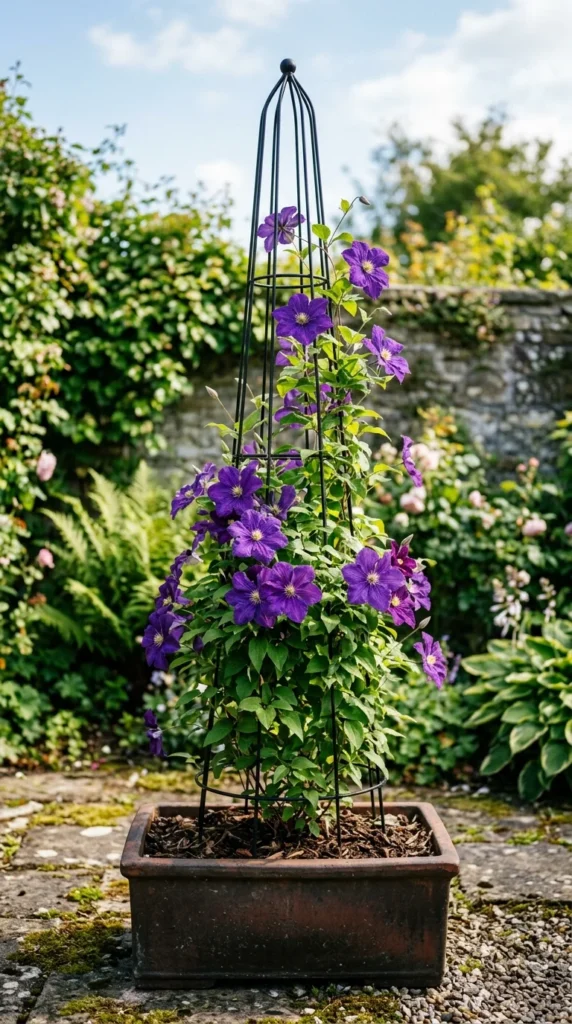
Verticality is the golden rule of small gardening. By using a trellis, you can grow “rambling” plants—like cucumbers, peas, pole beans, or climbing roses—upwards instead of outwards. This keeps the fruit off the ground, reduces disease, and leaves the surrounding floor space free for other containers.
9. Ladder Shelving
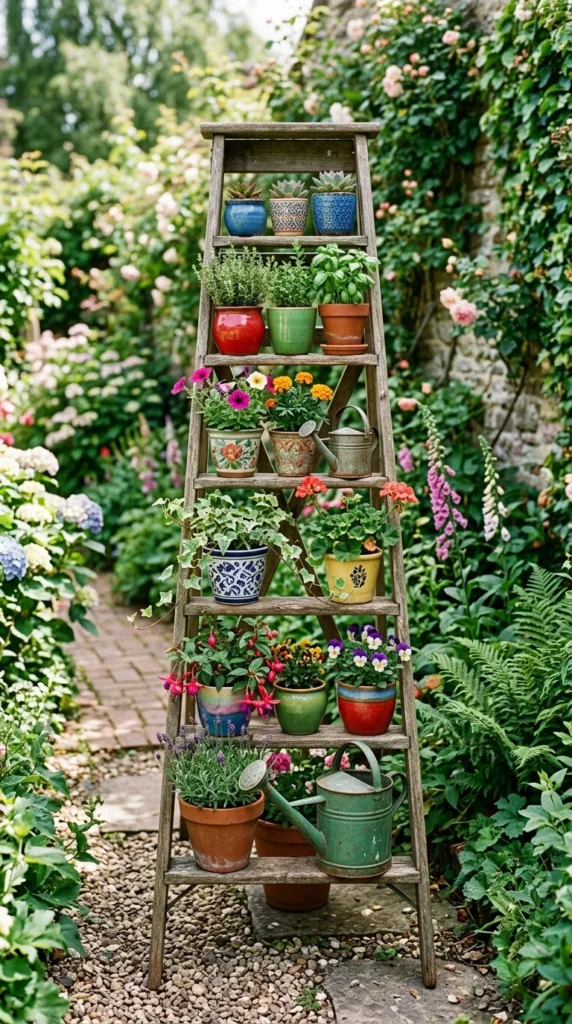
A repurposed ladder provides an instant, stylish display for a collection of small plants. Unlike a formal tiered stand, a ladder offers wider “steps” that can accommodate larger pots or decorative garden ornaments. Lean it against a wall for stability and fill it with a mix of textures and heights to create a focal point.
10. Upside-Down Planters
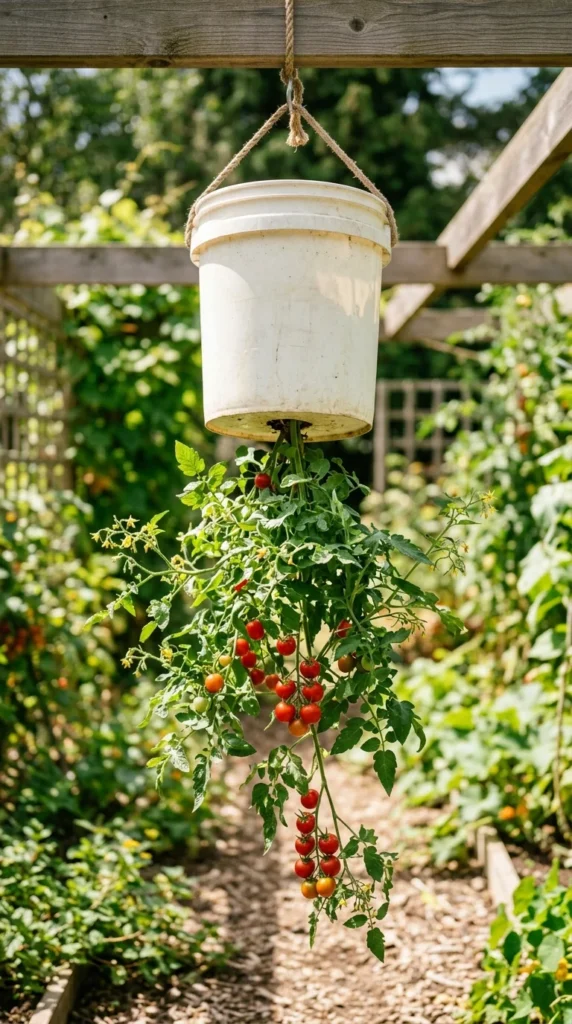
Commonly used for tomatoes and peppers, upside-down gardening uses gravity to your advantage. It eliminates the need for staking or cages and keeps the plants away from ground-dwelling pests. This method is a massive space-saver for small balconies where you want to grow food but lack the room for large, heavy floor pots.
11. Herb Towers
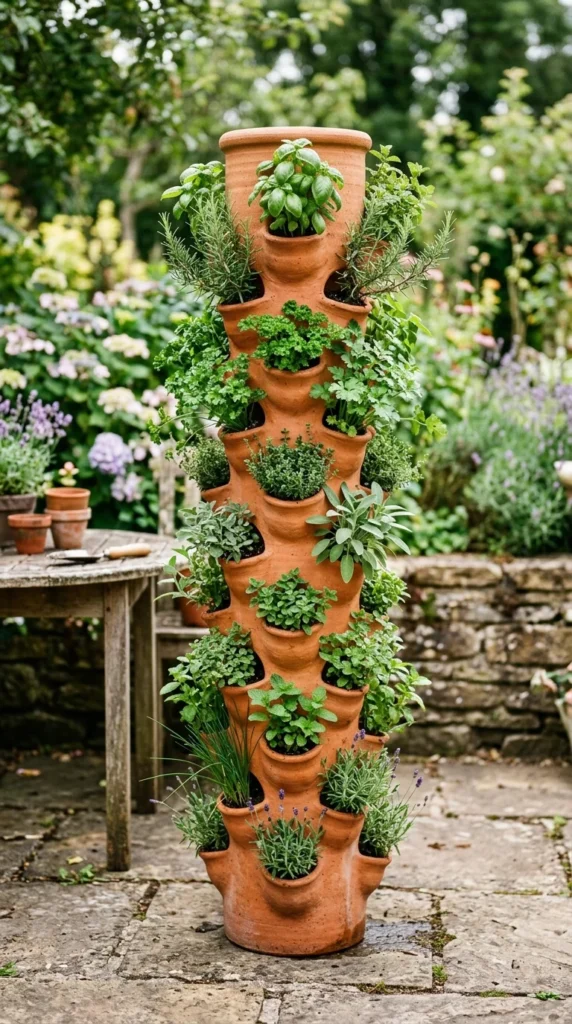
Herb towers, often called “strawberry jars,” are ancient designs that remain incredibly effective. They use a single central column of soil to feed dozens of small plants. Placing one of these near your kitchen door ensures you have a variety of fresh flavors within arm’s reach without cluttering your patio.
12. Gutter Gardens
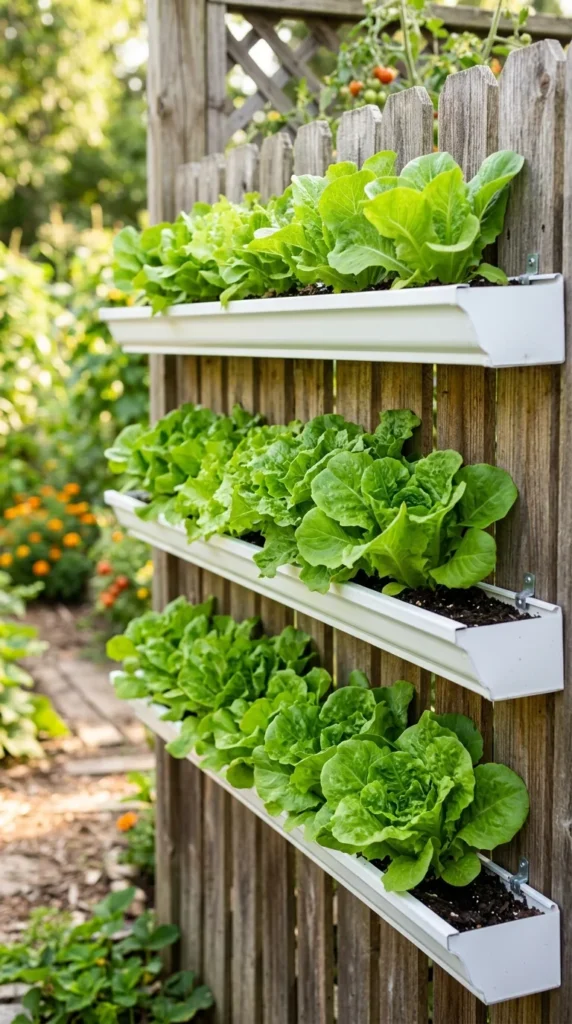
Rain gutters are surprisingly effective planters for shallow-rooted crops. By mounting them in rows on a wall or fence, you can create a massive amount of growing space in a very narrow profile. This is the ultimate “lettuce wall” solution, allowing for a continuous harvest of salad greens throughout the season.
13. Magnetic Tins
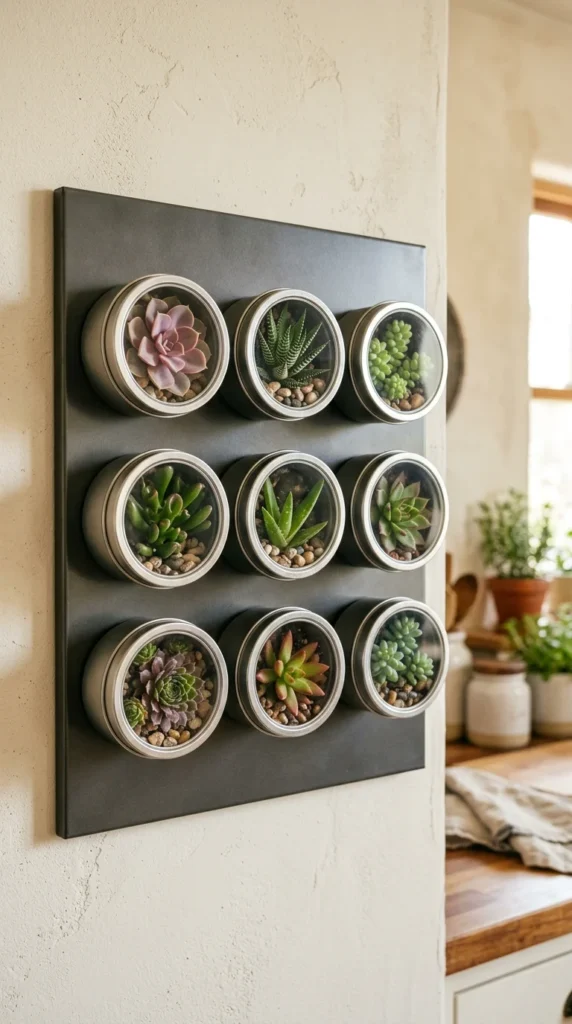
For those with absolutely no outdoor space, the kitchen can become a garden. Small magnetic tins can be attached to the side of a refrigerator or a dedicated metal board. While not suitable for large plants, they are perfect for starting seeds or housing tiny, slow-growing succulents that thrive in bright, indirect indoor light.
14. Shoe Organizers
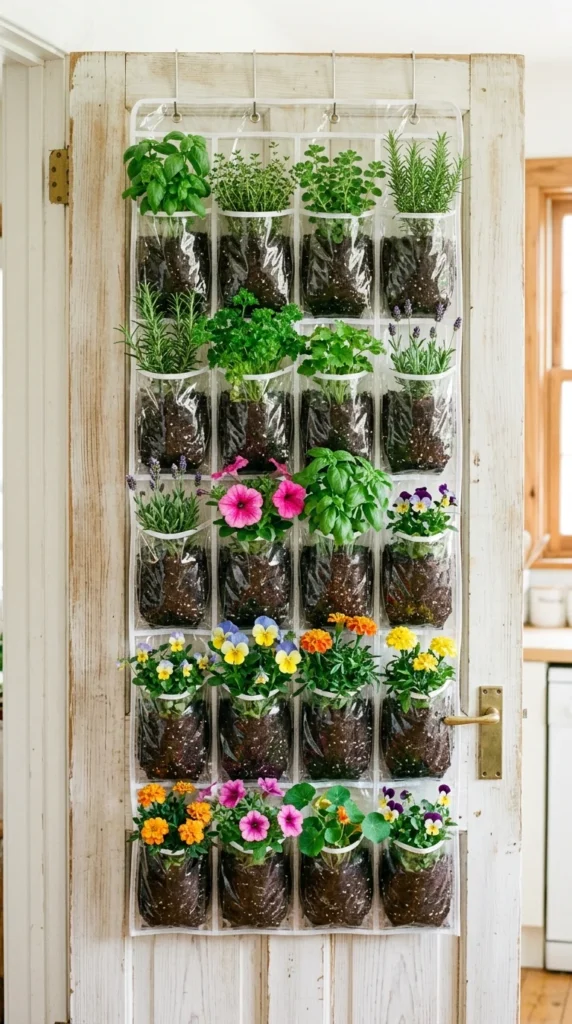
The humble over-the-door shoe organizer is a favorite among budget-conscious small-space gardeners. Each pocket acts as an individual pot. Just be sure to poke small drainage holes in the bottom of each pocket. This setup is excellent for a “vertical herb garden” or for starting a large number of seedlings in a confined area.
15. Living Walls
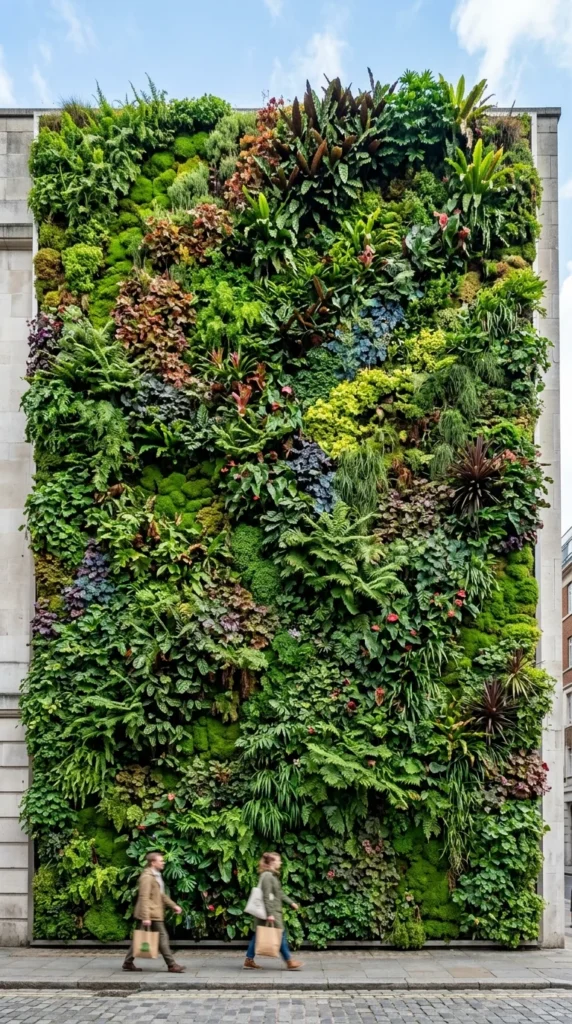
A true living wall (or green wall) is a professional-grade solution for small spaces. These systems often include built-in irrigation and a specialized growing medium. They function as biological art, cooling the surrounding air and providing a massive amount of greenery without taking up more than a few inches of floor depth.
16. Miniature Terrariums
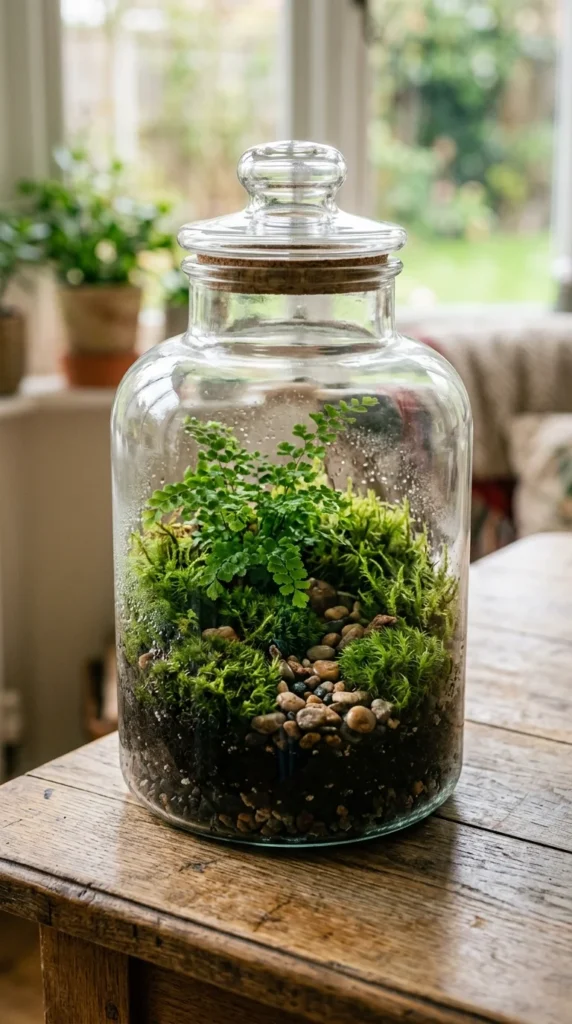
When space is truly microscopic, think smaller. Terrariums allow you to garden on a tabletop. These self-contained ecosystems are perfect for high-humidity plants like ferns and mosses. They require very little maintenance and can be placed on bookshelves, desks, or nightstands to bring a touch of nature indoors.
17. Rolling Carts
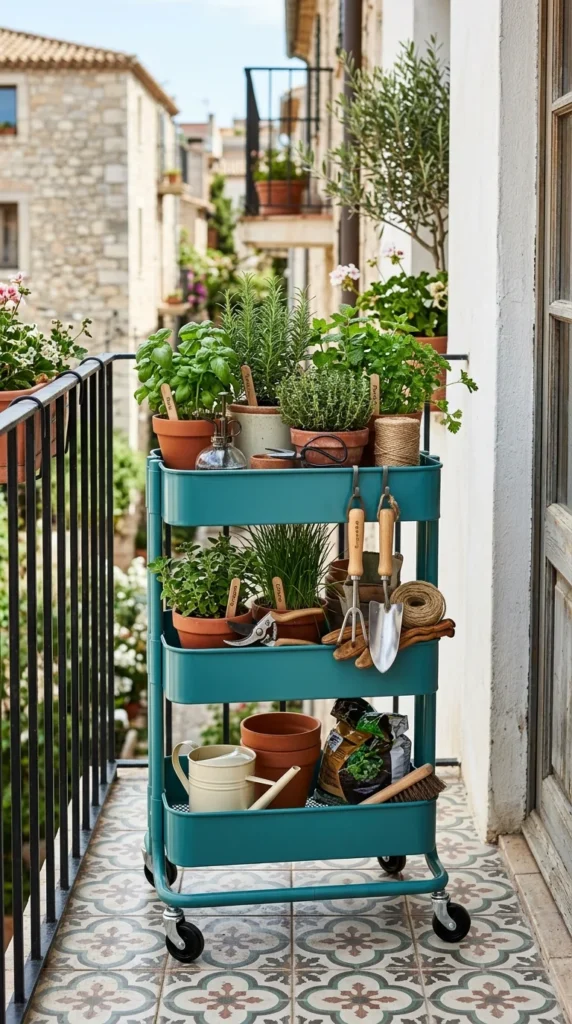
Sunlight moves throughout the day, and in a small space, your plants might only get “good” light for a few hours. A rolling cart allows you to chase the sun. You can move your entire garden across the balcony or even bring it inside during a storm. The multiple tiers also help maximize the vertical footprint.
18. Corner Planters
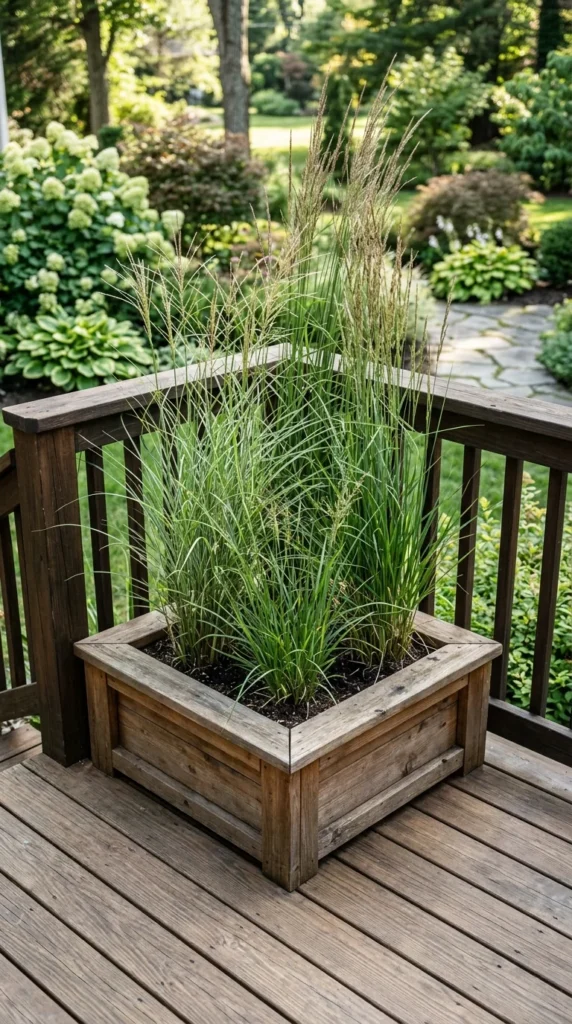
Corners are often “dead space” in small gardens. Specially designed triangular or L-shaped planters fit snugly into these areas, utilizing space that would otherwise be wasted. These are great for adding height to a balcony by planting tall, narrow specimens like “Sky Pencil” hollies or ornamental grasses.
19. Mason Jars
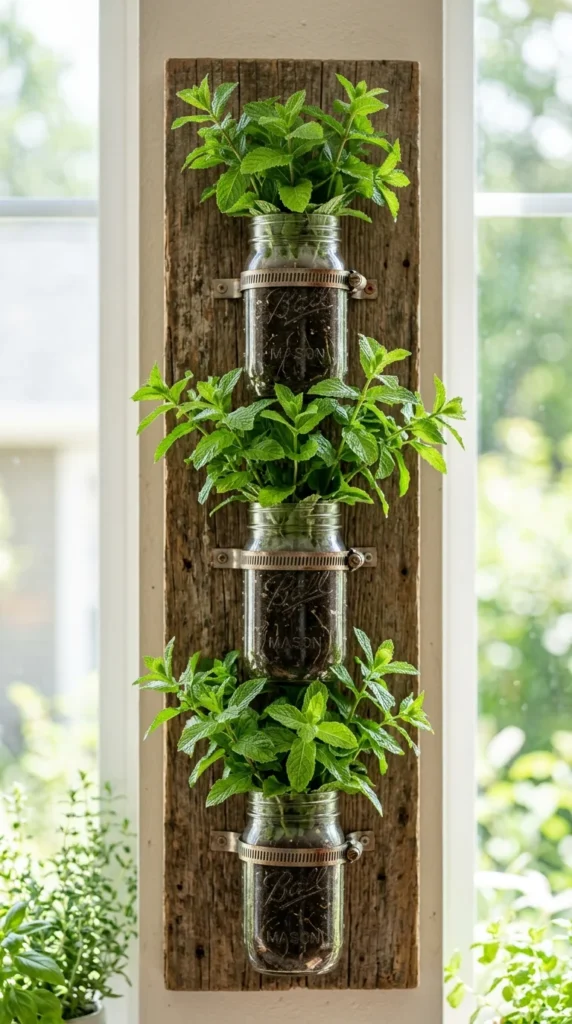
Mason jars are perfect for a windowsill herb garden. For a more “designed” look, mount them to a piece of wood and hang it on the wall near a sunny window. Since mason jars don’t have drainage holes, it is crucial to use a layer of pebbles at the bottom and be very careful with watering to avoid root rot.
20. Clinging Vines
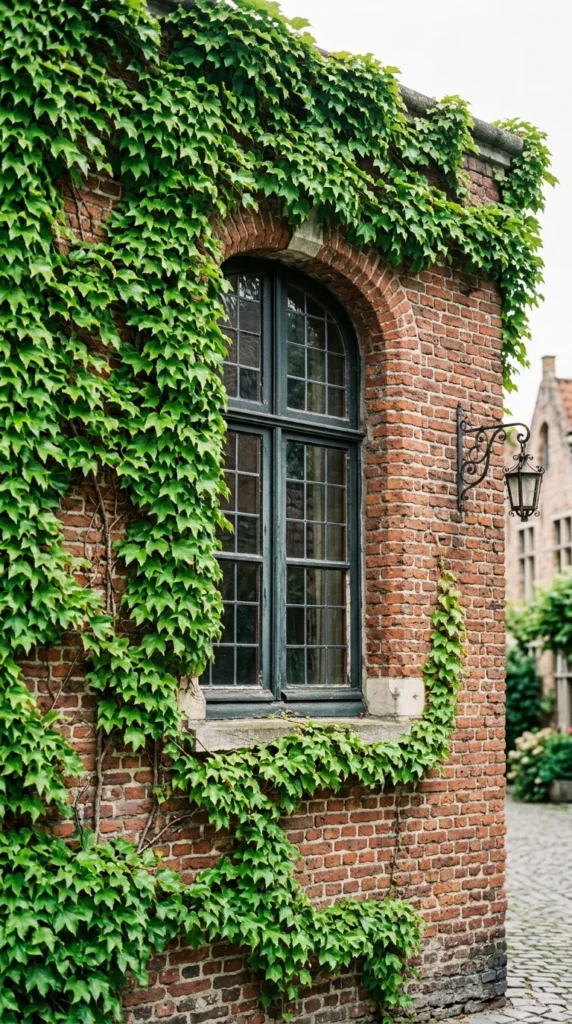
Instead of using containers, let the architecture be your garden. Clinging vines like Boston Ivy or Creeping Fig attach themselves directly to walls. They provide a massive “green” footprint while using literally zero ground space. Just be aware that some clinging vines can damage certain types of siding or mortar over time.
21. Repurposed Furniture
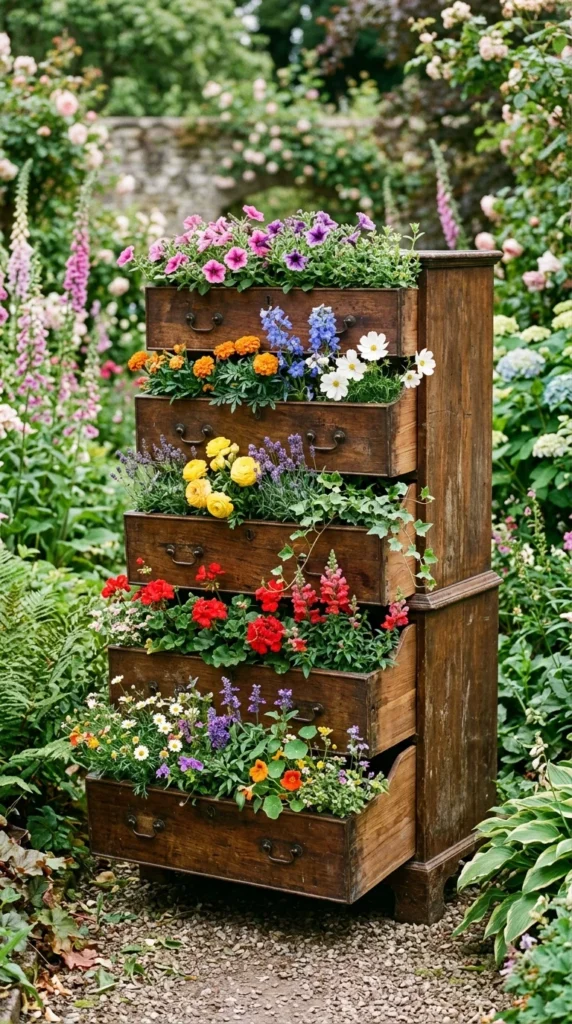
Old dressers, desks, or even chairs can be transformed into quirky, space-saving planters. By staggering the drawers of a dresser, you create a built-in tiered system. This adds character and a “shabby chic” aesthetic to a small patio while providing deep planting pockets for various species.
22. Bench Storage
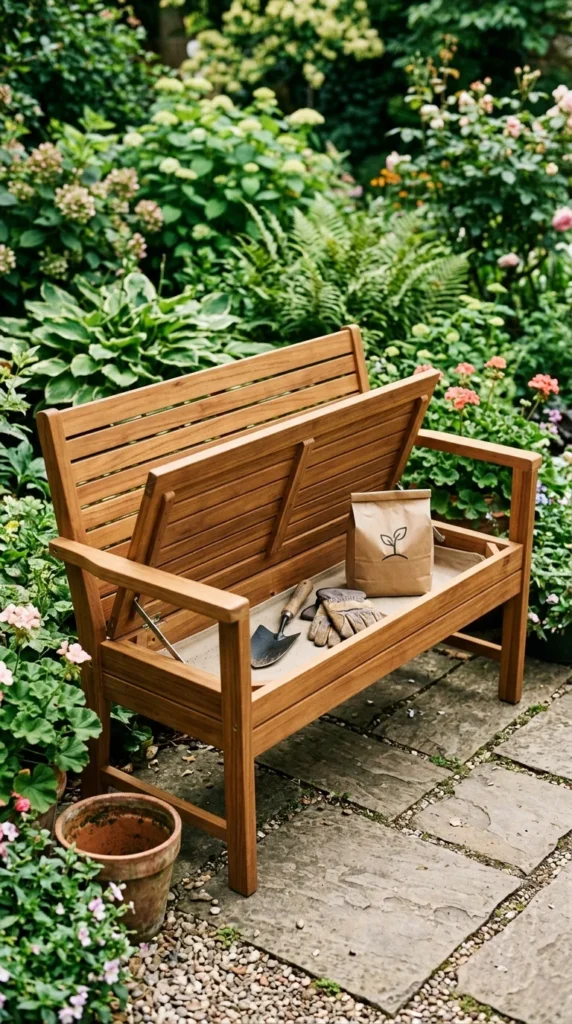
In a small garden, every piece of furniture should do double duty. A garden bench with built-in storage allows you to hide away soil, pots, and tools, keeping the area tidy and uncluttered. Maintaining a clean space makes a small garden feel much larger and more inviting.
23. Mirrored Accents
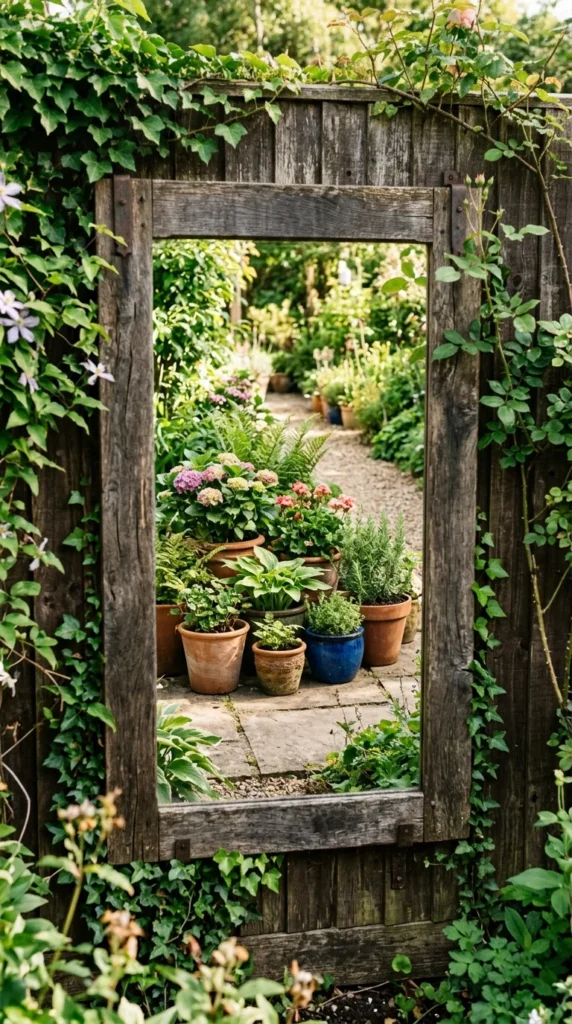
This is a classic interior design trick applied to the outdoors. Placing a mirror on a back wall or fence reflects the greenery and light, creating the optical illusion of a much larger garden. It adds depth and brightness to dark, narrow side yards or shaded balconies.
24. High-Density Planting
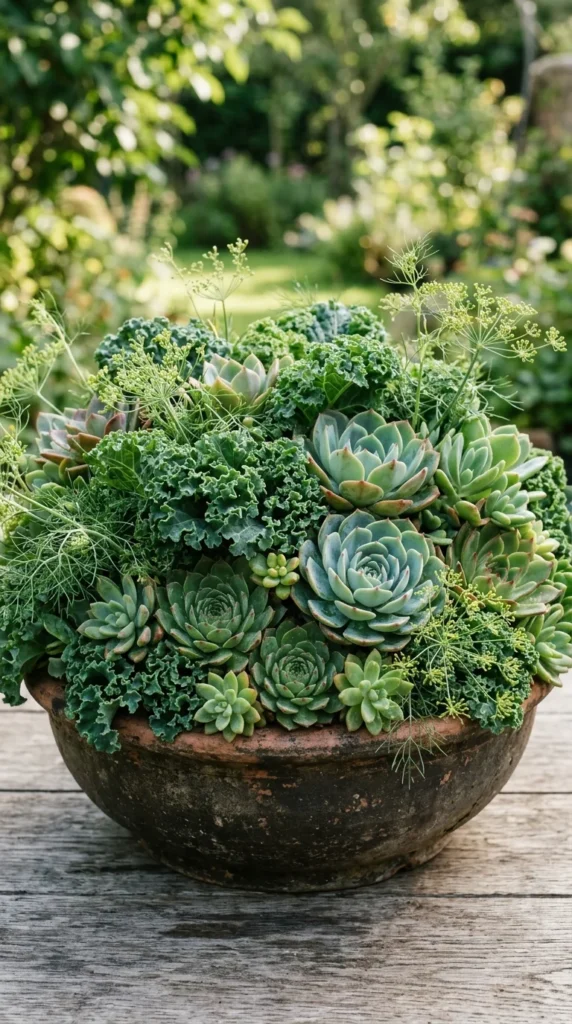
Small-space gardening often relies on “Intensive Planting” or the “Square Foot Gardening” method. Instead of spacing plants far apart, you pack them in closely. This creates a lush look, reduces weed growth, and maximizes the yield from every single container.
25. Dwarf Varieties
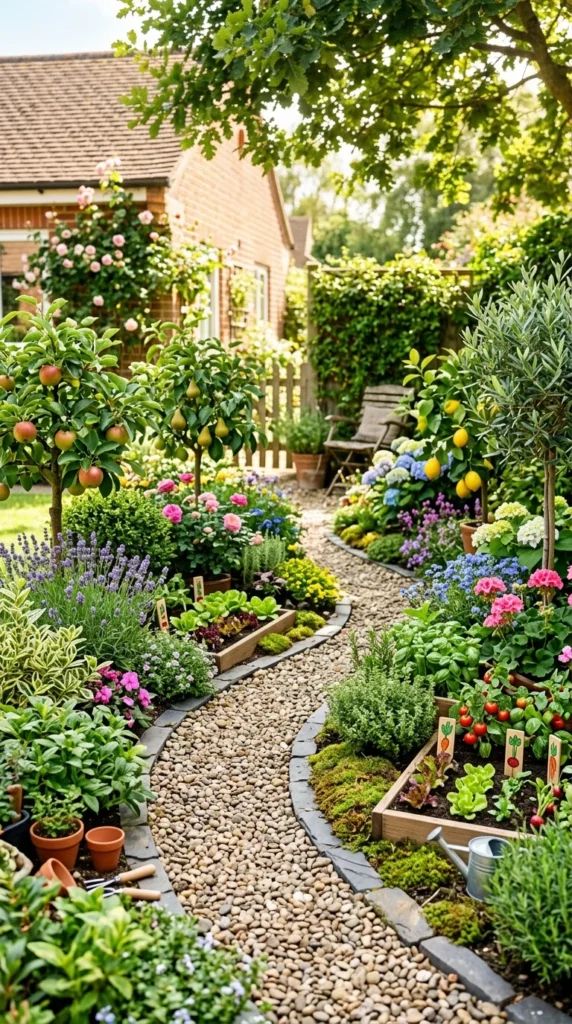
Modern plant breeding has produced “dwarf” or “patio” versions of almost everything, from citrus trees to watermelons. These plants are genetically programmed to stay small while still producing full-sized fruit. Always look for “columnar,” “dwarf,” or “compact” on the plant tag when shopping for a small garden.
26. Companion Planting
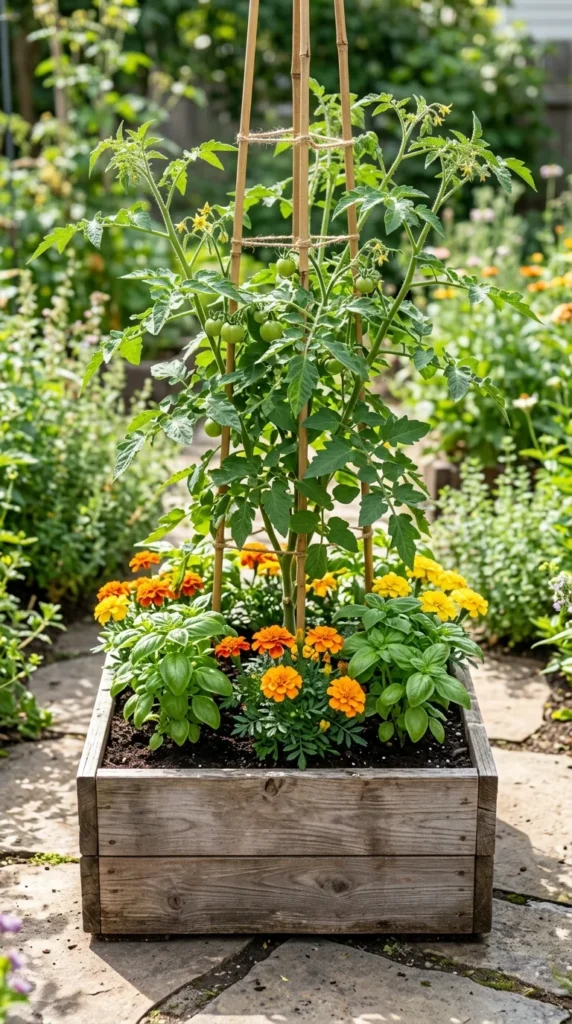
Companion planting is the art of growing different plants together for mutual benefit. In a small space, this allows you to grow more in one pot. Marigolds can deter pests from your tomatoes, while basil improves their flavor. This “stacking” of functions ensures your limited soil is working as hard as possible.
27. Self-Watering Pots
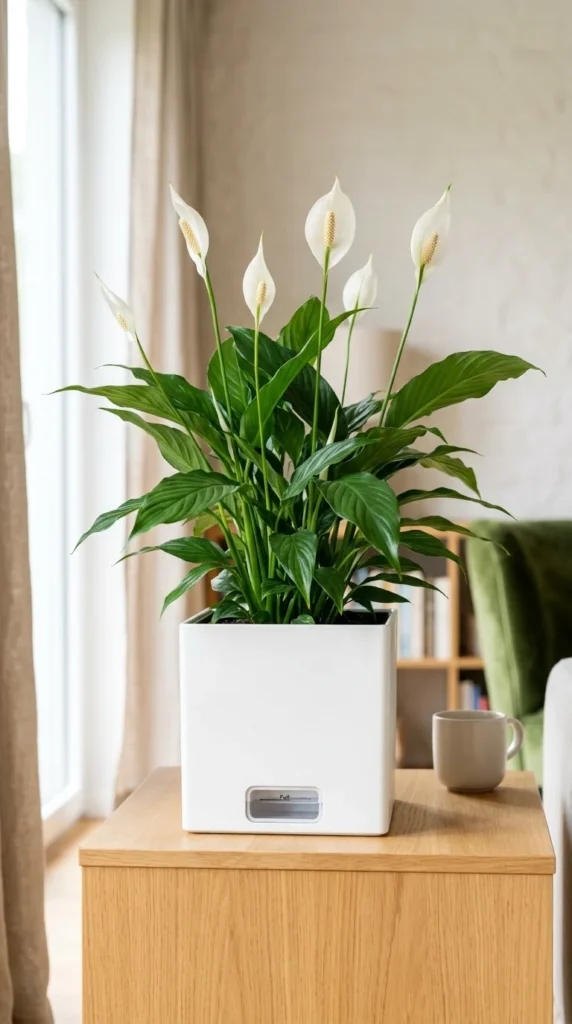
Containers dry out much faster than the ground, especially in small, windy balconies. Self-watering pots have a reservoir at the bottom that provides a consistent moisture level. This is essential for small-space success, as it prevents the “feast or famine” water cycle that often kills container plants.
28. Over-the-Door Racks
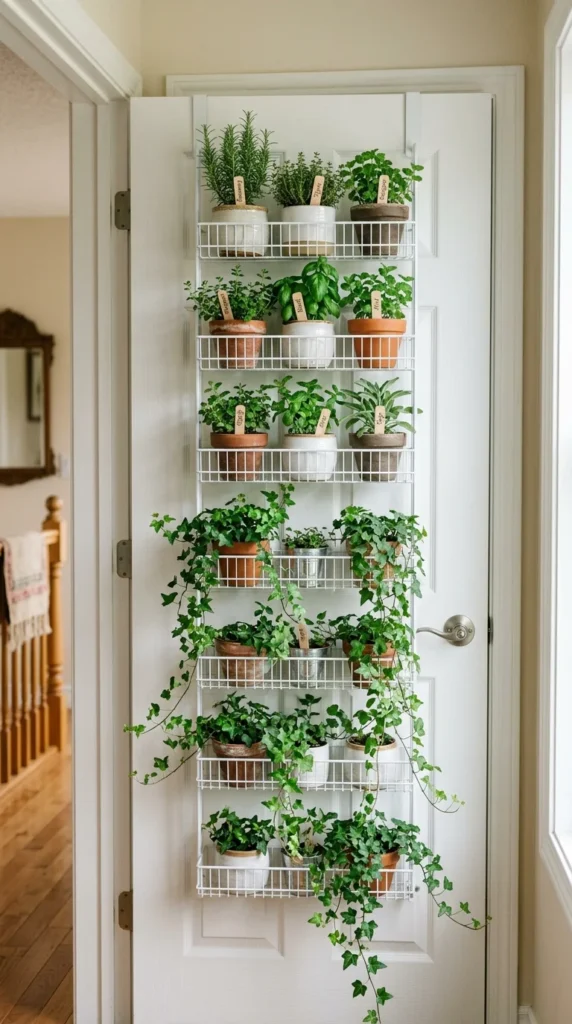
If you have a door that stays open or a pantry door in a sunny kitchen, an over-the-door pantry rack is an instant vertical garden. The wire baskets are the perfect size for standard 4-inch nursery pots. This is a great way to keep your herbs organized and out of the way of food preparation surfaces.
29. Ceiling Hooks
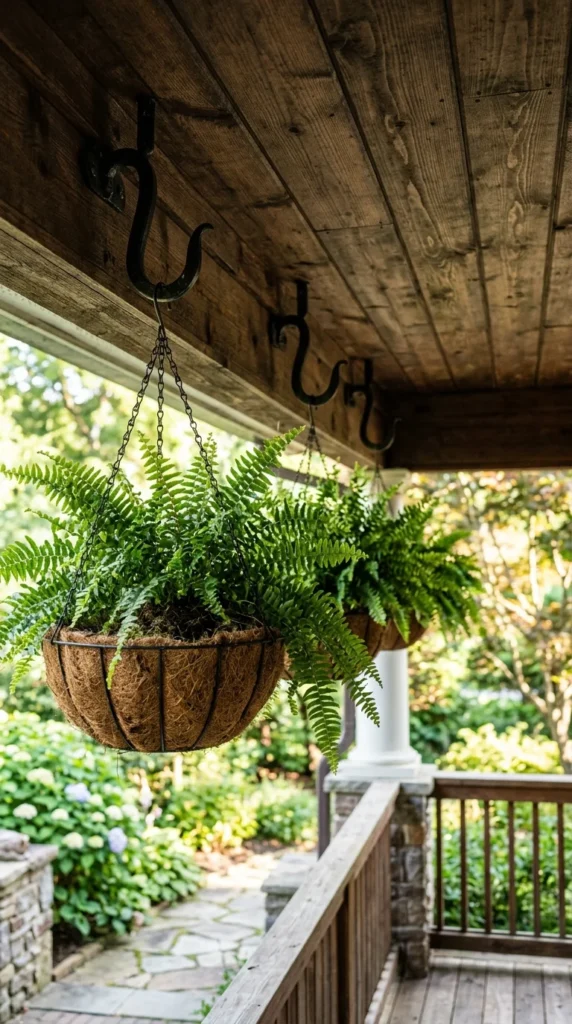
Never underestimate the power of a sturdy ceiling hook. Swagging plants from the ceiling creates a “canopy” of green. In a small space, this creates an immersive, jungle-like feeling. Use high-quality hooks and ensure they are anchored into a joist to support the weight of wet soil.
30. Transparent Containers
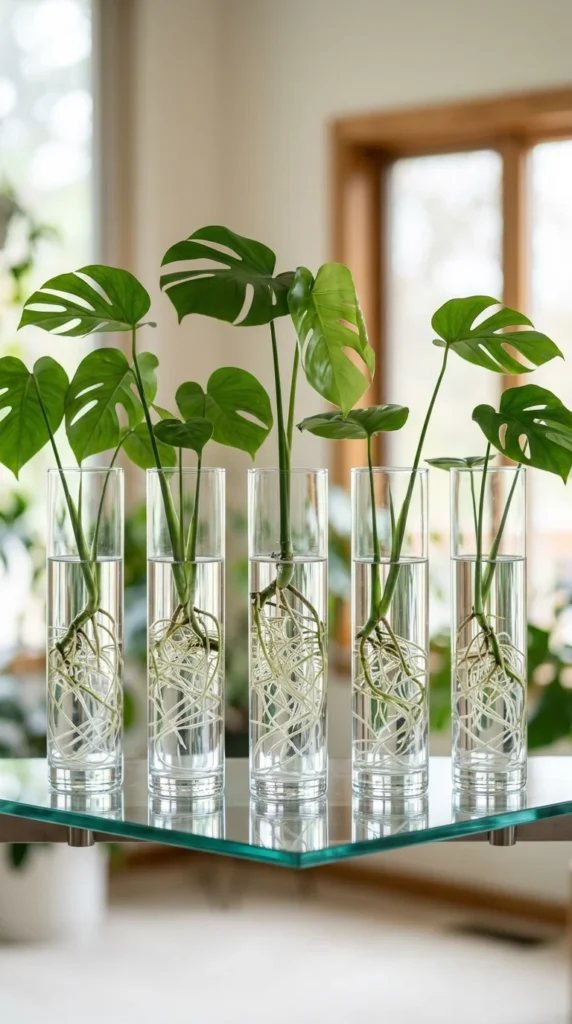
Using clear glass or acrylic containers can make a space feel less cluttered. Because you can see through the “pot,” the visual weight of the garden is reduced. This is particularly effective for hydroponic growing (growing in water) on windowsills or small shelves, where traditional heavy ceramic pots might look too bulky.