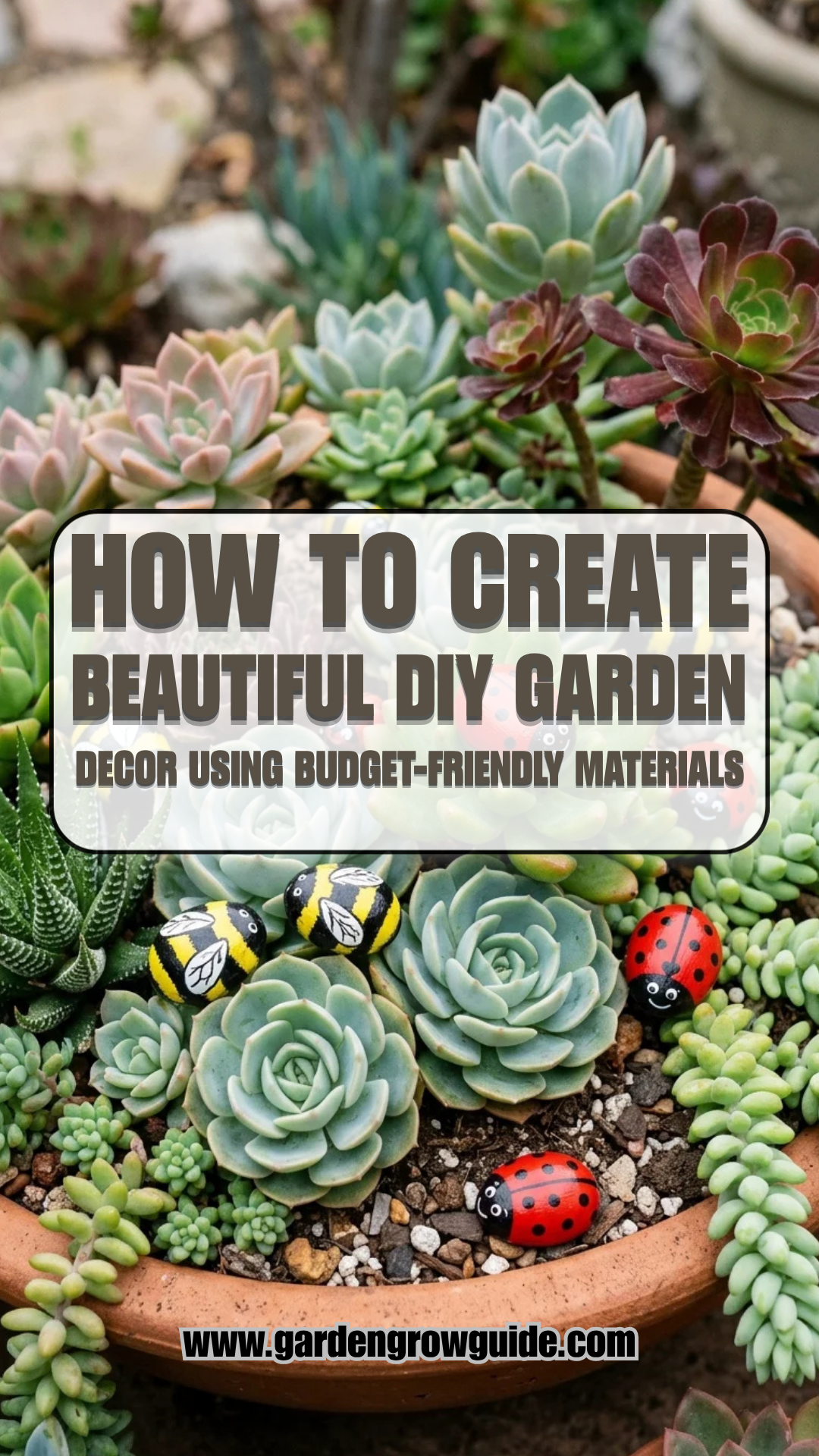
Creating a breathtaking garden doesn’t require a professional landscaper or a massive bank account. With a little imagination and a few weekend hours, you can transform a dull backyard into a vibrant oasis using everyday materials. DIY garden decor is not only cost-effective but also allows you to infuse your personal style into your outdoor living space. By upcycling old household items and utilizing natural resources, you can create a unique environment that reflects your creativity while being kind to the planet.
1. Upcycled Containers
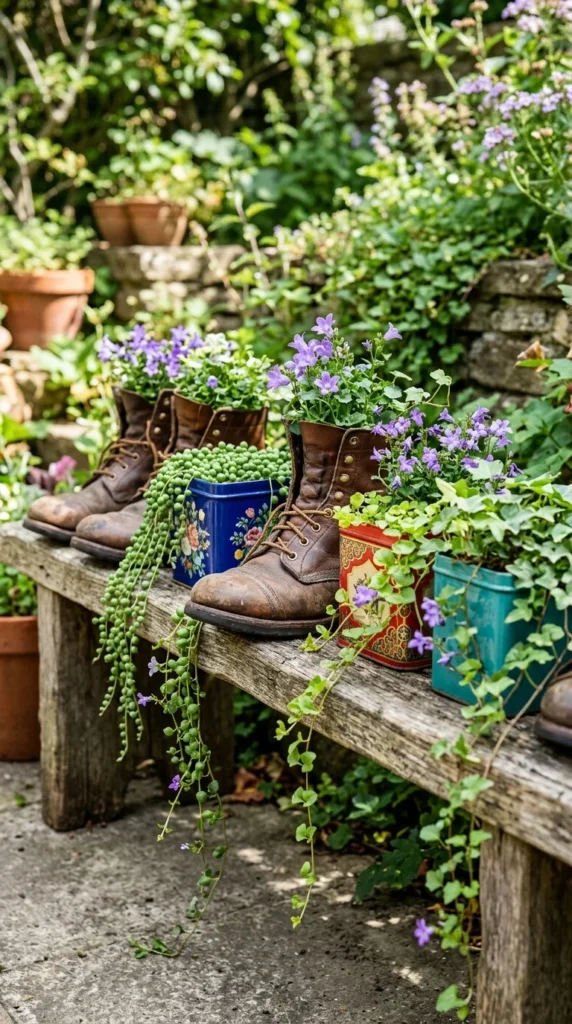
One of the easiest ways to save money in the garden is to stop buying expensive ceramic pots. Look around your garage or local thrift store for items that can hold soil. Old rain boots, galvanized metal buckets, wooden crates, and even large food tins can become charming planters.
To ensure your plants thrive, always drill drainage holes in the bottom of your repurposed containers. For a cohesive look, you can paint a variety of different items in the same color palette, or embrace an eclectic “boho” vibe by mixing patterns and textures. Tin cans, when cleaned and painted with rust-resistant spray paint, make excellent herb planters for a kitchen window garden or a fence-mounted display.
2. Stepping Stones
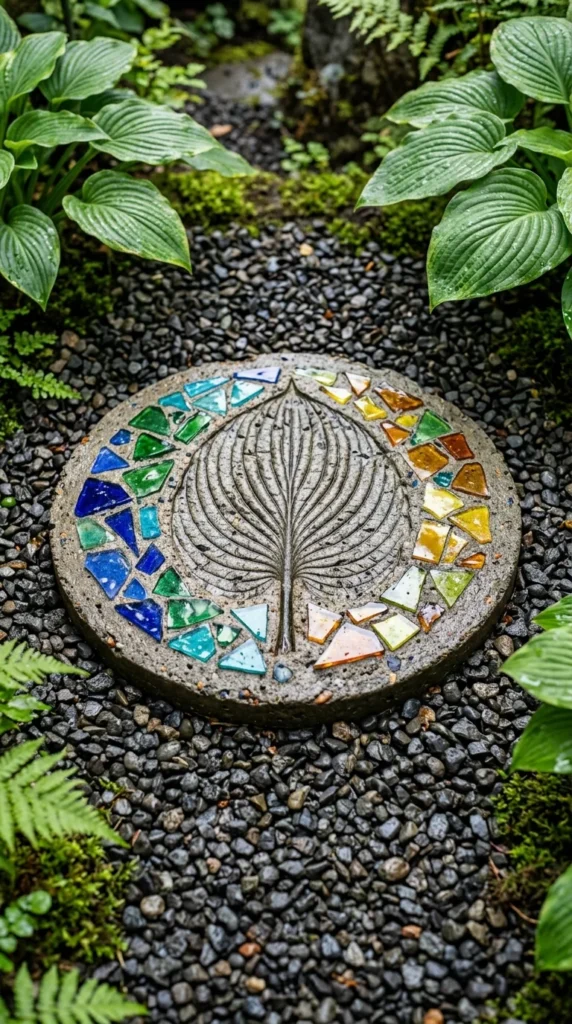
Custom stepping stones add a structural element to your garden while protecting your grass from heavy foot traffic. You can make these easily using quick-set concrete and a shallow mold, such as an old cake pan or a plastic bucket lid.
Before the concrete sets, you can press large, textured leaves (like rhubarb or hosta) into the surface to create a fossil-like effect. Alternatively, use broken pieces of colorful ceramic plates, sea glass, or smooth river pebbles to create a mosaic design. These stones provide a stable path through muddy areas and serve as permanent pieces of art that can withstand the elements for years.
3. Pallet Wood
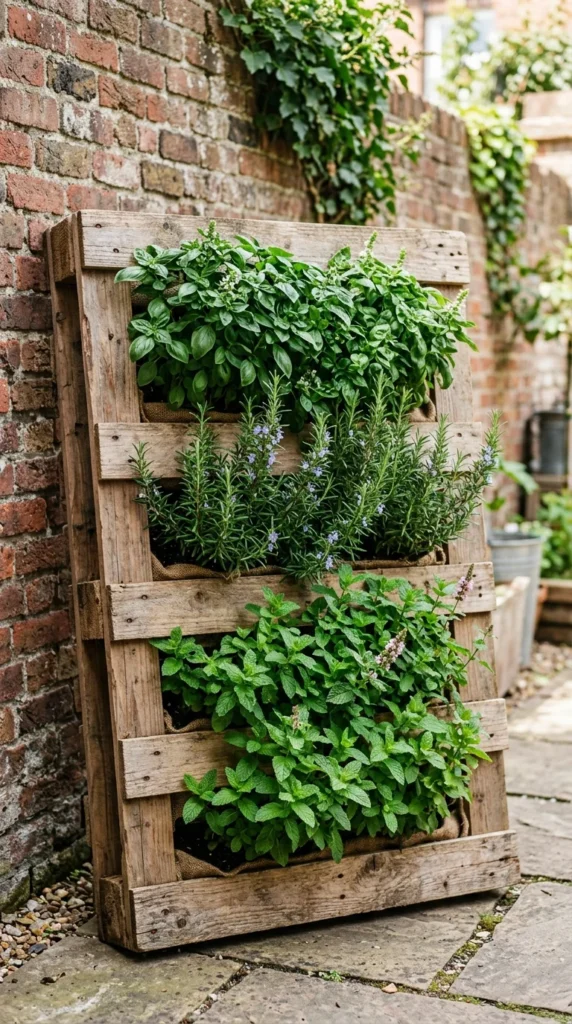
Wooden pallets are often available for free from local businesses and are a goldmine for DIY enthusiasts. One of the most popular uses for pallets is the vertical garden. By attaching landscape fabric to the back and bottom of the pallet “slats,” you can create deep pockets for soil and plants.
Vertical gardens are ideal for small spaces like balconies or narrow side yards. Beyond planters, pallet wood can be disassembled to build rustic birdhouses, small potting benches, or even decorative garden signs. Always check for a “HT” stamp on the pallet, which indicates it was heat-treated rather than chemically treated, making it safe for growing edible plants.
4. Solar Lanterns
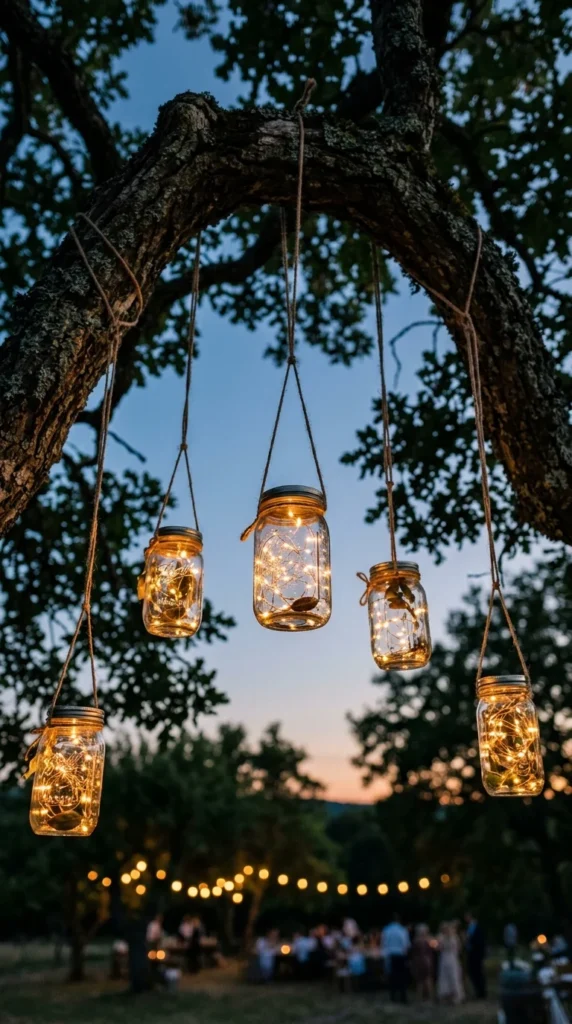
Lighting is essential for extending the usability of your garden into the evening hours. Traditional hardwired lighting is expensive, but solar-powered DIY projects are incredibly affordable. You can create “sun jars” by placing inexpensive solar stake lights into the lids of mason jars.
Frost the glass with a spray finish to diffuse the light, or fill the jars with decorative glass beads to create a sparkling effect. These lanterns can be placed along paths, tucked into flower beds, or hung from tree branches using twine. Because they recharge during the day, they provide a sustainable glow every night without increasing your electricity bill.
5. Painted Stones
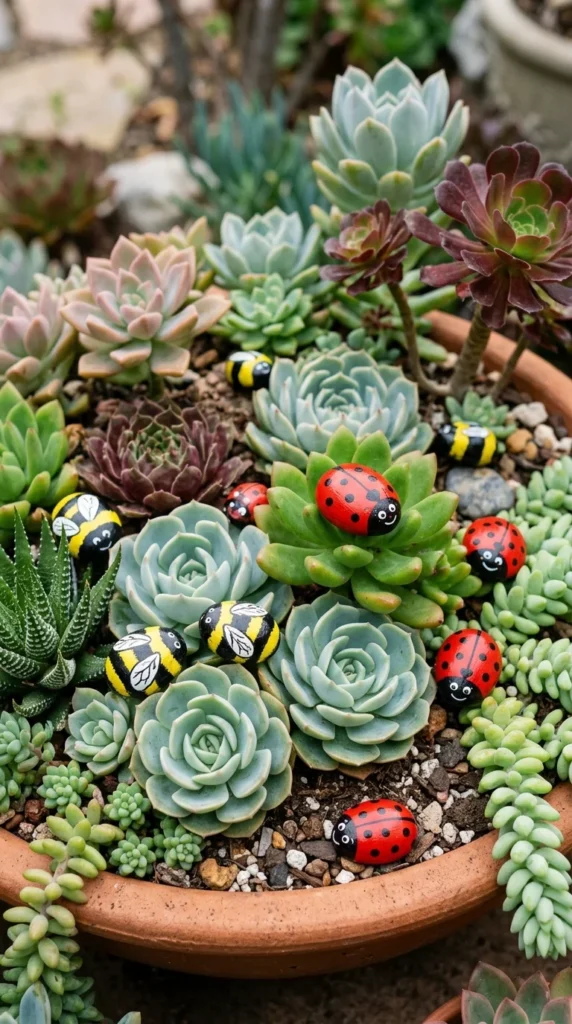
Rock painting is an activity that the whole family can enjoy. Large, smooth river stones can be transformed into whimsical “garden guards.” Whether you paint them to look like insects, mushrooms, or even miniature houses, these accents add a touch of playfulness to the greenery.
Use acrylic patio paints or outdoor-rated paint pens for the best results. Once your design is dry, apply a clear outdoor sealant to prevent the colors from fading in the sun or peeling in the rain. These stones can also serve a practical purpose as plant markers; simply paint the name of the herb or vegetable on the rock and place it at the base of the plant.
6. Terracotta Fountains
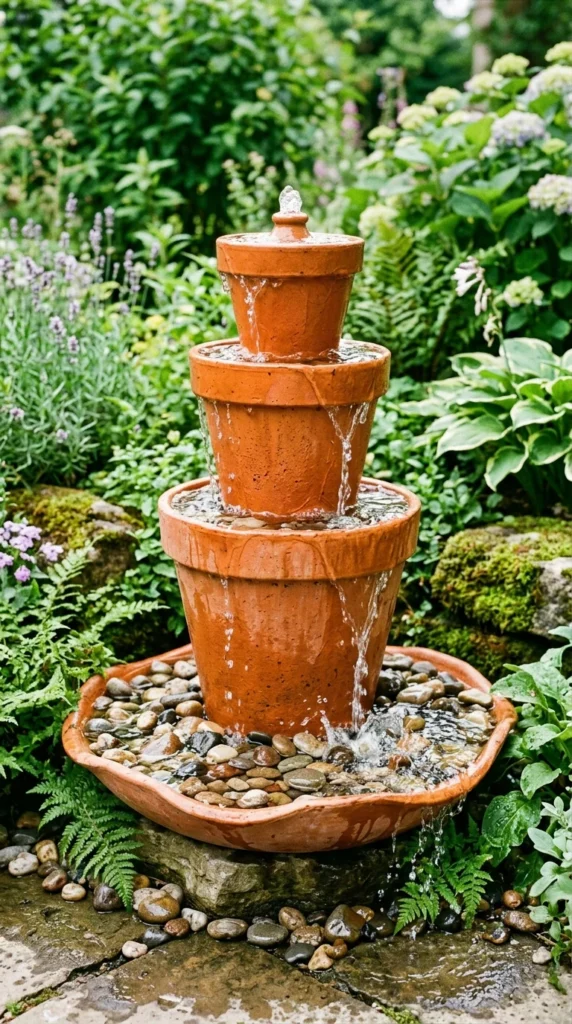
The sound of running water adds a tranquil, professional touch to any garden. You don’t need a built-in pond to enjoy this feature. A simple recirculating fountain can be built using three or four terracotta pots of graduating sizes and a small, inexpensive submersible pump.
By stacking the pots and sealing the drainage holes with silicone, you create a tiered system where water flows from the smallest top pot down into the larger bottom basin. You can leave the pots their natural clay color for a Mediterranean look or paint them with bold geometric patterns to match a modern aesthetic.
7. Garden Trellises
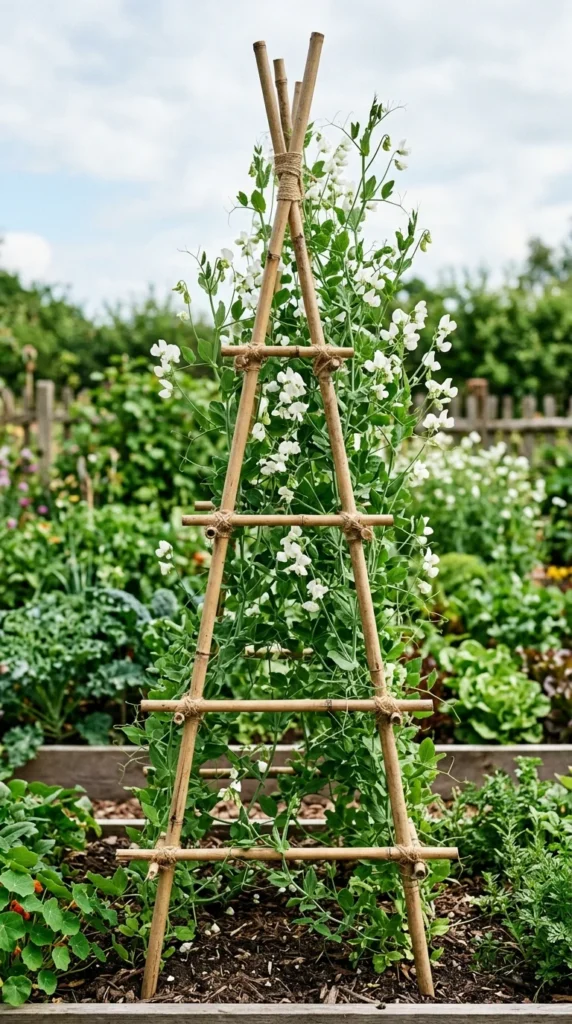
Climbing plants like jasmine, clematis, and sweet peas need support to grow vertically. Instead of buying plastic or metal trellises, you can make your own using natural materials or salvaged items. Bamboo poles, long fallen branches, or even an old wooden ladder can serve as a sturdy frame.
For a more creative look, repurpose an old metal bed frame or a set of vintage bicycle wheels. These structures add height to your garden beds and create visual interest even in the winter months when the plants have died back. Copper pipes can also be used to create a sleek, industrial-style trellis that will develop a beautiful green patina over time.
8. Tin Cans
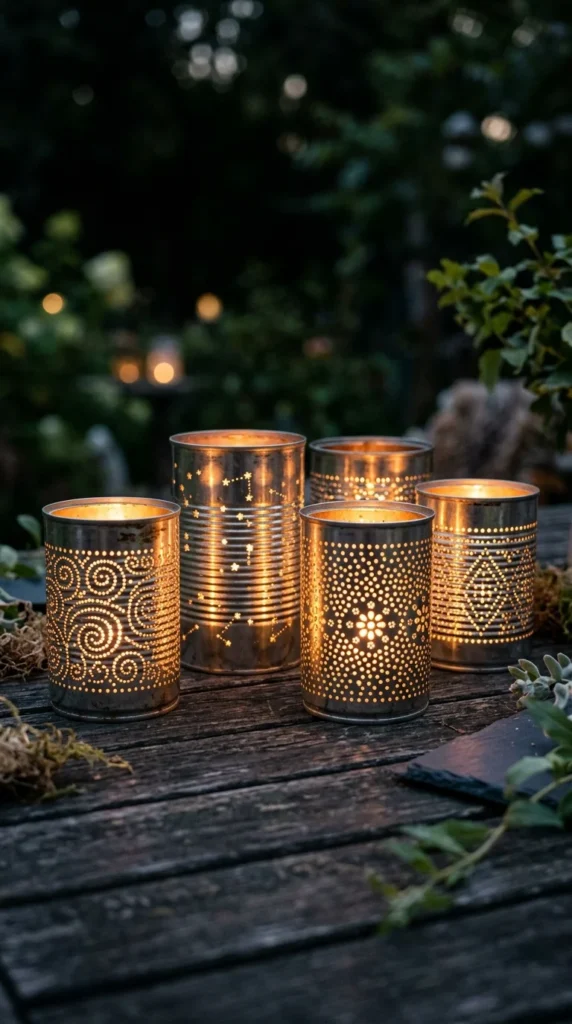
Tin cans are incredibly versatile and can be turned into beautiful “punched” lanterns. After cleaning a can and removing the label, fill it with water and freeze it. The ice provides a solid core that prevents the metal from denting while you work.
Using a hammer and a nail, punch a pattern of holes—such as stars, swirls, or floral shapes—into the side of the can. Once the ice melts, place a tealight or a battery-operated LED candle inside. The light will dance through the holes, casting intricate shadows across your patio or garden walls. These look particularly effective when grouped in different sizes on a table or hanging along a fence.
9. Bird Feeders
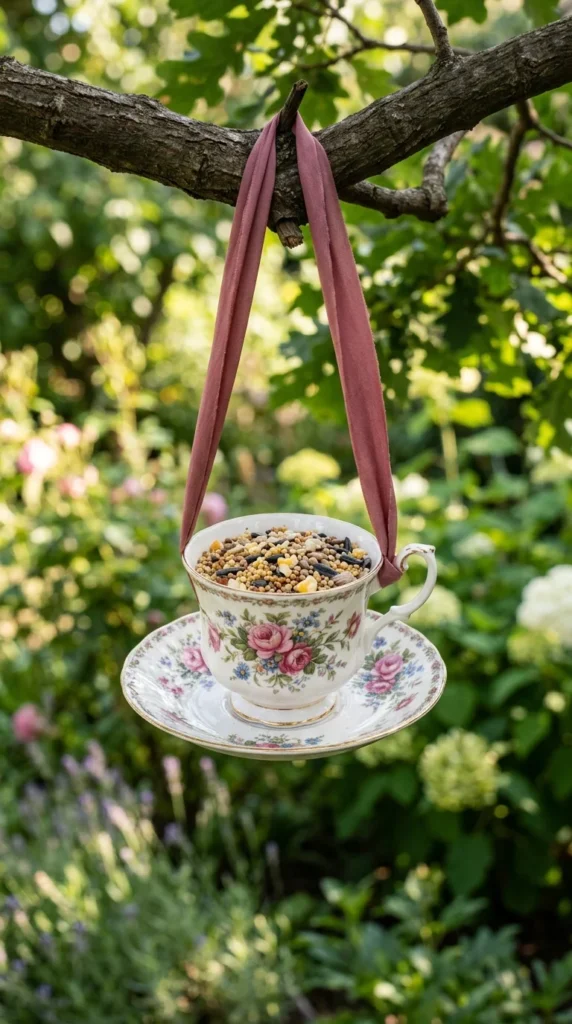
Attracting wildlife is a key part of a healthy garden ecosystem. You can create charming bird feeders using old kitchenware. A teacup glued to its saucer and hung by the handle creates a “café” for small songbirds.
Alternatively, you can use a clean plastic soda bottle. Insert two wooden spoons through holes in the sides to act as perches and dispensers for the seed. Not only do these feeders help the local bird population, but they also provide hours of entertainment as you watch different species visit your garden.
10. Driftwood Accents
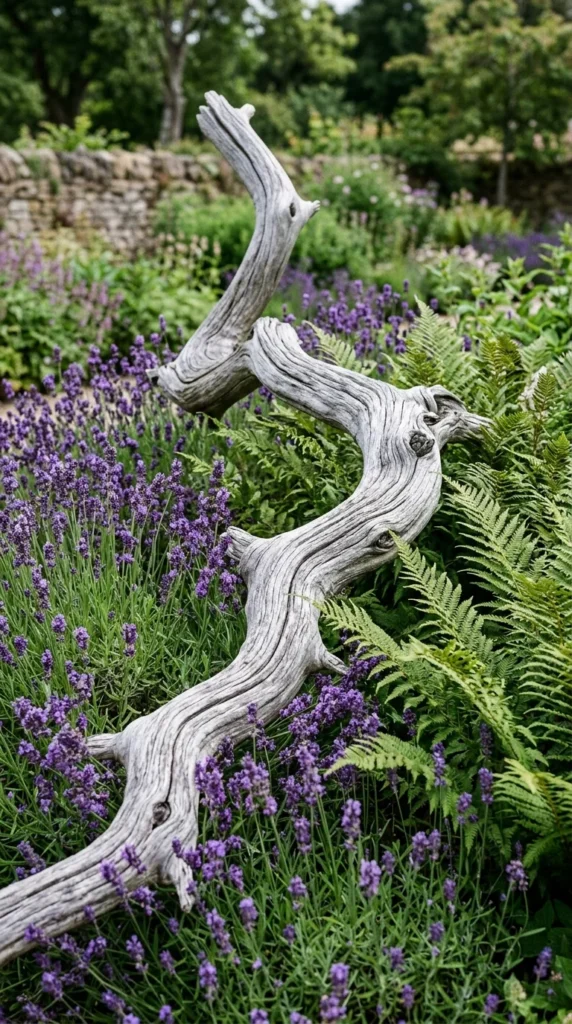
If you live near a beach or a river, driftwood can be a completely free source of high-end garden decor. The sun-bleached, weathered texture of the wood provides a perfect contrast to soft foliage.
Large pieces of driftwood can be used as a centerpiece in a flower bed, while smaller pieces can be wired together to create unique wall art or even a rustic mirror frame for a garden wall. Because driftwood has already been seasoned by water and sun, it is incredibly durable and requires very little maintenance to keep its aesthetic appeal.
Maintaining Your DIY Decor
To ensure your budget-friendly creations last for multiple seasons, follow these maintenance tips:
- Seal Everything: Any painted wood or terracotta should be coated with a clear, UV-resistant outdoor sealant.
- Winter Storage: In climates with harsh winters, bring delicate items like glass lanterns or thin ceramic pieces indoors to prevent cracking during freeze-thaw cycles.
- Regular Cleaning: Wipe down your DIY planters and features with a damp cloth once a month to remove cobwebs and dirt buildup.
- Check Stability: Ensure that hanging items and tall structures like trellises are securely anchored to withstand wind gusts.