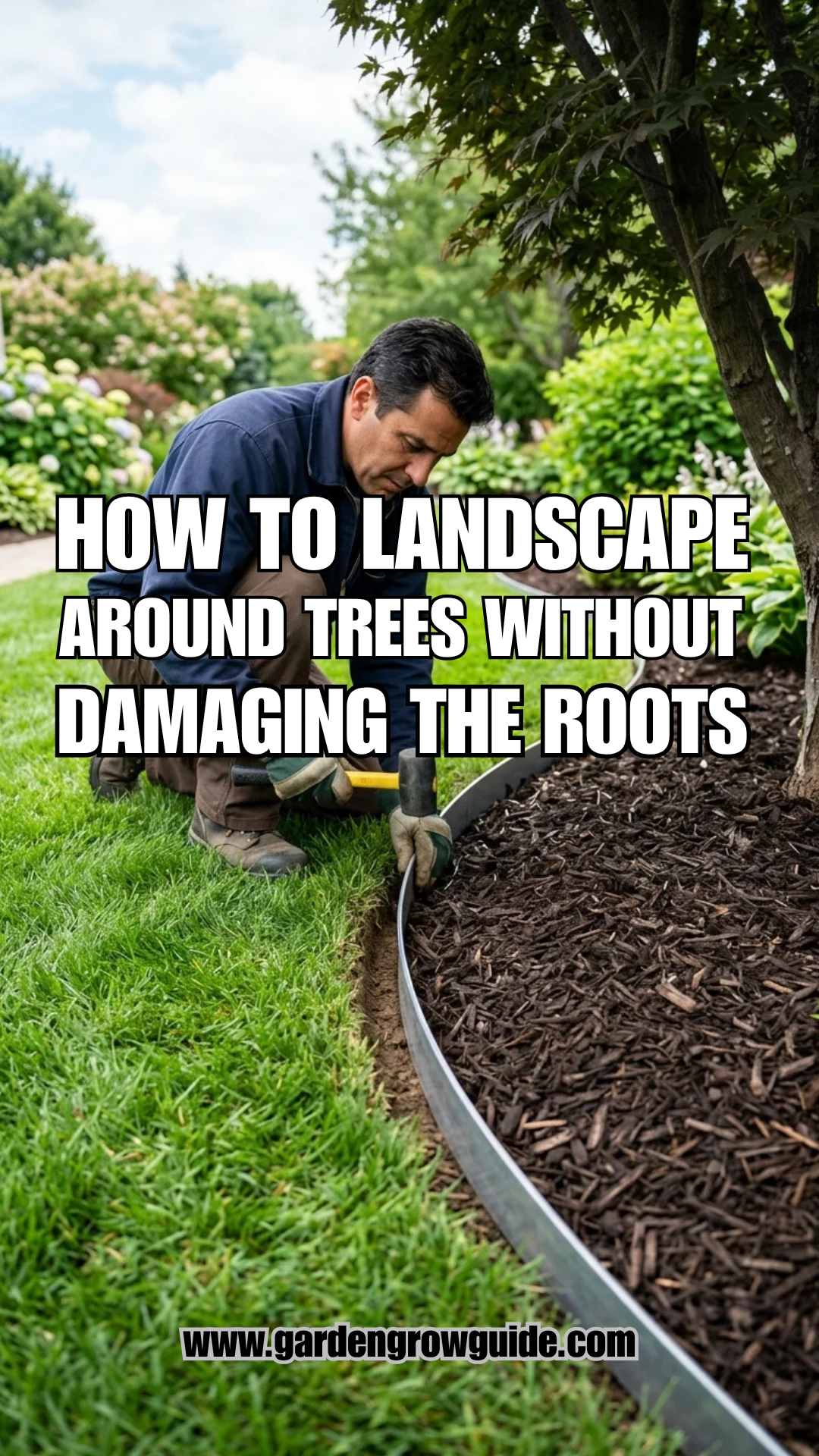
Landscaping around trees is one of the most effective ways to elevate the aesthetic of a yard, turning a lone trunk into a focal point of texture and color. However, many homeowners inadvertently compromise the health of their trees by suffocating roots, severing vital vascular systems, or altering the soil pH. To create a beautiful landscape that thrives for decades, one must understand the delicate anatomy of the root system.
1. Assessment
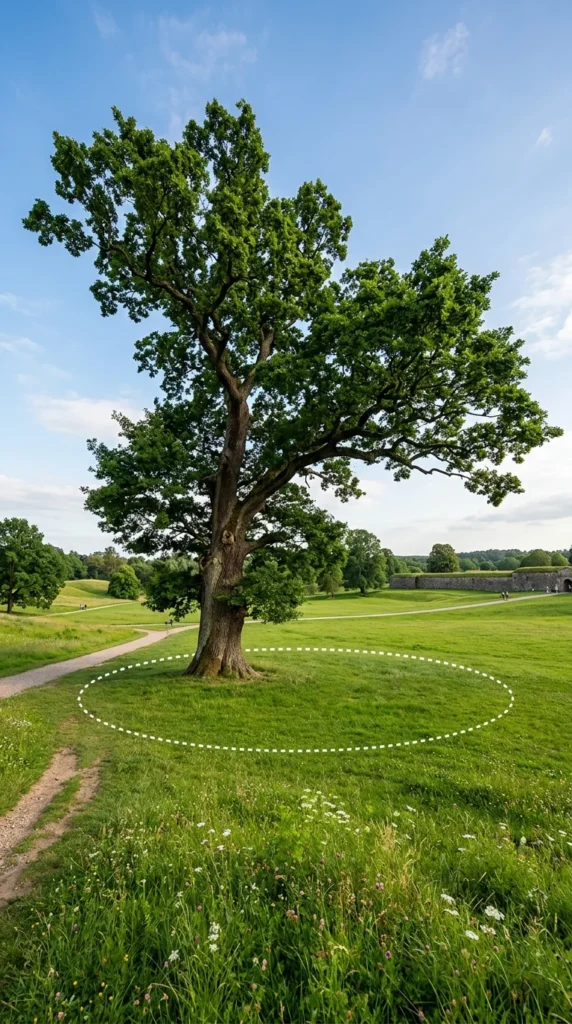
Before any soil is turned or mulch is spread, you must identify the tree’s “Critical Root Zone” (CRZ). While people often imagine tree roots growing deep into the earth like a mirror image of the canopy, the reality is that most feeder roots—the ones responsible for absorbing water and oxygen—reside in the top 6 to 18 inches of soil. These roots often extend far beyond the “drip line” (the edge of the outermost branches).
When assessing your tree, consider the species. Some trees, like Beeches and Maples, have very shallow root systems that are easily damaged by foot traffic or minor digging. Others, like Oaks, are more resilient but highly sensitive to changes in soil grade. Map out the area you intend to landscape and ensure you are not planning to install heavy structures over more than 20% of the root zone.
2. Mulching
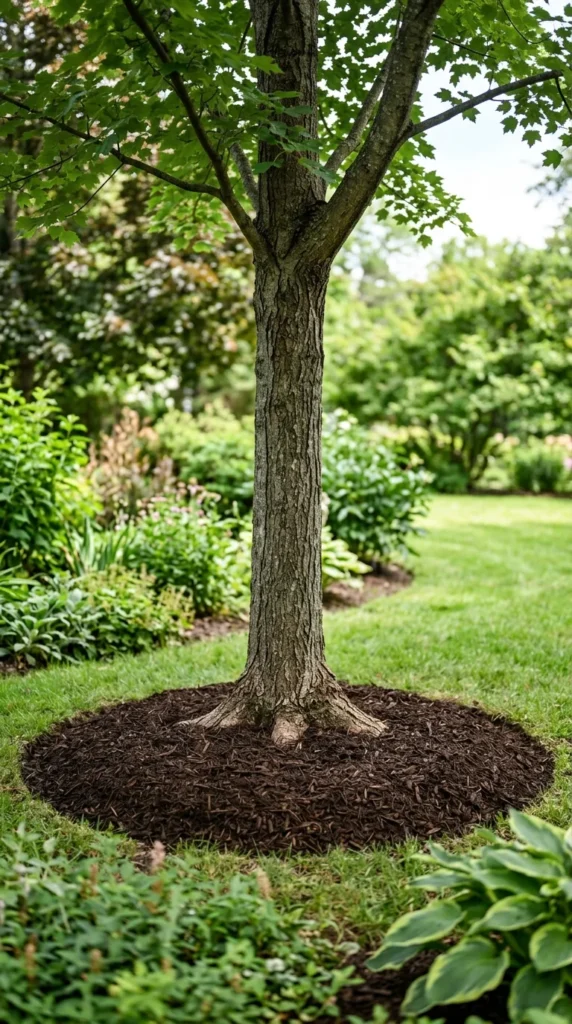
Mulching is the single best thing you can do for a tree, provided it is done correctly. A proper mulch ring suppresses weeds, retains moisture, and protects the trunk from lawnmower damage. However, the “mulch volcano”—the practice of piling mulch high against the bark—is a common and deadly mistake.
When bark is buried in mulch, it stays perpetually moist, leading to rot and providing an entry point for pests and fungal pathogens. Always follow the “3-3-3” rule: Create a ring of mulch 3 feet in diameter around the trunk (or larger), make the mulch layer 3 inches deep, and keep the mulch 3 inches away from the actual trunk to expose the root flare. Use organic materials like shredded hardwood, pine bark, or arborist wood chips, which improve soil structure as they decompose.
3. Underplanting
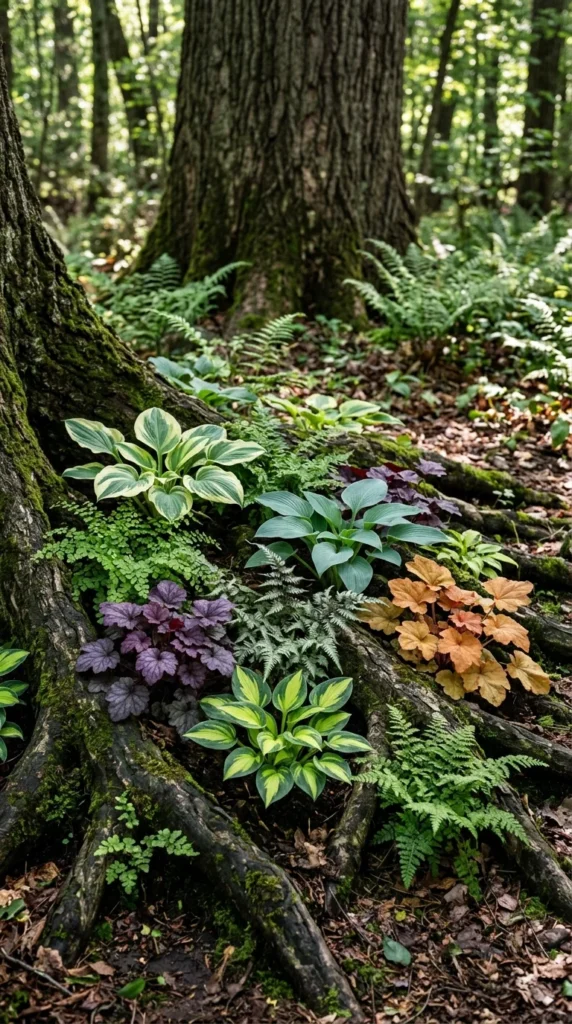
If you want to add color and texture under a tree, choose “root-friendly” plants. These are typically shade-tolerant perennials that do not require deep planting holes. When planting, do not use a shovel to dig large trenches. Instead, use a hand trowel to find small pockets between the major structural roots.
If you encounter a root larger than two inches in diameter, do not cut it; move your planting hole elsewhere. Species such as Hostas, Wild Ginger, Ferns, and Epimediums are excellent choices because they compete well for moisture and thrive in the dappled light found under a canopy. Start with smaller “plugs” or 4-inch pots rather than large 1-gallon containers to minimize the footprint of your digging.
4. Soil Grade
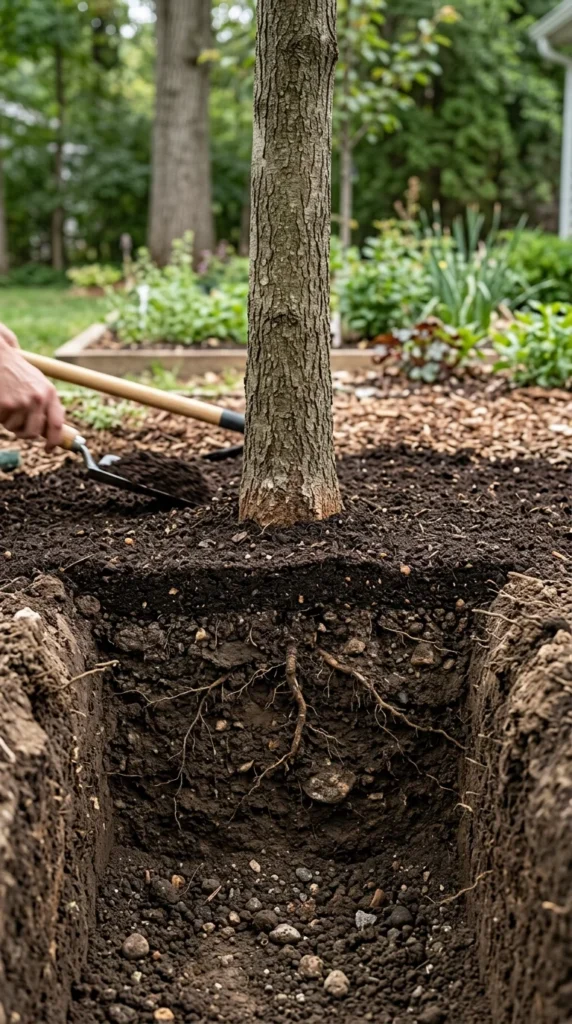
One of the quickest ways to kill a mature tree is to add a significant layer of heavy soil over its roots. Adding as little as 2 to 4 inches of heavy topsoil or clay can suffocate the roots by cutting off their oxygen supply. If you must level the area or improve the soil, use a very light, airy mixture of compost and coarse sand.
Spread this mixture thinly and gradually over several seasons if you need to build up an area. Avoid the temptation to build a raised planter box around the trunk. While these stone or wood enclosures look tidy, they trap moisture against the bark and eventually lead to the tree’s decline. If you want a “raised” look, build the wall several feet away from the trunk and leave the interior area at the original grade.
5. Edging
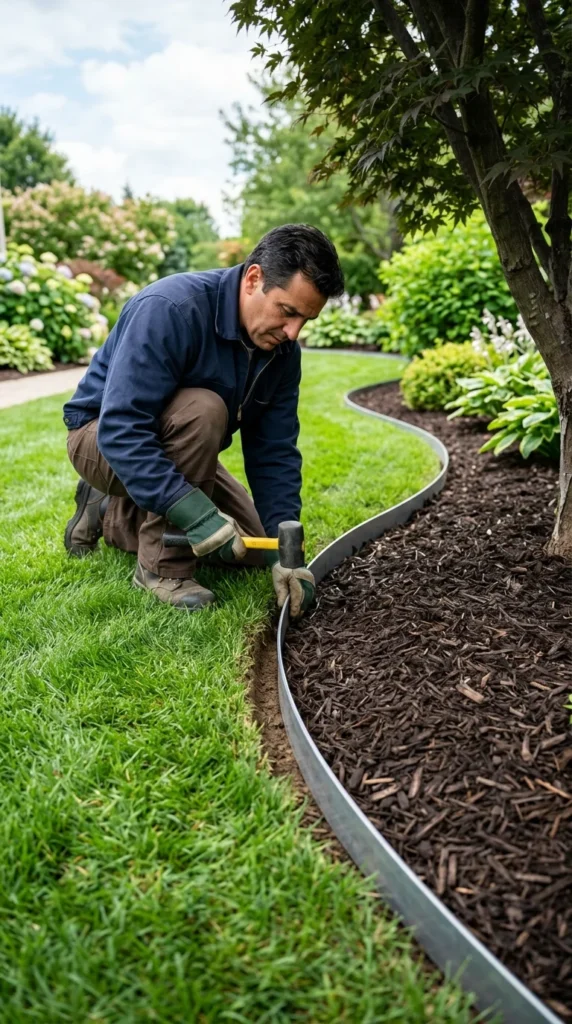
Defining the boundary between your lawn and the tree bed gives the landscape a finished look. However, traditional plastic or brick edging often requires digging a deep trench that can sever lateral roots. Instead, opt for “no-dig” edging options or shallow-profile materials.
Flexible steel or aluminum edging is ideal because it requires only a thin slit in the turf to install. Alternatively, you can create a “Victorian edge,” which is simply a shallow V-shaped trench cut into the sod. This provides a clean line without the need for permanent physical barriers that might interfere with root expansion. Avoid using heavy concrete curbs or deep-set stone borders within the drip line of the tree.
6. Groundcovers
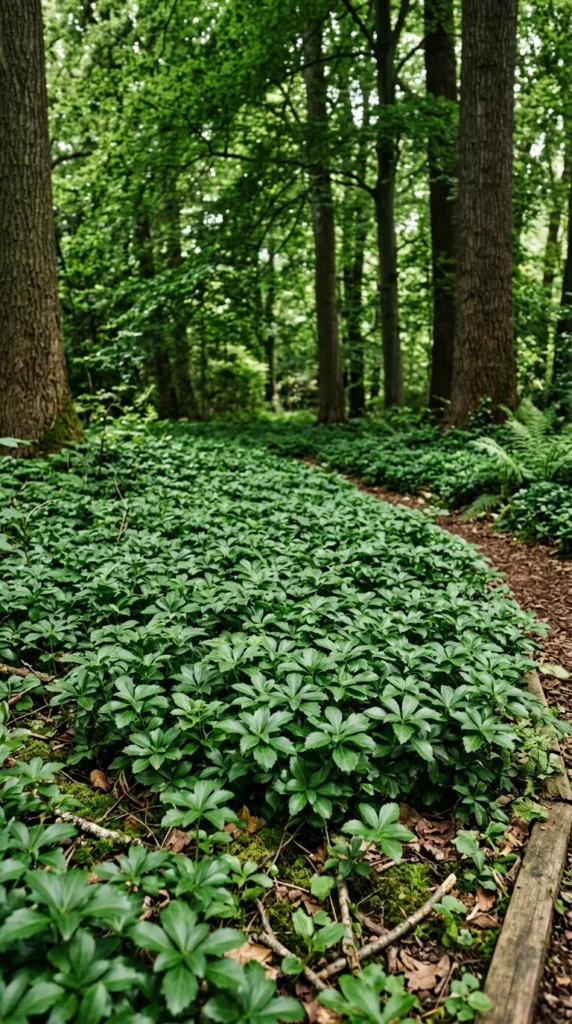
For large trees where maintaining a mulch ring feels too barren, “living mulch” or groundcovers are the solution. Groundcovers act as a natural carpet, protecting the soil from erosion and temperature fluctuations while allowing the tree roots to breathe.
Invasive species like English Ivy or Vinca Minor should be avoided, as they can climb the trunk and compete too aggressively for nutrients. Instead, look for native groundcovers like Pennsylvania Sedge or Creeping Phlox. These plants establish quickly and, once mature, require very little maintenance. They also eliminate the need for string trimmers near the trunk, which is a leading cause of “girdling”—mechanical damage to the tree’s bark that can kill it.
7. Hydration
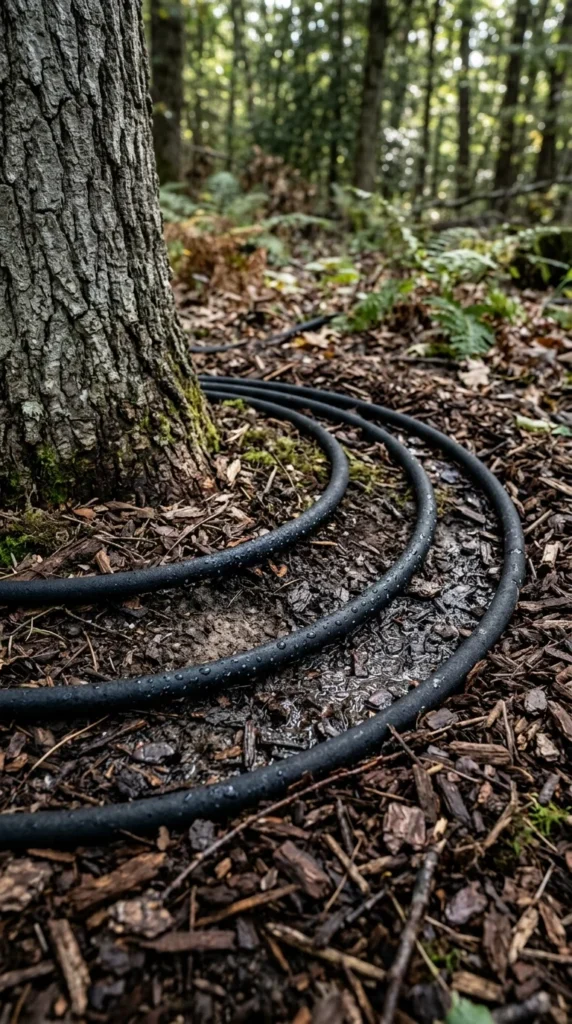
When you add new plants and mulch around an established tree, the water requirements of that area change. The new plants will compete with the tree for surface moisture. To ensure both the tree and the underplantings thrive, implement a targeted irrigation strategy.
Avoid high-pressure sprinklers that hit the tree trunk directly, as this can encourage fungal growth. Instead, use a soaker hose or a drip irrigation system laid underneath the mulch. This delivers water directly to the soil, reducing evaporation and ensuring that moisture reaches the deeper root zones. During the first two years after landscaping, monitor the soil moisture closely, especially during summer droughts, to ensure the tree isn’t being out-competed by its new neighbors.