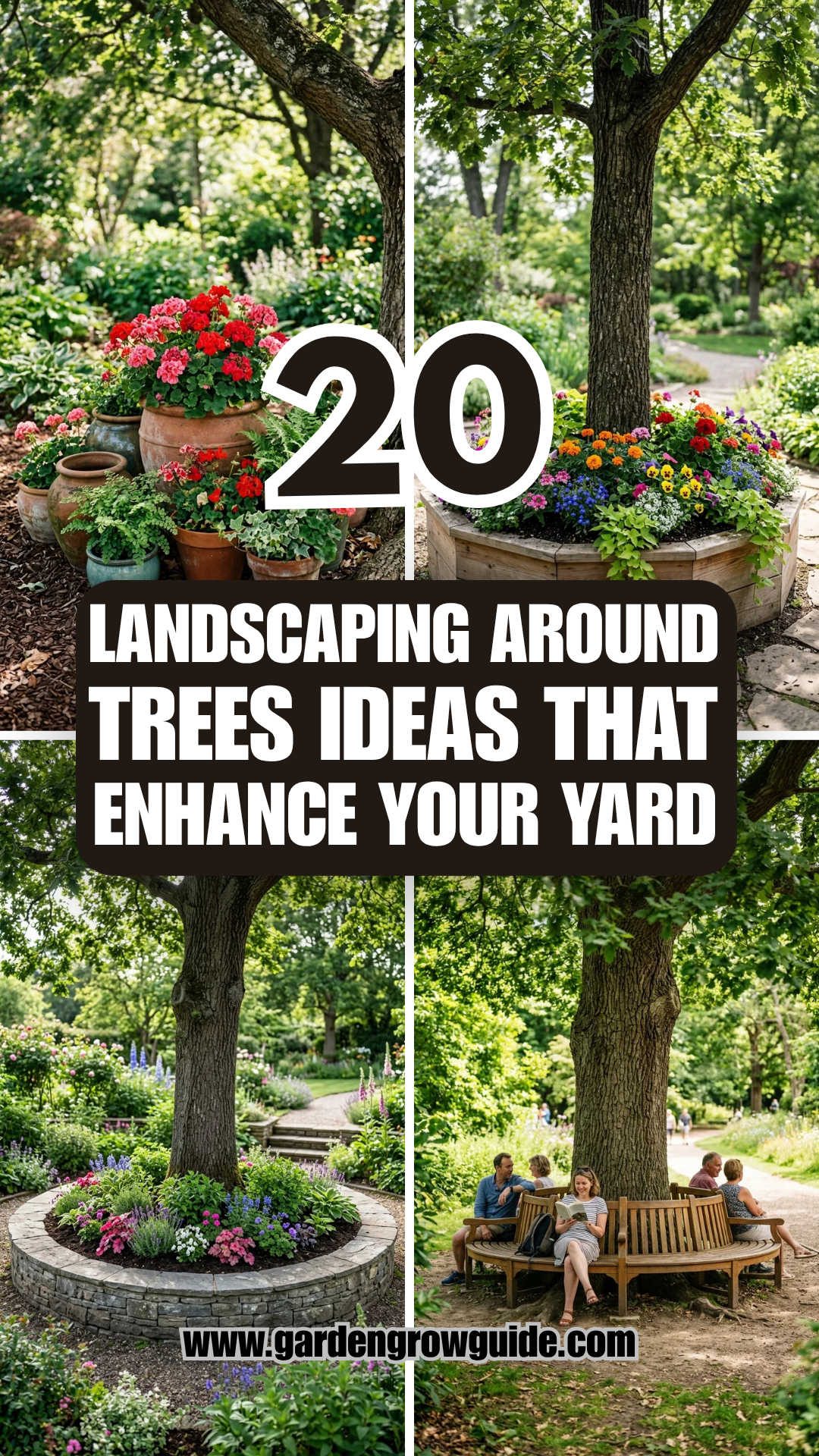
Landscaping around trees is one of the most effective ways to elevate a yard’s aesthetic while simultaneously protecting the tree’s health. The area beneath a tree canopy, often referred to as the “critical root zone,” can be a challenging environment due to shade, root competition, and moisture levels. However, with the right approach, this space can be transformed from a patchy grass graveyard into a stunning focal point.
Effective tree landscaping serves multiple purposes: it prevents lawnmower damage to the trunk, suppresses weeds, retains soil moisture, and adds layers of texture to your outdoor space. Whether you have a towering oak or a delicate dogwood, here are 20 ideas to enhance your yard.
1. Mulch Rings
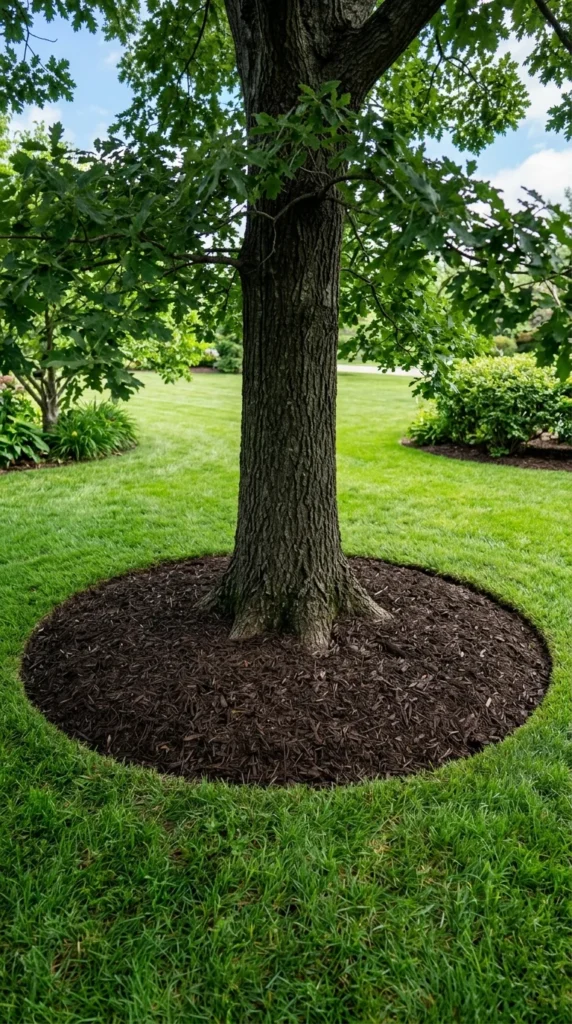
Mulch is the gold standard for tree health. A wide mulch ring mimics the natural forest floor, providing insulation for roots and retaining vital moisture. To make it visually appealing, use high-quality organic mulch like cedar or hemlock, which offers a rich color and a pleasant aroma. Ensure the mulch is “donuted”—spread thick at the edges but pulled away from the trunk to prevent rot.
2. Perennial Beds
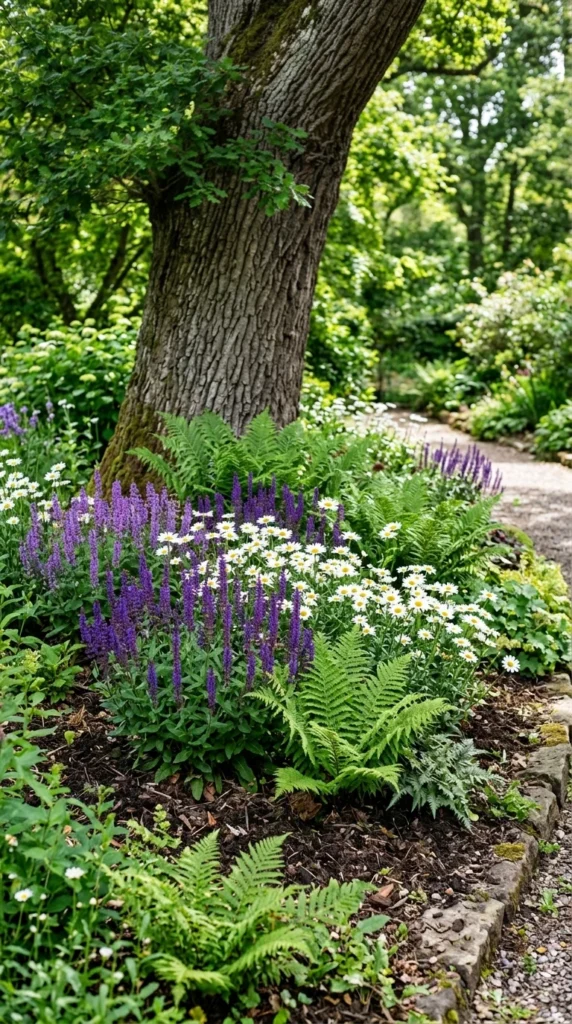
Perennials are the gift that keeps on giving. By planting shade-tolerant perennials like Bleeding Hearts, Coral Bells, or Hellebores, you create a self-sustaining ecosystem. These plants return every year, growing larger and more robust, eventually filling in the space to create a dense, colorful carpet that requires minimal maintenance once established.
3. Retaining Walls
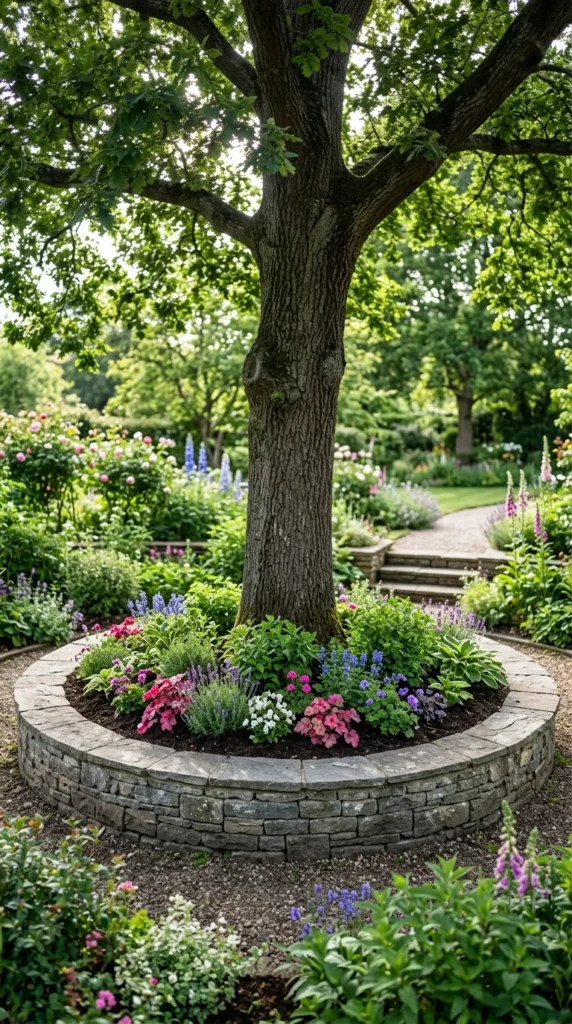
If your yard has a slope or if you want to create a formal “throne” for your tree, a low stone retaining wall is an excellent choice. This adds architectural structure and can help manage soil erosion. When building a wall, it is crucial not to bury the tree’s flare (where the trunk meets the roots), as this can suffocate the tree. Keep the wall low and the soil level consistent with the tree’s natural grade.
4. Shade Gardens
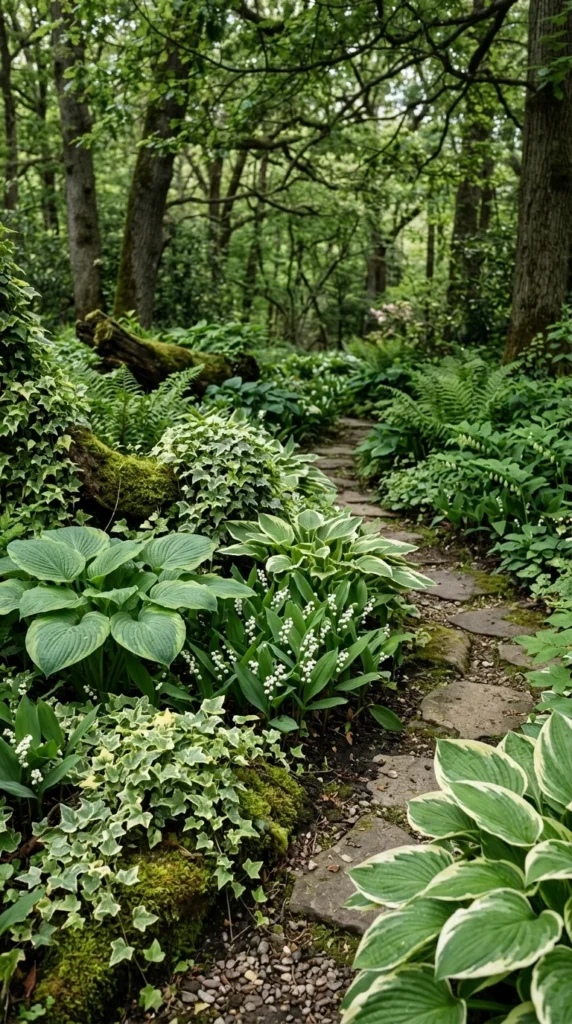
Many homeowners struggle to grow grass under dense canopies. Instead of fighting nature, embrace it with a dedicated shade garden. Focus on plants with interesting foliage rather than just blooms. Hostas come in hundreds of varieties, from giant blue-green leaves to tiny variegated spikes, making them the perfect centerpiece for a sun-drenched yard’s shady retreat.
5. Gravel Paths
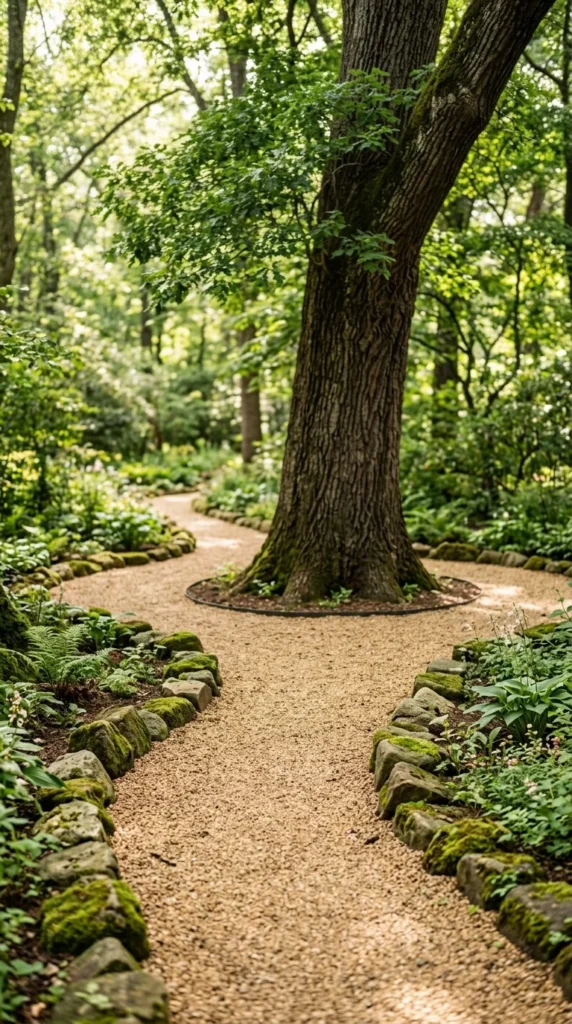
For a low-maintenance, “Zen” feel, consider using gravel or crushed stone. Gravel provides excellent drainage and a satisfying crunch underfoot. It works particularly well in modern or Mediterranean-style landscapes. Use a landscape fabric underneath to prevent weeds from poking through, and edge the path with metal or brick to keep the stones in place.
6. Bench Seating
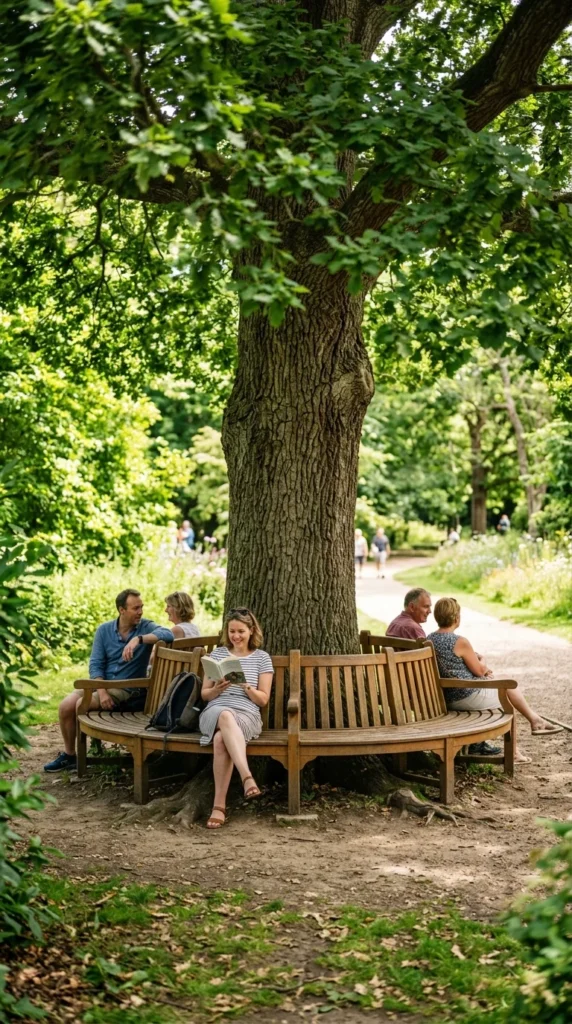
Transform your tree into a social hub by installing a tree bench. Whether it is a DIY hexagonal wooden bench or a custom iron seat, providing a place to sit encourages people to enjoy the coolest part of the yard. This is particularly effective for large, sturdy trees like oaks or maples that offer a wide radius of shade.
7. Groundcover Carpets
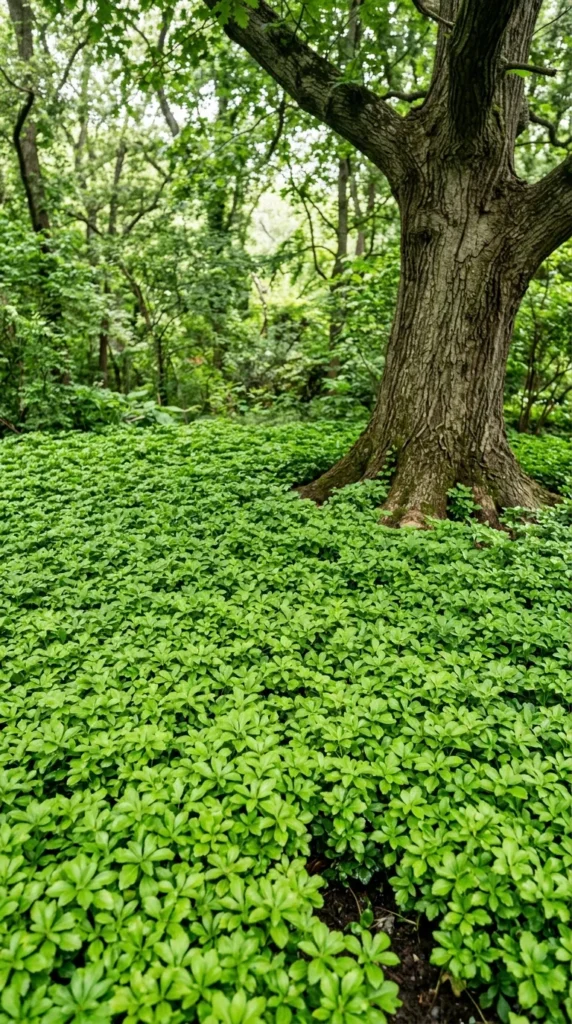
Groundcovers like Pachysandra, Vinca Minor, or Sweet Woodruff act as a “living mulch.” They spread quickly to cover bare earth, suppressing weeds and providing a uniform green look that requires no mowing. This is an ideal solution for large areas under trees where traditional gardening might be too labor-intensive.
8. Rock Gardens
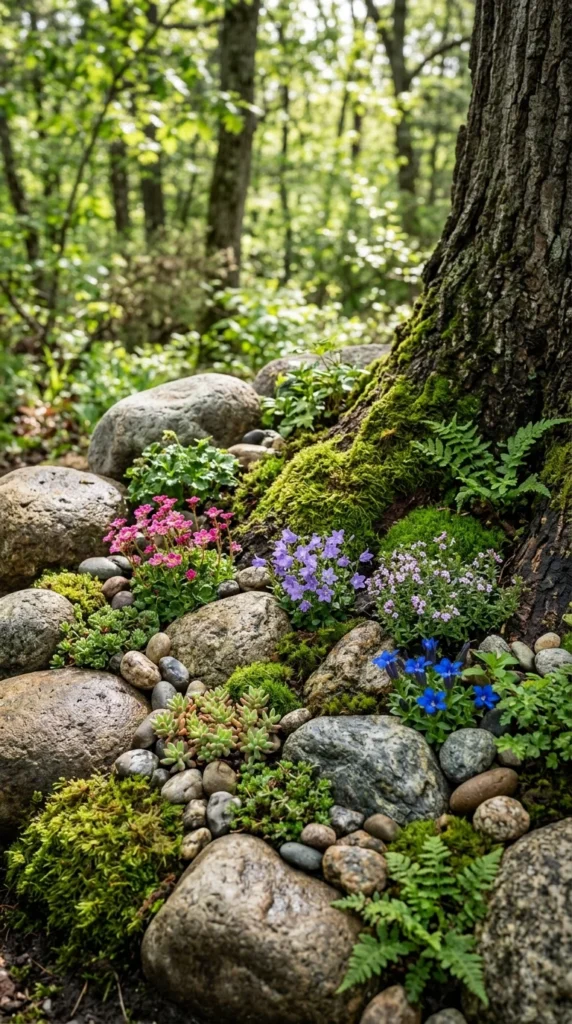
Rock gardens add a rugged, naturalistic element to the landscape. By mixing different sizes of stones—from large boulders to small river pebbles—you create visual depth. Rocks also help stabilize the soil and provide a beautiful contrast to the organic textures of the tree bark and leaves.
9. Edging Stones
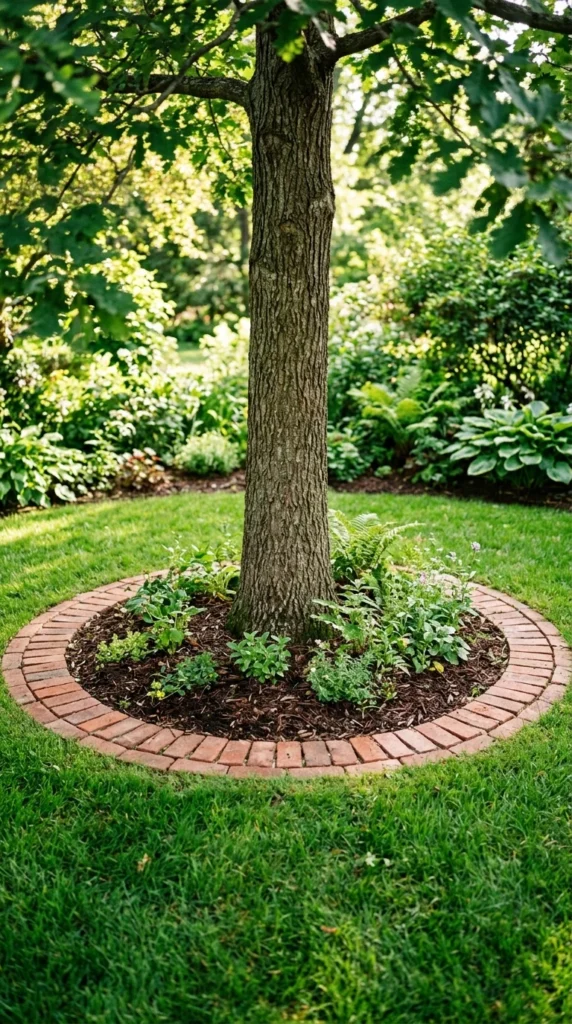
Defining the boundary of your tree landscape is key to a polished look. Edging stones, whether they are tumbled pavers, classic bricks, or sleek modern concrete blocks, keep mulch and soil from washing onto the lawn. They also provide a “mow strip,” allowing you to run your lawnmower wheels right over the edge for a clean cut without needing a string trimmer.
10. Wildflower Borders
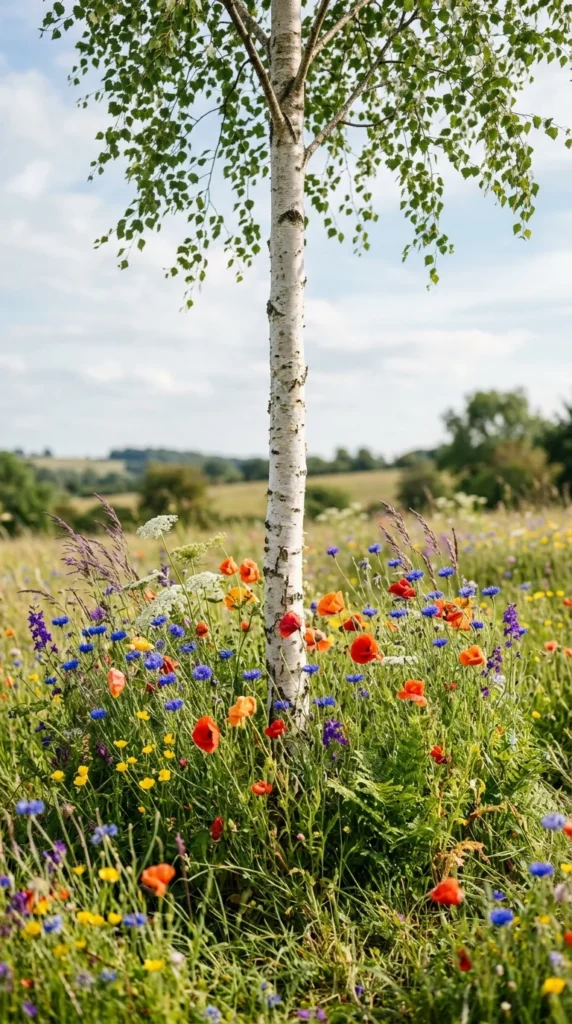
For a more relaxed, cottage-core aesthetic, sow a mix of shade-tolerant wildflowers. This not only looks beautiful and rustic but also supports local pollinators like bees and butterflies. Wildflowers are excellent for “naturalizing” a backyard and require very little intervention once they take root.
11. Flower Bulbs
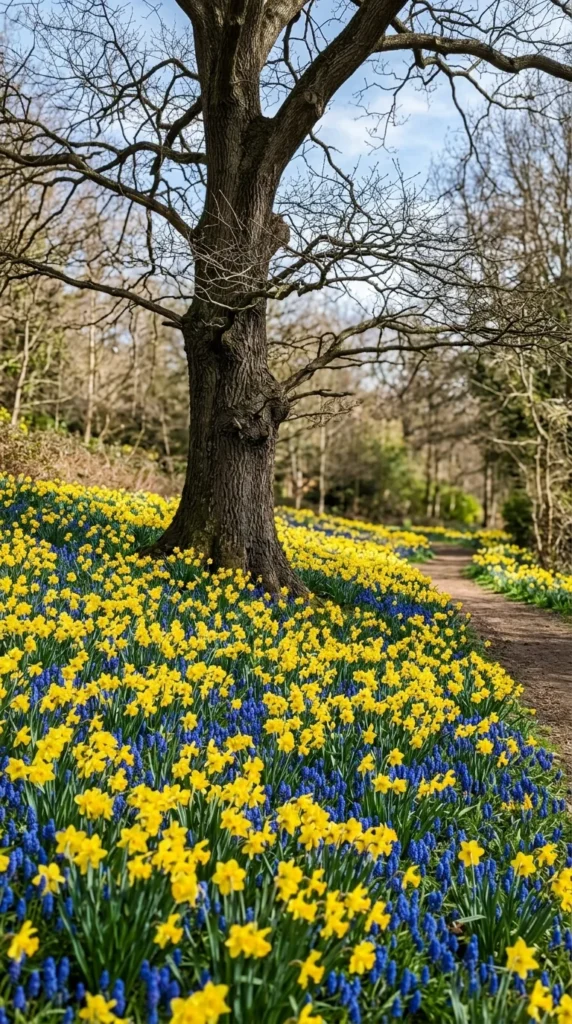
Spring bulbs are a fantastic way to add a burst of color before the tree’s leaves fully unfurl. Because bulbs like tulips, daffodils, and crocuses do most of their growing in the early spring, they get plenty of sunlight before the canopy closes. Plant them in “drifts” (natural-looking clusters) rather than straight lines for a more organic appearance.
12. Container Clusters
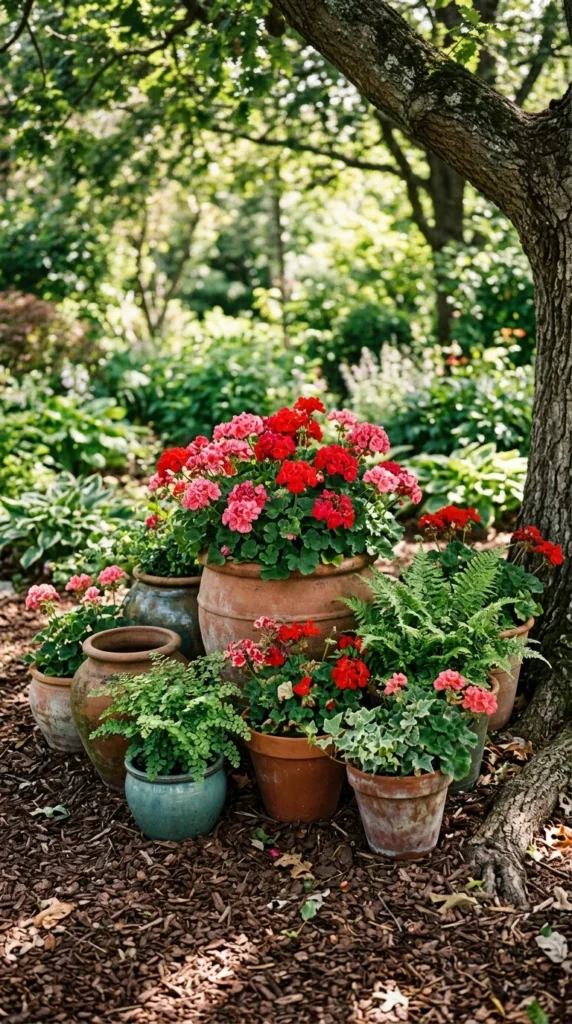
If you are worried about digging and damaging sensitive tree roots, use containers. Grouping pots of various heights and colors around the base of a tree allows you to add floral interest without ever touching a shovel. This is also a great way to incorporate plants that might require different soil types than what is naturally present in your yard.
13. Tree Lighting
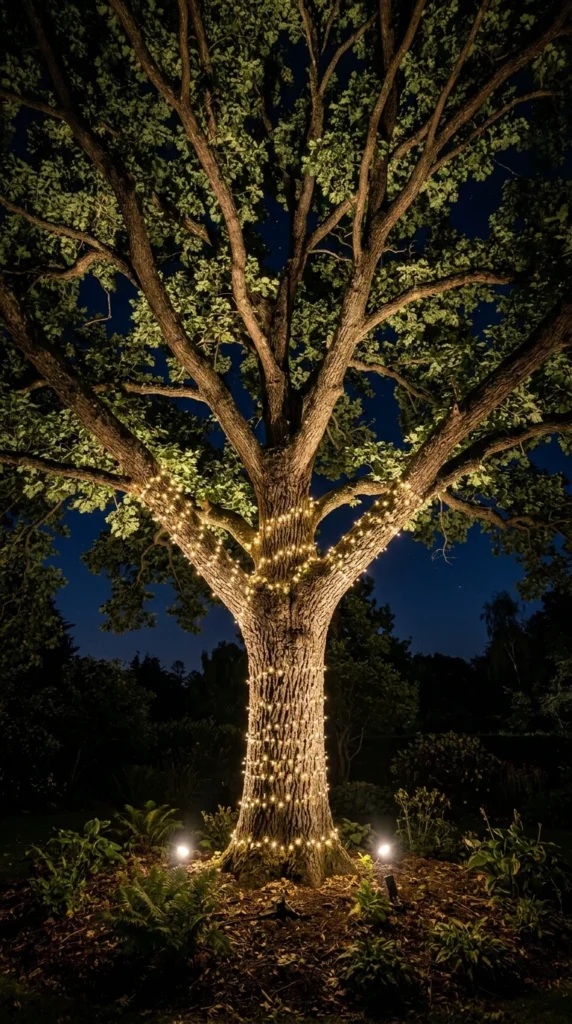
Landscape lighting extends the beauty of your trees into the night. Up-lighting creates a dramatic architectural effect, highlighting the structure of the branches. Meanwhile, “moonlighting”—placing lights high in the branches pointing down—mimics the soft glow of a full moon, casting beautiful shadows of the leaves onto the ground below.
14. Raised Beds
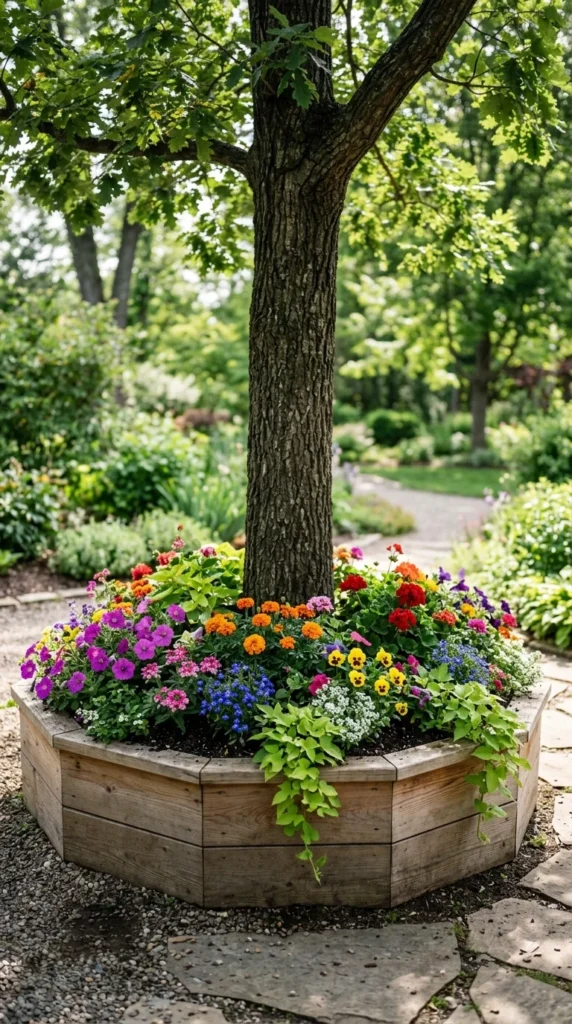
While you must be careful not to pile soil against the trunk, a well-designed raised bed can provide a clean, elevated look. Use a “tree ring” kit or build a custom hexagonal planter. To keep the tree healthy, ensure the inner diameter of the planter is several feet away from the trunk, leaving the flare exposed.
15. Hammock Nooks
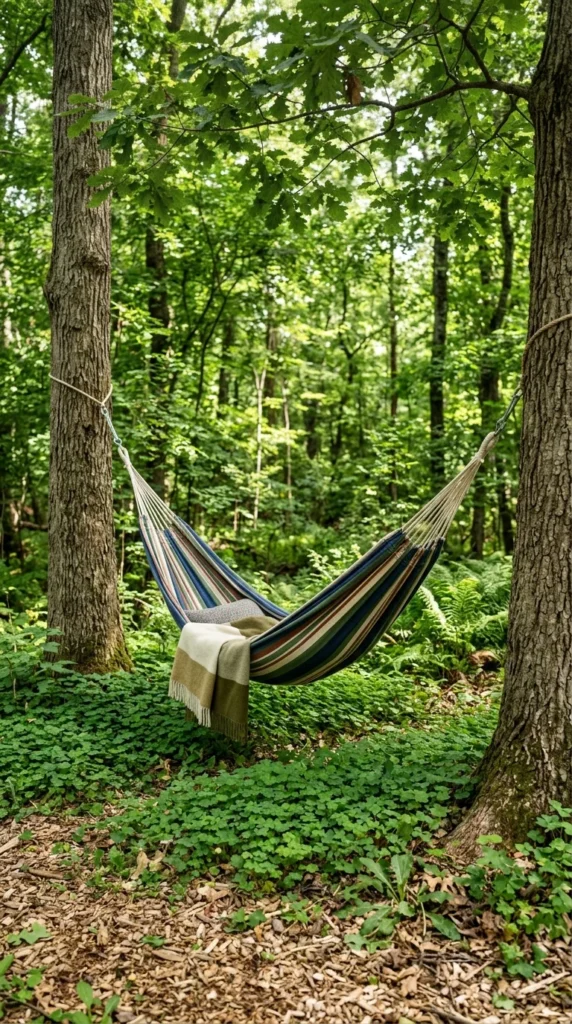
Sometimes the best landscaping is about function. By clearing the area under a tree and adding a layer of soft mulch or a low-profile groundcover, you create the perfect spot for a hammock. This turns the tree into a destination for relaxation, making the yard feel like a private resort.
16. Fairy Gardens
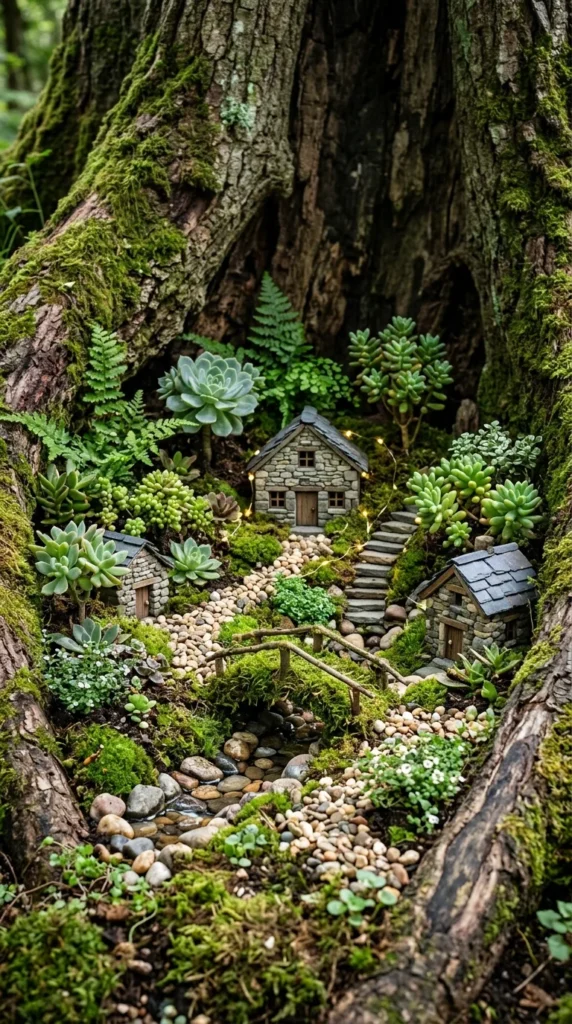
For families with children—or just the young at heart—a fairy garden is a delightful use of space. Use the natural nooks and crannies of the tree’s roots to tuck in miniature accessories. Use moss as “grass” and small pebbles as “paths” to create a magical world that draws people in for a closer look.
17. Water Features
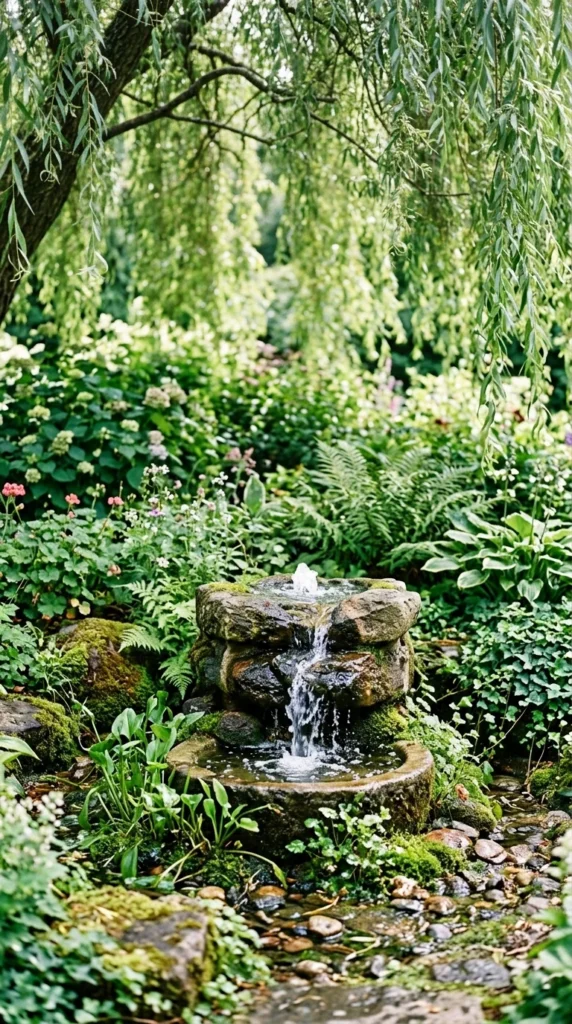
The sound of trickling water combined with the rustle of leaves creates a multisensory experience. A small, self-contained disappearing fountain or a simple birdbath can be placed under a tree to attract local wildlife. The shade from the tree also helps slow the evaporation of the water during hot summer months.
18. Succulent Displays
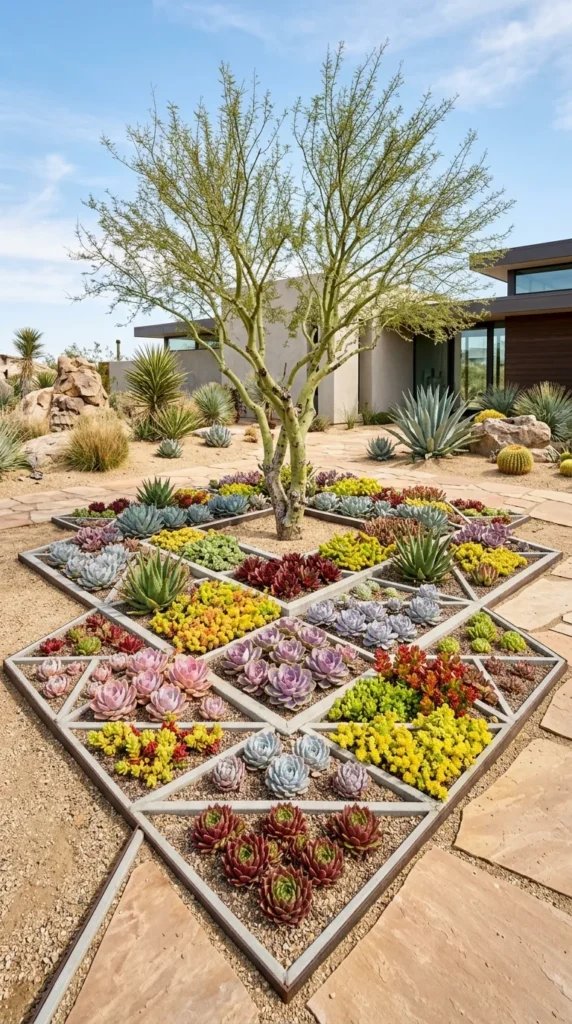
In arid climates or for trees that don’t require much water (like certain pines or oaks), succulents provide a low-water, high-style landscaping option. Their unique shapes and colors—ranging from frosty blues to deep purples—provide a striking contrast to the rough texture of tree bark.
19. Tropical Undergrowth
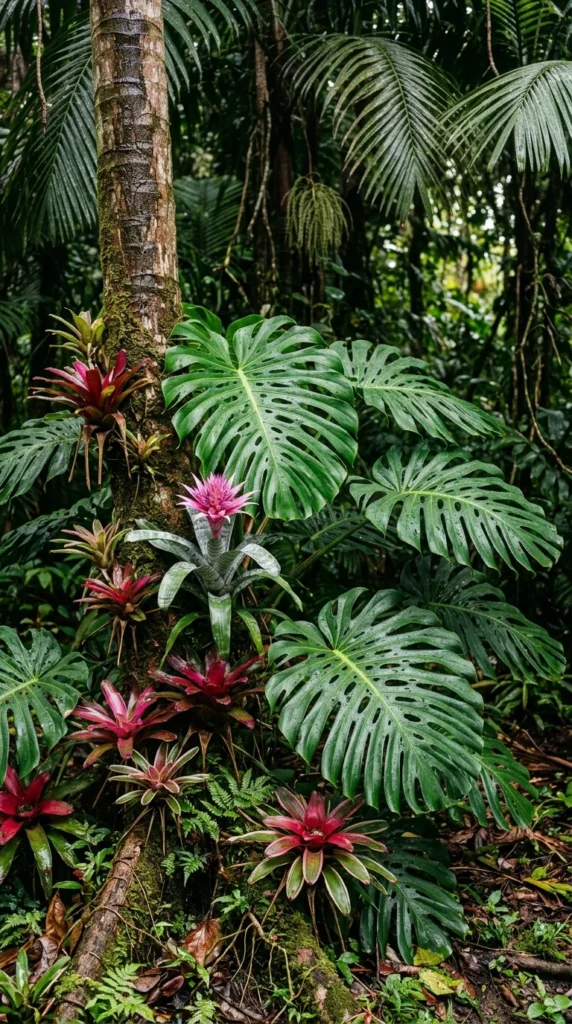
If you live in a warmer zone, you can create a backyard jungle by planting tropical species. Large-leafed plants like Caladiums, Cannas, or Ginger lilies thrive in the humid, dappled light found under a canopy. This creates a lush, exotic feel that can make even a small suburban yard feel like a rainforest.
20. Herb Circles
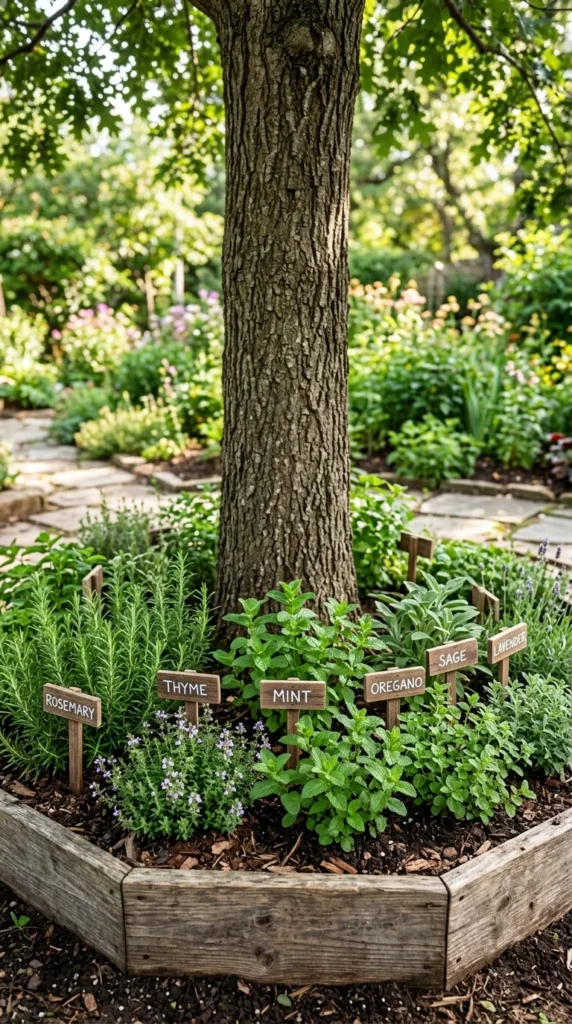
Many herbs, such as mint, chives, and lemon balm, can tolerate partial shade. Planting an herb circle around a tree near your kitchen door is both beautiful and practical. The aromatic leaves release a pleasant scent when brushed against, and you’ll have fresh garnishes within arm’s reach.
Best Practices for Tree Landscaping
When implementing any of these ideas, keep these three rules in mind to ensure your tree thrives for decades:
- Protect the Flare: Never pile soil or mulch directly against the bark. The “root flare”—the area where the trunk widens as it enters the ground—needs air circulation. Covering it leads to rot and disease.
- Be Careful with Roots: Avoid digging large holes near the trunk. Use a hand trowel for small plants and be prepared to move a plant slightly if you hit a major structural root.
- Watering Balance: New plants under a tree will compete with the tree for water. Be sure to provide extra irrigation during the first two seasons until your new landscape is fully established.