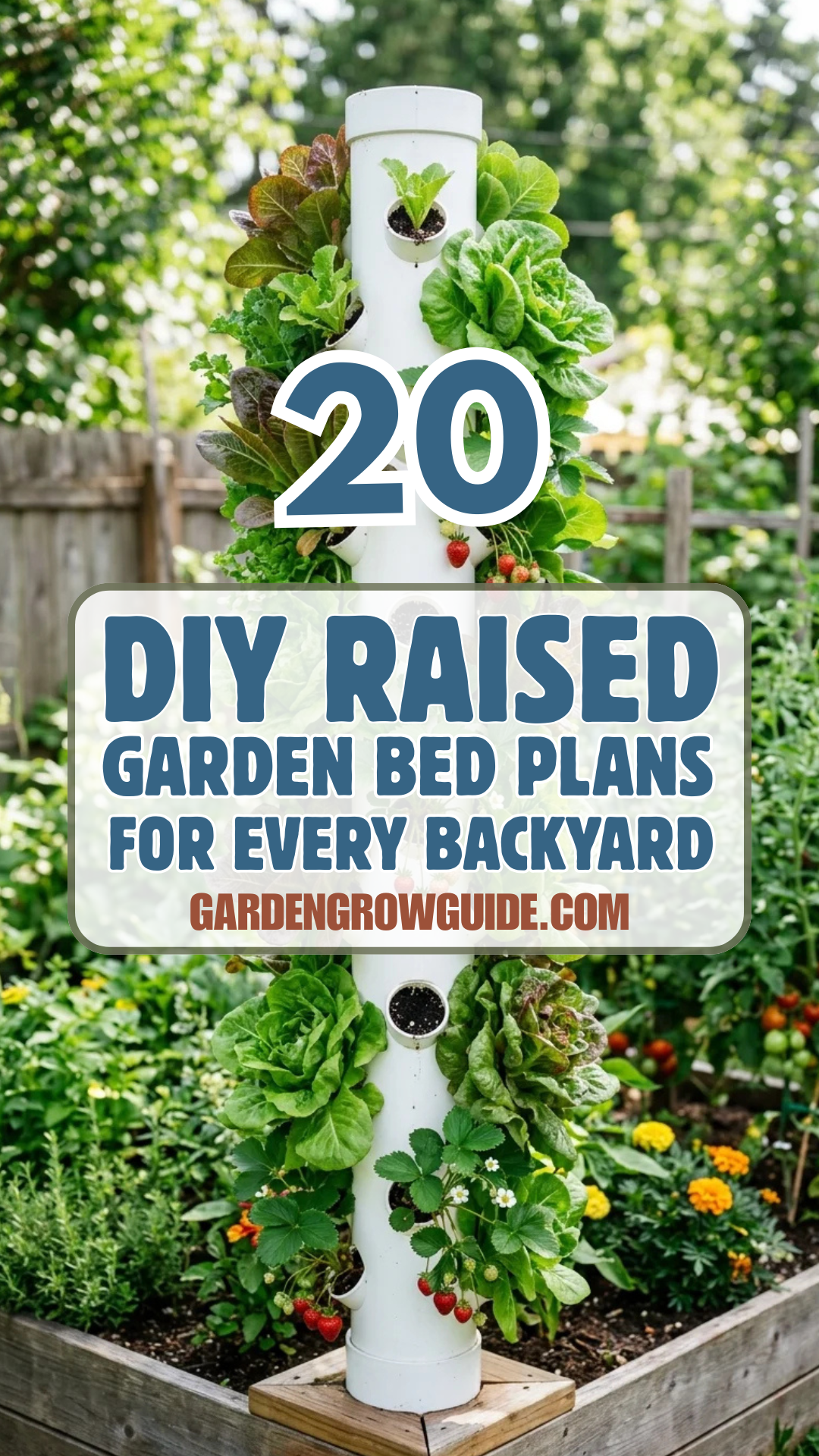
Raised garden beds are the gold standard for home gardening, offering superior drainage, better soil temperature control, and a significant reduction in back strain. Whether you are working with a sprawling country estate or a compact urban patio, building your own garden beds allows you to customize your growing space to your specific needs and aesthetic preferences. From rustic reclaimed timber to sleek modern metal, these twenty DIY plans provide a comprehensive roadmap for transforming your outdoor space into a productive oasis.
1. Cedar Planks
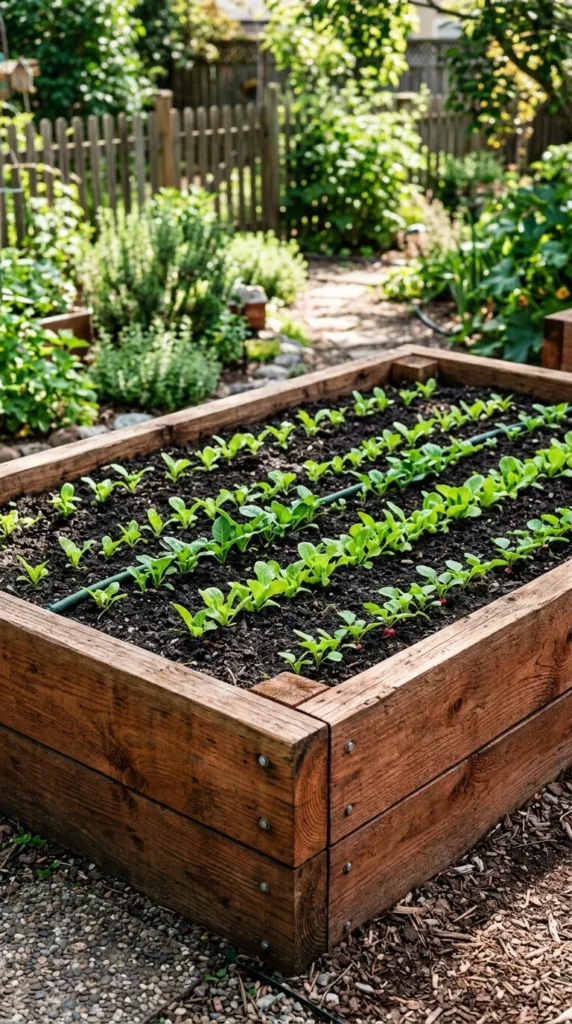
Cedar is the premier choice for garden beds because of its natural resistance to rot and insects without the need for chemical treatments. A basic cedar plank bed is an excellent project for beginners. By using 2×6 or 2×12 cedar boards, you can create a sturdy frame that will last for over a decade. Simply cut four boards to your desired length and width, secure the corners with galvanized deck screws, and reinforce the interior corners with 4×4 posts for maximum durability.
2. Corrugated Metal
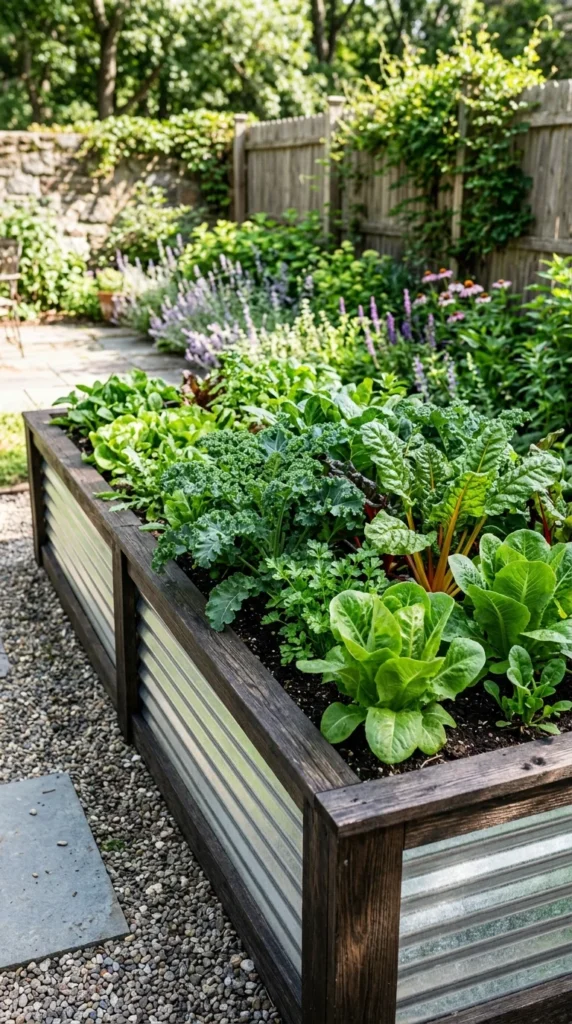
Combining industrial aesthetics with long-lasting functionality, corrugated metal beds are increasingly popular. These beds use sheets of galvanized steel or aluminum framed by pressure-treated or rot-resistant wood. The metal reflects heat, which can help warm the soil in early spring, while the wooden frame provides structural integrity and a comfortable edge to sit on while weeding.
3. Cinder Blocks
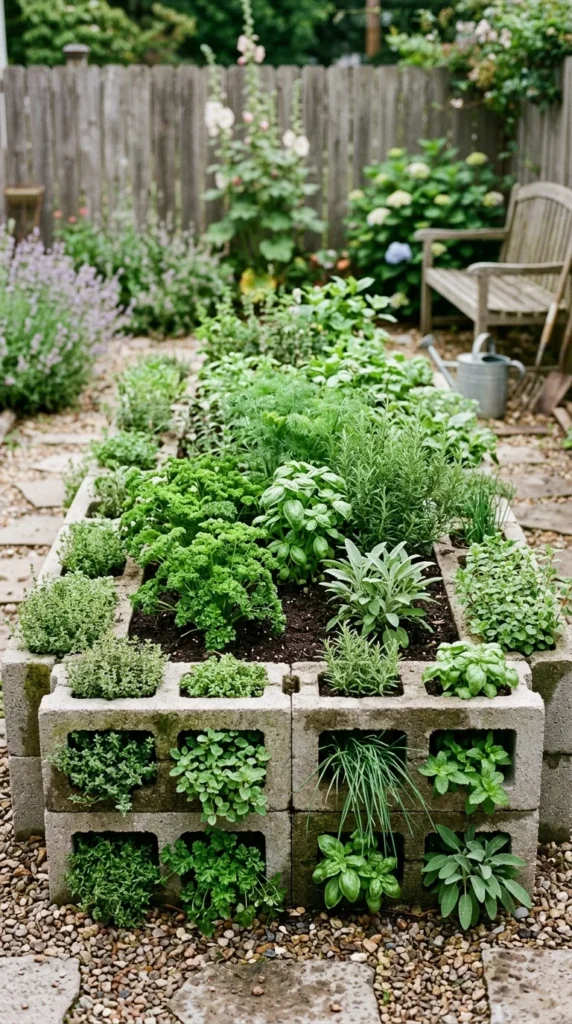
Cinder blocks offer an incredibly affordable and modular way to build a garden. There is no sawing or drilling required; you simply level the ground and stack the blocks in your desired shape. A unique advantage of cinder block beds is the ability to use the hollow “cells” of the blocks as miniature planters for herbs or small flowers like marigolds, maximizing every square inch of growing space.
4. U-Shaped Layout
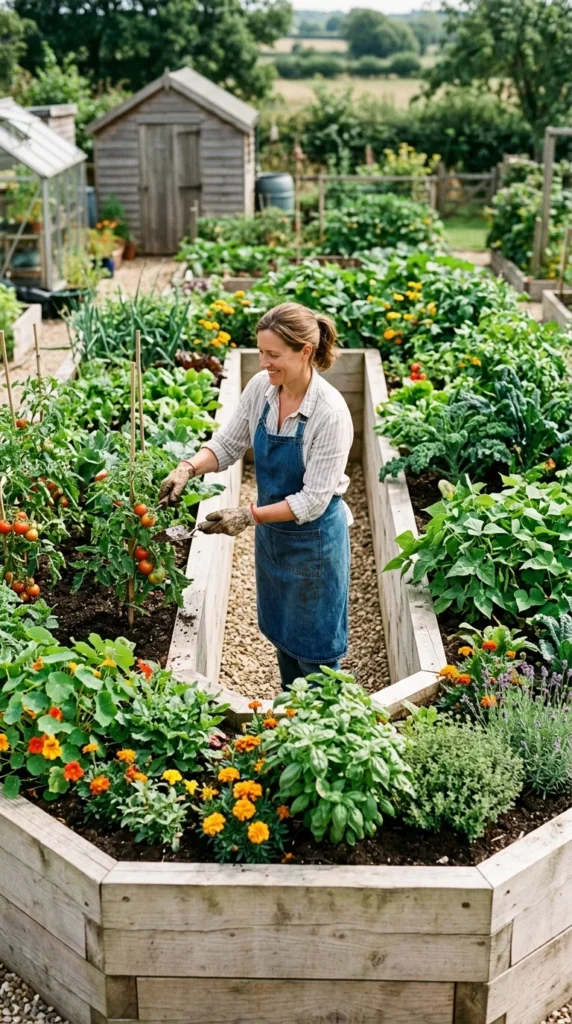
For those with a larger footprint, a U-shaped bed is a game-changer for accessibility. Instead of reaching over a wide bed, the U-shape creates a “cockpit” area where you can stand and reach three sides of the garden with ease. This design is perfect for intensive vegetable gardening, as it minimizes soil compaction by ensuring you never have to step inside the planting area.
5. Tiered Stairs
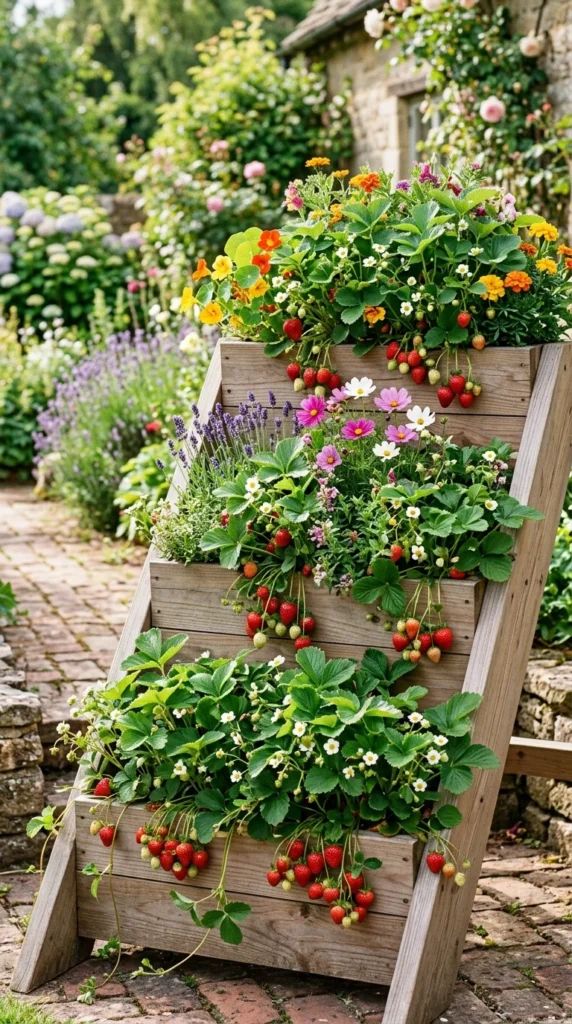
If you are dealing with a sloped yard or simply want to add vertical visual interest, tiered stair beds are the solution. This design utilizes a “stair-step” architecture where multiple levels of planting boxes are stacked. It is particularly effective for shallow-rooted crops like strawberries and lettuce on the top tiers, and deeper-rooted vegetables like carrots or peppers on the bottom.
6. Self-Watering Beds
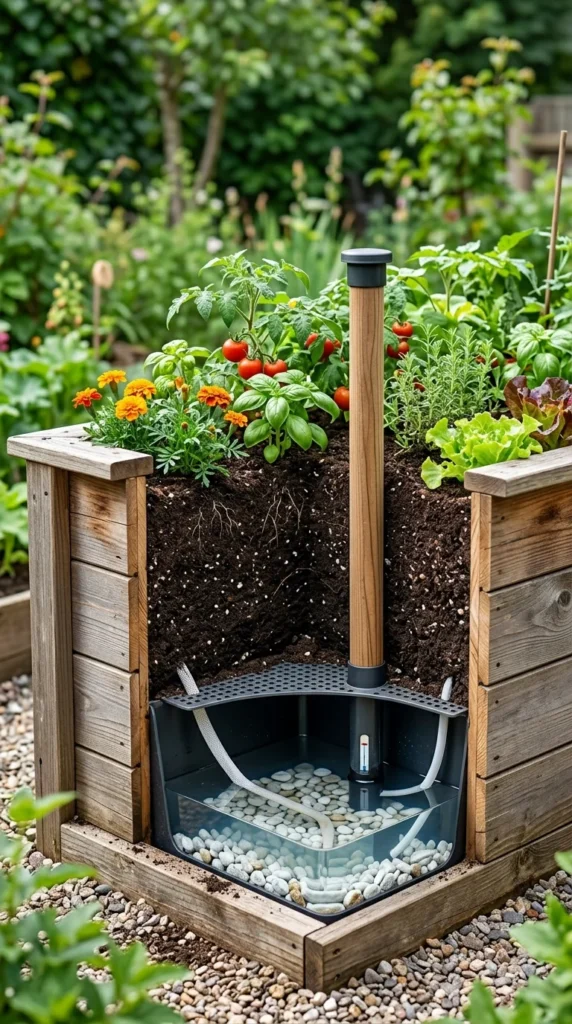
Also known as “wicking beds,” these DIY plans incorporate a water reservoir at the bottom of the structure. By using a liner and a layer of gravel or specialized plastic crates, water is held beneath the soil and wicked upward through capillary action. This ensures consistent moisture levels, reduces water waste, and allows you to go several days (or even weeks) without manual watering.
7. Wattle Fencing
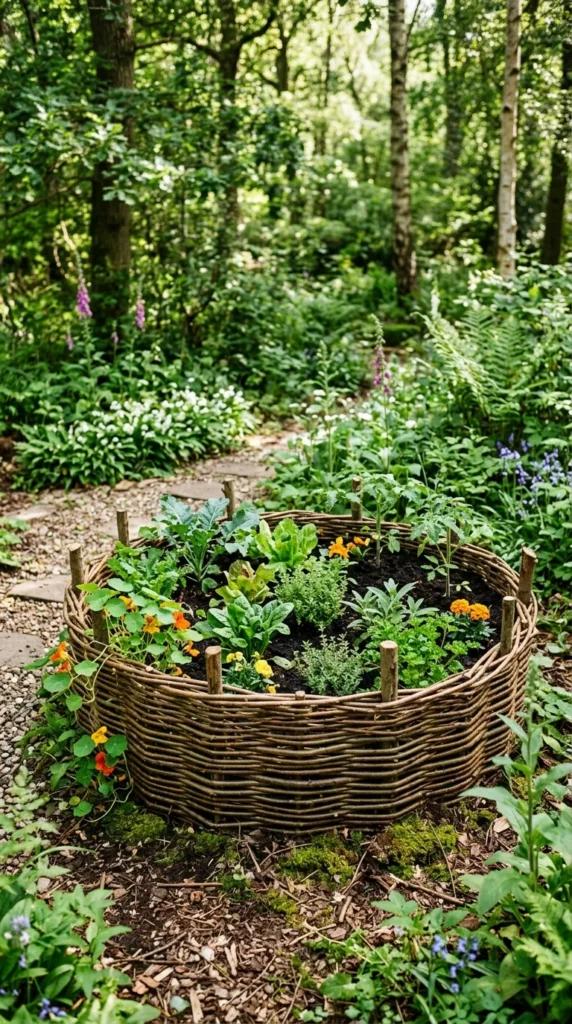
For a cottage-core or traditional aesthetic, wattle garden beds are unbeatable. This ancient technique involves weaving flexible branches—usually willow or hazel—around upright wooden stakes driven into the ground. Once the “basket” is woven, the interior is lined with landscape fabric or thick cardboard before being filled with soil. It is an eco-friendly way to use yard prunings and creates a beautiful, organic look.
8. Herb Spirals
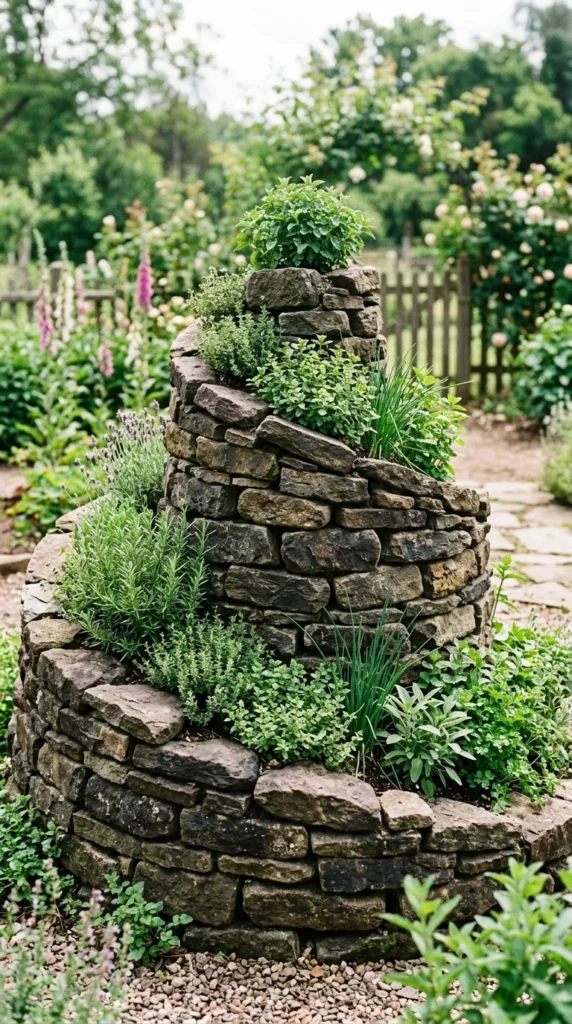
An herb spiral is a permaculture classic that uses verticality to create different microclimates. The top of the spiral is dry and sunny (perfect for rosemary and thyme), while the bottom remains cooler and more moist (ideal for mint and parsley). Using stone or brick, you build a ramp-like structure that winds upward, packing a huge variety of herbs into a very small circular footprint.
9. Pallet Planters
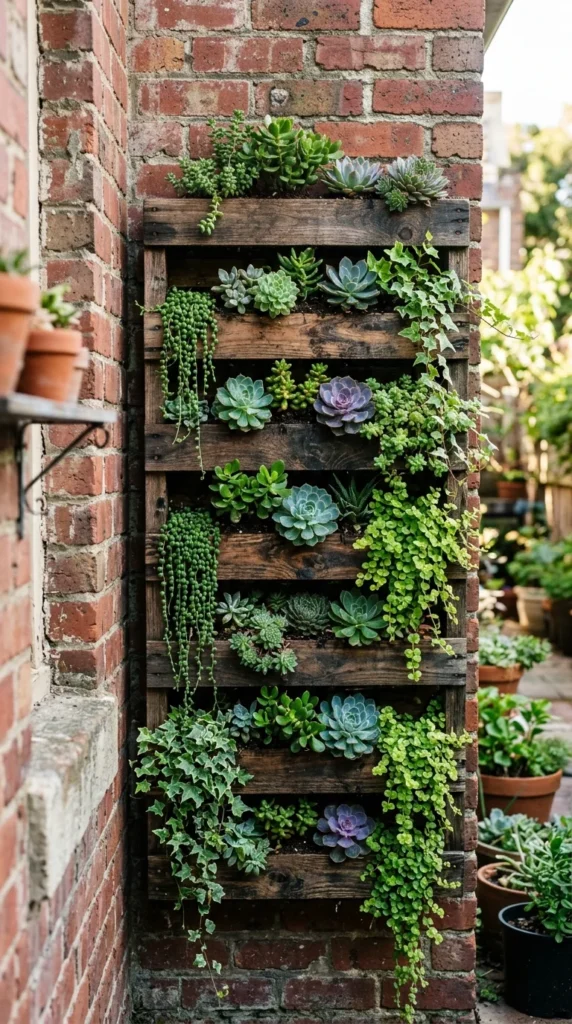
Upcycling shipping pallets is a budget-friendly way to get into gardening. To build a raised bed from pallets, you can either dismantle them for the slats or use them whole as vertical “wall” gardens. If using pallets, ensure they are marked with “HT” (Heat Treated) rather than “MB” (Methyl Bromide) to ensure no toxic chemicals leach into your soil.
10. Stock Tanks
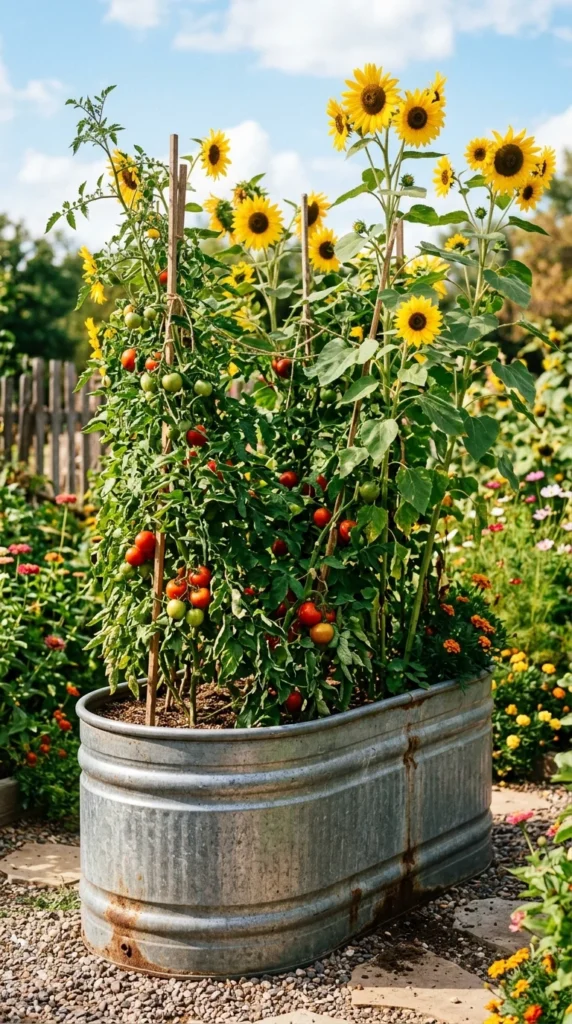
Stock tanks, typically used for watering livestock, make for instant, durable raised beds. They require no assembly—simply drill drainage holes in the bottom, place them in your yard, and fill. They are available in various sizes and shapes, and their high sides are excellent for keeping out certain pests like rabbits.
11. Hugelkultur Mounds
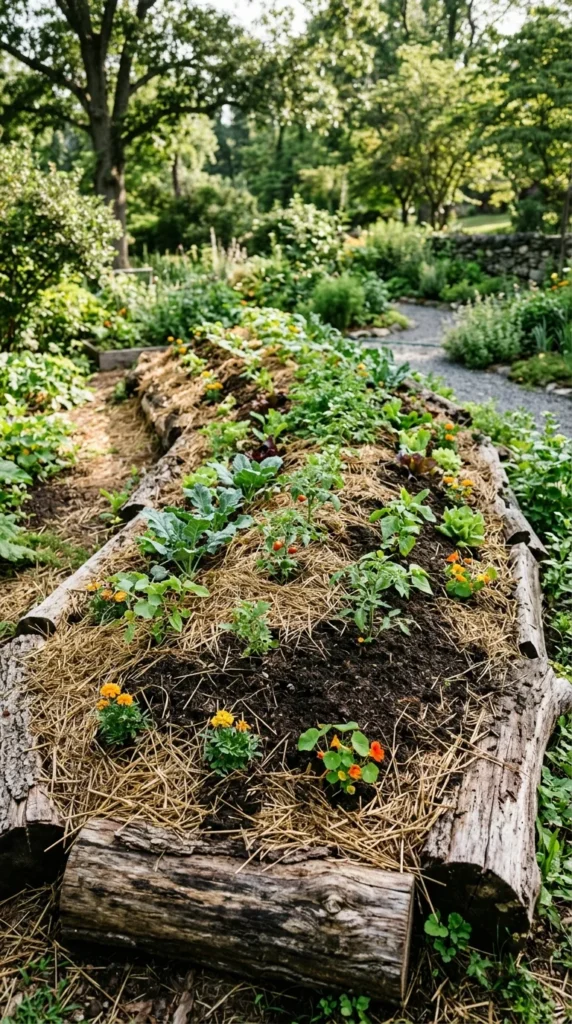
Hugelkultur is a German method that involves piling logs, branches, and compostable biomass underneath a layer of soil. As the wood slowly decays over years, it releases nutrients and retains moisture like a sponge. While these are often built directly on the ground, they can be enclosed in a tall wooden frame to create a “hybrid” raised bed that requires significantly less watering and fertilization over time.
12. Keyhole Gardens
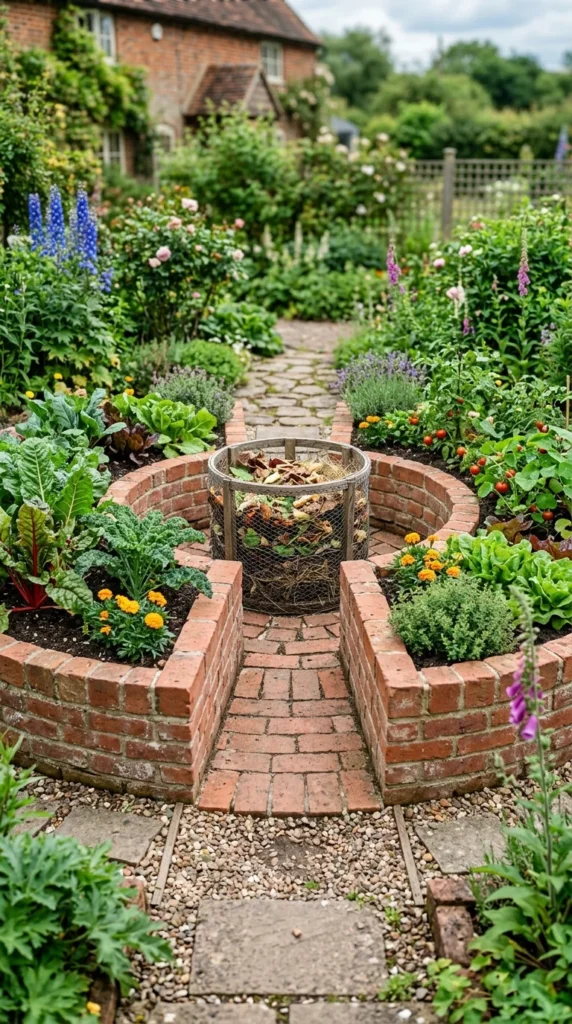
Originating in dry climates, the keyhole garden is a circular bed with a small “slice” removed for access to the center. At the very center sits a composting basket. You place kitchen scraps and greywater into the center basket, and the nutrients slowly diffuse outward through the soil to the plants. It is a self-fertilizing, highly efficient system.
13. Vertical Towers
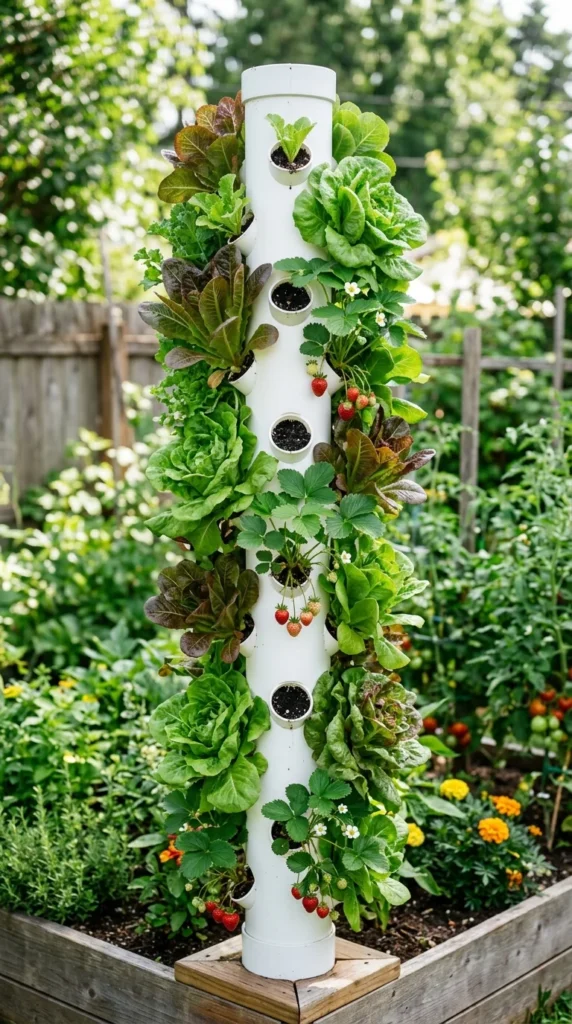
When horizontal space is non-existent, go vertical. Vertical towers can be built from PVC pipes, stacked wooden boxes, or even felt pockets. These systems are ideal for balconies and small patios. Many DIYers integrate a simple hydroponic or drip irrigation system into the tower to ensure all levels receive equal hydration.
14. Rolling Troughs
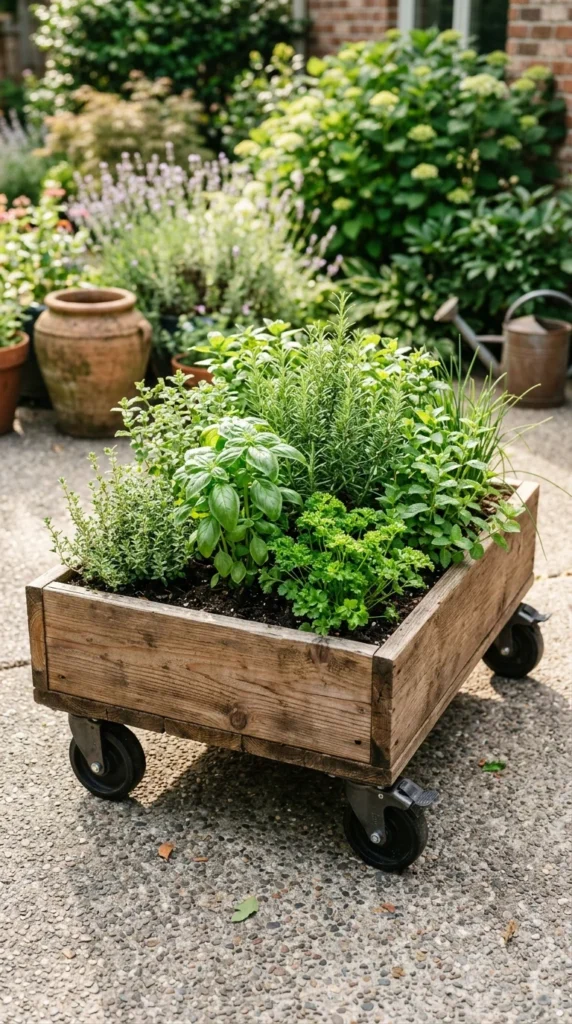
Mobility is the primary benefit of rolling garden beds. By mounting a shallow wooden or metal trough on heavy-duty wheels, you can chase the sun across your patio throughout the day or move the garden out of the way for entertaining. This is a perfect solution for renters or those with limited permanent garden space.
15. Stone Walls
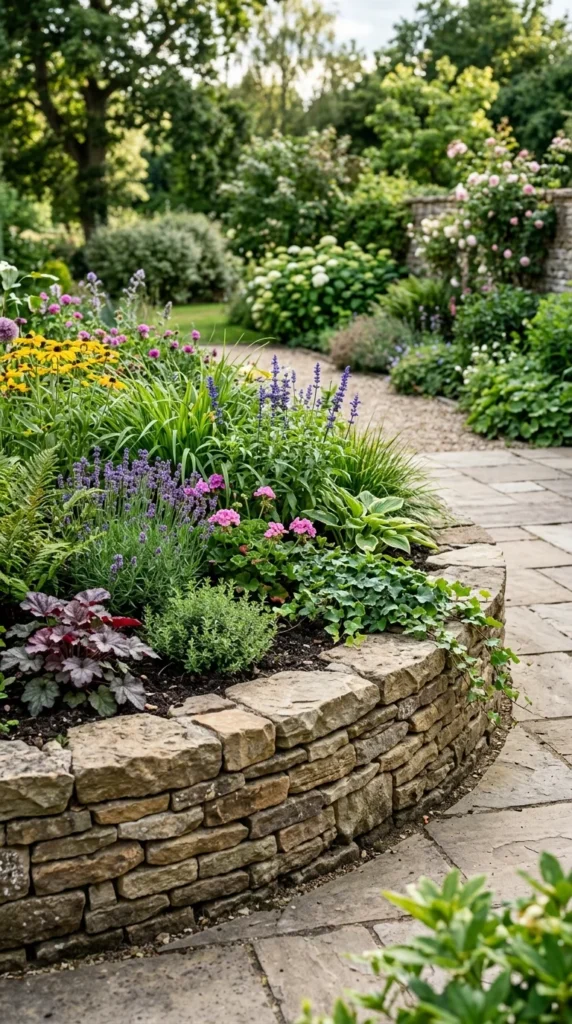
For a permanent, high-end look, stacked stone or masonry beds are the way to go. You can use dry-stack techniques (no mortar) for a rustic feel or use mortar for a more polished, architectural finish. Stone beds have excellent thermal mass, absorbing heat during the day and releasing it at night, which can extend the growing season in cooler climates.
16. Log Cabins
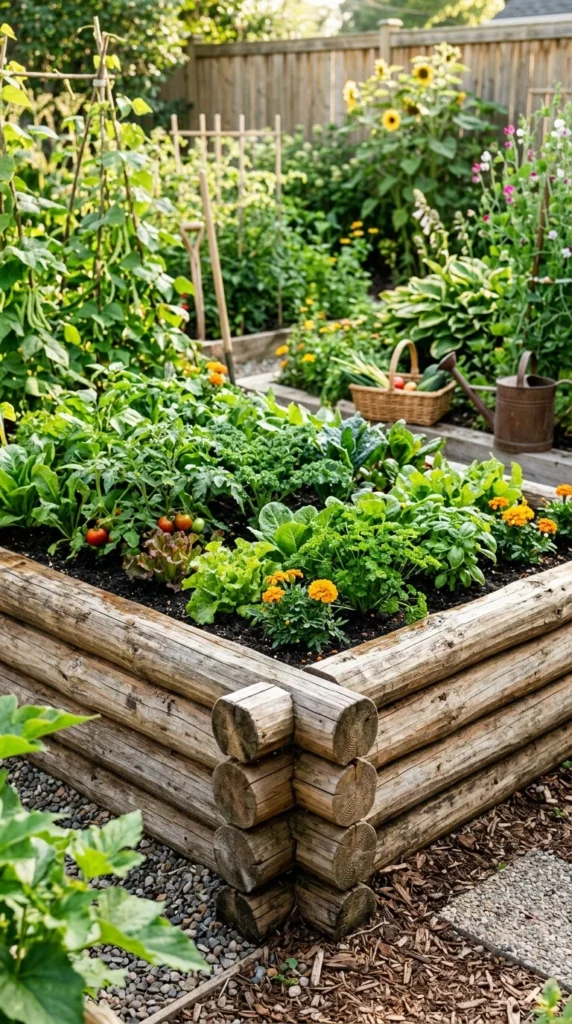
If you have access to fallen trees or timber, a log-style bed is both functional and aesthetically pleasing. By notching the ends of the logs (similar to a log cabin), you create a heavy, stable structure that requires very few fasteners. This style looks particularly beautiful in wooded or rural properties.
17. Enclosed Cages
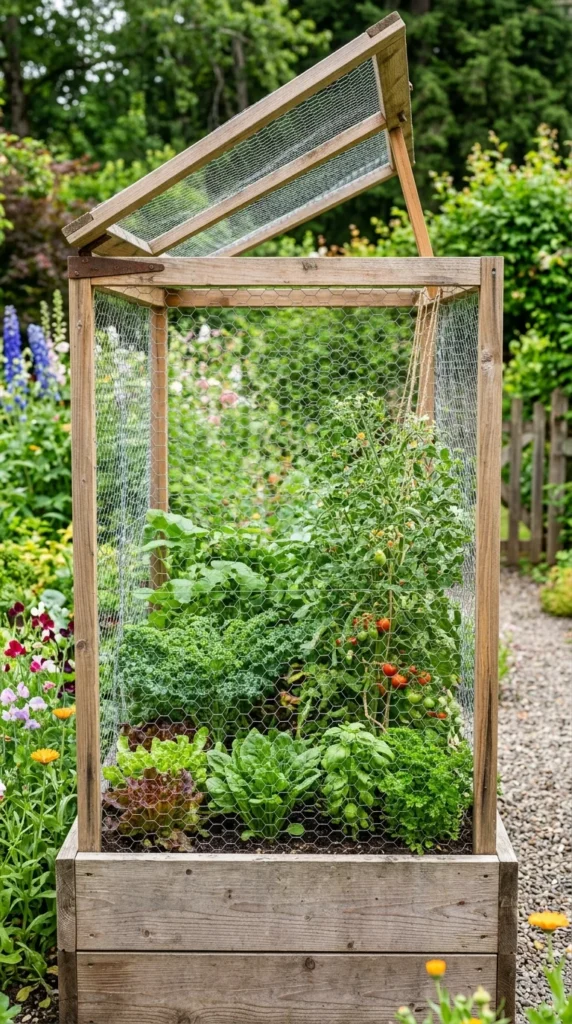
For gardeners plagued by deer, birds, or squirrels, an enclosed “critter-proof” bed is essential. These plans involve building a standard raised bed and then adding a tall superstructure of wood or PVC pipe covered in chicken wire or hardware cloth. Adding a hinged door or lid allows the gardener access while keeping the local wildlife at bay.
18. Window Boxes
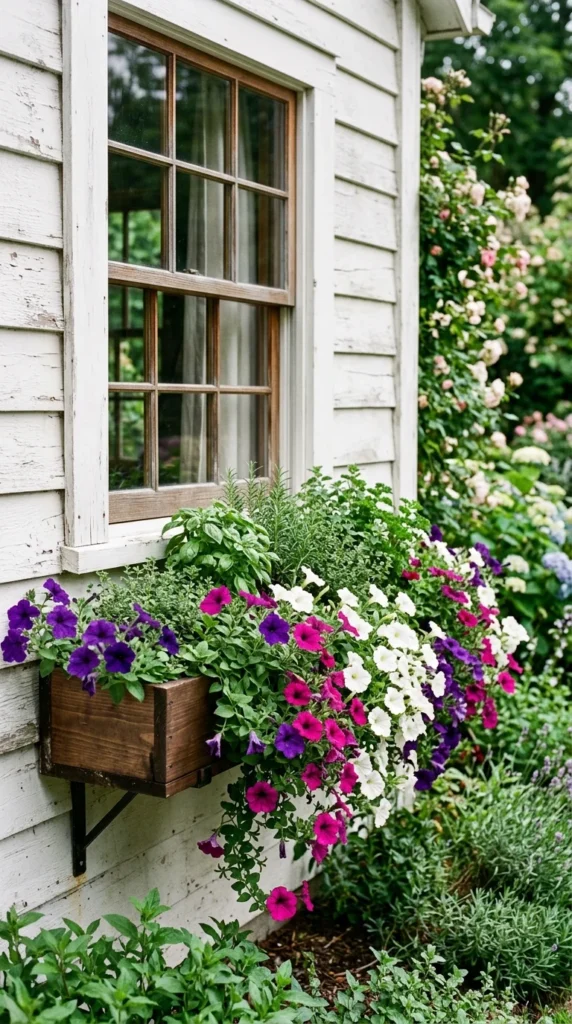
Raised beds don’t have to be on the ground. Oversized window boxes are essentially raised beds for your home’s exterior. When built deep enough (at least 8-10 inches), they can support not just flowers, but also lettuce, radishes, and a full array of kitchen herbs, all accessible right through your kitchen window.
19. Milk Crates
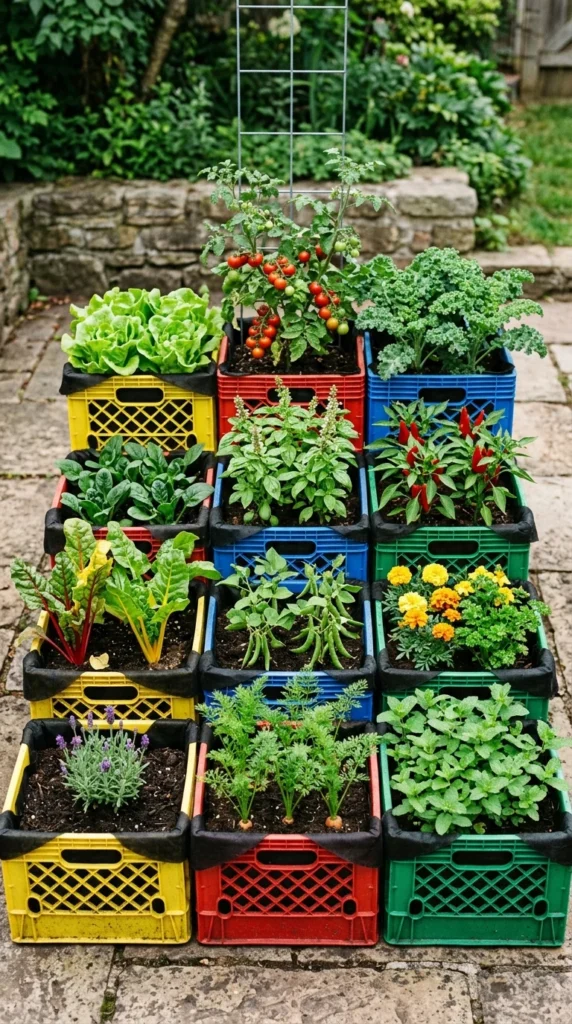
For the ultimate modular and portable garden, use plastic milk crates. Line the crates with landscape fabric to prevent soil from washing out, fill them with a high-quality potting mix, and arrange them in any configuration you like. This is an incredibly cheap way to garden, and it allows you to move individual “modules” if one plant becomes diseased or needs more shade.
20. Concrete Troughs
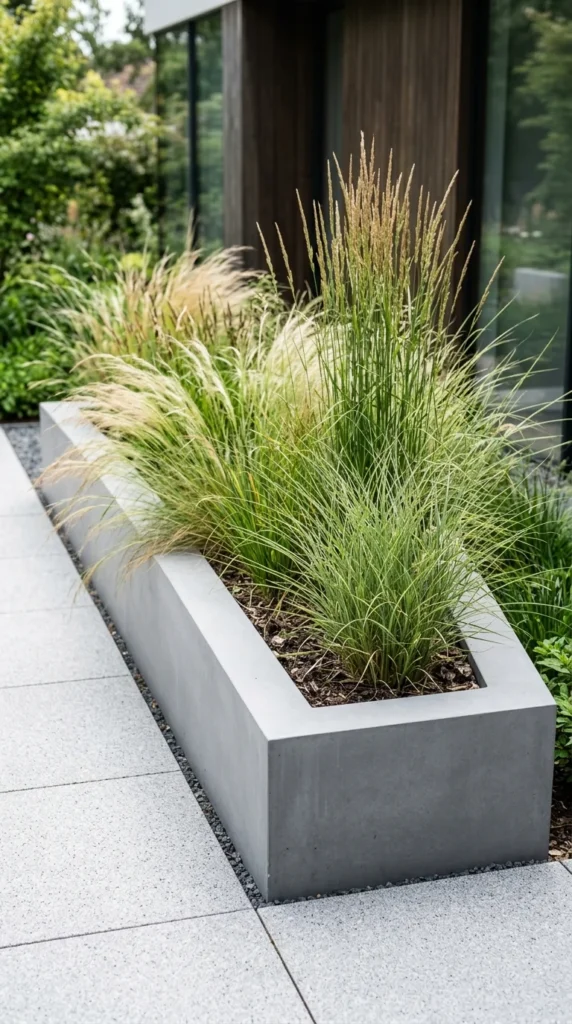
For a contemporary or brutalist landscape design, cast concrete beds provide a permanent and sculptural element. These are built by creating a wooden form (a “mold”), pouring concrete, and then removing the form once it has cured. The result is a seamless, incredibly durable planter that can be stained or polished to match your home’s architecture.