Designing a perennial garden is an exercise in both patience and artistry. Unlike annuals, which provide a single season of explosive color before fading away, perennials are the backbone of the landscape. They return year after year, often growing larger and more beautiful with time. However, a garden that truly “thrives” does not happen by accident. It requires a deep understanding of your local environment, the biological needs of the plants, and the principles of aesthetic design. By following a structured planning process, you can create a sanctuary that evolves gracefully through the seasons.
1. Site Analysis
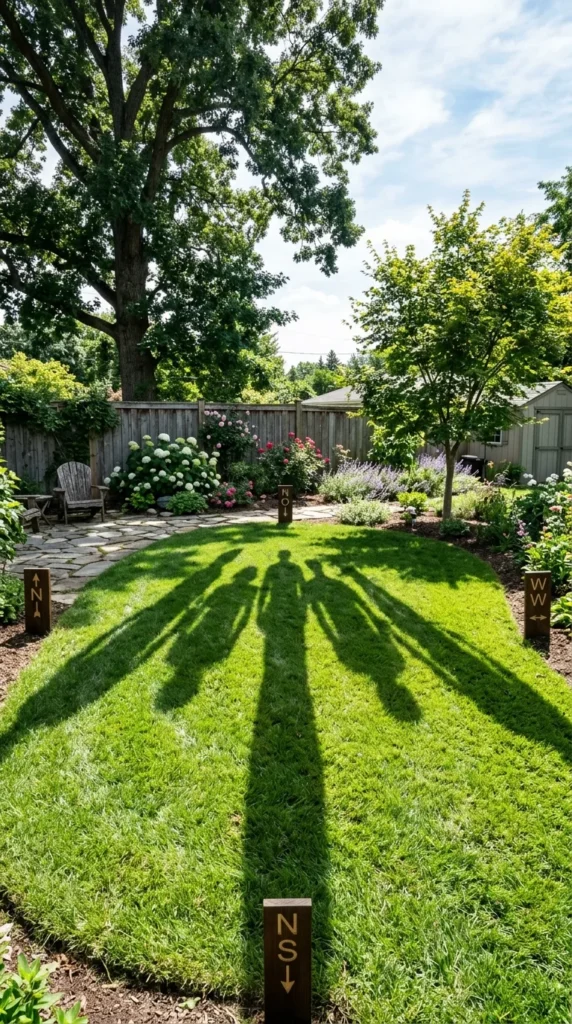
Before a single shovel hits the dirt, you must understand the microclimate of your yard. Observe the sun’s movement for an entire day. Most flowering perennials fall into three categories: full sun (six or more hours of direct light), part shade (three to six hours), and full shade (less than three hours).
Beyond light, consider the topography. Does water pool in a specific corner after a rainstorm? This “wet feet” condition will kill drought-tolerant plants like Lavender but would be a paradise for Siberian Iris. Wind exposure is another factor; tall, brittle plants like Delphiniums will need a sheltered spot or staking if your yard is a wind corridor. Mapping these physical constraints ensures you aren’t fighting nature, but working with it.
2. Soil Quality

The secret to a thriving perennial garden is hidden beneath the surface. Perennials occupy the same space for years, meaning you have one primary opportunity to amend the soil deeply before planting. Start with a soil test to determine the pH levels and nutrient content.
Most perennials prefer a neutral to slightly acidic pH and well-draining soil. If your soil is heavy clay, it will trap water and rot roots in the winter. If it is too sandy, nutrients will wash away before the plants can absorb them. Incorporating organic matter—such as compost, aged manure, or leaf mold—improves the structure of any soil type, increasing aeration in clay and water retention in sand.
3. Bloom Timing
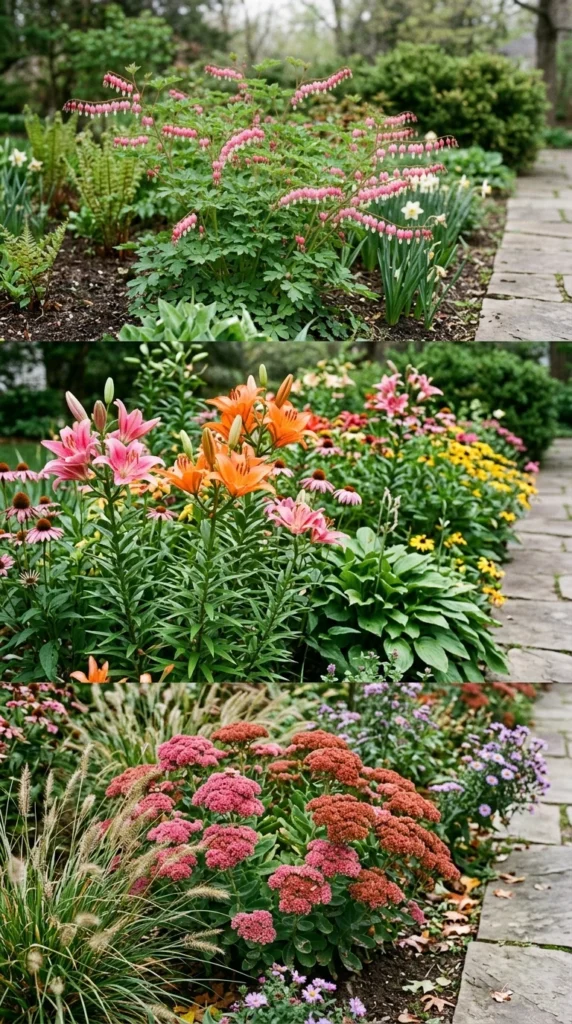
One of the biggest challenges in perennial gardening is avoiding the “mid-summer slump” or a garden that looks dead by September. To prevent this, you must plan for a continuous sequence of bloom.
Divide your plant list by their flowering window:
- Early Spring: Hellebores, Creeping Phlox, and Bleeding Hearts.
- Late Spring/Early Summer: Peonies, Bearded Iris, and Salvia.
- Mid-to-Late Summer: Coneflowers, Daylilies, and Bee Balm.
- Autumn: Asters, Sedum ‘Autumn Joy’, and Joe Pye Weed.
By interweaving plants from each category, you ensure that as one group fades, another is rising to take its place. This keeps the garden visually engaging and provides a steady food source for pollinators.
4. Layering Heights
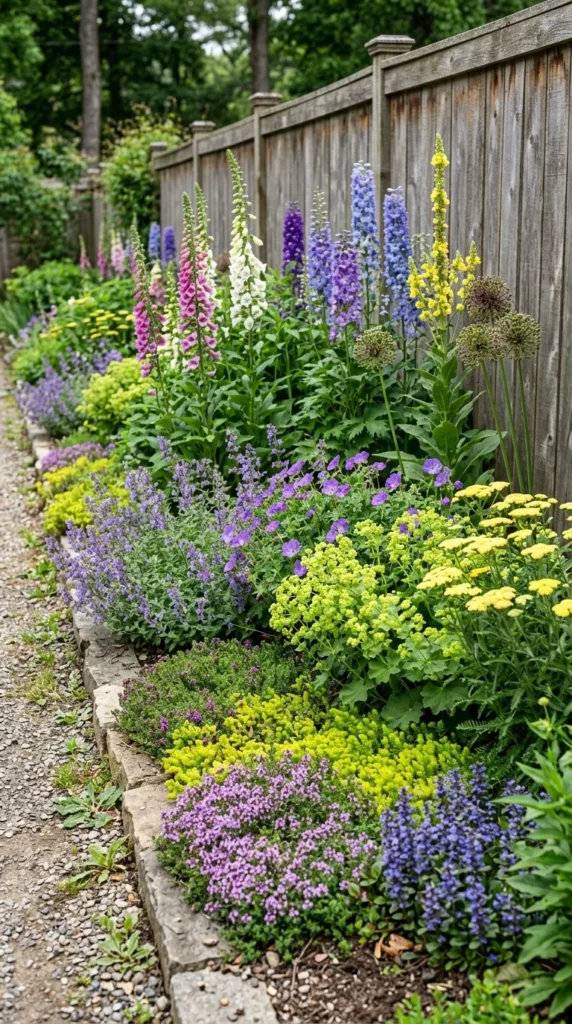
A flat garden is a boring garden. To create a professional, “thriving” look, utilize a tiered approach. This is often referred to as the “stair-step” method.
- Back of the Border: Use tall, structural plants (3-5 feet+) like Hollyhocks, Foxgloves, or Ornamental Grasses. These act as a backdrop.
- Middle Ground: This is where the bulk of your color resides. Use mid-sized plants (1-3 feet) like Coreopsis, Shasta Daisies, and Veronicas.
- Foreground: Place “edgers” and groundcovers here (under 12 inches). Plants like Heuchera, Lady’s Mantle, or Sweet Woodruff soften the edge of the garden path and hide the “bare legs” of taller plants behind them.
5. Color Palette
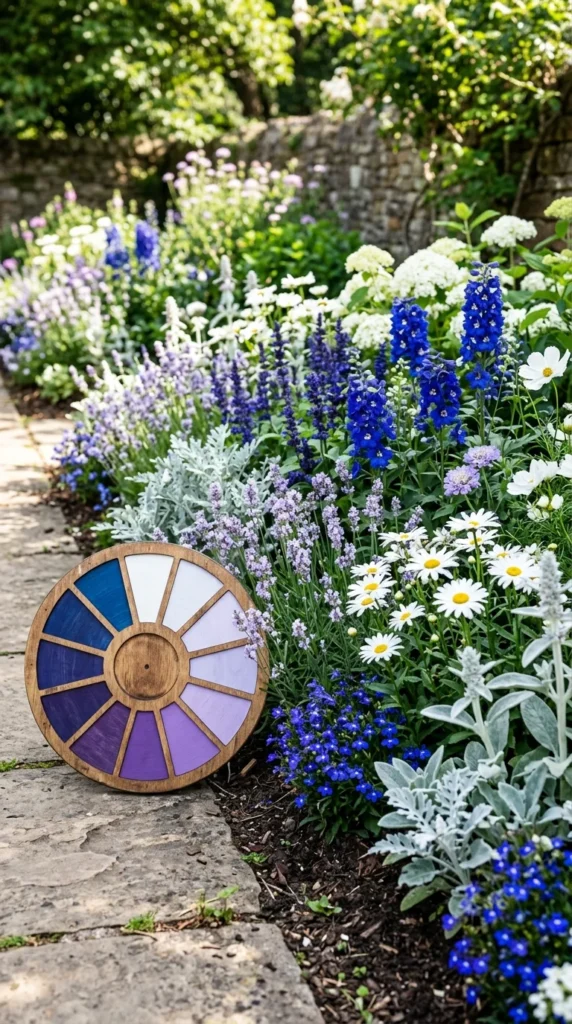
Color influences the mood of your garden. A “hot” palette of reds, oranges, and bright yellows creates energy and makes a space feel smaller and more intimate. A “cool” palette of blues, purples, and pinks is calming and can make a small garden feel more expansive.
When choosing colors, consider the following:
- Complementary Colors: Using opposites on the color wheel (like purple and yellow) creates high-contrast drama.
- Analogous Colors: Using neighbors on the wheel (like blue, violet, and pink) creates a harmonious, soothing transition.
- The Power of White: White flowers and silver foliage act as “palate cleansers,” separating clashing colors and making the garden glow at dusk.
6. Leaf Texture
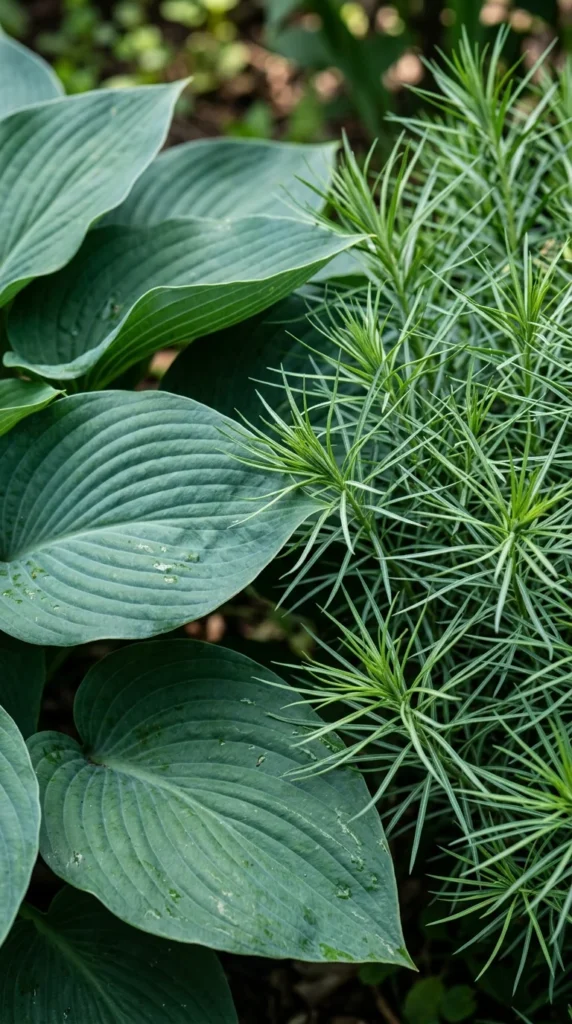
Flowers are fleeting, but foliage is forever (or at least for the entire growing season). A garden designed only for blooms will look messy when those blooms fade. Contrast is key here.
Pair plants with large, bold leaves (like Bergenia or Hosta) next to plants with fine, feathery foliage (like Ferns or Coreopsis). Mix matte leaves with glossy ones, and upright, spiky foliage with mounded, soft shapes. This ensures the garden remains architecturally interesting even when nothing is currently in flower.
7. Layout Mapping
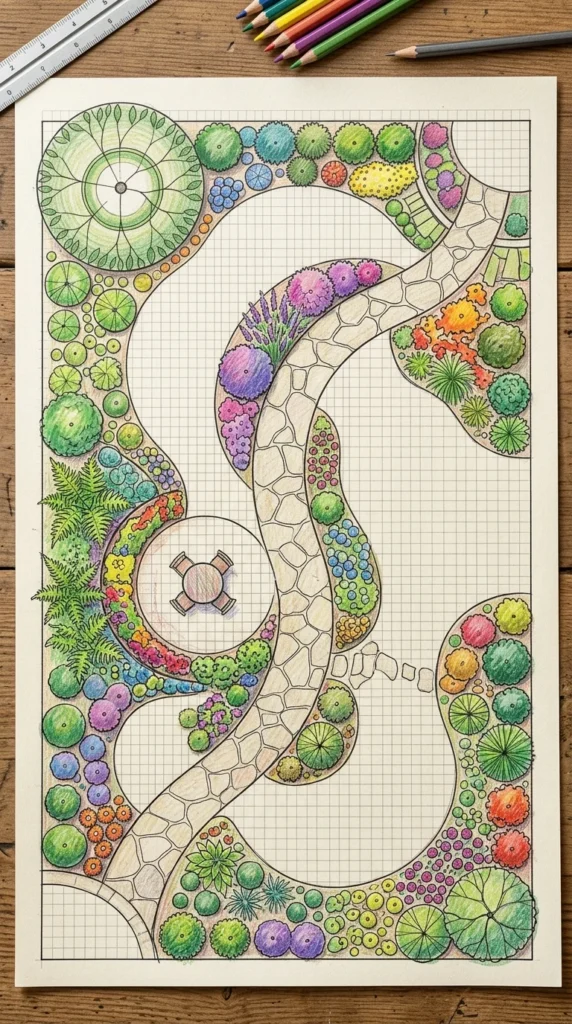
Before buying plants, draw your plan on paper or use a digital design tool. One of the most common mistakes is planting in straight lines or placing one of every plant. This creates a “polka-dot” effect that looks cluttered.
Instead, plant in drifts. A drift is a grouping of 3, 5, or 7 of the same plant species arranged in an irregular, oval shape. This mimics how plants grow in nature and creates a powerful visual impact. Use odd numbers, as they appear more natural to the human eye. Leave space for paths to allow for maintenance access and to provide a place for the eye to rest.
8. Plant Spacing
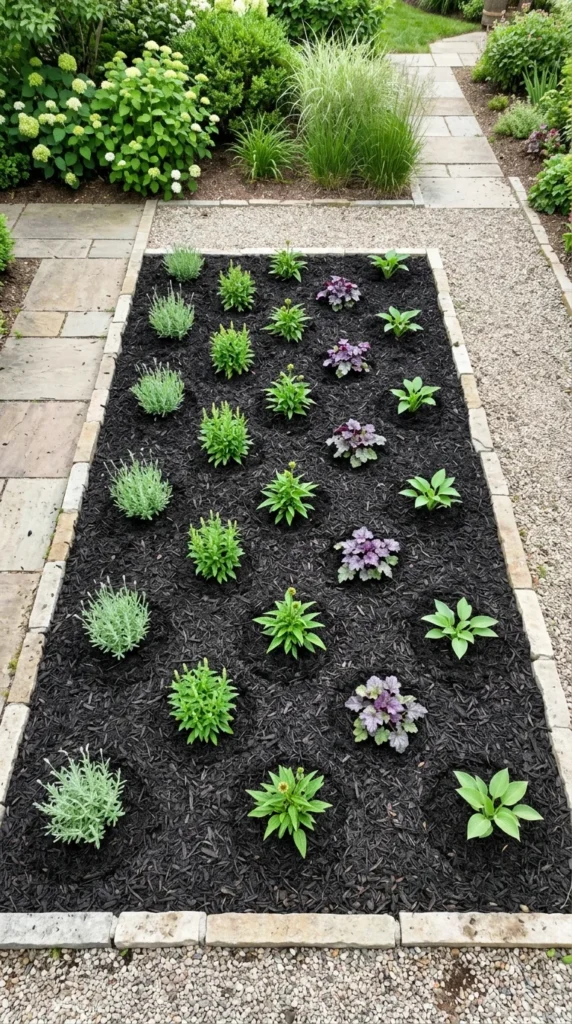
It is tempting to pack plants tightly together for an “instant” garden, but this is a recipe for disaster. Overcrowding leads to poor air circulation, which invites fungal diseases like powdery mildew. It also causes plants to compete for nutrients and water, resulting in stunted growth.
Always check the “mature width” on the plant tag. If a Peony grows to 3 feet wide, it needs at least 1.5 to 2 feet of space from its neighbor. In the first year, your garden might look a bit sparse, but by year three—the year perennials typically “leap” in growth—the gaps will be perfectly filled.
9. Seasonal Care
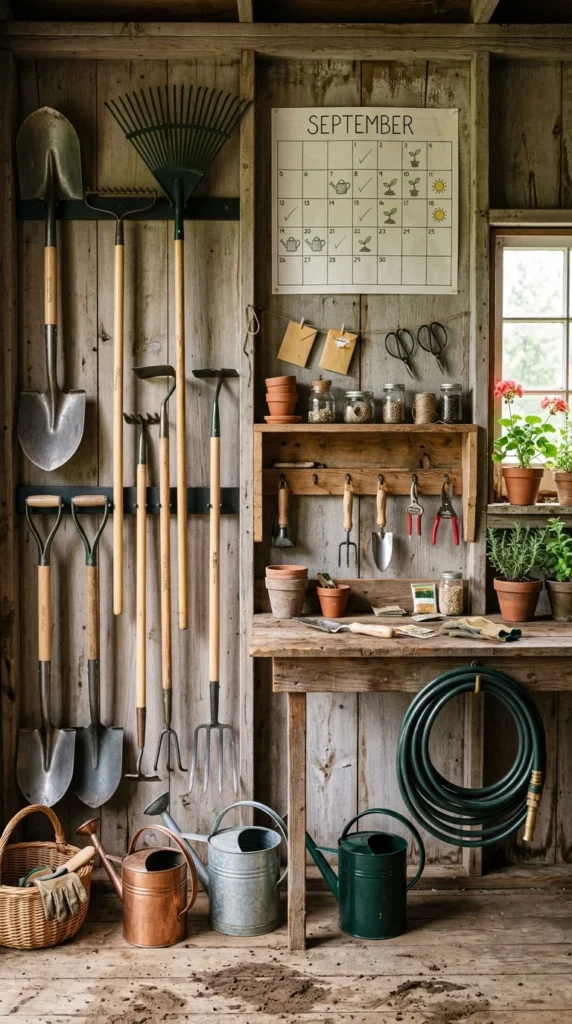
A perennial garden is a living system that requires ongoing stewardship. Planning for maintenance is just as important as the initial layout.
- Mulching: Apply a 2-3 inch layer of organic mulch annually to suppress weeds and retain moisture.
- Deadheading: Removing spent flowers encourages some perennials to produce a second flush of blooms and keeps the garden looking tidy.
- Division: Every 3-5 years, many perennials (like Hostas and Daylilies) become overcrowded and die out in the center. Digging them up and dividing them rejuvenates the plant and gives you free plants to expand your garden or share with friends.
- Winter Interest: Don’t cut everything back in the fall. Leave seed heads of plants like Echinacea and Rudbeckia to provide food for birds and visual interest during the snowy months.