Starting a herb garden is perhaps the most rewarding entry point into the world of gardening. Unlike temperamental vegetables or delicate decorative flowers, most herbs are resilient, fast-growing, and provide immediate utility. Whether you have a sprawling backyard or a tiny apartment windowsill, you can cultivate a thriving collection of flavors that will elevate your cooking and bring a touch of nature into your daily life.
1. Location
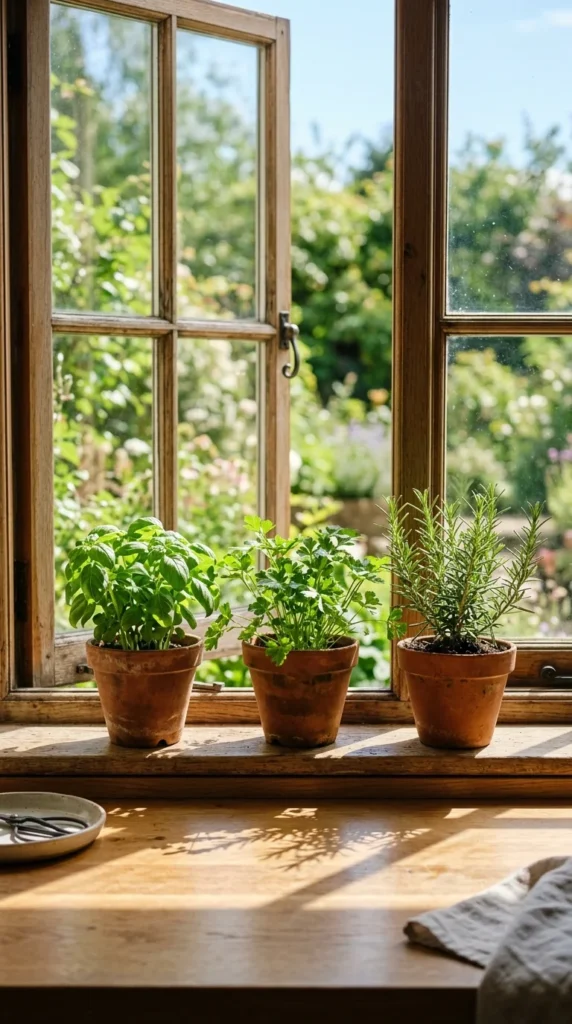
The success of your herb garden depends largely on where you place it. Most culinary herbs are native to Mediterranean climates, meaning they crave sunlight. To ensure your plants thrive, you should look for a spot that receives at least six to eight hours of direct sunlight daily.
If you are gardening indoors, a south-facing window is usually the best choice. For outdoor gardens, consider the proximity to your kitchen. A herb garden is most useful when it is easily accessible; if you have to trek across a muddy yard in the rain to grab a sprig of rosemary, you are less likely to use it. Ensure the area has good air circulation to prevent fungal diseases, but avoid spots with harsh, drying winds.
2. Containers
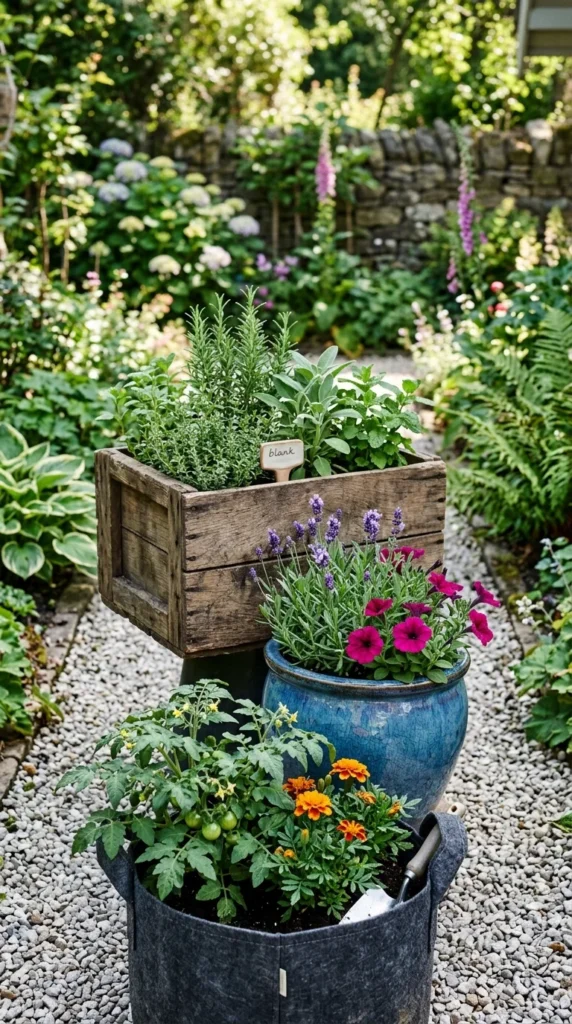
For beginners, containers are often the best way to start. They offer total control over soil quality and drainage, and they can be moved as the seasons change. When selecting a container, size and material matter.
- Size: Herbs like rosemary and sage need deeper pots (at least 8-10 inches) to accommodate their root systems, while shallow-rooted herbs like chives can survive in smaller vessels.
- Material: Terracotta pots are excellent because they are breathable, but they dry out quickly. Plastic or glazed ceramic pots retain moisture longer, which is helpful if you live in a hot climate.
- Drainage: This is non-negotiable. Ensure every container has at least one hole in the bottom. Herbs hate “wet feet,” and sitting in stagnant water will lead to root rot faster than almost anything else.
3. Soil
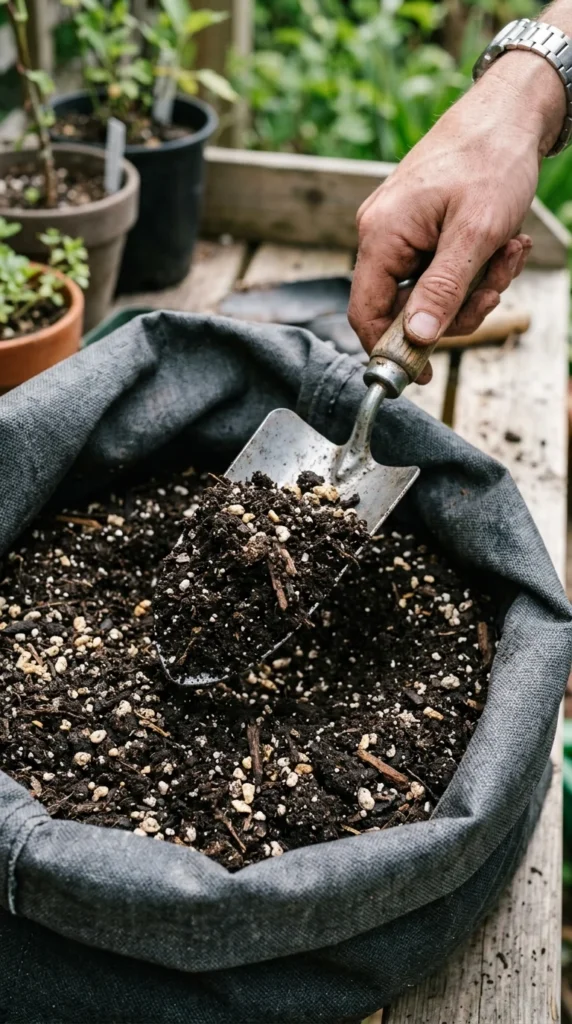
Never use standard “garden soil” or “topsoil” in containers. It is too heavy, lacks proper aeration, and may contain weed seeds or soil-borne diseases. Instead, invest in a high-quality organic potting mix.
A good potting mix is light and fluffy, usually containing a blend of peat moss or coconut coir, pine bark, and perlite or vermiculite. This structure allows water to drain freely while keeping enough moisture for the roots to drink. For herbs, you don’t need a soil that is overly fertilized; many herbs actually develop better flavor in slightly “lean” soil.
4. Basil
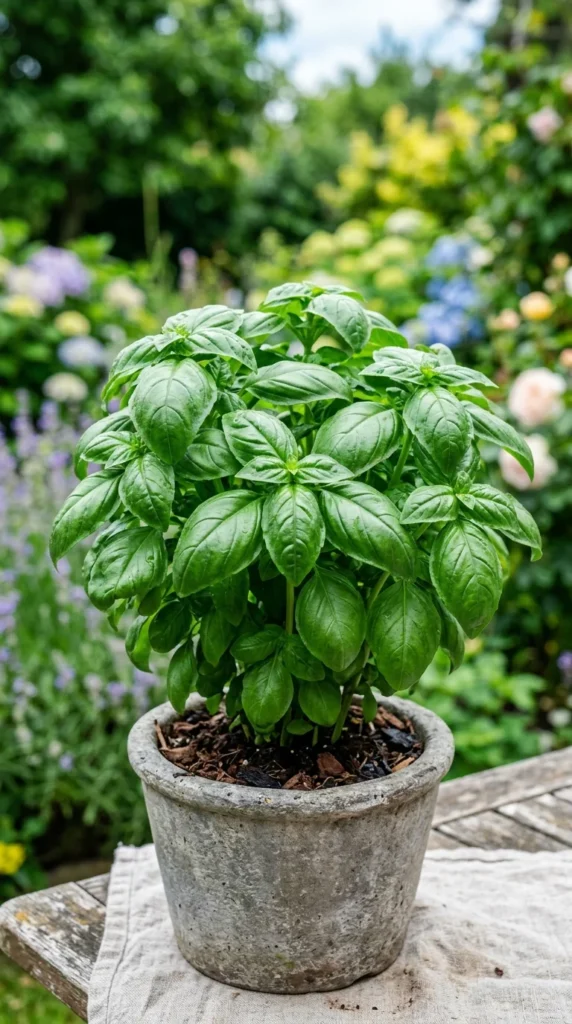
Basil is the “king of herbs” and a must-have for any beginner. It is an annual plant, meaning it completes its life cycle in one season. It loves heat and plenty of water.
The secret to a productive basil plant is constant harvesting. By pinching off the top sets of leaves, you encourage the plant to branch out and become bushier rather than growing tall and leggy. Be sure to pinch off any flower buds as soon as they appear, as flowering (bolting) makes the leaves taste bitter and signals the plant to stop producing foliage.
5. Rosemary
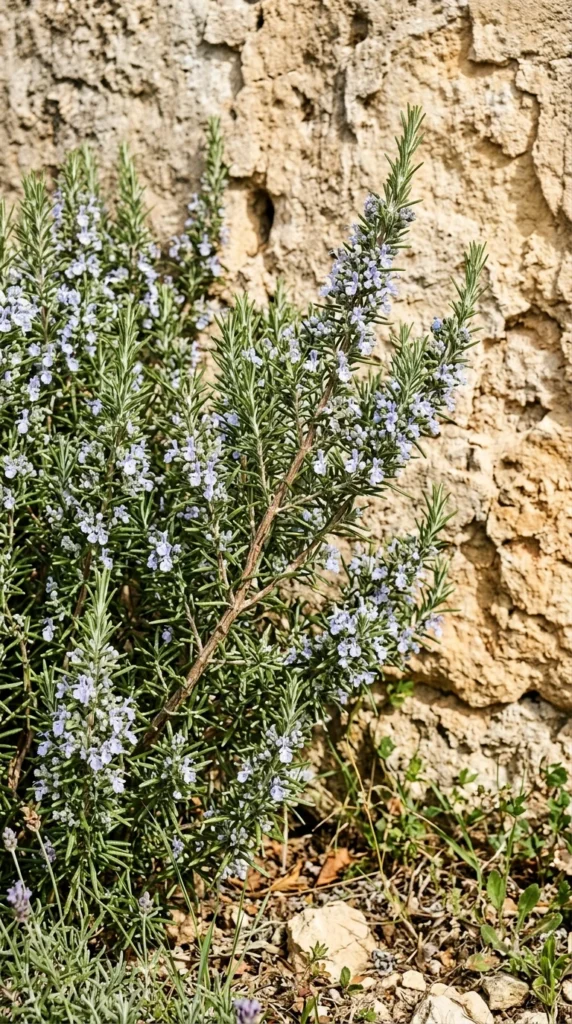
Rosemary is a hardy perennial that can grow into a substantial shrub if given the space. It is incredibly drought-tolerant once established and prefers soil that is slightly sandy and very well-draining.
Because rosemary grows slowly from seed, it is highly recommended that beginners buy a small starter plant from a nursery. It requires very little maintenance—just plenty of sun and the occasional deep watering. In colder climates, rosemary should be grown in a pot and brought indoors during the winter to survive the frost.
6. Mint
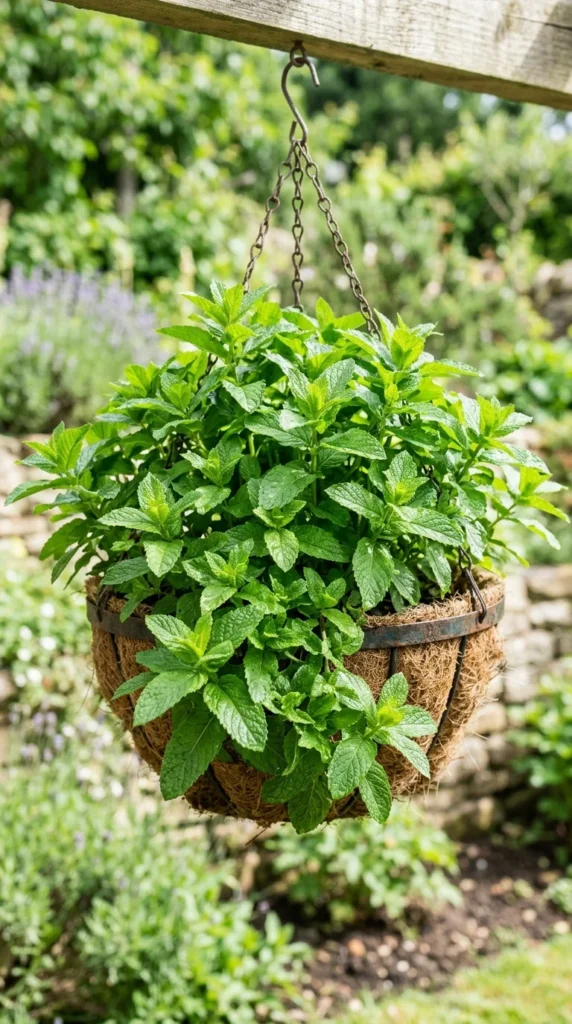
Mint is perhaps the easiest herb to grow, but it comes with a warning: it is invasive. If planted directly in the ground, mint will quickly take over your entire garden via underground runners.
To keep mint in check, always grow it in its own dedicated container. Mint prefers a bit more moisture than Mediterranean herbs like rosemary, and it can actually tolerate partial shade. It is perfect for tea, cocktails, and fresh salads. If the plant starts to look ragged, you can cut it back almost to the soil line, and it will regrow with fresh, vigorous stems.
7. Parsley
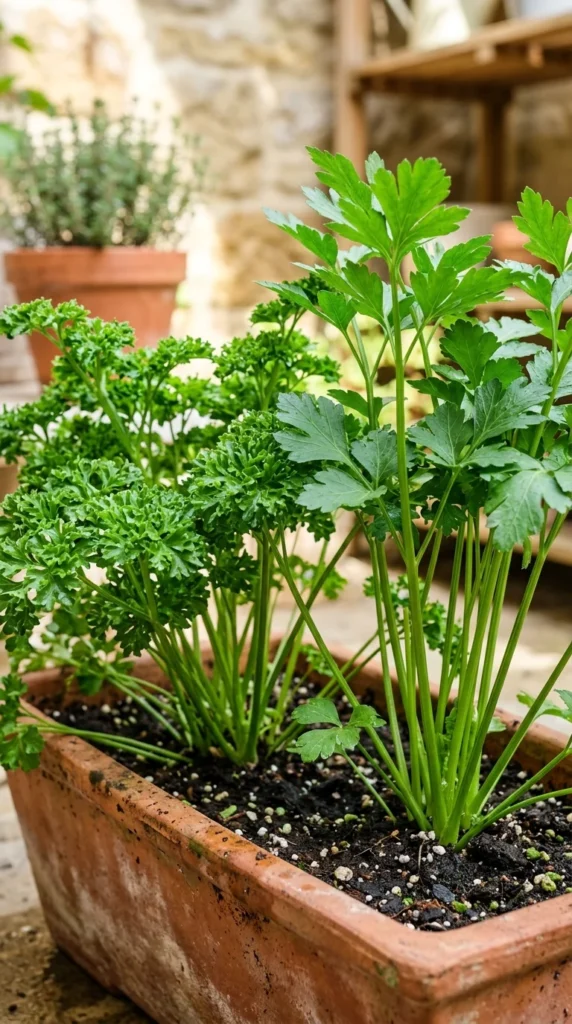
Parsley is a biennial plant, though it is usually treated as an annual. There are two main types: flat-leaf (Italian), which has a stronger flavor for cooking, and curly-leaf, which is often used as a garnish.
Parsley likes consistent moisture and rich soil. It is a bit slower to germinate from seed than other herbs, so be patient. One of the best things about parsley is its cold tolerance; it will often keep growing well into the autumn long after the basil has succumbed to the first frost.
8. Watering
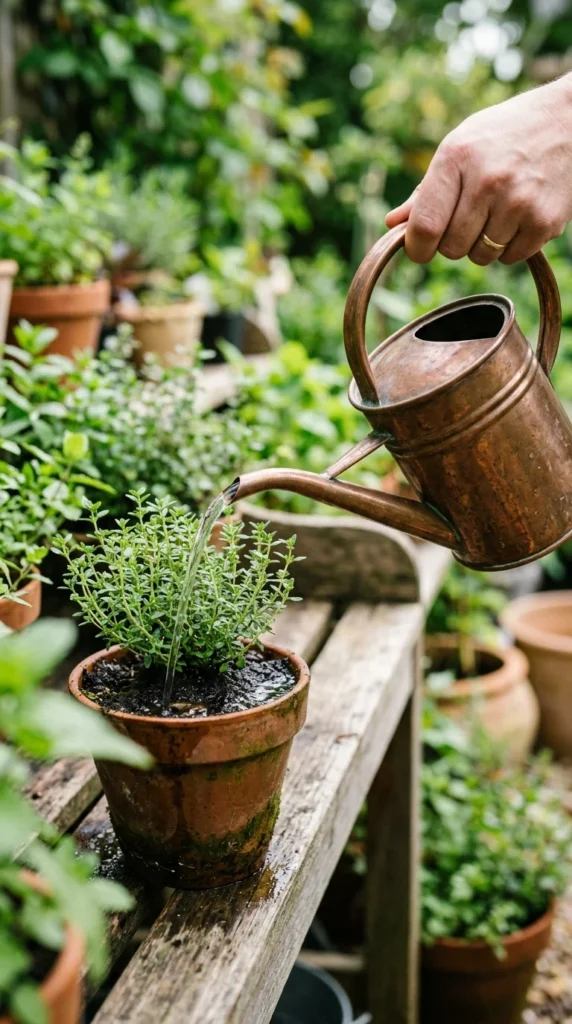
Watering is where most beginners struggle. The key is to water the soil, not the leaves, which helps prevent disease.
The “finger test” is your best tool: stick your finger an inch into the soil. If it feels dry, it’s time to water. If it feels damp, wait a day. Over-watering is a more common killer than under-watering. When you do water, do so deeply until water runs out of the drainage holes. This encourages roots to grow deep into the pot rather than staying at the surface.
9. Drainage
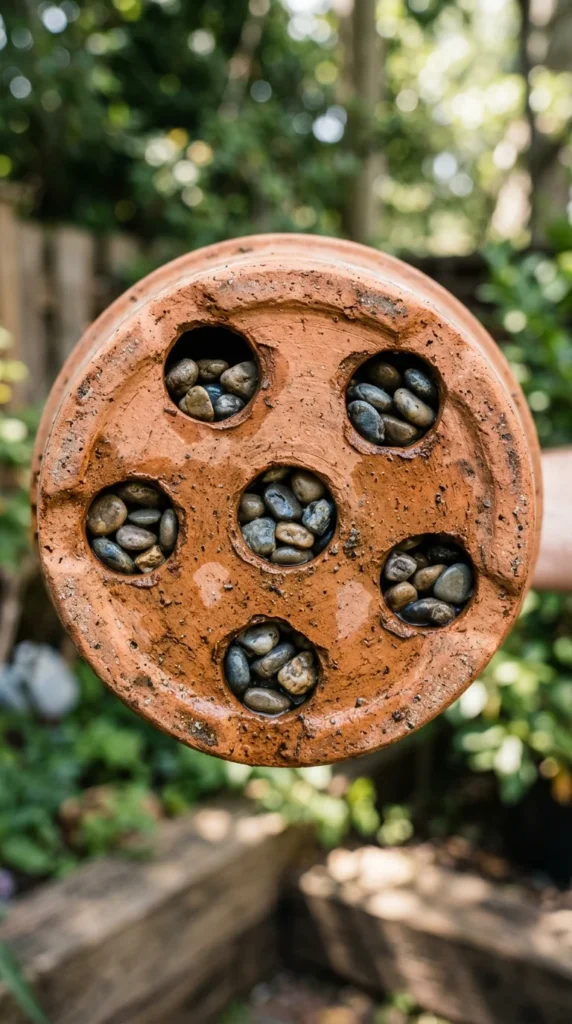
We cannot overstate the importance of drainage. Without it, the air pockets in the soil become filled with water, essentially “drowning” the roots and causing them to rot.
If you have a decorative pot without holes, use it as a “cachepot.” Keep the herb in a plain plastic nursery pot with holes, and simply set that inside the decorative one. When you water, take the plastic pot to the sink, let it drain completely, and then return it to the decorative container. This keeps your surfaces dry and your plants healthy.
10. Harvesting
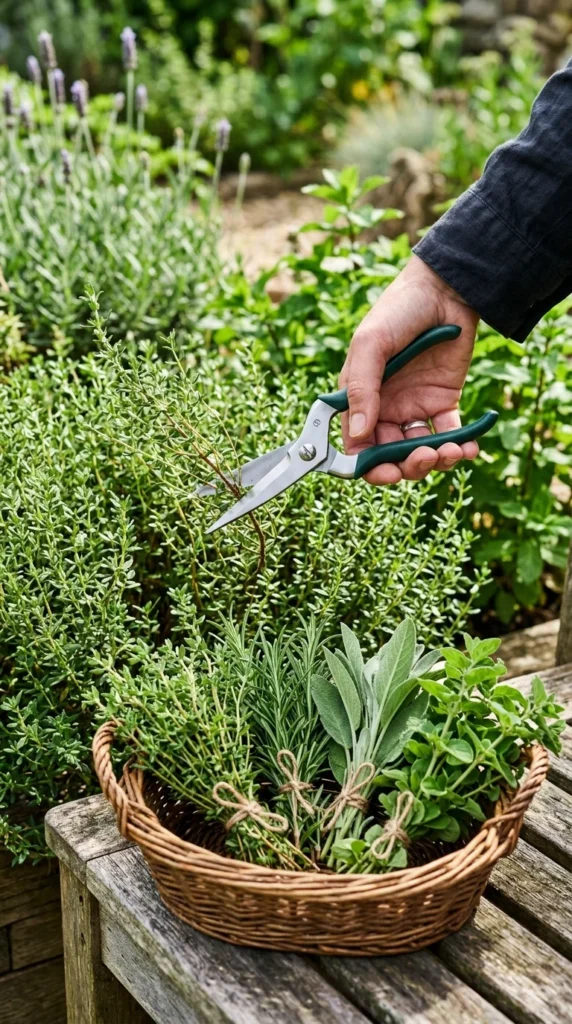
Harvesting is actually a form of pruning. The more you harvest your herbs (within reason), the more they will grow.
The general rule is the “one-third rule”: never harvest more than one-third of a plant’s foliage at one time. This ensures the plant has enough leaves left to photosynthesize and recover. For most herbs, the best time to harvest is in the morning after the dew has dried but before the sun gets too hot, as this is when the essential oils—and therefore the flavor—are most concentrated.
11. Pruning
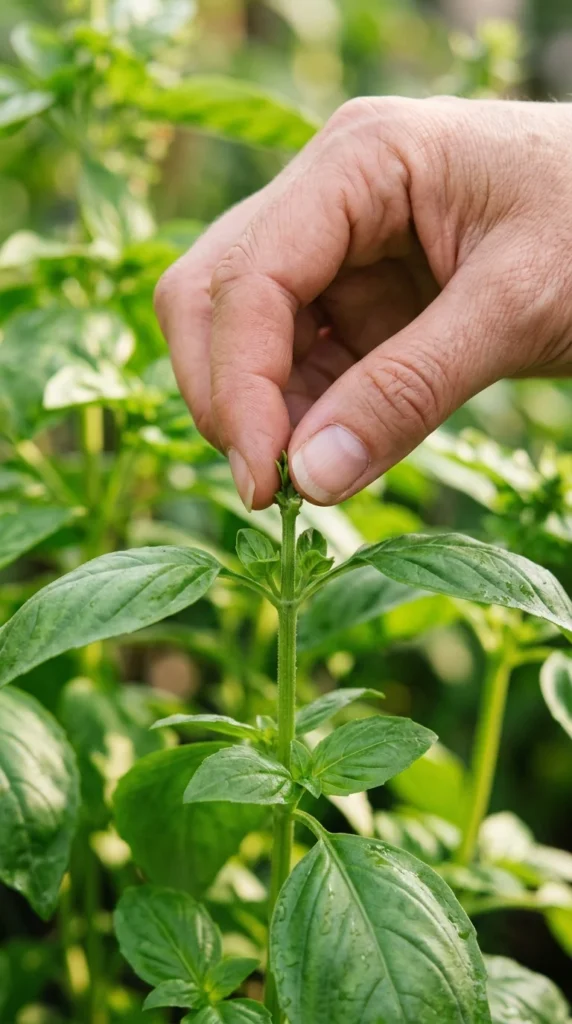
Pruning is the act of removing specific parts of a plant to encourage a certain type of growth. For herbs like basil, mint, and oregano, pruning the “growing tip” (the very top of the stem) forces the plant to activate its lateral buds, resulting in two stems where there was once only one.
Regular pruning prevents your herbs from becoming “leggy”—long, thin stems with very few leaves. It also keeps the plants compact and aesthetically pleasing, which is especially important for indoor windowsill gardens where space is at a premium.
12. Pests
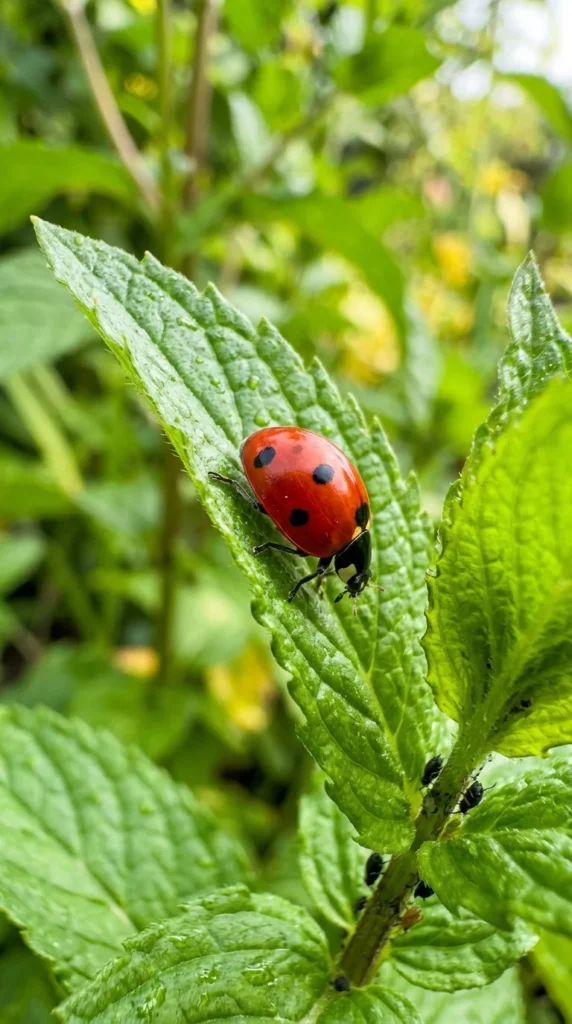
Even indoor herbs can attract pests like aphids, spider mites, or fungus gnats. The best defense is a healthy plant, as pests are attracted to stressed or weakened specimens.
If you do spot tiny insects or sticky residue on your leaves, don’t reach for harsh chemicals. Since you plan on eating these herbs, use organic solutions. A simple spray of water can knock off many pests. For more stubborn infestations, a mixture of water and a few drops of organic castile soap or neem oil can be sprayed on the leaves. Always wash your herbs thoroughly before using them in the kitchen.
13. Preservation
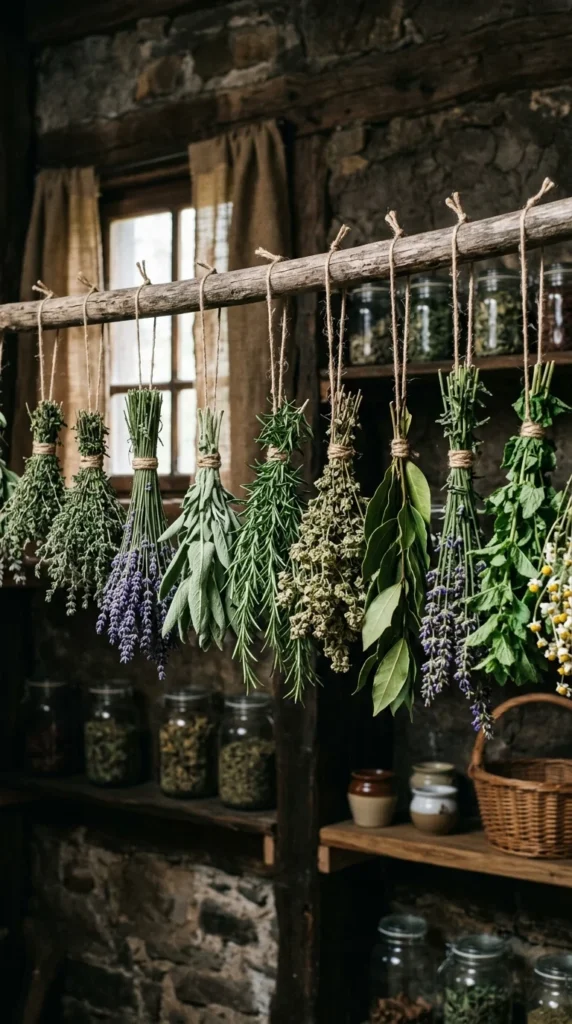
Sometimes your garden will produce more than you can eat fresh. Learning to preserve your harvest allows you to enjoy your homegrown flavors all year round.
- Drying: Herbs with low moisture content, like rosemary, thyme, and oregano, dry beautifully. Simply tie them in bundles and hang them upside down in a cool, dry place.
- Freezing: Herbs with high moisture content, like basil and cilantro, are better off frozen. You can chop them up and place them in ice cube trays with a little olive oil or water. Once frozen, pop the cubes into a freezer bag and toss them into soups or sauces whenever needed.
- Herb Salts: Mix finely chopped fresh herbs with sea salt. The salt preserves the herbs and creates a flavorful seasoning for meats and vegetables.