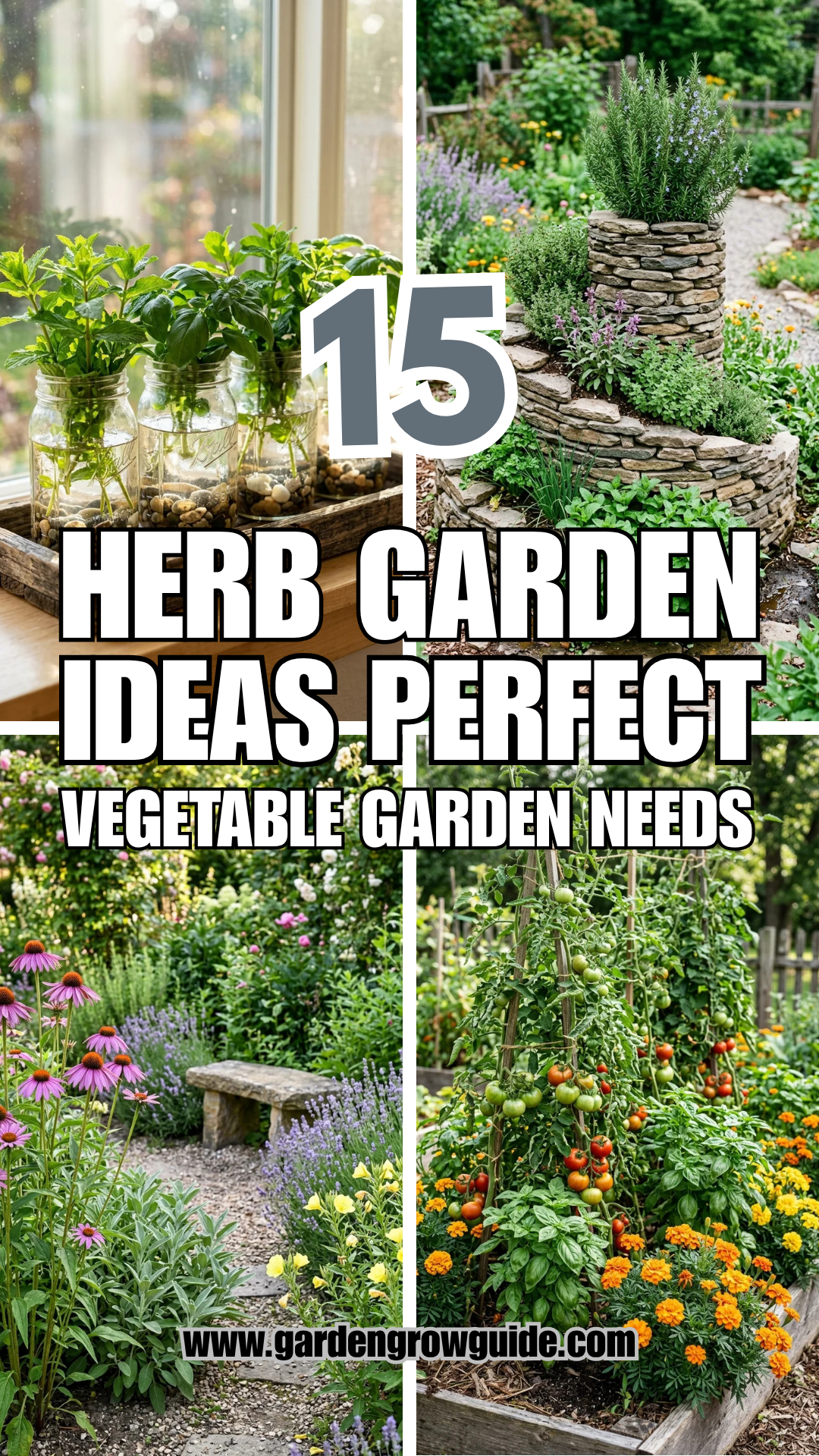
Growing an herb garden is perhaps the most rewarding entry point into the world of horticulture. Unlike large-scale vegetable farming or delicate ornamental gardening, herbs are notoriously resilient, often thriving on a bit of neglect and a lot of sunlight. For the beginner, herbs provide immediate gratification; within weeks of planting, you can harvest fresh basil for a Caprese salad, mint for a refreshing tea, or rosemary for roasted potatoes. Beyond the culinary perks, herb gardens are aesthetically pleasing, aromatic, and can fit into almost any living situation—from a sprawling backyard to a tiny city apartment windowsill.
1. Windowsill Garden
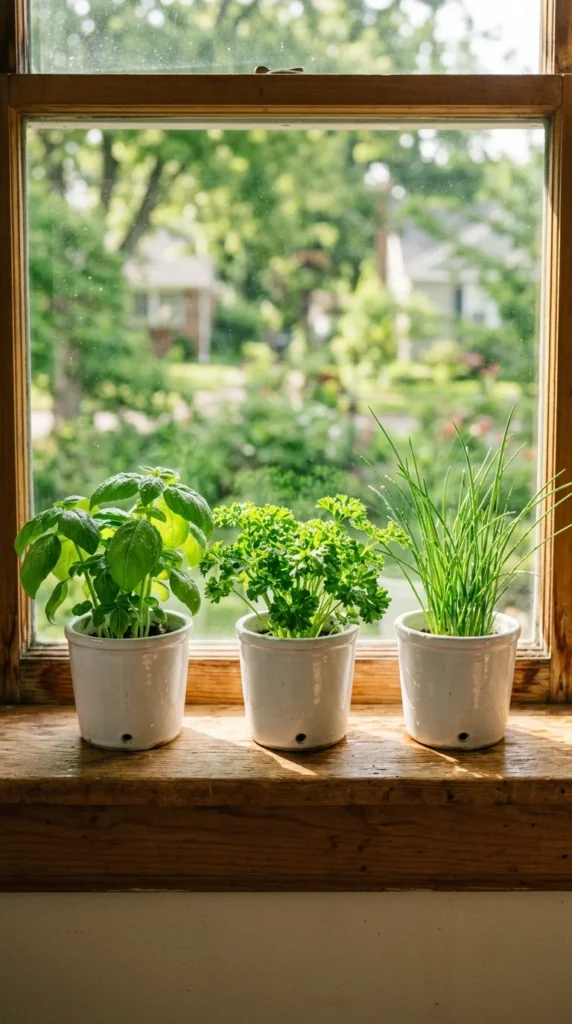
The windowsill garden is the ultimate entry point for urban dwellers and those with limited outdoor space. Most culinary herbs crave at least six hours of sunlight, and a south-facing window provides the perfect microclimate. This setup keeps your most-used herbs within arm’s reach while you cook. To succeed, ensure your pots have drainage holes and use a saucer to protect your woodwork. Herbs like basil, chives, and parsley are particularly well-suited for this indoor environment.
2. Vertical Wall
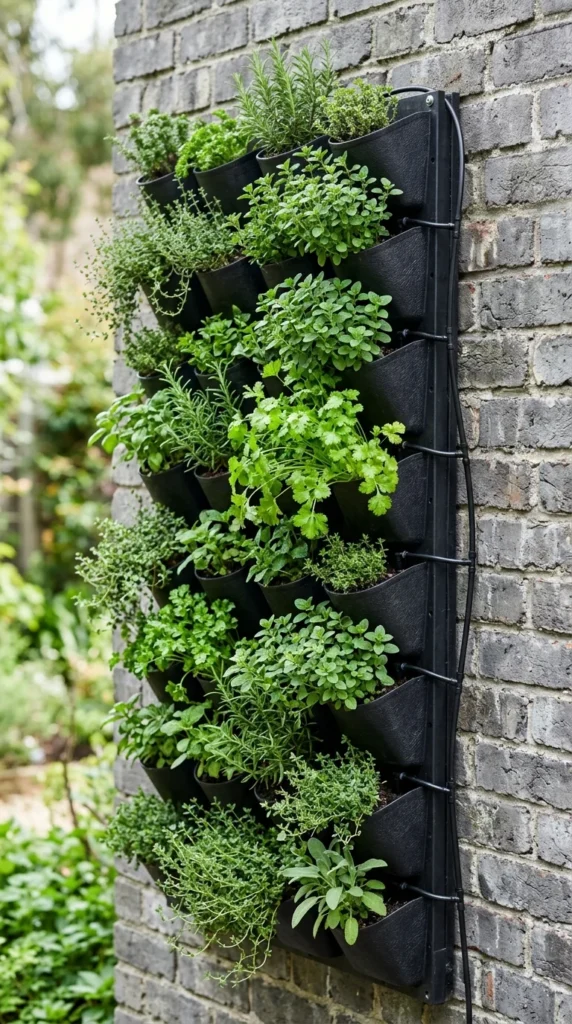
When floor space is at a premium, go vertical. Vertical herb gardens can be created using felt pockets, wooden pallets, or specialized modular wall planters. This method is excellent for preventing soil-borne diseases and keeping pests like rabbits or slugs away from your harvest. It also creates a stunning “living wall” that acts as natural insulation and a focal point for a patio or balcony.
3. Hanging Baskets
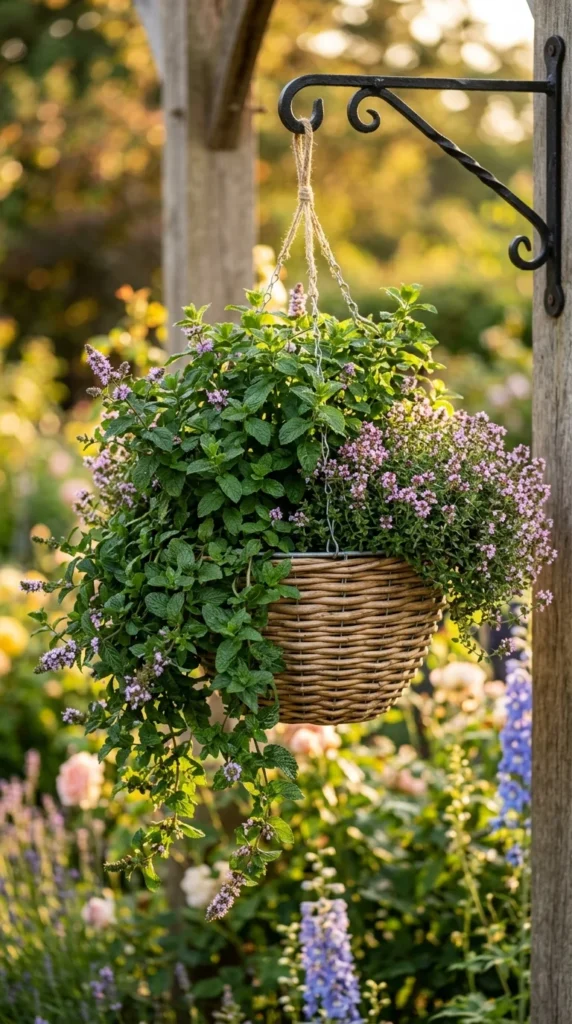
Hanging baskets aren’t just for petunias. Many herbs have a “trailing” habit, meaning they grow downward, creating a beautiful curtain of greenery. Mint, oregano, and trailing varieties of rosemary look spectacular in hanging containers. This keeps the plants at eye level for easy harvesting and ensures excellent air circulation, which helps prevent fungal issues like powdery mildew.
4. Raised Beds
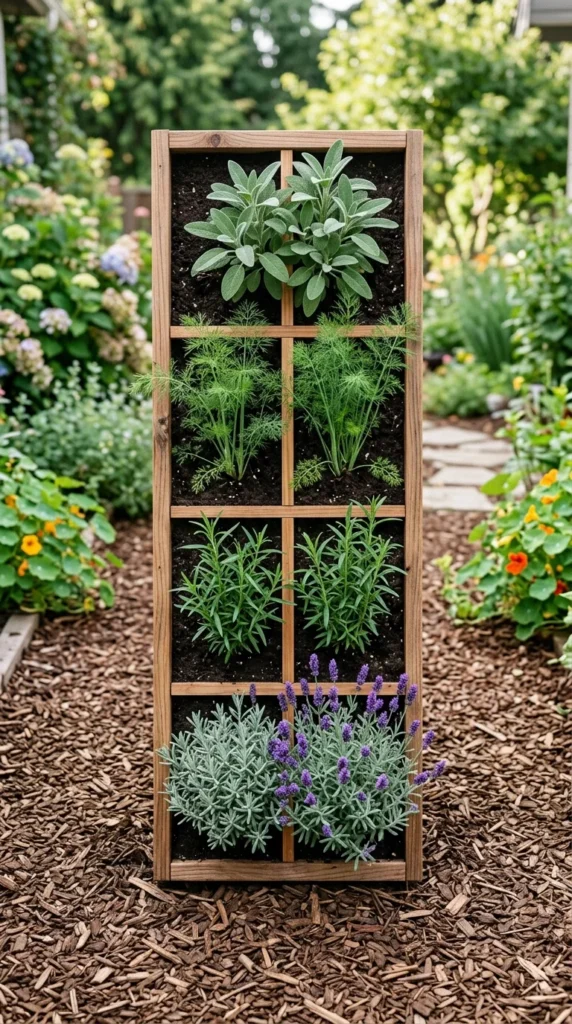
Raised beds offer total control over soil quality, which is crucial if your native soil is heavy clay or sandy. For beginners, a raised bed at waist height reduces strain on the back and knees. It also helps with drainage and allows the soil to warm up faster in the spring, extending your growing season. You can easily organize your herbs by their water needs—grouping “thirsty” herbs like cilantro and parsley together, away from “dry-loving” Mediterranean herbs like sage.
5. Mason Jars
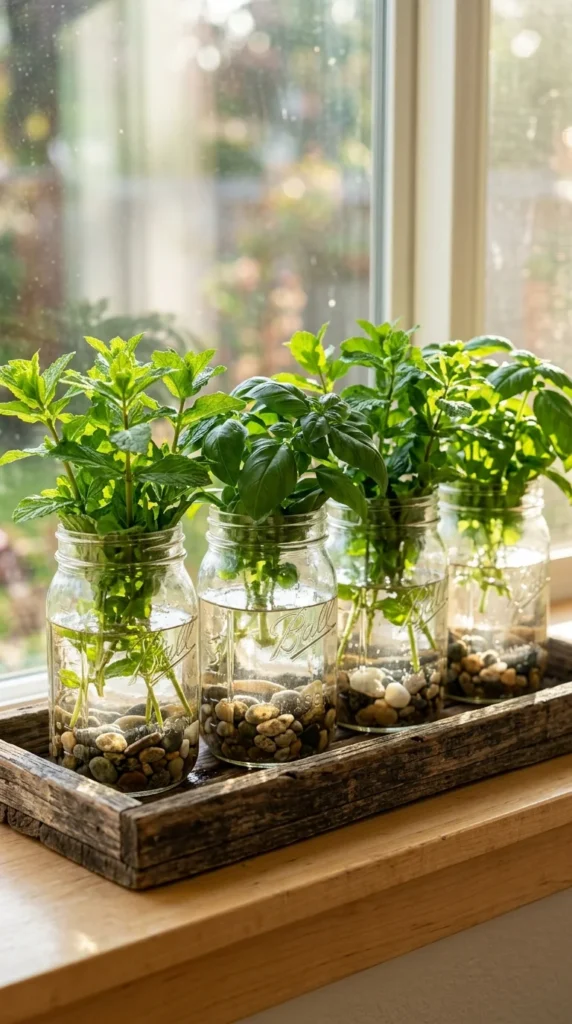
Mason jar gardens are a popular DIY project that adds a rustic, farmhouse aesthetic to any kitchen. While they can be used with soil, many beginners find success using them for “hydroponic” rooting—growing herb cuttings directly in water. If using soil, it is vital to add a layer of charcoal or pebbles at the bottom to prevent root rot, as mason jars lack drainage holes. They are perfect for small-scale harvests and look beautiful lined up on a shelf.
6. Tea Garden
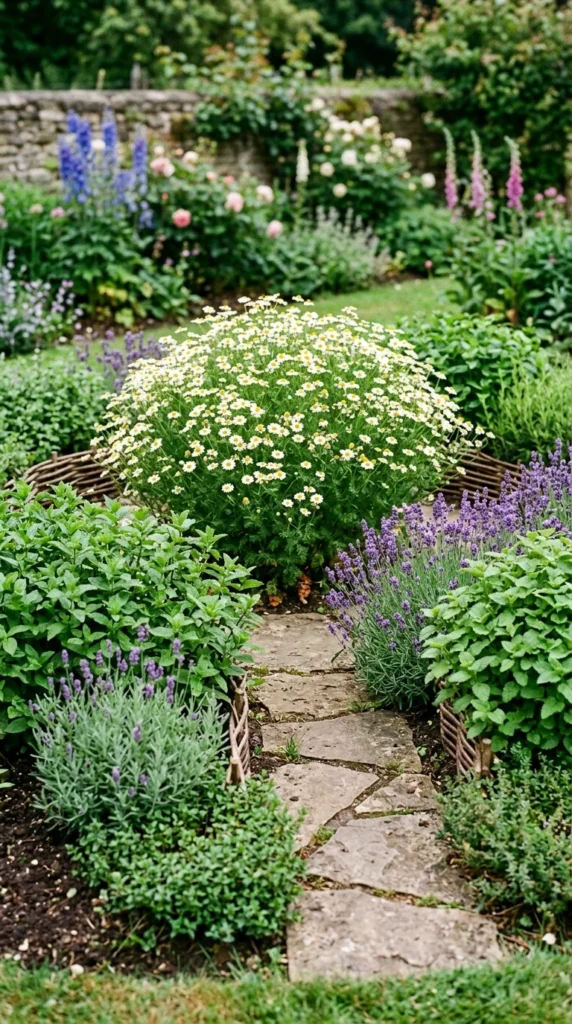
A themed herb garden makes the growing process even more intentional. A “tea garden” focuses on herbs that can be dried or used fresh to create infusions. Lemon balm, chamomile, peppermint, and chocolate mint are staples for this setup. Stepping into this garden provides a sensory experience of calming scents, and the harvest provides a year-round supply of caffeine-free beverages.
7. Culinary Kit
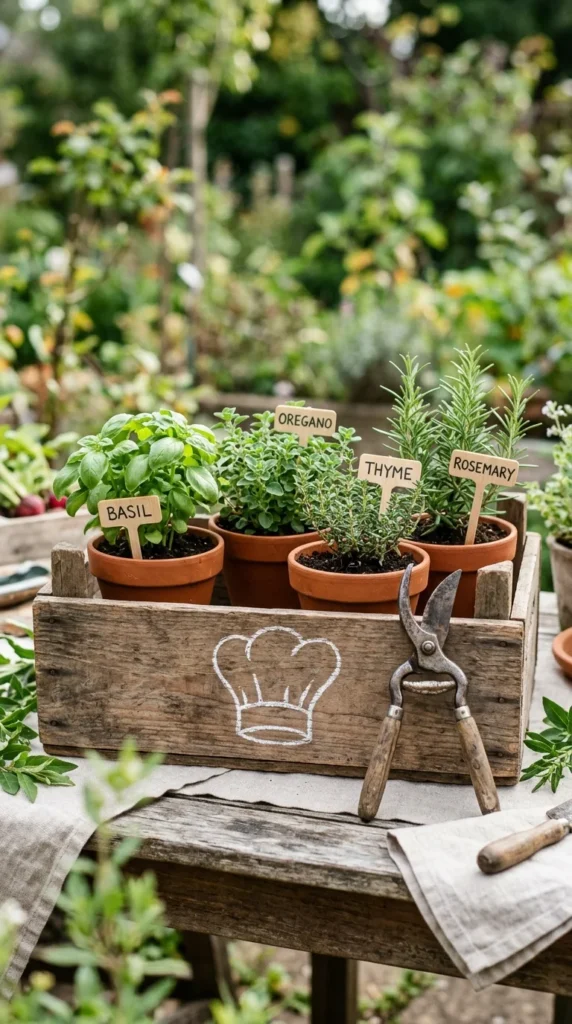
If your primary goal is to improve your cooking, start with a “culinary essentials” kit. This idea focuses on the “Big Four” of the kitchen: basil, parsley, rosemary, and thyme. By keeping these plants in a single large container or a cluster of small pots near the kitchen door, you ensure that you’ll actually use them. This is the most practical approach for beginners who want to see an immediate impact on their lifestyle.
8. Pallet Garden
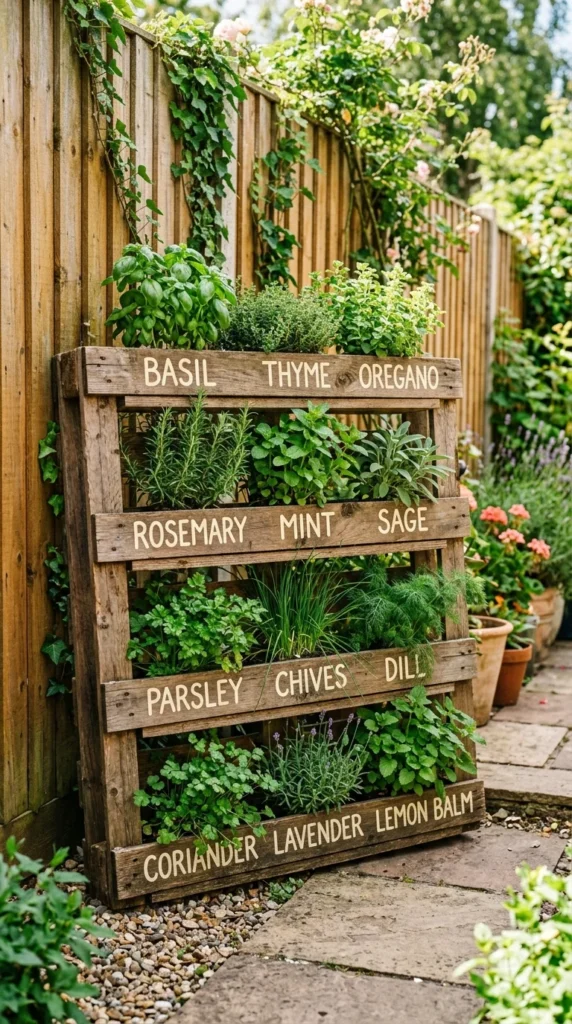
Upcycling a wooden pallet is an eco-friendly and budget-friendly way to start a garden. By stapling landscape fabric to the back and bottom of the slats, you create several tiers of planting space. This is ideal for a balcony or a small patio. It allows you to grow a vast variety of herbs in a very small footprint, and the weathered wood provides a charming, rustic look.
9. Herb Spiral
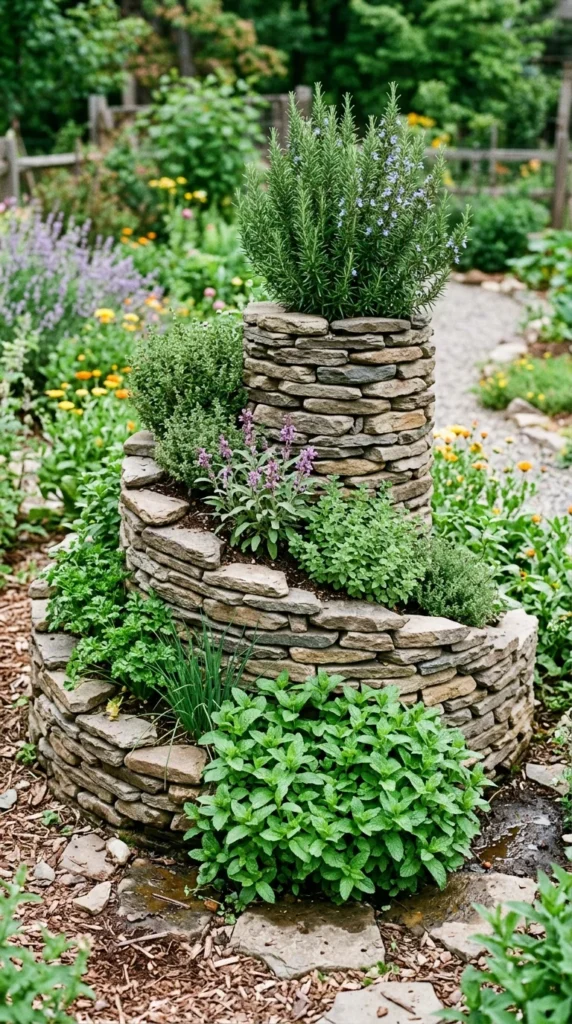
The herb spiral is a classic permaculture design that creates various microclimates in one small area. The top of the spiral is dry and sunny (perfect for rosemary and oregano), while the bottom is cool and moist (perfect for mint and parsley). This design is not only incredibly efficient for the plants but also serves as a stunning sculptural element in a backyard.
10. Terracotta Pots
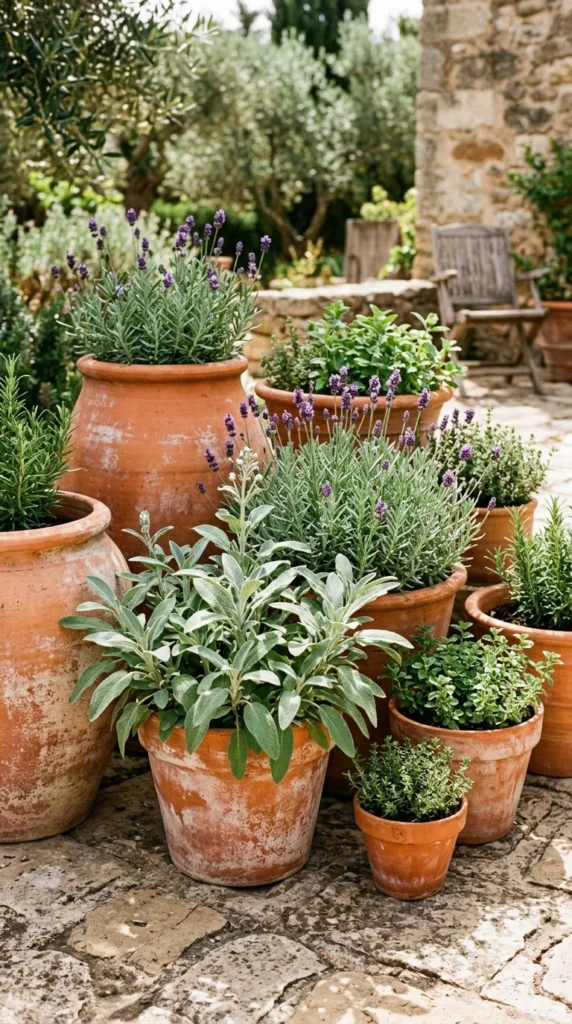
Terracotta is the gold standard for herb containers. The porous nature of the clay allows the soil to “breathe” and prevents the roots from sitting in stagnant water. This is particularly beneficial for Mediterranean herbs like lavender, thyme, and sage, which prefer to dry out between waterings. A collection of terracotta pots in different sizes creates a classic, timeless look that fits any garden style.
11. Hydroponic Setup
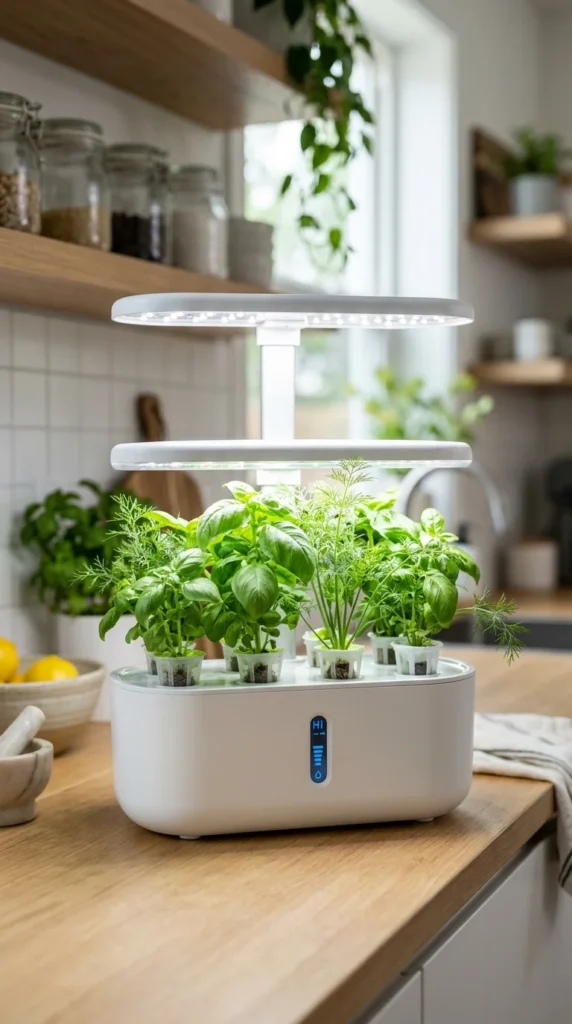
For the tech-inclined beginner, a small indoor hydroponic system removes much of the guesswork. These systems often come with built-in LED grow lights and automated water timers. Because the plants receive nutrients directly through water, they often grow up to five times faster than soil-grown herbs. This is a “set it and forget it” option that ensures a lush harvest even in the dead of winter or in rooms with no natural light.
12. Companion Planting
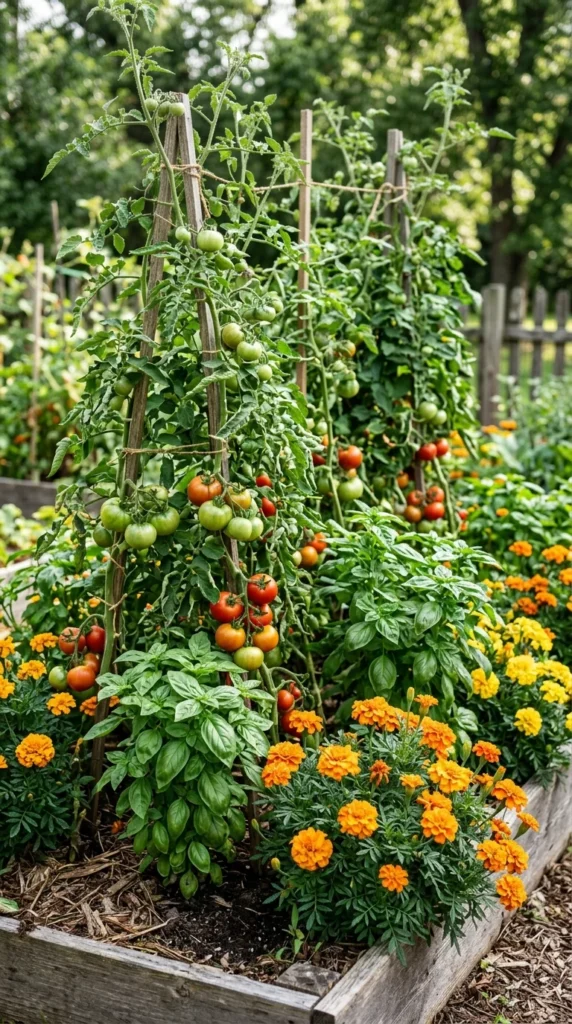
Herb gardening doesn’t have to be separate from your other plants. Herbs are excellent “companions” for vegetables. For example, planting basil next to tomatoes can improve the flavor of the tomatoes and help repel certain pests. Chives can help deter aphids when planted near roses or greens. This integrated approach maximizes space and creates a healthier, more balanced garden ecosystem.
13. Gutter Planters
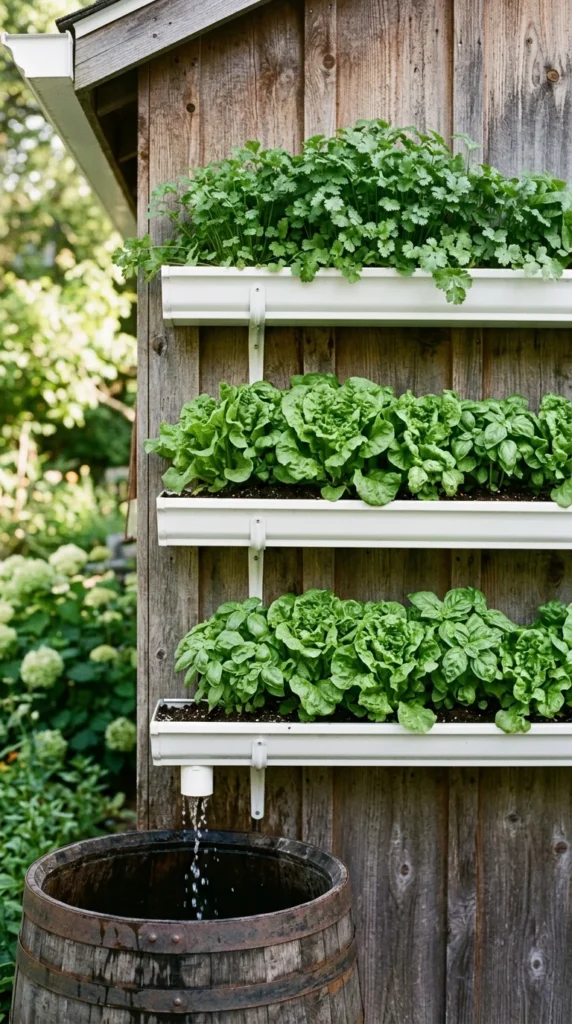
Mounting old rain gutters to a fence or wall is a clever way to utilize narrow, unused spaces. Because gutters are shallow, they are perfect for herbs with shallow root systems like cilantro, parsley, and chives. It’s an inexpensive DIY project that keeps your herbs off the ground and away from crawling insects, while providing a clean, linear aesthetic.
14. Rolling Cart
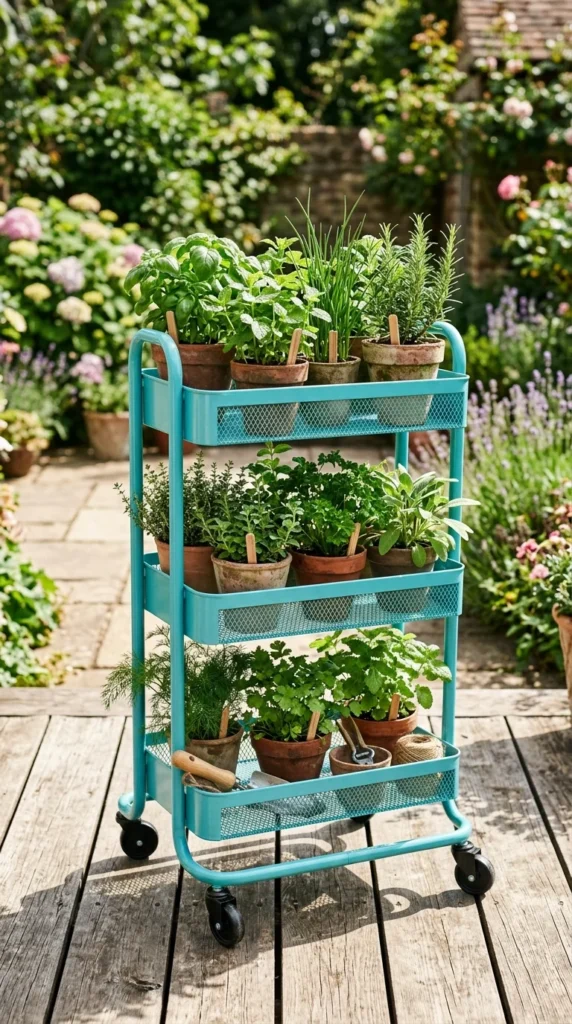
A rolling herb cart is the ultimate solution for gardens with shifting light. If your balcony only gets sun in the morning on one side and afternoon on the other, you can simply wheel your garden to the best spot. It’s also convenient for bringing the plants indoors during a sudden frost or a heavy storm. The tiered shelving allows for a high density of plants in a very small footprint.
15. Apothecary Plot
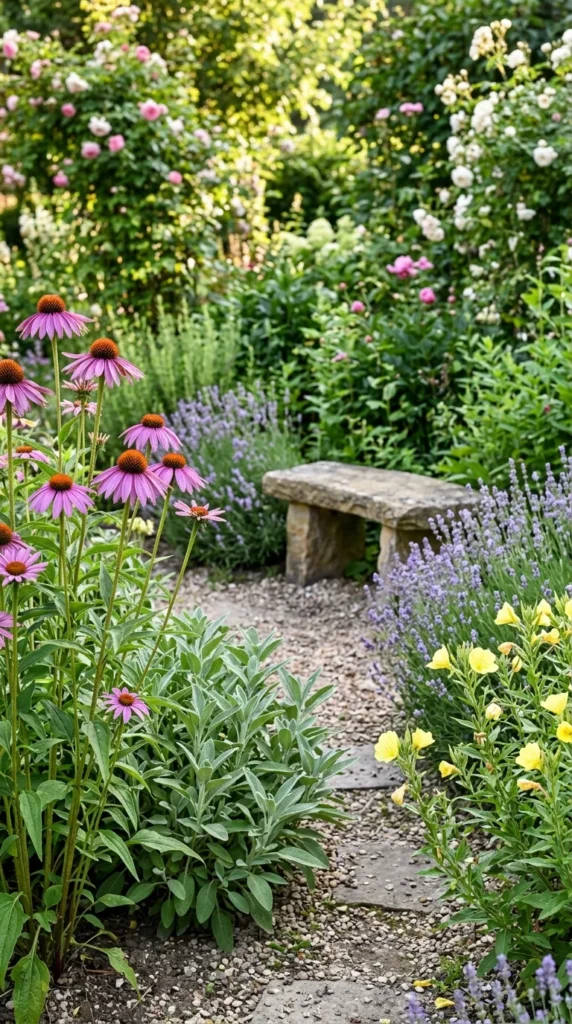
An apothecary garden focuses on the healing properties of herbs. This idea involves growing plants that can be used for salves, essential oils, or medicinal teas. Lavender (for relaxation), calendula (for skin healing), and echinacea (for immune support) are popular choices. This type of garden encourages a deeper connection with nature and provides the raw materials for a more sustainable, natural lifestyle.
Essential Care Tips for Beginner Herb Gardeners
To ensure your new herb garden thrives, keep these fundamental principles in mind:
- Sunlight is King: Most herbs require at least 6 to 8 hours of direct sunlight. If you are growing indoors, a grow light can supplement natural light during dark winter months.
- Drainage is Non-Negotiable: Herbs hate “wet feet.” Always use containers with drainage holes and a high-quality, well-draining potting mix. Avoid using heavy garden soil in pots.
- Harvest Frequently: The more you harvest, the more the plant grows. Pinching off the tips of herbs like basil and mint encourages them to branch out and become “bushy” rather than “leggy.”
- Watering Habits: Check the soil daily. Stick your finger an inch into the soil; if it feels dry, it’s time to water. Mediterranean herbs (rosemary, thyme, sage) like to dry out completely, while leafy herbs (basil, cilantro, parsley) prefer consistent moisture.
- Avoid Over-Fertilizing: Herbs are generally not heavy feeders. Too much fertilizer can actually dilute the essential oils that give herbs their flavor and aroma. A light application of organic liquid fertilizer once a month during the growing season is usually plenty.
By starting small and choosing the method that best fits your space and lifestyle, you will soon discover that there is nothing quite as satisfying as stepping into your garden and snipping a few fresh leaves to complete a meal. Happy gardening!