The dream of harvesting fresh basil for a homemade pesto or plucking a sun-warmed cherry tomato shouldn’t be reserved only for those with sprawling suburban backyards. As urban living becomes the norm, the “micro-garden” movement has revolutionized how we think about agriculture and aesthetics. Whether you live in a high-rise apartment with a tiny balcony, a studio with a single sunny windowsill, or a townhouse with a concrete patio, you have enough room to cultivate a thriving ecosystem.
Small space gardening is about efficiency, creativity, and the strategic selection of plants. By understanding the unique microclimate of your home and utilizing vertical planes, you can transform a few square feet into a productive oasis.
1. Sun Mapping
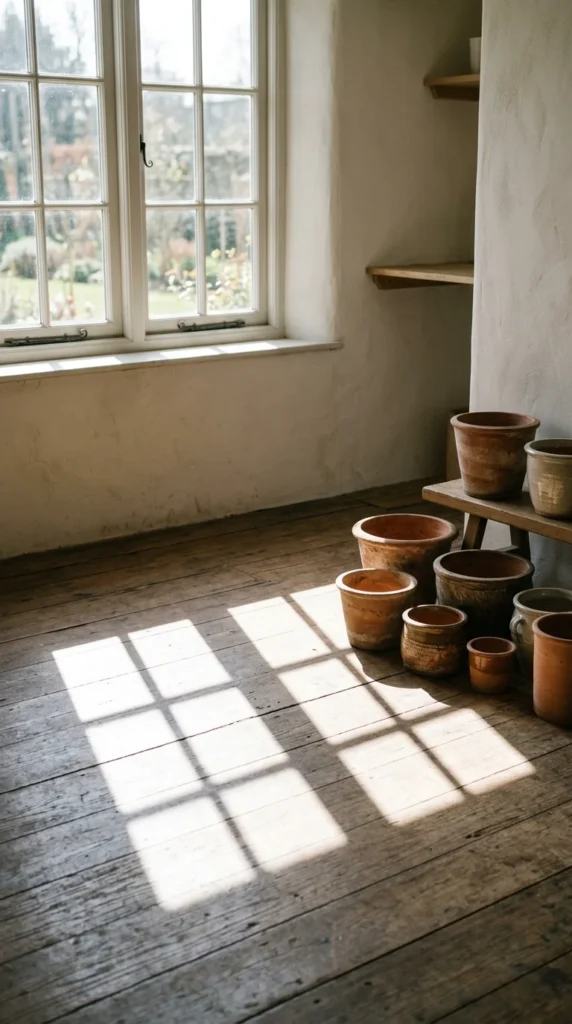
Before purchasing a single seed, you must understand your light profile. Most edible plants require “full sun,” which translates to at least six to eight hours of direct sunlight. However, many ornamental plants and leafy greens can thrive in “partial shade” (three to six hours).
- South-Facing Spots: These are the gold mines of gardening, receiving the most consistent and intense light throughout the day.
- North-Facing Spots: These areas receive the least light. Stick to low-light indoor plants or shade-tolerant greens like spinach and kale.
- East vs. West: East-facing spots get gentle morning sun, while west-facing spots deal with the intense, scorching heat of the afternoon.
Spend a weekend tracking the sun’s movement across your designated gardening area. Note where shadows fall and how long the light lingers. This “map” will dictate every subsequent decision you make.
2. Container Selection
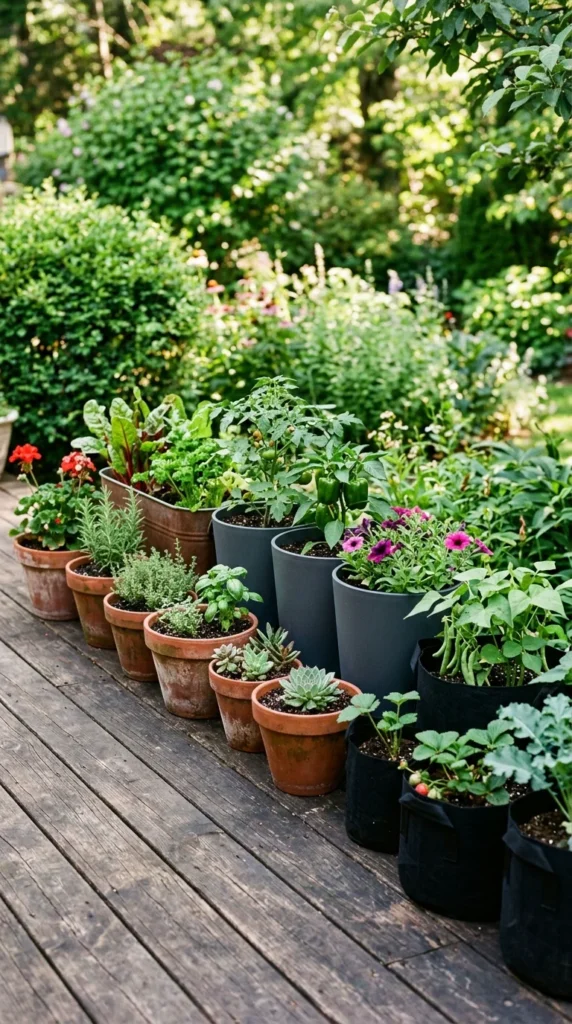
In a small space, the container is the plant’s entire world. Unlike plants in the ground, container-bound plants rely entirely on the volume of the pot for water and nutrients.
- Material Matters: Terracotta is porous and “breathes,” which is great for plants that like dry feet (like succulents or rosemary), but it dries out quickly. Plastic and glazed ceramic retain moisture longer.
- Drainage is Non-Negotiable: Never plant in a container without a drainage hole. Without one, water pools at the bottom, suffocating the roots and causing “root rot,” a silent killer of indoor and balcony gardens.
- Size Proportions: It is a common mistake to put a small plant in a massive pot or vice versa. Ensure the pot provides enough depth for the root system to expand without being so large that the soil stays soggy.
3. Vertical Systems
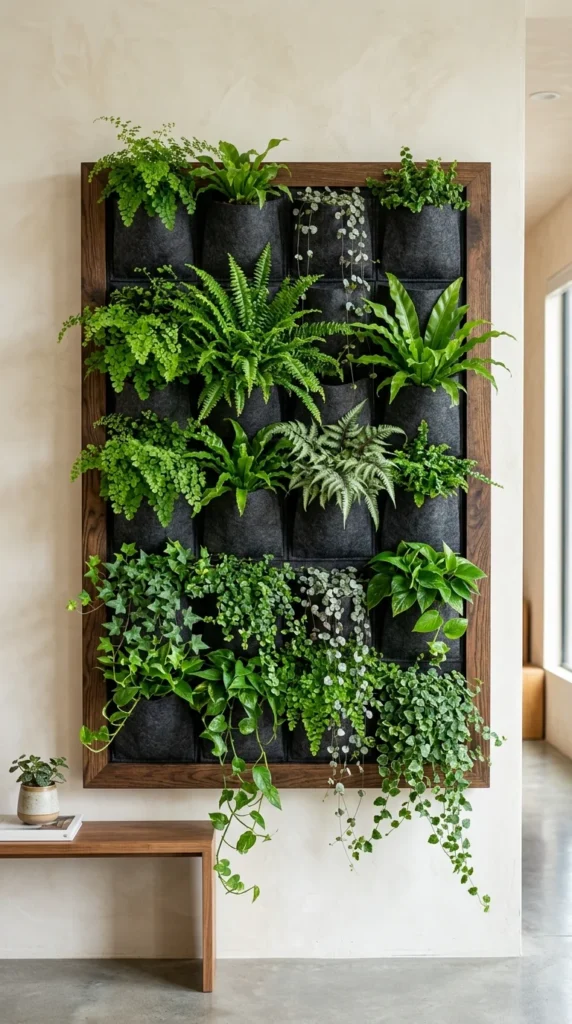
When you run out of floor space, look up. Vertical gardening is the secret weapon of the urban horticulturalist. By utilizing walls, railings, and ceilings, you can triple your growing area.
- Wall Pockets: Felt or plastic pocket systems can be mounted directly onto walls or fences, perfect for herbs and strawberries.
- Trellises and Obelisks: Vining plants like peas, pole beans, and even small cucumbers can be trained to grow upward rather than outward.
- Tiered Shelving: A simple ladder shelf allows you to stack multiple layers of pots, ensuring the plants at the back still get adequate light.
- Hanging Baskets: Ideal for trailing plants like cherry tomatoes (Tumbler varieties) or creeping thyme, these utilize the “dead space” near the ceiling or balcony overhang.
4. Potting Mix
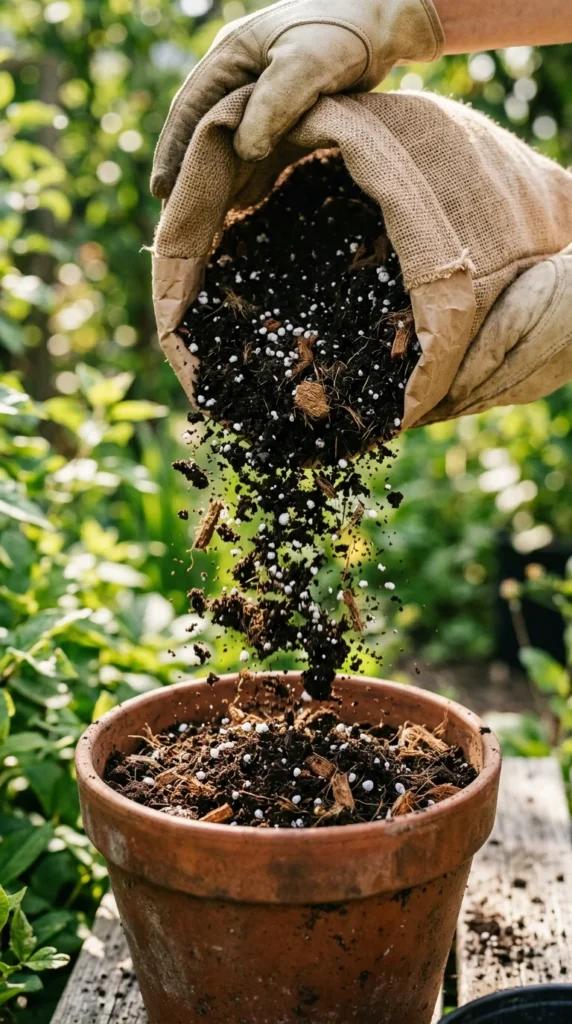
Never use “garden soil” or “topsoil” from the ground in a container. It is too heavy, will compact under the weight of watering, and may contain pathogens or weed seeds. Instead, use a high-quality potting mix.
- Aeration: Look for mixes containing perlite or vermiculite (those white or shiny flecks). These create air pockets so roots can breathe.
- Moisture Retention: Ingredients like peat moss or coconut coir help the soil hold onto water without becoming waterlogged.
- Sterility: Commercial potting mixes are pasteurized to ensure you aren’t bringing aphids or fungus gnats into your home from the start.
5. Plant Selection
Success in a small space depends on choosing “compact,” “bush,” or “dwarf” varieties. Plant breeders have spent decades creating versions of large vegetables that thrive in small footprints.
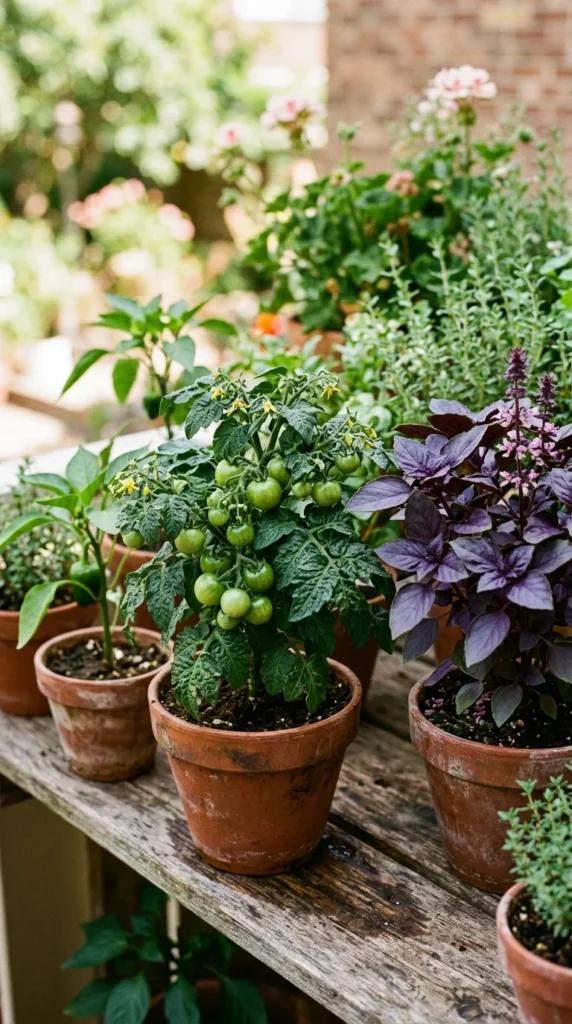
- Herbs: The ultimate small-space crop. Basil, mint, chives, and cilantro provide a high culinary yield for very little space.
- Leafy Greens: Lettuce, arugula, and Swiss chard have shallow root systems and can be harvested “cut and come again” style.
- Micro-Dwarf Tomatoes: Look for varieties like ‘Tiny Tim’ or ‘Micro Tom’ which stay under 12 inches tall but produce dozens of fruits.
- Pollinator-Friendly Flowers: Even in a small garden, you need bees and butterflies. Marigolds and nasturtiums are compact, colorful, and even edible.
6. Watering Tools
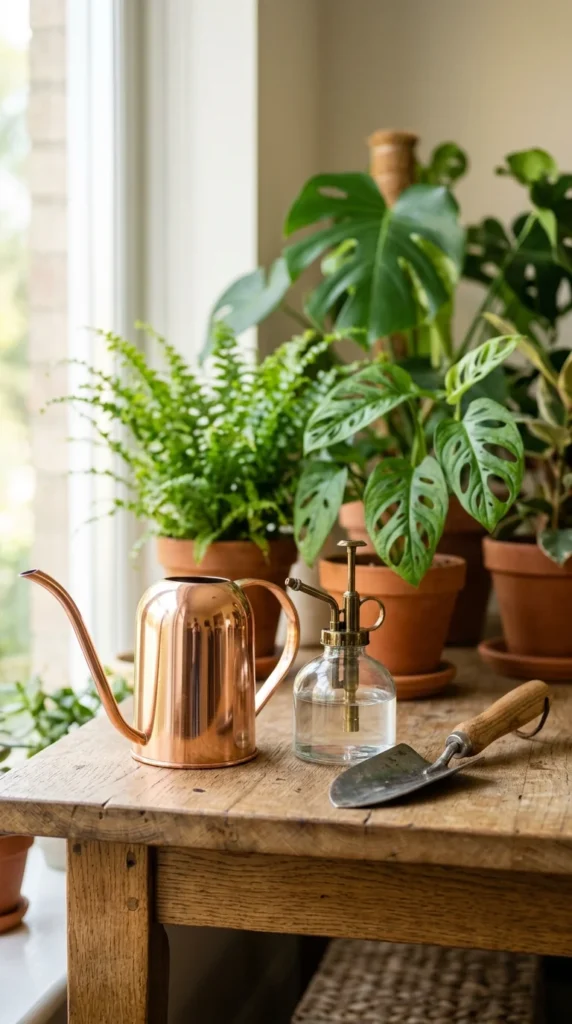
Watering in a small space, especially indoors, requires precision. You want to deliver water to the soil, not the leaves (which can encourage fungus), and you want to avoid making a mess.
- Long-Neck Cans: A watering can with a long, narrow spout allows you to reach through dense foliage to hit the soil directly.
- Self-Watering Reservoirs: If you travel frequently, consider “self-watering” pots that feature a reservoir at the base, allowing the plant to wick up moisture as needed.
- The Finger Test: Before watering, stick your finger an inch into the soil. If it feels dry, water. If it’s damp, wait. Overwatering is the most common cause of death for small-space plants.
7. Natural Fertilizer
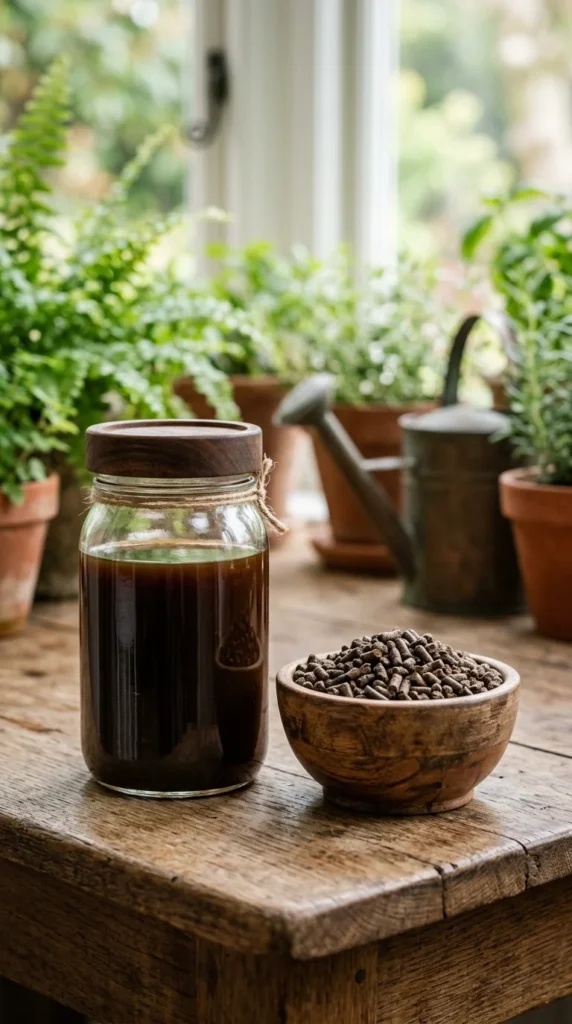
Plants in containers have a finite amount of nutrients. Once the minerals in the potting mix are used up, the plant will stop growing or turn yellow.
- Liquid Seaweed or Fish Emulsion: These are organic, fast-acting fertilizers that can be mixed with water every two weeks during the growing season.
- Slow-Release Pellets: These can be mixed into the soil at planting time and will gradually release nutrients over several months.
- Worm Castings: Often called “black gold,” adding a handful of worm compost to your pots provides a gentle, non-burning boost of microbial life and nutrients.
8. Pest Management
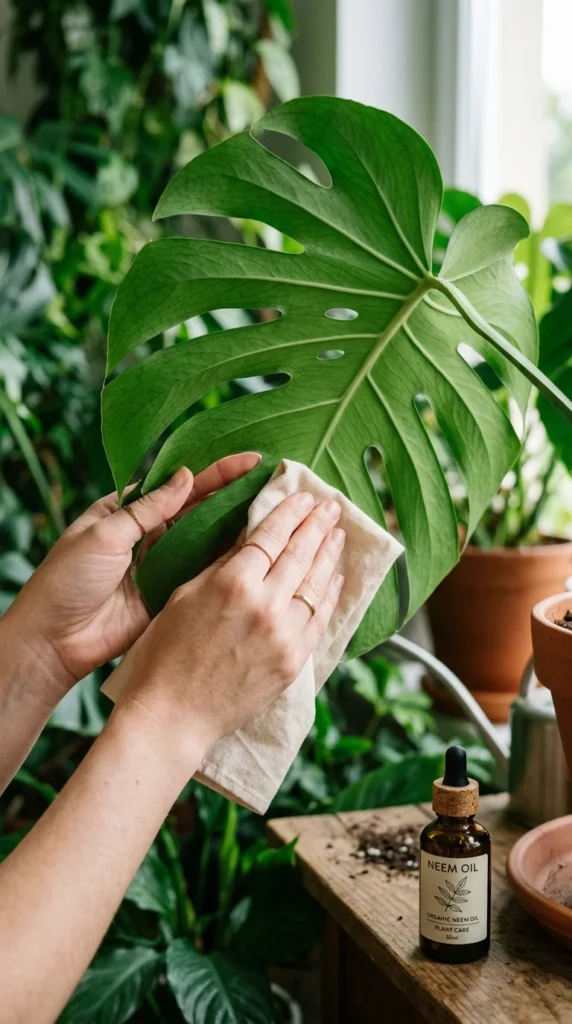
Pests love small gardens because the plants are often close together, allowing infestations to spread rapidly. However, because the space is small, you can manage pests manually and organically.
- Daily Inspection: Spend two minutes every morning looking at your plants. Check the undersides of leaves for aphids, spider mites, or scale.
- Physical Removal: Often, a strong blast of water from a spray bottle is enough to dislodge pests.
- Neem Oil: This natural oil is an effective organic treatment for many common garden pests and fungal issues.
- Companion Planting: Planting strong-smelling herbs like marigolds or garlic near your vegetables can naturally deter certain insects.
Starting a garden in a small space is a journey of trial and error. Some plants will thrive while others may struggle with the specific humidity or airflow of your home. By starting small, focusing on the health of your soil, and maximizing your vertical real estate, you can create a productive, beautiful green space that brings nature right to your doorstep.