Spring is the season of rebirth, a time when the garden shakes off the slumber of winter and bursts into a kaleidoscope of color. For many gardeners, the arrival of warmer soil and longer days signals the perfect opportunity to get their hands dirty. While some spring favorites are planted as bulbs in the autumn, many of the most stunning varieties are best introduced to the soil as the ground thaws. Whether you are looking for vibrant groundcovers, towering perennials, or fragrant shrubs, these twenty flowers offer a diverse palette to transform your landscape into a seasonal masterpiece.
1. Tulips
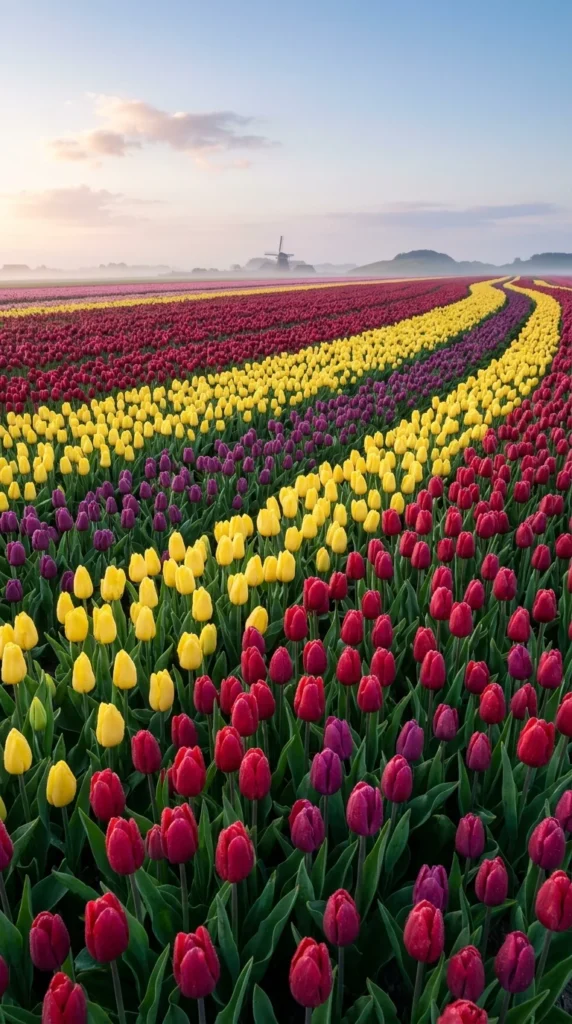
Tulips are the quintessential symbol of spring. Available in nearly every color imaginable, from snowy white to near-black purple, they offer incredible versatility. While most tulip bulbs are planted in the fall, many nurseries sell “forced” tulips or potted varieties in the spring that can be transplanted directly into your garden beds. They thrive in well-drained soil and prefer areas with full sun. To ensure they return year after year, it is vital to let the foliage die back naturally after the bloom has faded, as this allows the bulb to store energy for the next season.
2. Daffodils
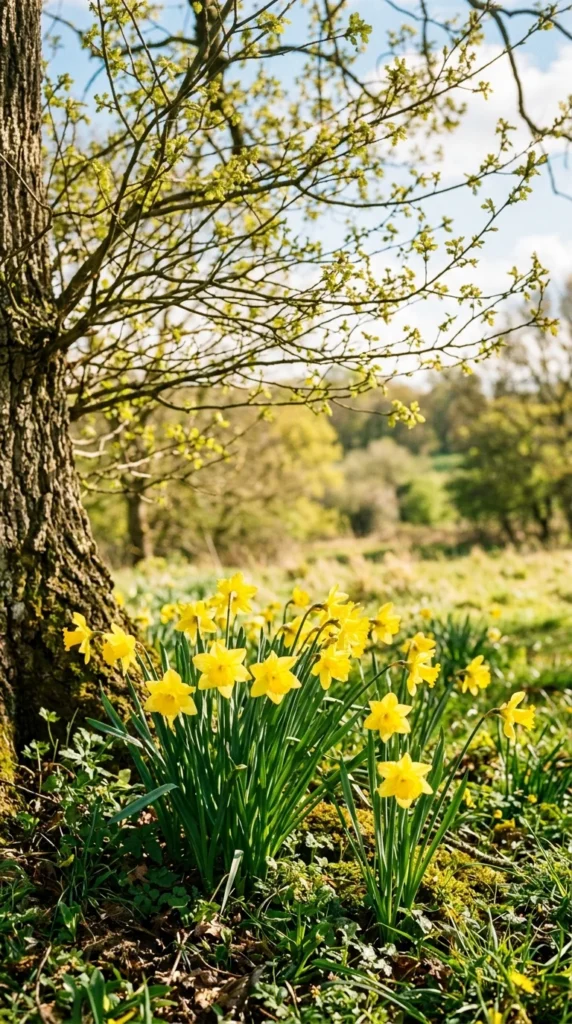
Daffodils, or Narcissus, are among the hardiest spring flowers. Known for their trumpet-shaped centers and star-like petals, they are remarkably resilient against pests like deer and rabbits, who tend to avoid them. Planting daffodils in the spring via nursery starts provides instant gratification. They are excellent for naturalizing, meaning they will spread and multiply over time, creating a golden carpet across your lawn or garden borders.
3. Peonies
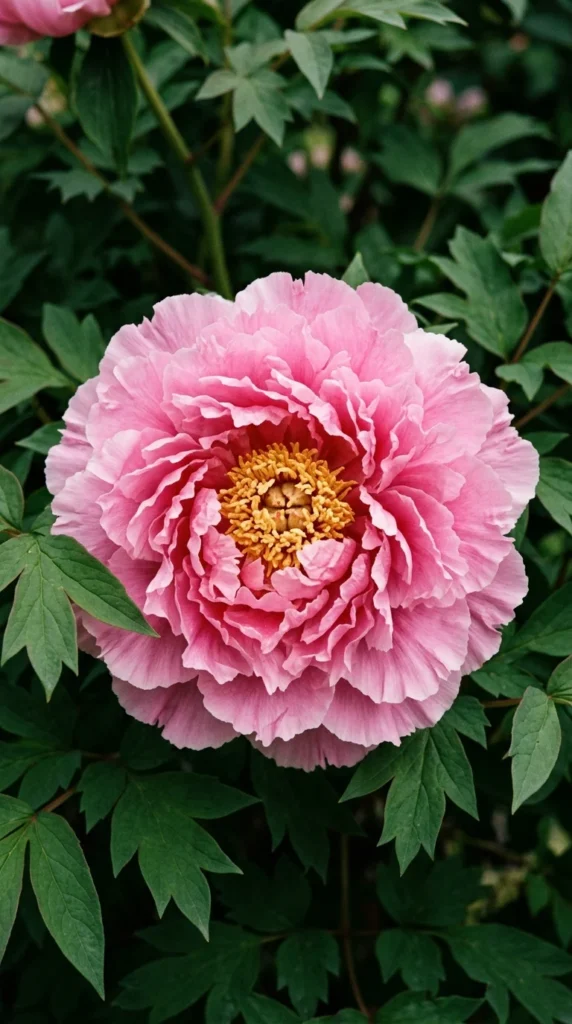
Peonies are the royalty of the spring garden. These perennials produce massive, fragrant blooms that can reach the size of a dinner plate. Spring is an excellent time to plant container-grown peonies. They require a spot with plenty of sunlight and deep, fertile soil. Because their heavy blooms can often cause the stems to droop, providing a “peony hoop” or staking them early in the season is a wise move for any gardener.
4. Pansies
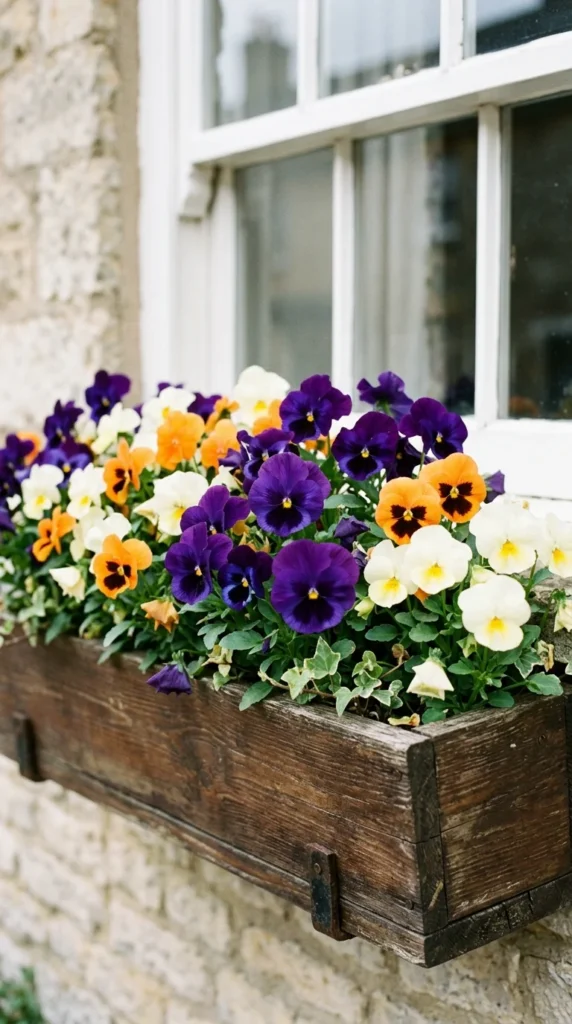
Pansies are the ultimate “cool-weather” flower. They are often the first plants to appear in garden centers because they can withstand a light frost that would kill other annuals. Their “faces”—the dark markings in the center of the petals—add a touch of whimsy to containers and borders. Pansies prefer moist, well-drained soil and will continue to bloom profusely until the heat of mid-summer sets in.
5. Bleeding Hearts
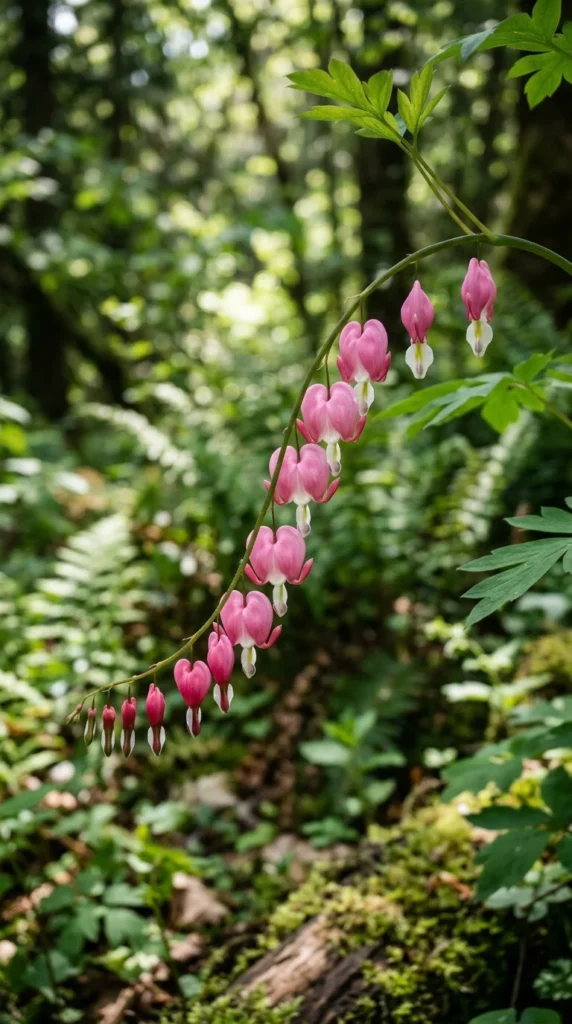
For the shaded corners of your garden, the Bleeding Heart (Lamprocapnos spectabilis) is an enchanting choice. This perennial features unique, heart-shaped blossoms that dangle from arching stems like charms on a bracelet. They prefer cool, moist environments and rich organic soil. Note that as the heat of summer arrives, Bleeding Hearts often go dormant, so it is best to plant them near hostas or ferns that can fill the gap later in the season.
6. Primrose
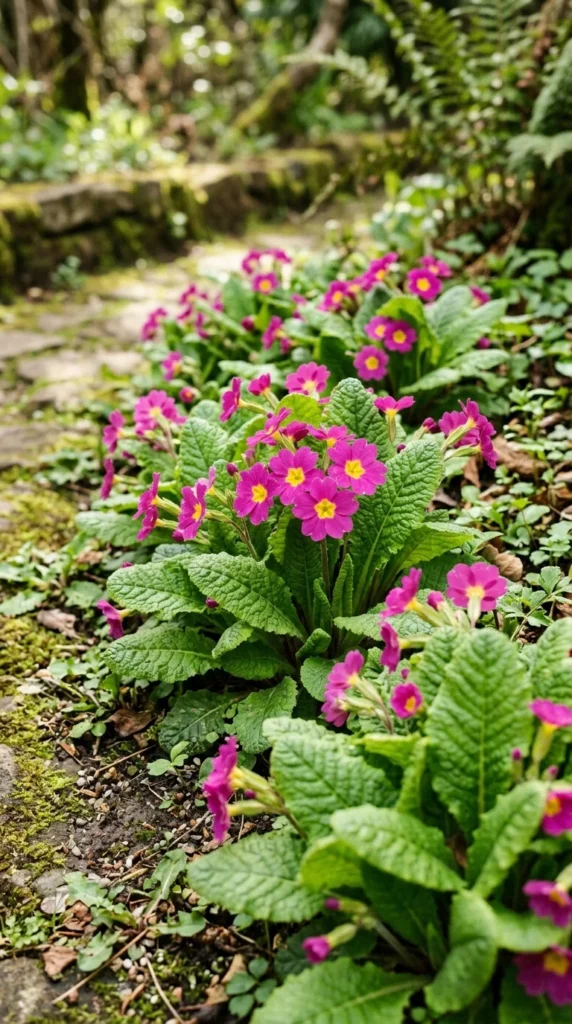
Primroses are early-season stars that thrive in damp, shady spots. They come in an array of jewel-toned colors and are perfect for lining garden paths or tucked under the canopy of deciduous trees. When planting primrose in the spring, ensure the soil is rich in compost and consistently moist, as these plants do not handle drought well.
7. Hyacinths
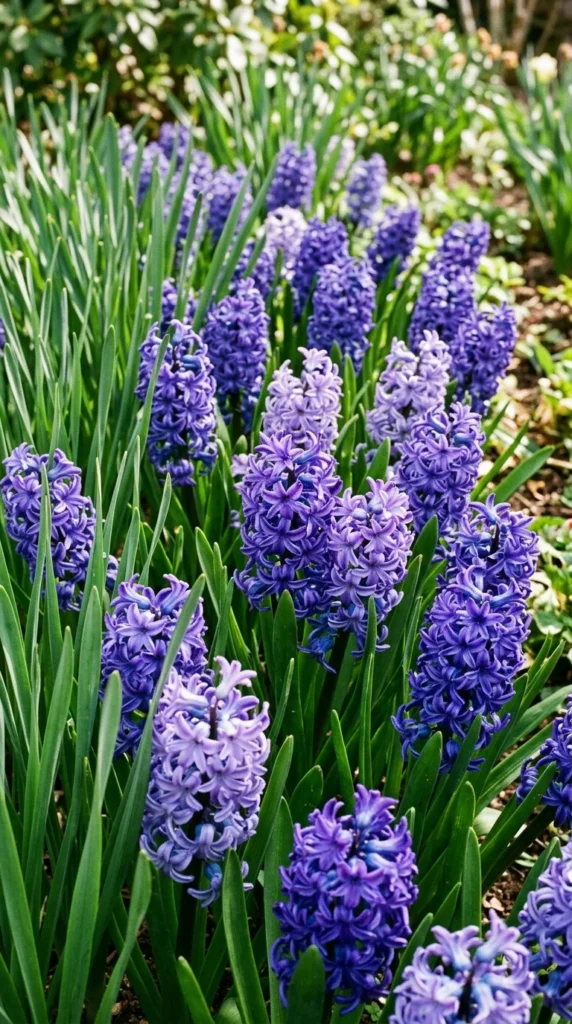
If you want a garden that smells as good as it looks, hyacinths are a must. Each plant produces a thick spike covered in tiny, bell-shaped florets that emit a powerful, sweet fragrance. While typically planted as bulbs, potted hyacinths are a staple of spring nurseries. They look best when planted in clusters rather than single rows, creating a concentrated burst of color and scent.
8. Alliums
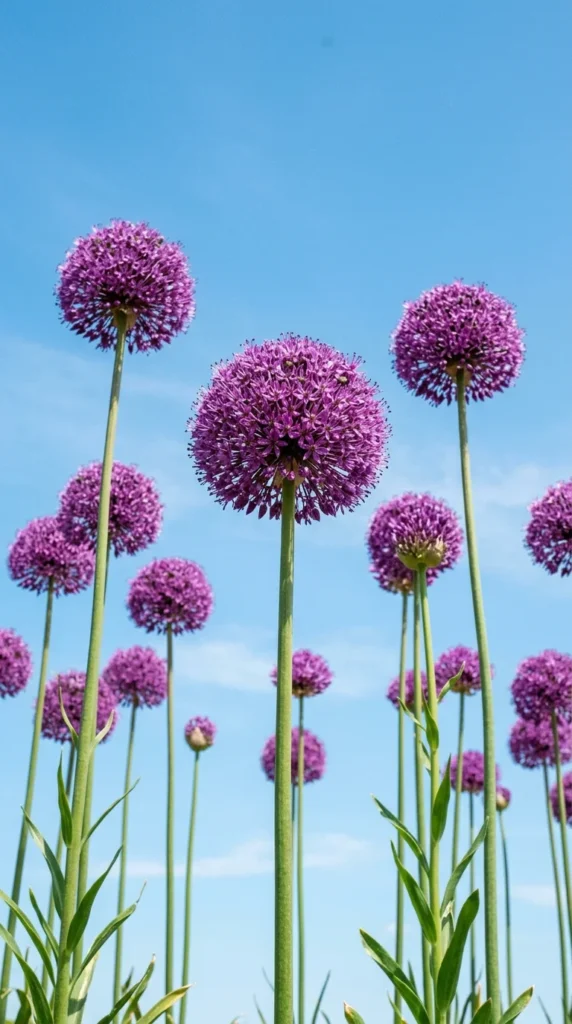
Alliums, often called ornamental onions, add a modern, architectural element to the spring garden. Their perfectly round flower heads create a striking contrast against the more organic shapes of other spring blooms. Alliums are remarkably easy to grow and are generally ignored by garden pests. They range in size from tiny clusters to the “Global Master” variety, which can produce spheres the size of a volleyball.
9. Sweet Peas
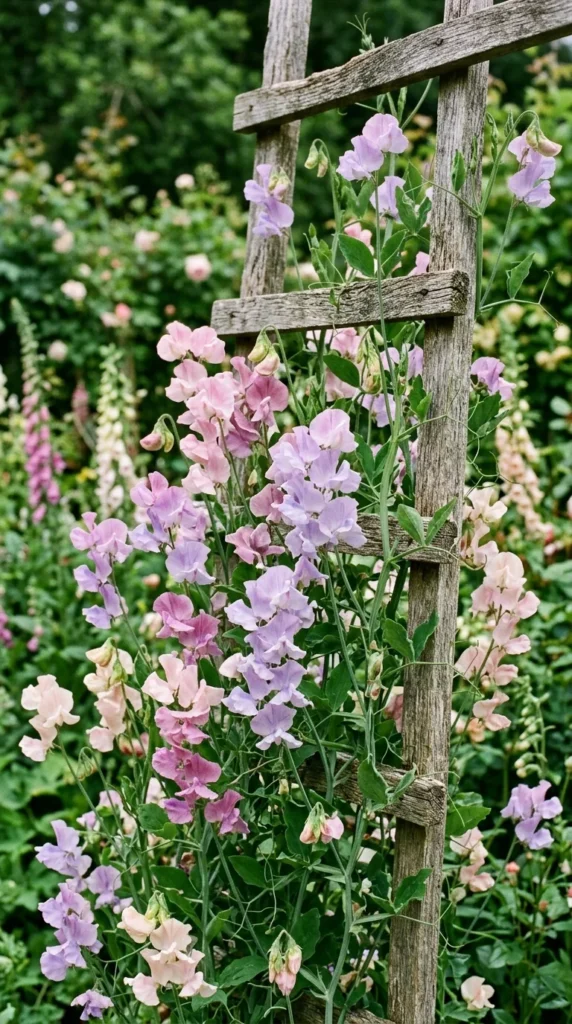
Sweet peas are beloved for their nostalgic, honey-like fragrance and their ruffled, butterfly-like petals. These are climbing annuals that prefer the cool temperatures of spring. To get the most out of your sweet peas, plant them near a trellis or fence where they can climb. Regular “deadheading” (removing spent blooms) will encourage the plant to continue producing flowers throughout the season.
10. Lilacs
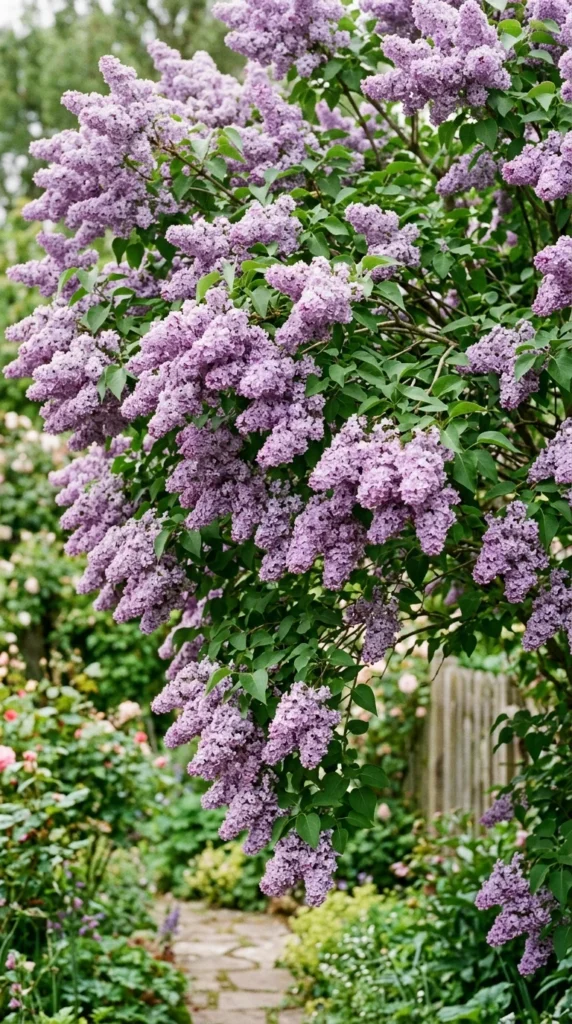
No spring garden is complete without the heady scent of lilacs. These deciduous shrubs are long-lived and relatively low-maintenance once established. Spring is a prime time to plant young lilac bushes. They require full sun to bloom well and prefer slightly alkaline soil. Because they grow quite large, ensure you give them plenty of space to breathe and expand.
11. Azaleas
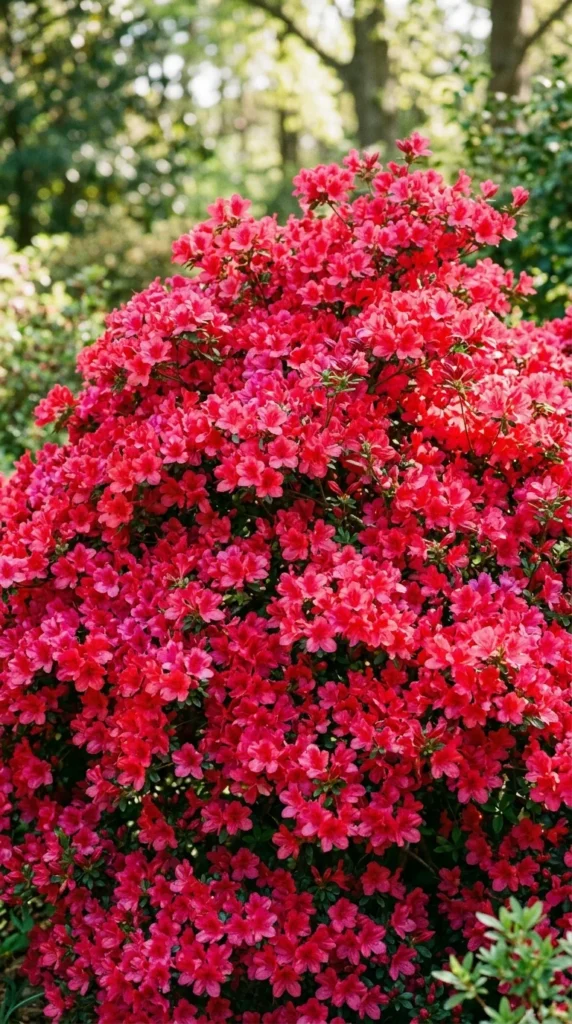
Azaleas are the “fireworks” of the spring landscape. When in full bloom, the foliage is often completely obscured by a mass of vibrant flowers. These shrubs prefer acidic soil and filtered sunlight, making them ideal for planting under the shade of taller trees. They require consistent moisture and a layer of mulch to keep their shallow roots cool and hydrated.
12. Columbine
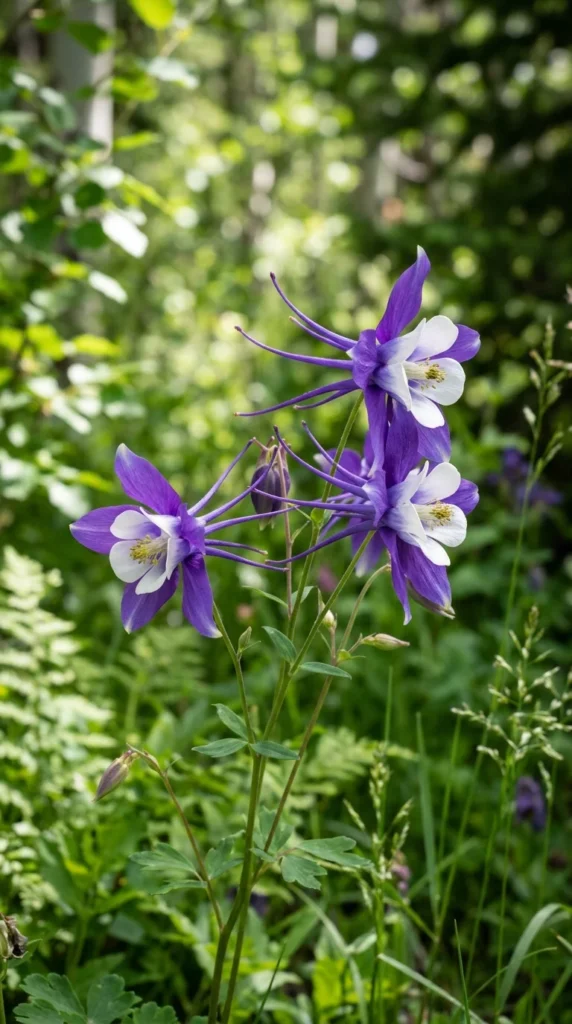
Columbine (Aquilegia) is a hardy perennial that bridges the gap between early spring bulbs and mid-summer perennials. Their flowers are complex and airy, attracting hummingbirds and bees with their nectar-filled spurs. They are incredibly adaptable, growing well in both sun and partial shade. Because they self-seed readily, you may find new columbine “volunteers” popping up in different parts of your garden each year.
13. Hellebores
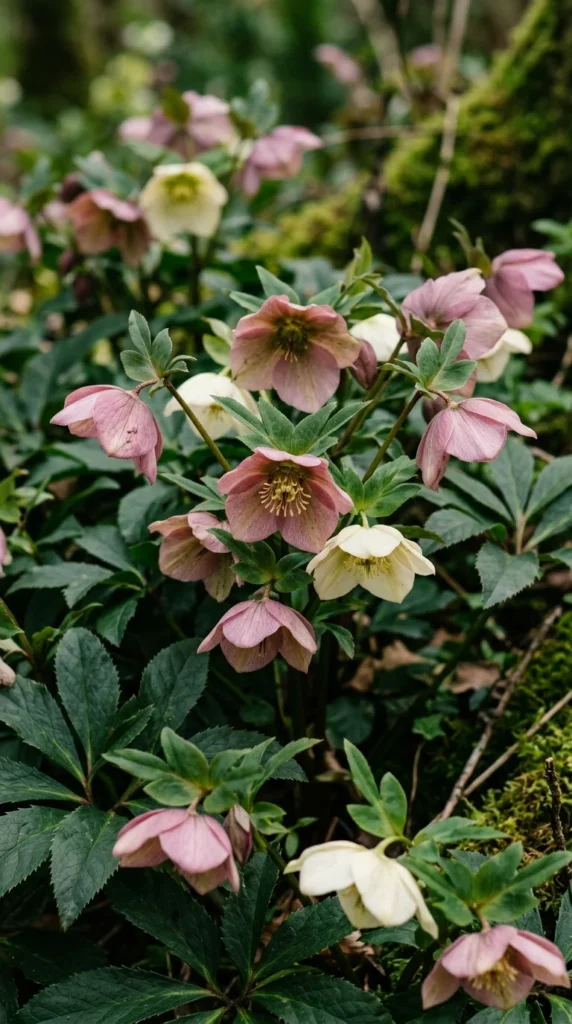
Often called the “Lenten Rose,” Hellebores are some of the earliest flowers to bloom, sometimes pushing through the snow. They are evergreen perennials that love the shade. Their flowers are long-lasting and often change color as they age, shifting from bright hues to muted greens and burgundies. They are deer-resistant and thrive in rich, well-draining soil.
14. Irises
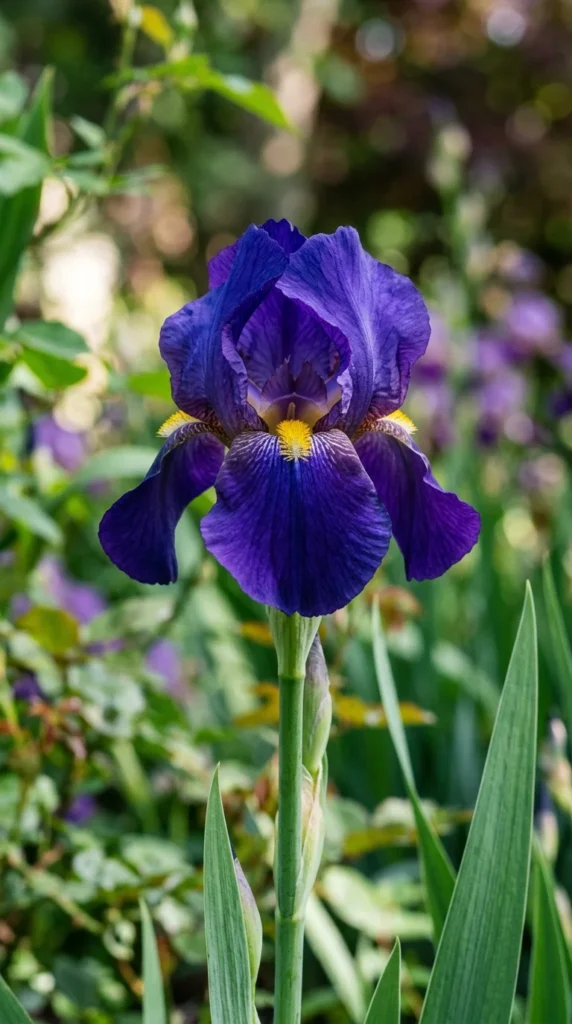
Irises are named after the Greek goddess of the rainbow, and for good reason. From the tall, majestic bearded iris to the delicate Siberian iris, they offer an incredible range of colors and patterns. Spring is a great time to plant container-grown irises. They prefer sunny locations and need well-drained soil to prevent the rhizomes from rotting. The unique structure of the iris flower adds an element of sophistication to any flower bed.
15. Forget-Me-Nots
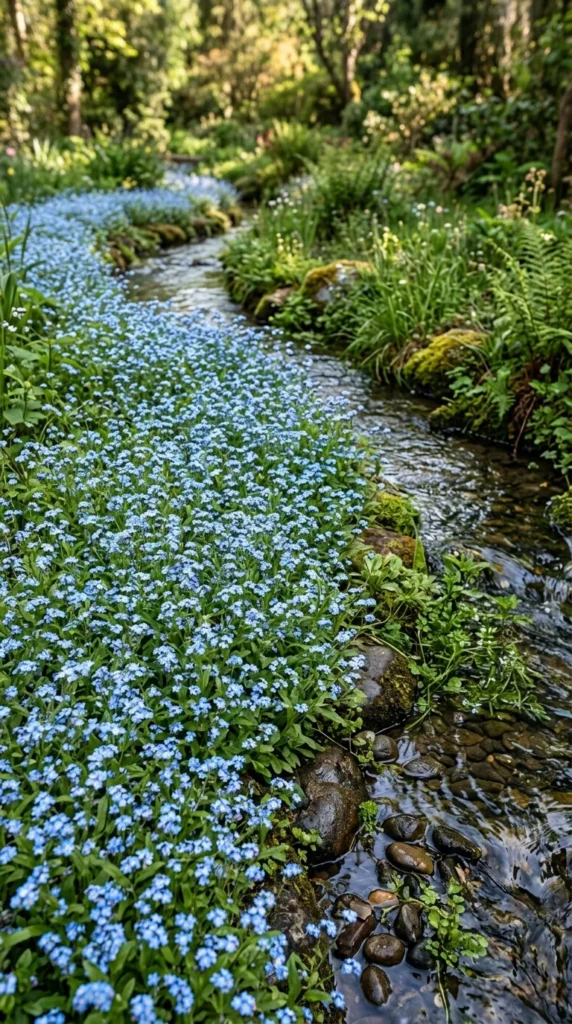
Forget-Me-Nots are the ultimate romantic groundcover. These tiny, five-petaled blue flowers with yellow centers create a cloud-like effect when planted in mass. They are biennial or short-lived perennials that self-sow with abandon. They love moist soil and partial shade, making them the perfect companion for spring bulbs like tulips and daffodils.
16. Foxgloves
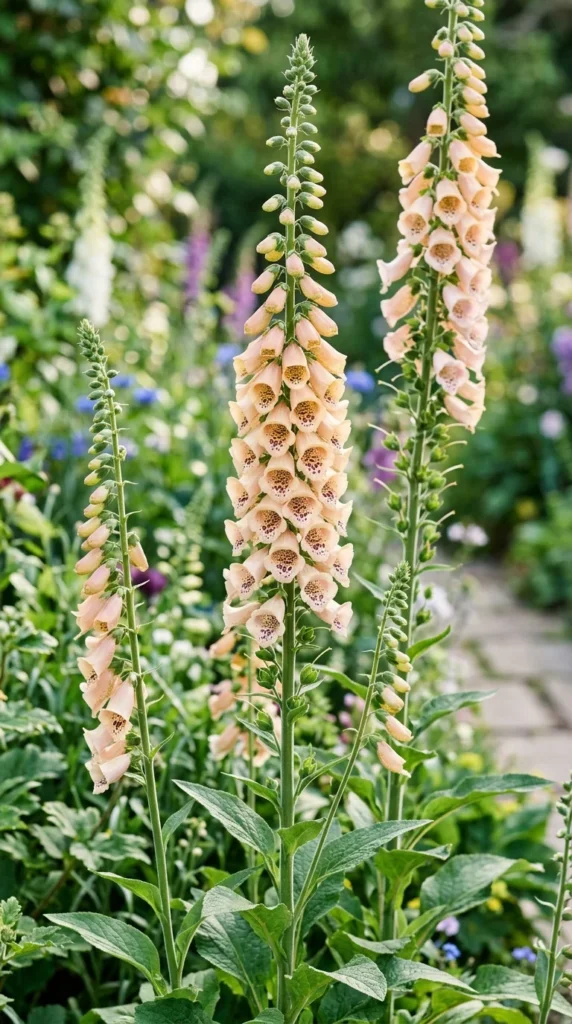
For height and drama, look no further than the Foxglove (Digitalis). These tall spires are covered in tubular, bell-shaped flowers that often feature intricate spots on the inside. Foxgloves are typically biennials, meaning they grow foliage the first year and bloom the second. Planting nursery-grown plants in the spring allows you to enjoy their majestic height immediately. Note that all parts of the foxglove are toxic if ingested, so keep them away from pets and small children.
17. Ranunculus
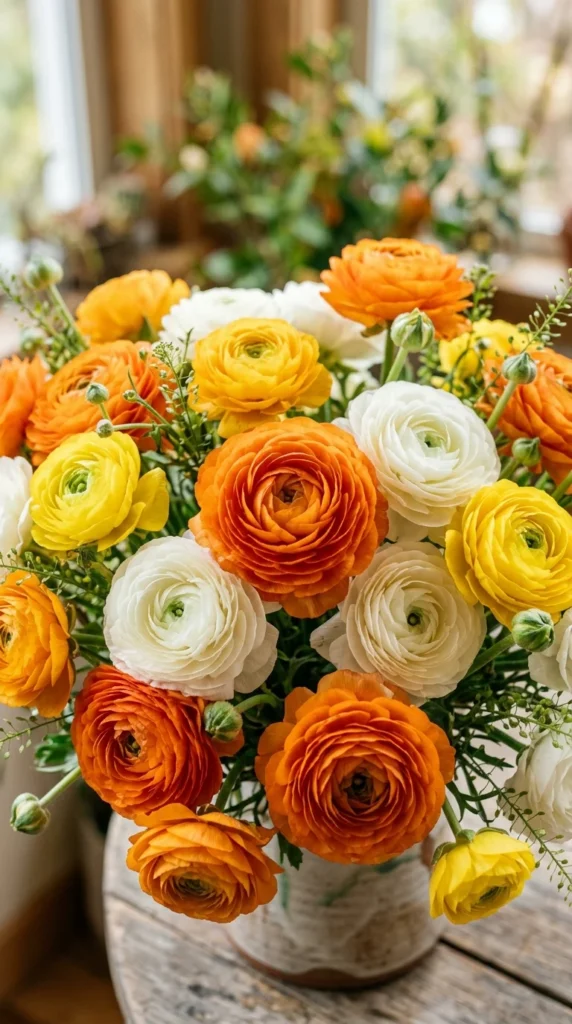
Ranunculus flowers look almost too perfect to be real. Their paper-thin, densely packed petals resemble a cross between a rose and a peony. They thrive in the cool, bright days of spring and are a favorite for floral arrangements due to their long vase life. Plant the claw-like corms in early spring as soon as the soil can be worked for a spectacular early-summer display.
18. Hydrangeas
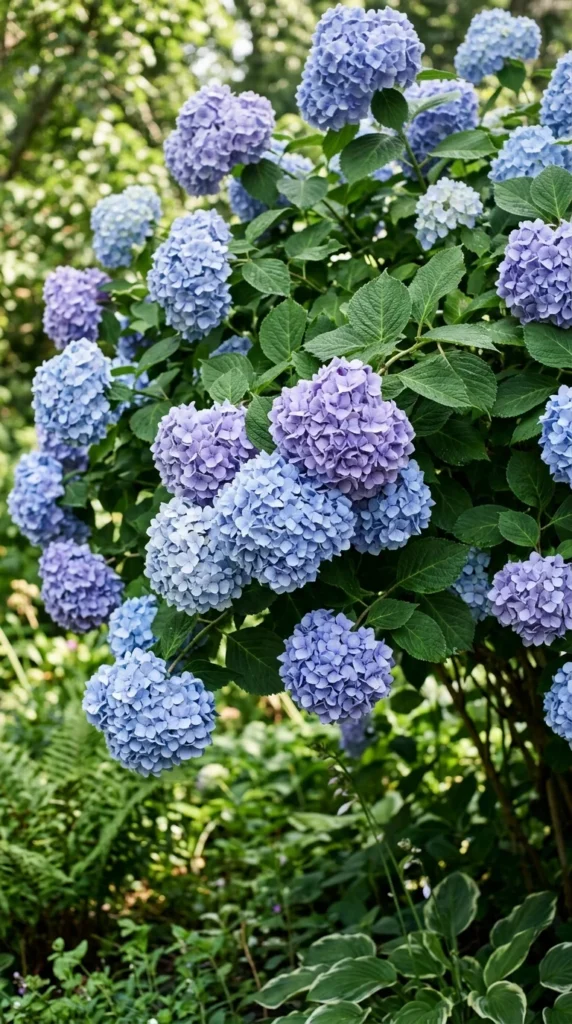
While many hydrangeas bloom in the summer, planting them in the spring gives them time to establish their root systems before the heat of the year. Varieties like the “Macrophylla” (Mophead) are iconic for their large, spherical flower clusters. Depending on your soil’s pH, some varieties can even change color from pink to blue. They prefer morning sun and afternoon shade, along with plenty of water.
19. Anemones
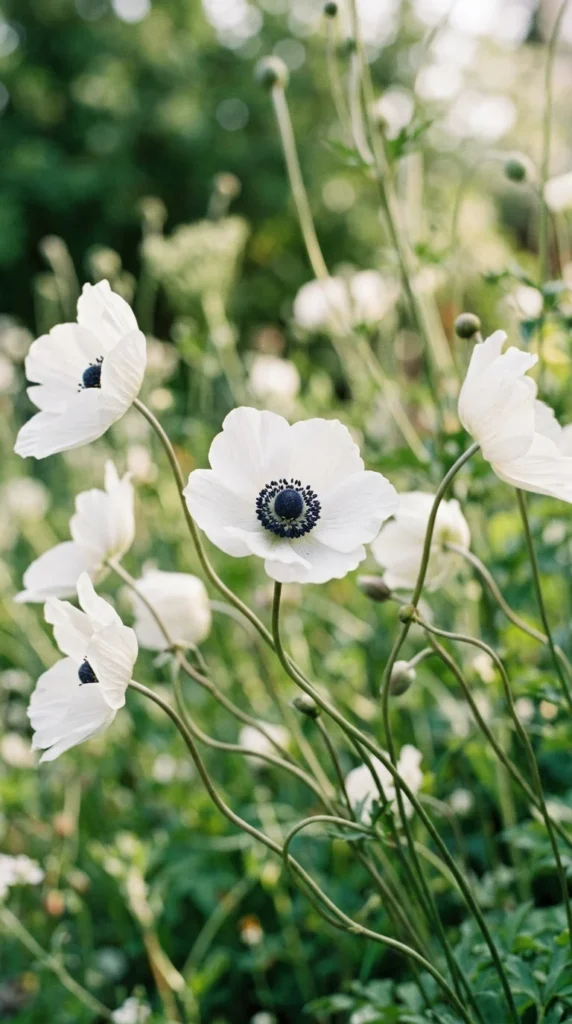
Anemones, specifically the “De Caen” or “Windflower” varieties, offer a simple, striking beauty. With their poppy-like petals and dark, contrasting centers, they look stunning in both the garden and in bouquets. They are best planted in spring in areas with well-drained soil. They have a delicate appearance but are surprisingly resilient, blooming for several weeks in the mid-to-late spring.
20. Poppies
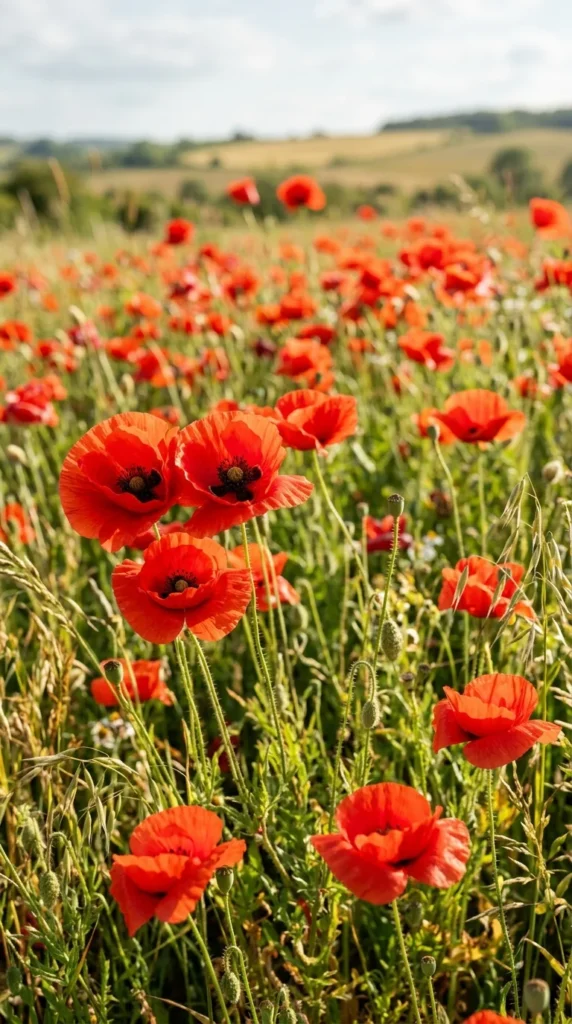
Poppies are famous for their intense colors and delicate, papery texture. Whether you choose the perennial Oriental poppy or the annual California poppy, they bring an effortless, wildflower charm to the garden. They are best started from seed or young transplants in the spring. Poppies have a deep taproot and do not like to be moved once established, so choose their permanent home carefully.
Essential Spring Planting Tips
To ensure your spring garden thrives, keep these fundamental tips in mind:
- Soil Preparation: Before planting, enrich your soil with compost or well-rotted manure. This improves drainage in clay soils and helps sandy soils retain moisture.
- Hardiness Zones: Always check your local USDA Hardiness Zone to ensure the flowers you choose are suited for your climate.
- Watering: Young plants need consistent moisture to establish their roots. Water deeply but avoid making the soil soggy.
- Mulching: Apply a layer of organic mulch around your new plants. This helps regulate soil temperature, retains moisture, and suppresses weeds.
- Deadheading: For many varieties, removing dead flowers will encourage the plant to produce more blooms and prevent it from putting all its energy into seed production.
By selecting a mix of these twenty beautiful flowers, you can ensure a succession of color that lasts from the first thaw until the warmth of summer takes over. Happy gardening!