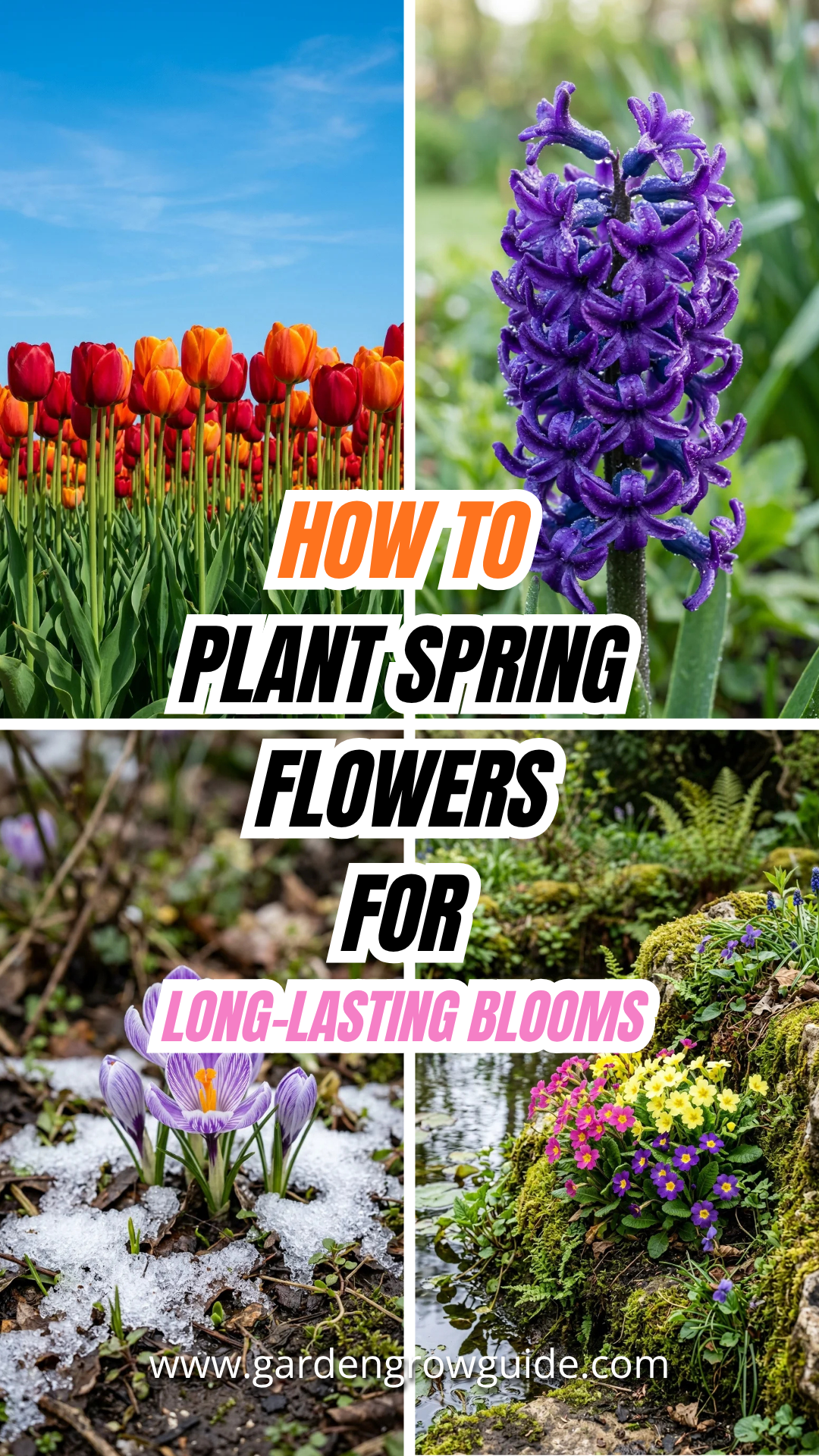
A spectacular spring garden does not happen by accident. It is the result of strategic planning, soil preparation, and a deep understanding of botanical timing. To achieve a landscape that remains in bloom from the first thaw of late winter through the transition into summer, gardeners must employ a technique known as “succession planting.” This involves selecting a variety of species that bloom at different intervals—early, mid, and late season—to ensure there is never a gap in color.
The foundation of a long-lasting spring display begins months in advance. Most spring-blooming bulbs require a period of cold dormancy, meaning they must be tucked into the earth during the autumn. However, planting the bulbs is only the first step. To maximize their longevity, you must consider the microclimates of your yard, the nutrient density of your soil, and the specific hydration needs of each species.
1. Daffodils
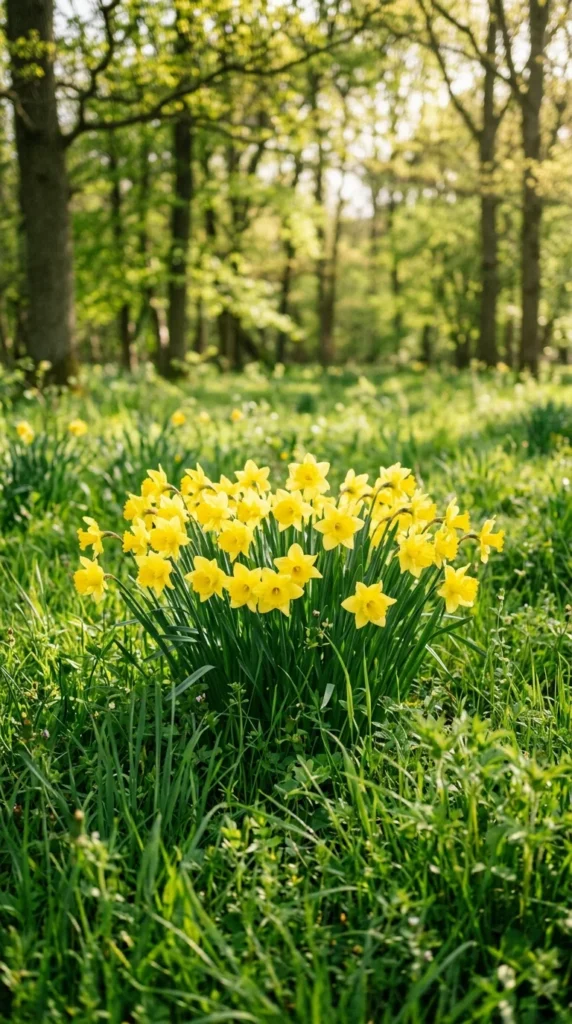
Daffodils are the stalwarts of the spring garden. Known botanically as Narcissus, these hardy perennials are famous for their resilience and their ability to naturalize, meaning they will return and multiply year after year. To ensure they bloom for as long as possible, it is wise to plant a mix of varieties.
Early-season cultivars like ‘Rijnveld’s Early Sensation’ can appear as early as February, while late-season poeticus daffodils won’t show their faces until May. When planting, ensure they are placed in well-draining soil; daffodils are susceptible to bulb rot if left in standing water. A depth of three times the height of the bulb is the standard rule of thumb to protect them from temperature fluctuations.
2. Tulips
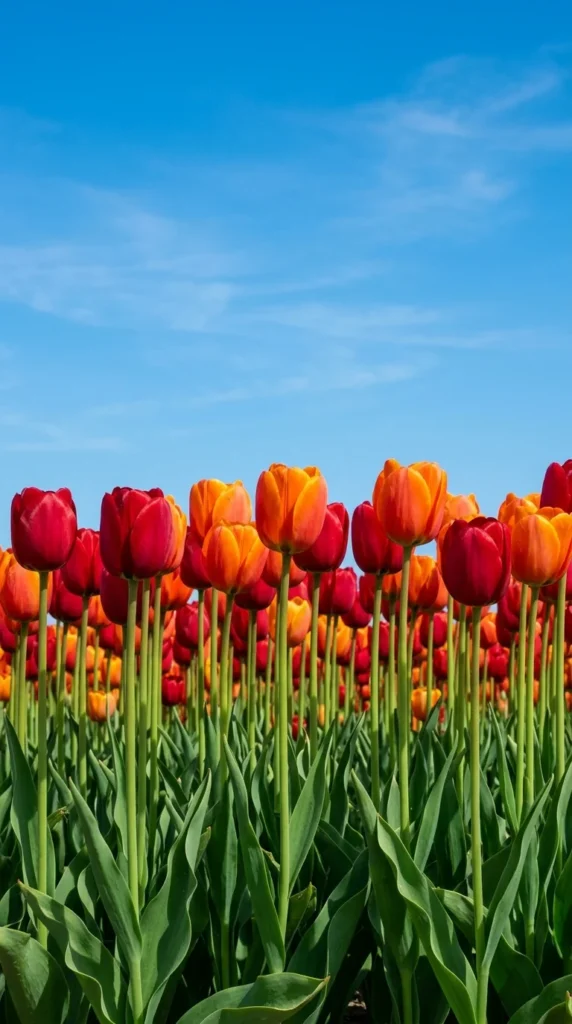
Tulips offer the widest range of colors and shapes in the spring palette, from delicate lily-flowered varieties to bold, fringed types. The secret to long-lasting tulip displays is selecting “Darwin Hybrids” or “Fosteriana” types, which are known for their massive blooms and ability to withstand spring storms.
Because many modern tulips are treated as annuals, gardeners seeking longevity should plant them deep—up to 8 inches—to encourage the bulb to survive for a second or third year. To keep the blooms fresh, provide afternoon shade in warmer climates, as excessive heat can cause the petals to drop prematurely.
3. Hyacinths
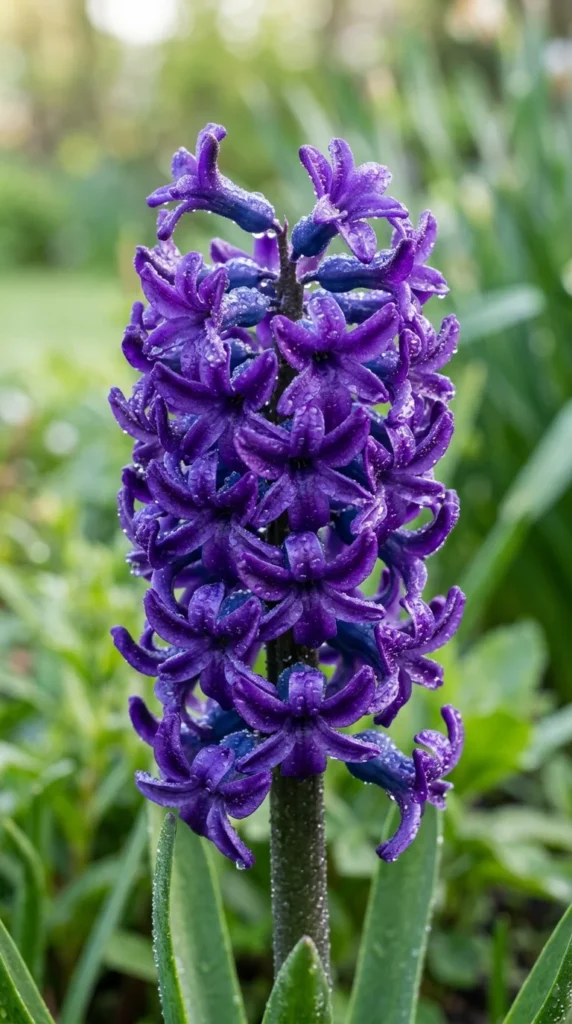
Hyacinths are prized not just for their architectural beauty but for their intense fragrance. These flowers bloom in mid-spring and provide a thick, carpet-like texture to garden beds. To extend their life, plant them in groups where they are sheltered from high winds, which can topple their heavy flower spikes.
Hyacinths prefer a sunny spot but can tolerate partial shade, which actually helps the blooms last several days longer by keeping the plant cool. After the flowers fade, it is vital to leave the foliage intact until it turns yellow, as the leaves are busy photosynthesizing energy back into the bulb for next year’s show.
4. Crocus
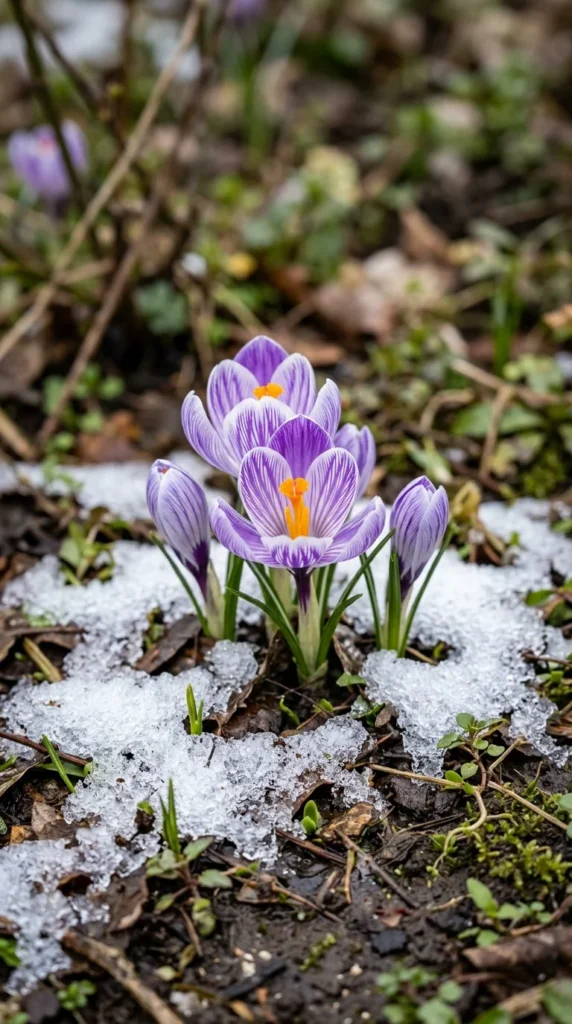
Crocuses are the “heralds of spring,” often pushing through the snow before any other flower. These are corms rather than true bulbs, and they are perfect for “lawning”—the practice of planting them directly into the turf. Because they bloom so early, they provide a critical nectar source for early-emerging bees.
For the longest bloom time, plant them in a location that receives full sun in late winter (perhaps under a deciduous tree that hasn’t leafed out yet). Using a mix of Crocus chrysanthus (Snow Crocus) and the larger Crocus vernus (Giant Crocus) will provide a staggered blooming period that can last up to a month.
5. Hellebores
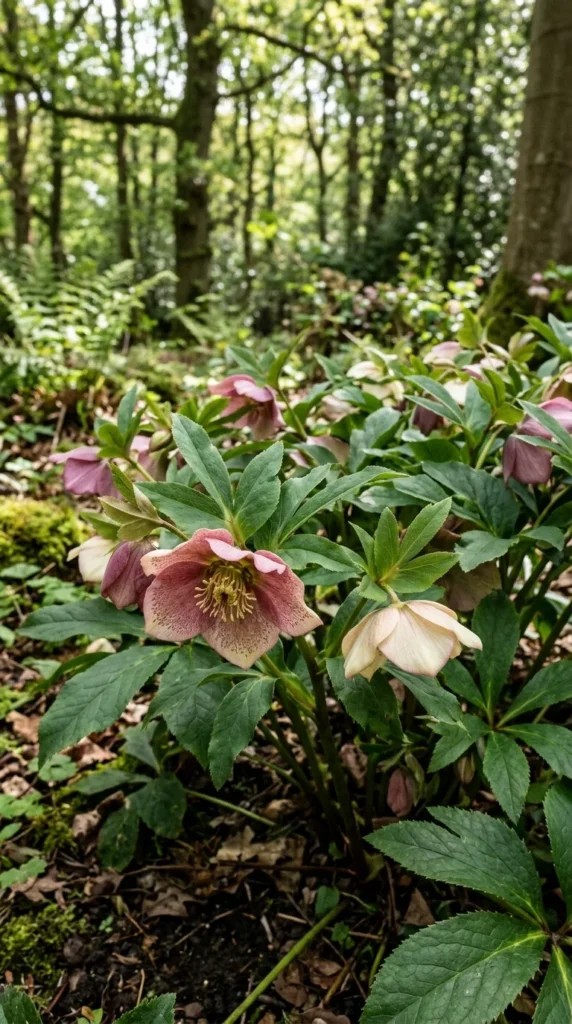
Often called the Lenten Rose, Hellebores are unique because they are not bulbs but evergreen perennials. Their “petals” are actually sepals, which are much heartier and can remain on the plant for several months. While other flowers wither in a week, a Hellebore bloom can look beautiful from February through May.
They thrive in damp, shady areas where most spring bulbs struggle. To get the best out of Hellebores, mulch them with organic matter in the winter and remove the old, tattered leaves from the previous year as the new flower buds emerge. This prevents disease and puts the focus entirely on the stunning, nodding blooms.
6. Primroses
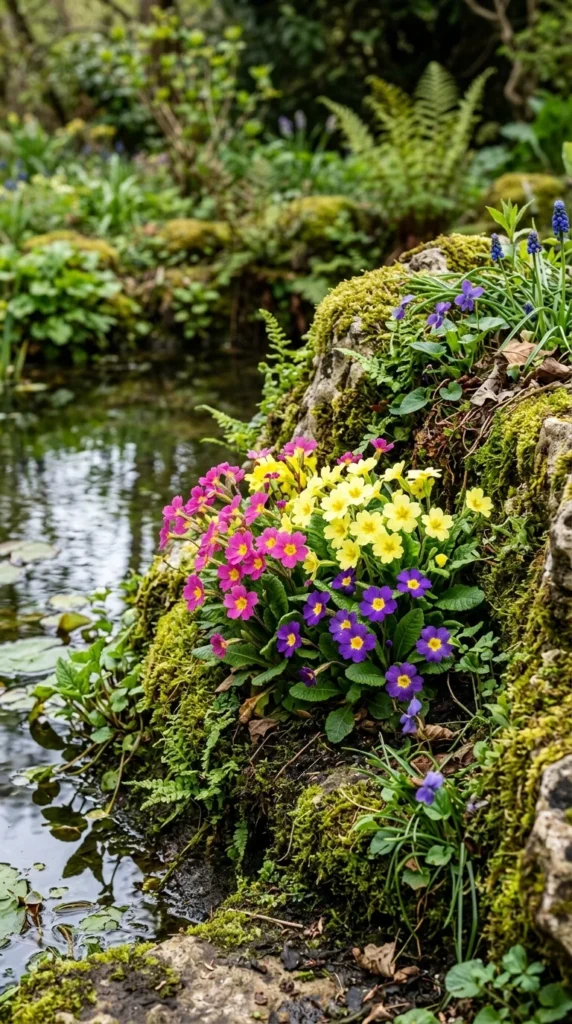
Primroses are essential for adding low-growing, saturated color to the edges of garden paths or containers. They prefer cool, moist conditions and filtered light. Unlike bulbs that disappear after blooming, primroses remain as green clumps throughout the season.
To keep them blooming for an extended period, “deadheading” (removing spent flowers) is crucial. This prevents the plant from putting energy into seed production and encourages it to produce more buds. In temperate climates, some varieties of Primula can bloom intermittently from late winter all the way into early summer if kept sufficiently hydrated and cool.
7. Alliums
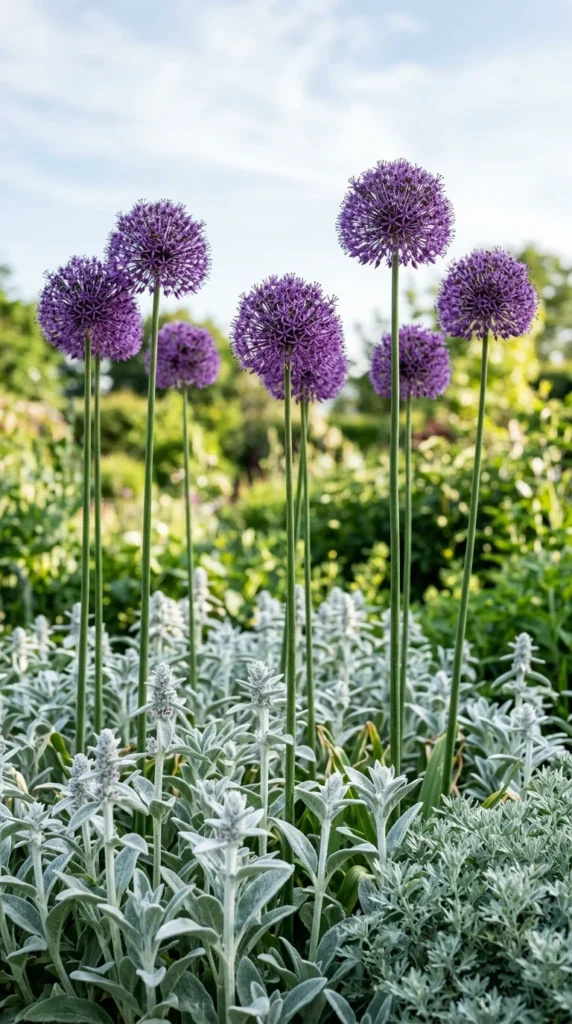
Alliums act as the bridge between spring and summer. These ornamental onions produce striking, spherical flower heads that can last for weeks on the stem. Even after the color fades, the dried seed heads provide architectural interest in the garden.
Planting alliums in the middle of a border is a clever trick; their foliage tends to wither just as the flowers reach their peak, so surrounding them with perennials like hostas or catmint will hide the dying leaves while highlighting the spectacular floating globes. They are also highly resistant to deer and rabbits, making them a “safe” bet for long-term garden health.
The Art of the “Bulb Lasagna”
To achieve the maximum density of blooms in a small space, many expert gardeners utilize the “Bulb Lasagna” method. This involves planting bulbs in layers within a single container or garden hole.
- Bottom Layer: Plant the largest, latest-blooming bulbs, such as tall tulips or late-season alliums, at a depth of 8 inches.
- Middle Layer: Add a layer of soil, then plant mid-season bloomers like daffodils or hyacinths at about 5-6 inches deep.
- Top Layer: Add more soil and finish with small, early-blooming bulbs like crocus or grape hyacinths at 3 inches deep.
As spring progresses, the flowers will grow through one another, creating a continuous explosion of color from the same patch of earth for months on end.
Essential Maintenance for Longevity
While planting is the bulk of the work, maintenance determines how long the “show” actually lasts.
- Watering: Spring is often rainy, but if you experience a dry spell, supplemental watering is necessary. Bulbs need moisture to push their stems upward and keep petals hydrated.
- Fertilizing: Apply a balanced, slow-release fertilizer just as the first green shoots emerge. This provides the nutrients necessary for vibrant colors and strong stems.
- Mulching: A thin layer of wood chips or shredded leaves helps regulate soil temperature, keeping the bulbs cool during unexpected spring heatwaves, which can otherwise cause flowers to wilt prematurely.
- Avoid Early Cutting: While it is tempting to cut the green leaves back once the flowers are gone, you must resist. The leaves are the “batteries” for next year’s blooms. Wait until they are completely brown and brittle before removing them.
By selecting a diverse range of species, utilizing layered planting techniques, and following through with consistent care, your spring garden will be a long-lasting sanctuary of color that marks the triumphant return of the growing season.