Great gardens aren’t just grown; they are built from the ground up. The secret to a thriving landscape—whether you are growing prize-winning roses or a bumper crop of tomatoes—lies in the quality of the soil. Soil amendments are materials added to the soil to improve its physical properties, such as water retention, permeability, water infiltration, drainage, aeration, and structure. Unlike fertilizers, which focus primarily on providing nutrients, amendments change the very fabric of the soil environment.
Here are the 20 best soil amendments to transform your garden into a nutrient-rich sanctuary for plants.
1. Compost
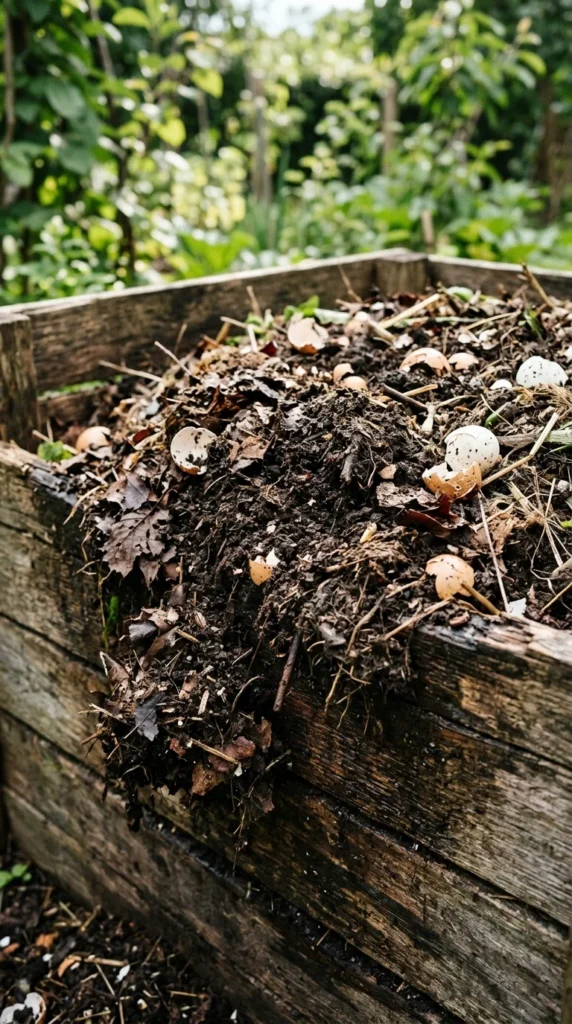
Often referred to as “black gold,” compost is the king of soil amendments. It is decomposed organic matter made from kitchen scraps, yard waste, and carbon-rich materials like straw. Compost improves soil structure in all soil types. In sandy soil, it helps retain moisture; in clay soil, it improves drainage and aeration. It also introduces a massive community of beneficial microbes that break down nutrients for plant uptake.
2. Manure
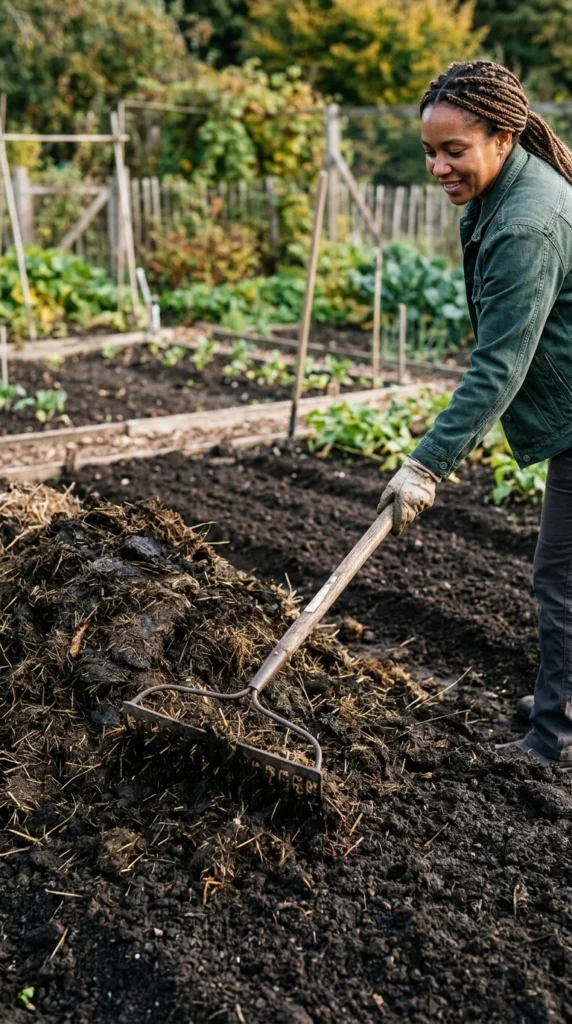
Livestock manure from cows, horses, chickens, or goats is a powerhouse of nitrogen and organic matter. It is vital to use “aged” or composted manure, as fresh manure is too high in nitrogen and can “burn” plant roots. Manure adds bulk to the soil and provides a slow-release source of macronutrients that support vigorous leaf and stem growth.
3. Peat Moss
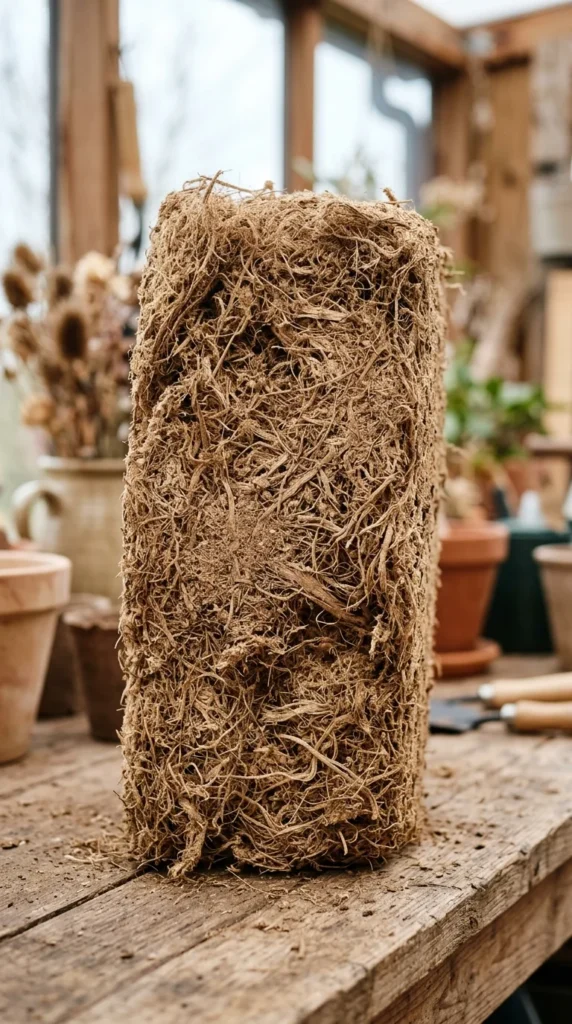
Peat moss is harvested from peat bogs and is prized for its incredible ability to hold onto water—up to 20 times its weight. It is an excellent amendment for sandy soils that dry out too quickly. It has an acidic pH, making it particularly beneficial for acid-loving plants like blueberries, azaleas, and camellias. However, because it is a slow-renewing resource, many gardeners use it sparingly.
4. Coconut Coir
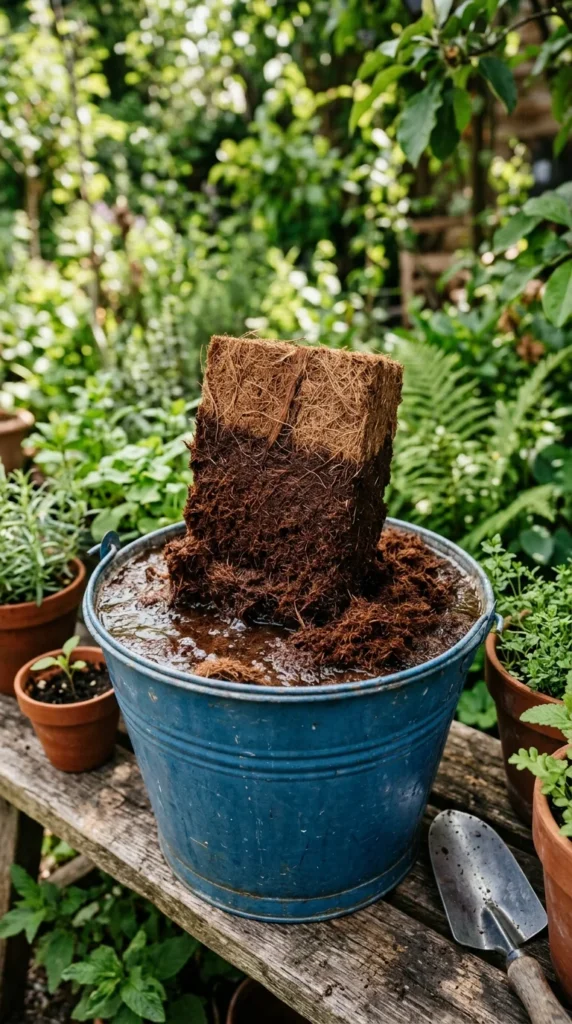
Coconut coir is the fibrous husk of a coconut and serves as a sustainable alternative to peat moss. It has a neutral pH and excellent water-holding capacity while still providing good aeration. It is resistant to compaction and lasts longer in the soil than many other organic amendments. It is particularly popular in container gardening and seed-starting mixes.
5. Perlite
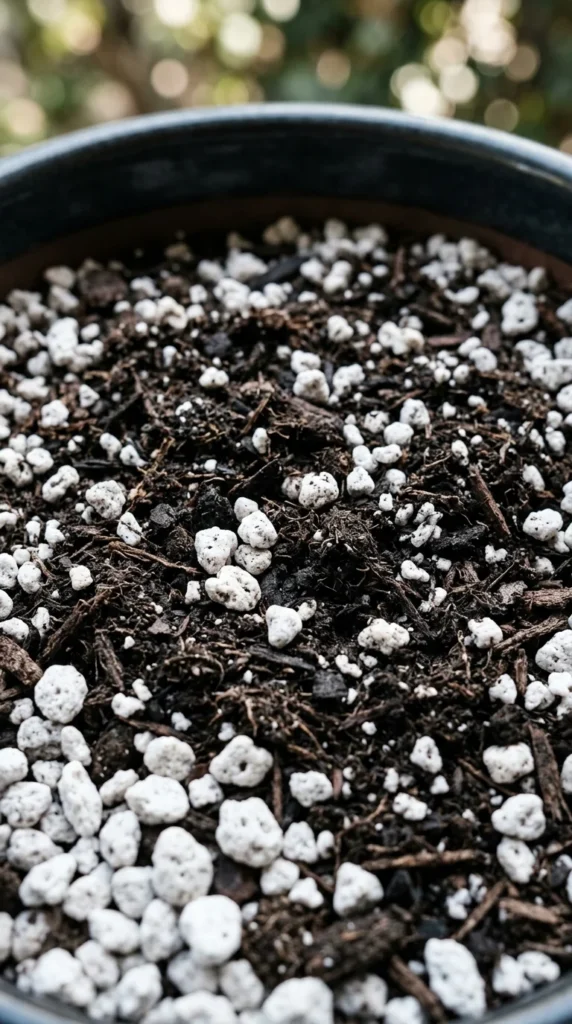
Perlite is a volcanic glass that has been heated until it “pops” like popcorn. The result is a lightweight, white granule that is highly porous. Adding perlite to garden soil or potting mixes prevents the soil from becoming too dense. It creates tiny air pockets, ensuring that roots have access to oxygen and that excess water can drain away easily.
6. Vermiculite
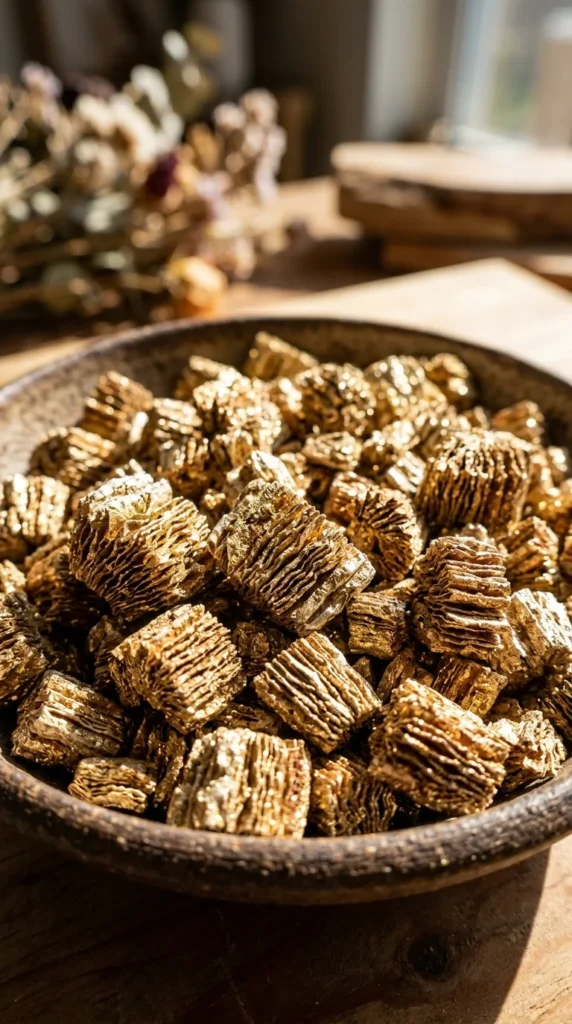
Like perlite, vermiculite is a mined mineral that is heat-expanded. However, while perlite is best for drainage, vermiculite is superior for moisture retention. It acts like a sponge, soaking up water and water-soluble nutrients and releasing them slowly to the plants. It is ideal for starting seeds or for plants that require consistently moist soil.
7. Leaf Mold

Leaf mold is simply composted leaves. Unlike standard compost, which undergoes a high-heat bacterial process, leaf mold is created through a cooler, fungal-driven decomposition process. It doesn’t add much in the way of nutrients, but it is one of the best amendments for improving soil structure and water-holding capacity. It mimics the natural forest floor, creating a habitat for beneficial fungi.
8. Biochar
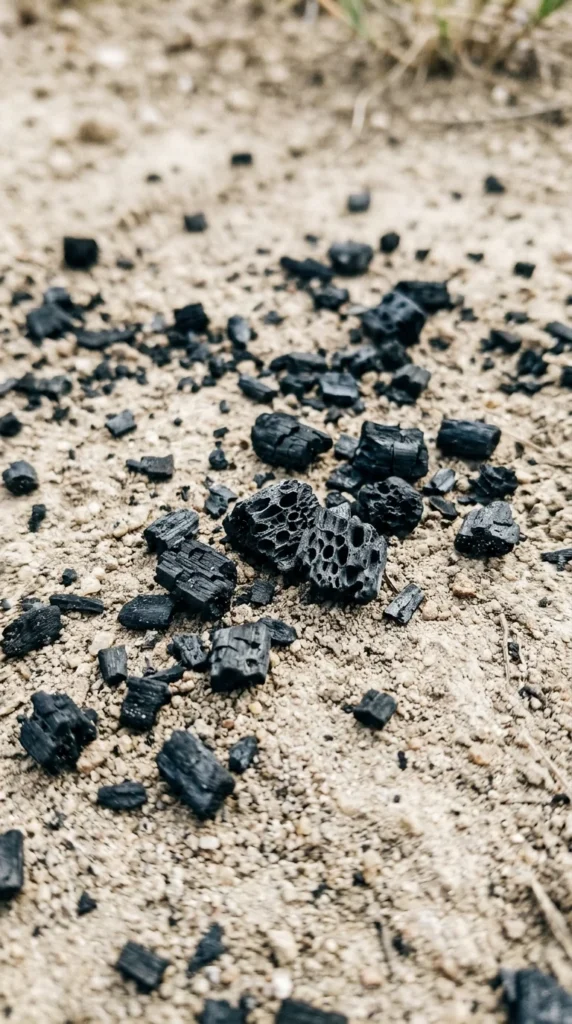
Biochar is a form of charcoal produced through pyrolysis (heating organic material in the absence of oxygen). It is incredibly stable and can stay in the soil for hundreds of years. Its highly porous structure provides a “hotel” for beneficial microbes and helps the soil retain nutrients that would otherwise wash away. It is an ancient technique revamped for modern regenerative gardening.
9. Bone Meal
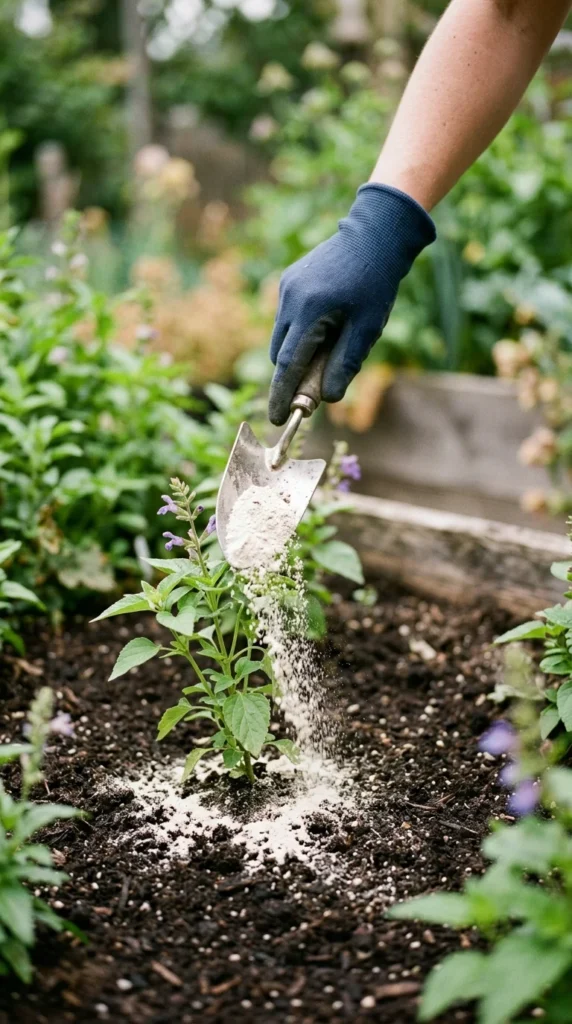
Bone meal is a pulverized animal bone product that is exceptionally high in phosphorus and calcium. Phosphorus is essential for root development and flower production. Gardeners typically add bone meal when planting bulbs or transplanting young starts to ensure a strong root foundation and vibrant blooms later in the season.
10. Blood Meal
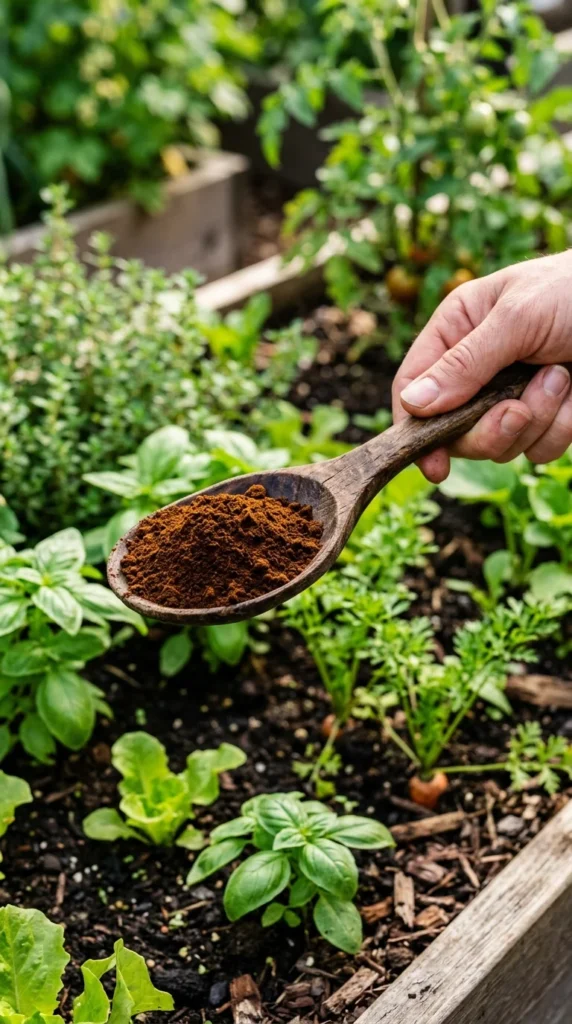
If your plants are looking pale or stunted, they may need a nitrogen boost. Blood meal is dried animal blood and serves as a potent, fast-acting organic source of nitrogen. It can also slightly lower the pH of the soil. Because it is so concentrated, it should be used in moderation to avoid over-stimulating green growth at the expense of fruit or flowers.
11. Fish Emulsion

Fish emulsion is a liquid amendment made from decomposed fish parts. It provides a balanced array of nitrogen, phosphorus, and potassium, along with many trace minerals. Because it is a liquid, the nutrients are immediately available to the plants. It is often used as a “foliar feed” or a quick pick-me-up for stressed plants during the growing season.
12. Kelp Meal
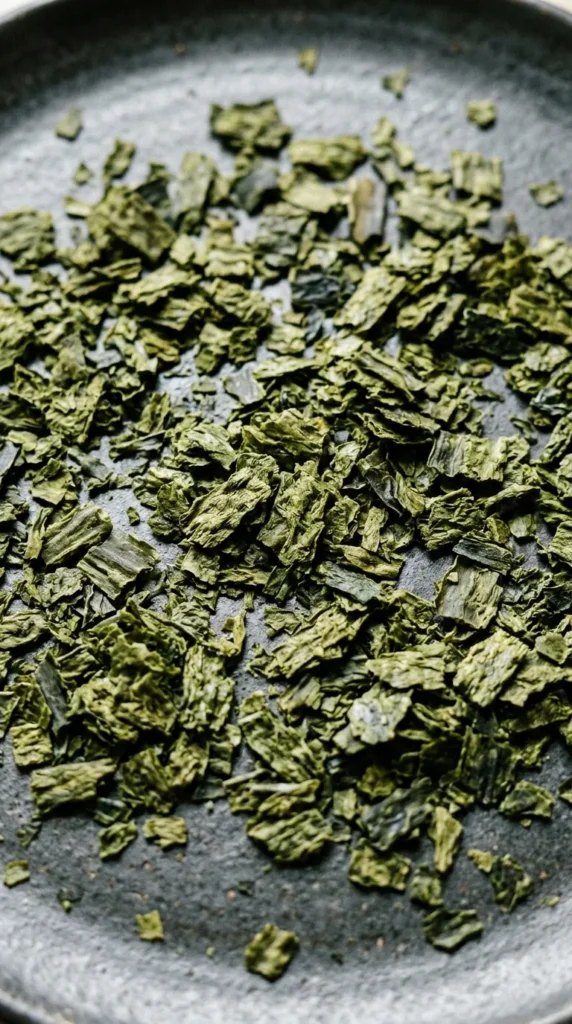
Kelp meal is made from dried and ground seaweed. While it contains low levels of N-P-K, it is packed with over 60 trace minerals and growth hormones that stimulate plant development. It helps plants tolerate stress, such as drought or cold, and improves the overall health of the soil microbiome.
13. Greensand
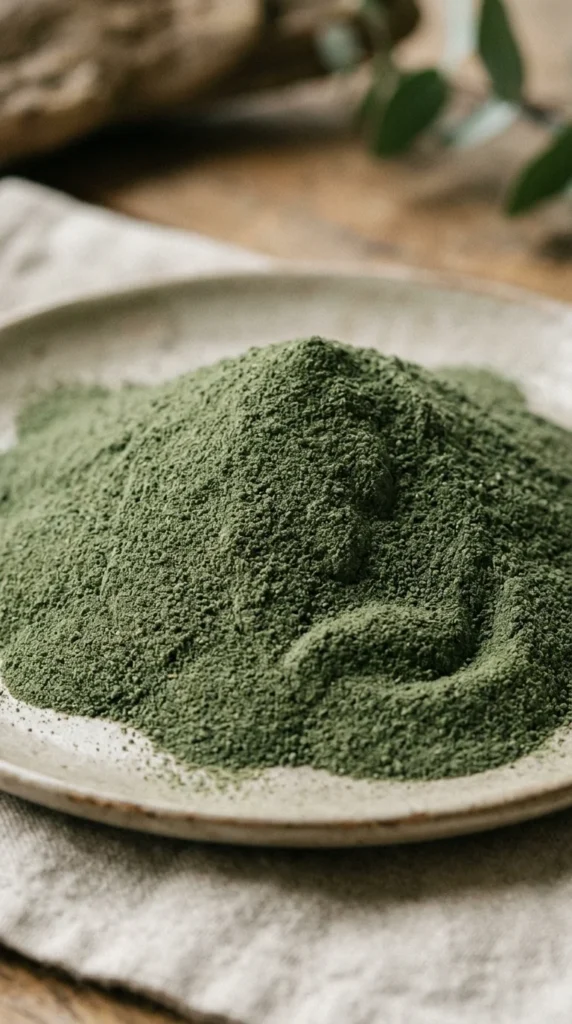
Greensand (glauconite) is an organic amendment harvested from ancient ocean floors. It is highly valued for its potassium content and its ability to loosen heavy clay soils. It breaks down very slowly, providing a steady supply of minerals over several years. It is an excellent choice for long-term soil conditioning.
14. Rock Phosphate
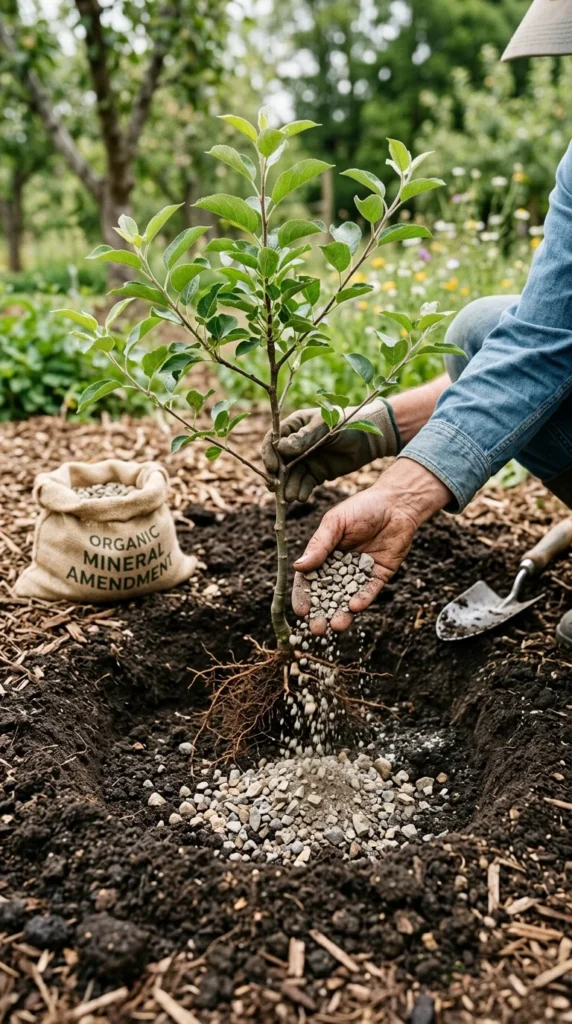
Rock phosphate is a natural mineral powder that provides a long-term source of phosphorus. Unlike bone meal, which is faster acting, rock phosphate stays in the soil for years, slowly dissolving and providing plants with the energy they need for photosynthesis and seed production. It is a staple in organic orchards and perennial gardens.
15. Gypsum
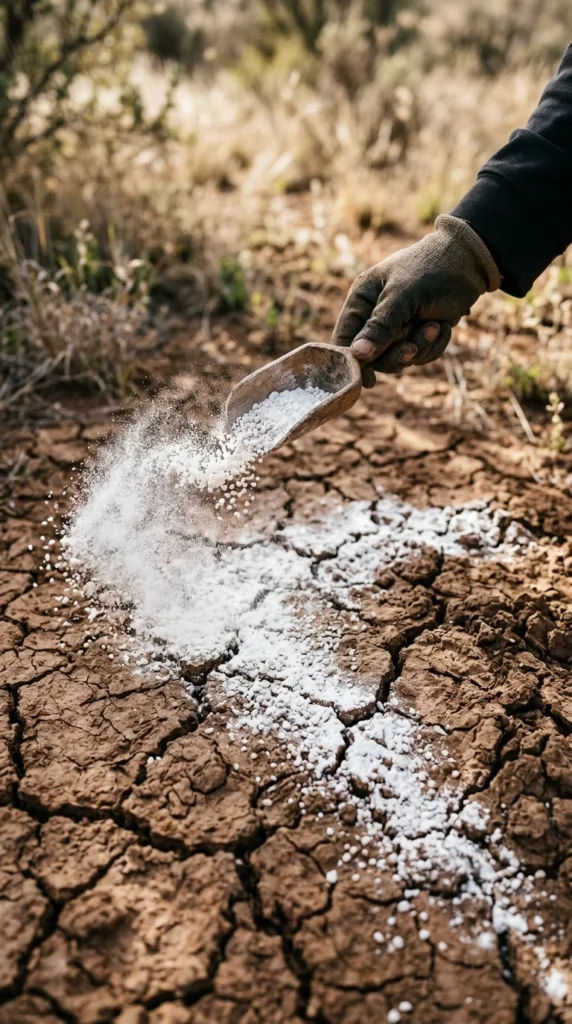
Gypsum (calcium sulfate) is often called a “clay buster.” It helps to aggregate small clay particles into larger clumps, which improves soil structure and drainage without significantly altering the soil’s pH. It also provides essential calcium and sulfur, which are necessary for cell wall strength and enzyme production in plants.
16. Lime

Agricultural lime is made from pulverized limestone and is primarily used to raise the pH of acidic soils (making them more alkaline). Many vegetables and grasses struggle in highly acidic soil because nutrients become “locked” and unavailable. Lime unlocks these nutrients and provides a boost of calcium.
17. Elemental Sulfur
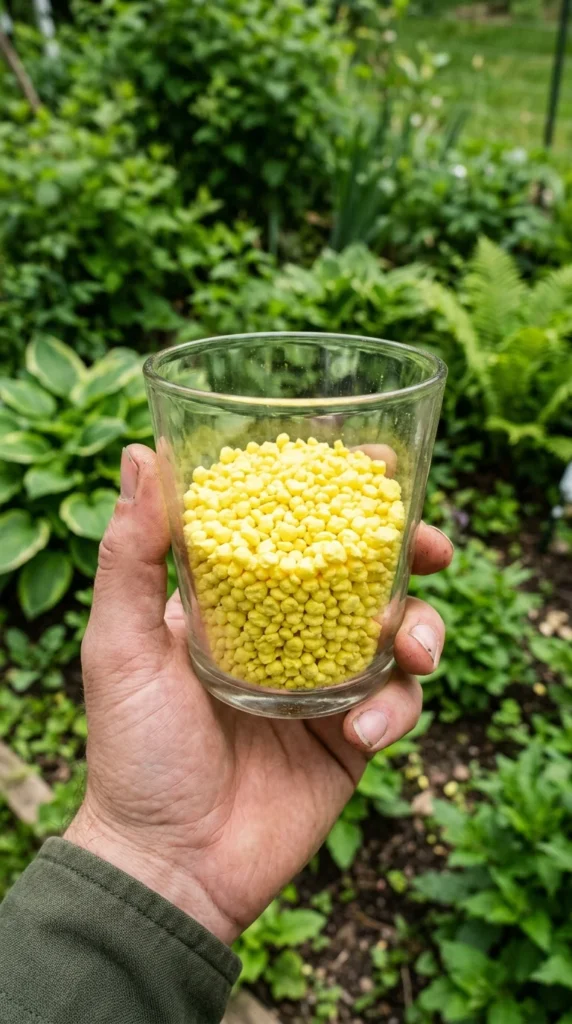
Where lime raises pH, elemental sulfur lowers it. If your soil is too alkaline, plants like blueberries and strawberries will suffer from iron chlorosis. Adding sulfur is a slow process—microbes must convert it into sulfuric acid—but it is the most effective way to create the acidic environment that many specialty crops crave.
18. Wood Ash
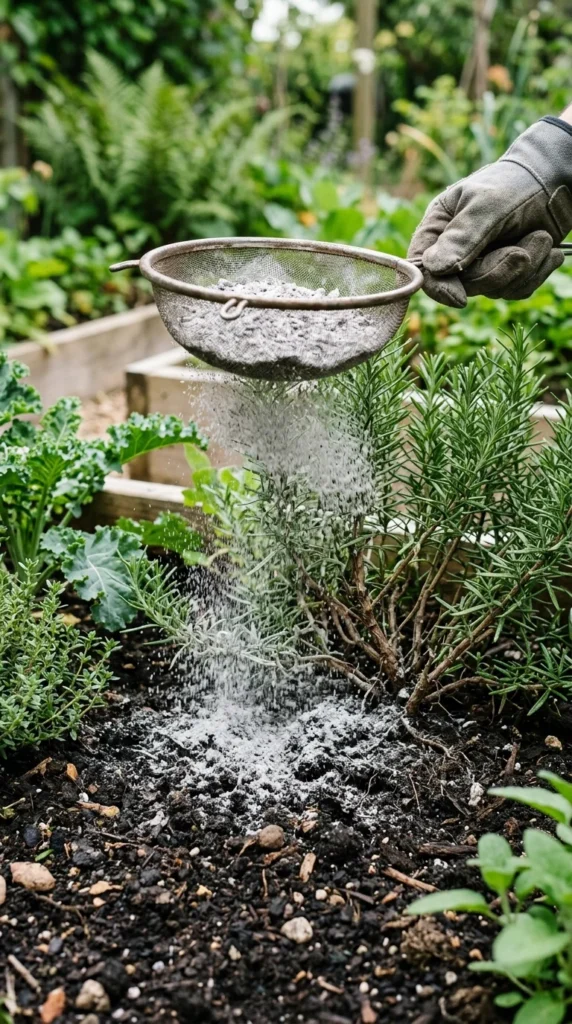
Ash from hardwoods is a great source of potassium and calcium. It also acts as a liming agent, raising the pH of the soil. Because it is very fine and water-soluble, the effects are rapid. It should be used sparingly, as too much wood ash can make the soil too alkaline and potentially harm soil biology if applied in thick layers.
19. Worm Castings
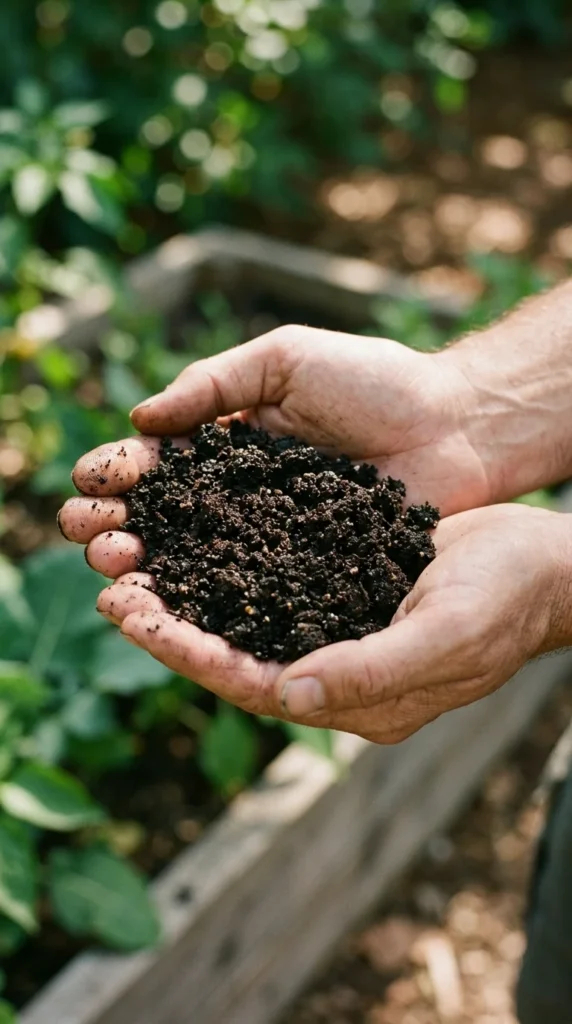
Worm castings are the excrement of earthworms, and they are arguably the most biologically active amendment you can add to a garden. They are packed with beneficial bacteria, enzymes, and plant-available nutrients. Castings help with moisture retention and have been shown to help plants repel certain pests and diseases.
20. Mycorrhizae
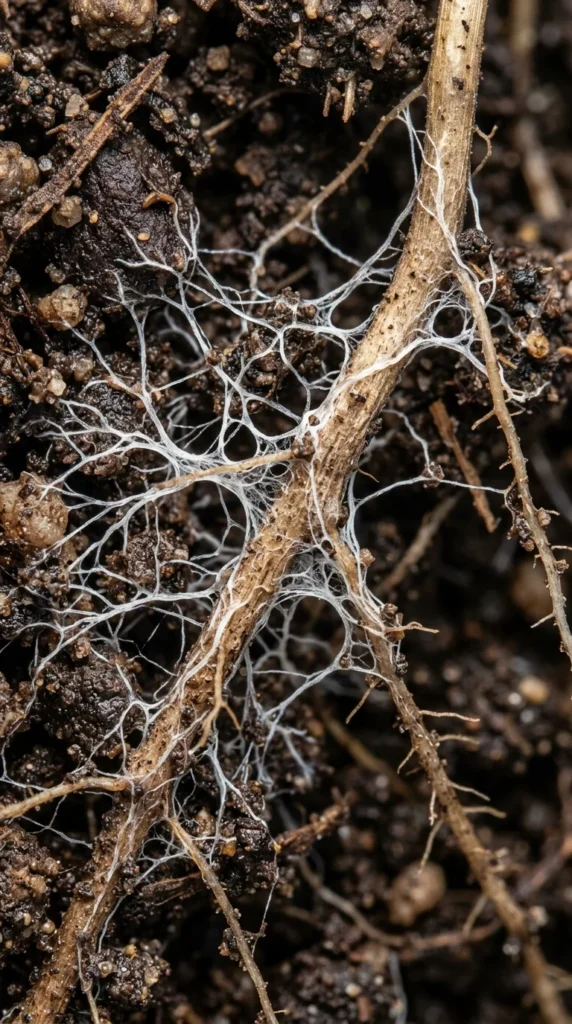
While not a “material” in the traditional sense, mycorrhizal fungi are an essential biological amendment. These fungi form a symbiotic relationship with plant roots, effectively extending the root system’s reach. They help the plant absorb water and phosphorus that the roots couldn’t reach on their own. Adding a mycorrhizal inoculant during planting can significantly increase a plant’s resilience and growth rate.